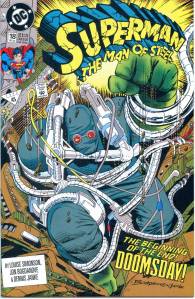
Beginning an all-new monthly Superman title. Over a year ago, Superman fought the urge to become the Krypton Man…now the Krypton Man is born anew from the Earth’s fiery sun, where the Man of Steel buried the mysterious Kryptonian Eradicator! In the wake of the rebirth of his nemesis, Earth’s yellow sun begins turning red – causing natural disasters planetwide!
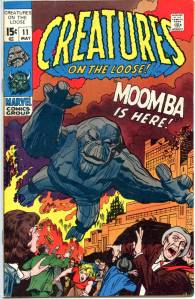
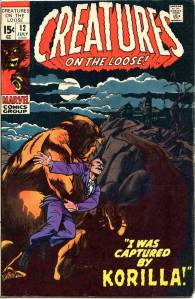
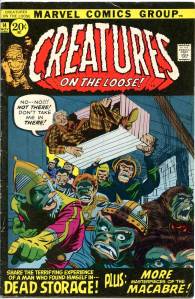
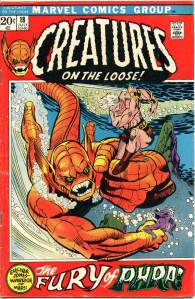
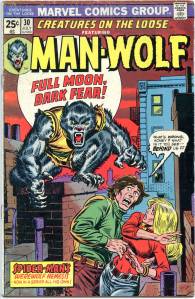
Tower of Shadows was re titled Creatures on the Loose with issue #10 (March 1971), this version led off with a seven-page King Kull story by Thomas and artist Bernie Wrightson. The book then became all-reprint until issue #16 (March 1972), when writer Thomas and the art team of Gil Kane and Bill Everett introduced the series “Gullivar Jones, Warrior of Mars”, starring an interplanetary Earthman created by author Edwin L. Arnold in his 1905 book Lieut. Gullivar Jones: His Vacation. Following another issue by Thomas and one by Gerry Conway, science fiction novelist George Alec Effinger wrote the final three installments.
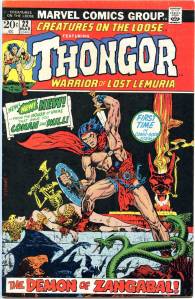
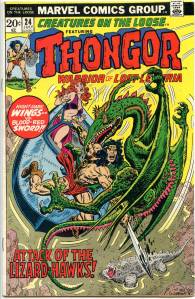
Effinger continued as writer for the series that immediately followed, in issue #22 (March 1973): “Thongor! Warrior of Lost Lemuria!”, adapting asword-and-sorcery barbarian character created by author Lin Carter. Following writers Tony Isabella and Gardner Fox, Carter himself co-wrote (with Steve Gerber) the final two installments.
Thomas, Marvel’s associate editor at the time, recalled in 2007 that Thongor had been the company’s first choice when Marvel decided to published a licensed fantasy character, rather than the eventual hit Conan the Barbarian. Publisher Martin Goodman “authorized us to go after a character. I first went after Lin Carter’s Thongor, who was a quasi-Conan with elements of John Carter of Mars, partly became editor-in-chiefStan Lee liked that name the most … I soon got stalled by Lin Carter’s agent on Thongor (he was hoping I’d offer more than the $150 per issue I was authorized to offer), and I got a sudden impulse to go after Conan”.
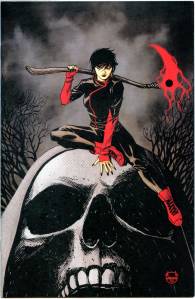
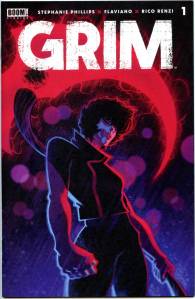
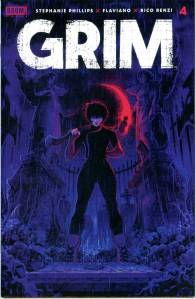
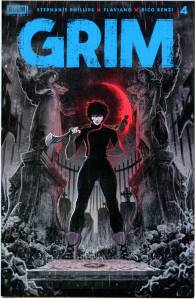
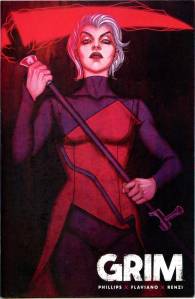
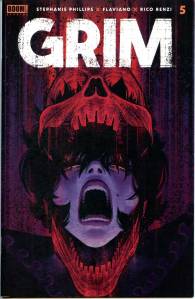
Jessica Harrow is dead. But her journey has only just begun! Discover the world of the afterlife, where Jessica has been recruited as a Reaper, tasked with ferrying countless souls to their final destination. But unlike the rest of the Reapers, she has no memory of what killed her and put her into this predicament. In order to unravel the mystery of her own demise, she’ll have to solve an even bigger one – where is the actual GRIM REAPER?
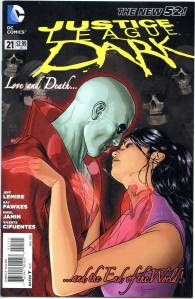
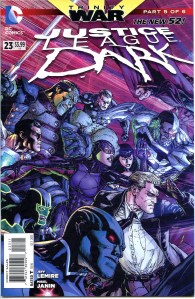
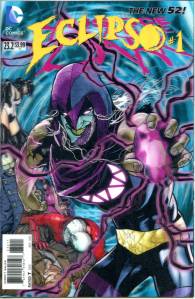
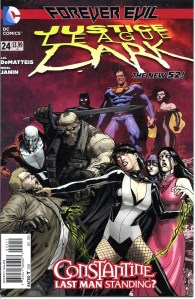
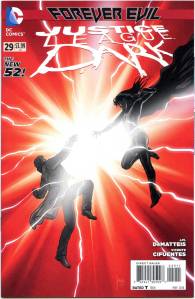
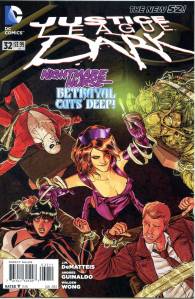
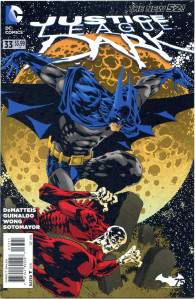
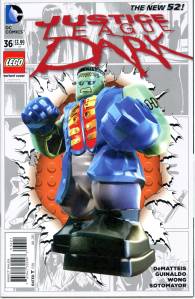
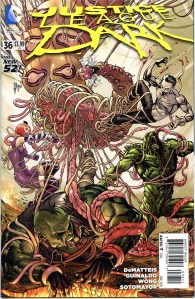
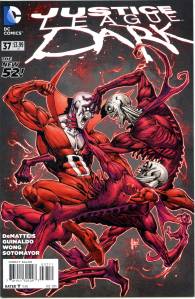
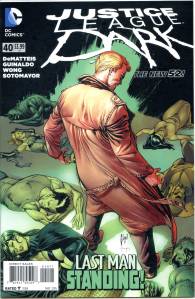
Justice League Dark was announced on May 31, 2011 as a First Wave title of The New 52The title and team was created by Peter Milligan, with art by Mikel Janín. The title launched on September 28, 2011. The title brought several of DC Comics’ occult and offbeat characters, something which had been a trait of sister imprint Vertigo, back into the main DC Universe following Vertigo’s editorial change to publish purely new, creator owned content.
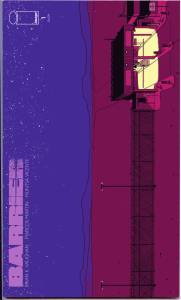
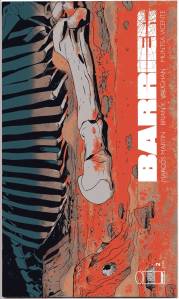
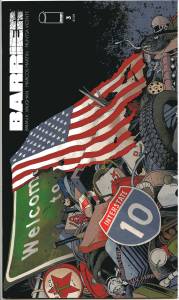
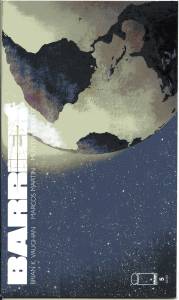
From the Eisner Award-winning team behind The Private Eye, Barrier is an unconventional drama about violence, language, aend illegal immigration…with a shocking sci-fi twist. Printed in its original “landscape” format (side-stapled for convenient shelving!) and graced with gorgeous cardstock covers, each comic is meant to be a durable work of art, and there are no plans for these print issues to ever be collected.
V for Vendetta is a graphic novel written by Alan Moore and illustrated by David Lloyd (with additional art by Tony Weare), published by DC Comics. The story depicts a dystopian and post-apocalyptic near-future history version of the United Kingdom in the 1990s, preceded by a nuclear war in the 1980s, which has left much of the world destroyed. The fascist Norsefire party has exterminated its opponents in concentration camps and rules the country as a police state. The comics follow its titular character and protagonist, V, an anarchist revolutionary dressed in a Guy Fawkes mask, as he begins an elaborate and theatrical revolutionist campaign to murder his former captors, bring down the government and convince the people to rule themselves, while inspiring a young woman, Evey Hammond, to be his protégé.
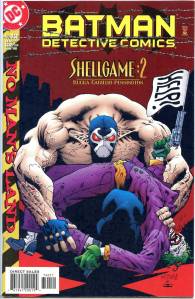
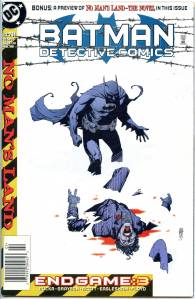
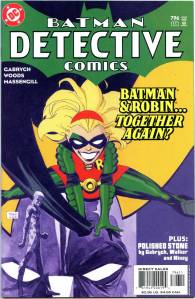
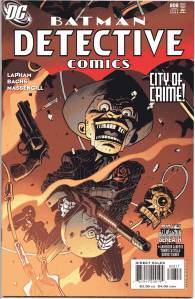
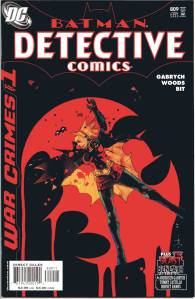
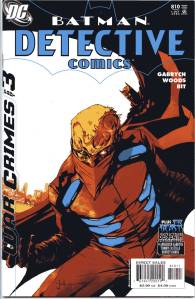
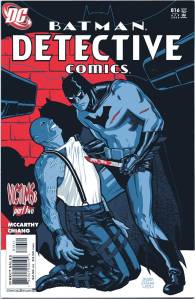
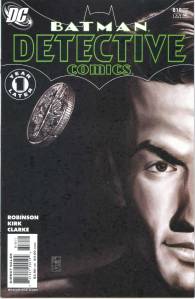
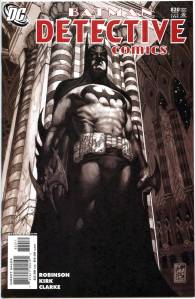
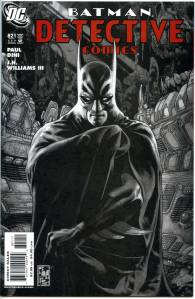
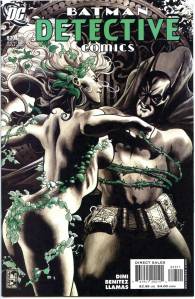
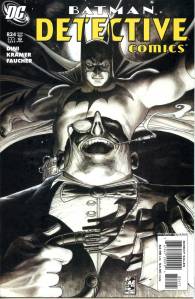
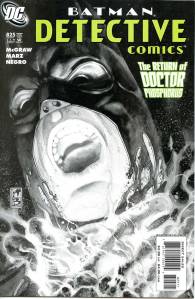
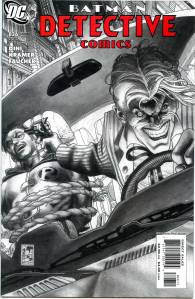
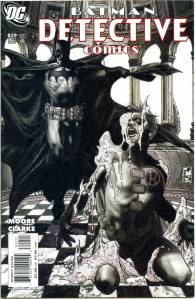
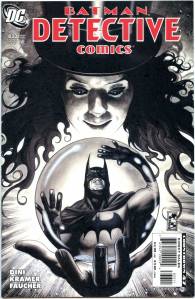
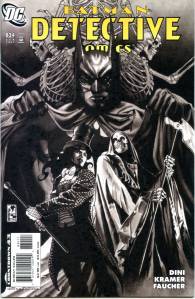
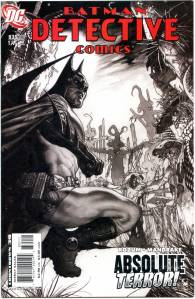
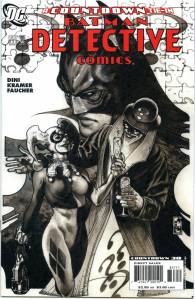
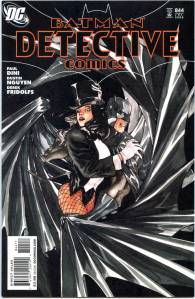
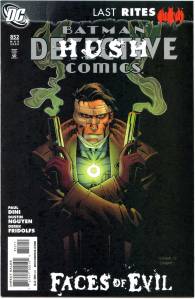
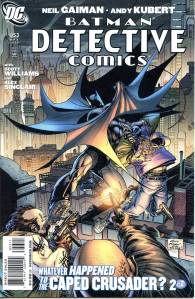
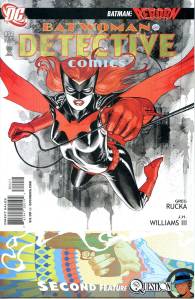
Writer Greg Rucka and artist Shawn Martinbrough became the creative team as of #742 (March 2000) and created the Sasha Bordeaux character is #751 (Dec. 2000). Issue #800 (Jan. 2005) was written by Andersen Gabrych and drawn by Pete Woods. Paul Dini became the writer of the series as of issue #821 (Sept. 2006) and created a new version of the Ventriloquist in #827 (March 2007).
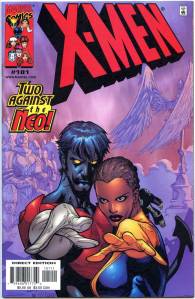
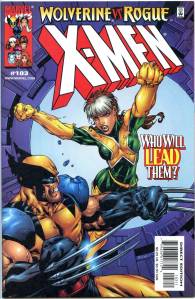
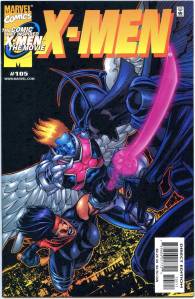
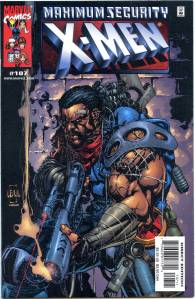
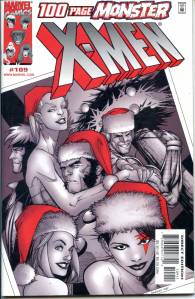
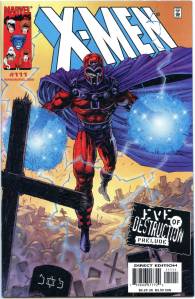
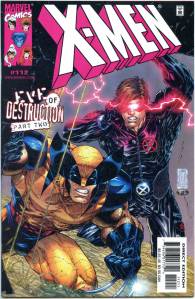
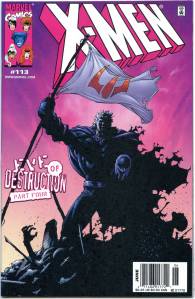
“Eve of Destruction” was part of a four-month period in 2001 on the two core X-Men books, as former X-Men writer Lobdell was brought back to wrap up the dangling plotline of the Legacy Virus and produce filler material while Marvel planned the highly anticipated arrival of Grant Morrison and Joe Casey as writers for the main two X-Men books. As a result, this can be seen as a “finale” to the X-men storylines from the 1990s era. It would be several years before Uncanny X-Men and X-Men crossed over with each other since this story.
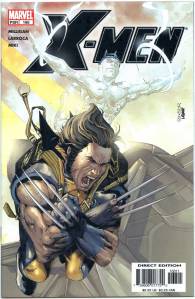
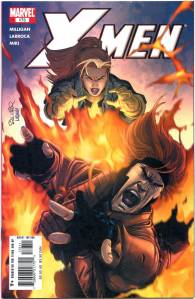
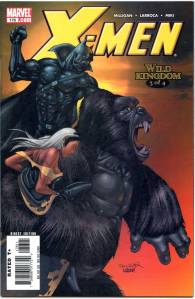
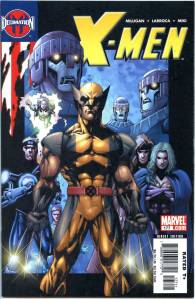
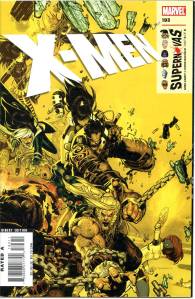
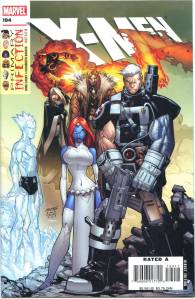
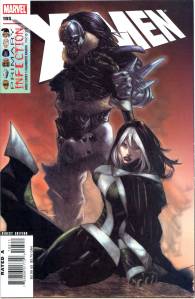
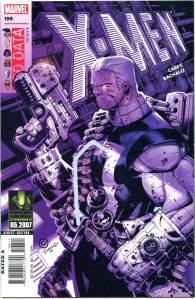
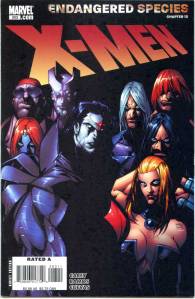
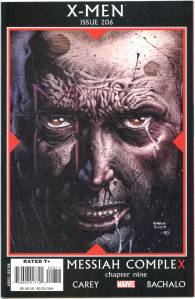
Later in 2001, X-Men had its title changed to New X-Men and writer Grant Morrison took over. When Chuck Austen moved from writing Uncanny X-Men to New X-Men, the title returned to its old name of simply X-Men, with Salvador Larroca, who had been working with him on Uncanny X-Men doing the art. In 2007, the X-Men title would change once again into X-Men: Legacy.
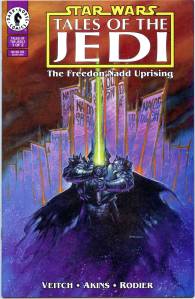
While attempting to move the sarcophagi of Freedon Nadd and Queen Amanoa to the moon of Dxun, Jedi Knights Arca Jeth, Ulic Qel-Droma, Cay Qel-Droma, Tott Doneeta and Oss Wilum are attacked by several hundred Naddists, led by Warb Null, invading Iziz from underground. While distracting the Iziz forces, a group of Naddists are able to snatch the sarcophagi and take it back with them underground.
Tales of the Jedi – The Freedon Nadd Uprising #1 NM $9
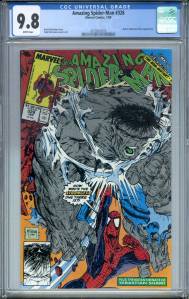
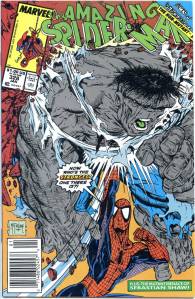
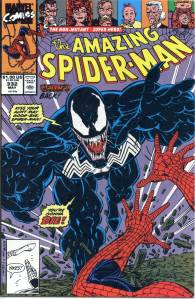
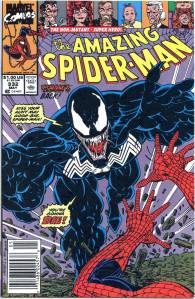
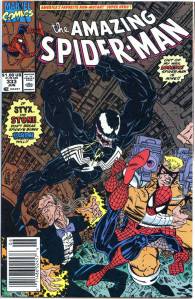
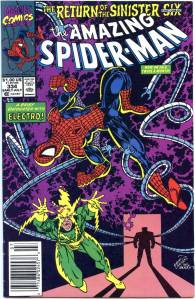
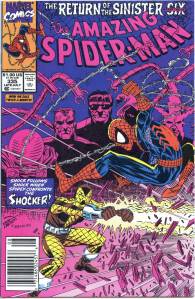
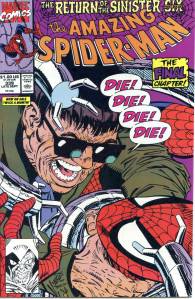
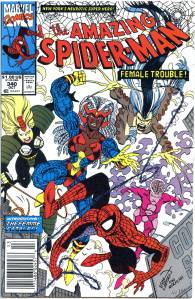
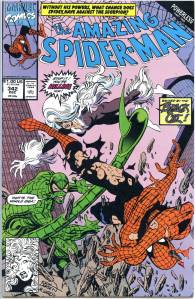
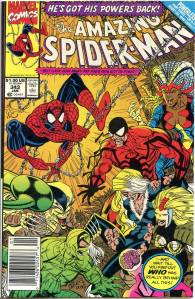
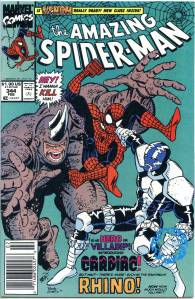
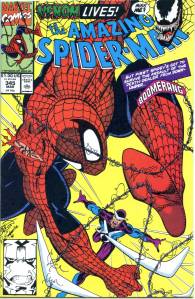
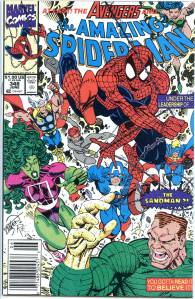
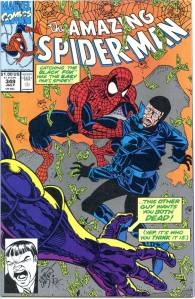
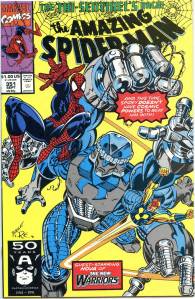
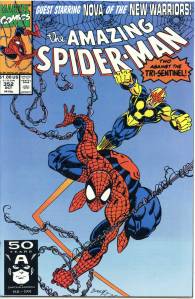
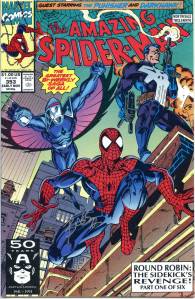
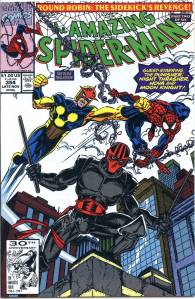
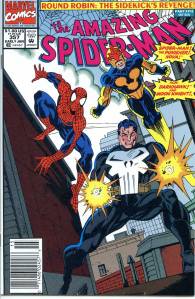
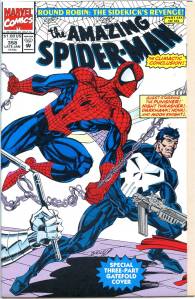
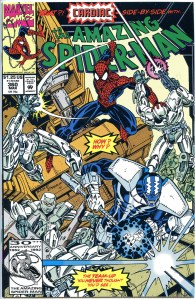
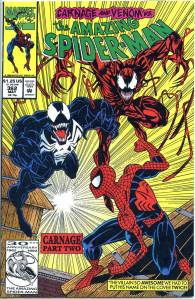
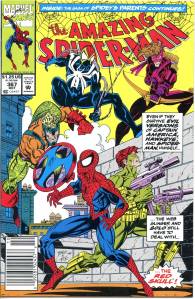
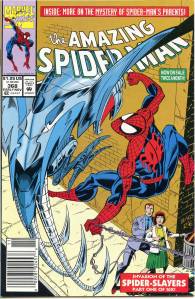
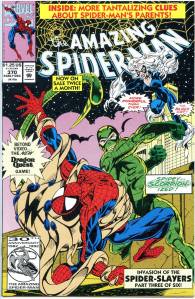
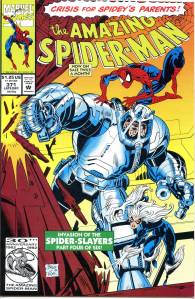
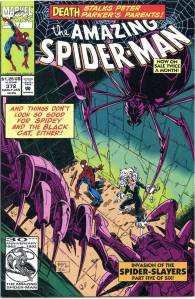
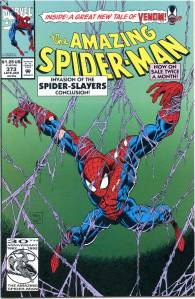
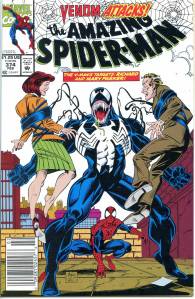
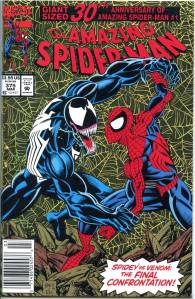
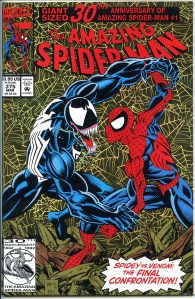
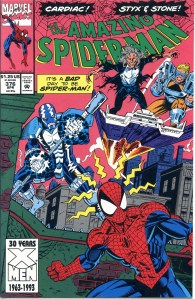
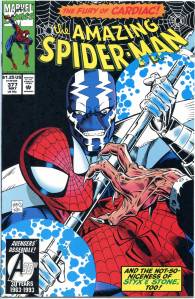
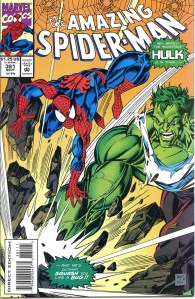
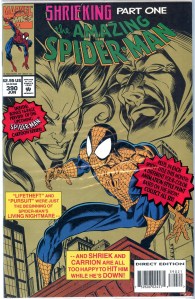
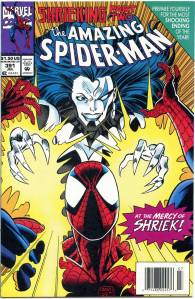
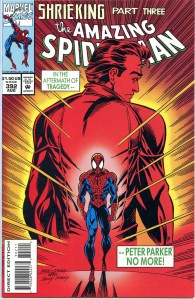
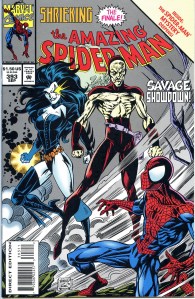
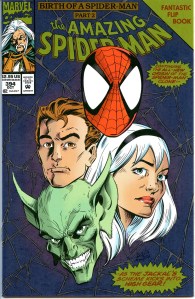
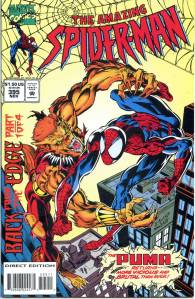
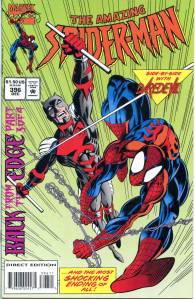
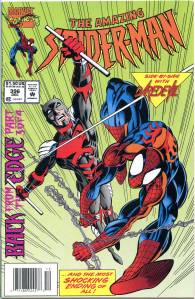
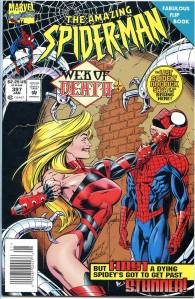
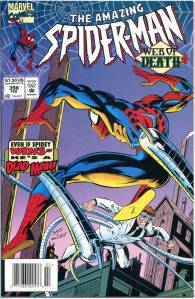
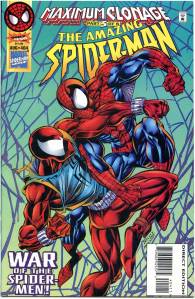
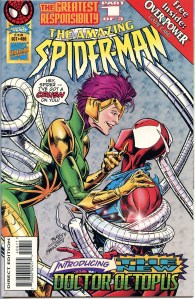
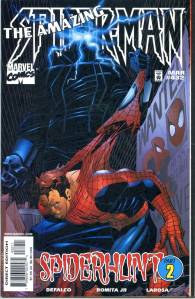
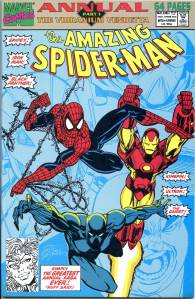
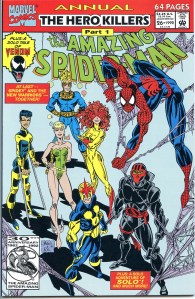
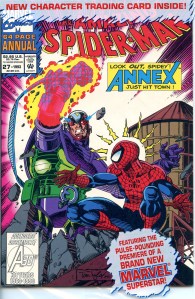
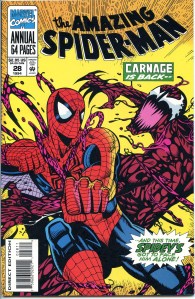
With a civilian life as a married man, the Spider-Man of the 1990s was different from the superhero of the previous three decades. McFarlane left the title in 1990 to write and draw a new series titled simply Spider-Man. His successor, Erik Larsen, penciled the book from early 1990 to mid-1991. After issue #350, Larsen was succeeded by Mark Bagley, who had won the 1986 Marvel Tryout Contest and was assigned a number of low-profile penciling jobs followed by a run on New Warriors in 1990. Bagley penciled the flagship Spider-Man title from 1991 to 1996.
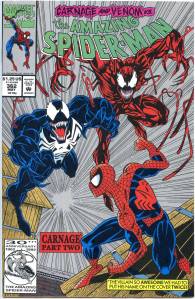
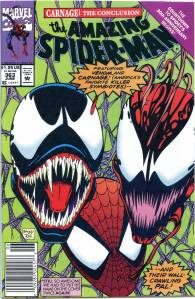
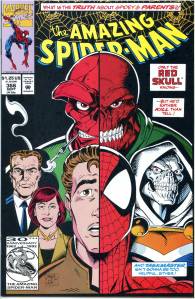
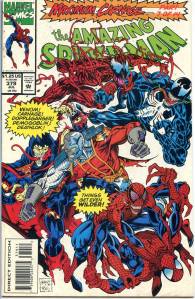
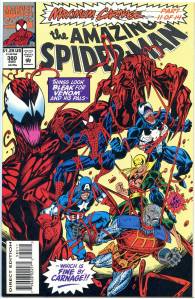
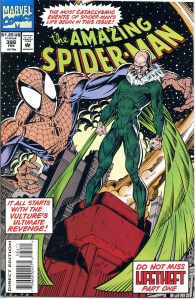
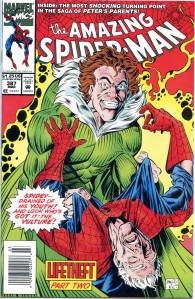
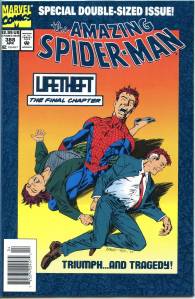
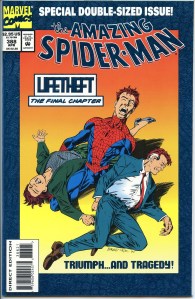
Issues #361-363 (April–June 1992) introduced Carnage, a second symbiote nemesis for Spider-Man. The series’ 30th-anniversary issue, #365 (Aug. 1992), was a double-sized, hologram-cover issue with the cliffhanger ending of Peter Parker’s parents, long thought dead, reappearing alive. It would be close to two years before they were revealed to be impostors, who are killed in #388 (April 1994), scripter Michelinie’s last issue. His 1987–1994 stint gave him the second-longest run as writer on the title, behind Stan Lee.
































 EHT Comics