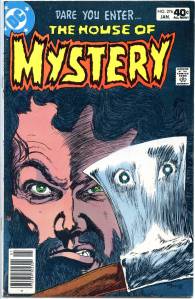
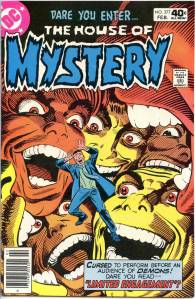
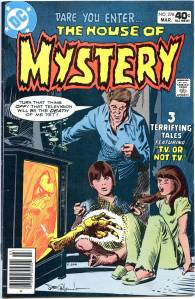
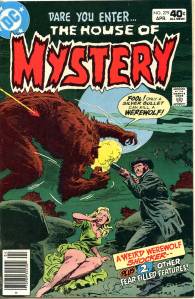
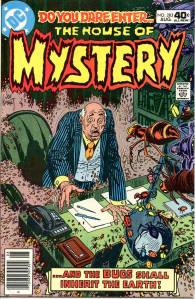
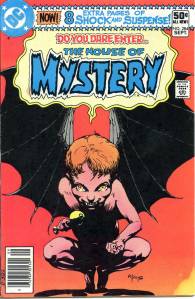
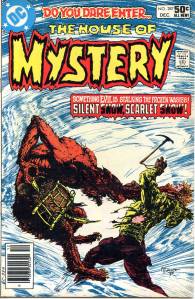
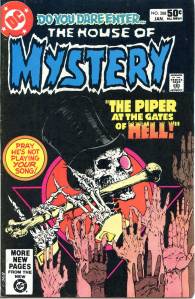
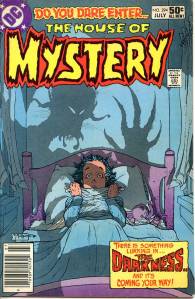
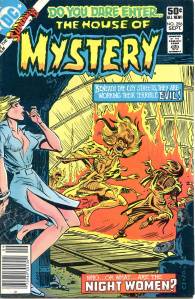
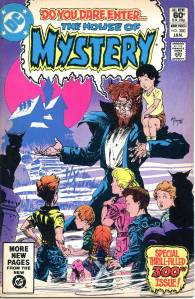
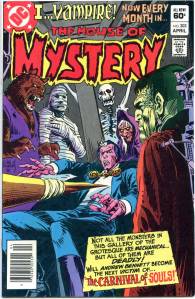
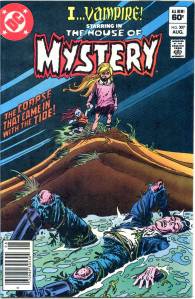
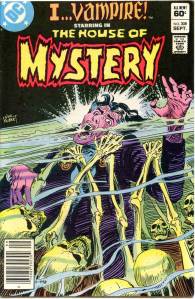
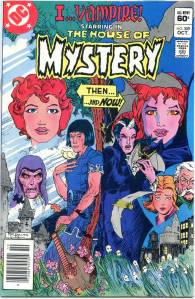
Karen Berger became editor of the series with #292 (May 1981), her first for DC Comics. Under Berger, the series experimented with long-form storylines in the popular I…Vampire serial created by writer J. M. DeMatteis. “I… Vampire” revolved around the heroic vampire, Andrew Bennett, who sought to defeat his nemesis and former lover Mary, the Queen of Blood. This series began in #290 (March 1981) and would last until #319 (August 1983), two issues before the title ended with #321 (October 1983).
House of Mystery #276 VF- $5House of Mystery #277 NM- $18House of Mystery #278 FN+ $4The House of Mystery #279 VF $6The House of Mystery #283 FN-VF $5The House of Mystery #284 VG-FN$4The House of Mystery #287 VF- $5The House of Mystery #288 VF- $6The House of Mystery #294 FN-VF $5The House of Mystery #296 FN-VF $5The House of Mystery #298 VF- $5The House of Mystery #300 VF- $15The House of Mystery #301 VF $9House of Mystery #303 VF+ $8House of Mystery #307 VF- $6House of Mystery #308 FN-VF $5House of Mystery #309 VF- $6
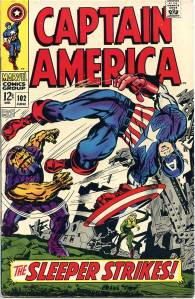
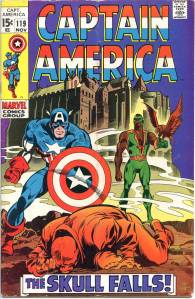
Tales of Suspense became Captain America with #100 (April 1968) This series — considered Captain America volume one by comics researchers and historians, following the 1940s Captain America Comics and its 1950s numbering continuation of Tales of Suspense — ended with #454 (Aug. 1996).
Captain America #102 VF- $49Captain America #116 VG+ $19Captain America #119 VG $14
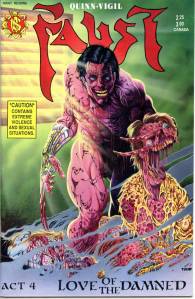
Alongside contemporaries Watchmen, The Crow, and The Dark Knight Returns, Faust was credited with popularizing the “deconstructed superheroes” genre and the notion that “comics aren’t just for kids.” One of the bestselling independent comics of the era, Faust issue 1 sold over 100,000 copies with later issues averaging 50,000 sales per issue, most of which sold through several printings and editions.
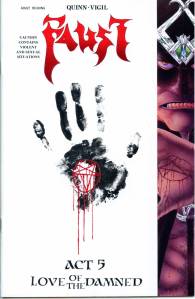
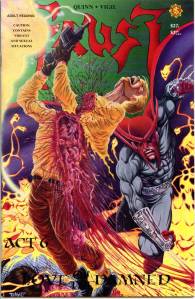
The series features strong graphic violence and sexual situations. The main series is known as Faust: Love of The Damned and debuted in 1988, with new issues published irregularly, roughly once a year, or sometimes every two years. David Quinn completed a script in 1996 (when writing the proposal to sell the film). The gap between issues grew wider with time. Issue 13 was published in 2005. It then took seven years for the authors to deliver the two last issues, 14 and 15, which concluded the story 25 years after the first episode.
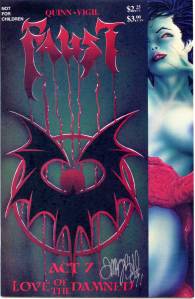
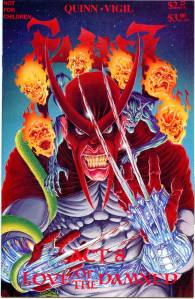
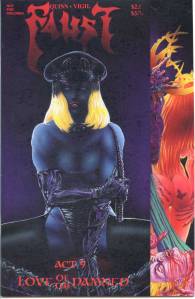
Faust #4 1st Print VF+ $9Faust #5 2nd Print NM $7Faust #6 VF+ $5Faust #7 NM $12Faust #7 Signed by Tim Vigil VF+$9Faust #8 VF+ $5Faust #9 VF-NM $9
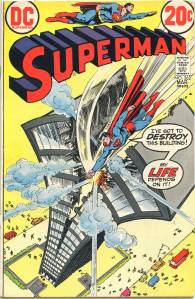
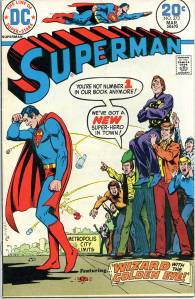
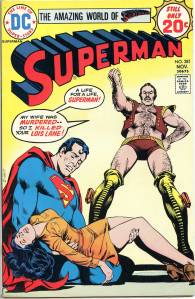
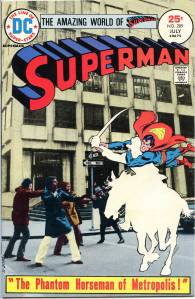
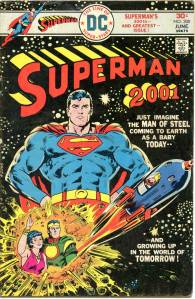
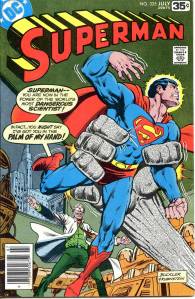
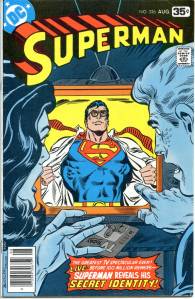
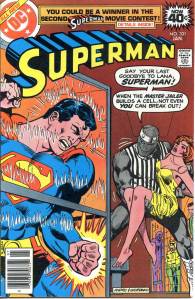
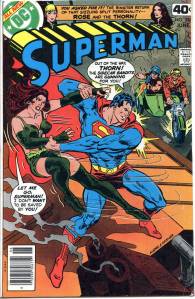
The early 1970s were a time of change for the Man of Steel. As Clark Kent shifted from being a newspaper reporter to a TV newscaster, his alter ego saw the destruction of all remaining Kryptonite on Earth! This period also featured many new villains, including Terra-Man, and the dramatic reintroductions of such foes as Lex Luthor — in green and purple armor!
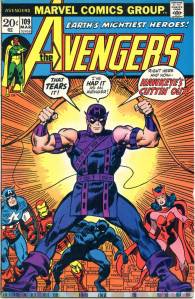
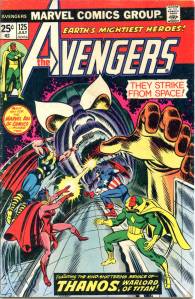
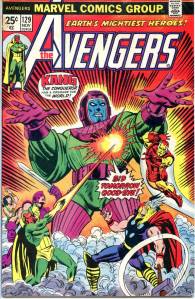
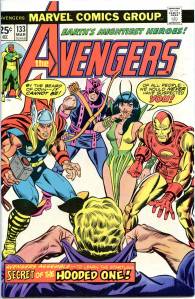
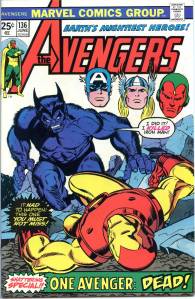
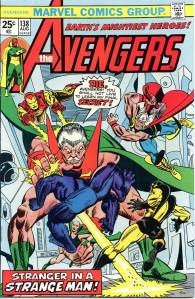
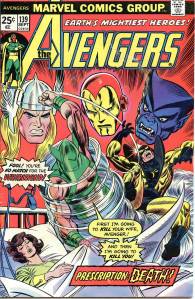
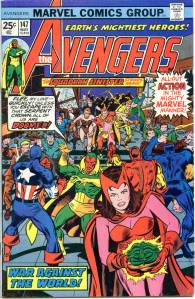
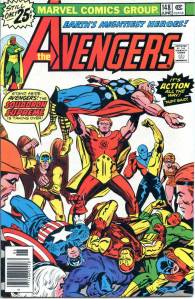
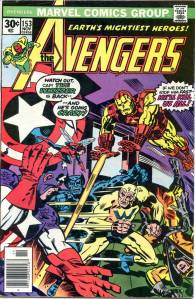
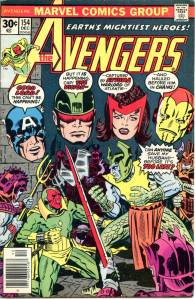
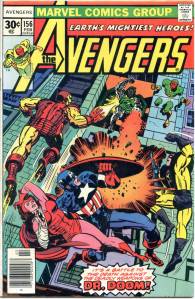
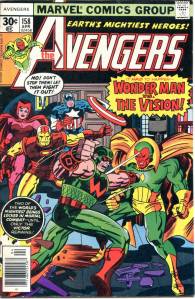
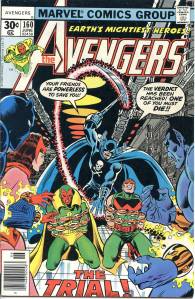
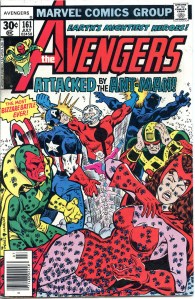
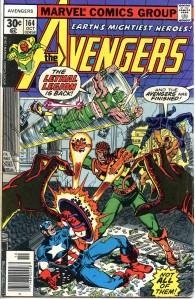
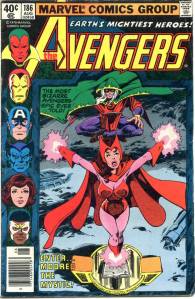
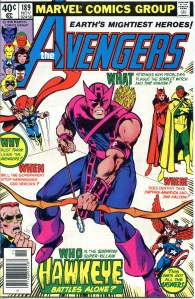
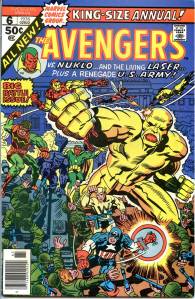
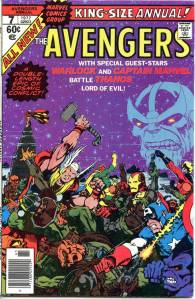
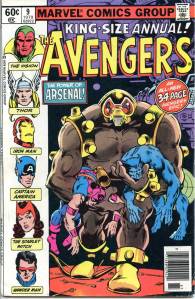
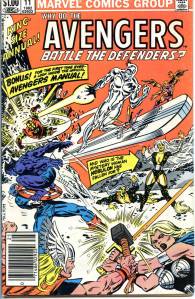
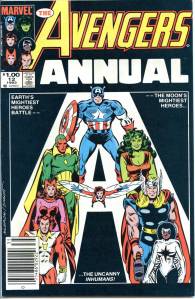
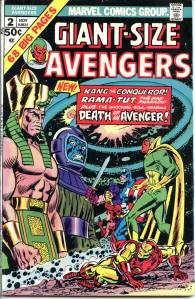
During the summer of 1973, Englehart and artists Bob Brown and Sal Buscema produced “The Avengers-Defenders Clash” storyline which crossed over between the two team titles. “The Celestial Madonna” arc linked Mantis’ origins to the very beginnings of the Kree-Skrull conflict in a time-spanning adventure involving Kang the Conqueror,and Immortus, who were past and future versions of each other.Mantis was revealed to be the Celestial Madonna,who was destined to give birth to a being that would save the universe.It was revealed that the Vision’s body had only been appropriated, and not created by Ultron, and that it originally belonged to the 1940s Human Torch. With his origins clear to him, the Vision proposed to the Scarlet Witch. The “Celestial Madonna” saga ended with their wedding, presided over by Immortus. The Beast and Moondragon joined the team soon after. George Pérez became the title’s artist with issue #141 (Nov. 1975) which saw the start of a seven-part story featuring the Squadron Supreme and the Serpent Crown. In 2010, Comics Bulletin ranked Englehart’s run on The Avengers eighth on its list of the “Top 10 1970s Marvels”.
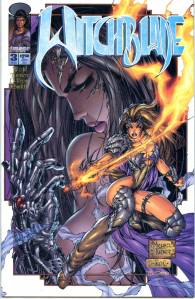
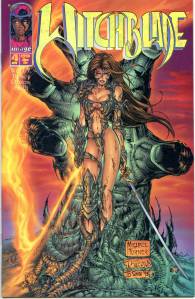
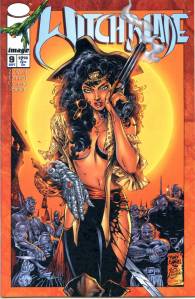
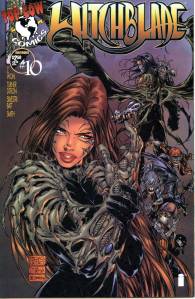
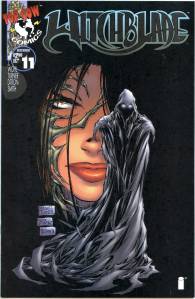
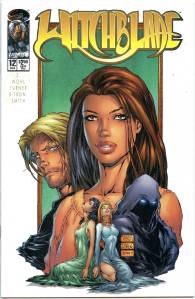
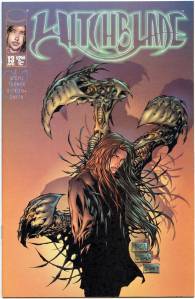
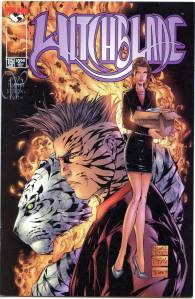
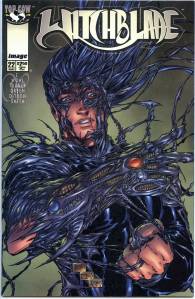
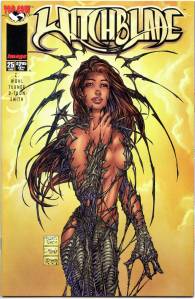
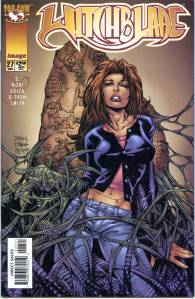
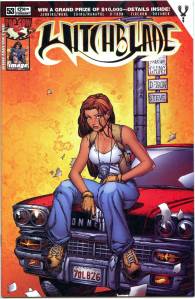
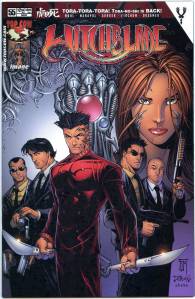
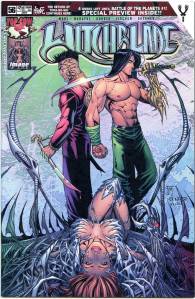
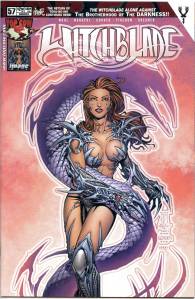
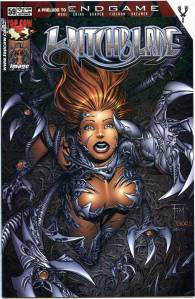
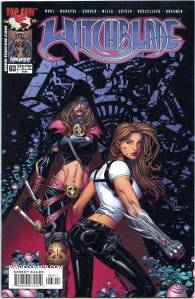
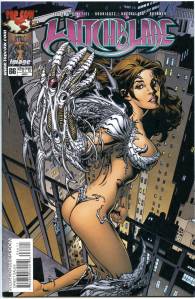
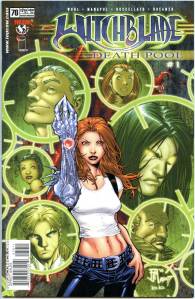
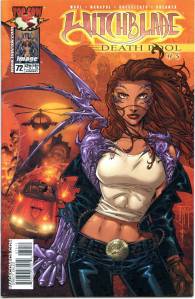
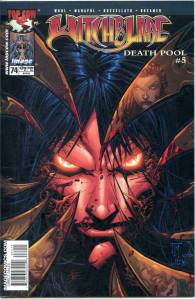
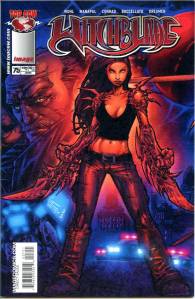
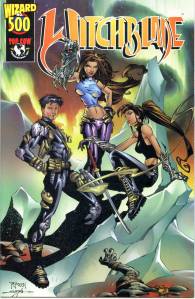
The Witchblade comic was adapted into a television series in 2001, as well as an anime, a manga and a novel in 2006. A feature film based on the comic, titled The Witchblade, was announced for a 2009 release, but was never produced. A second Witchblade television series was announced for development in January 2017.
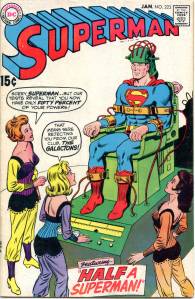
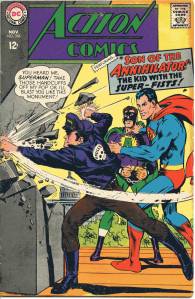
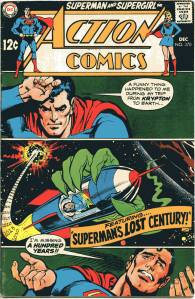
In the view of comics historian Les Daniels, artist Curt Swan became the definitive artist of Superman in the early 1960s with a “new look” to the character that replaced Wayne Boring’s version. Bizarro World first appeared in the story “The World of Bizarros!” in issue #262 (April 1960). Writer Jim Shooter created the villain the Parasite in Action Comics #340 (Aug. 1966).
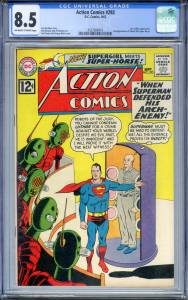
Action Comics #280 CGC 7.0 Off-White to White Pages $149Action Comics #292 CGC 8.5 Off White – White Pages $195Action Comics #356 VG $6Action Comics #359 VF+ $50Action Comics #370 FN $16Action Comics #383 GD+ $6
During his two years on the title, Roger Stern augmented the backgrounds of long-established Spider-Man villains, and with Romita Jr. created the mysterious supervillain the Hobgoblin in #238-239 (March–April 1983) Fans engaged with the mystery of the Hobgoblin’s secret identity, which continued throughout #244-245 and 249-251 (Sept.-Oct. 1983 and Feb.-April 1984). One lasting change was the reintroduction of Mary Jane Watson as a more serious, mature woman who becomes Peter’s confidante after she reveals that she knows his secret identity. Stern wrote “The Kid Who Collects Spider-Man” in The Amazing Spider-Man #248 (January 1984), a story which ranks among his most popular.
David Michelinie took over as writer in #290 (July 1987) that led to the marriage of Peter Parker and Mary Jane Watson in Amazing Spider-Man Annual #21. The “Kraven’s Last Hunt” storyline by writer J.M. DeMatteis and artists Mike Zeck and Bob McLeod crossed over into The Amazing Spider-Man #293 and 294. Issue #298 (March 1988) was the first Spider-Man comic to be drawn by future industry star Todd McFarlane, the first regular artist on The Amazing Spider-Man since Frenz’s departure. McFarlane revolutionized Spider-Man’s look. His depiction – large-eyed, with wiry, contorted limbs, and messy, knotted, convoluted webbing – influenced the way virtually all subsequent artists would draw the character. McFarlane’s other significant contribution to the Spider-Man canon was the design for what would become one of Spider-Man’s most wildly popular antagonists, the supervillainVenom. Issue #299 (April 1988) featured Venom’s first appearance (a last-page cameo) before his first full appearance in #300 (May 1988). The latter issue featured Spider-Man reverting to his original red-and-blue costume.
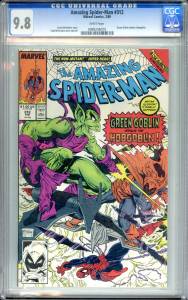
Other notable issues of the Michelinie-McFarlane era include #312 (Feb. 1989), featuring the Green Goblin vs. the Hobgoblin; and #315-317 (May–July 1989), with the return of Venom. In July 2012, Todd McFarlane’s original cover art for The Amazing Spider-Man #328 sold for a bid of $657,250, making it the most expensive American comic book art ever sold at auction.
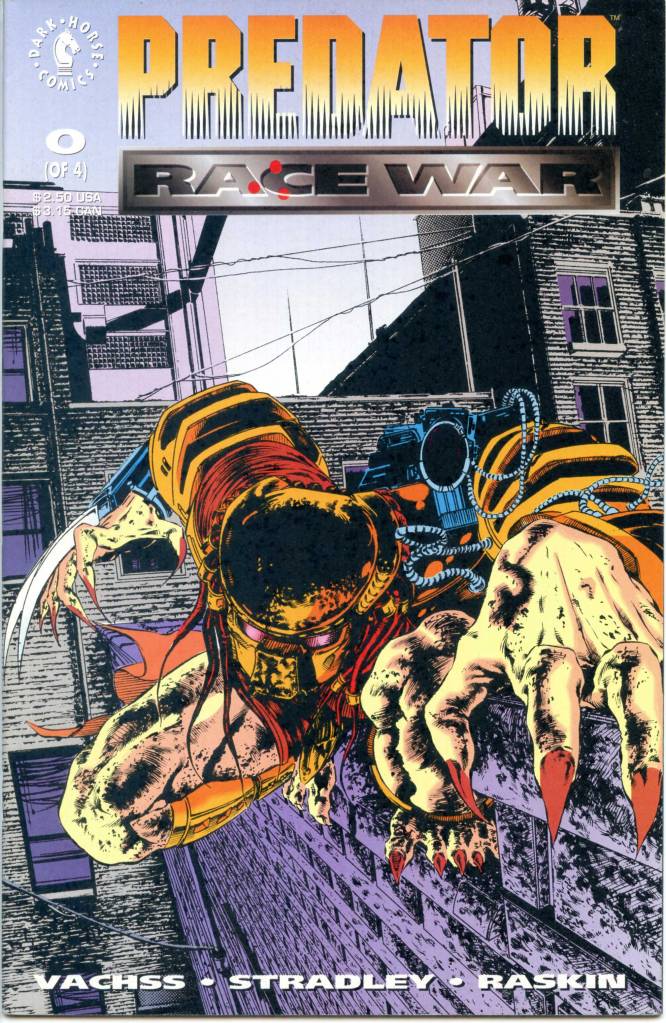
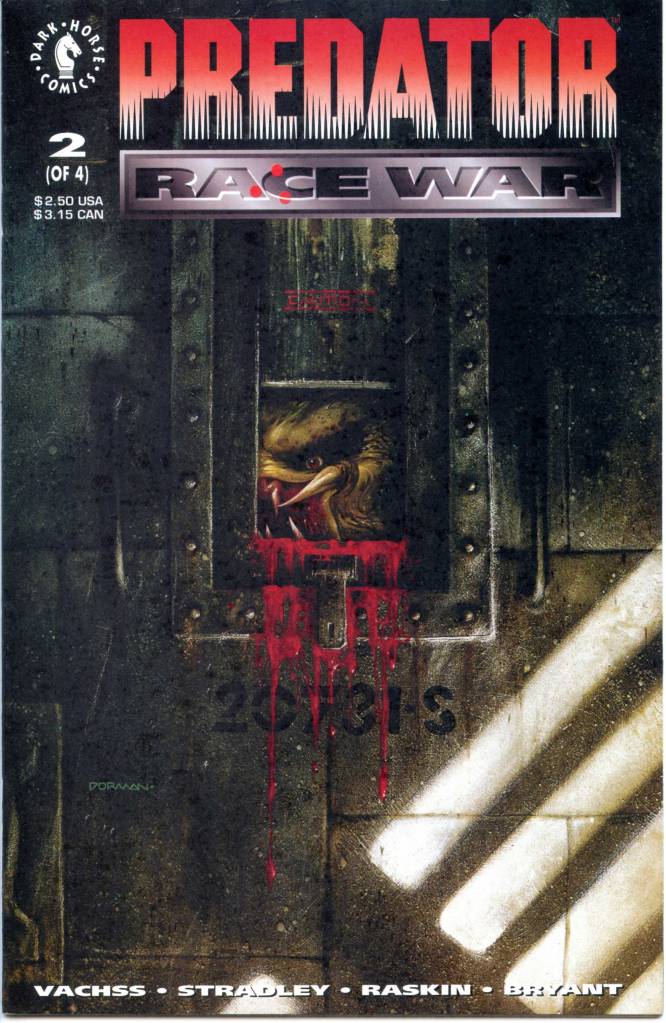
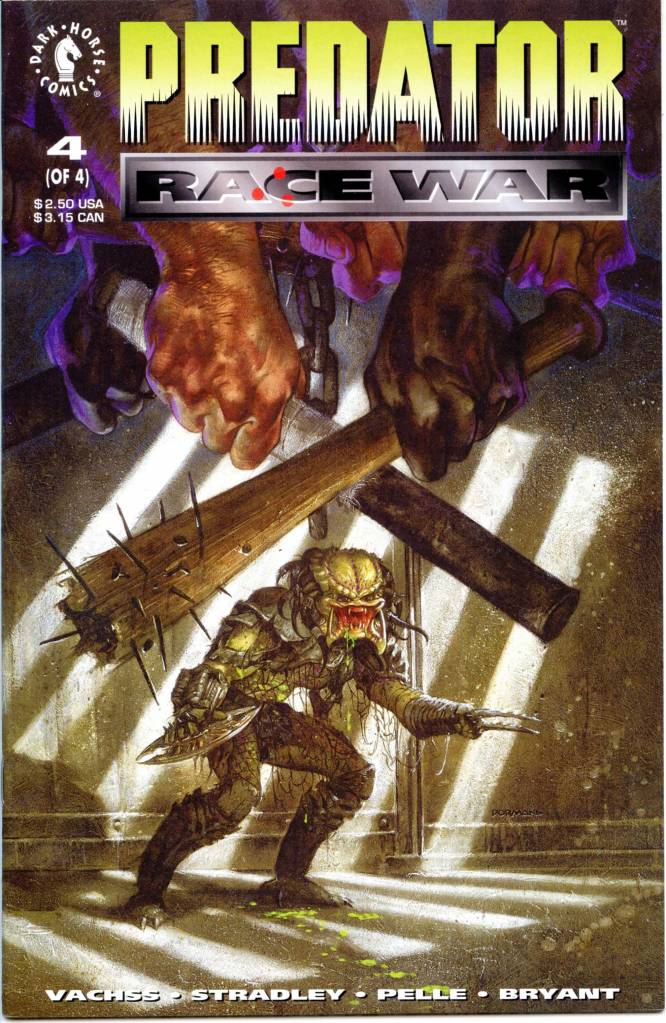
The Predator hunts the most dangerous game… man. Now the Predator moves to the most dangerous hunting ground on the planet… the Paloverde State Penitentiary in Arizona. Tension is high in the prison as a convicted serial killer arrives, followed by a Predator bent on killing him and the man chasing them both… Cross.
Predator – Race War #0 NM- $5Predator – Race War #2 NM $6Predator – Race War #4 NM $6
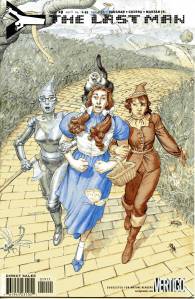
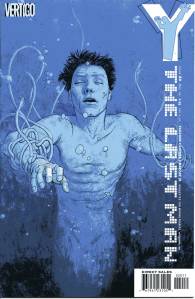
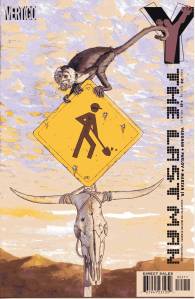
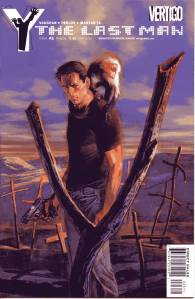
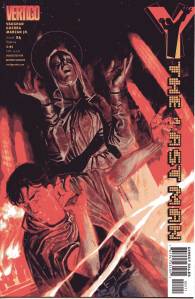
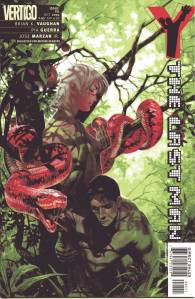
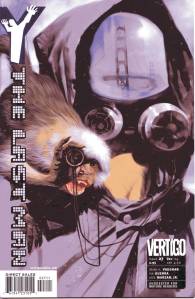
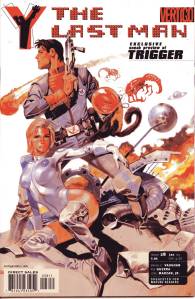
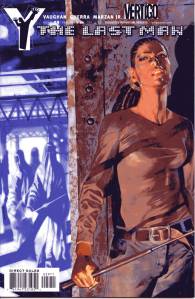
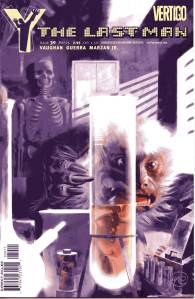
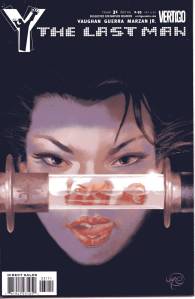
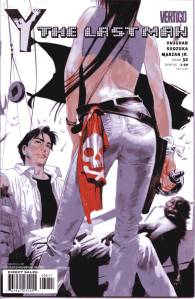
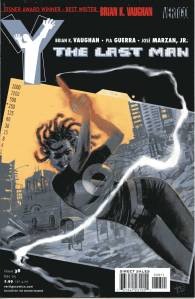
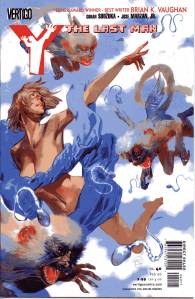
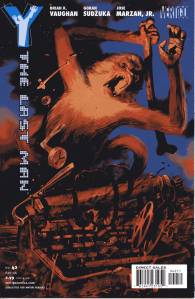
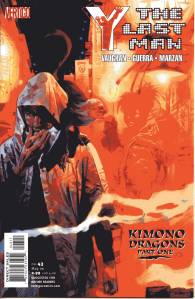
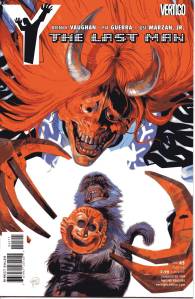
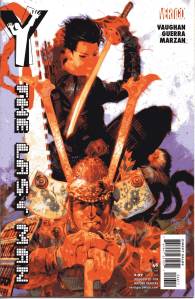
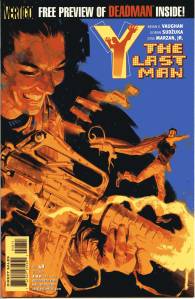
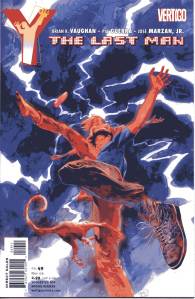
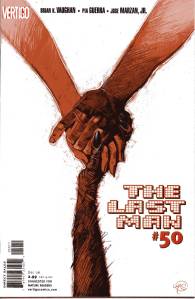
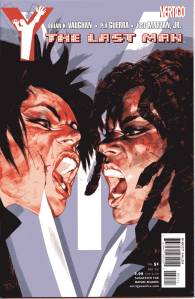
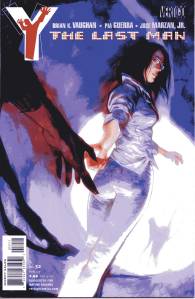
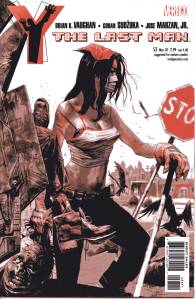
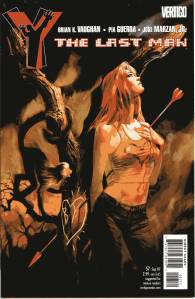
Y The Last Man #5 NM $10Y The Last Man #17 NM $4Y The Last Man #18 NM $4Y The Last Man #19 NM $5Y The Last Man #20 NM $4Y The Last Man #21 NM $4Y The Last Man #22 NM $4Y The Last Man #23 NM $5Y The Last Man #24 NM $4Y The Last Man #25 NM $4Y The Last Man #26 NM $5Y The Last Man #27 NM $4Y The Last Man #28 NM $4Y The Last Man #29 NM $4Y The Last Man #30 NM $4Y The Last Man #31 VF-NM $3Y The Last Man #32 NM $4Y The Last Man #33 NM $4Y The Last Man #34 NM $4Y The Last Man #35 NM $4Y The Last Man #36 NM $4Y The Last Man #37 NM $6Y The Last Man #38 NM $4Y The Last Man #39 NM $4Y The Last Man #40 NM $4Y The Last Man #41 NM $4Y The Last Man #42 NM $4Y The Last Man #43 NM $4Y The Last Man #44 NM $4Y The Last Man #45 NM $4Y The Last Man #46 VF-NM $2Y The Last Man #47 NM $4Y The Last Man #48 NM $4Y The Last Man #49 NM $4Y The Last Man #50 NM $4Y The Last Man #51 NM $4Y The Last Man #52 NM- $3Y The Last Man #53 NM- $3Y The Last Man #57 VF-NM $2