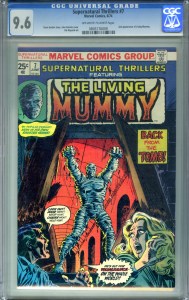
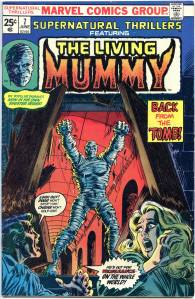
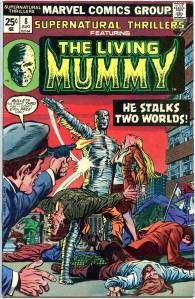
Supernatural Thrillers ran 15 issues (cover-dated December 1972 – October 1975). The title was one of four launched by Marvel Comics editor-in-chief Roy Thomas to form a line of science fiction and horroranthologies with more thematic cohesiveness than the company’s earlier attempts that decade, which had included the series Chamber of Darkness and Tower of Shadows. Whereas those titles generally presented original stories, these new books would instead adapt genre classics and other stories.
Issue #5 (August 1973) introduced the Living Mummy in a standalone story about an African tribal prince enslaved by Egyptians and mummified by an evil priest, who eventually reawakens in modern times. The character, created by writer Steve Gerber and penciler Rich Buckler, returned two issues later as the starring character in a generally 15-page solo series that ran from #7 to the final issue, #15 (June 1974 – October 1975). The cover logo during this time was “Supernatural Thrillers featuring The Living Mummy”.
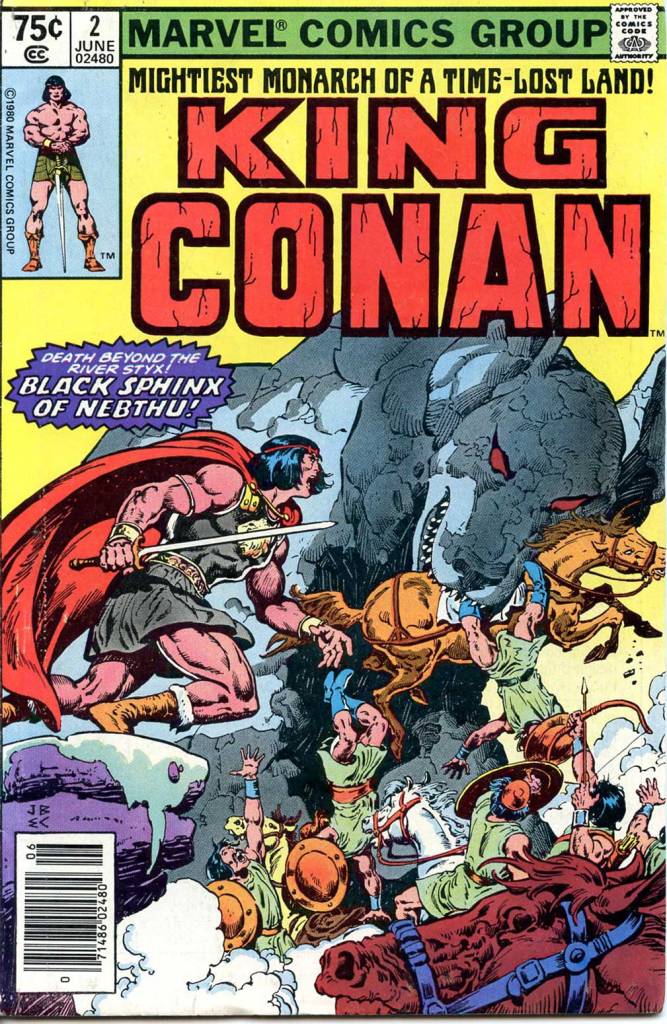
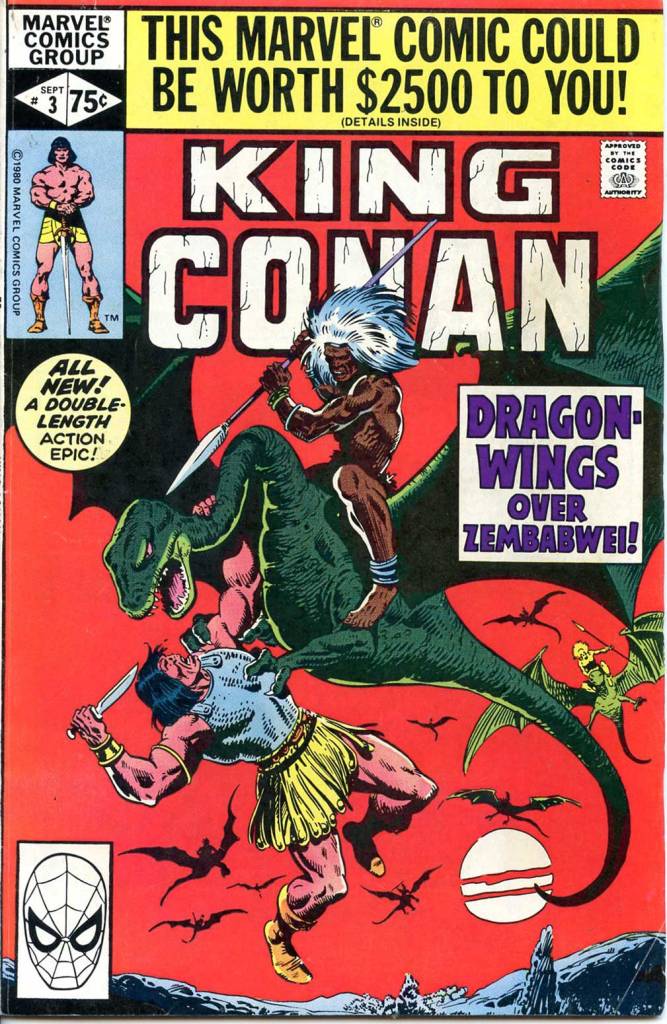
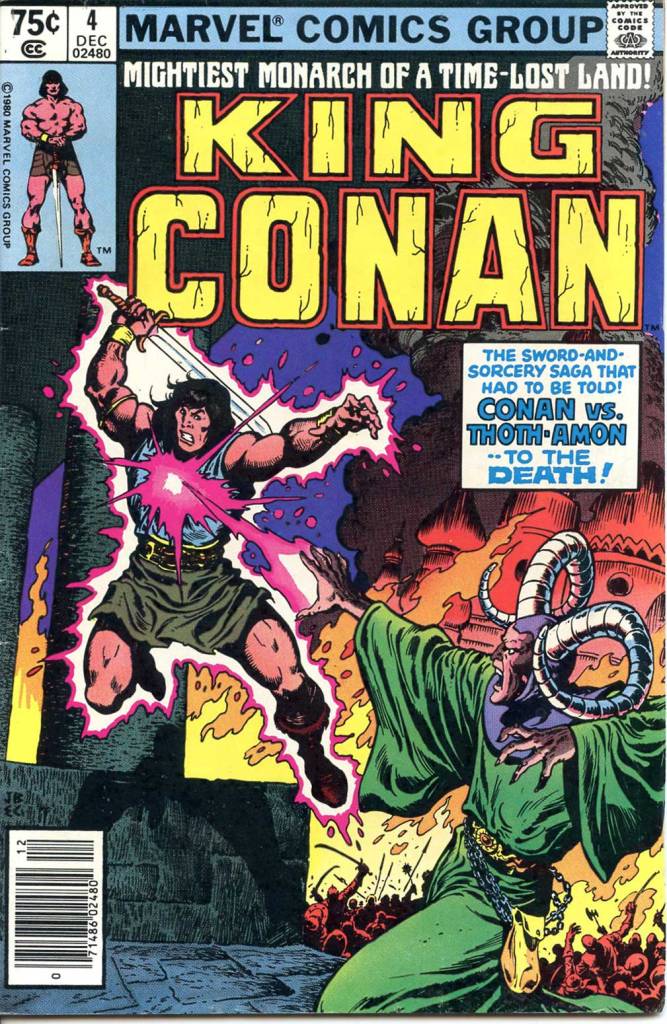
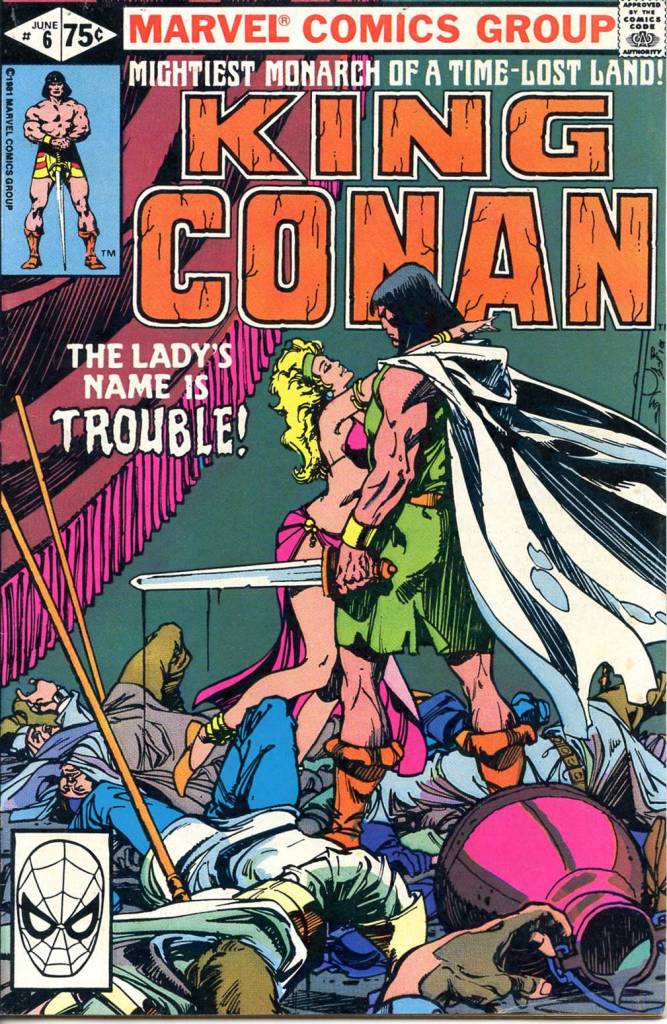
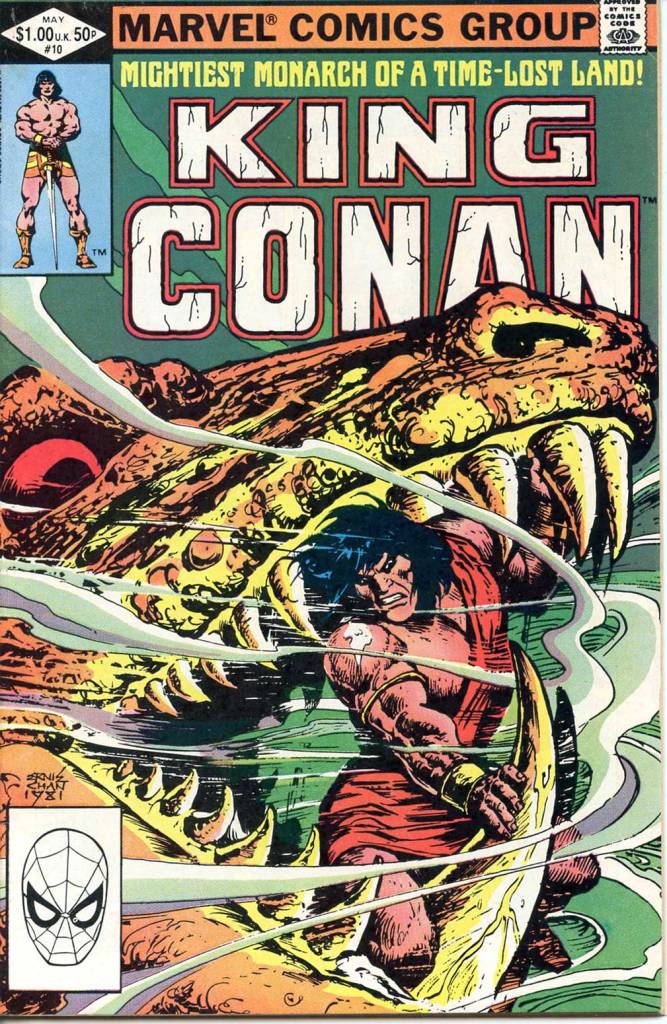
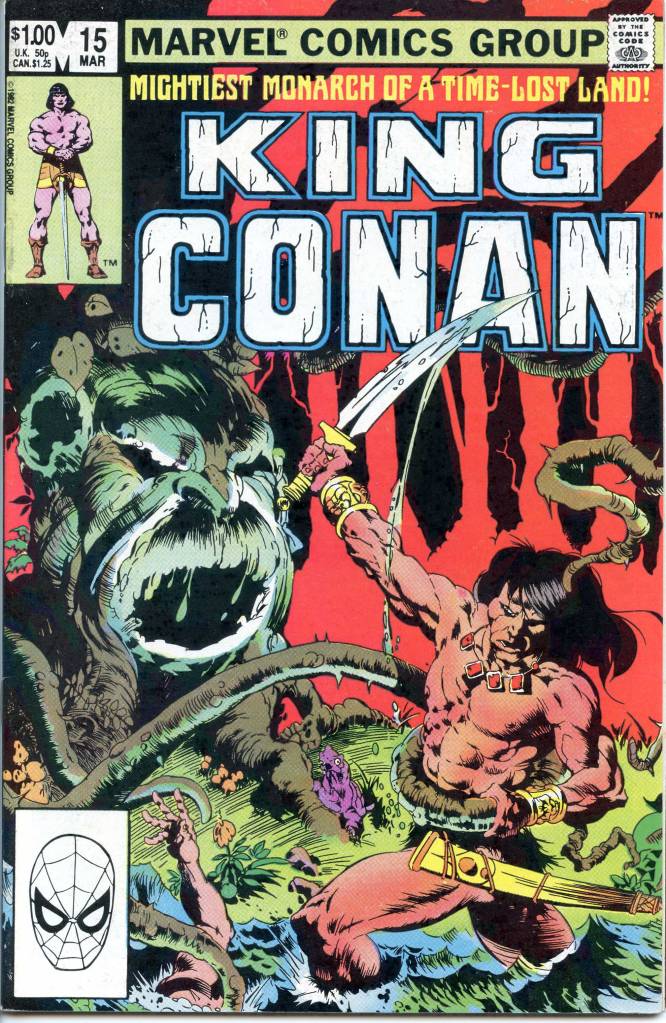
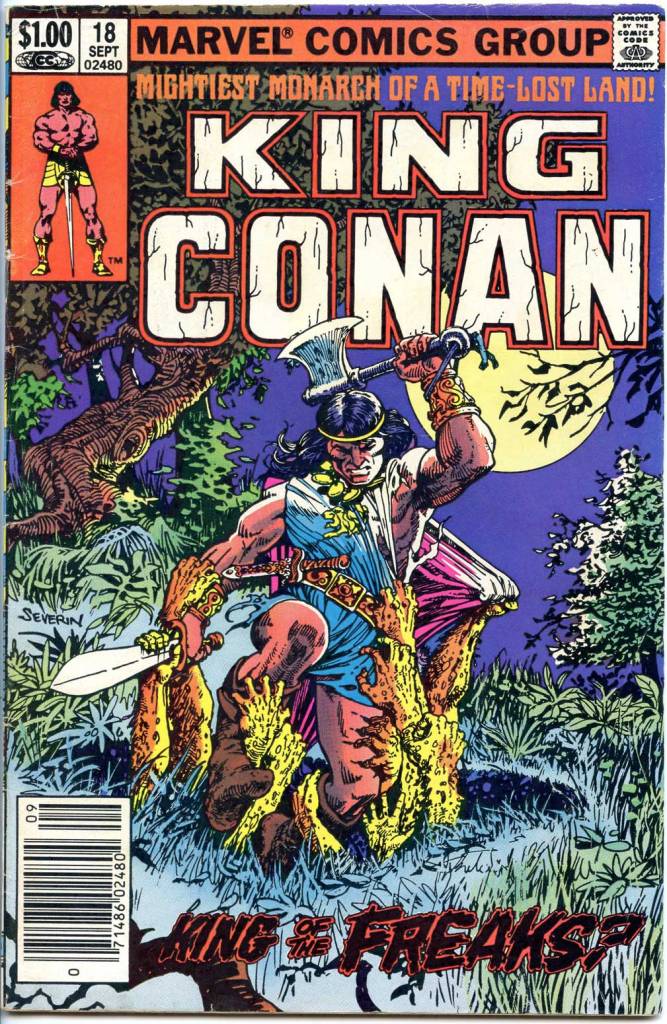
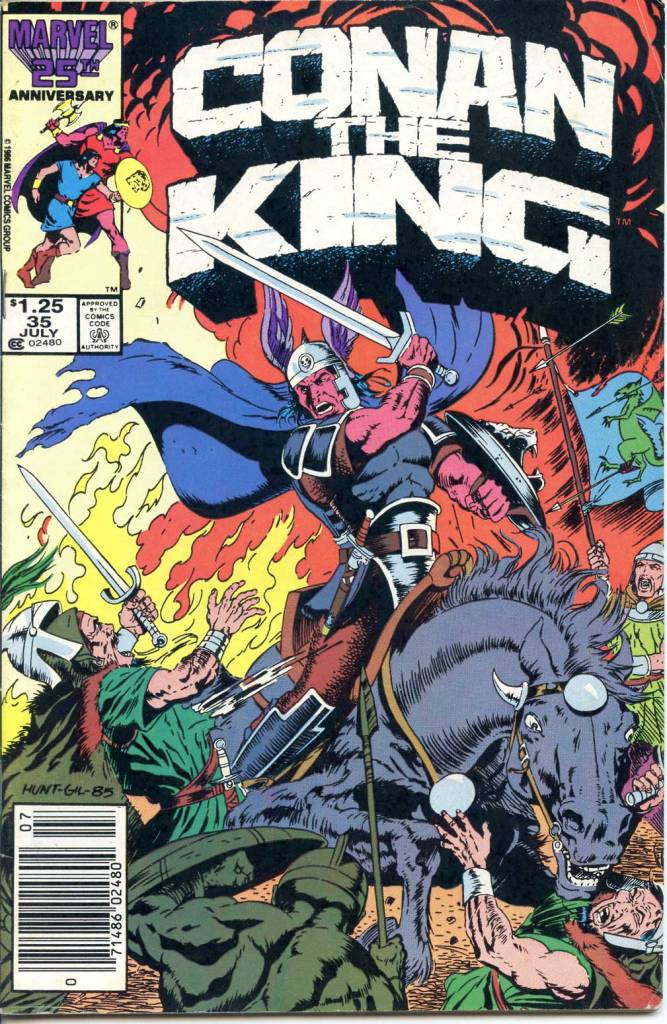
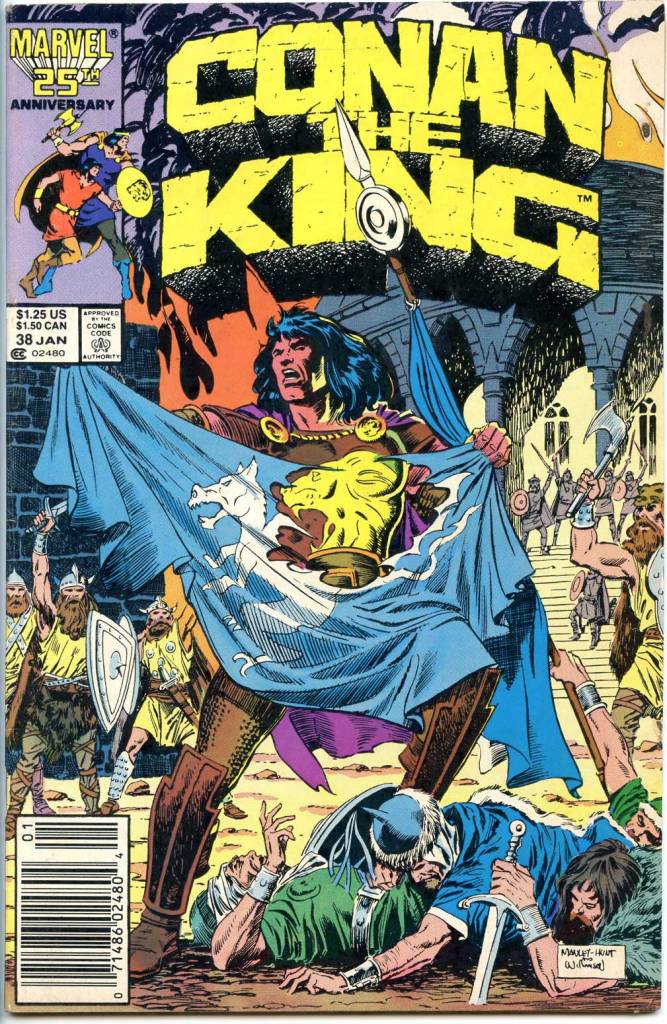
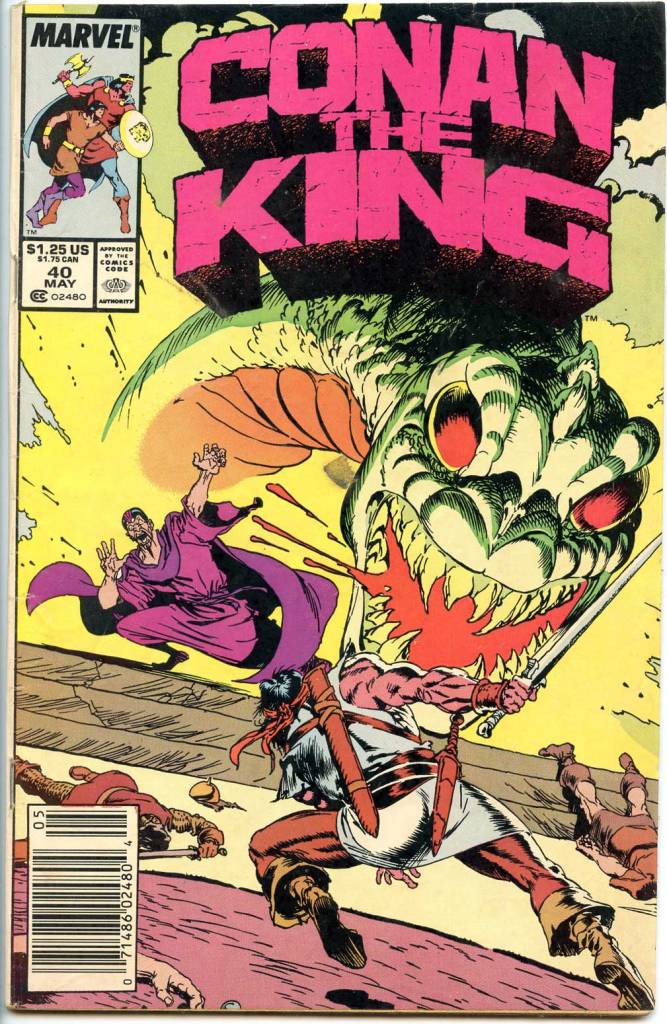
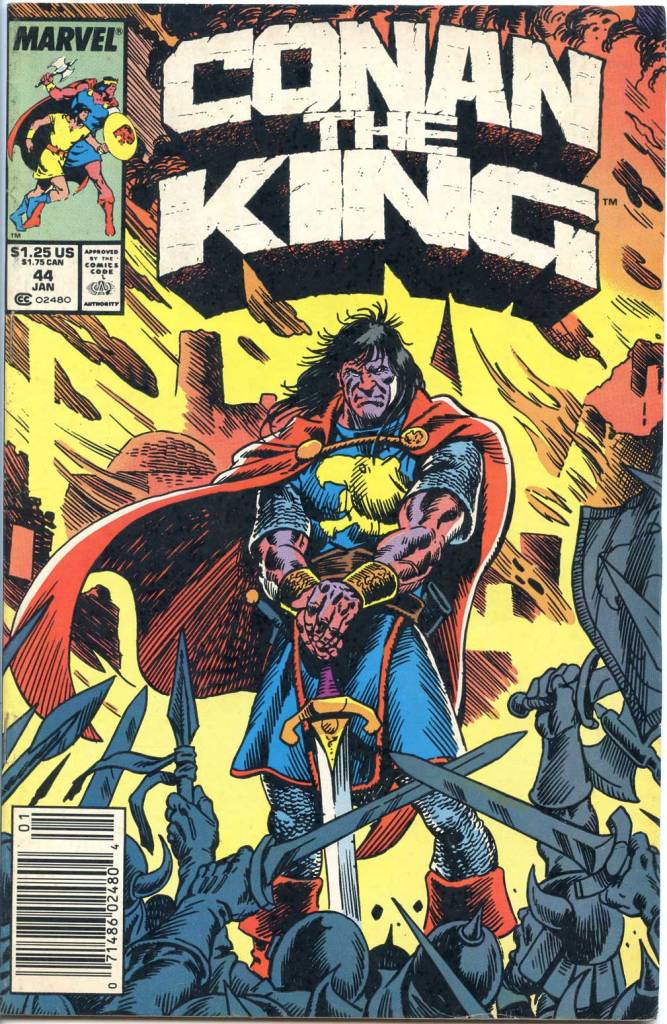
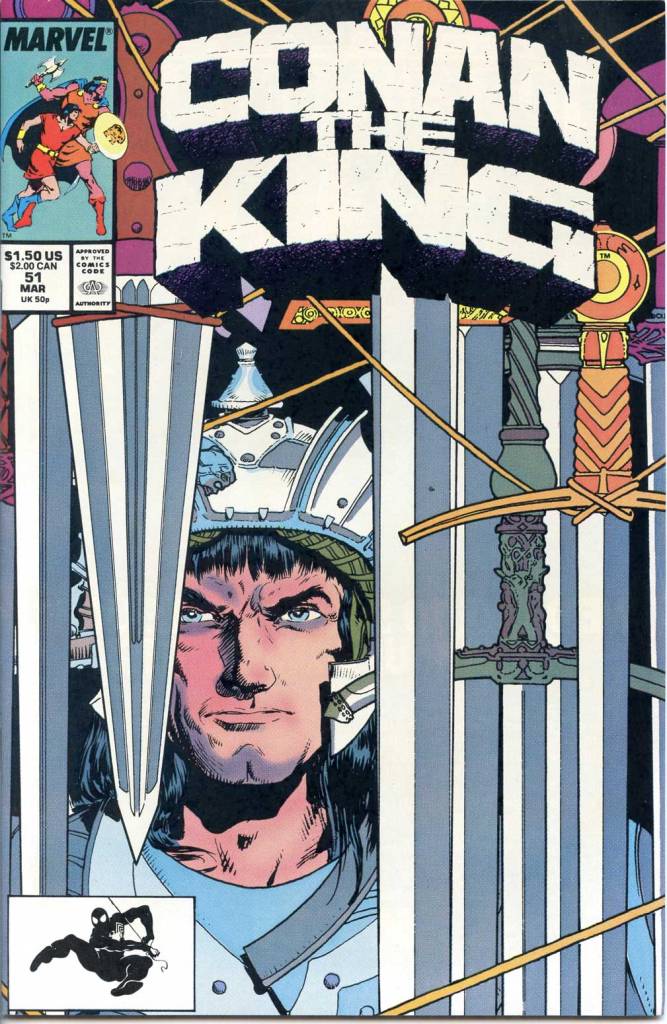
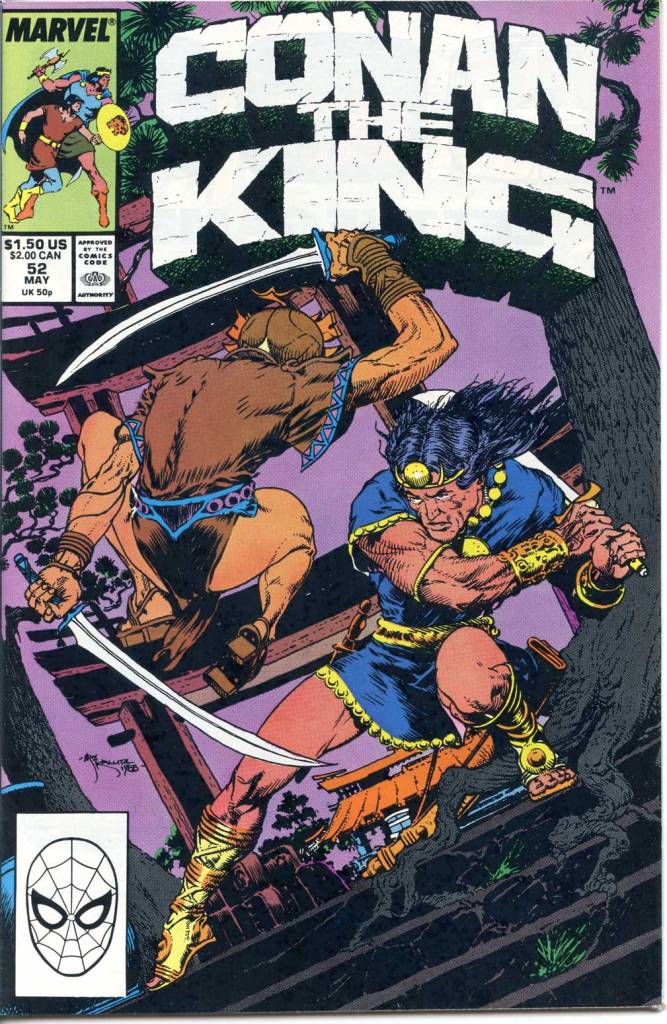
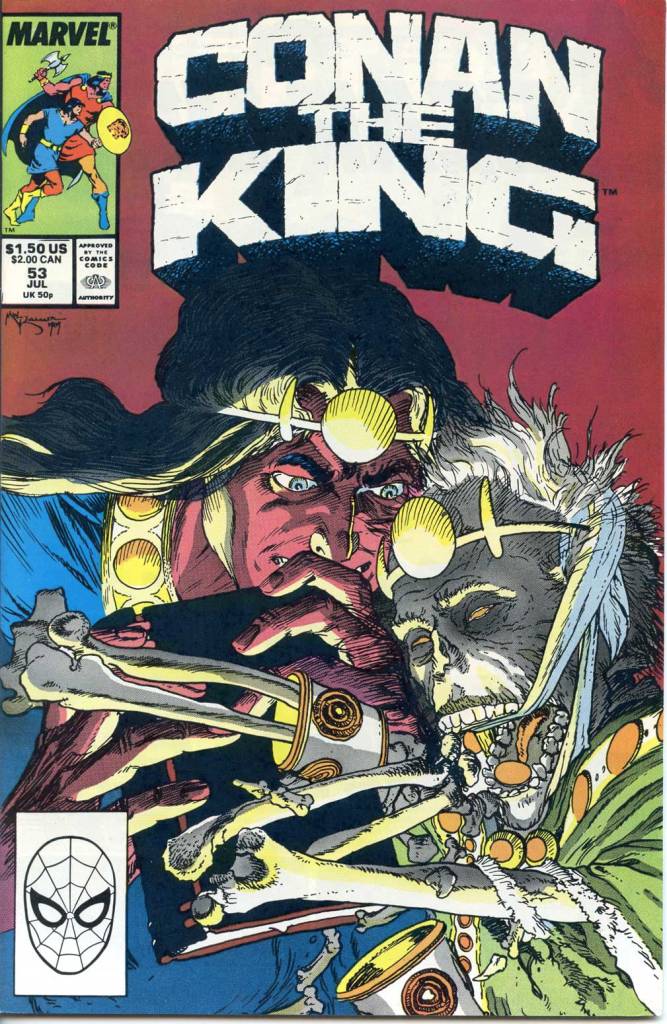
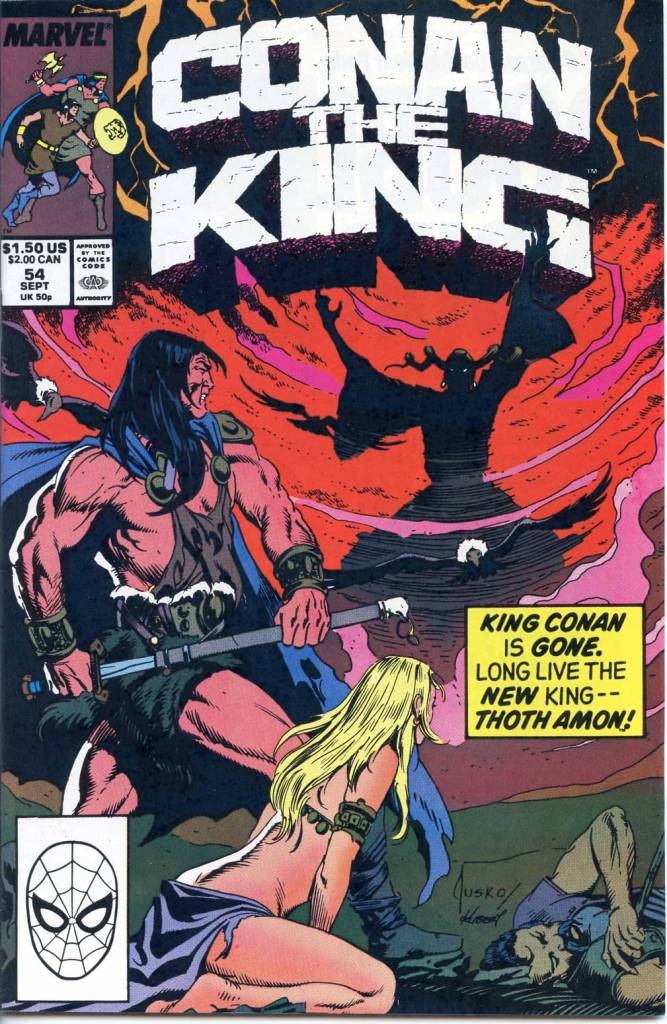
King Conan #2 VF $4King Conan #3 VF $3King Conan #4 F-VF $2King Conan #6 VF $4King Conan #10 VF-NM $5King Conan #15 VF $5King Conan #18 F+ $2Conan the KIng #35 VF- $4Conan the King #38 F+ $2Conan the King #40 F+ $2Conan the King #44 F+ $2Conan the King #51 NM $8Conan the King #52 NM- $7Conan the King #53 NM $11Conan the King #54 NM $12
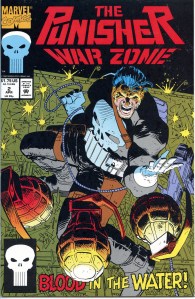
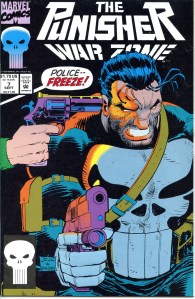
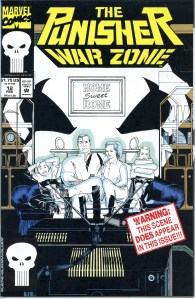
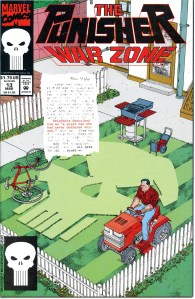
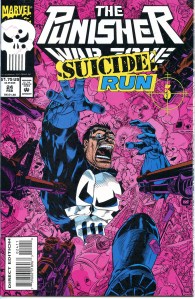
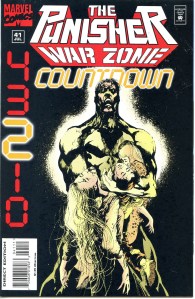
Punisher War Zone ran for 41 issues with two 64-page annuals. Multiple writers contributed to this series during its three-year run from 1992 to 1995. The series served mainly as a vehicle for longtime Marvel artist John Romita, Jr., who had returned to Marvel after a lengthy hiatus from drawing a monthly title. In 2009, Marvel published a 6-issue limited series under the same title. The storyline was called “The Resurrection of Ma Gnucci“.
Punisher War Zone #1 NM $5Punisher War Zone #2 NM $3Punisher War Zone #7 NM $5Punisher War Zone #12 NM $3Punisher War Zone #13 NM $3Punisher War Zone #24 NM $3Punisher War Zone #25 NM $4Punisher War Zone #37 NM $8Punisher War Zone #40 NM $8Punisher War Zone #41 NM $18
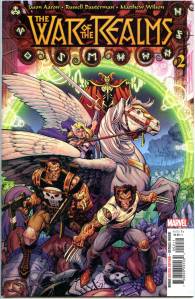
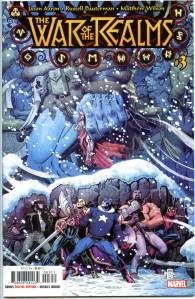
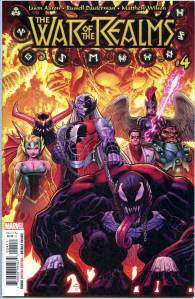
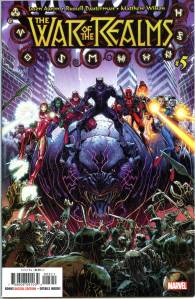
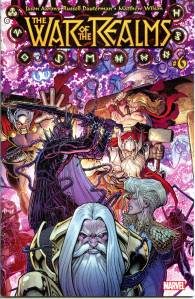
The dark elf Malekith wages a war that has spread from one otherworldly realm to the next, setting them all ablaze, and now it’s time for that war to finally explode into the last realm standing: ours. All the worst monsters from the Ten Realms come pouring in over the globe, and it will take the biggest heroes in the Marvel Universe to stop them from conquering Earth – and the whole realm!
The War of the Realms #2 NM $5The War of the Realms #3 NM $5The War of the Realms #4 NM $5War of the Realms #5 NM $5War of the Realms #6 NM $5
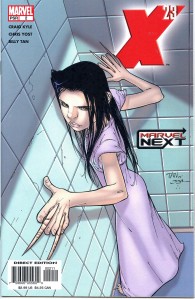
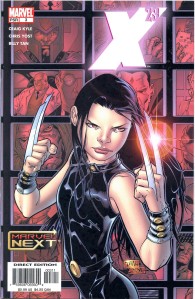
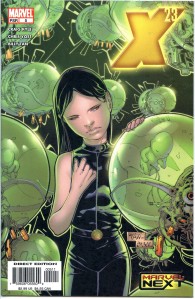
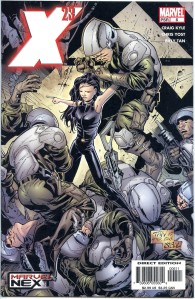
In X-23: “Innocence Lost”, a top-secret program is tasked to replicate the original Weapon X experiment that bonded adamantium to the skeleton of Wolverine. The project is taken in a new direction: Dr. Martin Sutter recruits renowned mutant geneticist Doctor Sarah Kinney to develop a clone of Wolverine. Also on the team is Sutter’s protege, Dr. Zander Rice, who was raised by Sutter after his father was killed by the original Weapon X.
Since the only genetic sample from Weapon X is damaged, Kinney is unable to salvage the Ychromosome. Kinney proposes the creation of a female genetic twin. Her request is denied; Rice is opposed to the idea. After 22 failed attempts at reconstituting the DNA using a duplicate X chromosome, the 23rd sample yields a viable sample to combine with an embryo. Although Kinney is allowed to proceed, Rice exacts revenge for her insubordination by forcing her to act as the surrogate mother of the specimen. For nine months, Kinney’s every move is monitored. Finally, she gives birth to “X-23”
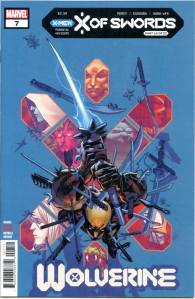
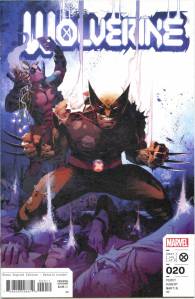
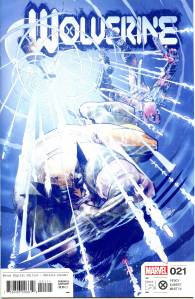
Wolverine has been through a lot. He’s been a loner. He’s been a killer. He’s been a hero. He’s been an Avenger. He’s been to hell and back. Now, as the nation of Krakoa brings together all Mutantkind, he can finally be… happy? With his family all together and safe, Wolverine has everything he ever wanted… and everything to lose. Writer Benjamin Percy and artist Adam Kubert bring the best there is to his new home! PLUS: The return of OMEGA RED!
Steve Gerber’s posthumous Man-Thing story “The Screenplay of the Living Dead Man”, with art by Kevin Nowlan, originally planned as a 1980s graphic novel before being left uncompleted by the artist, was revived in the 2010s and appeared as a three-issue miniseries cover-titled The Infernal Man-Thing (Early Sept.-Oct. 2012). The story was a sequel to Gerber’s “Song-Cry of the Living Dead Man” in Man-Thing #12 (Dec. 1974).
Amazing Spider-Man reverted completely to its original numbering for #500 (Dec. 2003).Mike Deodato, Jr. penciled the series from mid-2004 until 2006. That year Peter Parker revealed his Spider-Man identity on live television in the company-crossover storyline “Civil War“, in which the superhero community is split over whether to conform to the federal government’s new Superhuman Registration Act. This knowledge was erased from the world with the event of the four-part, crossover story arc, “One More Day“, written partially by J. Michael Straczynski and illustrated by Joe Quesada, running through The Amazing Spider-Man #544-545 (Nov.-Dec. 2007), Friendly Neighborhood Spider-Man #24 (Nov. 2007) and The Sensational Spider-Man #41 (Dec. 2007), the final issues of those two titles. Here, the demonMephisto makes a Faustian bargain with Parker and Mary Jane, offering to save Parker’s dying Aunt May if the couple will allow their marriage to have never existed, rewriting that portion of their pasts. This story arc marked the end of Straczynski’s tenure as writer.
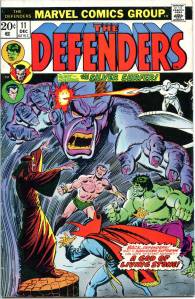
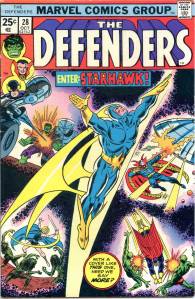
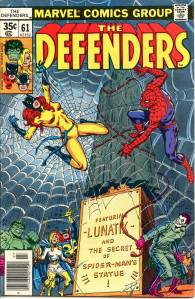
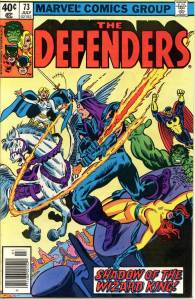
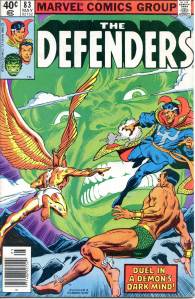
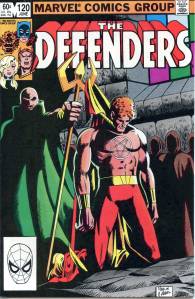
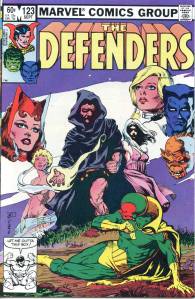
The Defenders had a rotating line-up from 1972 until 1986, with Dr. Strange and the Hulk being more or less constant members along with a number of other mainstays such as Valkyrie, Nighthawk, Hellcat, the Gargoyle, Beast, the Son of Satan and Luke Cage, and a large number of temporary members. The publication was retitled near the end of the run as The New Defenders but featured none of the original members and only Valkyrie, the Beast and the Gargoyle of the former long-term members. The concept was modified in the 1993–95 series Secret Defenders, in which Dr. Strange assembled different teams for each individual mission. Later, the original team were reunited in a short-lived series by Kurt Busiek and Erik Larsen. In the 2000s, Marvel published a new miniseries featuring the classic line-up. Writer Matt Fraction and artist Terry Dodson launched a new Defenders series in December 2011.
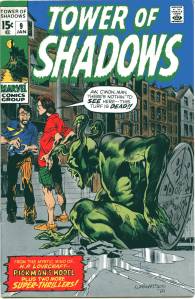
Designed to compete with DC Comics‘ successful launches of House of Mystery and House of Secrets,[2]Tower of Shadows, like its companion comic Chamber of Darkness, sold poorly despite the roster of artists featured. After its first few issues, the title, published bimonthly, began including reprints of “pre-superhero Marvel” monster stories and other SF/fantasy tales from Marvel’s 1950s and early 1960s predecessor, Atlas Comics. After the ninth issue, the title changed to Creatures on the Loose, and the comic became a mix of reprints and occasional sword and sorcery/SF series.