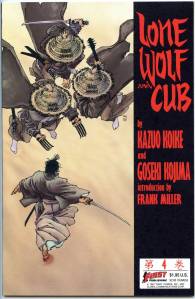
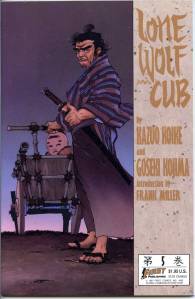
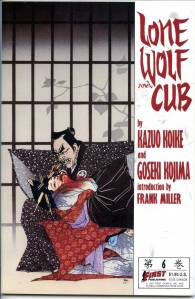
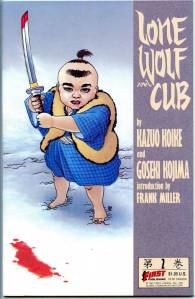
Lone Wolf and Cub – First (1987)

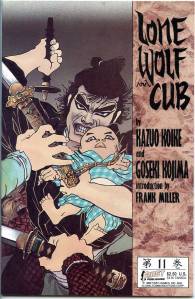
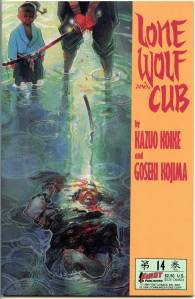
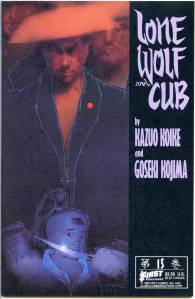
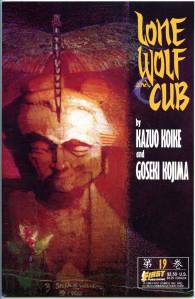
When Lone Wolf and Cub was first released in Japan in 1970, it became wildly popular (some 8 million copies were sold in Japan) for its powerful, epic samurai story and its stark and gruesome depiction of violence during Tokugawa era Japan.

Lone Wolf and Cub is one of most highly regarded manga due to its epic scope, detailed historical accuracy, masterful artwork and nostalgic recollection of the bushido ethos. The story spans 28 volumes of manga, with over 300 pages each (totaling over 8,700 pages in all). Many of the frames of the series are hauntingly beautiful depictions of nature, historical locations in Japan and traditional activities done in the classical ukiyo-e style.

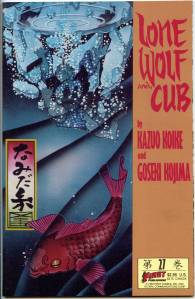
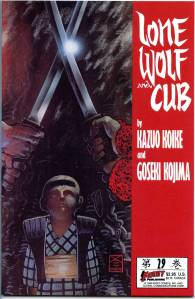
Lone Wolf and Cub was initially released in North America in a translated English edition by First Comics in 1987, as a series of monthly, comic-book-sized, square-bound prestige-format black-and-white comics containing between 64 and 128 pages, with covers by Frank Miller, and later by Bill Sienkiewicz, Matt Wagner, Mike Ploog, and Ray Lago. Sales were initially strong, but fell sharply as the company went into a general decline. First Comics shut down in 1991 without completing the series, publishing less than a third of the total series in 45 prestige-format issues.

Starting in September 2000, Dark Horse Comics began to release the full series in 28 smaller-sized trade paperback volumes, similar to the volumes published in Japan, completing the series with the 28th volume in December 2002. Dark Horse reused all of Miller’s covers from the First Comics edition, as well as several done by Sienkiewicz, and commissioned Wagner, Guy Davis, and Vince Locke to produce new covers for several volumes of the collections. In October 2012, Dark Horse completed the release of all 28 volumes in digital format, as part of their “Dark Horse Digital” online service.
Star Wars – Marvel V2 (2015)

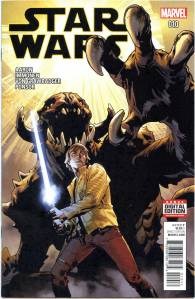
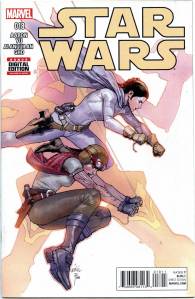
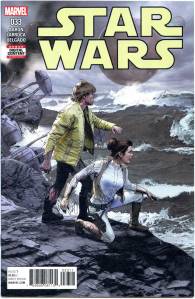
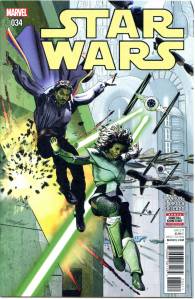
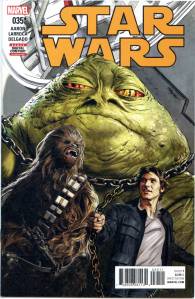
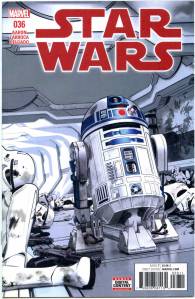
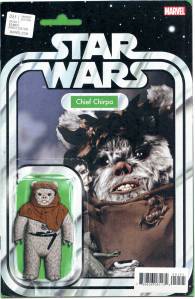
Star Wars was initially written by Jason Aaron with art by John Cassaday. The Marvel Comics series, which began publishing on January 142015, and features the characters Luke SkywalkerLeia OrganaHan SoloChewbaccaC-3PO, and R2-D2, takes place between the events of Star Wars: Episode IV A New Hope and Star Wars: Episode V The Empire Strikes Back. The series concluded with issue 75, which was released on November 202019, and was relaunched with another series of comics on January 12020.

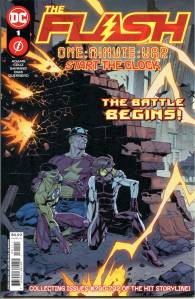
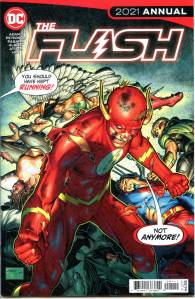
Flash V1 (2020’s)

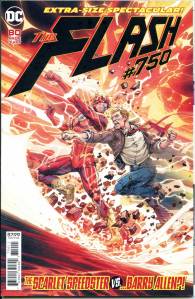
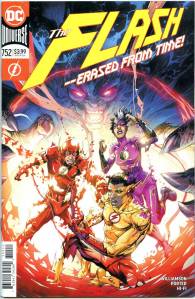
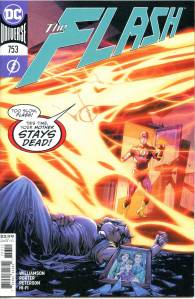
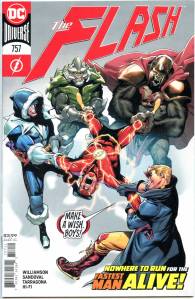
Meet Paradox: a new time-traveling villain with a tragic backstory who poses a big threat–and carries a big grudge against the Flash. He’s determined to destroy the Flash legacy at all costs, and he’s powerful enough to do it! With the Flash about to be erased from time and space, only one ally can help him defeat this seemingly insurmountable foe…Eobard Thawne, the Reverse-Flash? Can Barry Allen really trust his greatest enemy? And does he even have a choice?

Wastelanders: Doom (2021)

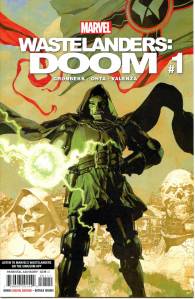
The Once and Future King! Doctor Doom helped wipe out the heroes on the Day the Villains Won, but even as he rules his domain in the Wastelands, a greater destiny calls to him. When a mysterious power blocks his oversight of a particular region, what he discovers will have ripple effects across the Wastelanders stories!

Wastelanders – Doom #1 NM- $3

Ms. Marvel V2 (2006)

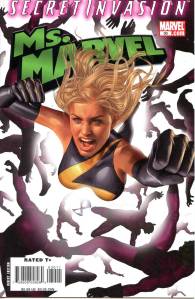
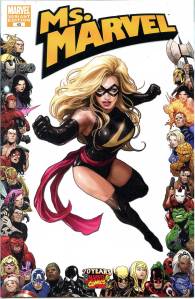
Ms. Marvel also plays a significant role in the 2008 storyline “Secret Invasion“, in which members of the shapeshifting alien race, the Skrulls, are revealed to have secretly infiltrated Earth by impersonating humans. She befriends Captain Marvel’s Skrull impostor and proves to him that she is not a Skrull by revealing intimate details about their life together. At the conclusion of the war with the Skrulls, Norman Osborn is placed in charge of the registered Avengers team. Refusing to serve under Osborn, Ms. Marvel flees Avengers Tower, and joins the New Avengers, becoming second-in-command. Osborn appoints former Thunderbolt member Moonstone (Karla Sofen) as the “new” Ms. Marvel to his Dark Avengers team; Moonstone wears a variation of Ms. Marvel’s original costume. Osborn engineers a battle that results in Danvers’s powers overloading, causing her apparent death. The character Moonstone takes over the title role in the ongoing Ms. Marvel series. Danvers returns with the aid of the New Avengers, a group of MODOK embryos (creations of the organization Advanced Idea Mechanics [AIM]), and a character known as the “Storyteller” and reclaims the title of Ms. Marvel from Karla Sofen.

The increased use of Carol Danvers as a prominent character in many story arcs throughout this decade eventually prompted one commentator to note that “she’s now the House of Ideas’ premier heroine”

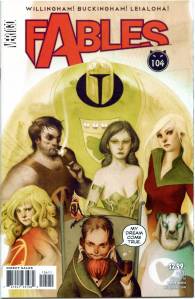
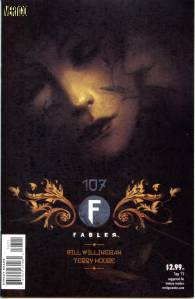
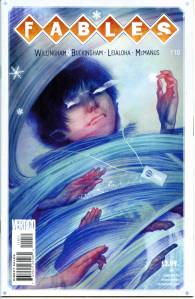
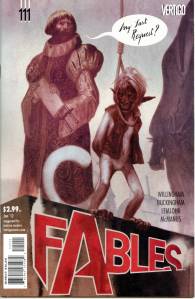
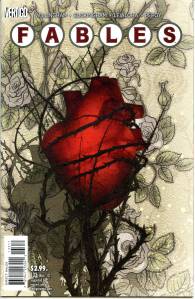
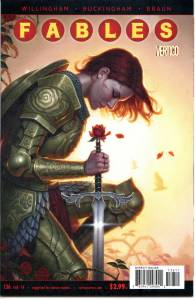
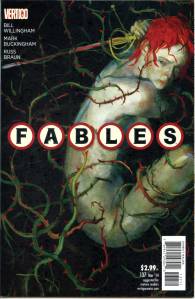
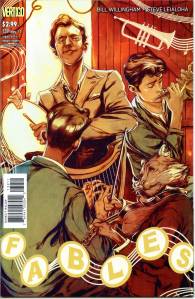
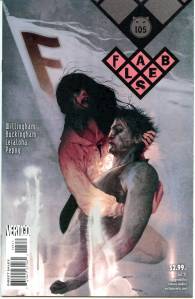
Fables (2002)

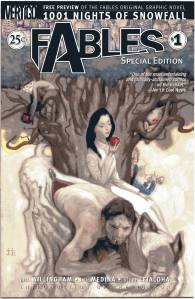
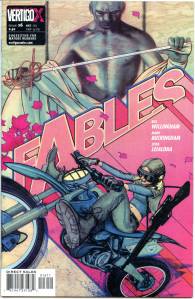
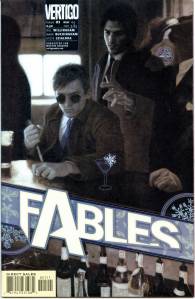
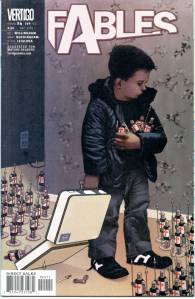
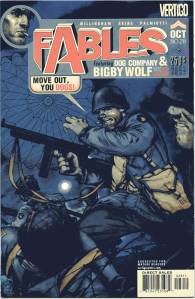
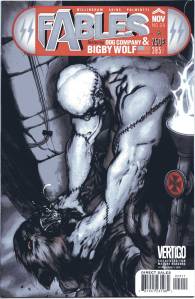
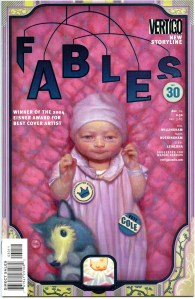
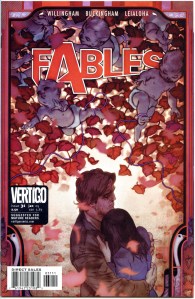
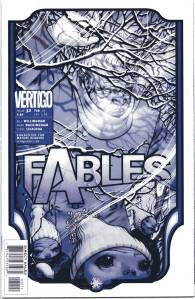
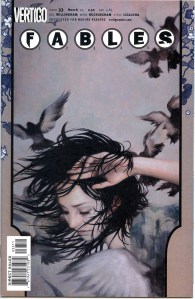
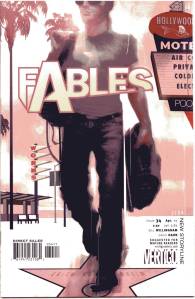
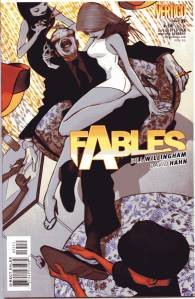
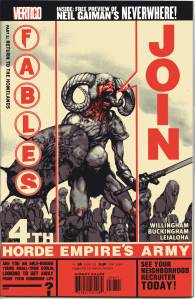
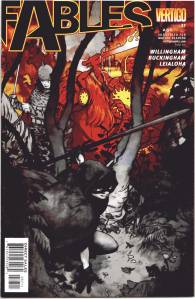
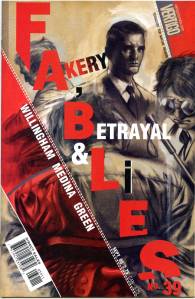
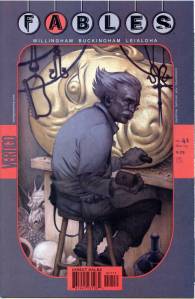
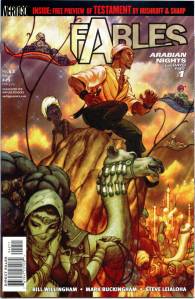
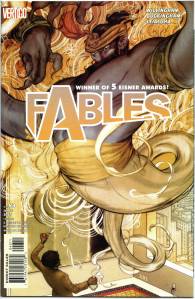
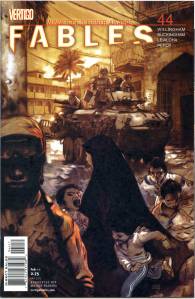
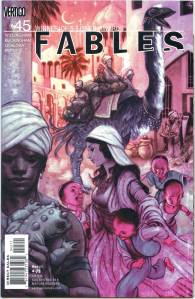
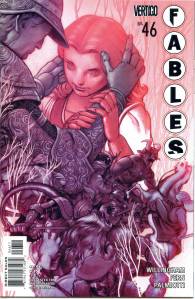
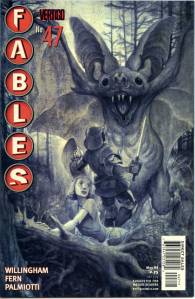
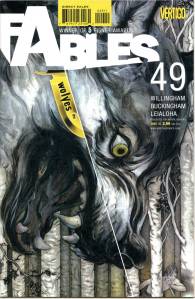
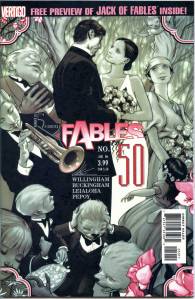
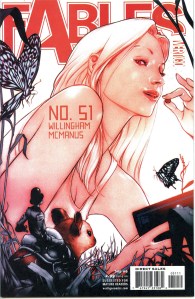
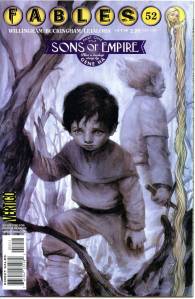
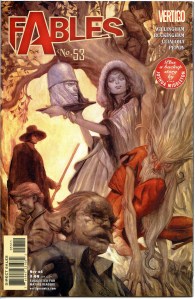
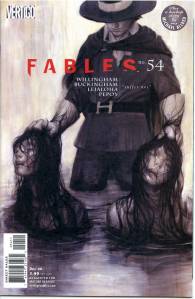
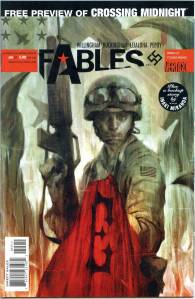
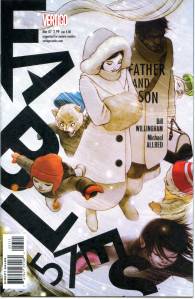
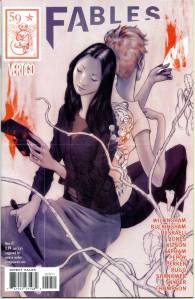
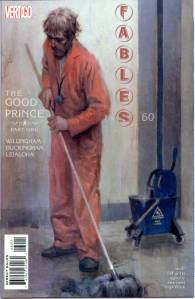
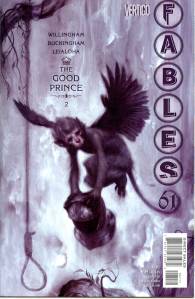
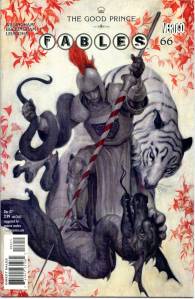
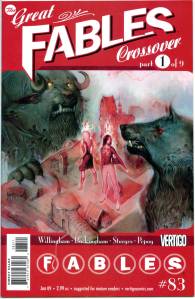
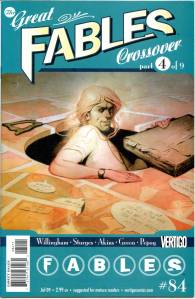
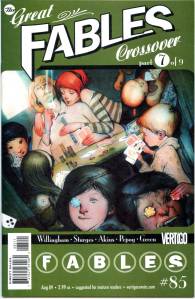
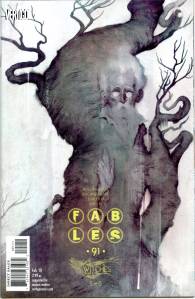
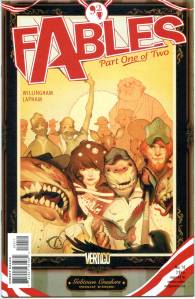
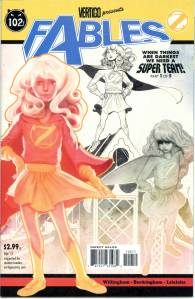
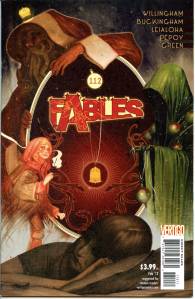
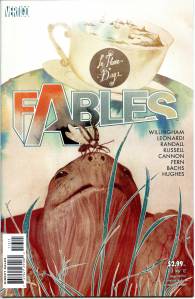
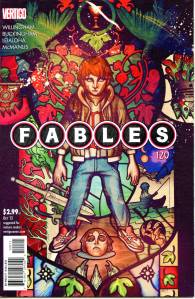
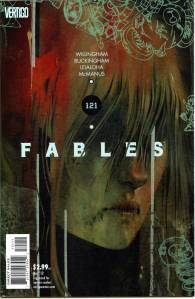
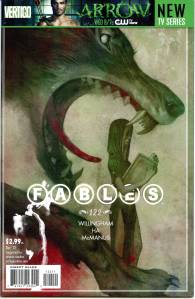
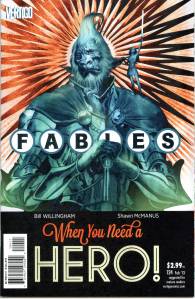
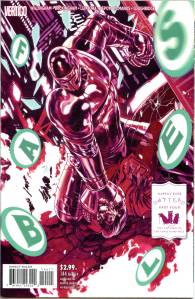
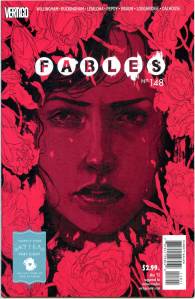
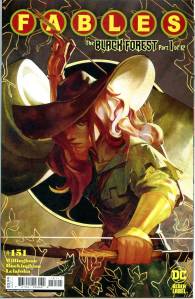
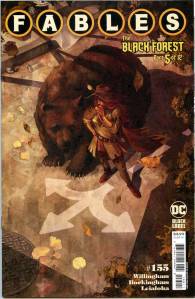
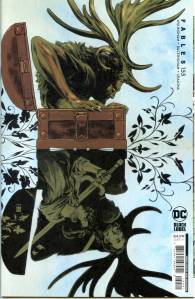
Fables was a series published by DC Comics‘s Vertigo imprint beginning in 2002. The series deals with various people from fairy tales and folklore – referring to themselves as “Fables” – who have been forced out of their Homelands by “The Adversary” who has conquered the realm. The Fables have traveled to our world and formed a clandestine community in New York City known as Fabletown. Fables who are unable to blend in with human society (such as monsters and anthropomorphic animals) live at “the Farm” in upstate New York.

Young Terrorists (2015)

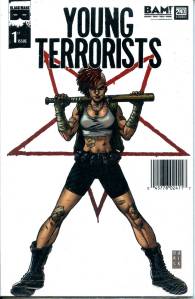
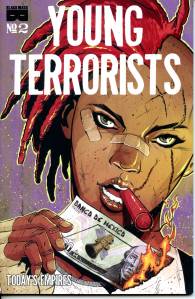
What if “The Smoking Man” from X-Files was a real person, and his daughter found out what he did for a living? The daughter of an assassinated globalist kingpin breaks out of an internment camp and leads her fellow escaped prisoners in a battle against an elitist conspiracy of shadow governments, megabanks, and military juntas in this edgy and subversive thriller that channels Fight Club by way of Girl With The Dragon Tattoo.

The Spectre V3 (1992)

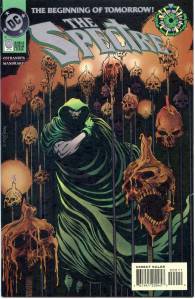
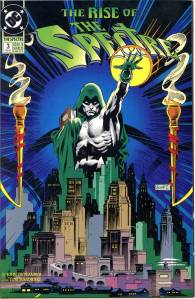
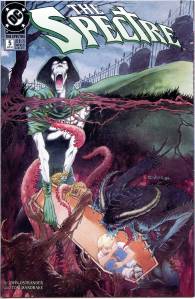
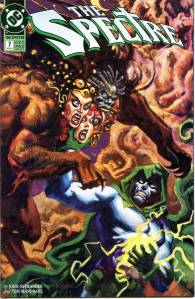
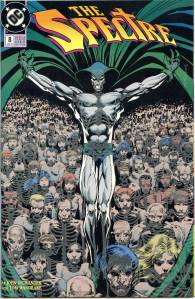
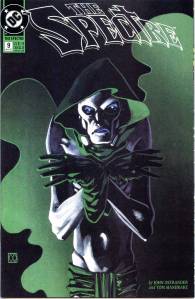
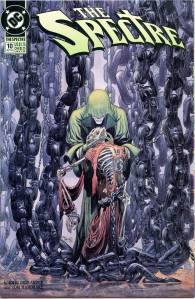
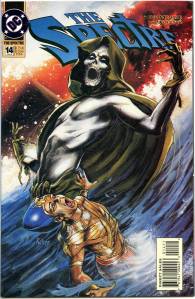
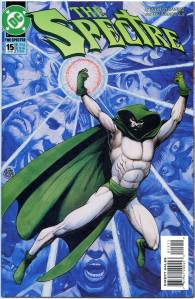
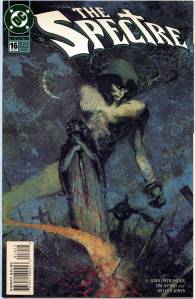
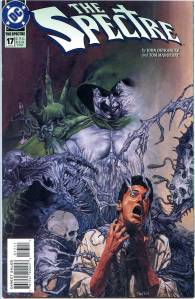
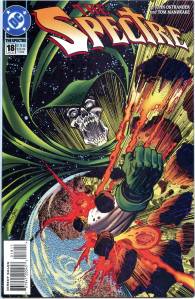
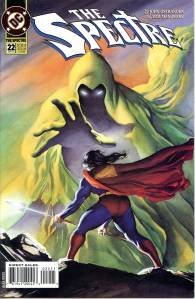
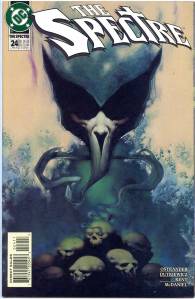
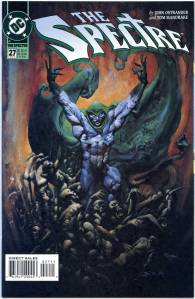
In 1992, the Spectre was again given his own series, this time written by writer and former theology student John Ostrander, who chose to re-examine the Spectre in his aspects as both the embodied Avenging Wrath of the Murdered Dead and as a brutal 1930s policeman.

Ostrander placed the Spectre in complex, morally-ambiguous situations that posed certain ethical questions, one example being: What vengeance should be wrought upon a woman who killed her abusive husband in his sleep?

Ostrander also added several new concepts into the Spectre’s history: He revealed that the Spectre was meant to exist as the embodiment of the Wrath of God, and Jim Corrigan was but the latest human spirit assigned to guide him while he existed on Earth. It was also shown that the Spectre was a fallen angel named Aztar who had participated in Lucifer‘s rebellion, but then repented, and that serving as the embodiment of God’s anger was its penance.

Furthermore, the Spectre was not the first embodiment of God’s anger, but was the replacement for the previously-minor DC character Eclipso. Ostrander chose to portray this as a distinction between the Spectre’s pursuit of vengeance and Eclipso’s pursuit of revenge. In a historical context, Eclipso was responsible for the biblical Flood, while the Spectre was the Angel of Death who slew the firstborn Egyptian children. Spectre and Eclipso have battled numerous times through history but neither entity can be fully destroyed.
X-Men Unlimited V1 (1990’s)

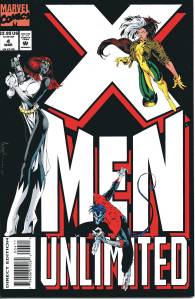
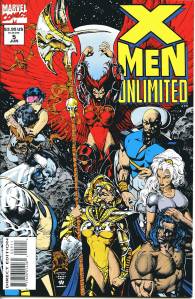
This title allowed new and lesser-known writers and artists to write and draw X-Men comics. The comics were also usually self-contained stories; with the exception of a tie-in to the Onslaught crossover. This was particularly unique during the late 1990s when most X-Men titles frequently had story arcs that were several issues long. It ran as a quarterly feature releasing four issues per year until late 2002 when it converted into a monthly title.
He-Man and the Masters of the Universe (2013)

On April 24, 2013, the second volume, an ongoing series, started with the aftermath of the first volume. 19 issues were released, consisting of 3 story arcs of 6 issues and one prelude to the next ongoing series. At the start of the first arc, a celebration of the Sorceress’ life is interrupted by an invasion of the Horde, the army of Hordak himself. Leading the charge is a human woman called Despara. He-Man’s friend Teela soon recognized Despara as her forgotten childhood friend Adora, who is destined to become She-Ra, the Princess of Power.[2] The second arc, entitled “What Lies Within” (issue 7-12) sees King Randor lead He-Man, Teela, Stratos and Moss Man into Subternia to attempt to bring the Sorceress back to life. Along the way they face the reborn Snake Men. The third arc, “The Blood of Grayskull” (issues 13 to 18) explains the origin of She-Ra. The final issue, #19, features a flashback to the youth of Prince Adam and serves as a prelude to the Eternity War.