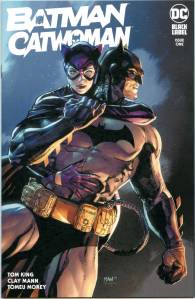
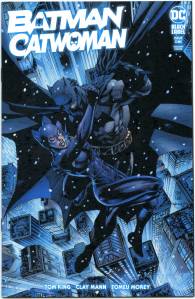
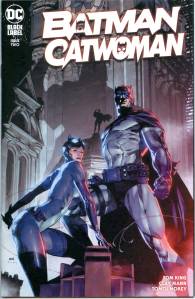
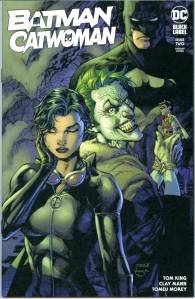
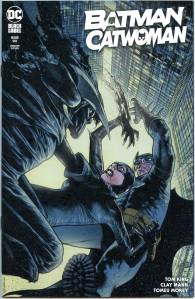
The comic was originally going to be canon, but James Tynion IV, who took over the writing duties on Batman (Volume 3) from Tom King, said that Batman/Catwoman was moving away from the “bounds of continuity” per his understanding and it would have no effect on the main Batman title.
King later stated it was a standalone series and was his version of how Batman and Catwoman’s ending should be. He also hoped it would lead to “breaking the mold” in DC about Batman’s status quo. The series follows the duo’s romance through multiple eras, unlike the current Prime Earth continuity.
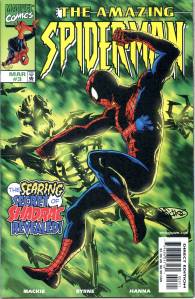
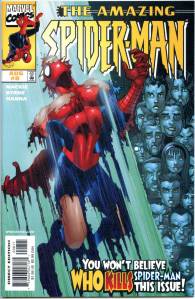
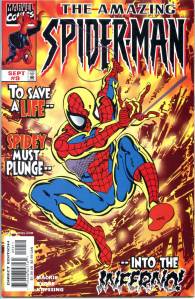
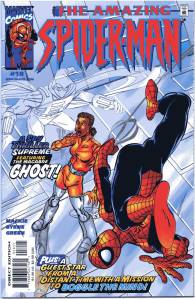
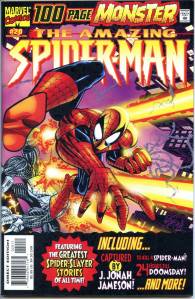
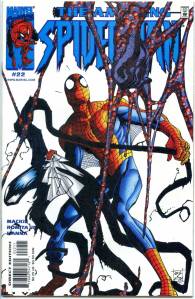
Marvel began The Amazing Spider-Man anew with (vol. 2) #1 (Jan. 1999). Howard Mackie wrote the first 29 issues. The relaunch included the Sandman being regressed to his criminal ways and the “death” of Mary Jane, which was ultimately reversed. Other elements included the introduction of a new Spider-Woman (who was spun off into her own short-lived series) and references to John Byrne’s miniseries Spider-Man: Chapter One, which was launched at the same time as the reboot. Byrne also penciled issues #1–18 (from 1999 to 2000) and wrote #13–14, John Romita Jr. took his place soon after in October 2000. Mackie’s run ended with The Amazing Spider-Man Annual 2001, which saw the return of Mary Jane, who then left Parker upon reuniting with him.
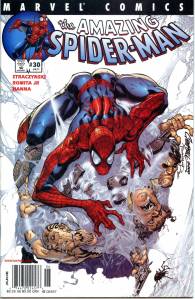
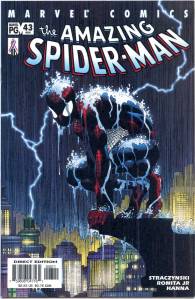
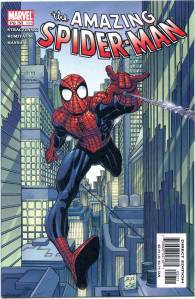
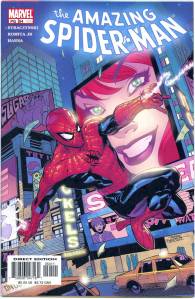
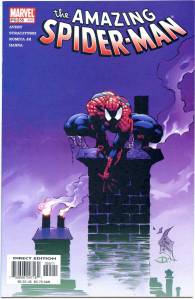
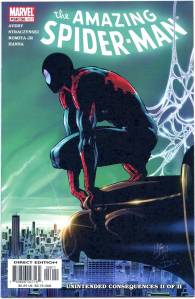
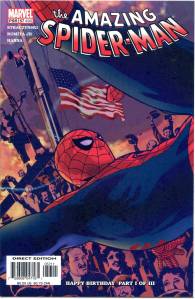
With issue #30 (June 2001), J. Michael Straczynski took over as writer and oversaw additional storylines – most notably his lengthy “Spider-Totem” arc, which raised the issue of whether Spider-Man’s powers were magic-based, rather than as the result of a radioactive spider’s bite. Additionally, Straczynski resurrected the plot point of Aunt May discovering her nephew was Spider-Man, and returned Mary Jane, with the couple reuniting in The Amazing Spider-Man (vol. 2) #50. Straczynski gave Spider-Man a new profession, having Parker teach at his former high school.
Issue #30 began a dual numbering system, with the original series numbering (#471) returned and placed alongside the volume two number on the cover. Other longtime, rebooted Marvel Comics titles, including Fantastic Four, likewise were given the dual numbering around this time. After (vol. 2) #58 (Nov. 2003), the title reverted completely to its original numbering for issue #500 (Dec. 2003). Mike Deodato, Jr. penciled the series from mid-2004 until 2006.
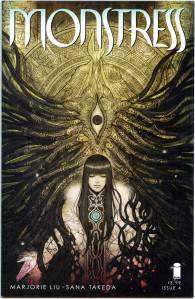
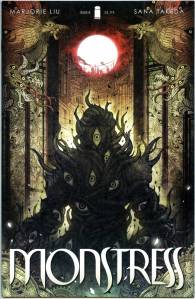
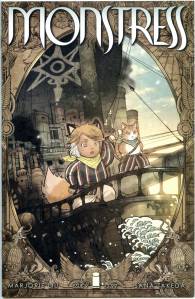
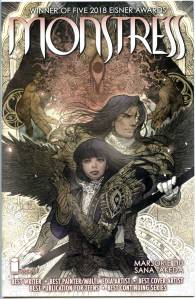
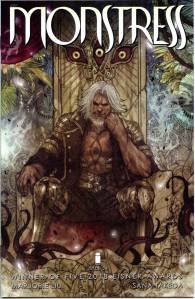
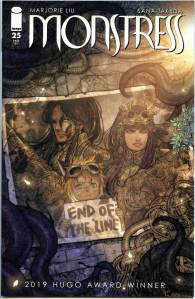
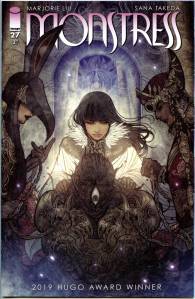
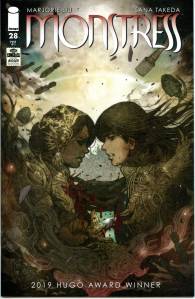
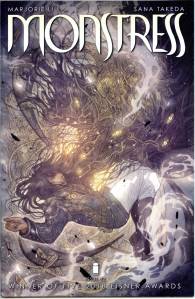
The series is set in a matriarchal “alternate Asia” riven by war between the Arcanics, magical creatures who sometimes can pass for human, and the Cumea, an order of sorceresses who consume Arcanics to fuel their power. The main character, Maika, is an Arcanic who is set on learning more about, and avenging, her dead mother. According to Liu, among the series’s themes are the inner strength required to withstand constant dehumanization, as well as the power of friendship among women.
The first, triple-sized issue of Monstress received critical praise. Writing for Kotaku, Evan Narcisse called it “a gorgeous comic book about racism, war and slavery”, noting the intricate detail of Takeda’s manga-inspired art. In the A.V. Club, Caitlin Rosberg described the leading characters, all women, as “deeply flawed and showing layers of nuanced characterization that you don’t often see in comic books”, and appreciated the series’s “sense of in-between-ness—(…) neither traditionally Western nor manga, paced like a novel but drawn like a comic”.
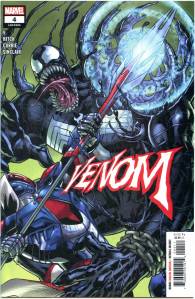
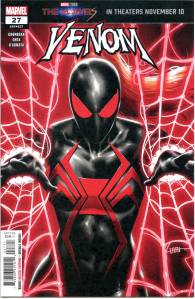
An all-new Venom from some of comics’ greatest talents! Marvel mainstay Al Ewing, who himself has just ended a character-redefining run on Immortal Hulk, is being joined by Ram V, a horror maestro all his own, to craft a mind-bending and gut-wrenching tale of symbiosis the likes of which the Marvel Universe has never seen! Aa if that wasn’t enough, they’ve been joined by Bryan Hitch, who is leaving it all on the page.
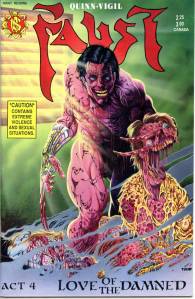
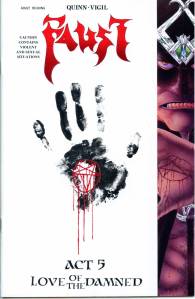
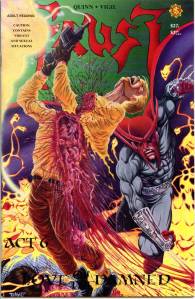
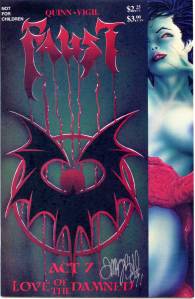
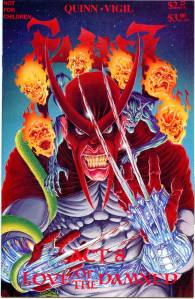
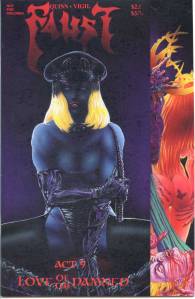
Alongside contemporaries Watchmen, The Crow, and The Dark Knight Returns, Faust was credited with popularizing the “deconstructed superheroes” genre and the notion that “comics aren’t just for kids.” One of the bestselling independent comics of the era, Faust issue 1 sold over 100,000 copies with later issues averaging 50,000 sales per issue, most of which sold through several printings and editions.
The series features strong graphic violence and sexual situations. The main series is known as Faust: Love of The Damned and debuted in 1988, with new issues published irregularly, roughly once a year, or sometimes every two years. David Quinn completed a script in 1996 (when writing the proposal to sell the film). The gap between issues grew wider with time. Issue 13 was published in 2005. It then took seven years for the authors to deliver the two last issues, 14 and 15, which concluded the story 25 years after the first episode.
Faust #4 1st Print VF+ $9Faust #5 2nd Print NM $7Faust #6 VF+ $5Faust #7 NM $12Faust #7 Signed by Tim Vigil VF+$9Faust #8 VF+ $5Faust #9 VF-NM $9
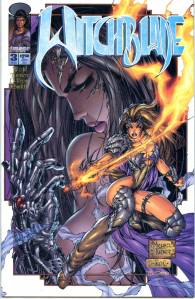
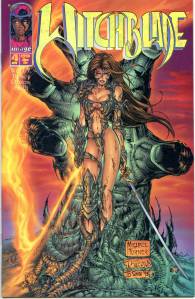
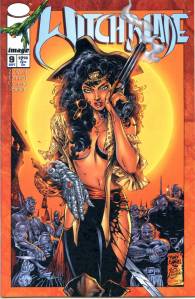
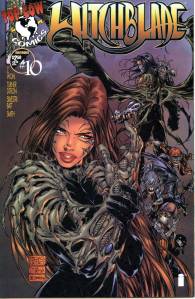
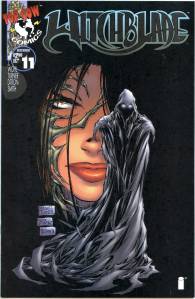
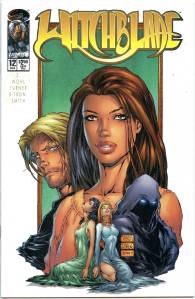
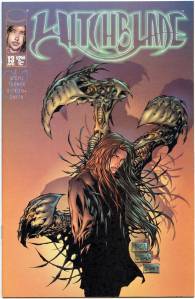
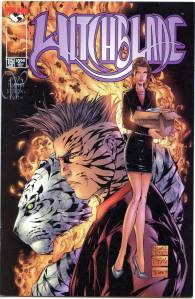
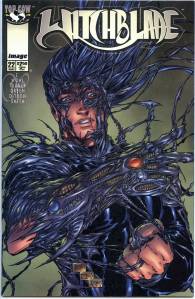
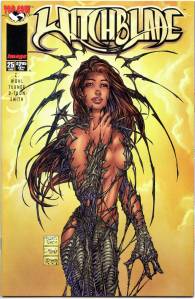
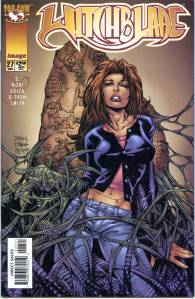
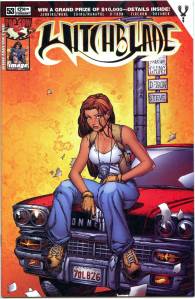
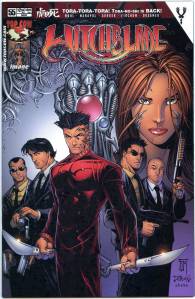
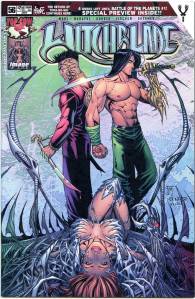
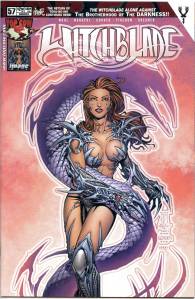
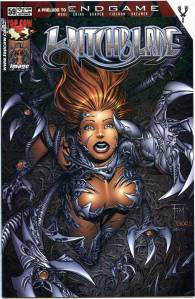
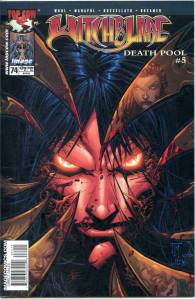
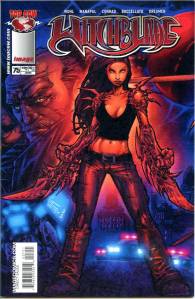
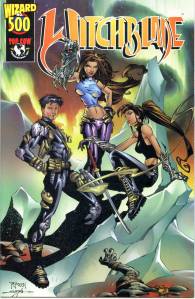
The Witchblade comic was adapted into a television series in 2001, as well as an anime, a manga and a novel in 2006. A feature film based on the comic, titled The Witchblade, was announced for a 2009 release, but was never produced. A second Witchblade television series was announced for development in January 2017.
During his two years on the title, Roger Stern augmented the backgrounds of long-established Spider-Man villains, and with Romita Jr. created the mysterious supervillain the Hobgoblin in #238-239 (March–April 1983) Fans engaged with the mystery of the Hobgoblin’s secret identity, which continued throughout #244-245 and 249-251 (Sept.-Oct. 1983 and Feb.-April 1984). One lasting change was the reintroduction of Mary Jane Watson as a more serious, mature woman who becomes Peter’s confidante after she reveals that she knows his secret identity. Stern wrote “The Kid Who Collects Spider-Man” in The Amazing Spider-Man #248 (January 1984), a story which ranks among his most popular.
David Michelinie took over as writer in #290 (July 1987) that led to the marriage of Peter Parker and Mary Jane Watson in Amazing Spider-Man Annual #21. The “Kraven’s Last Hunt” storyline by writer J.M. DeMatteis and artists Mike Zeck and Bob McLeod crossed over into The Amazing Spider-Man #293 and 294. Issue #298 (March 1988) was the first Spider-Man comic to be drawn by future industry star Todd McFarlane, the first regular artist on The Amazing Spider-Man since Frenz’s departure. McFarlane revolutionized Spider-Man’s look. His depiction – large-eyed, with wiry, contorted limbs, and messy, knotted, convoluted webbing – influenced the way virtually all subsequent artists would draw the character. McFarlane’s other significant contribution to the Spider-Man canon was the design for what would become one of Spider-Man’s most wildly popular antagonists, the supervillainVenom. Issue #299 (April 1988) featured Venom’s first appearance (a last-page cameo) before his first full appearance in #300 (May 1988). The latter issue featured Spider-Man reverting to his original red-and-blue costume.
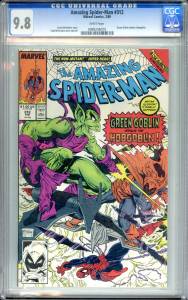
Other notable issues of the Michelinie-McFarlane era include #312 (Feb. 1989), featuring the Green Goblin vs. the Hobgoblin; and #315-317 (May–July 1989), with the return of Venom. In July 2012, Todd McFarlane’s original cover art for The Amazing Spider-Man #328 sold for a bid of $657,250, making it the most expensive American comic book art ever sold at auction.
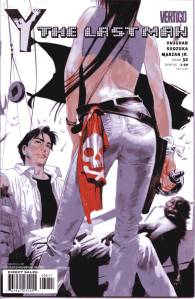
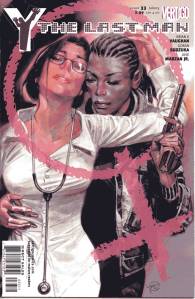
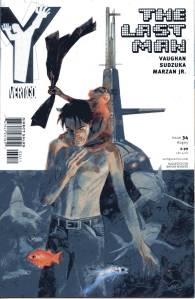
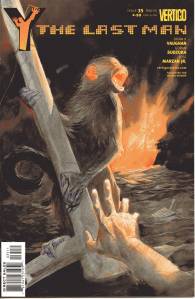
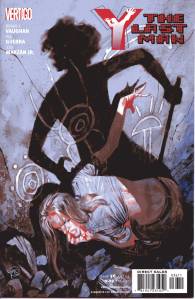
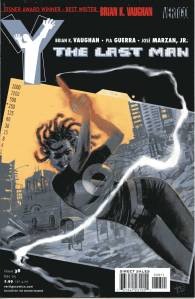
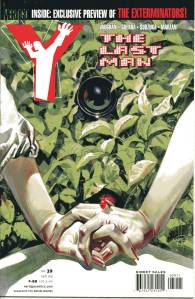
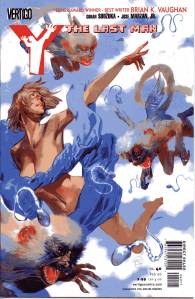
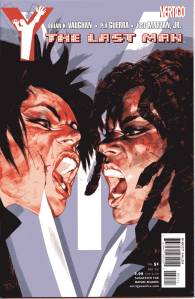
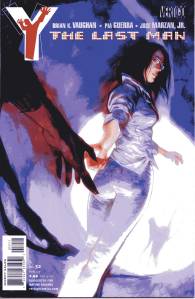
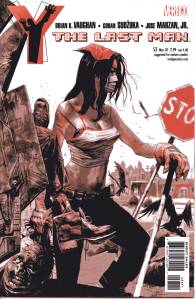
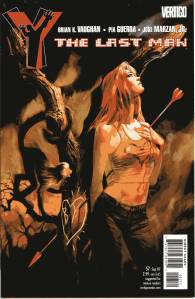
Y The Last Man #5 NM $10Y The Last Man #17 NM $4Y The Last Man #18 NM $4Y The Last Man #19 NM $5Y The Last Man #20 NM $4Y The Last Man #21 NM $4Y The Last Man #22 NM $4Y The Last Man #23 NM $5Y The Last Man #24 NM $4Y The Last Man #25 NM $4Y The Last Man #26 NM $5Y The Last Man #27 NM $4Y The Last Man #28 NM $4Y The Last Man #29 NM $4Y The Last Man #30 NM $4Y The Last Man #31 VF-NM $3Y The Last Man #32 NM $4Y The Last Man #33 NM $4Y The Last Man #34 NM $4Y The Last Man #35 NM $4Y The Last Man #36 NM $4Y The Last Man #37 NM $6Y The Last Man #38 NM $4Y The Last Man #39 NM $4Y The Last Man #40 NM $4Y The Last Man #41 NM $4Y The Last Man #42 NM $4Y The Last Man #43 NM $4Y The Last Man #44 NM $4Y The Last Man #45 NM $4Y The Last Man #46 VF-NM $2Y The Last Man #47 NM $4Y The Last Man #48 NM $4Y The Last Man #49 NM $4Y The Last Man #50 NM $4Y The Last Man #51 NM $4Y The Last Man #52 NM- $3Y The Last Man #53 NM- $3Y The Last Man #57 VF-NM $2
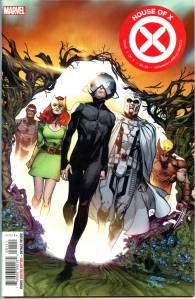
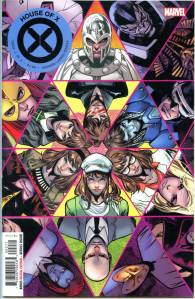
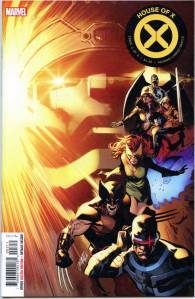
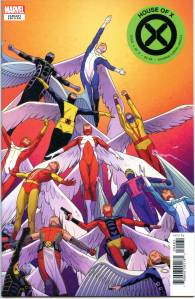
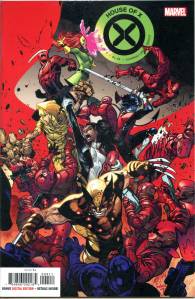
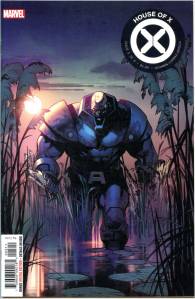
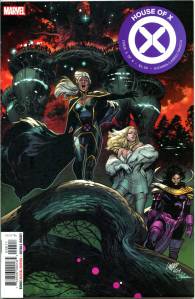
Jonathan Hickman wrote a story arc in the Avengers and New Avengers comic, ending in the 2015 crossover Secret Wars. His return was announced in March 2019. Some days later, it was detailed that he would write two comic books, House of X and Powers of X, with penciling by Pepe Larraz and R.B. Silva. Marvel Editor in Chief C. B. Cebulski said that “We are excited to have Jon back with the Marvel family, and we could not have asked for a better creative team to help usher the X-Men into a whole new era”
Both comics were released as a company wide relaunch of the X-Men. All the ongoing X-Men comics were cancelled: Uncanny X-Men, Mr. and Mrs. X, X-Force, X-23, and the Age of X-Man tie-in miniseries.
House of X #1 NM $9House of X #2 NM $9House of X #3 NM $5House of X #4 Variant NM $5House of X #4 NM $5House of X #5 NM $5House of X #6 NM $5
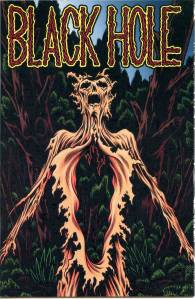
Set in the suburbs of Seattle during the 1970s, the story follows a group of teenagers who contract a mysterious sexually transmitted disease referred to as “the Bug, which causes them to develop bizarre unique physical mutations and subsequently become social outcasts, many of them running away from home to live in the nearby woodland.