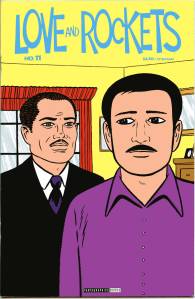
Love and Rockets, reuniting all three Hernandez Brothers! Jaime picks up the newly-divorced Maggie’s story as she returns to the old neighborhood to try to reconnect with her past; in the first issue she meets up with everyone’s favorite Hoppers resident, Izzy Ortiz. Gilbert launches a thrilling new graphic novel, “Julio’s Day,” about a man’s life from 1900 to 2000. Every person gets his day… or does he? Finally, Gilbert (artist) and Mario (writer) collaborate on “Me for the Unknown,” a tale of political intrigue, dumping on the little guy, psychosis, and violent revenge reminiscent of some of their earliest L&R stories (or their Mister X “Tales of Somnopolis” stories).
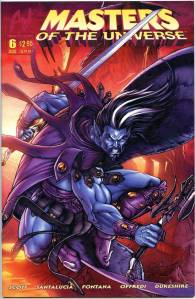
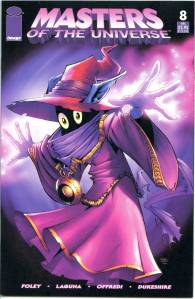
The comic book studio MVCreations produced numerous Masters of the Universe comics during the promotion of the 2002-2004 toy line. MVCreations is a studio headed by Val Staples, originallly publishing through Image Comics. Following their success with the Masters of the Universe license, the two companies parted ways. MVCreations soon partnered with CrossGen Comics. Despite obtaining the license of two Don Bluth properties, as well as publishing a horror comic by Rob Zombie, the studio failed to off-set financial problems, in part due to CrossGen’s own financial downturn. The studio parted ways with CrossGen and became a full publisher on their own. As Hasbro’s enthusiasm in the Masters of the Universe property faded, MVCreations returned to publishd under Image Comics.
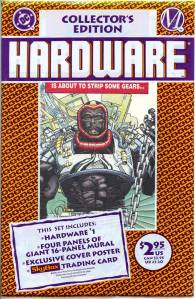
Curtis “Curt” Metcalf is a genius inventor who, in his Hardware identity, uses a variety of high-tech gadgets to fight organised crime. A central irony of the series (of which Metcalf is fully aware) is that Metcalf’s employer, respected businessman Edwin Alva—who provides the resources Metcalf uses to create Hardware’s hardware—is secretly the crime boss whom Hardware is trying to bring down.
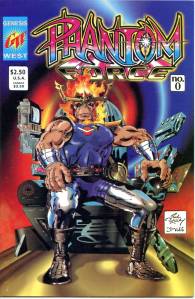
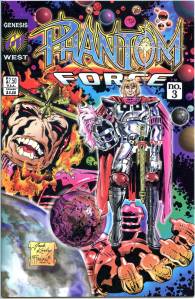
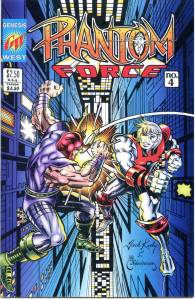
Phantom Force was the last comic book Kirby worked on before his death. The story was co-written by Kirby with Michael Thibodeaux and Richard French, based on an eight-page pitch for an unused Bruce Lee comic in 1978. Issues #1 and 2 were published by Image Comics with various Image artists inking over Kirby’s pencils. Issue #0 and issues #3–8 were published by Genesis West, with Kirby providing pencils for issues #0 and 4. Thibodeaux provided the art for the remaining issues of the series after Kirby died.
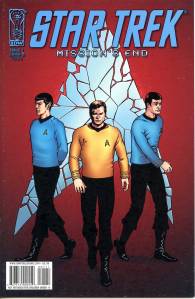
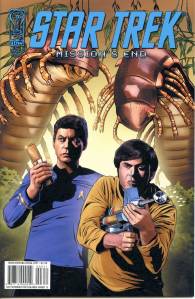
The series centers around the artificial planet Archernar IV and it’s two native sentient species, the Archernariansand Crawlers. The series begins at the start of the Enterprise‘s five-year mission at the start of contact with Archernar, and then skips ahead to the Enterprise‘s final mission to the planet as it prepares to join the Federation. At the conclusion of the Archernar mission the Enterprise returns to Earth, with the crew moved by the mission to take on new roles, as seen at the start of Star Trek: The Motion Picture.
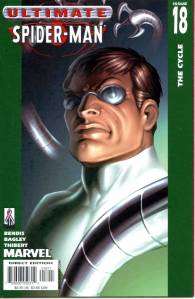
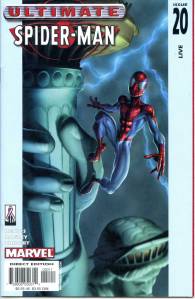
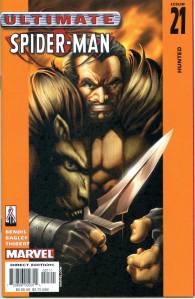
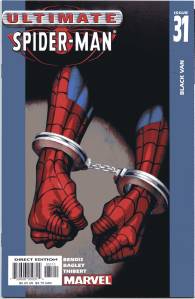
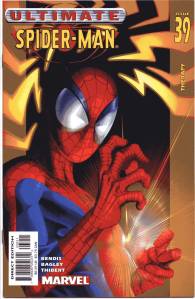
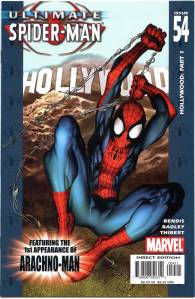
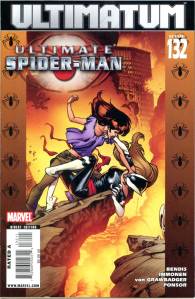
Ultimate Spider-Man was published by Marvel Comics from 2000 to 2009. The series is a modernized re-imagining of Marvel’s long-running Spider-Man comic book franchise as part of the company’s Ultimate Marvel imprint. Ultimate Spider-Man exists alongside other revamped Marvel characters in Ultimate Marvel titles including Ultimate X-Men, Ultimate Fantastic Four, and The Ultimates.
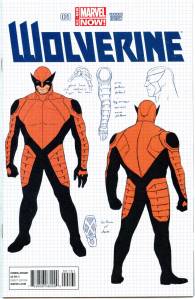
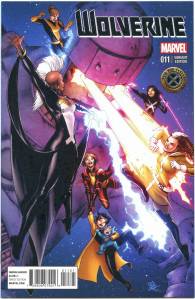
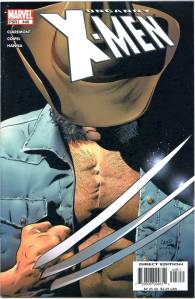
When Wolverine finds himself the bargaining chip in a hostage situation, he must make a decision to save a little boy that will follow him forever…literally! How can a berserker fight what he can’t see? And how far will he go to assert his humanity in the face of the Unknown? Find out when superstars Paul Cornell and Alan Davis take on the Wolverine!
From the legendary Leiji Matsumoto, along with Jerome Alquie, comes an epic new story! Set within the timeline of the original series, this brand-new Captain Harlock adventure marks the beginning of a new story arc. Planet Earth is threatened by an upcoming invasion by the Sylvidres and despite being banished as a pirate, Captain Harlock won’t give up trying to save the world. This time, the source of danger comes directly from Earth, not outer space. A team of scientists discovers a Sylvidres mausoleum where they find information about terrifying genetic manipulations and a destructive power capable of either providing the Sylvidres with immortality or putting an end to their civilization. The unprecedented cold spell hitting Earth might only be a taste of what this new enemy has in store… Will Captain Harlock and his crew manage to solve this mystery and save the Earth from yet another menace?
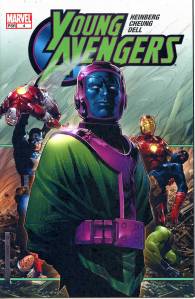
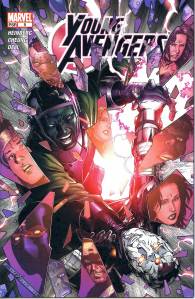
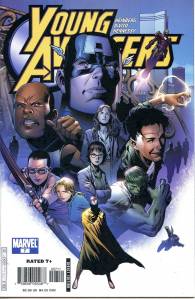
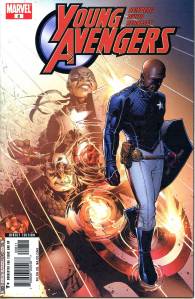
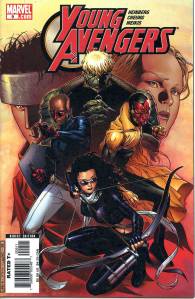
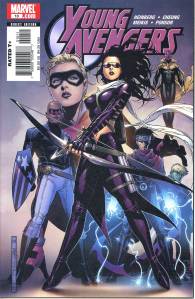
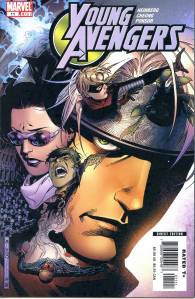
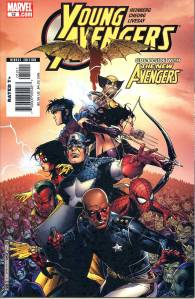
The team, created by Allan Heinberg and Jim Cheung, features numerous adolescent characters who typically have connections to established members of Marvel’s primary superhero team, the Avengers. The Young Avengers originally featured in a twelve issue run, later appearing in several notable Marvel crossover series, including the Civil War and The Children’s Crusade events, before the series was relaunched in January 2013 as part of the Marvel NOW! rebranding by writer Kieron Gillen and artist Jamie McKelvie.
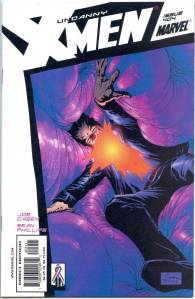
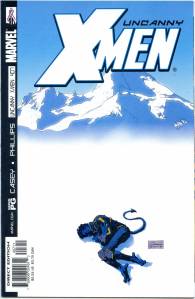
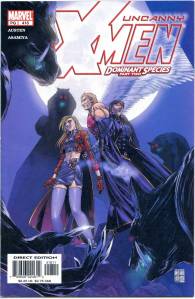
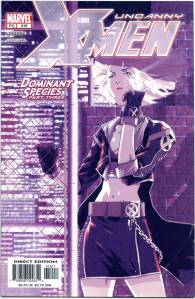
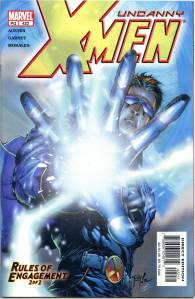
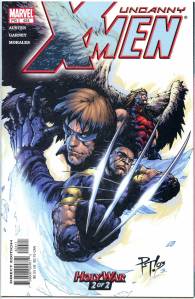
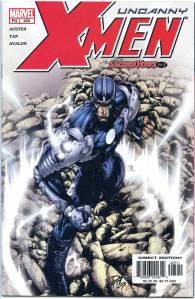
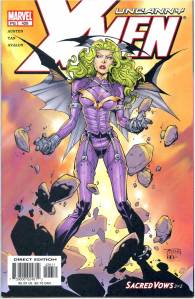
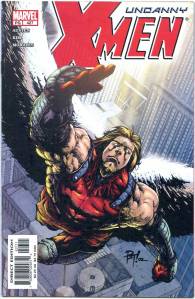
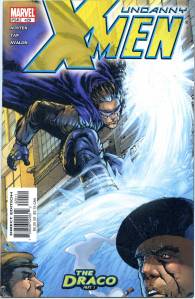
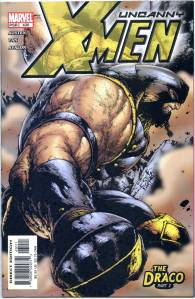
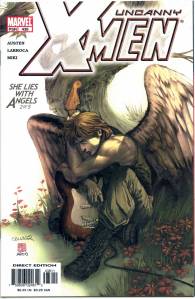
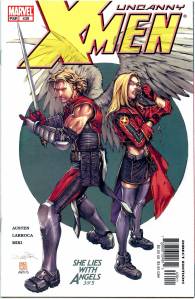
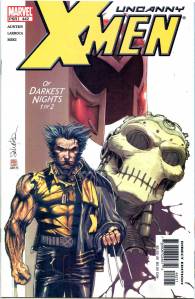
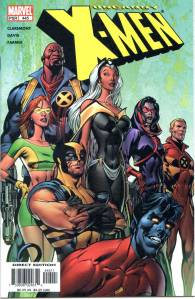
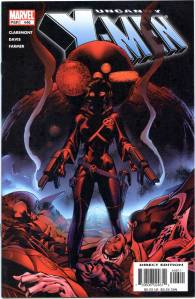
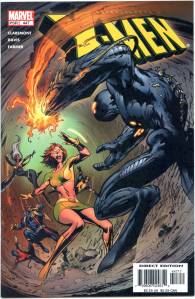
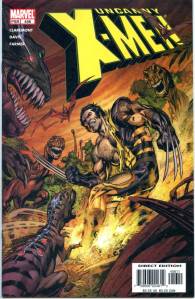
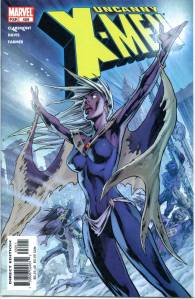
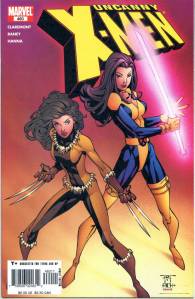
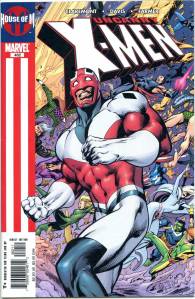
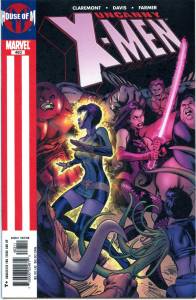
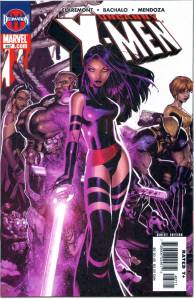
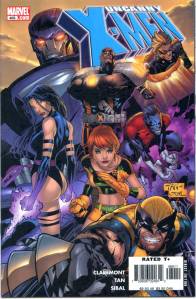
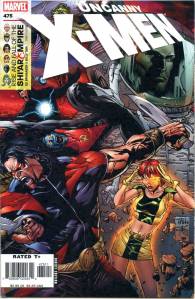
Chris Claremont made a brief return from #381 (June 2000) to #389, at which point he transferred to the new X-Treme X-Men title, as Grant Morrison took over the X-Men vol. 2 and that became the flagship X-Men title. From 2001 Lobdell made a short return, and then Joe Casey and Chuck Austen wrote runs into 2004. The title became bimonthly from 2003 to 2004.
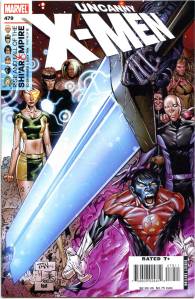
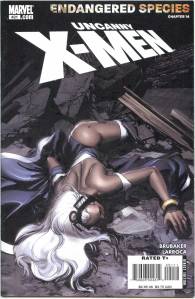
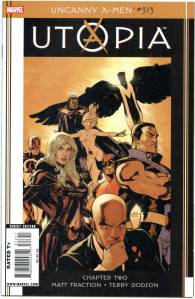
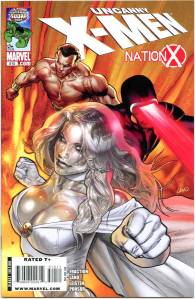
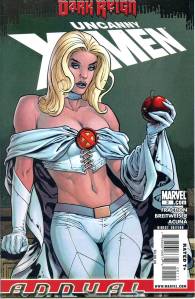
The X-Men: Reload reshuffle of titles in 2004 led to Claremont returning to Uncanny with issue #444. The stories addressed the new status quo established by Morrison, with Jean Grey having died again, and Cyclops in a relationship with Emma Frost. Claremont remained until #473. His final story was the “Death of the Greys” in 2006, as part of the “Decimation” storyline, where the vast majority of mutants had lost their powers. He was replaced by Ed Brubaker, who wrote a 12-part epic space opera story “The Rise and Fall of the Shi’ar Empire”, as a follow-up to his miniseries X-Men: Deadly Genesis. After this the title led into the “Messiah Complex” crossover event, dealing with the first mutant birth since the Decimation.