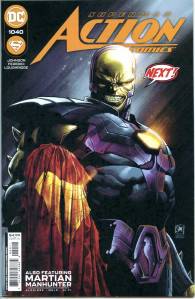
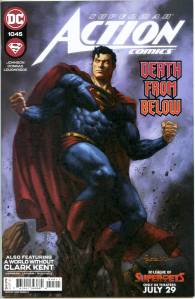
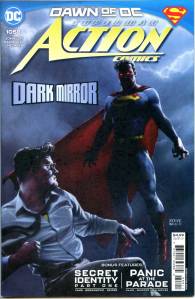
After learning of an enslaved race with mysterious ties to Krypton, Superman and the Authority leave earth and travel across the galaxy to liberate Warworld. Think it’s that simple? Think again.
With Superman captured on Warworld and banished to the lower catacombs, he’ll need to team up with other enslaved gladiators to turn the hordes of Warworld against their masters. As the Warworld Saga reaches a breaking point, battle lines are drawn between the two towering forces at odds: Mongul and Superman.
Which heroes will survive the conflict and what will be the fate of the citizens of Warworld?
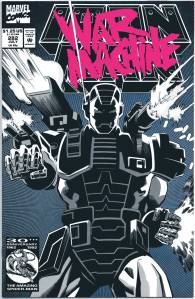
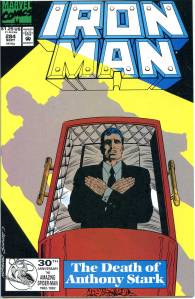
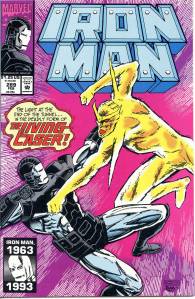
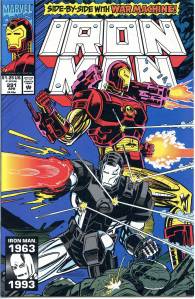
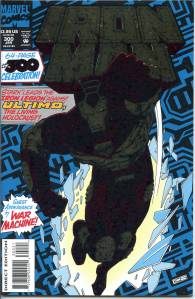
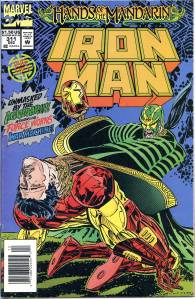
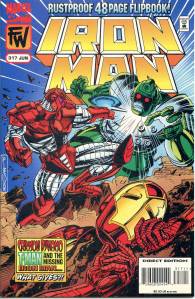
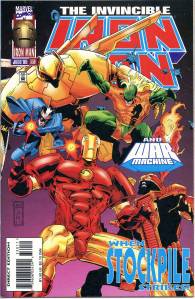
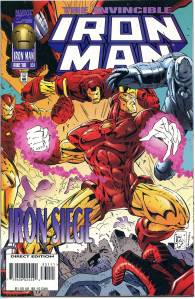
Faking his death, Stark places himself in suspended animation to heal as Rhodes takes over both the running of Stark Enterprises and the mantle of Iron Man, although he uses the War Machine armor. Stark makes a full recovery by using a chip to reprogram himself and resumes the Iron Man identity. When Rhodes learns that Stark has manipulated his friends by faking his own death, he becomes enraged and the two friends part ways, Rhodes continuing as War Machine in a solo career.
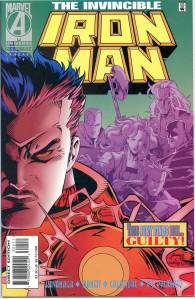
The story arc “The Crossing” reveals Iron Man as a traitor among the Avengers’ ranks, due to years of manipulation by the time-traveling dictator Kang the Conqueror. Stark, as a sleeper agent in Kang’s thrall, kills Marilla, the nanny of Crystal and Quicksilver’s daughter Luna, as well as Rita DeMara, the female Yellowjacket, then Amanda Chaney, an ally of the Avengers. The “Avengers Forever” limited series retcons these events as the work of a disguised Immortus, not Kang, and that the mental control had gone back only a few months.[70]
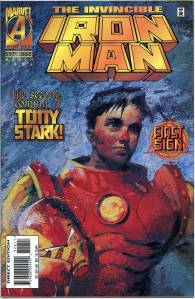
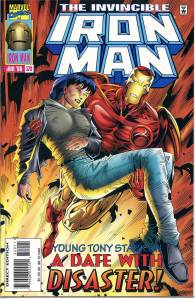
Needing help to defeat both Stark and Kang, the team travels back in time to recruit a teenaged Anthony Stark from an alternate timeline to assist them. The young Stark steals an Iron Man suit in order to aid the Avengers against his older self. The sight of his younger self shocks the older Stark enough for him to regain momentary control of his actions, and he sacrifices his life to stop Kang. The young Stark later builds his own suit to become the new Iron Man, and, remaining in the present day, gains legal control of “his” company.
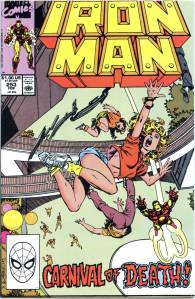
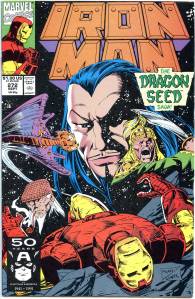
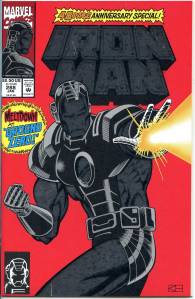
Iron Man #253 NM- $4Iron Man #258 NM $4Iron Man #259 NM $4Iron Man #260 NM $4Iron Man #261 NM- $3Iron Man #262 NM- $3Iron Man #263 NM- $3Iron Man #264 VF-NM $2Iron Man #265 VF-NM $2Iron Man #266 NM- $4Iron Man #272 NM $9Iron Man #282 VF-NM $139Iron Man #284 NM $19Iron Man #288 NM $4Iron Man #289 NM $4Iron Man #290 NM $4Iron Man #291 NM $4Iron Man #300 NM $4Iron Man #311 NM- $3Iron Man #317 NM $5Iron Man #324 NM $4Iron Man #325 NM $4Iron Man #326 NM $4Iron Man #329 NM $4Iron Man #330 NM $4Iron Man #331 NM $4
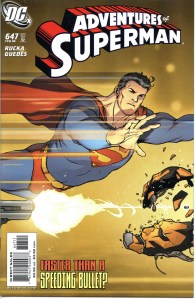
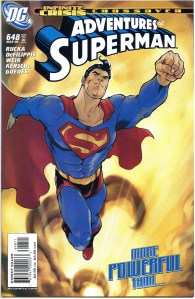
The Adventures of Superman was numbered from issue #424 (January 1987) to issue #649 (April 2006), for a total of 228 monthly issues including issue #0 (October 1994) published between issues #516 and #517 as a tie-in to the Zero Hour limited series and issue #1,000,000 (November 1998) as a tie-in to the DC One Million limited series and nine Annuals published between 1987 and 1997.
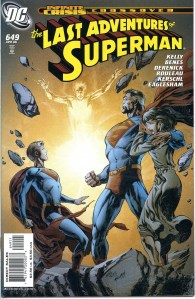
As of the start of 2002, the integration between the Superman titles became less frequent, and the remaining issues of The Adventures of Superman commonly carried self-contained stories. Issue #600 (March 2002) was a double-sized special featuring Superman combating Lex Luthor.The final issue (#649) was part of a three-part crossover with Superman and Action Comics, an homage to the Earth-2 Superman in the wake of events in the limited seriesInfinite Crisis.
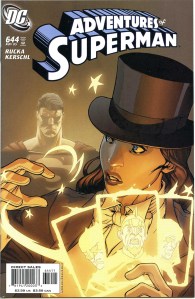
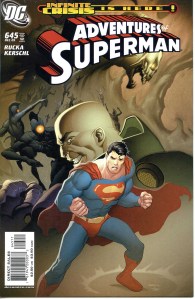
For its last two years, The Adventures of Superman was written by Greg Rucka. His stories included the villain Ruin, the attempted assassination of Lois Lane and a number of Mister Mxyzptlk appearances.
Adventures of Superman #644 NM $3Adventures of Superman #645 NM $3Adventures of Superman #646 NM $3Adventures of Superman #647 NM $3Adventures of Superman #648 NM $3Adventures of Superman #649 NM $5
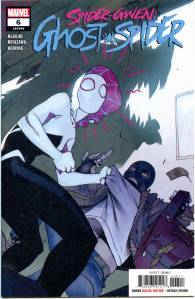
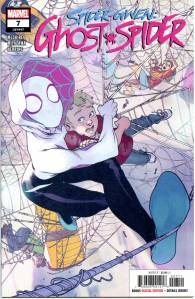
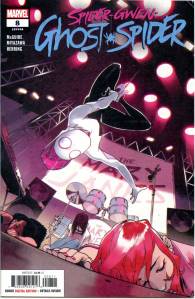
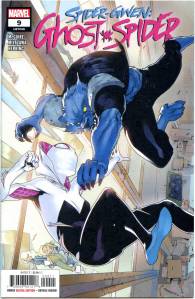
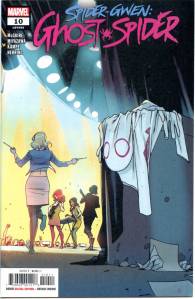
Realizing her secret identity is intact in this dimension, Gwen decides to attend college peacefully on Earth-616 without worrying about villains attacking. With Peter’s help, she enrolls in Empire State University, explaining to school admissions that she comes from another dimension. This, along with her test records and Parker vouching for her, earns Gwen enrollment and a scholarship that applies to visitors from other worlds and dimensions. Gwen begins regularly attending classes while “commuting” back and forth from her own Earth, regularly encountering Peter. In costume, she fights menaces on both worlds, including Miles Warren, whose unhealthy obsession with the Earth-616 Gwen Stacy led to his becoming the villainous Jackal.
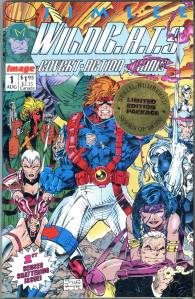
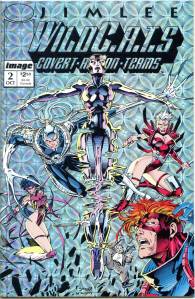
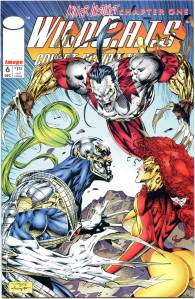
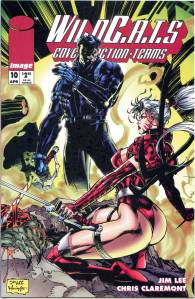
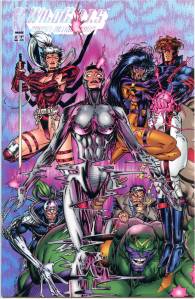
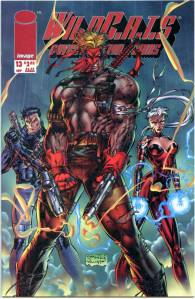
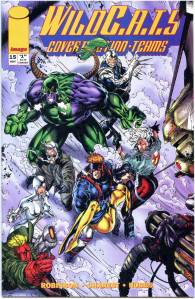
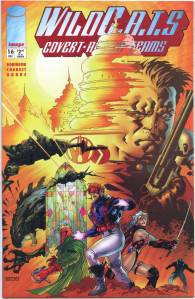
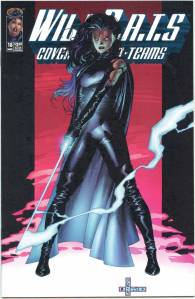
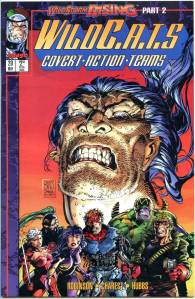
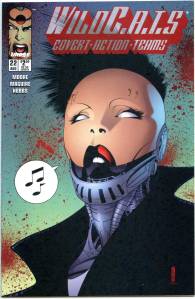
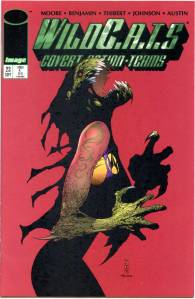
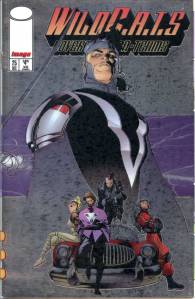
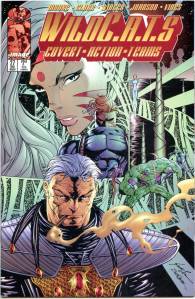
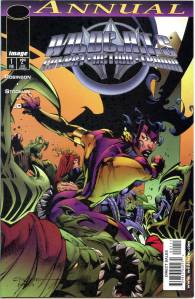
The team first appeared in August 1992 in the first issue of their eponymous comic book WildC.A.T.s: Covert Action Teams, published by Image Comics. It was Image founding partner Jim Lee’s first work published by the newly launched company, and his first creator-owned project. The Wildcats were the starting point for Lee’s menagerie of interconnected superhero creations which became the foundation of the Wildstorm Universe. The Wildcats launched at the apex of a speculator-fueled comics sales boom and was wildly popular at its inception, with wholesale sales to comic book stores above one million copies for early issues. This first series ran for 50 issues, and in addition to Lee, featured work by comics creators such as Travis Charest, Chris Claremont, James Robinson and Alan Moore. This popularity saw the property expand into other media, with an animated adaptation of the comic debuting on CBS in 1994 and a toyline from Playmates Toys.
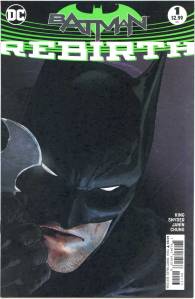
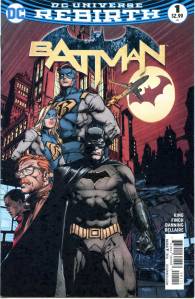
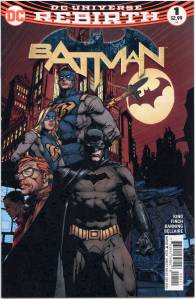
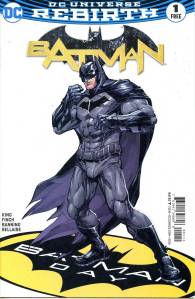
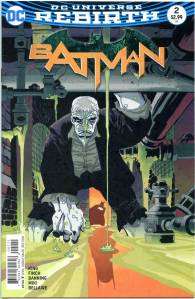
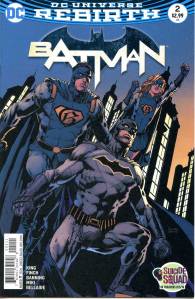
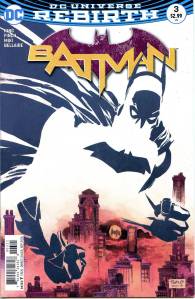
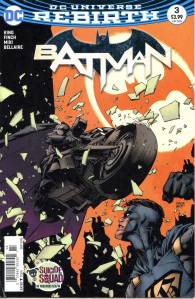
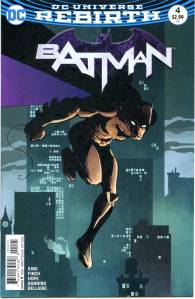
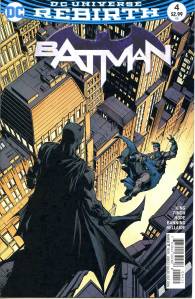
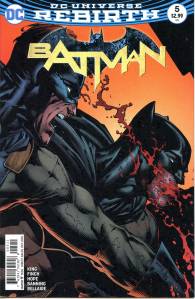
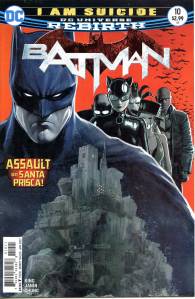
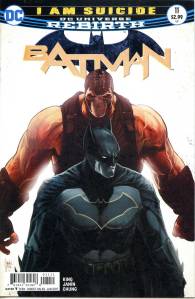
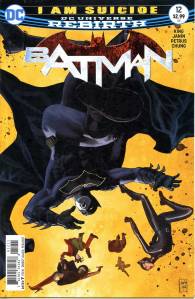
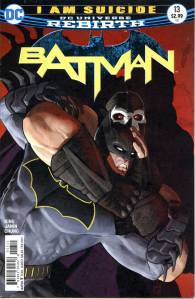
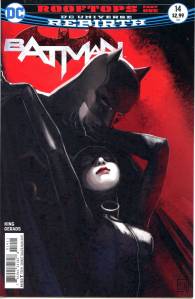
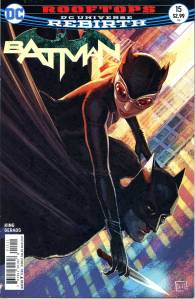
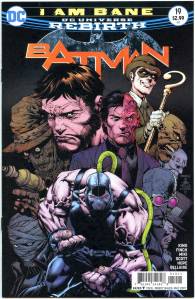
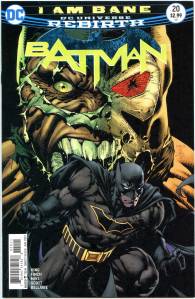
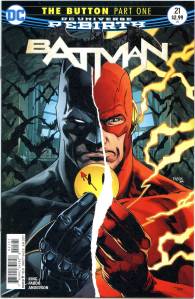
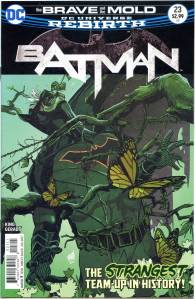
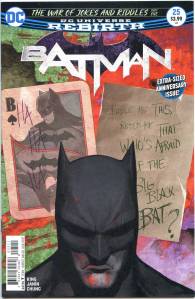
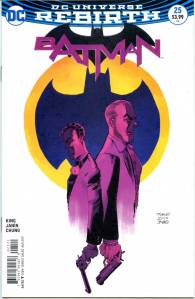
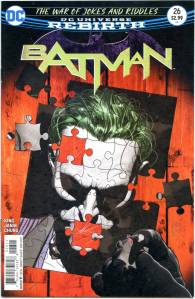
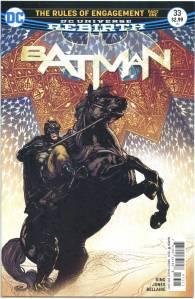
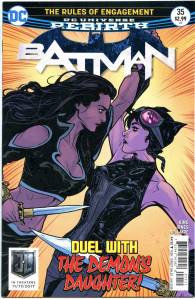
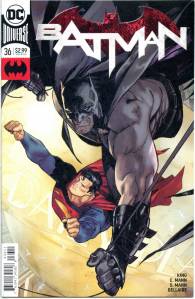
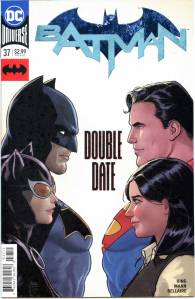
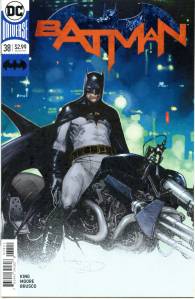
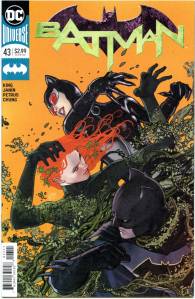
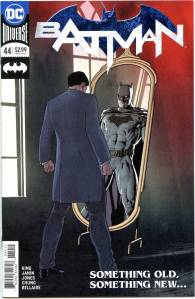
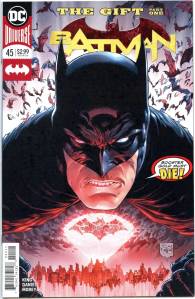
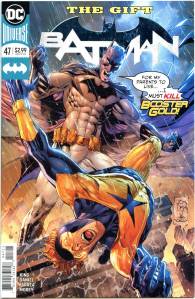
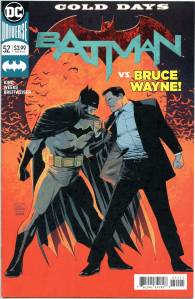
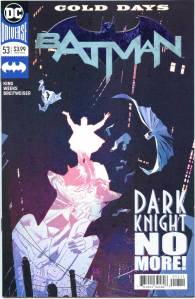
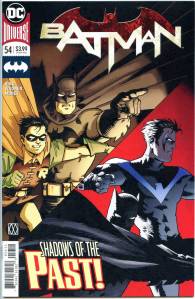
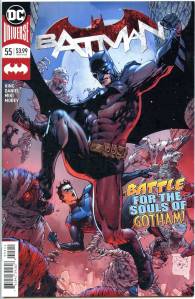
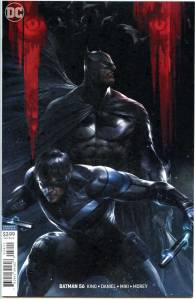
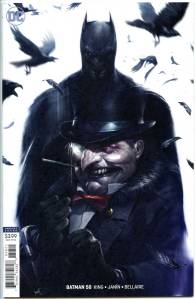
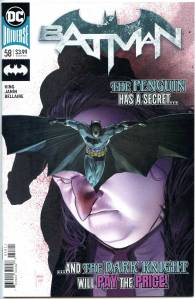
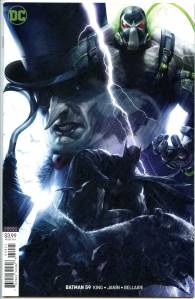
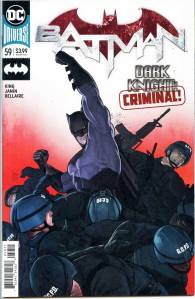
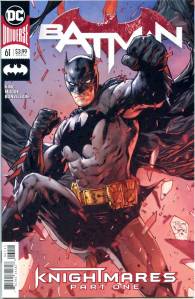
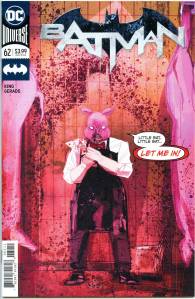
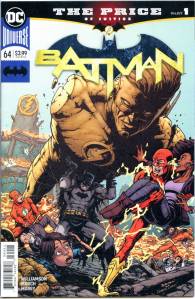
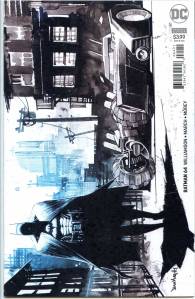
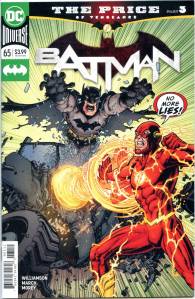
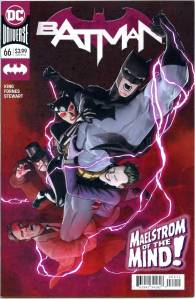
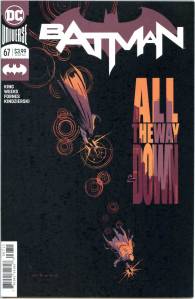
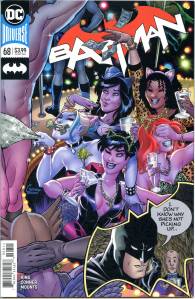
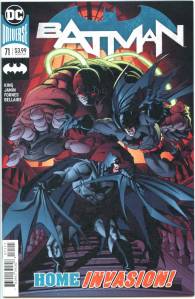
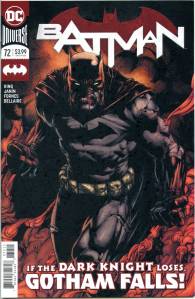
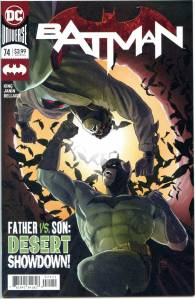
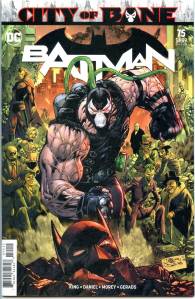
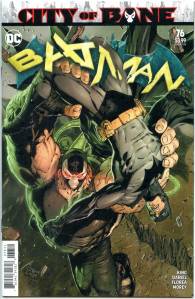
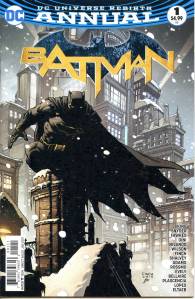
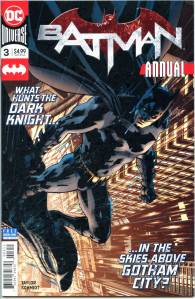
In June 2016, the DC Rebirth event relaunched DC Comics’ entire line of comic book titles. Batman was rebooted as starting with a one-shot issue entitled Batman: Rebirth #1 (August 2016). The series then began shipping twice-monthly as a third volume, starting with Batman vol. 3, #1 (August 2016). The third volume of Batman was written by Tom King, and artwork was provided by David Finch and Mikel Janín. The Batman series introduced two vigilantes, Gotham and Gotham Girl.
DC Comics ended the Rebirth branding in December 2017, opting to include everything under a larger “DC Universe” banner and naming. The continuity established by Rebirth continues across DC’s comic book titles, including volume one of Detective Comics and the third volume of Batman.
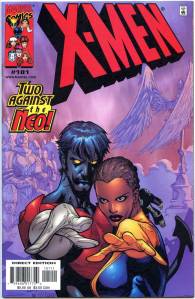
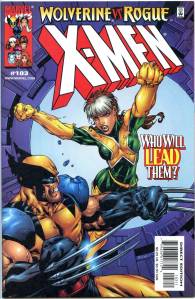
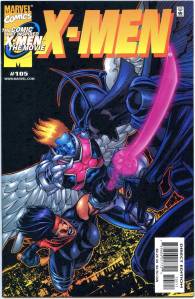
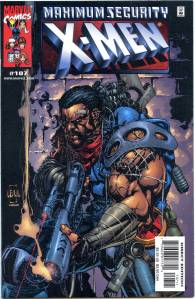
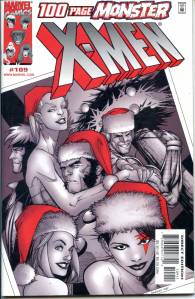
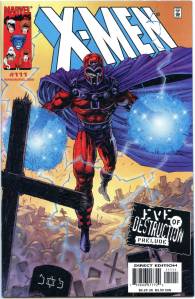
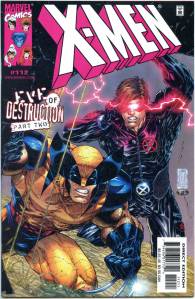
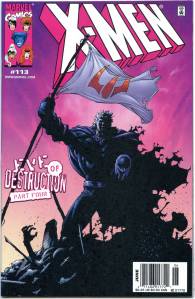
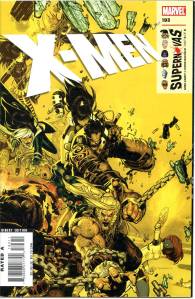
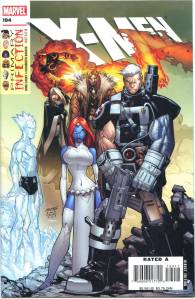
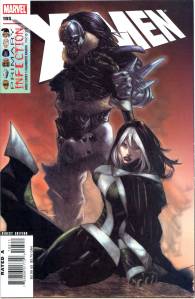
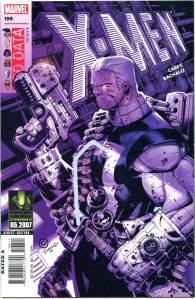
“Eve of Destruction” was part of a four-month period in 2001 on the two core X-Men books, as former X-Men writer Lobdell was brought back to wrap up the dangling plotline of the Legacy Virus and produce filler material while Marvel planned the highly anticipated arrival of Grant Morrison and Joe Casey as writers for the main two X-Men books. As a result, this can be seen as a “finale” to the X-men storylines from the 1990s era. It would be several years before Uncanny X-Men and X-Men crossed over with each other since this story.
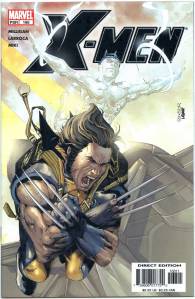
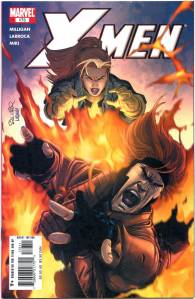
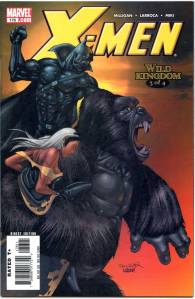
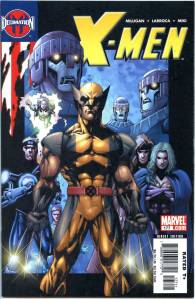
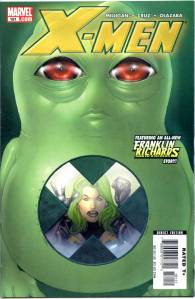
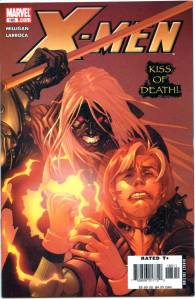
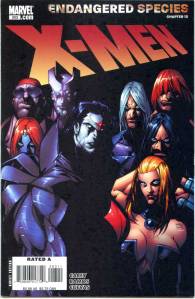
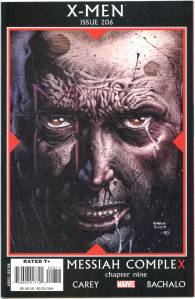
Later in 2001, X-Men had its title changed to New X-Men and writer Grant Morrison took over. When Chuck Austen moved from writing Uncanny X-Men to New X-Men, the title returned to its old name of simply X-Men, with Salvador Larroca, who had been working with him on Uncanny X-Men doing the art. In 2007, the X-Men title would change once again into X-Men: Legacy.
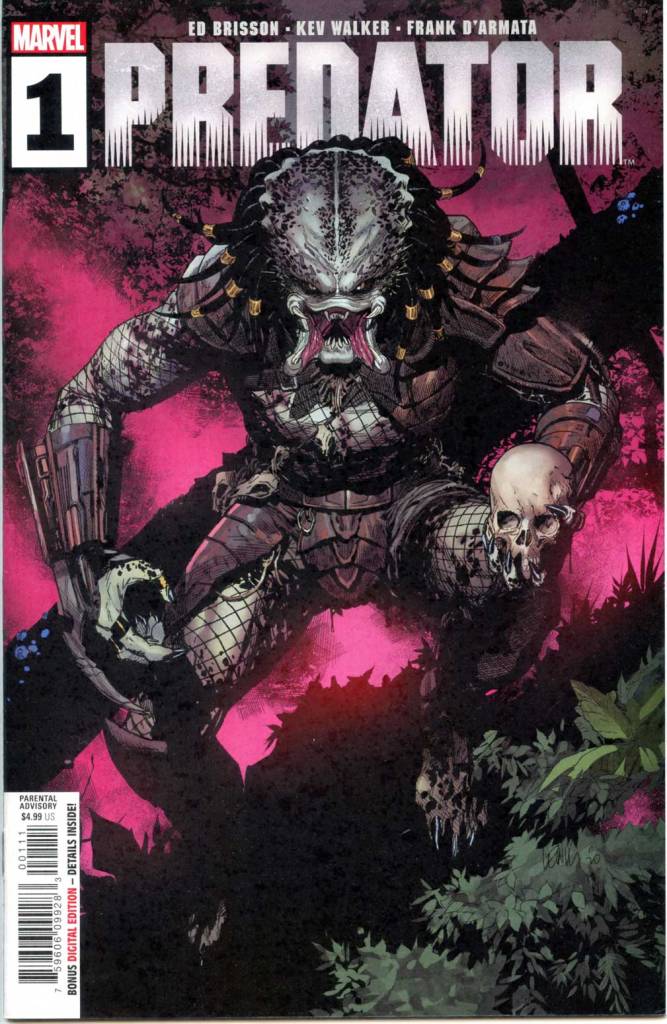
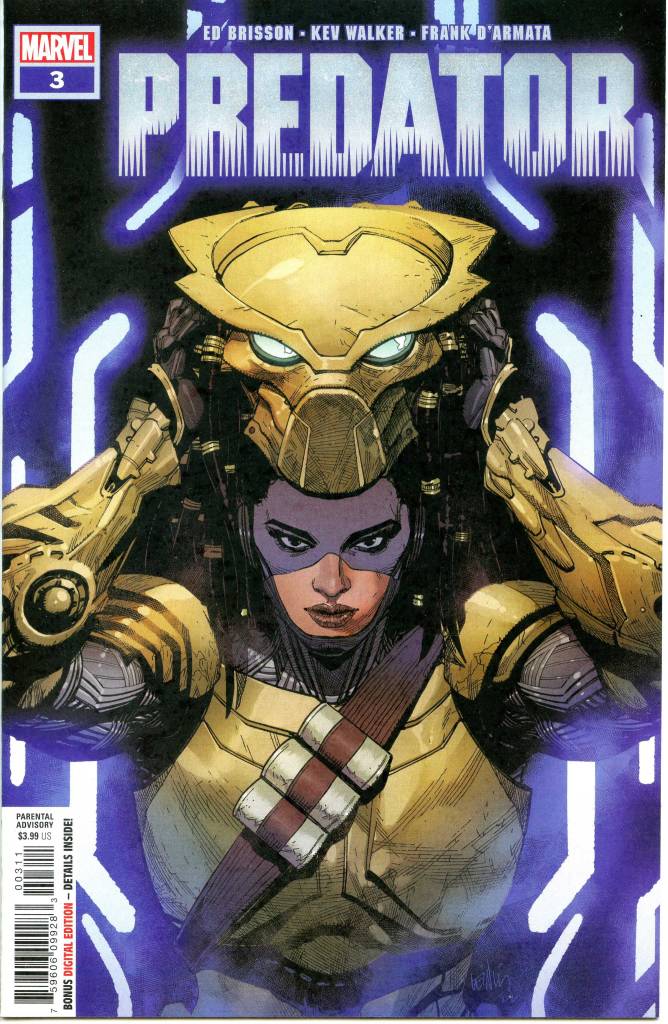
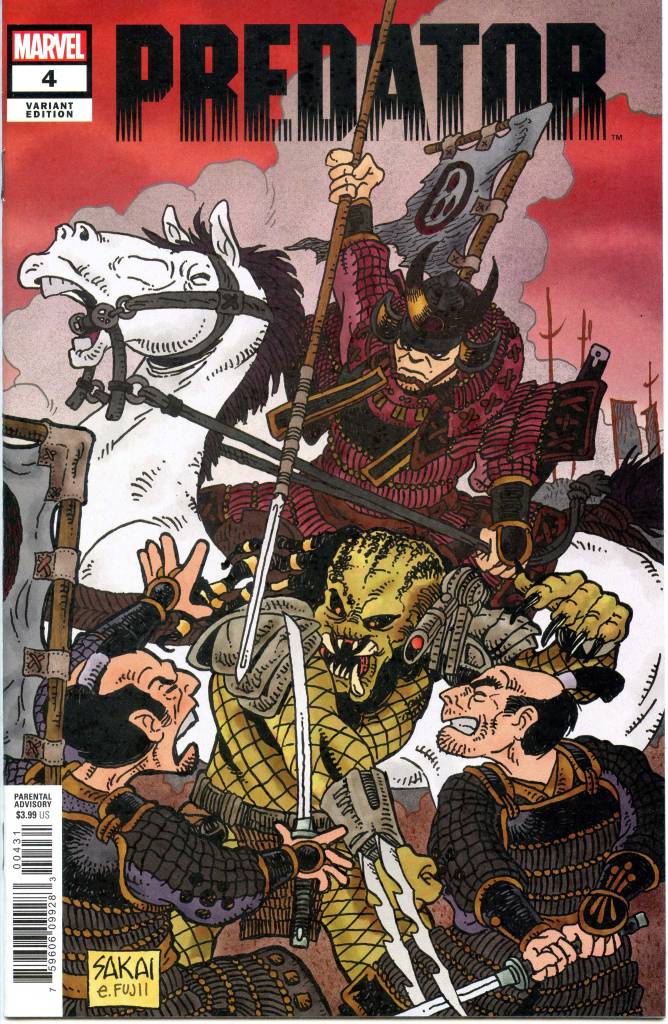
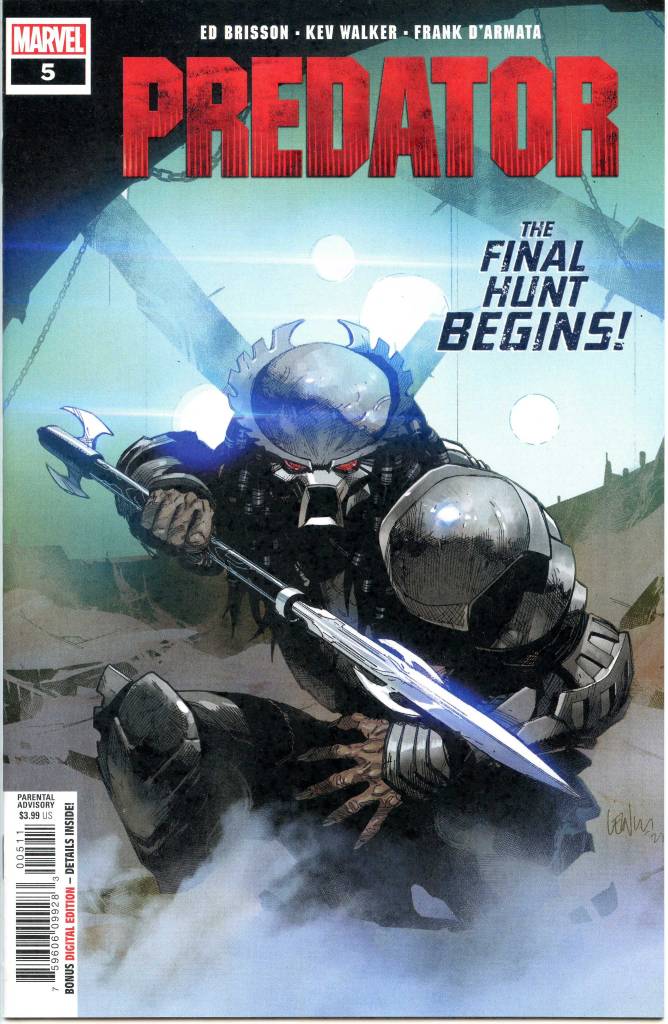
Predator: Day of the Hunter follows Theta, a survivor hunting the Yautja who slaughtered her family. In a desperate, high-stakes hunt, she traverses space, encountering multiple Predators on a frozen tundra world, while determined to kill the monster that destroyed her life.
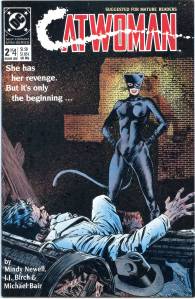
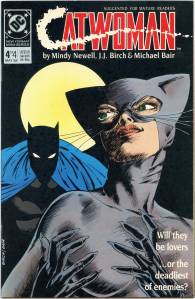
The 1989 Catwoman limited series, written by Mindy Newell and with art by J.J. Birch, expanded upon Miller’s Year One origin. This storyline, known as “Her Sister’s Keeper”, explores Selina’s early life as a dominatrix and the start of her career as Catwoman. The story culminates with Selina’s former pimp, Stan, abducting and beating her sister Maggie, who, in contrast to Selina, is a nun. Selina kills Stan to save her sister, and gets away with it. Most of this is revealed in the former series, but is expanded upon in “Her Sister’s Keeper”.
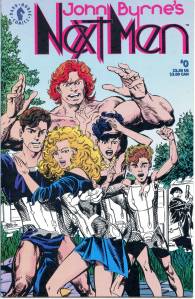
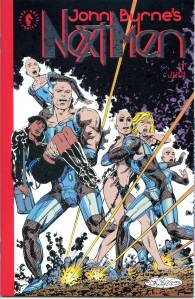
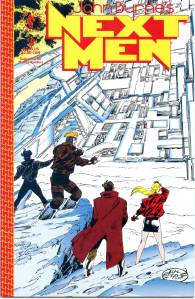
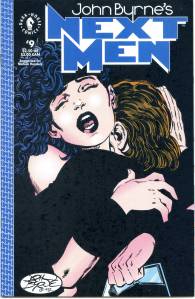
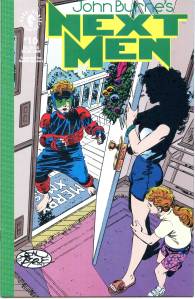
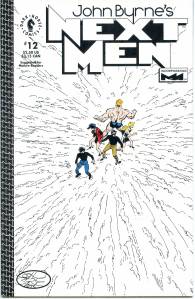
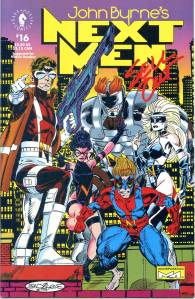
The Next Men characters made a prototypical appearance as “Freaks” in a lithography plate that was published within the History of the DC Universe Portfolio in 1986. Byrne had originally pitched the series to DC Comics, but the series never surfaced there. With some changes, Byrne changed the concept to fit in with his work on the graphic novel2112, to become the John Byrne’s Next Men series. Two characters from the “Freaks” artwork somewhat retained their physical looks and became the lead characters of the Next Men series: heroine Jasmine and villain Aldus Hilltop.
Next Men #0 NM $4Next Men #1 NM $4Next Men #8 NM $8Next Men #9 NM $4Next Men #10 NM $4Next Men #12 NM $4Next Men #16 NM $4