Grendel V2 (1986)

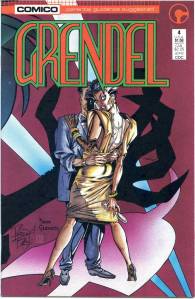
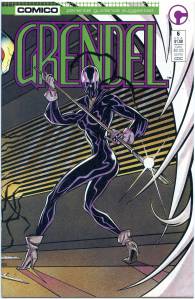
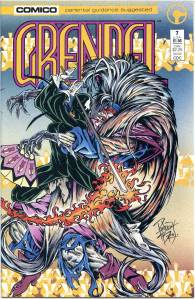
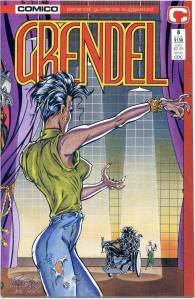
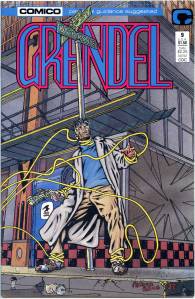
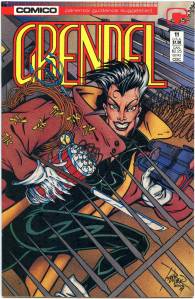
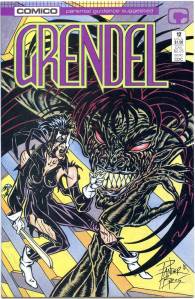
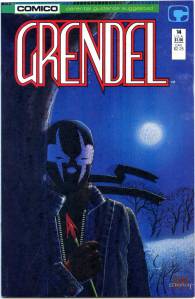
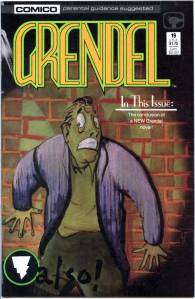
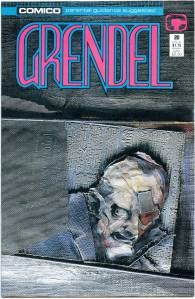
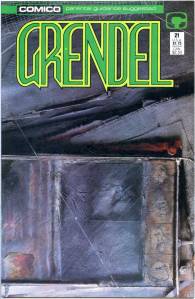
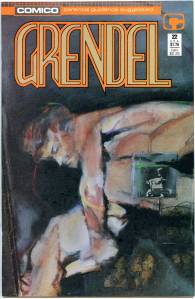
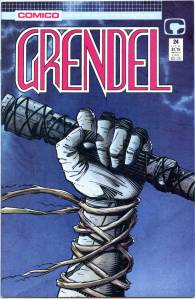
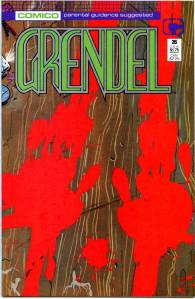
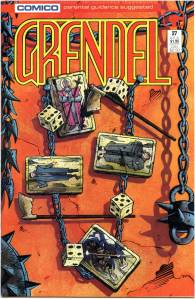
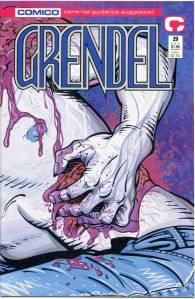
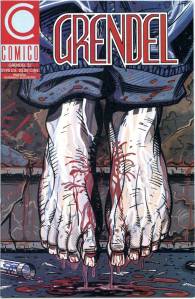
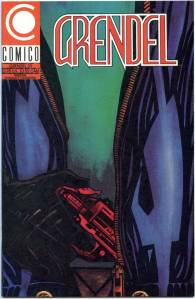
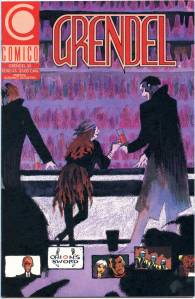
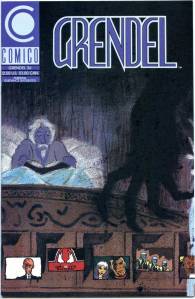
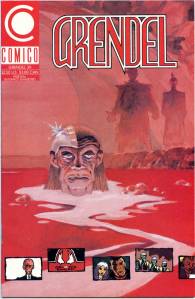
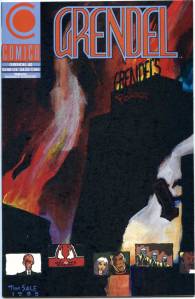
The Grendel ongoing series published by Comico started in 1986 and lasted 40 issues. It was written by Matt Wagner and drawn by a variety of artists, including the Pander Brothers, Bernie Mireault, Tim Sale, John K. Snyder III and others. It began with a story set in the near future, with Christine Spar, Hunter’s posthumous biographer, taking on the identity of Grendel to pursue a mission of revenge. The identity passed briefly, and tragically, to her deluded boyfriend Brian Li Sung. After a brief return to stories of Hunter Rose (actually two in-universe fictional novels written by Captain Wiggins, a supporting character from the Christine Spar arc), Wagner then spun the series further into the future, with the Grendel identity affecting a variety of people. The name “Grendel” took on several meanings as the stories portrayed a dystopian future. Grendel became a synonym for The Devil with the title held by the emperor of the world, (Grendel-Khan) and members of a warrior society identical to samurai.

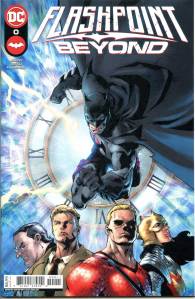
Flashpoint: Beyond (2022)

After helping Barry Allen—the speedster superhero The Flash—restore the timeline back to its original state, Thomas Wayne—the vigilante Batman—finds himself once again in the aberrant timeline known as the Flashpoint, whose existence Batman is determined to change and replace with another version of the DC Universe (DCU), all for the sole purpose of erasing the death of his son Bruce.
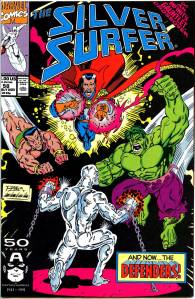
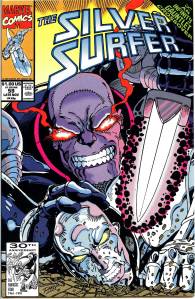
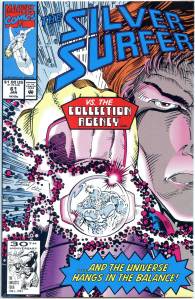
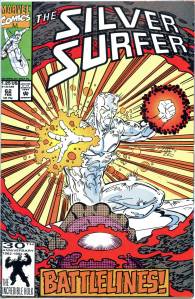
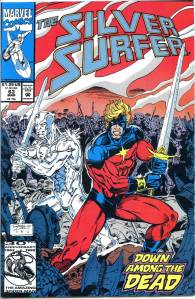
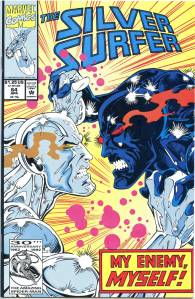
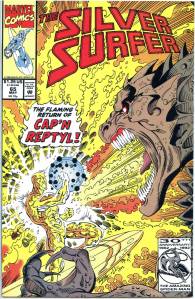
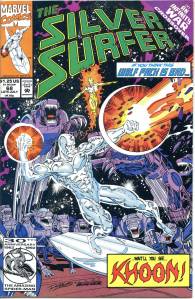
Silver Surfer V3 (1990’s)

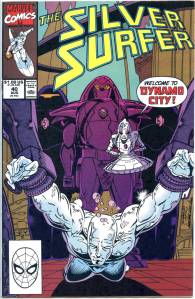
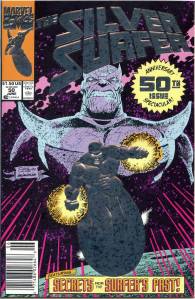
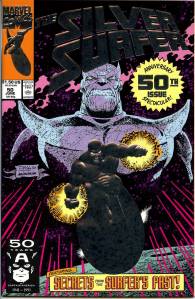
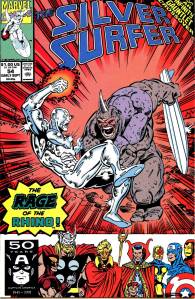
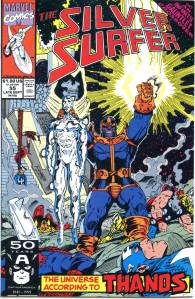
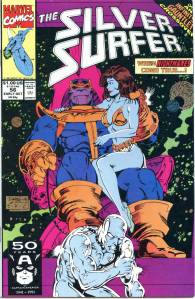
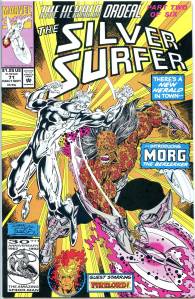
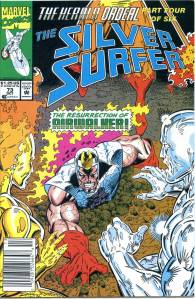
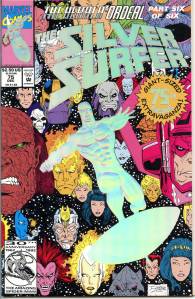
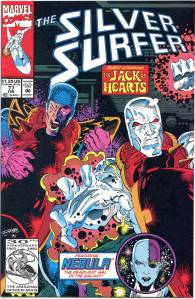
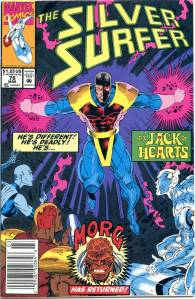
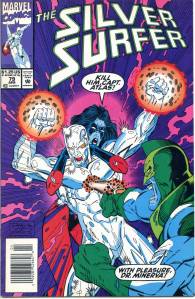
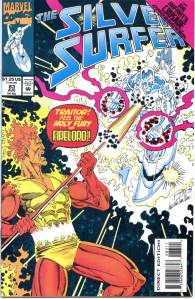
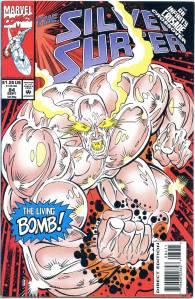
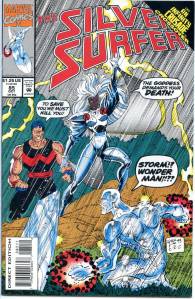
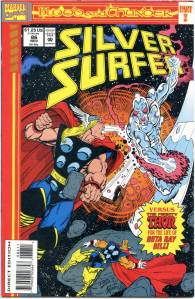
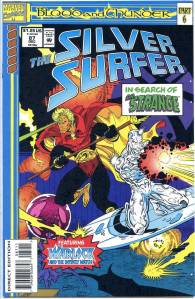
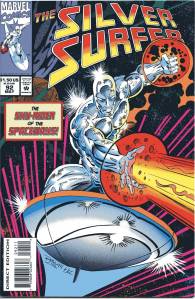
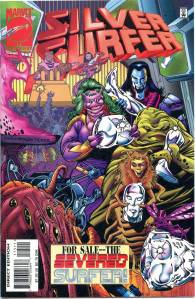
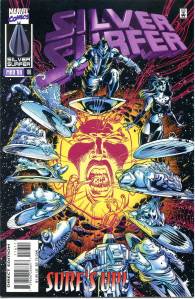
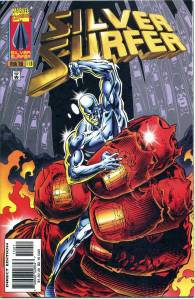
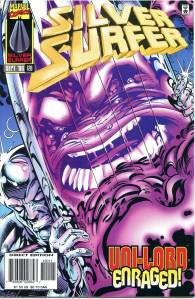
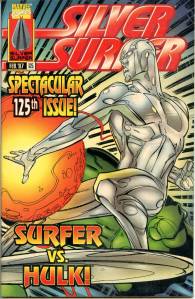
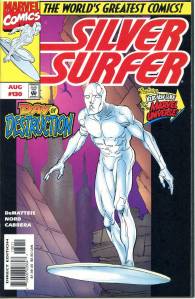
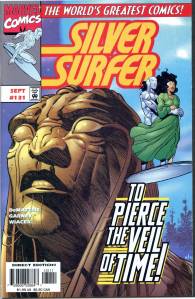
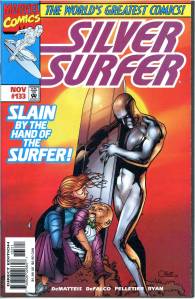
JIm Starlin took over as writer with issue #34 after several fill-in issues, and incorporated Thanos, Adam Warlock, and Drax the Destroyer into the series. Under Starlin and later Ron Marz, the series would receive acclaim and sales boost due to Silver Surfer’s involvement with Starlin’s Infinity Trilogy, with George Pérez and J. M. DeMatteis also having brief writing stints on the series as well. Additional artists included Tom Grindberg, Ron Garney, and Jon J. Muth, as well as periodic guest spots by John Buscema. The title experienced great initial success which allowed Marvel to push the character into other media, including a 1990 video game, 1992 trading card set, and 1998 animated series, as well as spinning off a variety of other comics series including Cosmic Powers, Cosmic Powers Unlimited, Captain Marvel vol. 2, and Star Masters. It ran 146 issues, through 1998.
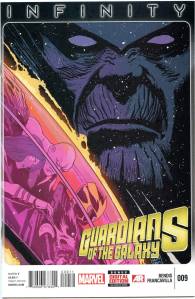
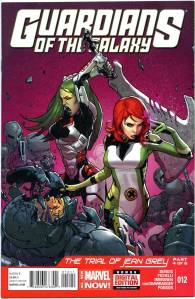
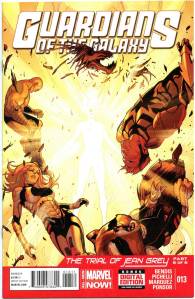
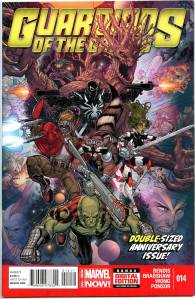
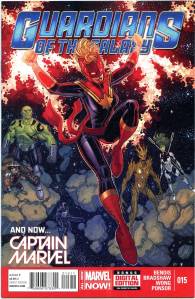
Guardians of the Galaxy V3 (2013)

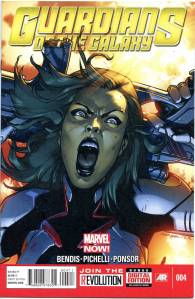
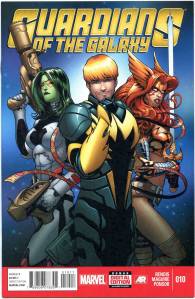
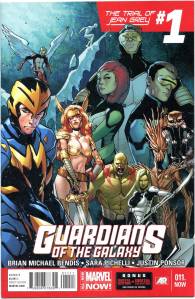
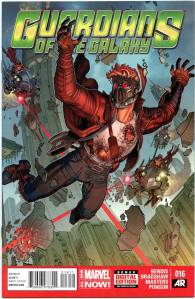
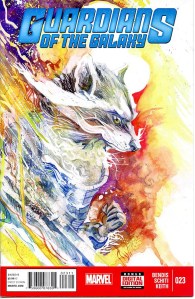
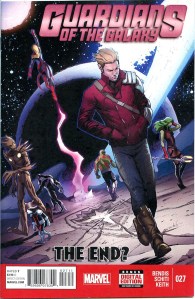
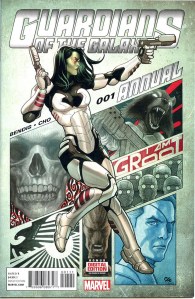
After Star-Lord’s father visits him in a bar to tell him that it is forbidden for any alien species to visit Earth, Iron Man is attacked by Badoon appearing to attack Earth. The Guardians and their newest member Iron Man defeat the ship; however, London is still attacked. The Guardians defend London and finish off the horde of Badoon but learn that, for violating the “Earth-is-off-limits” rule (the Spartax Earth Directive), they are to be placed under arrest by the King of Spartax. The Guardians manage to escape with the help of Groot, who had recently regrown after being destroyed by a Badoon ship’s explosion. The team includes Star-Lord, Drax the Destroyer, Gamora, Groot, Rocket Raccoon, and Tony Stark. In April 2013, it was announced that Image Comics’ Angela (Spawn) would join the Marvel Universe as the result of a legal battle between Neil Gaiman and Todd McFarlane. After appearing in Age of Ultron, she joined the Guardians. Captain Marvel and Agent Venom have also joined .

The Stand (2008)

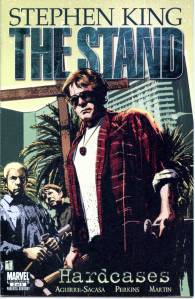
based on Stephen King’s 1978 novel of the same name. Based on the 1990 Complete & Uncut version of the novel, the comic adaptation was written by Roberto Aguirre-Sacasa with art by Mike Perkins and Laura Martin. Its thirty-one issues, divided into six story arcs, completed the telling of the unabridged novel. Stephen King served as Creative and Executive Director of the project.

Mars Attacks V1 (1994)

In conjunction with the expanded Mars Attacks trading card set released in 1994, Topps issued a six-issue limited comic book series written by Keith Giffen and drawn by Charles Adlard. The series featured a “flip-cover” format, with 22 pages of the book following the story of the card set and six pages detailing previous encounters leading up to the invasion. The limited series was successful and led Topps to continue it as a regular series.

Supergirl V7 (2016)

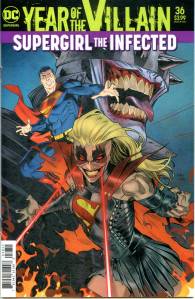
The 2016 DC Comics title relaunch Rebirth incorporates several elements (such as the costume, the setting and some characters) from the Supergirl television series. The DC Rebirth initiative undid the New 52’s modern recreations, bringing DC’s heroes back to their more classic iterations. Supergirl’s new series (Volume 7) was titled Supergirl: Rebirth, written by Steven Orlando. The first arc was pencilled by Brian Ching, who also redesigned Supergirl’s costume in reference to a more classic look.

S.W.O.R.D. (2020)

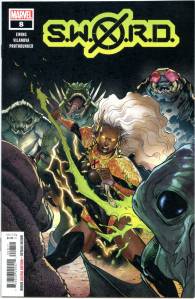
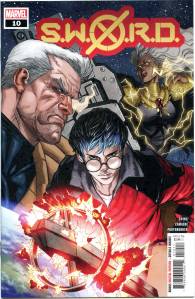
S.W.O.R.D. was relaunched in December 2020 as part of “Reign of X“. Written by Al Ewing and drawn by Valerio Schiti, the initial team consisted of Abigail Brand, Cable, Frenzy, Fabian Cortez, Magneto, Manifold and Wiz Kid.

S.W.O.R.D. (Sentient World Observation and Response Directorate) was restored when Abigail Brand resigned from Alpha Flight after the Alliance-Cotati conflict feeling that the space program wasn’t properly utilized and when the mutant nation repowered the abandoned Peak space station. In cooperation with the Quiet Council of Krakoa, it became the mutant nation’s representative to the outer universe.

The Goon – Dark Horse (2003)

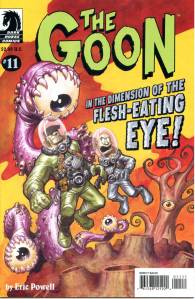
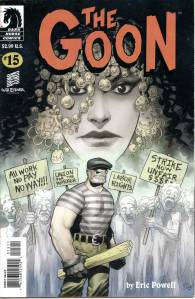
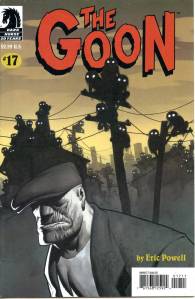
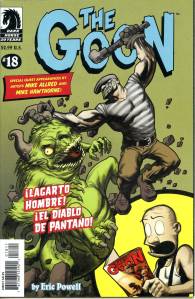
The Goon is written and drawn by Eric Powell. The series mixes both a comical and violent atmosphere with a supernatural slant, which pit the titular character against undead creatures/zombies, ghosts, ghouls, mutants, skunk-apes with an unnatural hunger for pies, giant squids, mob/gang leaders, extra-dimensional aliens, mad scientists and robots.

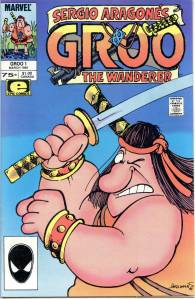
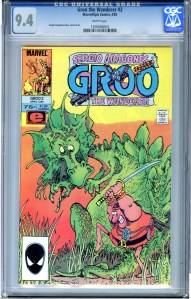
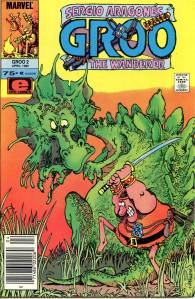
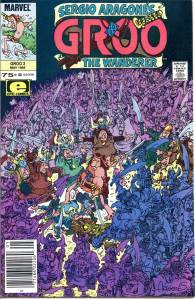
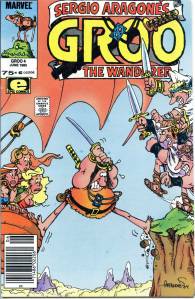
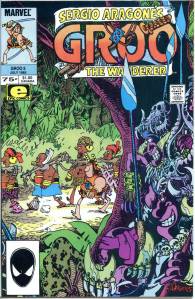
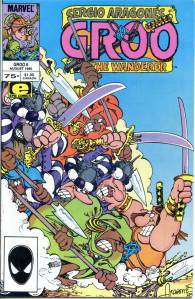
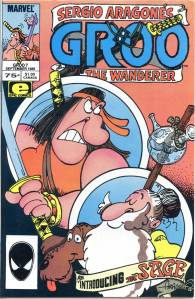
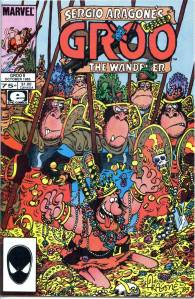
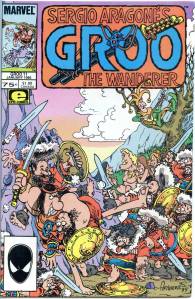
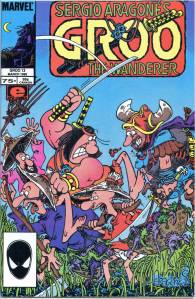
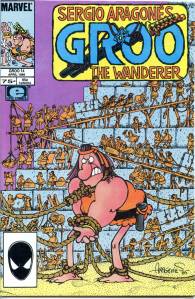
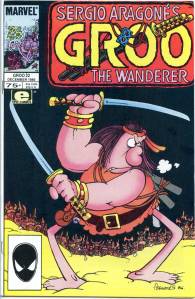
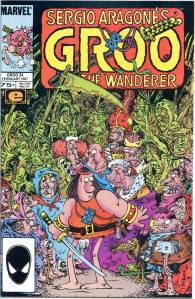
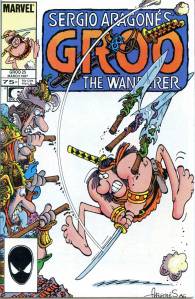
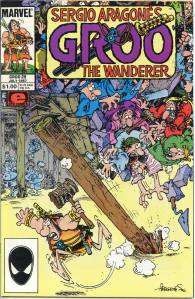
Groo the Wanderer (1985)

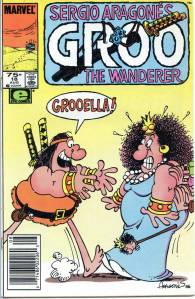
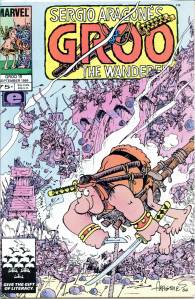
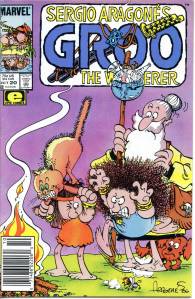
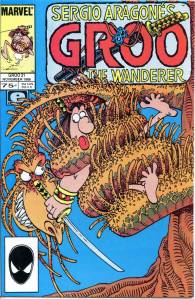
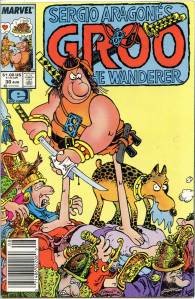
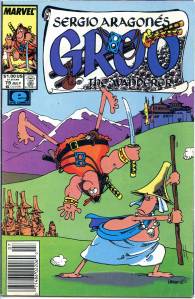
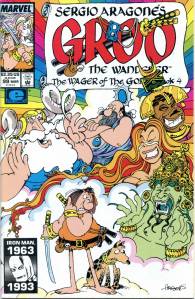
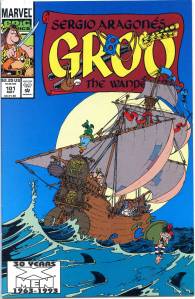
Groo the Wanderer is a fantasy/comedy series written and drawn by Sergio Aragonés, rewritten, co-plotted and edited by Mark Evanier, lettered by Stan Sakai and colored by Tom Luth. Over the years it has been published by Pacific Comics, Eclipse Comics (one special issue), Marvel Comics (under its Epic imprint), Image Comics and Dark Horse Comics.

Groo was one of the first widely successful creator-owned comics, one of the few successful humorous comic books (outside Archie Comics) during its time, and one of the longest-running collaborations in comic book history. In 2011 IGN ranked Groo 100th in the “Top 100 comic books heroes”.

Aragonés and Evanier negotiated a deal with Epic Comics, an imprint of Marvel Comics, for that company to take care of publication while preserving creator rights. This resulted in the longest run of Groo the Wanderer with 120 issues. In 1994, with Marvel facing financial difficulties, the title switched to Image Comics and was retitled Groo. (In the first issue Groo remarks “The marvels of the world are but images before me.”)

When Image in turn faced legal problems after publishing twelve issues, the title switched to Dark Horse Comics in 1998. Dark Horse is not publishing the title as a regular series, but is periodically releasing new material and reprints as mini-series and collections.