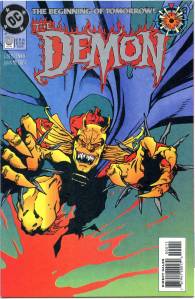
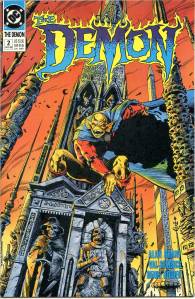
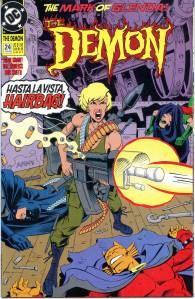
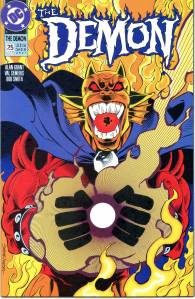
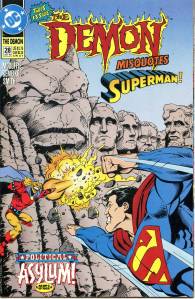
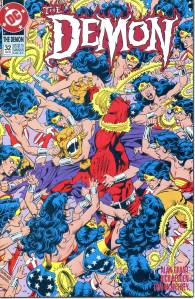
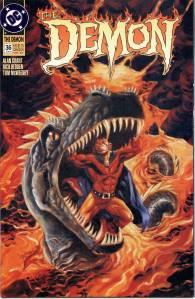
Etrigan the Demon first appeared in The Demon #1 (August 1972) and was created by Jack Kirby. He created the Demon when his Fourth World titles were cancelled. According to Mark Evanier, Kirby had no interest in horror comics, but created Etrigan in response to a demand from DC for a horror character. Kirby was annoyed that the first issue sold so well that DC required him to do sixteen issues and abandon the Fourth World titles before he was done with them.
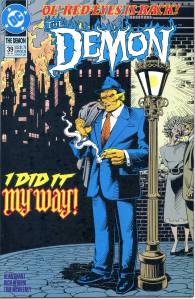
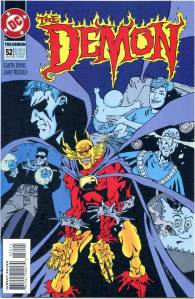
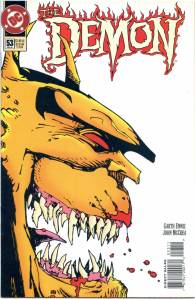
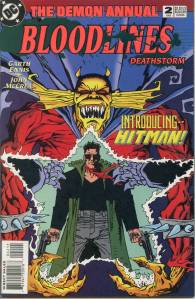
The 1990 series lasted 58 issues, two Annuals and one #0 issue. Garth Ennis took over the title beginning with issue #40. Ennis’ run included the first appearance of his character Hitman.
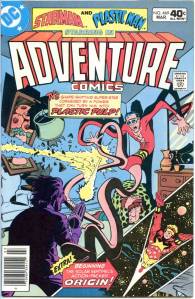
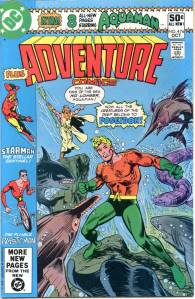
As of #425 (December 1972), Adventure Comics theme changed from superhero adventure to fantasy/supernatural adventure. That issue debuted one new feature along with three non-series stories, the pirate saga “Captain Fear”. The next edition added a semi-anthology series, “The Adventurers’ Club”. Soon, editor Joe Orlando was trying out horror-tinged costumed heroes, first Black Orchid, then the Spectre. Before long, though, conventional superheroes returned to the book, beginning behind the Spectre, first a three-issue run of Aquaman (issues #435–437, an early assignment for Mike Grell) and then a newly drawn 1940s Seven Soldiers of Victory script (issues #438–443). Aquaman was promoted to lead (issues #441-452), and backing him up were three-part story arcs featuring the Creeper (#445–447), the Martian Manhunter (#449–451), bracketed by issue-length Aquaman leads. He was awarded his own title and Superboy (#453-458) took over Adventure with Aqualad (#453–455) and Eclipso (#457–458) backups. Following this was a run as a Dollar Comic format giant-sized book (issues #459-466), including such features as the resolution of the Return of the New Gods (cancelled in July–August 1978), “Deadman“, and “Justice Society of America“.
In the view of comics historian Les Daniels, artist Curt Swan became the definitive artist of Superman in the early 1960s with a “new look” to the character that replaced Wayne Boring’s version. Writer Jim Shooter and Swan crafted the story “Superman’s Race With the Flash!” in Superman #199 (Aug. 1967) which featured the first race between the Flash and Superman, two characters known for their super-speed powers. Another Silver Age first is the “Death of Superman,” from 1961’s Superman #149, by Jerry Siegel, Curt Swan and Sheldon Moldoff. The Silver Age was a fantastic period for Superman fans, giving us characters such as Braniac, Bizzaro, Titano, Supergirl and The Legion of Superheroes.
Superman #190 CGC 9.4 Off-White to White Pages $379
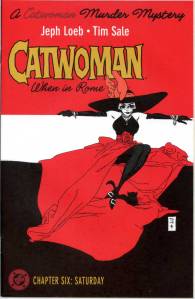
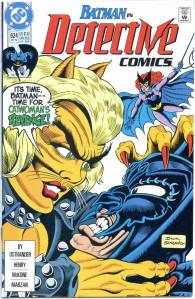
The story features Catwoman, on a trip to Rome to find information concerning her long-lost parents, who she believes to be the crime lord Carmine Falcone and his wife Louisa. The story takes place parallel to the later issues of Batman: Dark Victory.
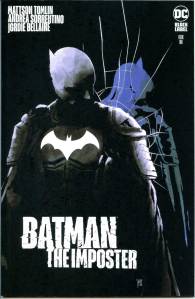
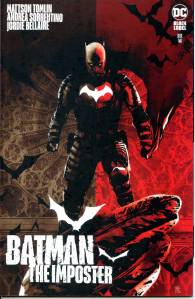
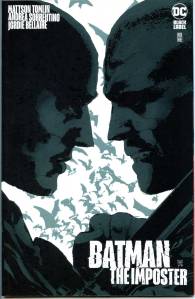
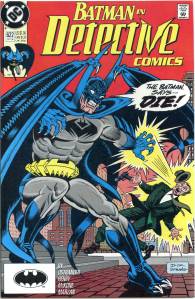
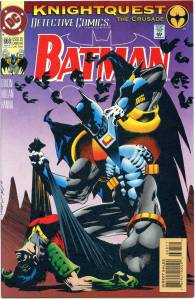
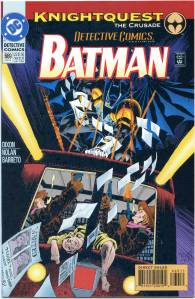
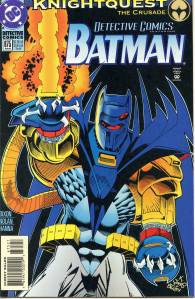
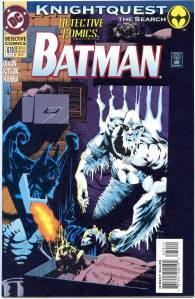
Bruce Wayne’s mission as the Batman has only been under way for a year or so, but he can tell he’s making a difference. Unfortunately, he’s made some powerful enemies. All the traditional power brokers of Gotham resent the disruption the Batman has brought to town…and it seems one of them has a plan to neutralize him. There’s a second Batman haunting Gotham’s rooftops and alleys—and this one has no qualms about murdering criminals, live and on tape.
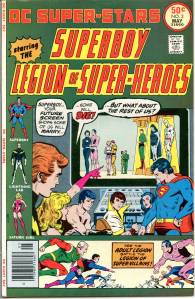
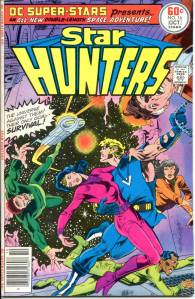
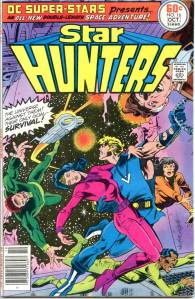
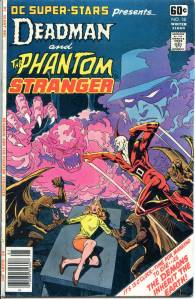
The series’ middle period was marked by theme issues — Aquaman, heroes with guns, sports, magic-users — until issue #12, which heralded the title’s second original story, featuring Superboy. From that point until DC Super Stars was cancelled after issue #18, the series contained new stories about a range of different characters (some being showcased for their own titles), as well as a collection of “secret origin” stories. The Bronze AgeHuntress made her first appearance in DC Super Stars #17 (November/December 1977) in a story written by Paul Levitz and drawn by Joe Staton and Bob Layton.
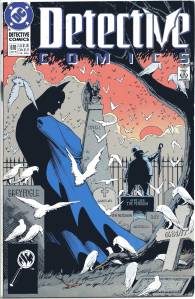
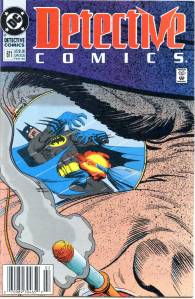
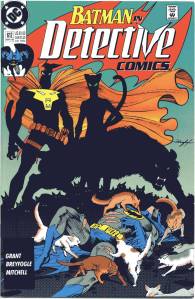
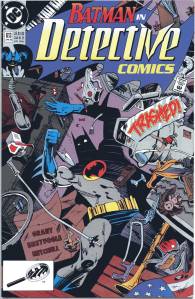
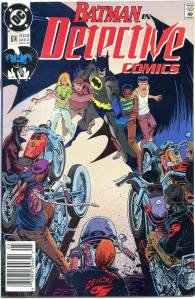
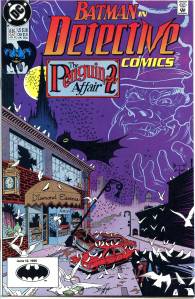
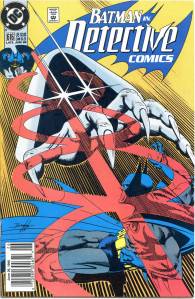
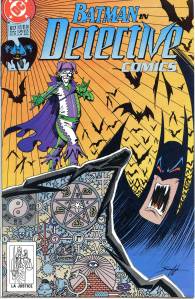
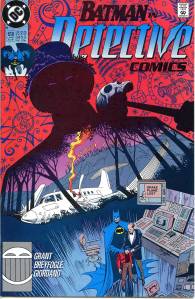
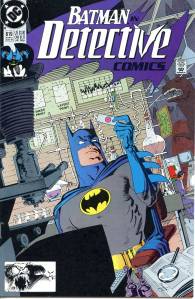
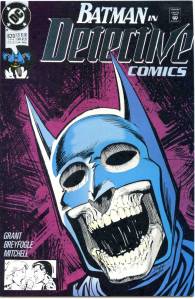
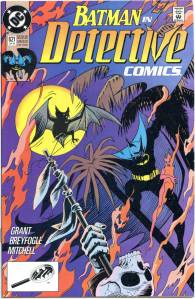
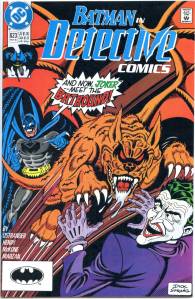
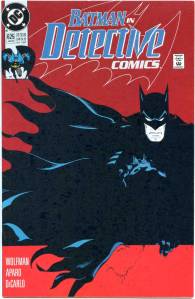
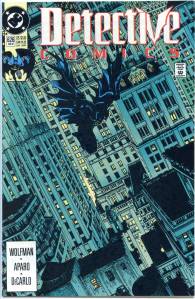
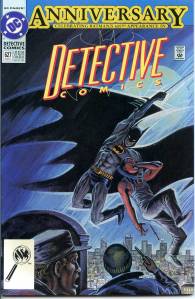
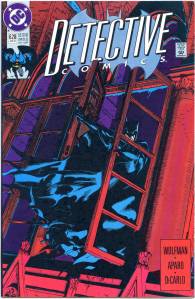
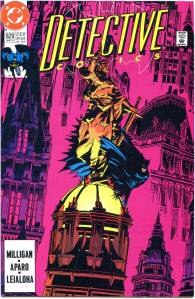
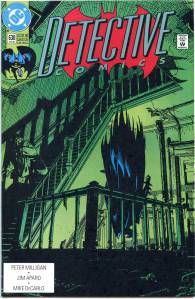
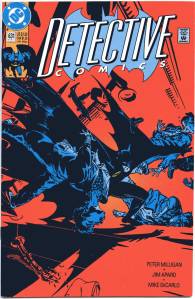
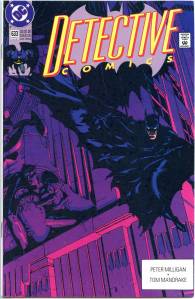
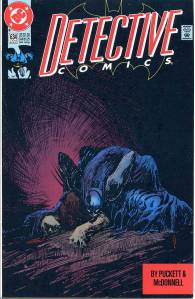
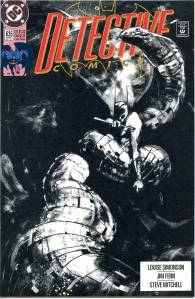
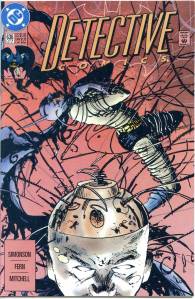
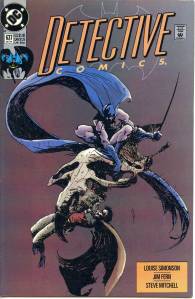
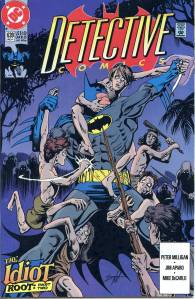
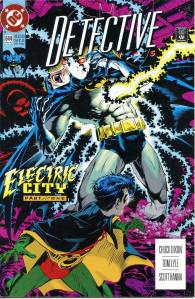
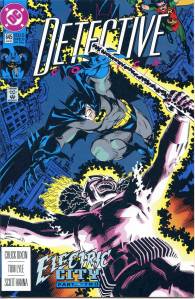
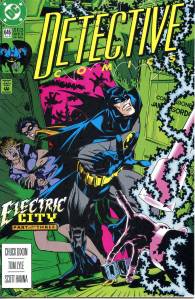
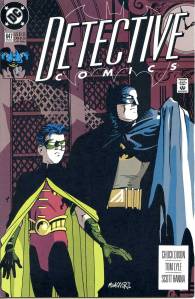
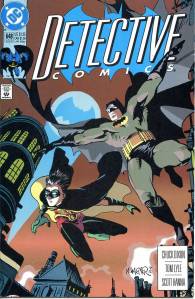
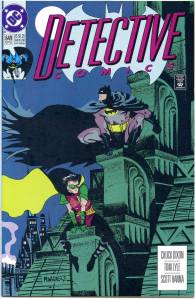
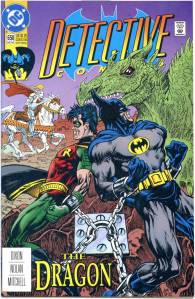
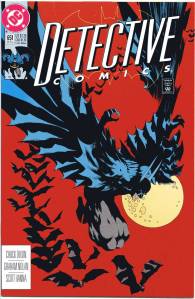
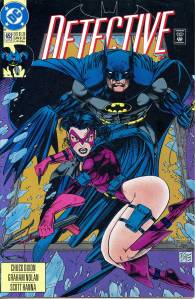
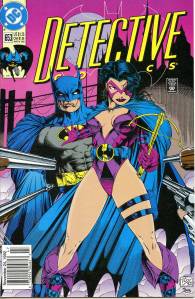
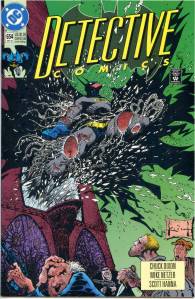
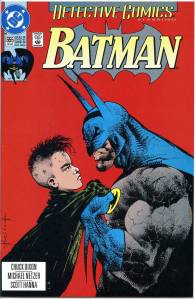
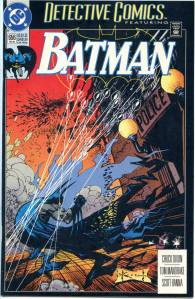
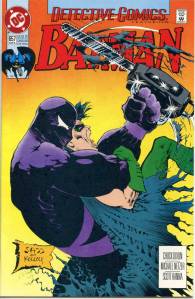
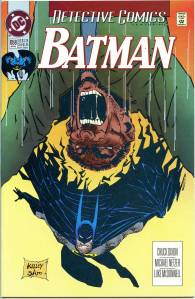
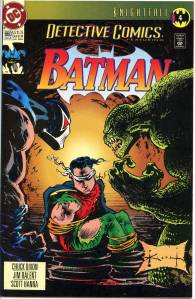
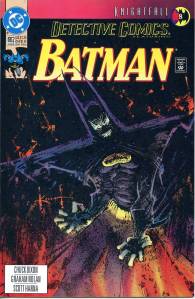
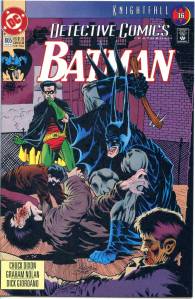
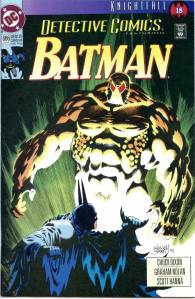
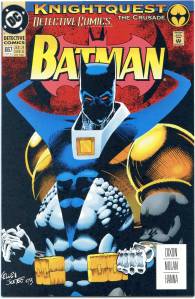
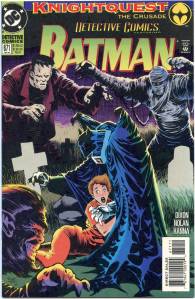
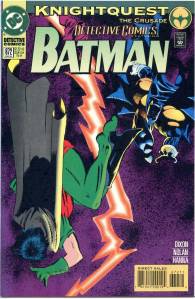
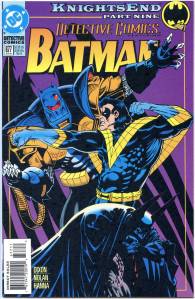
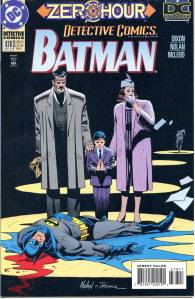
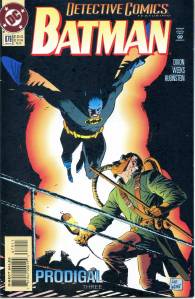
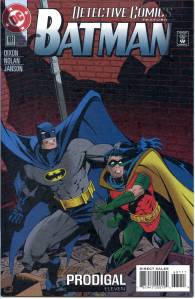
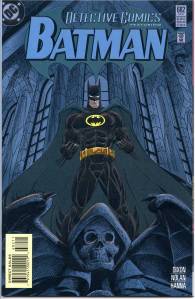
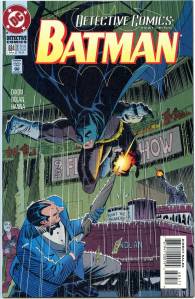
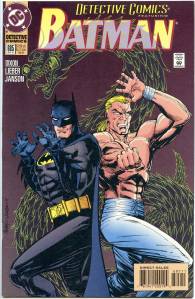
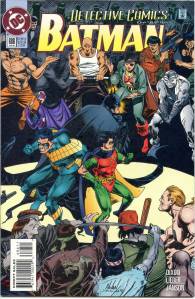
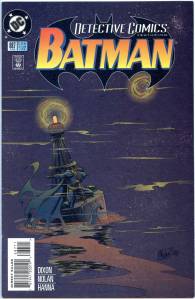
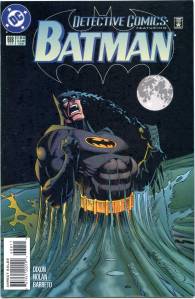
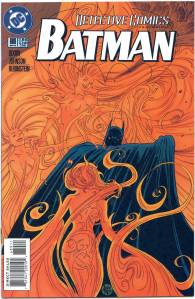
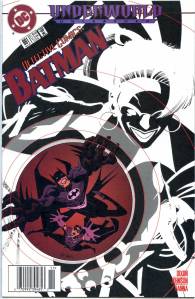
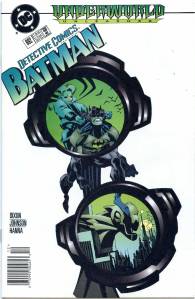
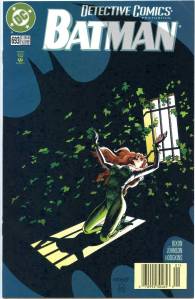
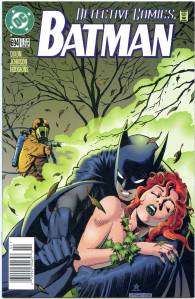
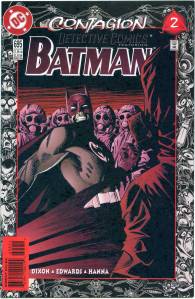
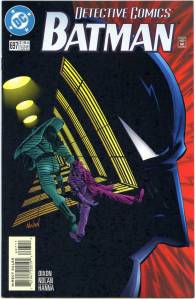
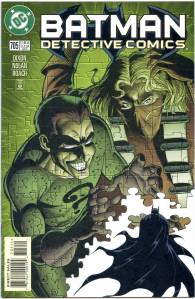
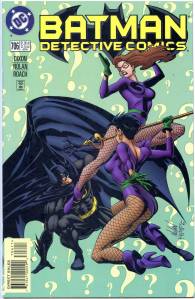
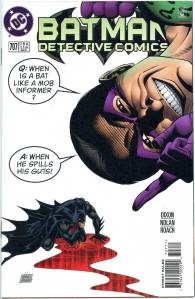
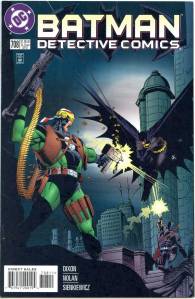
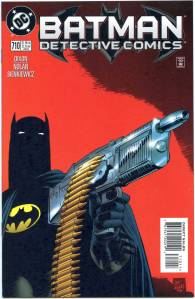
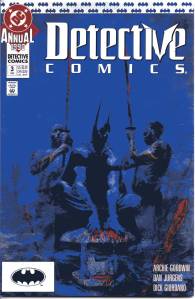
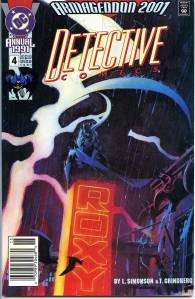
Chuck Dixon became the writer of the series with issue #644 (May 1992). He and Tom Lyle co-created the Electrocutioner in Detective Comics #644 (May 1992) and Stephanie Brown in Detective Comics #647 (August 1992).
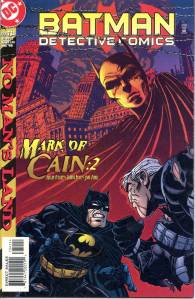
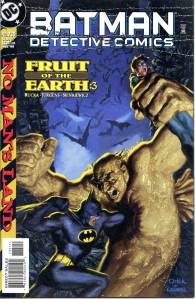
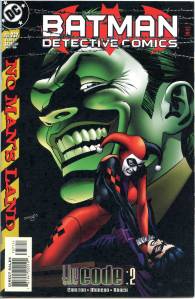
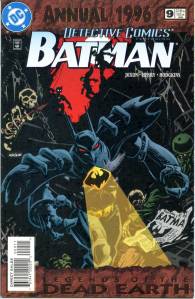
The “Batman: Legacy” storyline began in issue #700 (August 1996). The “No Man’s Land” storyline crossed over into Detective Comics in issues #730–741.
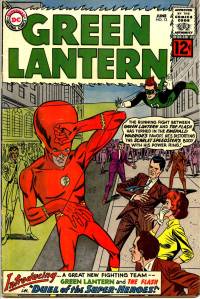
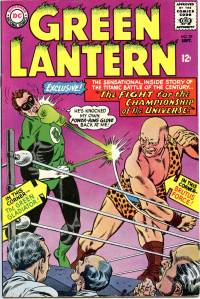
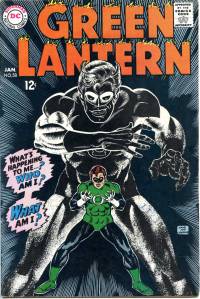
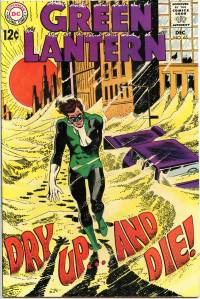
Following the successful revival of the Flash in Showcase #4 (Oct. 1956), a new Green Lantern was introduced in Showcase #22 (September–October 1959).
This Green Lantern was Hal Jordan, a test pilot who was given a power ring by a dying alien, Abin Sur, and who became a member of the Green Lantern Corps, an interstellar organization of police overseen by the Guardians of the Universe. The Corps’ rings were powerless against anything colored yellow, due to a yellow-colored “impurity,” or “dopant,” in the master power generator located on Oa, where the Guardians maintained their headquarters; the yellow dopant was described as being a “necessary” one, for without it, the master generator could not function as such.
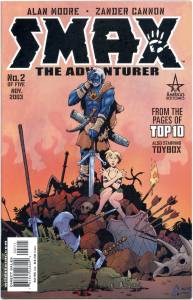
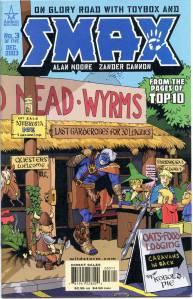
The story deals with Smax and Toybox returning, via magical teleportation, to Jeff’s magically enchanted homeworld. Smax, now a city dweller, seems embarrassed by his unsophisticated, sword-and-sorcery roots. They attend Smax’s uncle’s funeral where Jeff introduces Robyn as his wife, though no such relationship exists. At this point Jeff’s sister Rexa Macksun is introduced, dressed in the typical garb of a female fantasy barbarian such as Red Sonja and just as tall and physically impressive as her brother with the same blue skin and white hair.
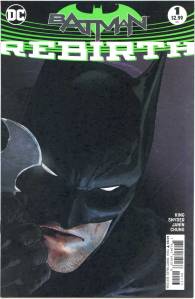
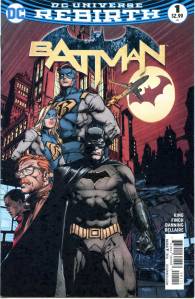
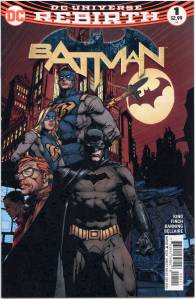
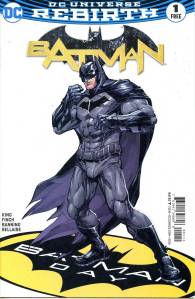
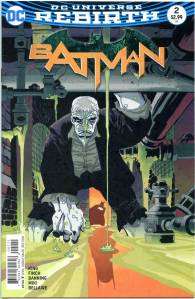
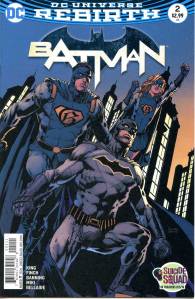
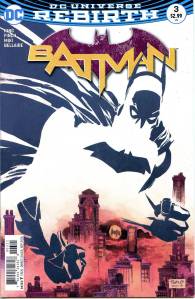
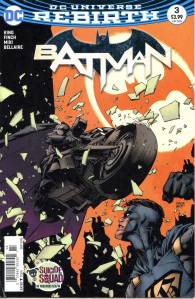
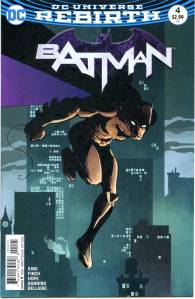
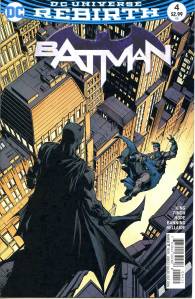
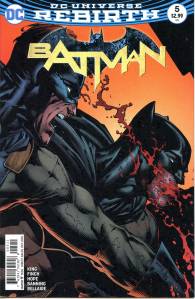
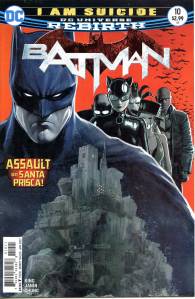
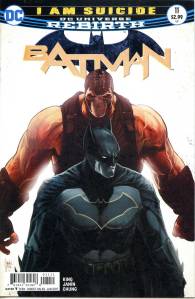
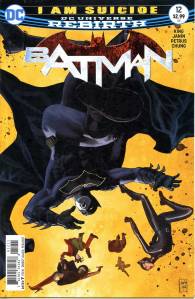
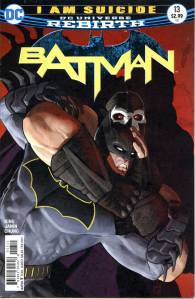
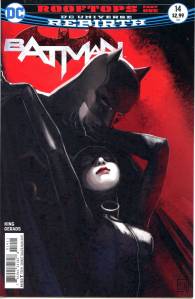
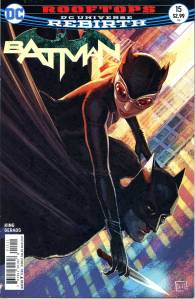
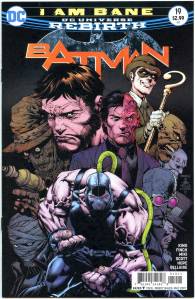
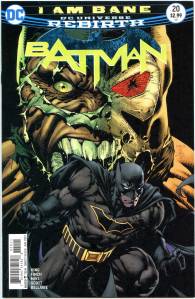
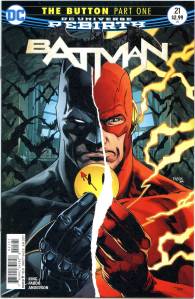
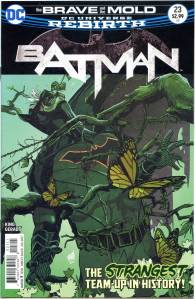
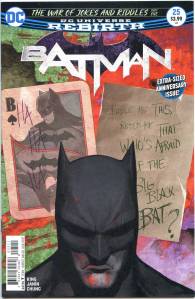
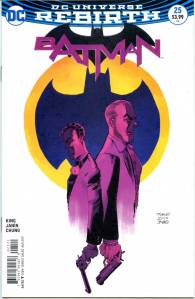
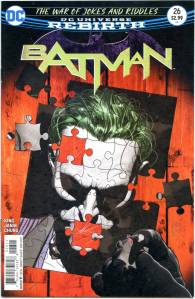
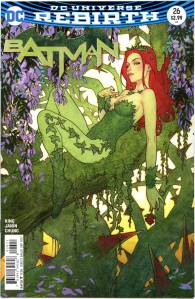
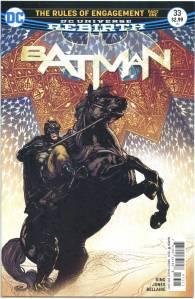
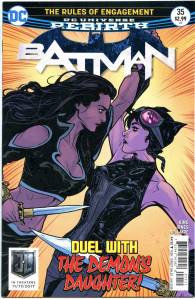
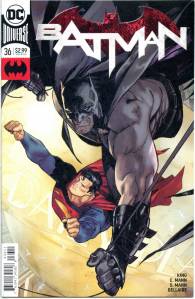
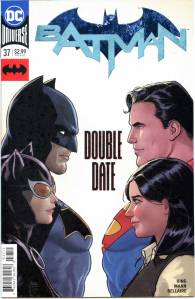
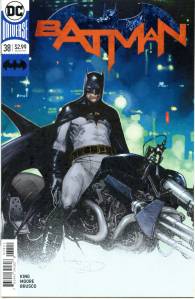
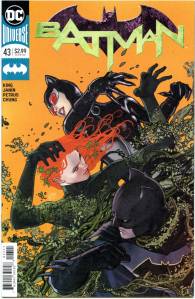
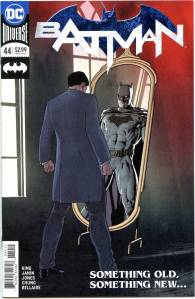
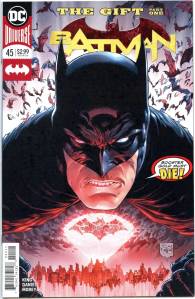
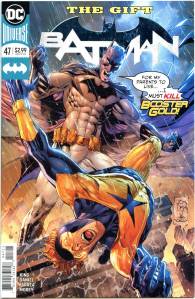
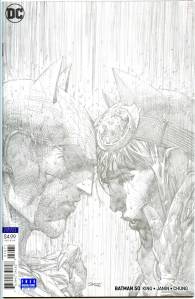
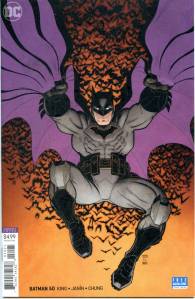
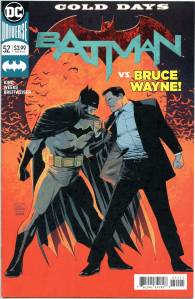
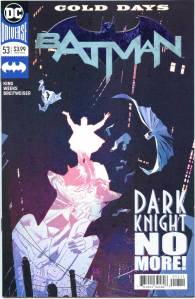
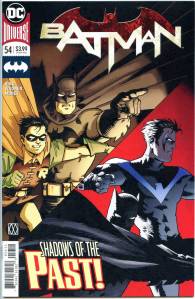
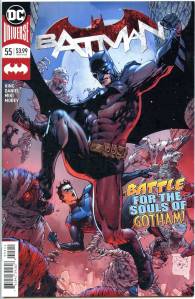
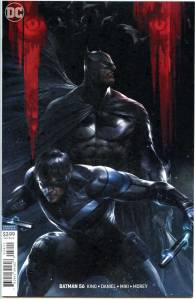
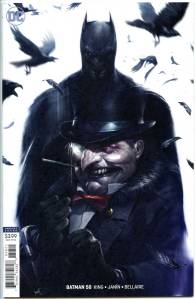
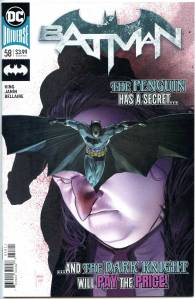
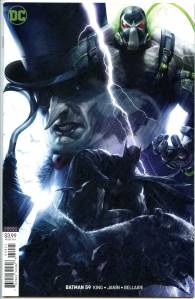
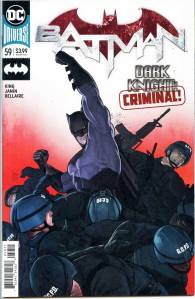
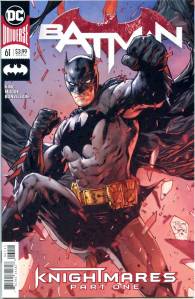
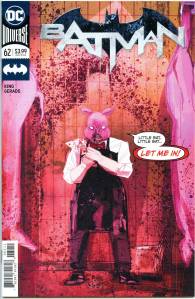
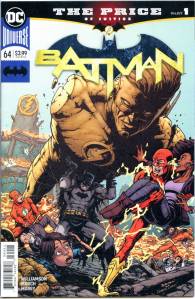
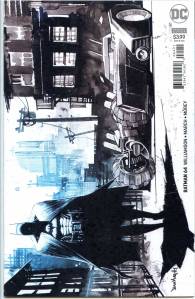
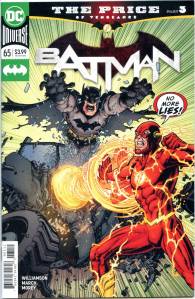
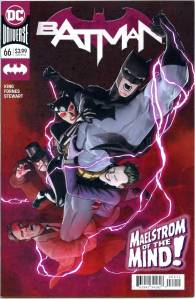
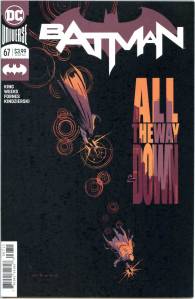
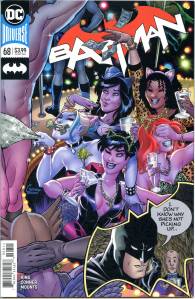
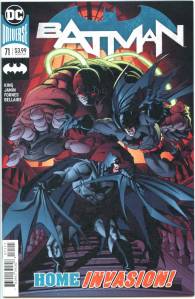
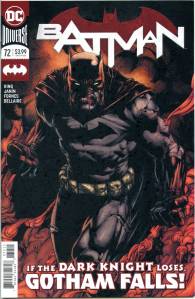
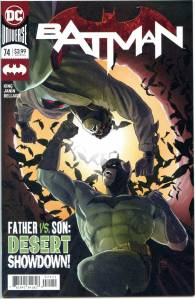
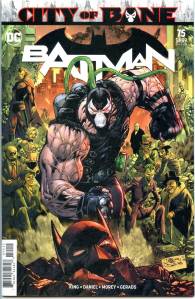
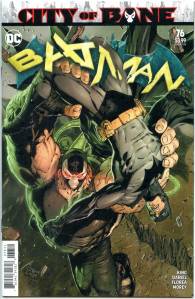
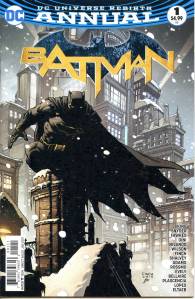
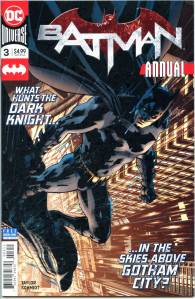
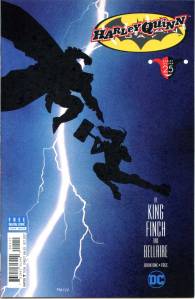
In June 2016, the DC Rebirth event relaunched DC Comics’ entire line of comic book titles. Batman was rebooted as starting with a one-shot issue entitled Batman: Rebirth #1 (August 2016). The series then began shipping twice-monthly as a third volume, starting with Batman vol. 3, #1 (August 2016). The third volume of Batman was written by Tom King, and artwork was provided by David Finch and Mikel Janín. The Batman series introduced two vigilantes, Gotham and Gotham Girl.
DC Comics ended the Rebirth branding in December 2017, opting to include everything under a larger “DC Universe” banner and naming. The continuity established by Rebirth continues across DC’s comic book titles, including volume one of Detective Comics and the third volume of Batman.
































 EHT Comics