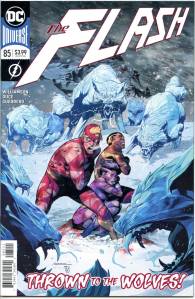
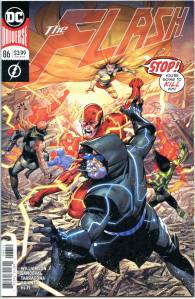
First, Barry Allen has to become the Flash. Then, he has to save the entire Speed Force? Barry faces off against the Turtle and Captain Cold as he attempts to keep the Speed Force from collapsing — but he won’t have to do it alone…
The Fastest Man Alive might be slowing down, but is there another speedster who could come to his aid? An unlikely ally might be Barry’s only chance at saving the Speed Force!
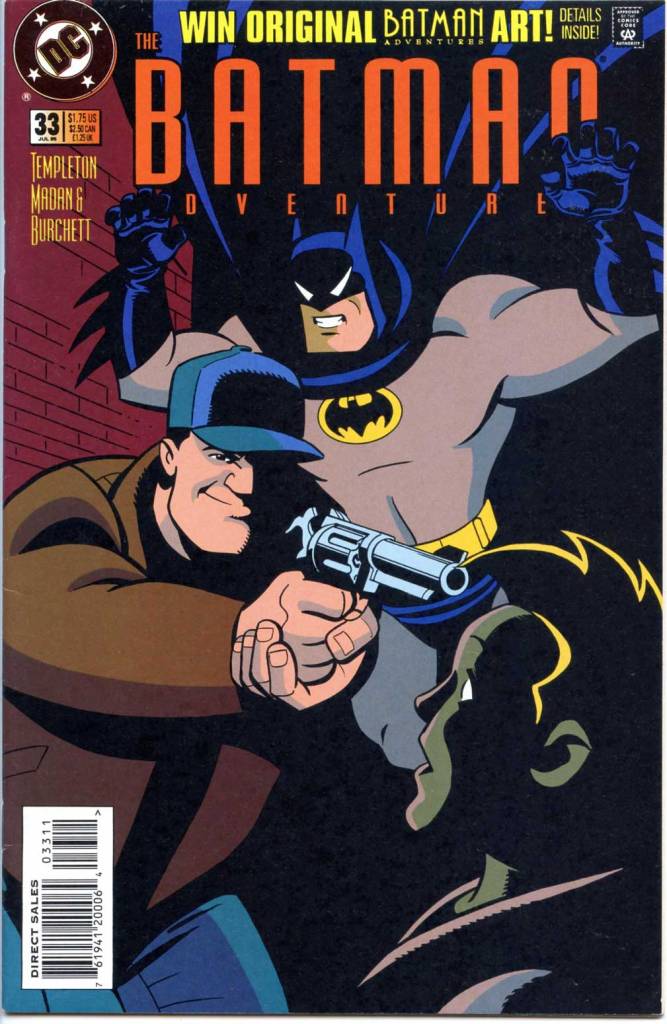
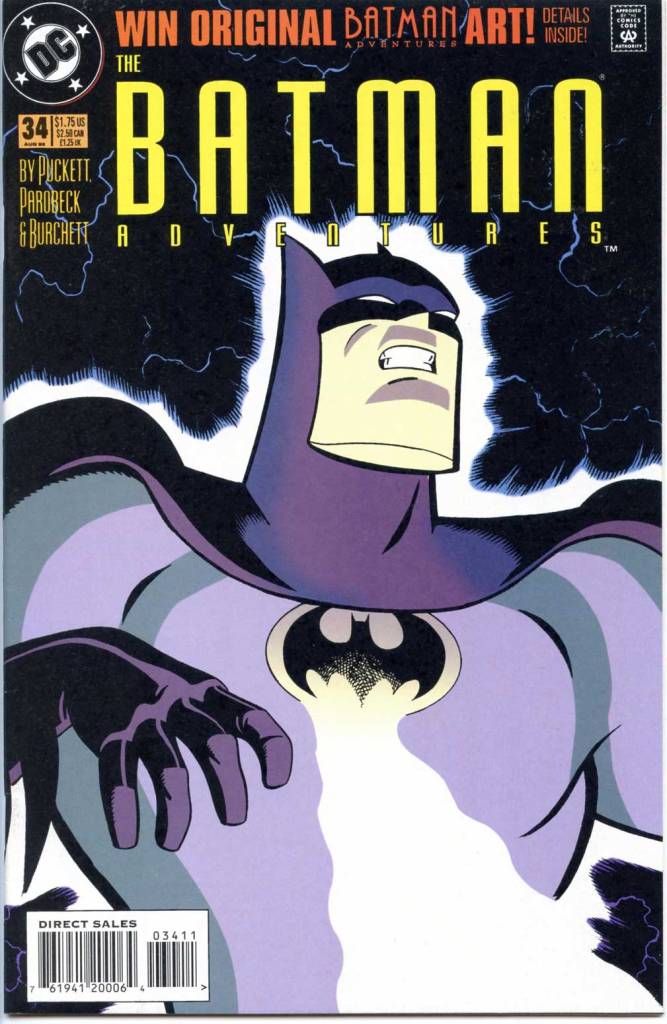
Based on Batman: The Animated Series, the first series ran for 36 issues, 2 annuals, and 3 specials (Mad Love and Holiday Special, which were both adapted into episodes for The New Batman Adventures, plus an adaptation of the Batman: Mask of the Phantasm movie). The first annual introduces Roxy Rocket, who would later appear in The New Batman Adventures episode “The Ultimate Thrill” and the Superman: The Animated Series episode “Knight Time”. Most of the issues were written by Kelley Puckett, and illustrated by Mike Parobeck and Rick Burchett, though Ty Templeton did the writing and art on a few issues. Mad Love was written by Paul Dini and illustrated by Bruce Timm, while the holiday special was written and illustrated by a number of creative people who had worked on the animated series, including Paul Dini, Bruce Timm, Glen Murakami, Dan Riba, and Kevin Altieri.
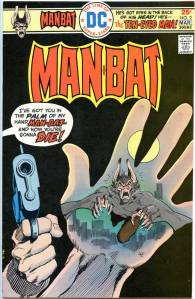
Man-Bat was the second ongoing comic series featuring a Batman villain, the first one being Joker (Volume 1). Man-Bat started publication in 1975, but was prematurely cancelled after the second issue by DC Comics Publisher, Carmine Infantino. The Man-Bat stories featured in this series were later moved as back-up features on Detective Comics (Volume 1) and later Batman Family (Volume 1).
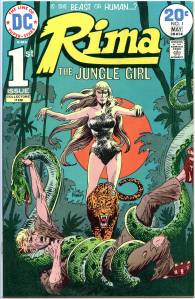
Rima starred in a seven-issue comic book series, DC Comics‘ Rima the Jungle Girl (May 1974 – May 1975), adapted by DC writer-editor Robert Kanigher with artwork by penciler–inkerNestor Redondo and covers by Joe Kubert. A variation of the character debuted in a six-issue DC Comics limited series May 2010 to Mar 2011 First Wave, written by Eisner Award–winning writer Brian Azzarello.
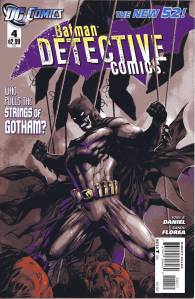
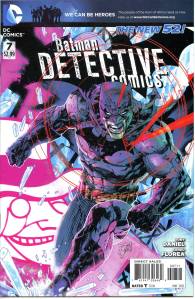
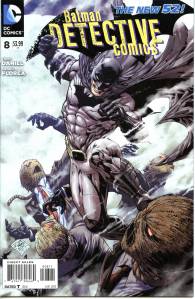
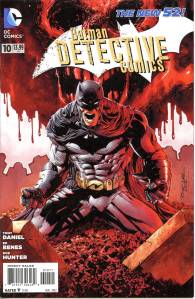
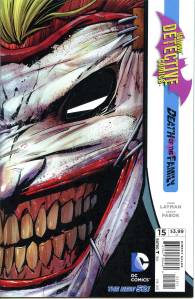
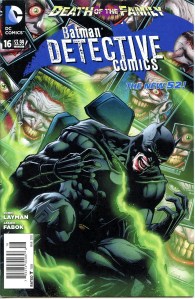
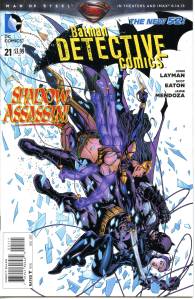
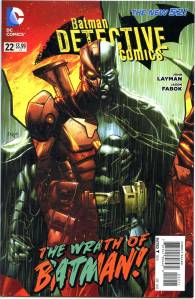
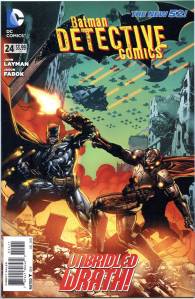
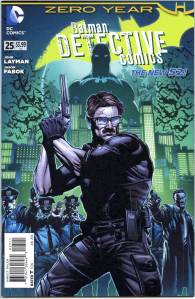
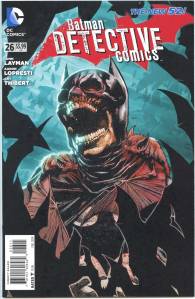
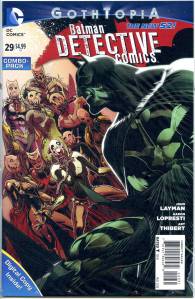
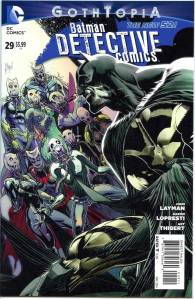
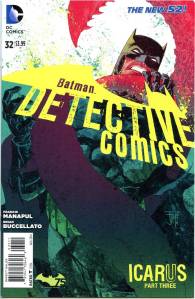
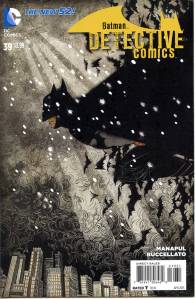
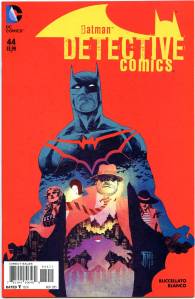
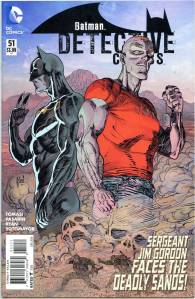
Detective Comics #1 vol. 2 (Nov. 2011) is the relaunch of Detective Comics. Story by Tony Daniel; art by Tony Daniel and Ryan Winn. The first issue of the relaunched Detective Comics has received six printings, second only to the relaunched Justice League which had seven printings.The series seventh issue was also DC Comic’s sixth highest selling digital comic, ranking above many other series in the Batman category.Scott West of Sciencefiction.com gave the series’ third arc a positive review, stating that “After last month’s disappointing ‘Night of the Owls’ tie-in issue, it’s nice to see ‘Detective Comics’ getting back to where it should be… good detective stories.”The relaunched Detective Comics received the award for “Best Series” at the 2012 Stan Lee Awards. The series’ first collected edition would reach the number one spot on The New York Times Best Seller list in the category of “Hardcover Graphic Books”.
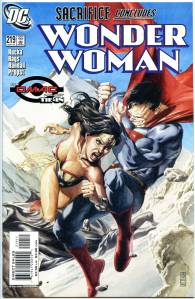
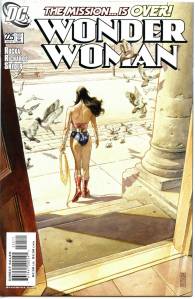
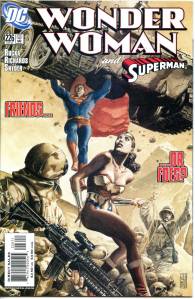
One of the events that led to Infinite Crisis was of Wonder Woman killing the villain Maxwell Lord in Wonder Woman Vol 2 #219. Maxwell Lord was mind-controlling Superman, who as a result was near to killing Batman. Wonder Woman tried to stop Superman, Lord (who was unable to mind control her) made Superman see her as his enemy Doomsday trying to kill Lois Lane. Superman then attacked Wonder Woman, and a vicious battle ensued. Buying herself time by slicing Superman’s throat with her tiara, Wonder Woman caught Lord in her Lasso of Truth and demanded to know how to stop his control over Superman. As the lasso forced the wearer to speak only the truth, Lord told her that the only way to stop him was to kill him. Left with no choice, Wonder Woman snapped Lord’s neck and ended his control over Superman. Unknown to her, the entire scene was broadcast live around every channel in the world by Brother Eye. The viewers were not aware of the entire situation, and saw only Wonder Woman murdering a Justice League associate. Wonder Woman’s actions put her at odds with Batman and Superman, as they saw Wonder Woman as a cold-blooded killer, despite the fact that she saved their lives.
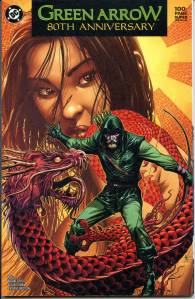
Celebrating the Emerald Archer’s 80th Anniversary! For the last eight decades Green Arrow has been one of the premier (and loudest) characters in the DCU, always at the forefront of where the superhero genre is headed. This over-sized anniversary issue follows in those footsteps, as an all-star lineup of Green Arrow creators, alongside some of the gifted creators of the modern era who have been inpsired by Oliver Queen, unite to pay tribute to the Battling Bowman. See what the past, present and future have in store for Oliver Queen, Black Canary, Connor Hawke, Arsenal, Red Arrow, Speedy, and more in this epic special!
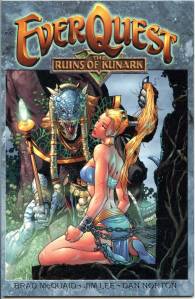
Journey to the land of Kunark alongside High Elven Princess Firiona Vie, as she and her comrades-in-arms must stop an unholy alliance. The great Elven Armies stand ready to defend the realm. But will they be enough to vanquish the rising darkness that threatens all of Norrath?
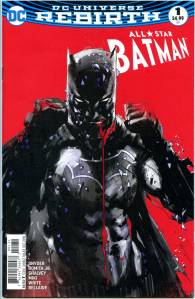
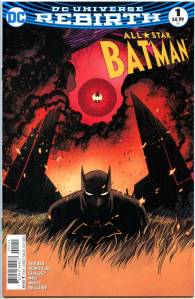
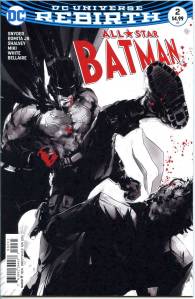
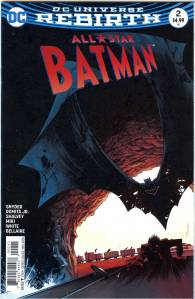
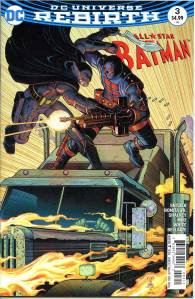
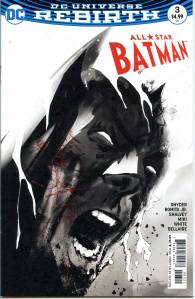
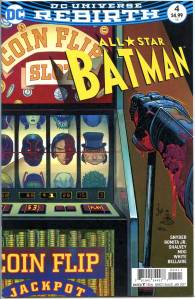
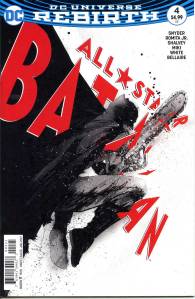
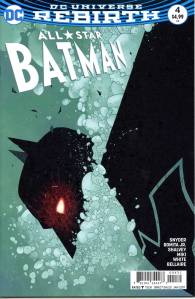
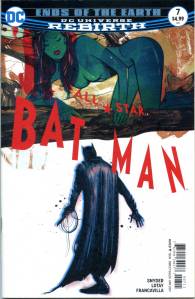
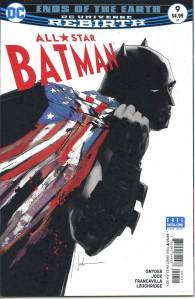
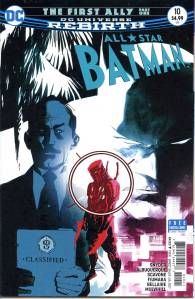
All-Star Batman is an ongoing series that premiered on August 2016. The creative team consists of writer Scott Snyder and multiple artists (mainly John Romita Jr.). The series is part of the DC Rebirth relaunch. Despite the title, it is not a part of the now-defunct All Star imprint and actually tell stories that are set in the mainstream DC Universe continuity.


























 EHT Comics