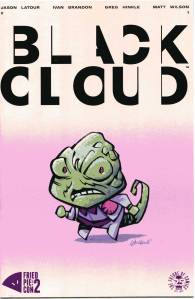
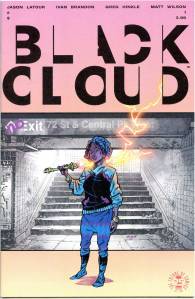
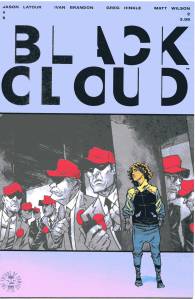
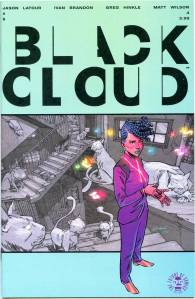
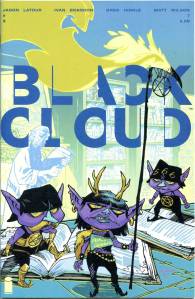
Zelda was born in a world of dreams, and hers burned bigger than anyone had ever seen. Now she’s on the run in our world, the dreams broken in her hands. But the pieces are for sale, the rich and the powerful are buying, and suddenly her world isn’t the only place Zelda’s running from.
The “Heroes Reborn” was followed by “Heroes Return”, which consisted of a central, four-issue miniseries, Heroes Reborn: The Return, by writer Peter David and artist Salvador Larocca (December 1997). In the story, the Celestials take notice of Franklin’s pocket universe and initially demand that he eliminate one of the two universes, but eventually relent on the condition that all beings native to Earth-616 evacuate the pocket universe and never return.
This oversize super spectacular features work from some of the very best in the comic industry along with bright young stars ready to share the spotlight with Diana. You won’t want to miss these new stories that capture timeless messages of hope and empowerment presented together in this gorgeous keepsake issue!
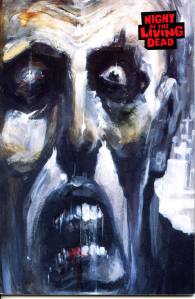
Black and white art by Carlos Kastro with Eric Meheu. Original story by George Romero. Adaptation by Tom Skulan and Eric Stanway. “There coming to get you Barbara!”
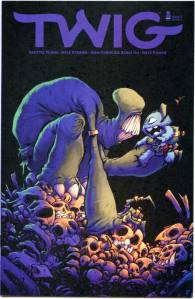
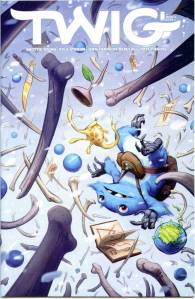
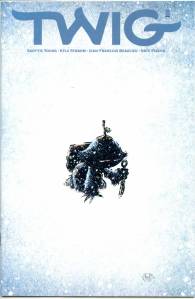
It’s the first day of Twig’s new job as a journeyer on a Jeff Smith’s Bone-esque quest to save a The Dark Crystal/Labyrinth-style world. Join the hesitant hero for an inspiring and imaginative tale of hope, heartache, and determination to overcome insurmountable odds!
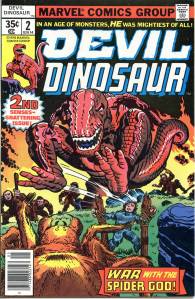
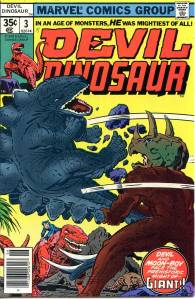
Devil Dinosaur and Moon-Boy are the creations of artist Jack Kirby who scripted and penciled all nine issues of the first series. Devil Dinosaur was created during Kirby’s third stint at Marvel (1975–1978). Having learned that DC Comics was working on an animated series featuring Kirby’s Kamandi, Marvel attempted to one-up their competitor by instructing Kirby to create a series similar to Kamandi, but incorporating a dinosaur co-star, since dinosaurs were hugely popular with young audiences of the time. The resulting Devil Dinosaur series was short lived, lasting only nine months (April – December 1978), and the proposed animated series never entered development. The original Devil Dinosaur series chronicled Devil and Moon-Boy’s adventures in their home, “Dinosaur World”. After the cancellation of Devil Dinosaur, the character’s appearances were relegated to one-shot comics, cameos, and supporting roles in other series.
This beautifully illustrated 48-page trade paperback spotlights writer James Robinson, who delivers a compelling and action-packed script which plays to Matt Wagner’s atmospheric and visually stunning renderings. Unknowingly, Kyle Reese went back in time to protect Sarah Conner from the second of two Terminators sent from the future to alter the past. In this one-shot special, we encounter the very first Terminator to be sent back through time, a female version of the 800-model, but just as deadly, if not more so. Her mission: to kill John Conner’s mother! The Sarah Conner that she finds has a mission of her own: to kill her new husband and take off with his vast wealth before ever having a baby!
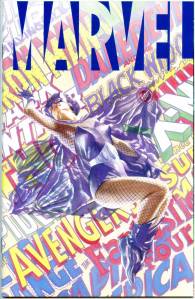
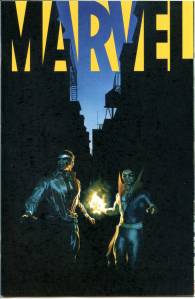
Thirty years ago, Alex Ross had a vision of a new series showing the Marvel heroes in a way they’d never been seen before. The first realization of that idea became the blockbuster MARVELS — but today Alex finally brings about his original vision: An anthology of stories by unique, exceptional talents, many of whom are doing Marvel characters for the very first time. Over this showcase series you’ll see work by such artists as Adam Hughes, Bill Sienkiewicz, Dan Brereton and more, linked together by an overarching story by Alex and Steve Darnall.
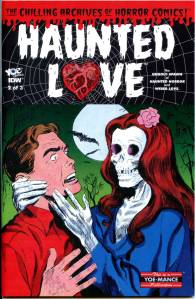
Haunted Love features rotting tales of supernatural Pre-code romance from putrid horror comics from the vile horror comics of the 1950s. Lurid lust! Vicious violence! Creepy kisses! The zombie-fied Haunted Love is 3 throbbing issues that will set your horrid hearts afire. Haunted Love will make your Valentine’s Day massacre and gory gift giving to your vile Valentine unforgettable and unforgivable.
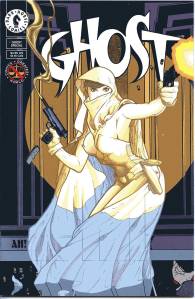
Ghost first appeared in Comics’ Greatest World, week three, in 1993. After a popular special in 1994, a monthly title devoted to the character began publication in 1995. It ran for 36 issues, followed by a six-month break and a second series of 22 issues. The second series was a continuation of the first with a number of changes, including new details about Ghost’s origin. The stories in both series were based in (and around) the city of Arcadia, in a self-contained fictional universe outlined in Dark Horse’s Comics’ Greatest World.