Writer-editor Jonathan Hickman and artist/co-plotter Pepe Larraz created the Quiet Council of Krakoa in House of X #6 (October 2019). The Council appeared in many comics in the Dawn of X and Reign of X relaunches, creating and enforcing the laws of Krakoa; prosecuting and delivering judgement on mutants accused of breaking those laws.
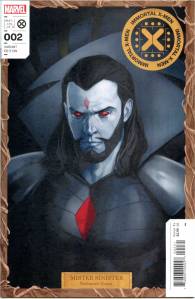
In March 2022, the council headlined Immortal X-Men as part of the Destiny of X relaunch. The series also served continuation of Inferno, vol. 2. It was written by Kieron Gillen and drawn by Lucas Werneck, building plot points for the event Sins of Sinister. After being briefly transformed into the Immoral X-Men limited series, Immortal X-Men continued from issue #11.
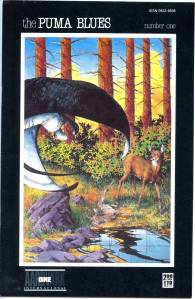
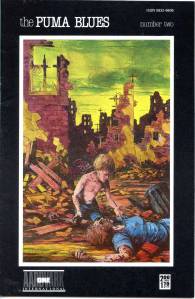
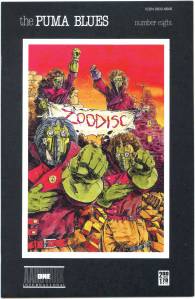
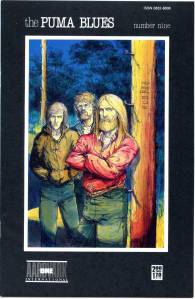
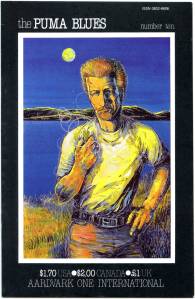
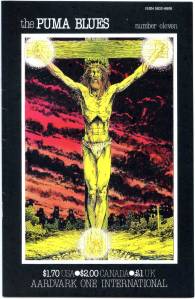
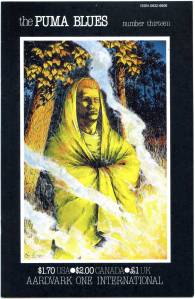
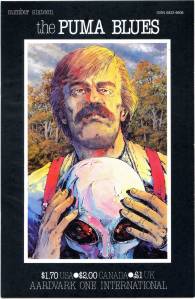
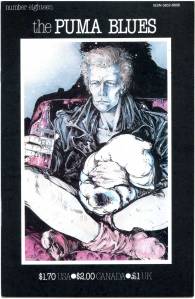
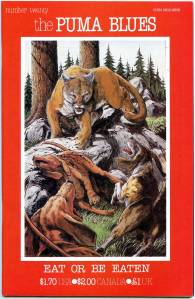
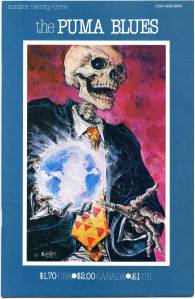
The comic book’s detailed artwork by Michael Zulli, which focused primarily on wildlife and nature, was superposed to a loose narrative with a druggy, dreamy, new age apocalyptic atmosphere. This de-structuralizing of the main narrative increased dramatically in later issues, with the second half of the series often taking the form of illustrated prose poetry within an associative narrative.
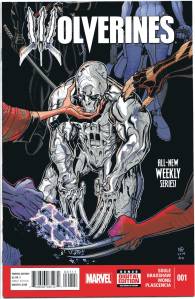
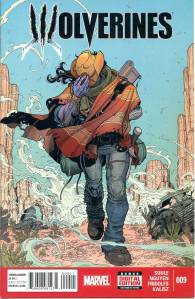
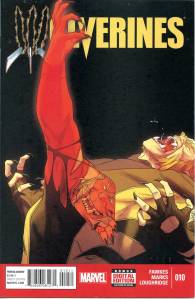
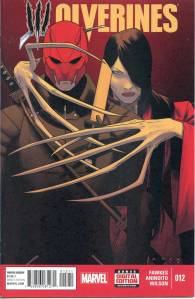
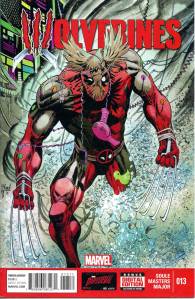
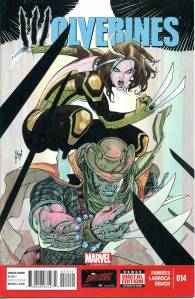
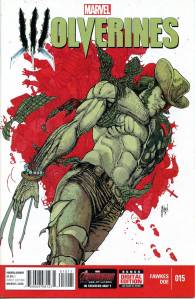
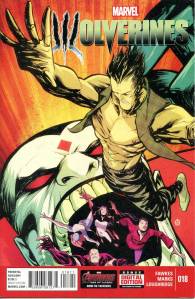
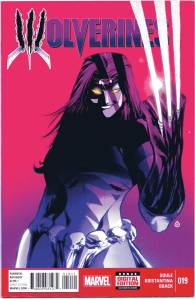
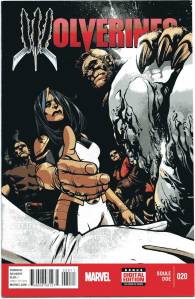
The aftermath of Wolverine’s death is explored in the series Wolverines. Sharp, Skel, Neuro, Endo, Junk, and the “Wolverines” (a team formed from the fallout of his death by Daken, Lady Deathstrike, Mystique, Sabretooth, and X-23) try to find Logan’s adamantium-covered body, which is taken by Mister Sinister. The group infiltrate Mister Sinister’s fortress to retrieve the body, but it is taken by the X-Men after a battle.
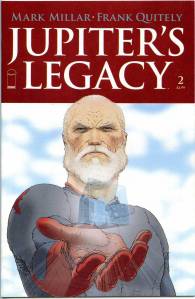
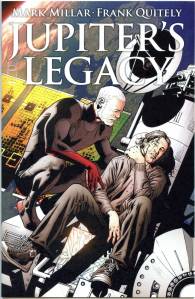
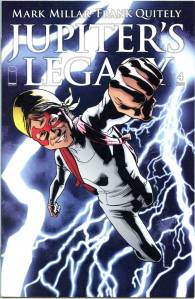
Jupiter’s Legacy is influenced by Star Wars, King Kong, Roman mythology and origin stories from the Golden Age of Comics. It is written as Millar’s treatise on superheroes’ connection to the American ideal. The first few issues of the opening story arc explores the generational conflict between a group of aging superheroes known as the Union, who used the powers they gained in 1932 for the betterment of mankind, in particular their leader, Sheldon Sampson (aka the Utopian), and their children, who are daunted by the prospect of living up to their parents’ legacy. Other conflicts and themes in the book include sociopolitical and economic differences among the older heroes and the end of capitalism, in the form of Sheldon’s differences with his brother, Walter, which were inspired by Millar’s reaction to the Great Recession.
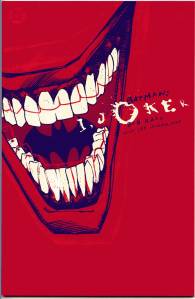
An Elseworlds tale! In the year 2083, the legend of the Batman sparks a strange and deadly religion based on the Dark Knight. As the annual death race between the religion’s leader and a group of sacrificial “lambs” surgically altered to resemble Batman’s greatest foes approaches, one would-be Joker tries to break the cycle and become the true inheritor of the heroic mantle of the Bat.
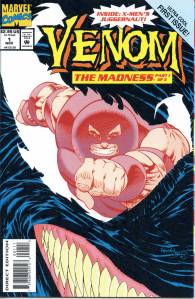
A three-part series published between November 1993 and January 1994, the series introduces attorney Beck as a love interest for Brock. When Beck pursues a lawsuit against Scarmore Industries for employees poisoned by a sentient liquid-mercury virus, Venom is injured trying to protect her from the Juggernaut‘s kidnap attempt. The symbiote is submerged and infected with the sentient virus (which heals Brock), bonding with the pair and introducing a third mind into their relationship. The virus drives Brock insane (causing him to murder a cleaning lady), and he is physically transported to the realm of insanity to confront its avatars: Paranoia, Dusk and the Necromancer. The symbiote overcomes the virus; Brock regains his senses, and Venom is returned to earth. Beck later insists on only being Brock’s friend, because his romantic feelings for her make him more violent.
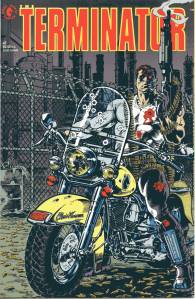
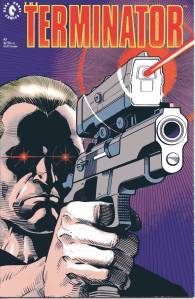
A nine-man Resistance cell led by Colonel Mary Randallassaults a fully functional Skynet network complex 6 months after John Connor destroyed the Master Control central node. Within this facility is an operational Time Displacement Chamber, greater in scope than the prototype discovered by John Connor. Their mission is to utilize the TDE to return to 1984 and eliminate Skynet by killing key individuals in the Cyberdyne Systems hierarchy.
X-Men: The End is a 2004-2006 trilogy of miniseries published by Marvel Comics, detailing the last days of the X-Men and their adventures in an alternative future. The series, which was part of Marvel’s The End line of books, was written by Chris Claremont and drawn by Sean Chen, with cover art by Greg Land and Gene Ha.
The first part of the miniseries is titled Dreamers and Demons, the second Heroes and Martyrs, and the third Men and X-Men. As it was originally conceived, several years before its actual debut, this series would have re-teamed Chris Claremont and John Byrne, with Byrne providing plots and art and Claremont providing dialogue. Yet after a dispute with Marvel following the cancellation of Byrne’s ongoing series X-Men: The Hidden Years, Byrne left the publisher.
The story of X-Men: The End continues in the 2008 GeNext mini-series, then again in the 2009 mini-series, GeNext: United.
The original Caliber Presents anthology title was one of Caliber Comic’s inaugural releases in the 1990s and featured predominantly new creators, many of which went onto successful careers in the comics’ industry.
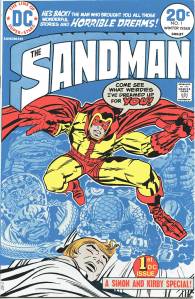
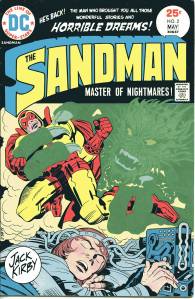
The Sandman of the 1970s was created by Joe Simon and Jack Kirby. Issue #1 was intended as a one-shot, but five more issues and an additional story followed. After the first issue, the stories were written by Michael Fleisher. The second and third issues were illustrated by Ernie Chua. Inks were by Kirby, Mike Royer and, in the sixth issue, Wally Wood. All covers were by Kirby, and the fourth issue noted his return to the interior artwork on the cover.
This Sandman was originally intended to be the actual Sandman of popular myth, “eternal and immortal”, despite his superhero-like appearance and adventures. The Sandman is assisted by two living nightmares named Brute and Glob, whom he releases from domed cells with the help of a magic whistle. They are nuisances who beg for release, who are intent on hand-to-hand combat, but are implied to be relatively harmless and well-intentioned once freed. Using security monitoring devices, the Sandman can enter the “Dream Stream” or the “Reality Stream” (in which he acts like the superhero he looks like), and he carries a pouch of dream dust with which he can cause anyone to sleep and dream. The Sandman’s main task is protecting children from nightmare monsters within their dreams, especially one young boy named Jed, who lives with his grandfather, Ezra Paulsen, as well as to ensure that children have an appropriate level of nightmares rather than dealing with such anxieties in real life.






















 EHT Comics