Predator vs Judge Dredd vs Aliens was a co-publication with IDW and 2000 AD. The ultimate science-fiction crossover pits the legendary lawman Judge Dredd against the universe’s supreme hunters, the Predators, as they both try to survive an onslaught by the galaxy’s ultimate killing machines, the Aliens! Written by Eisner Award–winning, NYT best-selling Chew creator John Layman! Covers by Eisner Award winner Glenn Fabry!
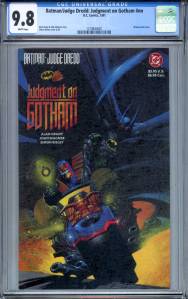
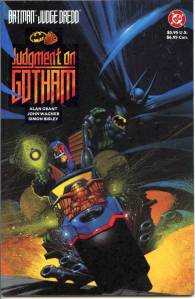
Judge Death makes a dimensional jump to Gotham City, murdering two lovers and a police officer. Batman defeats Death, who flees in spirit form. Among the remains of his host body, Batman finds a dimensional jump belt that he accidentally activates, transporting him to Mega-City One, where is confronted by Mean Machine Angel. As Mean Machine attacks Batman, they are both confronted by Judge Dredd. Mean Machine flees to Gotham using the belt, then wanders into the city looking for Judge Death.
Batman – Judgment on Gotham CGC SS 9.8 Signed by Simon Bisley $229
Batman – Judge Dredd – Judgement on Gotham CGC 9.8 White Pages $79
Strange Tales switched to superheroes during the Silver Age of Comic Books, retaining the sci-fi, suspense and monsters as backup features for a time. Strange Tales‘ first superhero, in 12- to 14-page stories, was the Fantastic Four‘s Human Torch, Johnny Storm, beginning in #101 (Oct. 1962). Here, Johnny still lived with his elder sister, Susan Storm, in fictional Glenview, Long Island, New York, where he continued to attend high school and, with youthful naivete, attempted to maintain his “secret identity” (later retconned to reveal that his friends and neighbors knew of his dual identity from Fantastic Four news reports, but simply played along).
The title became a “split book” with the introduction of sorcerer Doctor Strange, by Lee and artist Steve Ditko. This 9- to 10-page feature debuted in #110 (July 1963), and after an additional story and then skipping two issues returned permanently with #114. Ditko’s surrealistic mystical landscapes and increasingly head-trippy visuals helped make the feature a favorite of college students, according to Lee himself. Eventually, as co-plotter and later sole plotter, in the “Marvel Method“, Ditko would take Strange into ever-more-abstract realms, which yet remained well-grounded thanks to Lee’s reliably humanistic, adventure/soap opera dialog. Adversaries for the new hero included Baron Mordo introduced in issue #111 (Aug. 1963) and Dormammu in issue #126 (Nov. 1964). Clea, who would become a longtime love interest for Doctor Strange, was also introduced in issue #126.
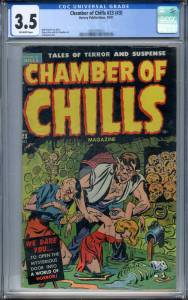
The first Chamber of Chills was a 10-cent horror anthology published bimonthly by Harvey Publications that ran 26 issues (cover-dated June 1951 – Dec. 1954).
Chamber of Chills was formerly Blondie Comics, taking over that comic’s numbering with issue #21. After issue #24 (Dec. 1951), the numbering was reset to #1. Chamber of Chills became Chamber of Clues with the February 1955 issue, and ceased publication two issues later, the last cover-dated April 1955.
Chamber of Chills #23 CGC 3.5 Off-White Pages $349
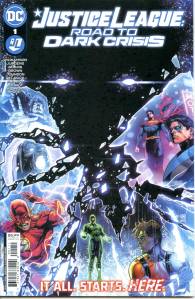
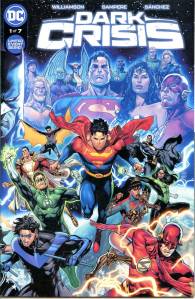
“Dark Crisis on Infinite Earths“, originally “Dark Crisis“, is a 2022 comic book storyline published by DC Comics, comprising an eponymous central 7 issue mini-series by writer Joshua Williamson and artist Daniel Sampere, and a number of tie-in books. The event received critical acclaim, with critics praising Williamson’s writing, inclusion of characters, art, story, and action. The storyline takes place towards the end of Infinite Frontier, with the conclusion of the series leading into the Dawn of DC in 2023.
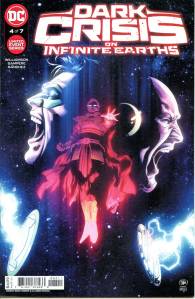
The title of the series was changed from Dark Crisis to Dark Crisis on Infinite Earths on and after issue #4, which denoted how the series is a direct sequel to Crisis On Infinite Earths. The series results in the return of the DCU’s infinite multiverse which was destroyed in the original crisis in 1986.
Road to Dark Crisis – Justice League #1 NM $5
Dark Crisis #1 NM $3
Dark Crisis #2 NM $5
Dark Crisis #3 NM $5
Dark Crisis on Infinite Earths #4 NM $3
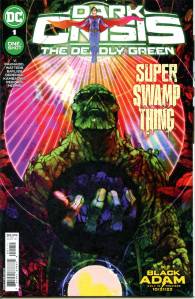
Dark Crisis – The Deadly Green #1 NM $3
Dark Crisis – War Zone #1 NM $3
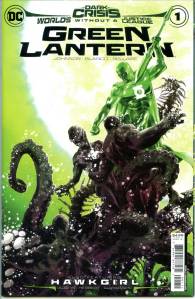
Dark Crisis – Worlds Without a Justice League – Green Lantern #1 NM $5
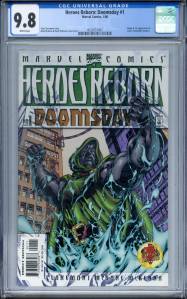
In the years after the Heroes Reborn event, Marvel published a series of one-shots that revisit the pocket universe created by Franklin Richards. These can be read in any order and even touch on some characters who were not featured in the original storyline.
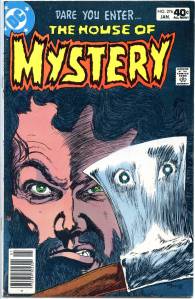
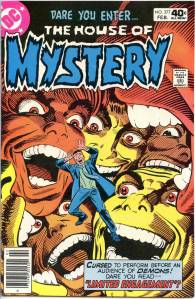
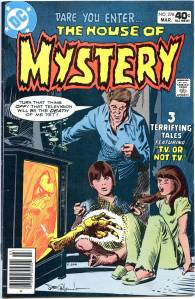
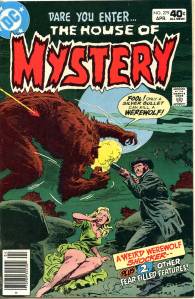
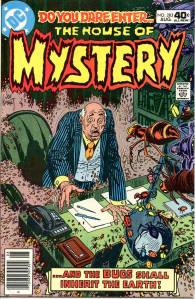
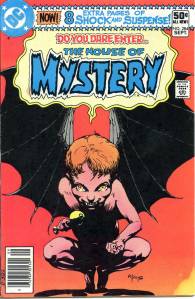
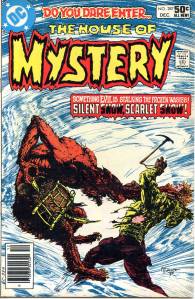
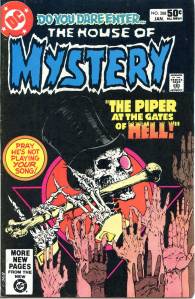
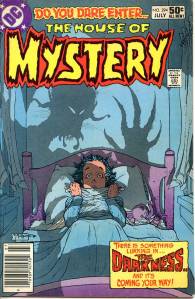
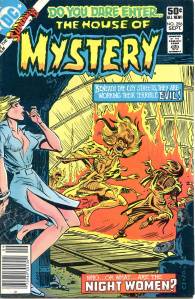
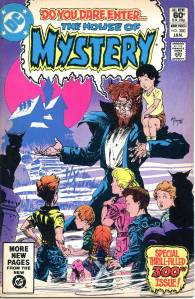
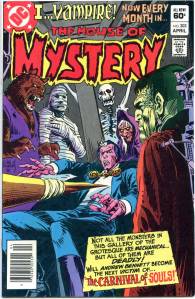
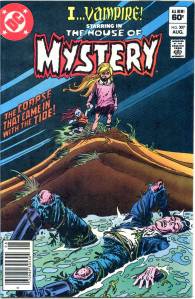
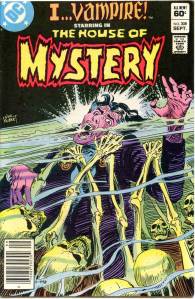
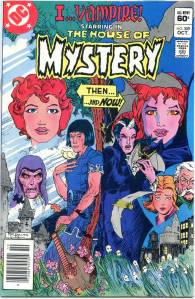
Karen Berger became editor of the series with #292 (May 1981), her first for DC Comics. Under Berger, the series experimented with long-form storylines in the popular I…Vampire serial created by writer J. M. DeMatteis. “I… Vampire” revolved around the heroic vampire, Andrew Bennett, who sought to defeat his nemesis and former lover Mary, the Queen of Blood. This series began in #290 (March 1981) and would last until #319 (August 1983), two issues before the title ended with #321 (October 1983).
After saving the world in The Storm and The Fury, but sacrificing himself and Great Britain, Hellboy is dead, cast into Hell, where he finds many familiar faces, and a throne that awaits him. Mike Mignola returns to draw Hellboy’s ongoing story for the first time since Conqueror Worm. It’s a story only Mignola could tell, as more of Hellboy’s secrets are at last revealed, in the most bizarre depiction of Hell you’ve ever seen.
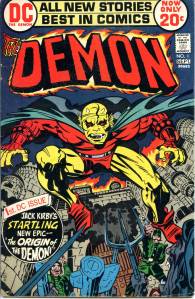
The Demon was created by Jack Kirby. The titular character, named Etrigan, is a demon from Hell who, despite his violent tendencies, usually finds himself allied to the forces of good, mainly because of the alliance between the heroic characters of the DC Universe and Jason Blood, a human to whom Etrigan is bound.
Jack Kirby created the Demon in 1972 when his Fourth World titles were cancelled.According to Mark Evanier, Kirby had no interest in horror comics, but created Etrigan in response to a demand from DC for a horror character. Kirby was annoyed that the first issue sold so well that DC required him to remain on it and abandon the Fourth World titles before he was done with them. Etrigan was inspired by a comic strip of Prince Valiant in which the titular character dressed as a demon. Kirby gave his creation the same appearance as Valiant’s mask.
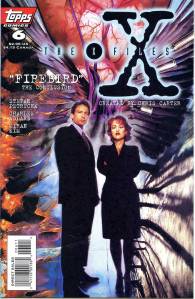
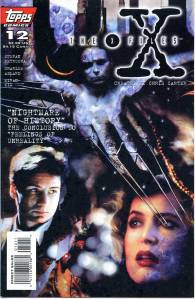
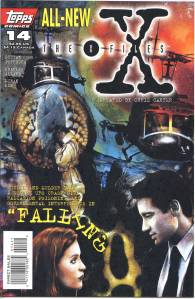
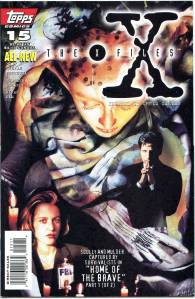
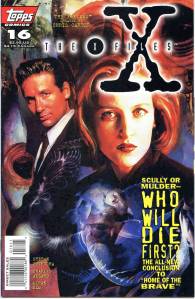
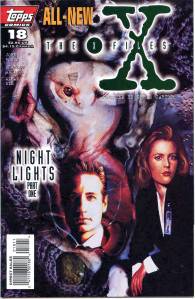
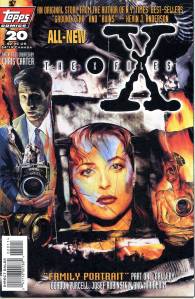
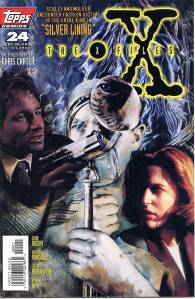
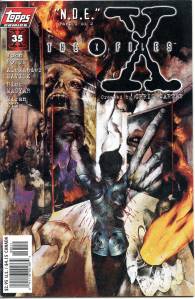
X-Files was originally published by Topps Comics and ran for 41 issues from January 1995 to September 1998, coinciding with the second through fifth seasons of the television program.
In 1996, Topps published X-Files #0, an adaptation of the pilot episode, in order to test the market for a series adapting the episodes of the X-Files TV series. The issue was successful, and X-Files Season One ran for nine issues (August 1997 – July 1998). The series’s name was provisional, and Topps in fact intended to adapt every episode, but never got as far as season two. The series was written by Roy Thomas, who would create a first draft for each issue by working off of the episode’s script, then watch the actual episode and modify his work to account for changes made on the set.























 EHT Comics