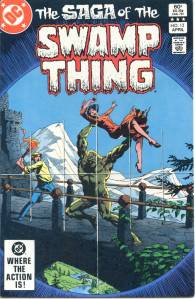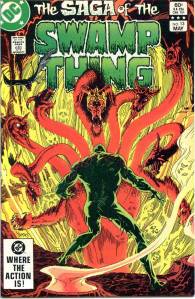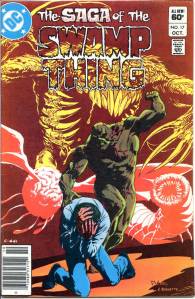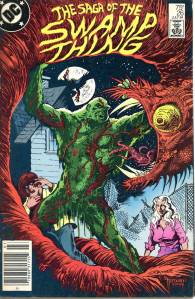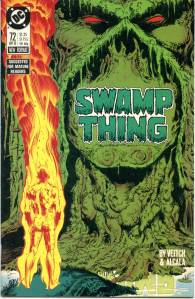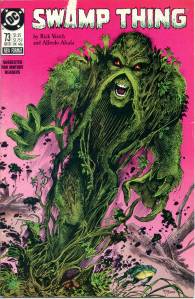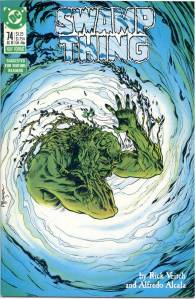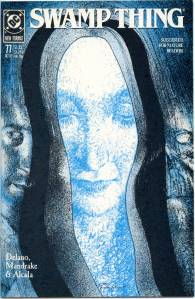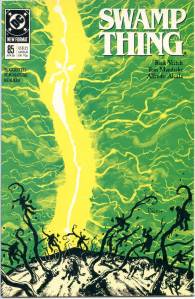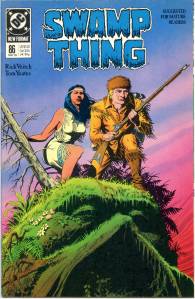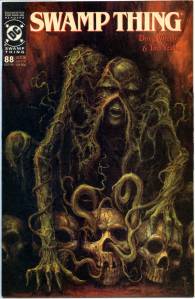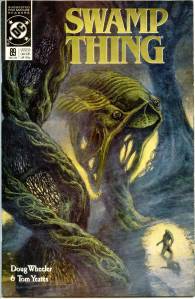
Swamp Thing V2 (1980’s)

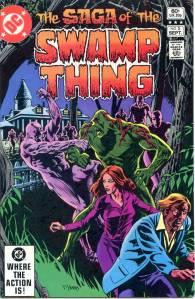
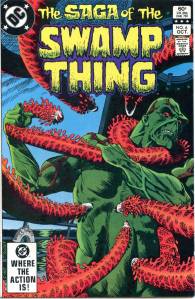
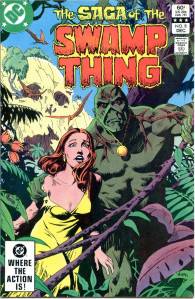
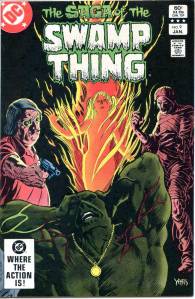
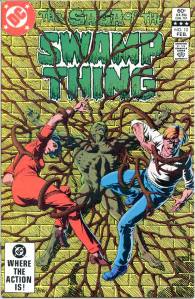
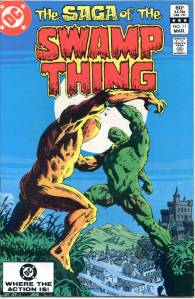
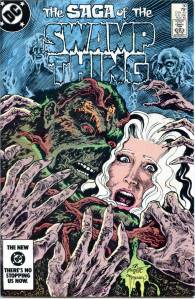
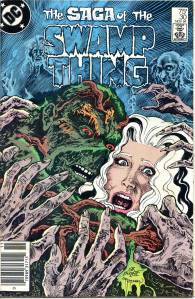
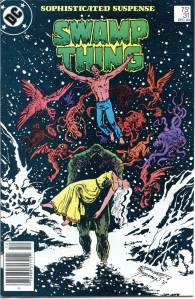
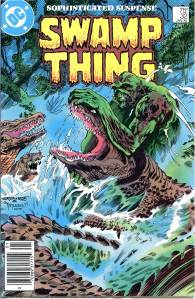
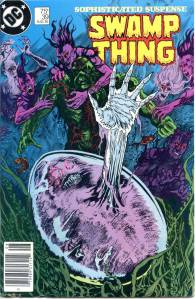
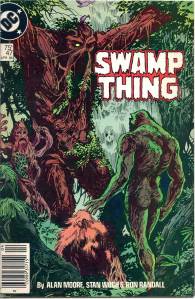
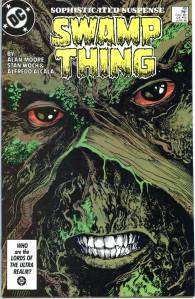
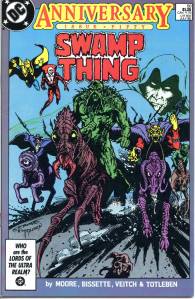
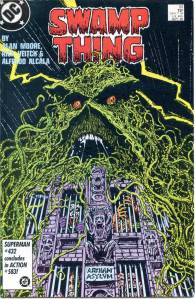
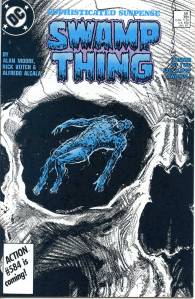
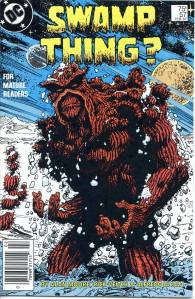
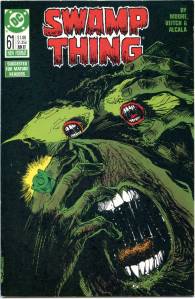
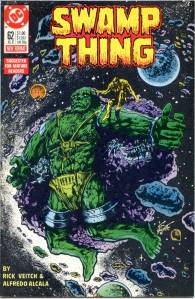
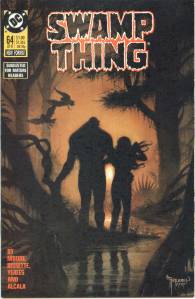
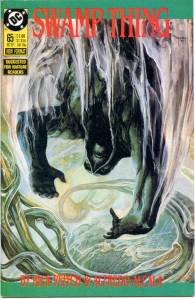
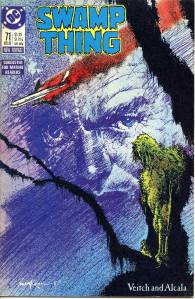
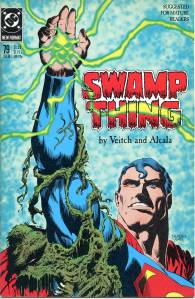
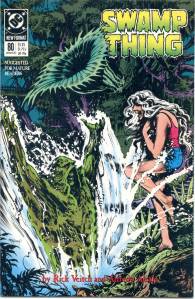
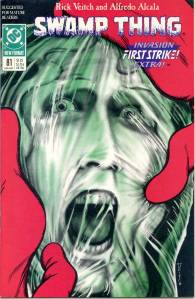
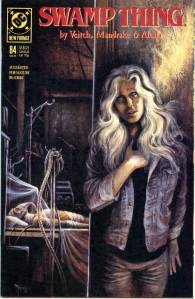
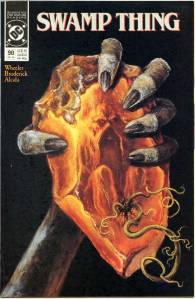
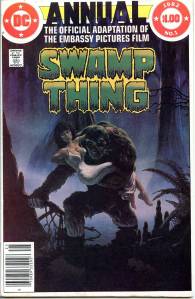
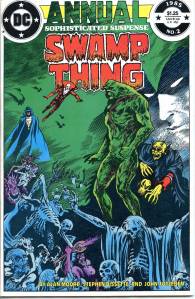
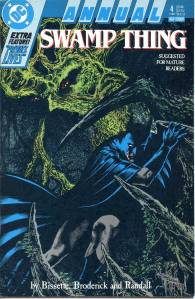
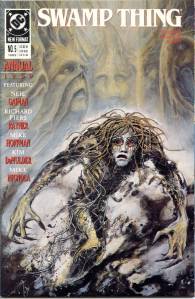
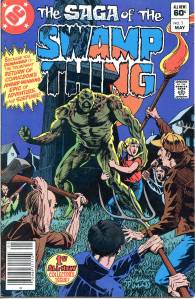
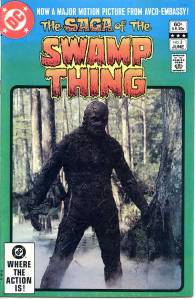
In 1984, editor Len Wein assigned Swamp Thing to British writer Alan Moore. When Karen Berger took over as editor, she gave Moore free rein to revamp the title and the character as he saw fit. Moore reconfigured Swamp Thing’s origin to make him a true monster as opposed to a human transformed into a monster. In his first issue, he swept aside most of the supporting cast Pasko had introduced in his year-and-a-half run as writer, and brought the Sunderland Corporation to the forefront, as they hunted Swamp Thing and “killed” him in a hail of bullets. The subsequent investigation revealed that Swamp Thing was not Alec Holland’s consciousness transformed into a plant but actually a form of plant life that had absorbed Holland’s consciousness after exposure to his work, with Swamp Thing’s appearance being the plants’ attempt to duplicate Holland’s human form.
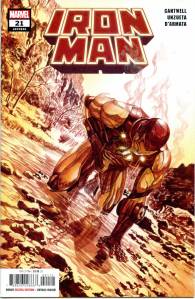
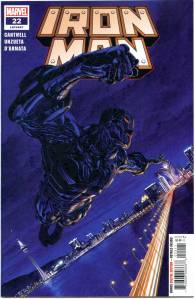
Iron Man V5 (2020)

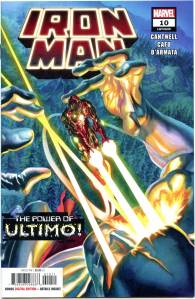
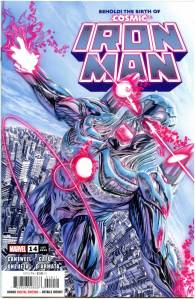
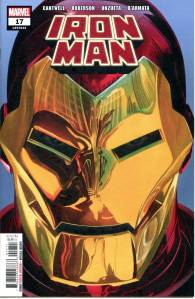
Tony Stark is looking to restart his engine. He decides he’s going back to basics, putting away his high-tech toys and high-profile image so he can get his hands dirty again. It’s time to dig into the guts of real machines, put on some old-fashioned metal and fly.

But can he really lay that Stark-sized ego down? Life isn’t that simple, something that old friends and frustrating foes are quick to point out. If you strip down a billionaire to his bolts, does he run solid or just overheat?

Tony’s going to find out once a threat to the entire universe rears its head from the past. As he suits up again, Tony remains sure of one thing: he’s still IRON MAN down to his flesh and blood core.

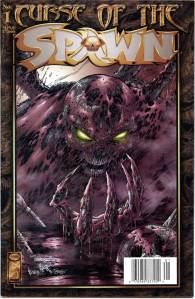
Curse of the Spawn (1996)

The first four issues of the series focuses on Daniel Llanso. His story is set some 400 years in the future in an apocalyptic world some time after Armageddon where the Devil Phlegethonyarre has his servant, Abaddon the Angel of the Bottomless Pit and their Undead Army of Nightmares (Necro-Soldiers, Zombies powered by Hell’s Darklight) dominate and hunt all humans.

The rest of the Curse of the Spawn issues focuses around related characters from the main Spawn series, like Jessica Priest, Sam and Twitch, The Angel Abdiel and Angela, Hatchet a Zombie Spawn, and other tales of other hell throughout the comics timelines.

Some of these stories include; An angel named Abdiel sent to spy on Malebolgia is tricked and banished from heaven, A Greek boy named Raenius, who was killed by Zeus (the god) and resurrected as a Hellspawn, who kills Zeus with the gorgon Medusa by his side.

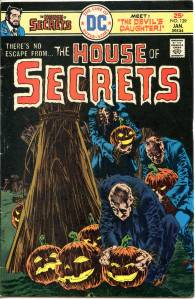
The House of Secrets (1971)

The House of Secrets was revived in 1969 after a 3 year absence. Now its horror and suspense tales were introduced by a host named Abel, who would also host the satirical comic Plop!. His brother Cain hosted House of Mystery. Swamp Thing first appeared in House of Secrets #92 (July 1971) in a stand-alone horror story set in the early 20th century written by Len Wein and drawn by Bernie Wrightson. The woman appearing on the cover of this issue was modeled after future comics writer Louise Simonson.

This revival, sporting many covers by Neal Adams, Bernie Wrightson, and Michael Kaluta, ran through issue #154 (Nov. 1978), with three months passing between #140 (April 1976) and #141 (July 1976). It was then ‘merged’ into The Unexpected with issue #189, through issue #199. The series was 68 ad-free pages, allowing all three portions to be full-length issues.

The House of Secrets also came to be the name of the actual edifice in which Abel lives. Writer Mike Friedrich and artist Jerry Grandenetti introduced the house and explained its origins. The Sandman series revealed it exists both in the real world of the DC Universe and in the Dreaming, as a repository for secrets of all kinds.

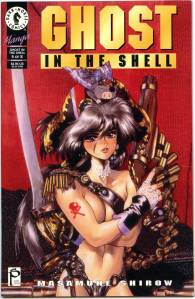
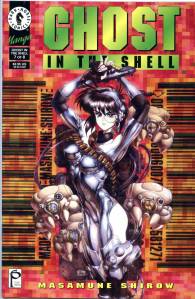
Ghost in the Shell- Dark Horse (1995)

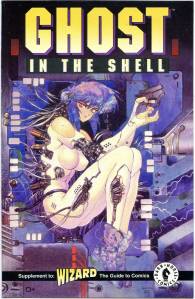
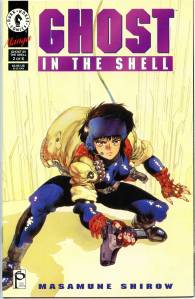
In this cyberpunk iteration of a possible future, computer technology has advanced to the point that many members of the public possess cyberbrains, technology that allows them to interface their biological brain with various networks. The level of cyberization varies from simple minimal interfaces to almost complete replacement of the brain with cybernetic parts, in cases of severe trauma. This can also be combined with various levels of prostheses, with a fully prosthetic body enabling a person to become a cyborg. The heroine of Ghost in the Shell, Major Motoko Kusanagi, is such a cyborg, having had a terrible accident befall her as a child that ultimately required that she use a full-body prosthesis to house her cyberbrain. This high level of cyberization, however, opens the brain up to attacks from highly skilled hackers, with the most dangerous being those who will hack a person to bend to their whims.

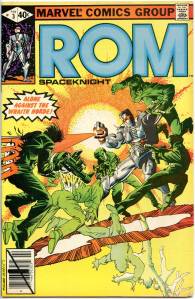
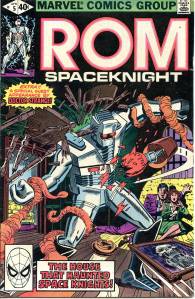
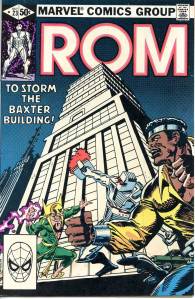
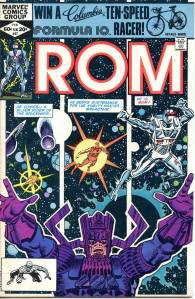
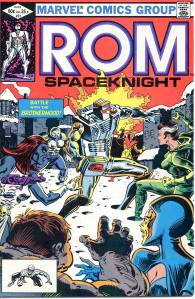
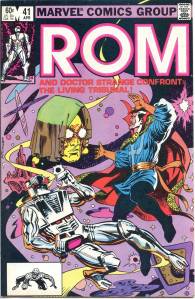
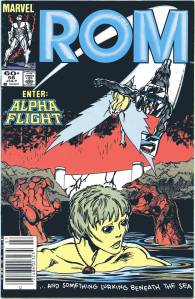
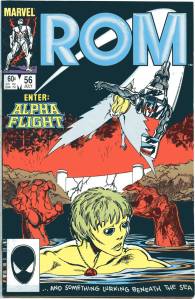
ROM Spaceknight – Marvel (1979)

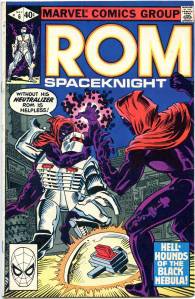
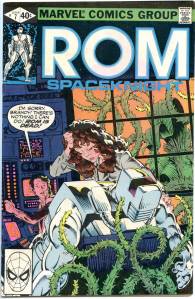
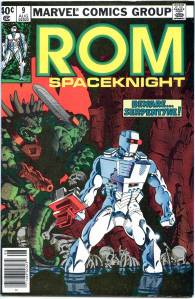
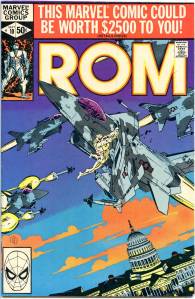
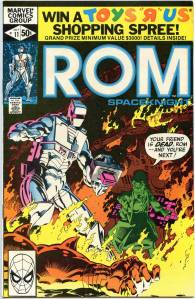
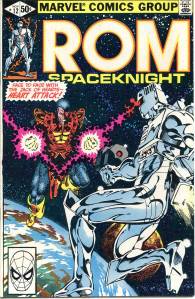
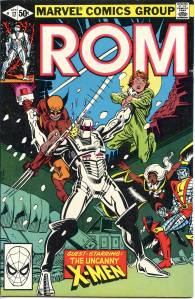
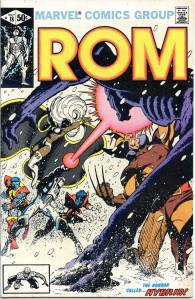
To build interest in the ROM toy, Parker Brothers licensed the character to Marvel Comics, which created a comic book featuring Rom. The comic expanded on the premise that Rom was a cyborg and gave him an origin, personality, set of supporting characters and villains, as well as interaction within the Marvel Universe. The comic was written by Bill Mantlo and initially illustrated by artist Sal Buscema. Buscema stated in a 2010 interview, “I liked the character. And I liked what they did with it. I thought the concept was quite good. It was unique. It made it attractive to do. I almost hate to say this, but it was pretty easy to draw, too.” Buscema was the main artist for the series from its creation through 1984. Steve Ditko took over for the final two years of the original run.
Ultimately, the toy failed and only sold 200,000 to 300,000 units in the US, with creator McCoy blaming the failure on poor packaging and marketing. Parker Brothers subsequently abandoned the line.

The comic book outlasted the toy which it was created to support. The series lasted for 75 issues (not including the four annual issues) from December 1979 to February 1986. Rom’s regular encounters with mainstream heroes and villains established him as part of Marvel continuity.


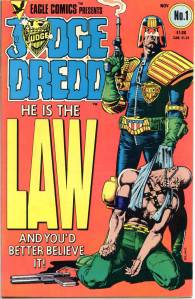
Judge Dredd – Eagle Comics (1983)

Judge Dredd is a fictional character who appears in British comic books published by Rebellion Developments, as well as in a number of movie and video game adaptations. He was created by writer John Wagner and artist Carlos Ezquerra, and first appeared in the second issue of 2000 AD (1977), a weekly science-fiction anthology. He is that magazine’s longest-running character.

Joseph Dredd is an American law enforcement officer in the dystopian future city of Mega-City One. He is a “street judge“, empowered to summarily arrest, convict, sentence, and execute criminals. Dredd’s entire face is never shown in the strip. This began as an unofficial guideline, but soon became a rule. As John Wagner explained: “It sums up the facelessness of justice − justice has no soul. So it isn’t necessary for readers to see Dredd’s face, and I don’t want you to”. Time passes in the Judge Dredd strip in real time, so as a year passes in life, a year passes in the comic. The first Dredd story, published in 1977, was set in 2099, whilst stories published in 2015 are set in 2137. Consequently, as former editor Alan McKenzie explains, “every year that goes by Dredd gets a year older – unlike Spider-Man, who has been a university student for the past twenty-five years!”. Therefore Dredd is over seventy years old, with over fifty years of active service (2079–2136), and for some time characters in the comic have been mentioning that Dredd is not as young and fit as formerly.

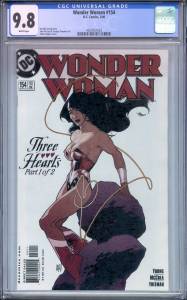
Wonder Woman V2 (2000’s)

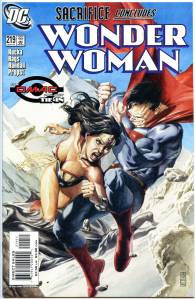
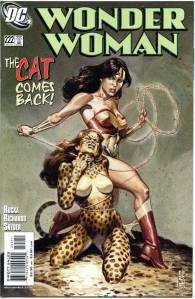
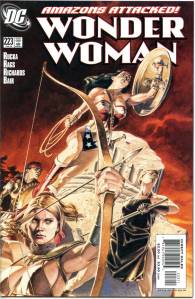
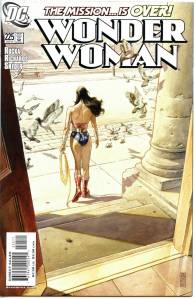
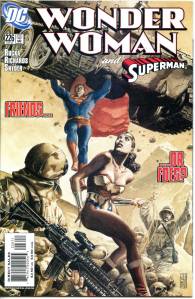
One of the events that led to Infinite Crisis was of Wonder Woman killing the villain Maxwell Lord in Wonder Woman Vol 2 #219. Maxwell Lord was mind-controlling Superman, who as a result was near to killing Batman. Wonder Woman tried to stop Superman, Lord (who was unable to mind control her) made Superman see her as his enemy Doomsday trying to kill Lois Lane. Superman then attacked Wonder Woman, and a vicious battle ensued. Buying herself time by slicing Superman’s throat with her tiara, Wonder Woman caught Lord in her Lasso of Truth and demanded to know how to stop his control over Superman. As the lasso forced the wearer to speak only the truth, Lord told her that the only way to stop him was to kill him. Left with no choice, Wonder Woman snapped Lord’s neck and ended his control over Superman. Unknown to her, the entire scene was broadcast live around every channel in the world by Brother Eye. The viewers were not aware of the entire situation, and saw only Wonder Woman murdering a Justice League associate. Wonder Woman’s actions put her at odds with Batman and Superman, as they saw Wonder Woman as a cold-blooded killer, despite the fact that she saved their lives.
Beware (1973)

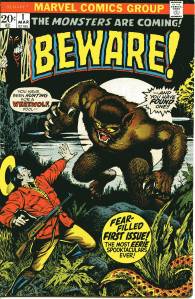
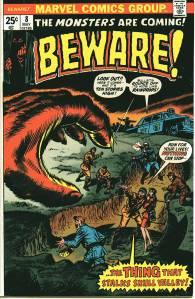
Beware was an 8 issues series that ran from March, 1973 to May, 1974. The series contained reprints of Atlas comics with new covers by Bill Everet, John Romita & Gil Kane The title continued as Tomb of Darkness with issue #9 in July of 1974.

Masters of the Universe (2002)

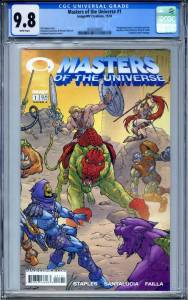
From 2002 to 2005 Image Comics and MVCreations published several series of comics and one-shots that mirrored tales of the 2002 Mike Young Productions show; the comic series elaborated and added to the mythos by introducing characters that never made it in after the 39 episodes of the television series. The first issues were seen in the summer of 2002 in the form of special promotional/preview issues, with three mini-series continuing on after; ‘The Shards of Darkness’ in fall 2002, followed by ‘Dark Reflections’ and ‘Rise of the Snake Men’ in 2003. After delving into the back-stories of Skeletor’s henchmen Beast-Man, Mer-Man, Trap-Jaw and Tri-Klops in a four issue ‘Icons of Evil’ series, a short-lived ongoing series, solely produced by MVC, continued on for eight issues in 2004. Along with these, a handful of special or ‘pack-in’ one-shots and trade paperback collected volumes were also produced.