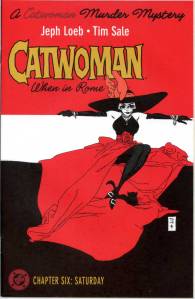
The story features Catwoman, on a trip to Rome to find information concerning her long-lost parents, who she believes to be the crime lord Carmine Falcone and his wife Louisa. The story takes place parallel to the later issues of Batman: Dark Victory.
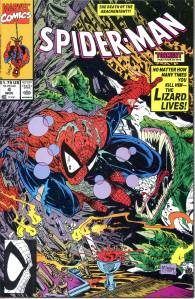
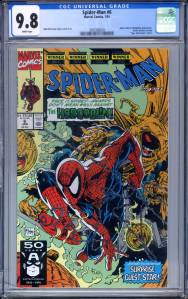
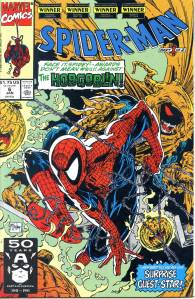
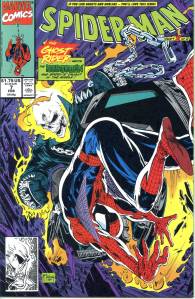
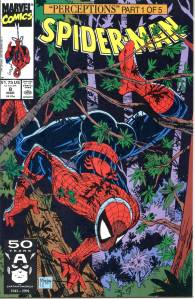
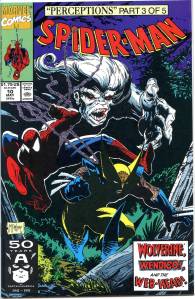
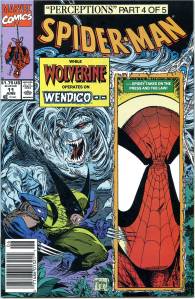
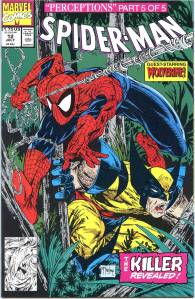
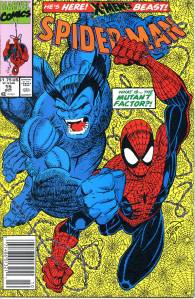
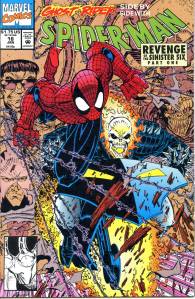
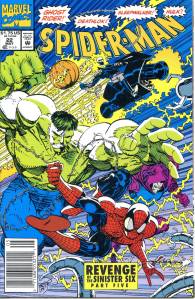
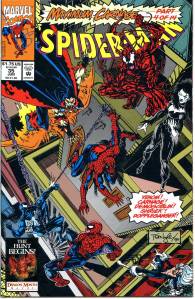
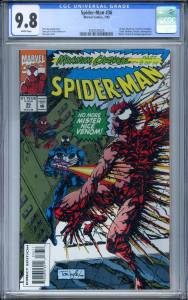
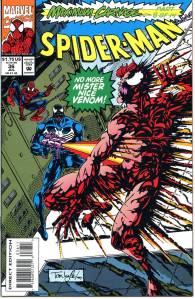
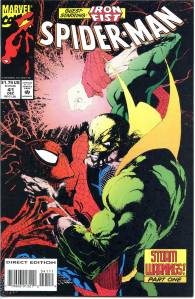
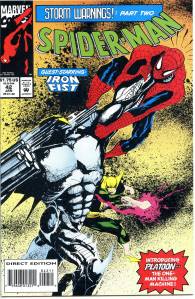
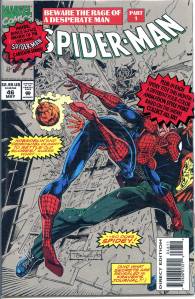
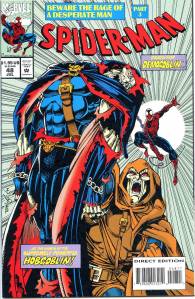
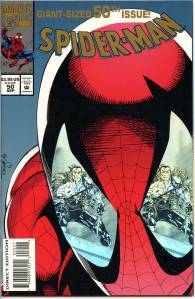
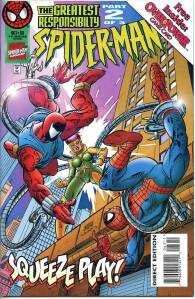
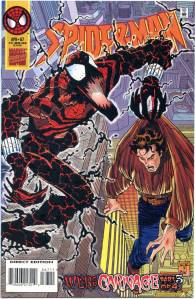
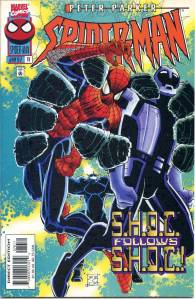
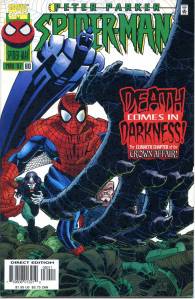
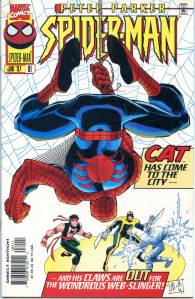
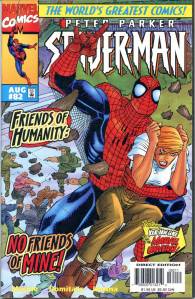
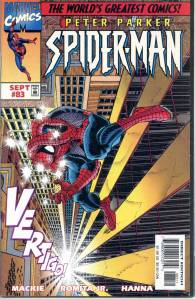
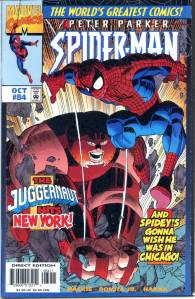
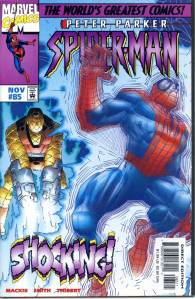
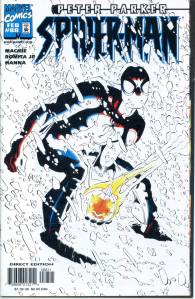
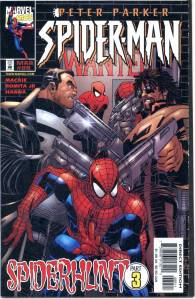
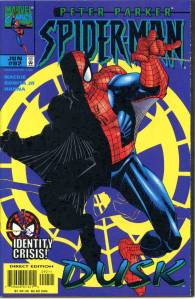
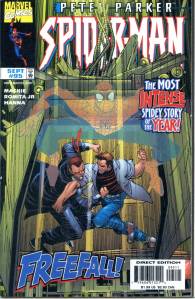
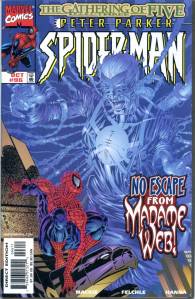
Spider-Man ran for 98 issues from 1990 to 1998. The series was re titled Peter Parker: Spider-Man with issue #75, but only on the covers, the series was still under its original Spider-Man title in the comic’s legal indicia, printed on the title page, from #75 to #98; the comic book would not officially be titled Peter Parker: Spider-Man until the volume 2 series relaunch.
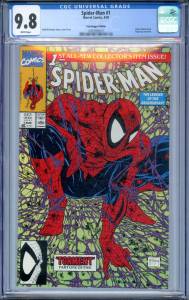
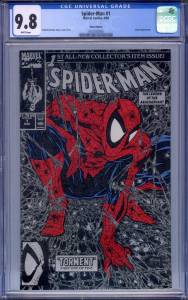
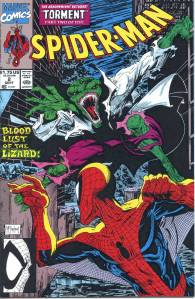
The series originally was conceived as a showcase for Todd McFarlane. McFarlane, who until then had only been known as an artist, was hugely popular at the time and the series was created by editor Jim Salicrup so that McFarlane could pencil, ink, and write a Spider-Man title of his own, starting with the “Torment” storyline.
The series was a massive sales success with over 2.5 million copies printed. McFarlane stayed on the title until issue #16 (November 1991) in which the story was printed in a landscape format. He would go on to create the character Spawn and help found Image Comics in 1992. He was succeeded on the title by Erik Larsen, who had succeeded McFarlane on The Amazing Spider-Man two years earlier, and would later join him in the founding of Image. Larsen wrote and drew the six-issue story arc “Revenge of the Sinister Six” (#18–23). Writer Don McGregor and artist Marshall Rogers crafted a two-part story in issues #27–28 dealing with gun violence.
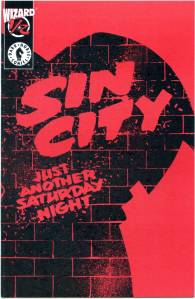
Just Another Saturday Night was first published in Sin City #1/2 (August 1997), a limited mail-in comic available only through a special offer in Wizard #73. It was later reprinted in a mass-market edition as Just Another Saturday Night (October 1998).
It is the story of what Marv was up to on the night John Hartigan met back up with Nancy (from That Yellow Bastard). Marv regains consciousness on a highway overlooking the Projects, surrounded by dead young guys, unable to remember how he got there. He lights one of the dead guys’ cigarettes and thinks back; since it is Saturday, he deduces he must have been at Kadie’s watching Nancy dance…
Sin City – Just Another Saturday Night – Wizard 1/2 with COA NM $5
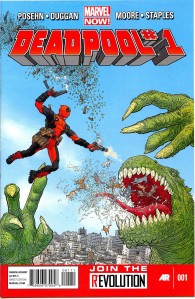
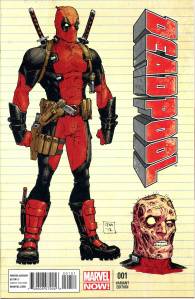
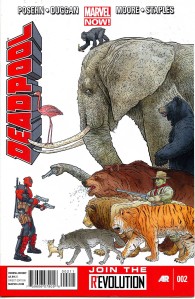
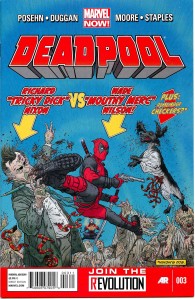
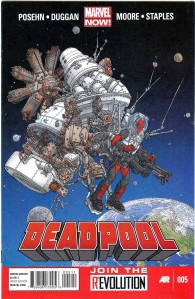
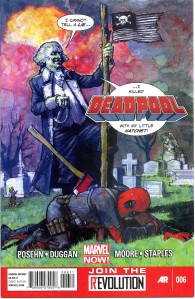
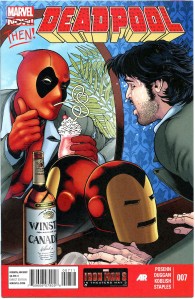
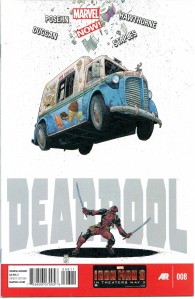
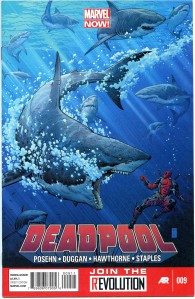
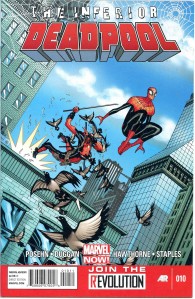
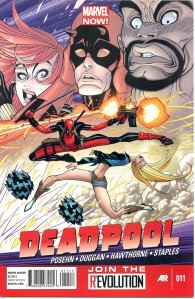
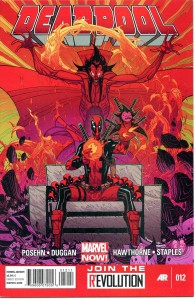
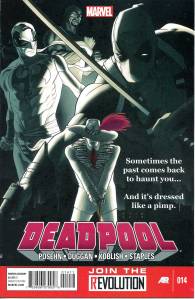
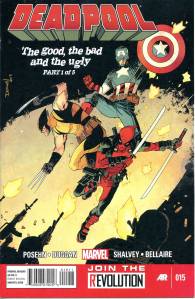
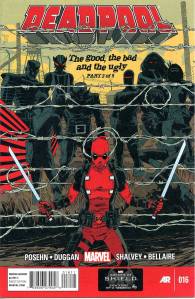
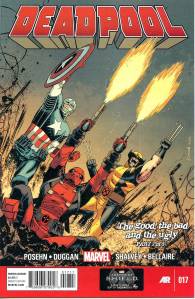
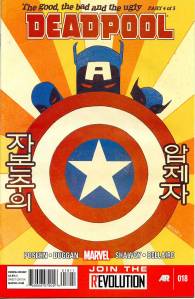
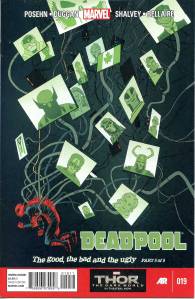
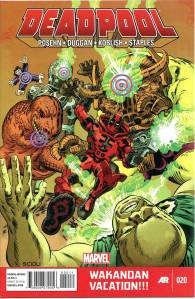
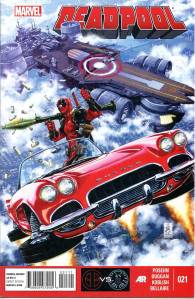
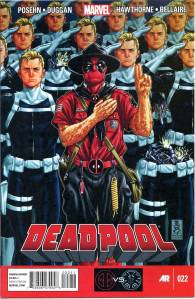
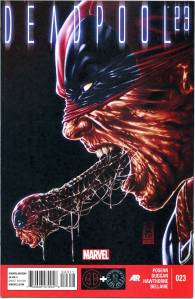
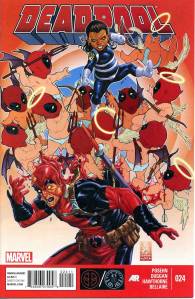
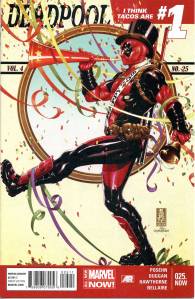
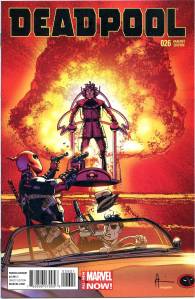
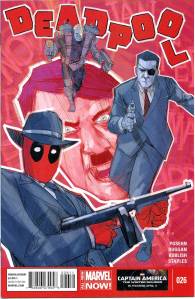
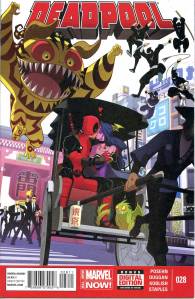
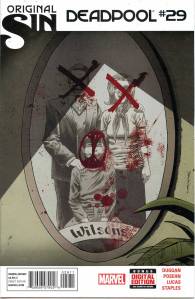
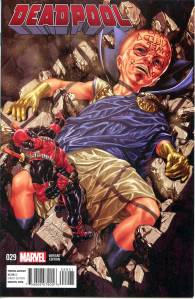
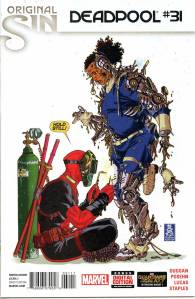
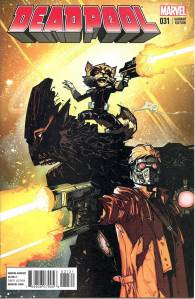
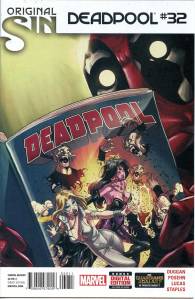
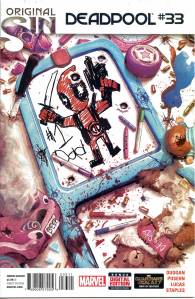
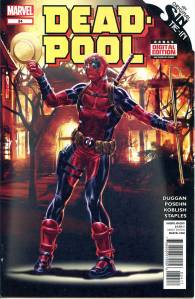
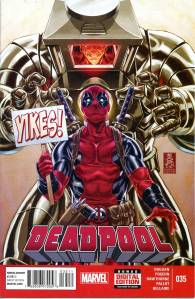
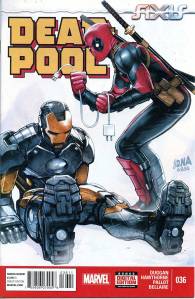
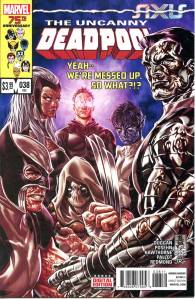
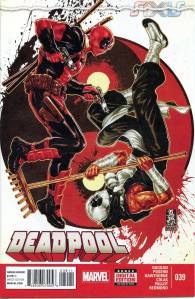
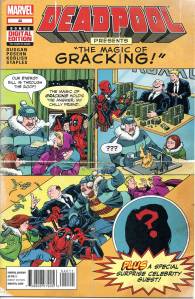
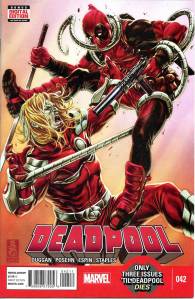
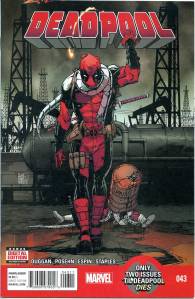
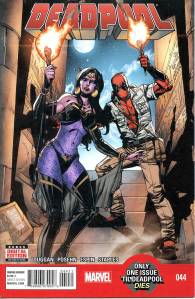
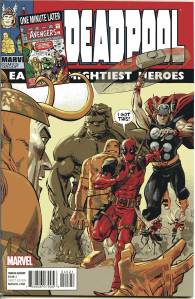
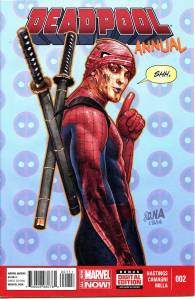
As part of Marvel’s Marvel NOW! initiative a new Deadpool ongoing series was launched. He is also a member of the Thunderbolts. In the 27th issue of his new series, as part of “All-New Marvel NOW!”, Deadpool was married for the third time. Initially a secret, his bride was revealed in the web comic Deadpool: The Gauntlet to be Shiklah, Queen of the Undead. Deadpool also discovers that he has a daughter by the name of Eleanor from a former flame of Deadpool named Carmelita.
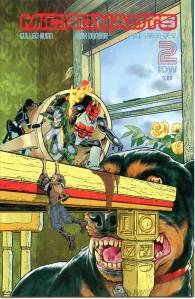
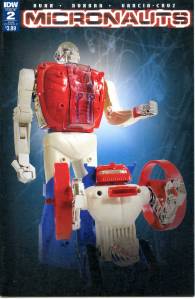
In 2015, IDW Publishing acquired publishing rights from Hasbro to produce new comic books for the Micronauts and Rom the Space Knight, both formerly popularized by Marvel as licensed properties. IDW released the first issue of their Micronauts series in April 2016, with scripts by Cullen Bunn and art by David Baldeon. The comic ran for eleven issues from 2016 to 2017. It was followed by two five-issue miniseries Micronauts: Wrath of Karza and Rom & the Micronauts which were released between 2017 and 2018.
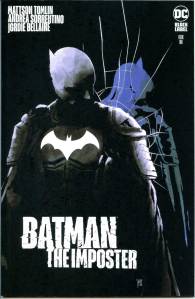
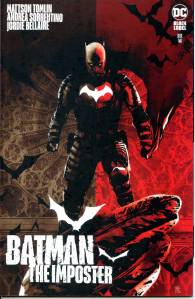
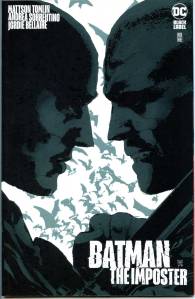
Bruce Wayne’s mission as the Batman has only been under way for a year or so, but he can tell he’s making a difference. Unfortunately, he’s made some powerful enemies. All the traditional power brokers of Gotham resent the disruption the Batman has brought to town…and it seems one of them has a plan to neutralize him. There’s a second Batman haunting Gotham’s rooftops and alleys—and this one has no qualms about murdering criminals, live and on tape.
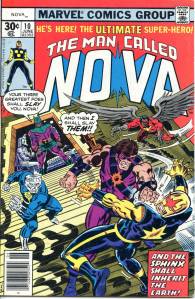
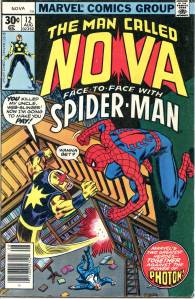
Nova was created by Marv Wolfman and Len Wein in the fanzine Super Adventures in 1966. Seven years later John Romita, Sr. tweaked the design of the character’s uniform. Nova debuted in Nova #1 in 1976, written by Wolfman and drawn by John Buscema. Wolfman intended the teenage character to be an homage to Stan Lee and Steve Ditko‘s Spider-Man, down to his humble working-class roots and alliterative alter-ego. The original Nova series, The Man Called Nova, lasted 25 issues from September 1976 to May 1979. Dangling plot lines were resolved in issues 206-214 of Fantastic Four (also by Wolfman) and issue 24 of Rom the Spaceknight. The character then disappeared into obscurity until returning as a member of the original New Warriors team debuting in The Mighty Thor #411 (December 1989), and continuing through New Warriors #1-75, Annual #1-4 (July 1990—September 1996).
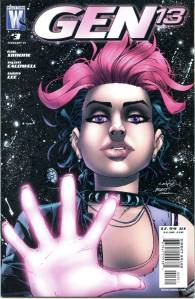
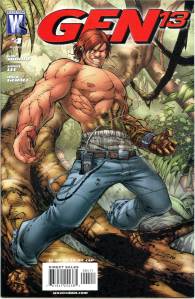
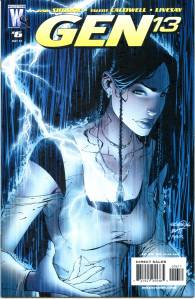
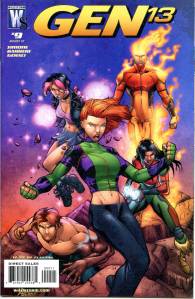
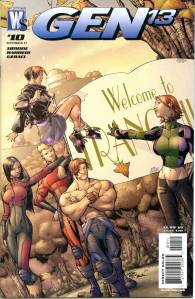
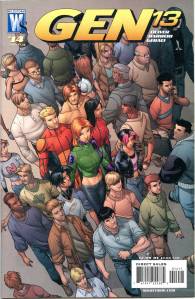
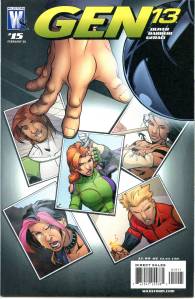
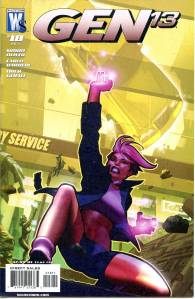
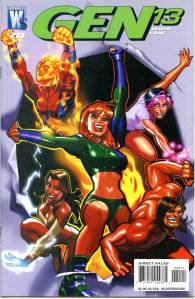
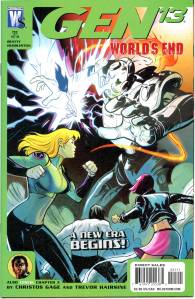
In early 2006, Wildstorm brought all its in-continuity comics since WildC.A.T.s #1 to an end. The universe’s finale came in the form of the crossover miniseries Captain Atom: Armageddon. Following the conclusion of this limited series, the entire Wildstorm line was relaunched with “Worldstorm.” A new Gen13 series began. The entire world had a “soft reset”; the surroundings were mostly familiar, but there were changes throughout.
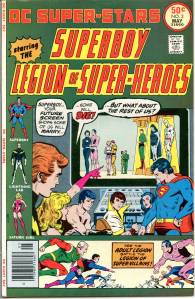
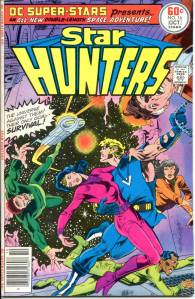
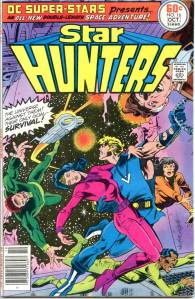
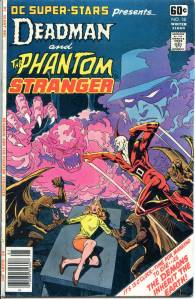
The series’ middle period was marked by theme issues — Aquaman, heroes with guns, sports, magic-users — until issue #12, which heralded the title’s second original story, featuring Superboy. From that point until DC Super Stars was cancelled after issue #18, the series contained new stories about a range of different characters (some being showcased for their own titles), as well as a collection of “secret origin” stories. The Bronze AgeHuntress made her first appearance in DC Super Stars #17 (November/December 1977) in a story written by Paul Levitz and drawn by Joe Staton and Bob Layton.
The underlying difference between this title and the other Spider-Man titles was that Marvel Knights Spider-Man was done with a more mature slant (in style if not content), thus the “Marvel Knights” prefix.
Intended to replace the canceled Spider-Man’s Tangled Web series, Marvel Knights Spider-Man was originally supposed to be written by Kevin Smith, but due to scheduling problems he was replaced by Mark Millar. When Millar completed his year-long story arc, he was followed by writer Reginald Hudlin.
With the consolidation of the Marvel Knights line, Marvel Knights Spider-Man was renamed The Sensational Spider-Man as of issue 23. At this time, Roberto Aguirre-Sacasa took over writing duties on the book.




























 EHT Comics