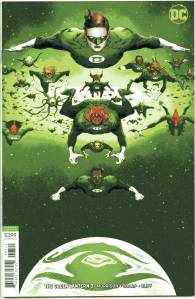
The Stories Behind The Stories Behind The Hit HBO Max Scripted Original Podcast With This Sensational Prequel One-Shot, Written By The Very Creators And Talent Who Lent Their Voices To The Show. And Unless You’ve Been Living In A Cave, You Know That After Years Of Rumors We Find Out Not Only Is The Batman Real, Not Only Is He One Of The Good Guys, Turns Out, He’s Gonna Be A Cop!
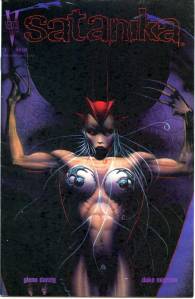
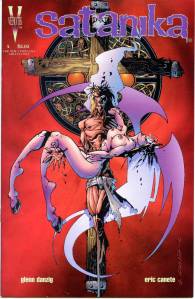
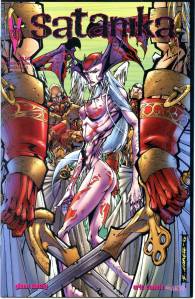
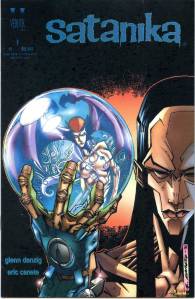
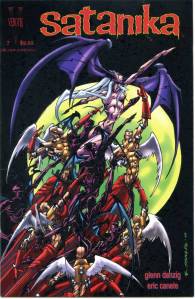
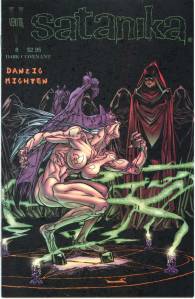
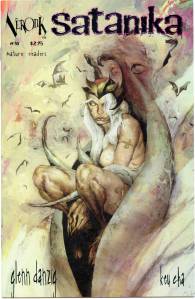
2nd Series. Satanika is a comic book character created by Glenn Danzig that first appeared in Satanika #0. Satanika was described as a demoness with some succubus-like aspects, but generally did not have a true succubus aspect to her. Through the series Satanika indulged in her sexual appetites and attracted a wide variety of attention from other demons and angels which eventually brought about her downfall.
In a church in France a priest is murdered, his body drained of blood. The Magdalena, Sister Rosalia, is sent to investigate. In the Vatican a Father Jasper comes to visit Cardinal Innocent about some relics he’s found in his church in Belgium. The Magdalena is investigating the murder scene and follows the killer’s tracks into the graveyard, where she comes face to face with a vampire whom she fights but cannot kill. She then encounters a group of vampires…
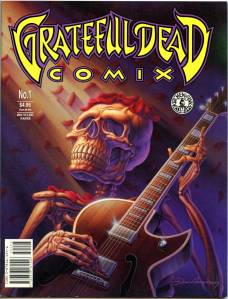
Jerry Garcia was a big comic book fan. When he made his “first real money” the very first thing he bought was a complete set of E.C. Comics. By 1991 he was ready for his band to have its own comic book series. So George Lucas’ licensing arm (representing the band at that point for ancillary merchandise) contacted longtime underground comics publisher Kitchen Sink Press to create this unusual hippie merger of music and comics. Issue No. 1 is kicked off by a great Dean Armstrong cover along with visual interpretations of four classic Dead songs: “Dire Wolf” by Tim (Scout) Truman; “Terrapin Station” (Dan Steffan); “One More Saturday Night” (Fred Carlson) and “Casey Jones” (Nina Paley), with a pin-up by Jean Giraud also known by his trippy pen name Moebius.
Once known as the greatest monster hunters of all time, the Sangerye family specialized in curing the souls of those infected by hate. But those days are fading. A terrible tragedy has claimed most of the family, leaving the surviving cousins divided between by the desire to cure monsters or to kill them. Now, though, there’s a new breed of monster loose on the streets of Harlem, and the Sangerye family must either come together or watch the human race fall to untold evil.
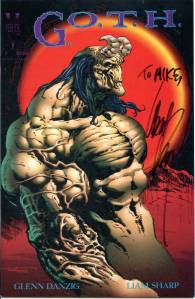
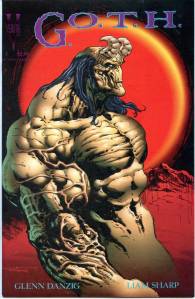
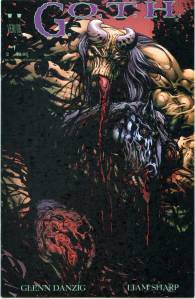
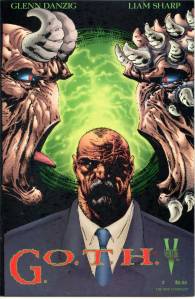
Liam Sharp, best known for his work on the Hulk and Deaths Head II and Glenn Danzig bring you the story of a covert scientific experiment that becomes uncontrollable. G.O.T.H. (Government Operation Total Hate) is the perfect blend of government intrigue and genetic horror. G.O.T.H. is a three issue mini-series with covers and interiors by Liam Sharp and story by Glenn Danzig.
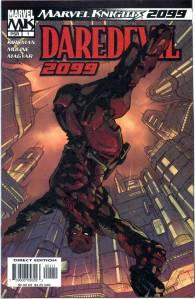
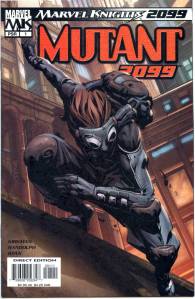
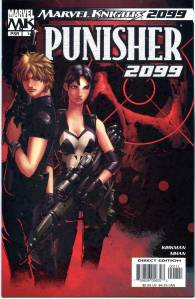
In 2004, Marvel Comics held a fifth-week event called “Marvel Knights 2099”, which took place in the future on an alternate world (Earth-2992) that was not identical to the alternate Marvel Universe on Earth-928 featured in the 1990s Marvel 2099 books.
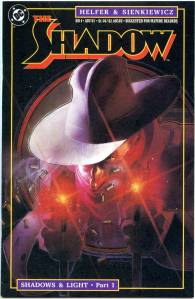
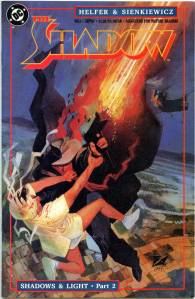
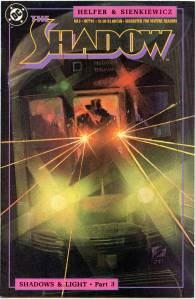
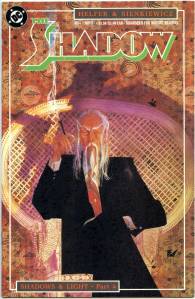
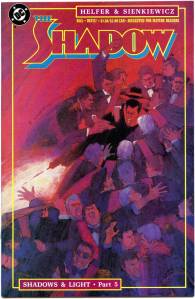
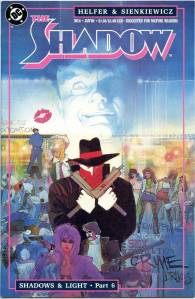
The Shadow, set in our modern era, was continued in 1987 as a monthly DC comics series by writer Andy Helfer (editor of the miniseries); it was drawn primarily by artists Bill Sienkiewicz (issues 1–6) and Kyle Baker (issues 8–19 and two Shadow Annuals).
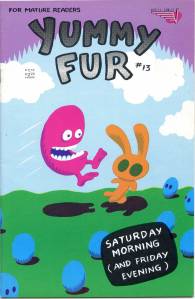
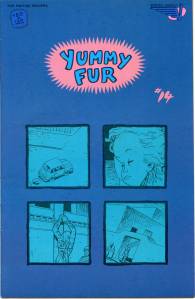
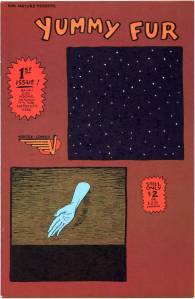
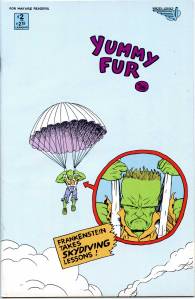
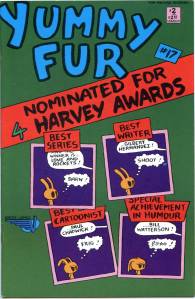
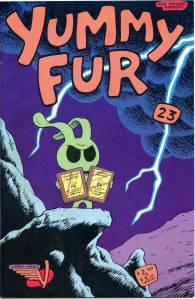
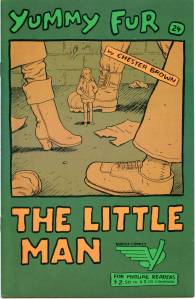
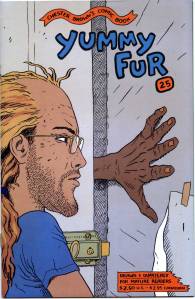
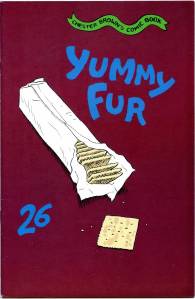
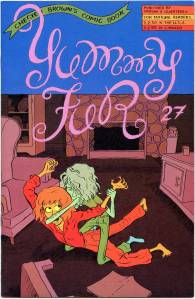
Yummy Fur (1983–1994) was a comic book by Canadian cartoonist Chester Brown. It contained a number of different comics stories which dealt with a wide variety of subjects. Its often-controversial content led to one printer and one distributor refusing to handle it.
Some of Brown’s best-known comics were first published in Yummy Fur, including the surreal, taboo-breaking Ed the Happy Clown and the comics from his autobiographical period, which included the graphic novelsThe Playboy and I Never Liked You. Also notable were the eccentric gospel adaptations that ran in most issues. The series and its collected volumes have won a number of awards, and have had a lasting influence on the world of alternative comics.
Yummy Fur started as a self-publishedminicomic which ran for seven issues, the contents of which were reprinted in the first three issues of the Vortex Comics series which started publication in December 1986. The series switched publishers to Drawn & Quarterly in 1991 until the end of its run in 1994, when Brown started on his Underwater series.