Supergirl starred in her first solo eponymous monthly series beginning in 1972 until October 1974, when her monthly title merged with Superman’s Girl Friend, Lois Lane, and Superman’s Pal Jimmy Olsen to produce a new title: then-highest DC selling series called The Superman Family, where she eventually became the steady lead story. Linda worked as a student advisor at New Athens Experimental School, before leaving for New York to follow a career in acting with daytime soap Secret Hearts.
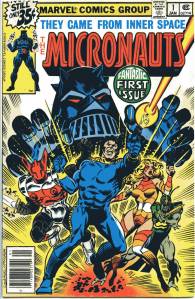
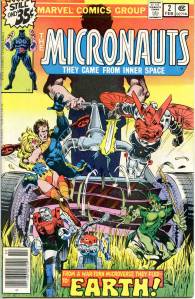
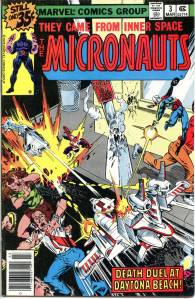
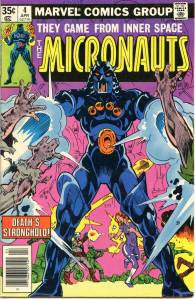
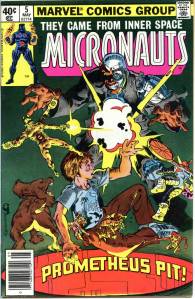
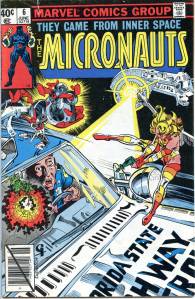
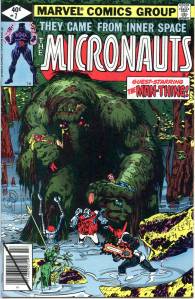
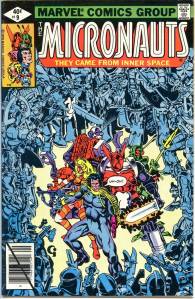
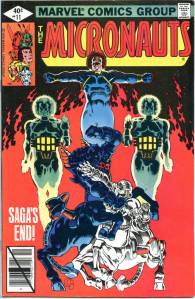
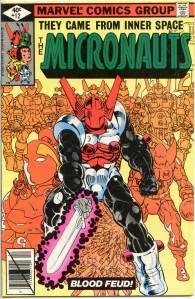
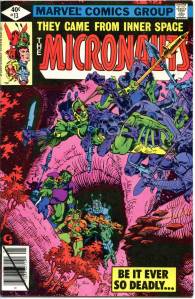
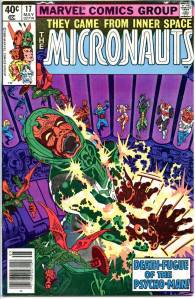
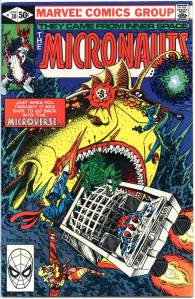
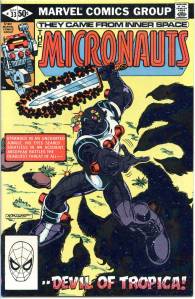
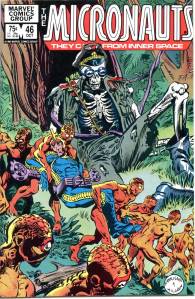
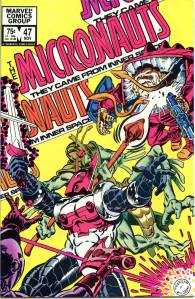
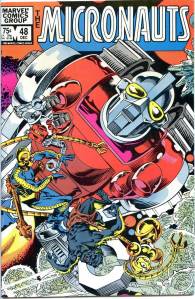
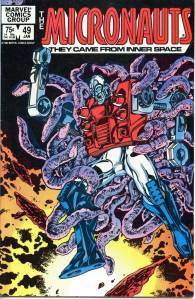
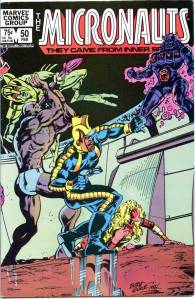
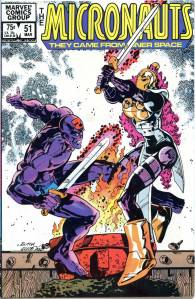
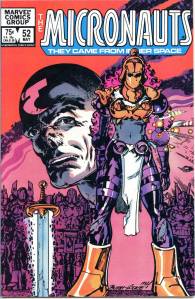
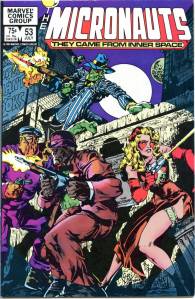
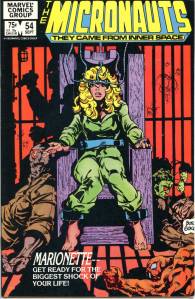
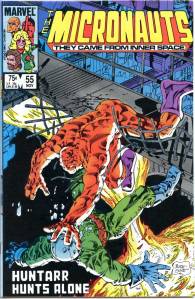
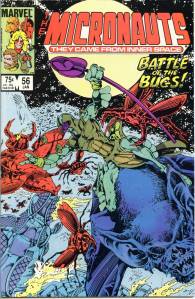
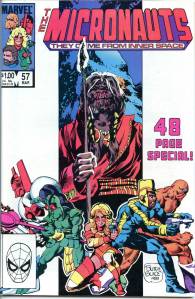
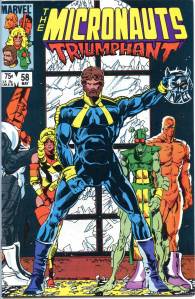
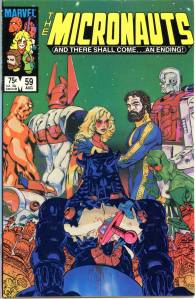
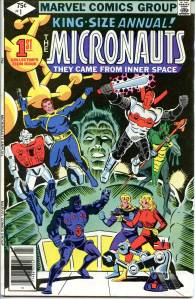
The Micronauts began life as comic book characters thanks to a fortuitous accident on Christmas 1977. Marvel Comics writer Bill Mantlo’s son Adam opened a new present, a line of the Mego Corporation‘s Micronauts action figures. Seeing the toys, Mantlo was instantly struck by inspiration to write their adventures. Convincing then Editor-in-chief Jim Shooter to get the comics license for these toys, Mantlo was hired to script their series.
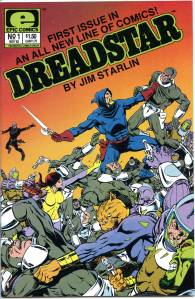
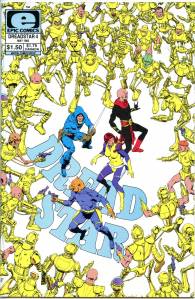
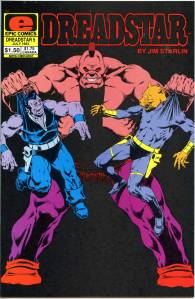
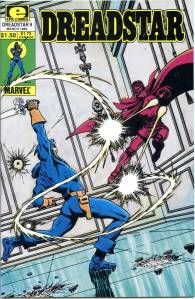
The series centered on the exploits of Vanth Dreadstar and his crew—powerful mystic Syzygy Darklock, the cybernetic telepath Willow, cat-like humanoid Oedi, and freebooter Skeevo. Vanth, newly arrived in the Empirical Galaxy after the events of Metamorphosis Odyssey, tries to live a pastoral existence on Oedi’s planet of peaceful cat-people, but his peace is disturbed by the arrival of Darklock, who wants him to get involved in the conflict between the two major forces in the galaxy, the Monarchy and the theocratical Instrumentality. Vanth refuses until the war comes to his planet, wiping out most of the population. Oedi survives and joins them; Willow and Skeevo join later, though the team is in place for the first issue.
Dreadstar takes the side of the Monarchy against the evil Lord High Papal of the Instrumentality, but his team end up becoming fugitives when the Monarchy falls, and go to great lengths to try to uncover a traitor in their midst. The transition to First Comics happened just when the traitor was about to be revealed, and the first issue published under First Comics, #27 contained this revelation.
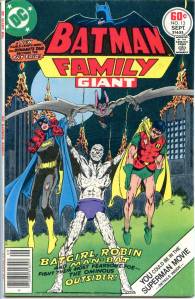
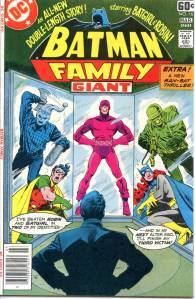
The Batman Family ran twenty issues from September-October 1975 to October-November 1978 and featured solo and team-up stories starring Batgirl and Robin. The lead story in the first issue teaming Batgirl and Robin was originally intended for publication in an issue of 1st Issue Special.The series additionally featured reprints of Golden Age and Silver Age stories. Many issues of Batman Family featured Batman supporting characters such as Alfred Pennyworth, Vicki Vale, the Elongated Man, the Huntress, and Ace the Bat-Hound. Writer Bob Rozakis introduced the Duela Dent character in issue #6 (July–August 1976)and revived the original Batwoman in issue #10 (March–April 1977).The series began featuring only new material as of issue #11 (May-June 1977) and Man-Bat began appearing as a regular feature. Batman Family converted to the Dollar Comics format with issue #17 (April–May 1978).
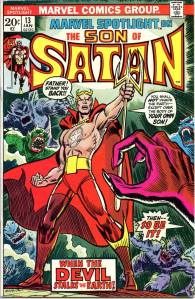
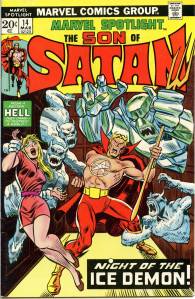
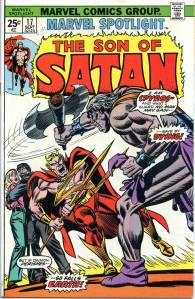
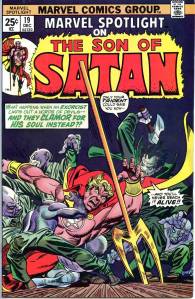
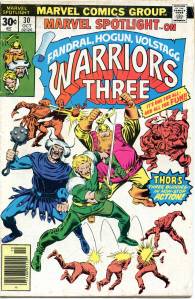
Encouraged by the success of Ghost Rider and The Tomb of Dracula, both of which starred occult characters, Stan Lee proposed a series starring Satan, to be titled The Mark of Satan. Editor Roy Thomas had reservations about this idea and suggested a series focusing on the son of Satan instead. (Due to an oversight, “The Mark of Satan” is mentioned in a blurb in Ghost Rider #1).
The character Daimon Hellstrom first appeared in Ghost Rider vol. 1, #1 (Sept. 1973), then was spun off into a feature, “Son of Satan”, in Marvel Spotlight #12–24 (Oct. 1973 – Oct. 1975). During the “Son of Satan” run, Marvel Spotlight was a controversial series, with numerous readers writing to object to the depictions of satanism and wiccanism as being either inaccurate or furthering the cause of evil. Nonetheless, sales were strong, prompting Marvel to launch the character into his own series, Son of Satan, written by John Warner. The character’s success faded soon after the series launch, and Son of Satan was cancelled with issue #7, though an unused fill-in was published as Son of Satan #8 (Feb. 1977).
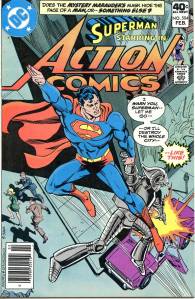
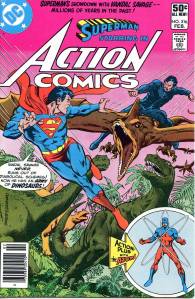
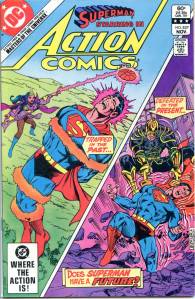
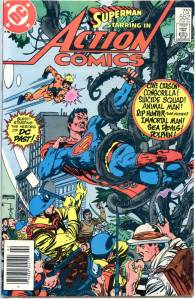
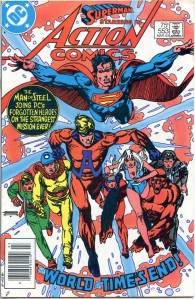
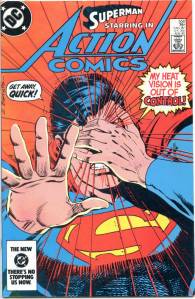
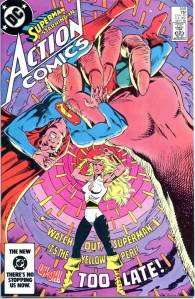
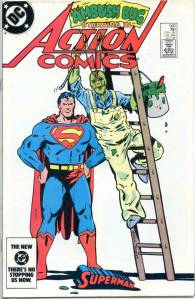
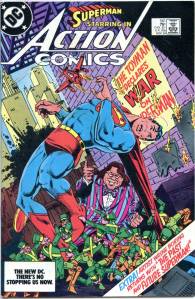
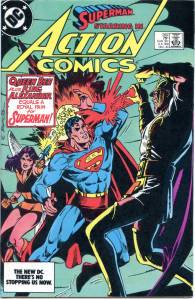
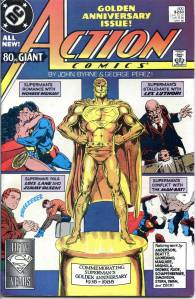
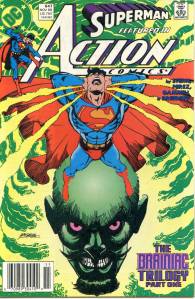
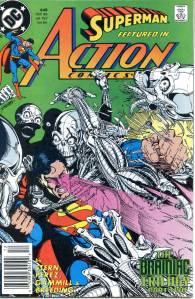
The superheroine Vixen made her first appearance in Action Comics #521 (July 1981). To mark the 45th anniversary of the series, Lex Luthor and Brainiac were both given an updated appearance in issue #544 (June 1983). Lex Luthor dons his war suit for the first time in the story “Luthor Unleashed!” and Brainiac’s appearance changes from the familiar green-skinned android to the metal skeletal-like robot in the story “Rebirth!”. Schwartz ended his run as editor of the series with issue #583 (September 1986) which featured the second part of the “Whatever Happened to the Man of Tomorrow?” story by Alan Moore and Curt Swan.
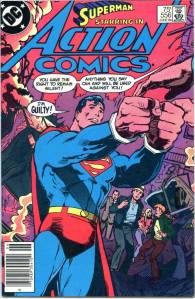
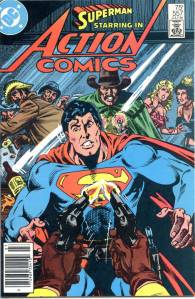
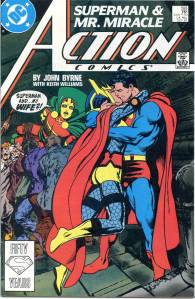
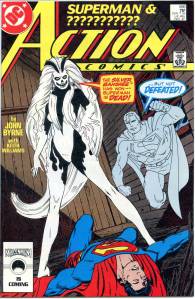
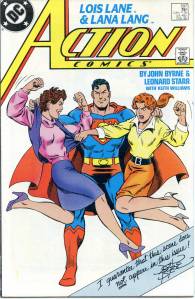
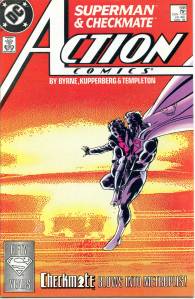
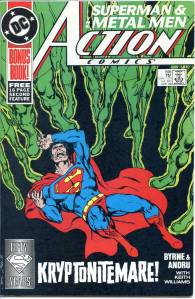
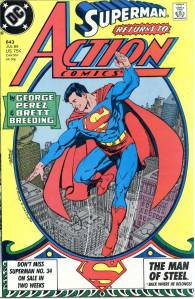
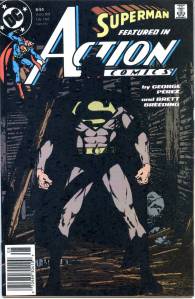
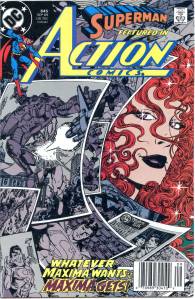
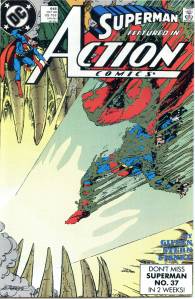
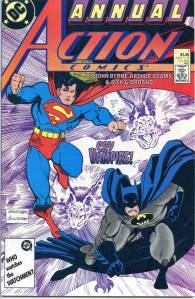
Following the events of Crisis on Infinite Earths, writer/artist John Byrne relaunched the Superman franchise in The Man of Steel limited series in 1986.Action Comics became a team-up title with issue #584 (January 1987). The first Action Comics Annual was published in 1987 and featured Superman teaming with Batman in a story written by Byrne and drawn by Arthur Adams. A DC Comics Bonus Book was included in issue #599 (April 1988).
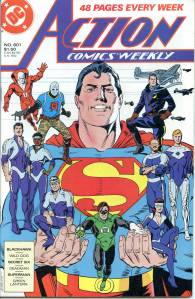
From May 24, 1988 – March 14, 1989, the publication frequency was changed to weekly, the title changed to Action Comics Weekly, and the series became an anthology. Prior to its launch, DC cancelled its ongoing Green Lantern Corps title, and made Green Lantern and his adventures exclusive to Action Comics Weekly.
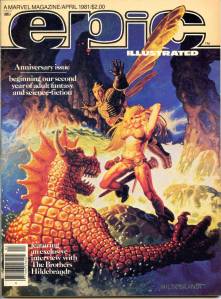
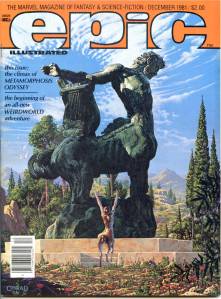
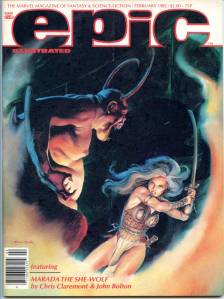
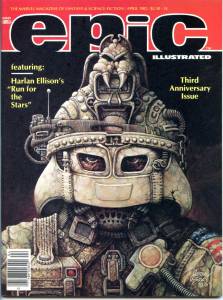
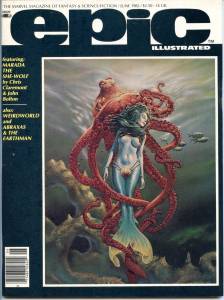
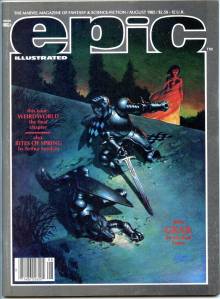
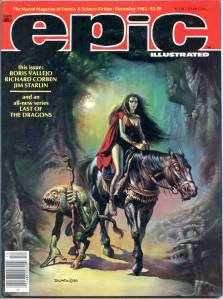
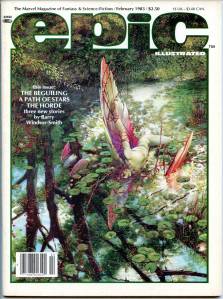
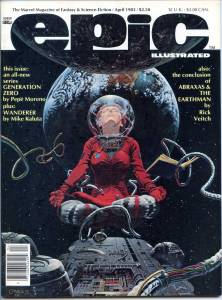
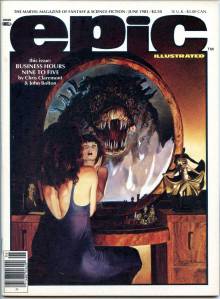
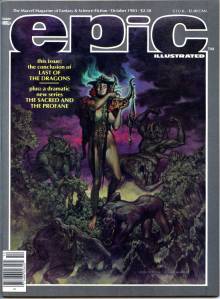
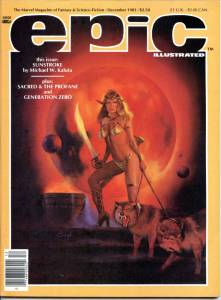
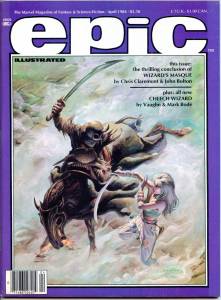
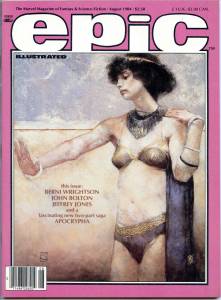
Epic Illustrated was a comics anthology in magazine format published in the United States by Marvel Comics. Similar to the US-licensed comic book magazine Heavy Metal, it allowed explicit content to be featured, unlike the traditional American comic books of that time bound by the restrictive Comics Code Authority, as well as offering its writers and artists ownership rights and royalties in place of the industry-standard work for hire contracts. The series lasted 34 issues from Spring 1980–February 1986.
A color comic-book imprint, Epic Comics, was spun off in 1982.
Kong the Untamed is a comic book series published by DC Comics that ran for five issues. It was created in 1975 by writer Jack Oleck and artist Alfredo Alcala. The title character, Kong, is an intelligent caveman who is a direct descendant of Anthro, another DC Comics caveman character.
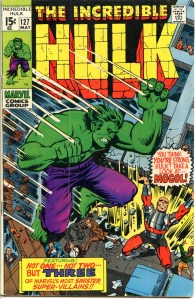
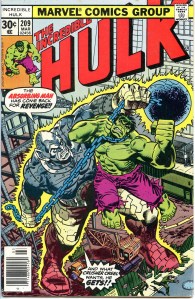
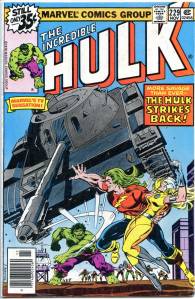
The 1970s saw Banner and Betty nearly marry in The Incredible Hulk #124 (Feb. 1970).Betty ultimately married Talbot in issue #158 (Dec. 1972).The Hulk also traveled to other dimensions, one of which had him meet empress Jarella, who used magic to bring Banner’s intelligence to the Hulk, and came to love him. It was during this period that the Hulk helped to form the Defenders.
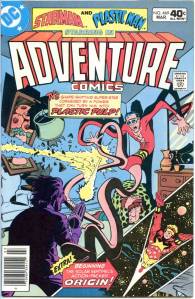
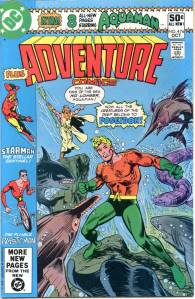
As of #425 (December 1972), Adventure Comics theme changed from superhero adventure to fantasy/supernatural adventure. That issue debuted one new feature along with three non-series stories, the pirate saga “Captain Fear”. The next edition added a semi-anthology series, “The Adventurers’ Club”. Soon, editor Joe Orlando was trying out horror-tinged costumed heroes, first Black Orchid, then the Spectre. Before long, though, conventional superheroes returned to the book, beginning behind the Spectre, first a three-issue run of Aquaman (issues #435–437, an early assignment for Mike Grell) and then a newly drawn 1940s Seven Soldiers of Victory script (issues #438–443). Aquaman was promoted to lead (issues #441-452), and backing him up were three-part story arcs featuring the Creeper (#445–447), the Martian Manhunter (#449–451), bracketed by issue-length Aquaman leads. He was awarded his own title and Superboy (#453-458) took over Adventure with Aqualad (#453–455) and Eclipso (#457–458) backups. Following this was a run as a Dollar Comic format giant-sized book (issues #459-466), including such features as the resolution of the Return of the New Gods (cancelled in July–August 1978), “Deadman“, and “Justice Society of America“.



























 EHT Comics