The series began by introducing Shang-Chi as a man raised by his father Fu Manchu to be the ultimate assassin for the would-be world conqueror. In Shang-Chi’s first mission, he kills one of his father’s old enemies, Dr. Petrie, and learns of Fu Manchu’s true, evil nature. Disillusioned, Shang-Chi swears eternal opposition to his father’s ambitions and fights him as an agent of British intelligence, under the orders of Sir Denis Nayland Smith.
The series was an instant sales success. However, Englehart and Starlin would depart the series after their third issue, Master of Kung Fu # 17; Englehart over editorial disputes with then Marvel editor Roy Thomas while Starlin, who was unfamiliar with Fu Manchu up until working on the second issue of the series, left out of embarrassment over the racist nature of the Rohmer novels. Despite the title’s co-creators’ early departure, its success grew once writer Doug Moench and artist Paul Gulacy, began collaborating in issues #22. Comics historian Les Daniels observed that “Ingenious writing by Doug Moench and energetic art by Paul Gulacy brought Master of Kung Fu new life.” Their critically acclaimed run continued, with short gaps, until #51 when Gulacy was replaced by artist Jim Craig. Craig was later succeeded by Mike Zeck who became the regular penciller in issue #64 (1978).
Supergirl (Volume 2) was published from November of 1982 until September of 1984, spanning a total of 23 issues. The series was initially entitled, the Daring New Adventures of Supergirl, but shortened the title to simply, Supergirl, with issue #13. This was the last regular comic series to feature the Pre-CrisisKara Zor-El as Supergirl.
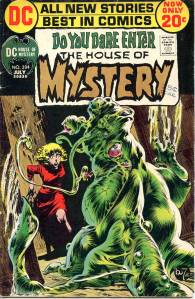
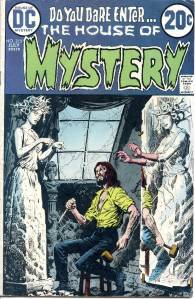
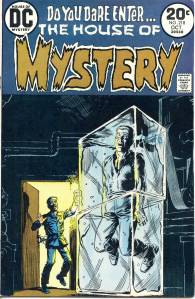
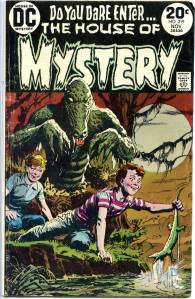
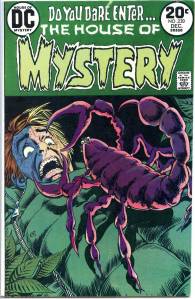
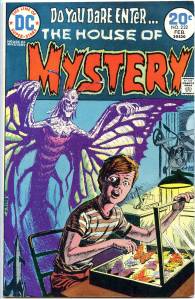
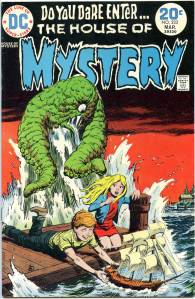
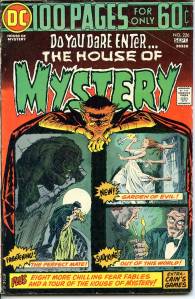
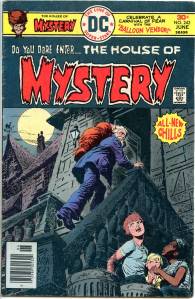
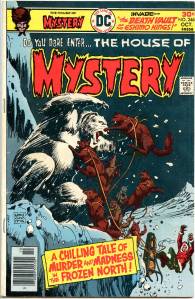
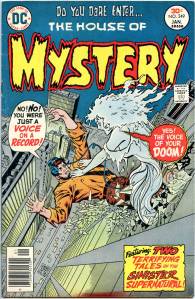
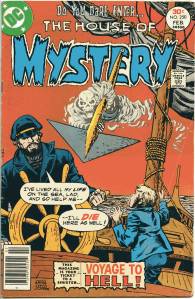
With issue #174, EC Comics veteran Joe Orlando was hired by DC to take over as editor of House of Mystery. As the Comics Code Authority was now being challenged by both DC and Marvel over content restrictions, the series returned to its overt horror themes. The first issue under Orlando would be a reprint issue of old horror/suspense stories, as the new direction would truly begin with #175 (July–August 1968). The issue would introduce a new figure to the series, Cain, the “able care taker” of the House of Mystery who would introduce nearly all stories that would run in the series before its cancellation. Cain would also host the spin-off humor series Plop! and later become a recurring character in Blue Devil and The Sandman.
Artist Bernie Wrightson‘s first professional comic work was the story “The Man Who Murdered Himself” which appeared in issue #179 (March–April 1969)
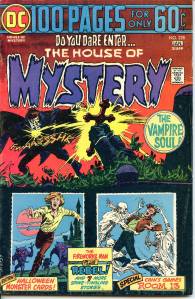
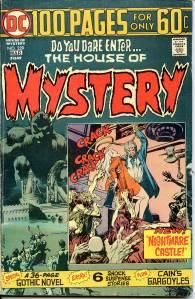
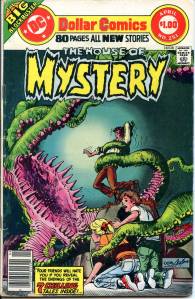
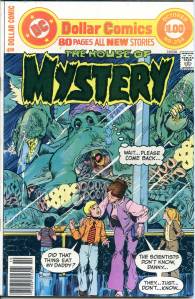
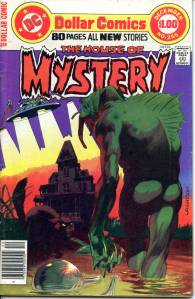
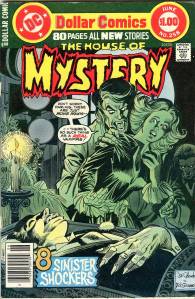
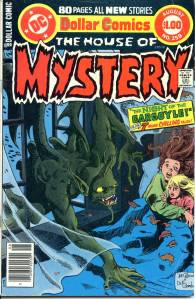
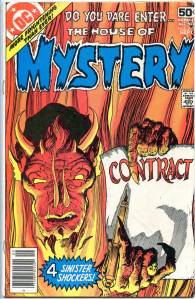
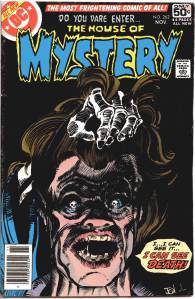
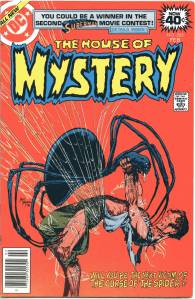
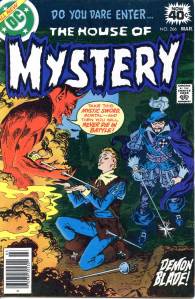
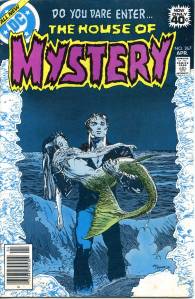
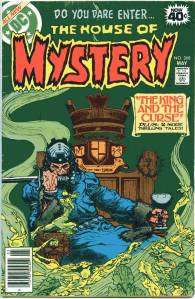
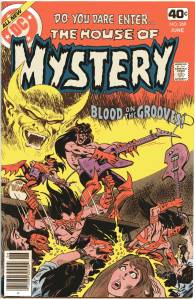
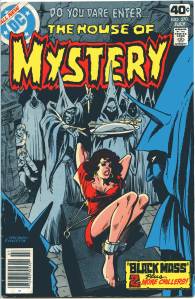
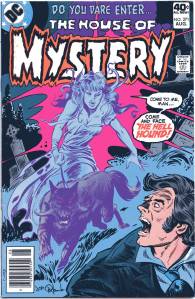
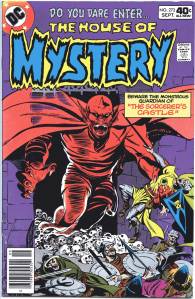
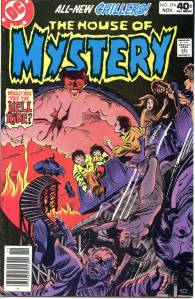
House of Mystery was in the Dollar Comics format for issues #251 (March–April 1977) to #259 (July–August 1978). House of Mystery featured stories by writers T. Casey Brennan (#260, 267, 268 and 274) and Scott Edelman (#257, 258, 260, 264, 266, 270, 272, 273). Orlando’s tenure as editor ended with #257 (March–April 1978).
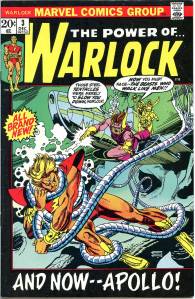
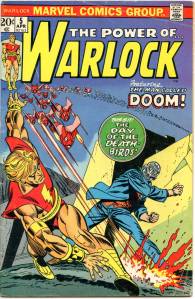
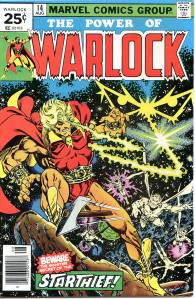
In 2009, Thomas explained he had been a fan of the soundtrack to the musical Jesus Christ Superstar and sought to bring the story to comic books in a superhero context: “Yes, I had some trepidation about the Christ parallels, but I hoped there would be little outcry if I handled it tastefully, since I was not really making any serious statement on religion… at least not overtly.” Choosing to use a preexisting character while keeping the series locale separate from mainstream Marvel Earth, he created Counter-Earth, a new planet generated from a chunk of Earth and set in orbit on the opposite side of the sun. Thomas and Kane collaborated on the costume, with the red tunic and golden lightning bolt as their homage to Fawcett Comics‘ 1940s-1950s character Captain Marvel. The story continued in the series The Power of Warlock, which ran eight issues (Aug. 1972 – Oct. 1973)
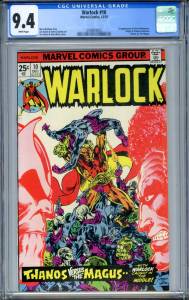
Writer-artist Jim Starlin revived Warlock in Strange Tales #178-181 (Feb.-Aug. 1975). Warlock’s adventures became more cosmic in scope as Starlin took the character through an extended storyline referred to as “The Magus Saga.”
The reimagined title continued the numbering of The Power of Warlock and began with Warlock #9 (Oct. 1975) and ran seven issues. The bimonthly series was initially written and drawn by Starlin, but was eventually co-penciled and inked by Steve Leialoha.
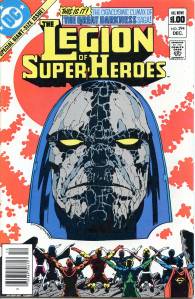
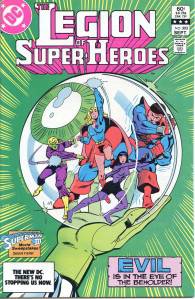
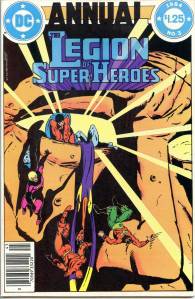
Paul Levitz returned to write the series with #284. Pat Broderick and Bruce Patterson illustrated the title for a short time before Keith Giffen began on pencils, with Patterson, and then Larry Mahlstedt, on inks. The creative team received enhanced popularity following “The Great Darkness Saga“, which ran from #287; #290–294; and Annual #3, featuring a full assault on the United Planets by Darkseid. Comics historian Les Daniels observed that “Working with artist Keith Giffen, Levitz completed the transformation of Legion into a science-fiction saga of considerable scope and depth.”
The Legion celebrated issue #300 (June 1983) by revisiting the “Adult Legion” storyline through a series of parallel world short stories illustrated by a number of popular Legion artists from previous years. The story served to free up Legion continuity from following the “Adult Legion” edict of previous issues.
The Dark Crystal was adapted into comic book form by Marvel Comics. It debuted as a 68 page adaptation in Marvel Super Special #24, in 1982. The story was later re-printed in two issues in April and May, 1983.
This was the first of three Marvel adaptations of Jim Henson movies; it was followed by The Muppets Take Manhattan in 1984, and Labyrinth in 1986.
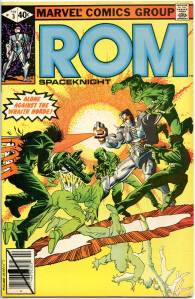
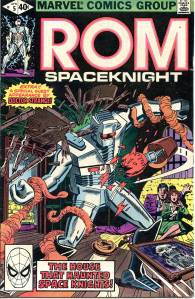
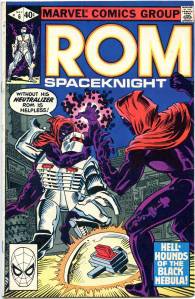
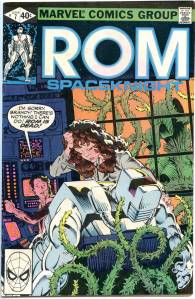
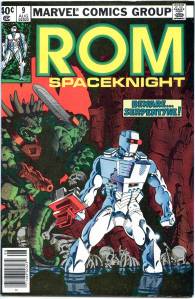
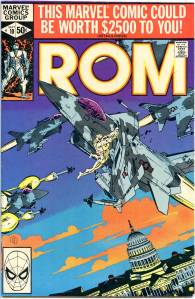
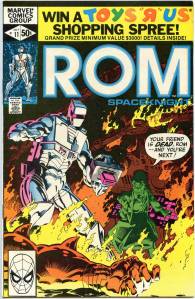
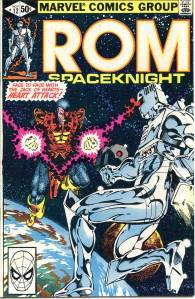
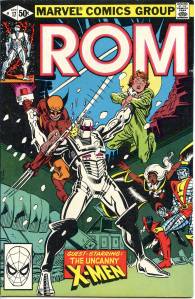
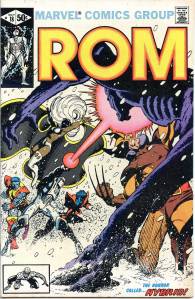
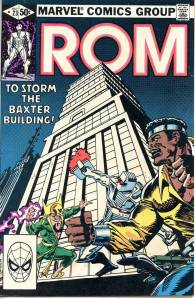
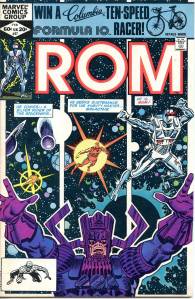
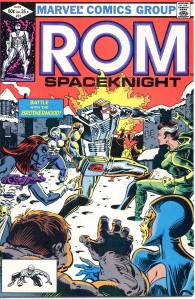
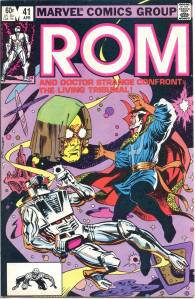
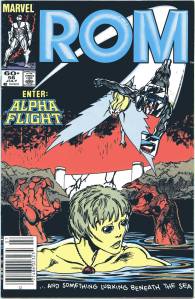
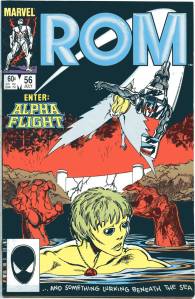
To build interest in the ROM toy, Parker Brothers licensed the character to Marvel Comics, which created a comic book featuring Rom. The comic expanded on the premise that Rom was a cyborg and gave him an origin, personality, set of supporting characters and villains, as well as interaction within the Marvel Universe. The comic was written by Bill Mantlo and initially illustrated by artist Sal Buscema. Buscema stated in a 2010 interview, “I liked the character. And I liked what they did with it. I thought the concept was quite good. It was unique. It made it attractive to do. I almost hate to say this, but it was pretty easy to draw, too.” Buscema was the main artist for the series from its creation through 1984. Steve Ditko took over for the final two years of the original run.
Ultimately, the toy failed and only sold 200,000 to 300,000 units in the US, with creator McCoy blaming the failure on poor packaging and marketing. Parker Brothers subsequently abandoned the line.
The comic book outlasted the toy which it was created to support. The series lasted for 75 issues (not including the four annual issues) from December 1979 to February 1986. Rom’s regular encounters with mainstream heroes and villains established him as part of Marvel continuity.
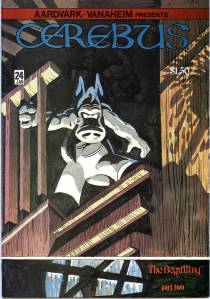
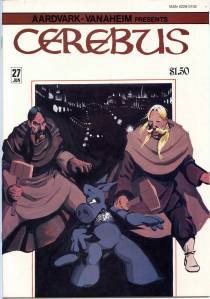
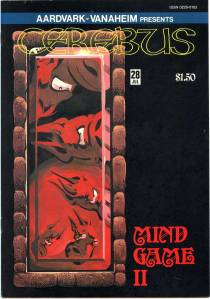
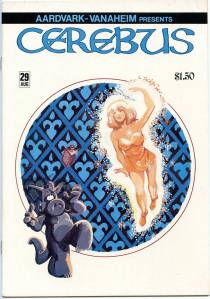
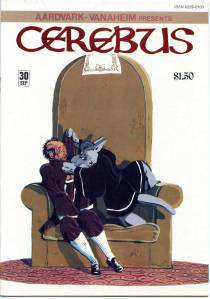
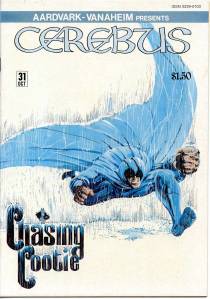
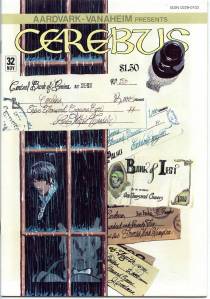
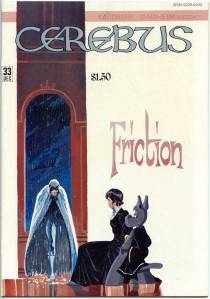
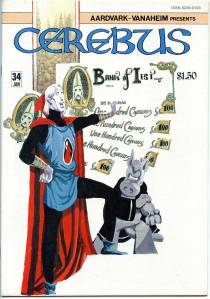
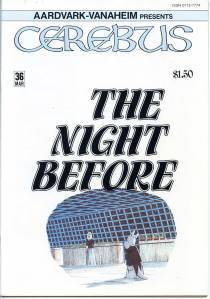
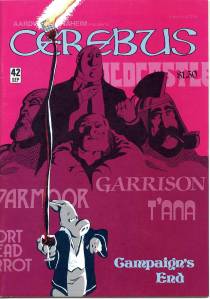
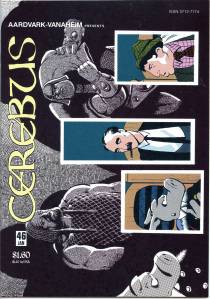
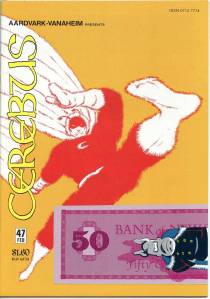
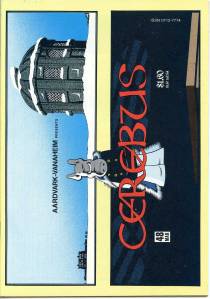
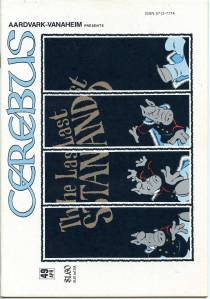
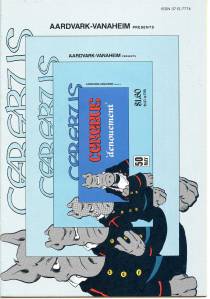
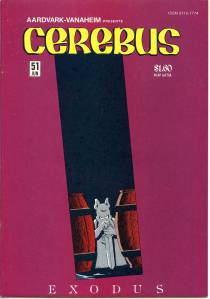
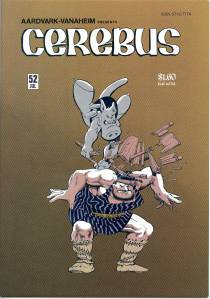
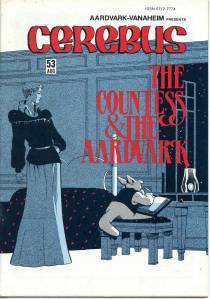
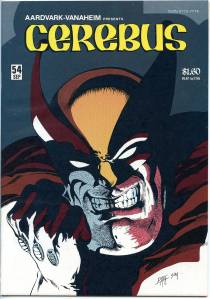
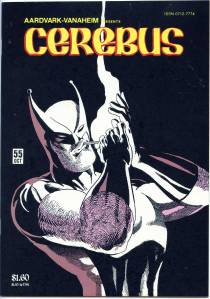
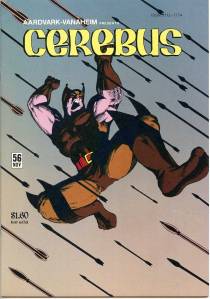
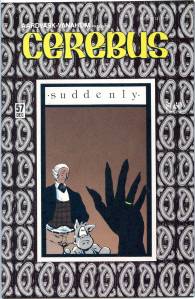
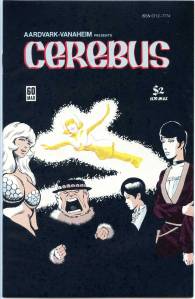
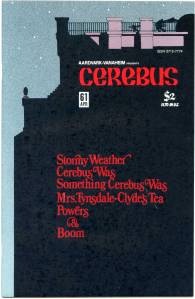
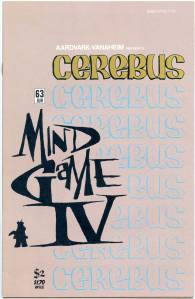
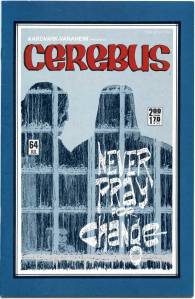
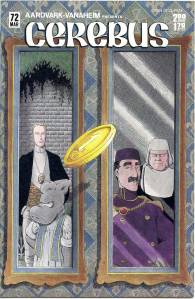
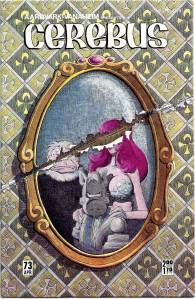
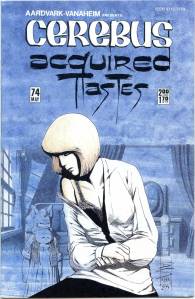
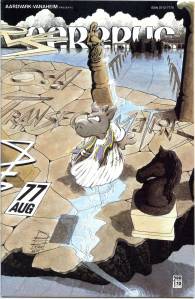
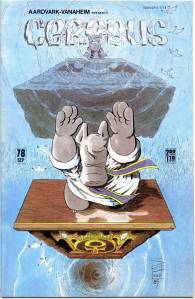
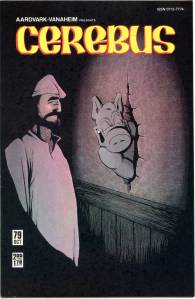
Cerebus the Aardvarkis a series created by Canadian cartoonist Dave Sim, which ran from December 1977 until March 2004. The title character of the 300-issue series was an anthropomorphic aardvark who takes on a number of roles throughout the series—barbarian, prime minister and Pope among them. The series stands out for its experimentation in form and content, and for the dexterity of its artwork, especially after background artist Gerhard joined in with the 65th issue. As the series progressed, it increasingly became a platform for Sim’s controversial beliefs.
The 6000-page story is a challenge to summarize. Beginning as a parody of sword and sorcery comics, it moved into seemingly any topic Sim wished to explore — power and politics, religion and spirituality, gender issues, and more. It progressively became more serious and ambitious than its parodic roots — what has come to be dubbed “Cerebus Syndrome“. Sim announced early on that the series would end with the death of the title character. The story has a large cast of characters, many of which began as parodies of characters from comic books and popular culture.
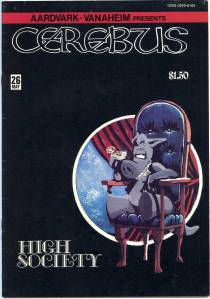
Starting with the High Society storyline, the series became divided into self-contained “novels”, which form parts of the overall story. The ten “novels” of the series have been collected in 16 books, known as “Cerebus phonebooks” for their resemblance to telephone directories. At a time when the series was about 70% completed, celebrated comic book writer Alan Moore wrote, “Cerebus, as if I need to say so, is still to comic books what Hydrogen is to the Periodic Table.”
Tomb of Darkness, published by Marvel, continues from the “Beware” title with issue #9. The series ran 14 issues from July 1974 to November 1976 and contained various Atlas horror reprints.
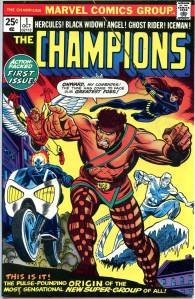
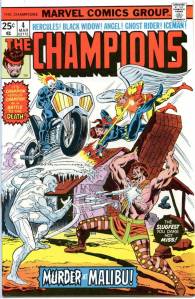
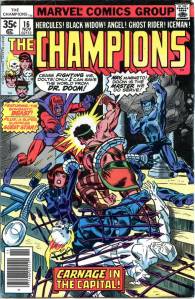
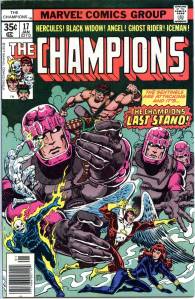
The team first appears in The Champions #1 (October 1975) and was created by writer Tony Isabella and artist Don Heck. The Champions, and ran for seventeen issues from October 1975 to January 1978. In addition to Don Heck, artists who drew the series include George Tuska, Bob Hall, and John Byrne
Heroic Publishing has used the name “The Champions” for a role-playing game series which has been adapted into comic books. The United States Patent and Trademark Office has ruled that Marvel abandoned its trademark of the name and can no longer use “The Champions” as the name of a comic book series. A planned 2007 revival of the series was renamed The Order.




































 EHT Comics