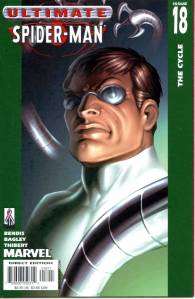
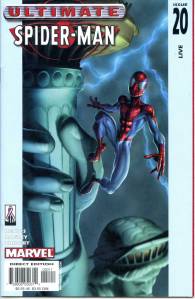
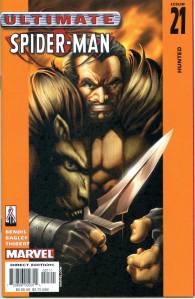
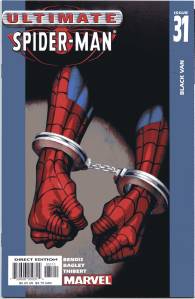
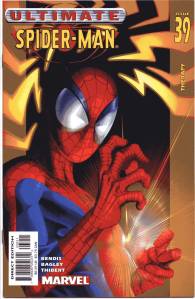
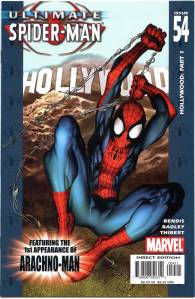
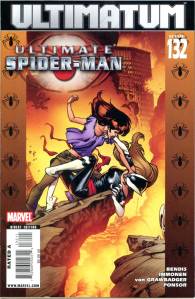
Ultimate Spider-Man was published by Marvel Comics from 2000 to 2009. The series is a modernized re-imagining of Marvel’s long-running Spider-Man comic book franchise as part of the company’s Ultimate Marvel imprint. Ultimate Spider-Man exists alongside other revamped Marvel characters in Ultimate Marvel titles including Ultimate X-Men, Ultimate Fantastic Four, and The Ultimates.
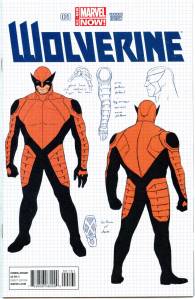
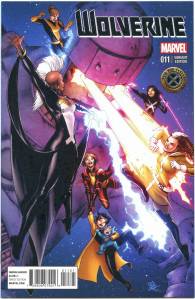
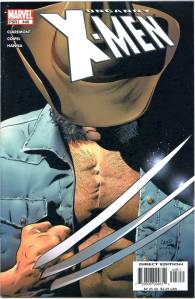
When Wolverine finds himself the bargaining chip in a hostage situation, he must make a decision to save a little boy that will follow him forever…literally! How can a berserker fight what he can’t see? And how far will he go to assert his humanity in the face of the Unknown? Find out when superstars Paul Cornell and Alan Davis take on the Wolverine!
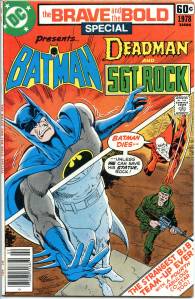
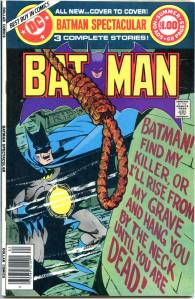
DC Special Series was an umbrella title for one-shots and special issues published by DC Comics between 1977 and 1981. Each issue featured a different character and was often in a different format than the issue before it. DC Special Series was published in four different formats: Dollar Comics, 48 page giants, digests, and treasury editions. Neither the umbrella title nor the numbering system appear on the cover; the title “DC Special Series” appeared only on the first page in the indicia. Most issues featured new material, but eight issues were reprints of previously published material.
DC Special Series #7 FN+ $6
DC Special Series #8 FN-VF $10
DC Special Series #15 -Batman Spectacular F-VF $19
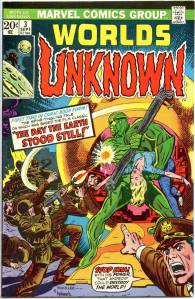
Worlds Unknown ran eight issues, cover-dated May 1973 to August 1974. The title was one of four launched by Marvel Comics editor-in-chief Roy Thomas to form a line of science fiction and horroranthologies with more thematic cohesiveness than the company’s earlier attempts that decade, which had included such series as Chamber of Darkness and Tower of Shadows. Whereas those titles generally presented original stories, these new books would instead adapt genre classics and other works.
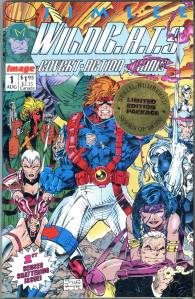
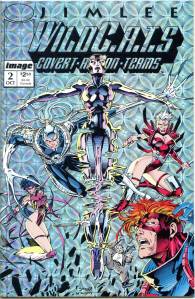
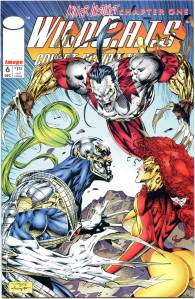
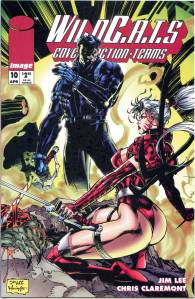
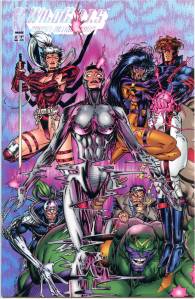
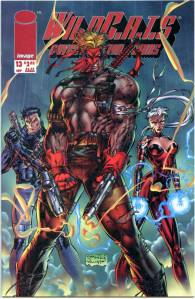
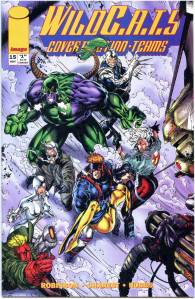
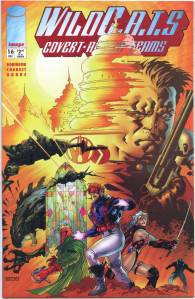
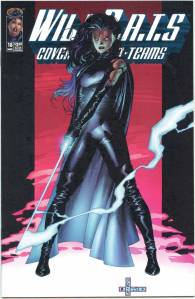
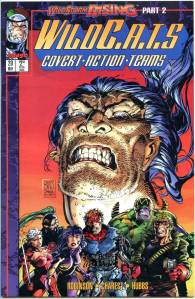
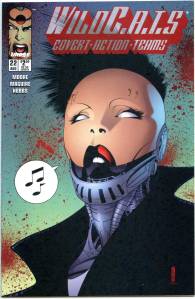
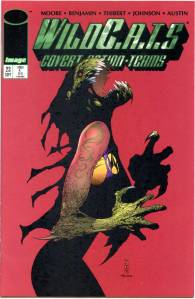
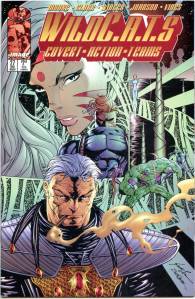
The team first appeared in August 1992 in the first issue of their eponymous comic book WildC.A.T.s: Covert Action Teams, published by Image Comics. It was Image founding partner Jim Lee’s first work published by the newly launched company, and his first creator-owned project. The Wildcats were the starting point for Lee’s menagerie of interconnected superhero creations which became the foundation of the Wildstorm Universe. The Wildcats launched at the apex of a speculator-fueled comics sales boom and was wildly popular at its inception, with wholesale sales to comic book stores above one million copies for early issues. This first series ran for 50 issues, and in addition to Lee, featured work by comics creators such as Travis Charest, Chris Claremont, James Robinson and Alan Moore. This popularity saw the property expand into other media, with an animated adaptation of the comic debuting on CBS in 1994 and a toyline from Playmates Toys.
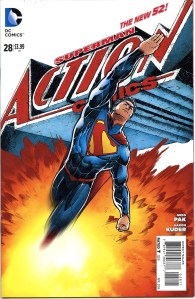
As with all of the books associated with the DC relaunch, Clark Kent appears to be about five years younger than the previous incarnation of the character (where it would focus on the early days of Superman’s career, whereas the main series would focus on the present). Superheroes at large have appeared only in the past five years, and are viewed with at best, suspicion, and at worst, outright hostility. The storyline in Action Comics takes place about a year before the events of Justice League #1, and was referred to by DC Co-Publisher Dan DiDio as “DC Universe Year Zero” while JL operates as “Year One.” The Man of Steel is not yet trusted by the citizens of Metropolis and wears a basic costume consisting of a caped T-shirt, jeans and work boots.
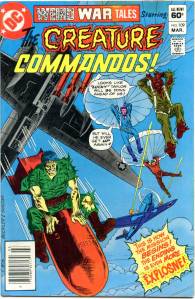
The original title ran for 12 years and 124 issues. It was an anthology series that told war stories with horror, mystery, fantasy and science fiction elements. Changes in the Comics Code Authority made the use of horror elements possible. The first seven issues were reprinted material. Each issue beginning with issue #8 was hosted by Death, usually depicted as a skeleton dressed in a different military uniform each issue. The title’s name was inspired by editor Joe Orlando.Walt Simonson‘s first professional published comic book work appeared in Weird War Tales #10 (January 1973).Roger McKenzie and Frank Miller‘s first collaboration was on a two-page story published in Weird War Tales #68 (October 1978). Recurring characters began to appear late in the series run, notably the G.I. Robot, and the return of “The War that Time Forgot” which originally ran in Star Spangled War Stories. Writer J. M. DeMatteis and penciler Pat Broderick created the Creature Commandos in Weird War Tales #93 (November 1980).
From the legendary Leiji Matsumoto, along with Jerome Alquie, comes an epic new story! Set within the timeline of the original series, this brand-new Captain Harlock adventure marks the beginning of a new story arc. Planet Earth is threatened by an upcoming invasion by the Sylvidres and despite being banished as a pirate, Captain Harlock won’t give up trying to save the world. This time, the source of danger comes directly from Earth, not outer space. A team of scientists discovers a Sylvidres mausoleum where they find information about terrifying genetic manipulations and a destructive power capable of either providing the Sylvidres with immortality or putting an end to their civilization. The unprecedented cold spell hitting Earth might only be a taste of what this new enemy has in store… Will Captain Harlock and his crew manage to solve this mystery and save the Earth from yet another menace?
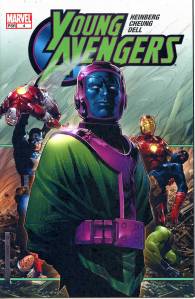
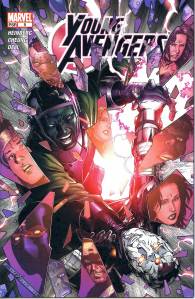
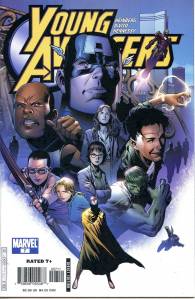
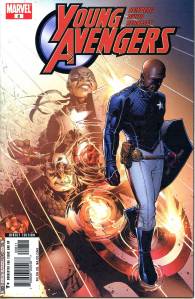
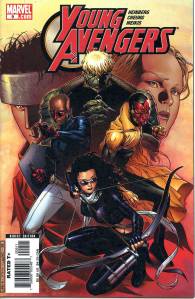
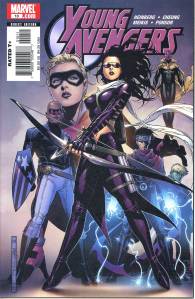
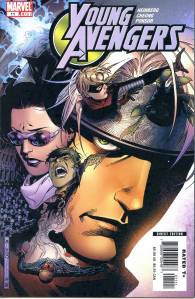
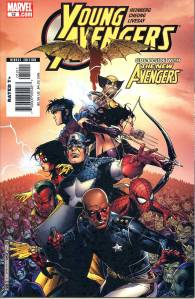
The team, created by Allan Heinberg and Jim Cheung, features numerous adolescent characters who typically have connections to established members of Marvel’s primary superhero team, the Avengers. The Young Avengers originally featured in a twelve issue run, later appearing in several notable Marvel crossover series, including the Civil War and The Children’s Crusade events, before the series was relaunched in January 2013 as part of the Marvel NOW! rebranding by writer Kieron Gillen and artist Jamie McKelvie.
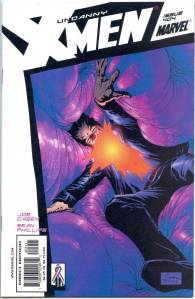
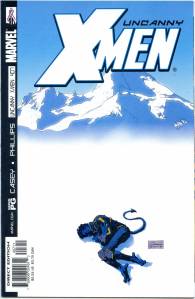
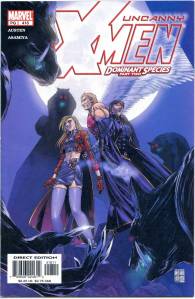
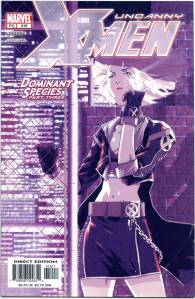
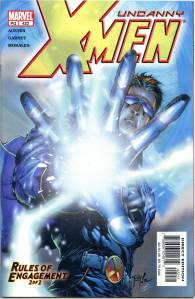
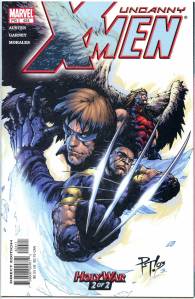
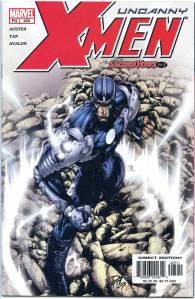
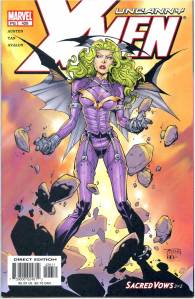
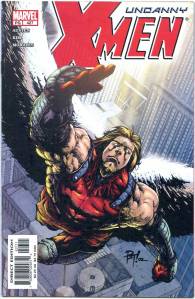
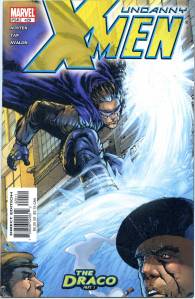
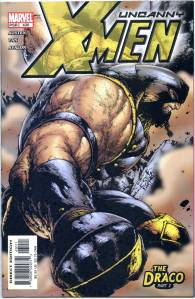
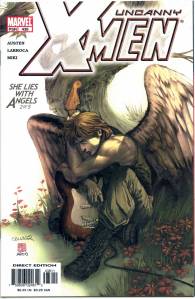
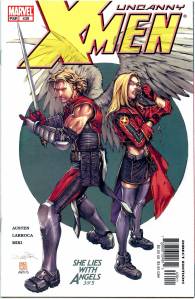
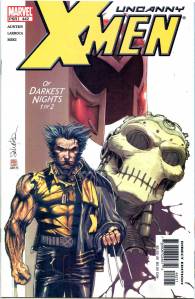
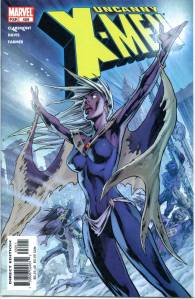
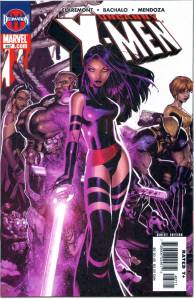
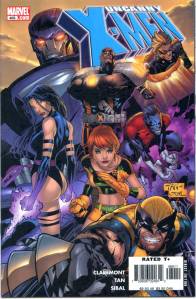
Chris Claremont made a brief return from #381 (June 2000) to #389, at which point he transferred to the new X-Treme X-Men title, as Grant Morrison took over the X-Men vol. 2 and that became the flagship X-Men title. From 2001 Lobdell made a short return, and then Joe Casey and Chuck Austen wrote runs into 2004. The title became bimonthly from 2003 to 2004.
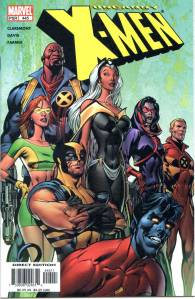
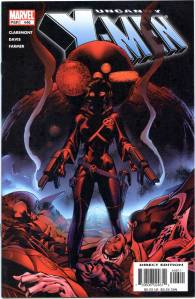
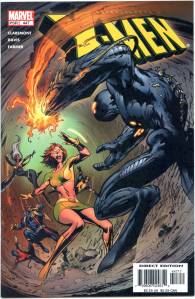
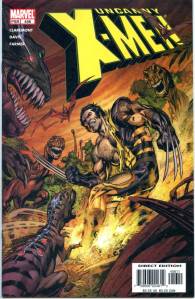
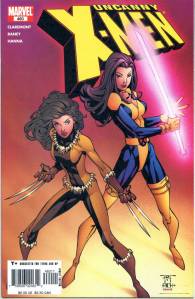
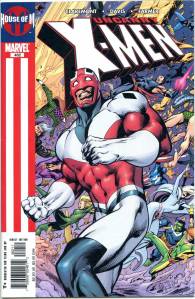
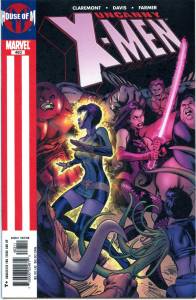
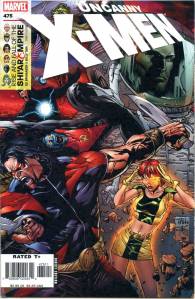
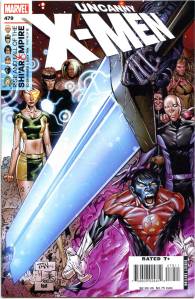
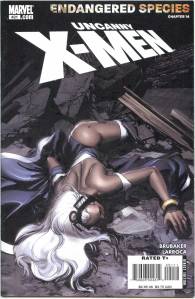
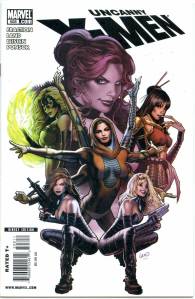
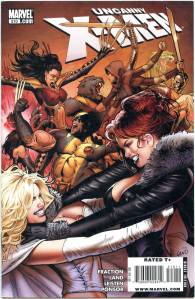
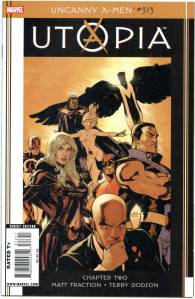
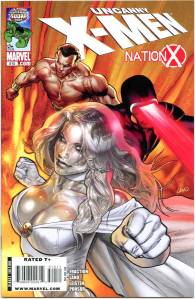
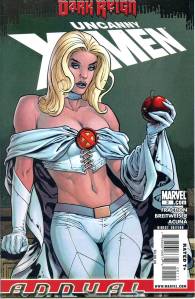
The X-Men: Reload reshuffle of titles in 2004 led to Claremont returning to Uncanny with issue #444. The stories addressed the new status quo established by Morrison, with Jean Grey having died again, and Cyclops in a relationship with Emma Frost. Claremont remained until #473. His final story was the “Death of the Greys” in 2006, as part of the “Decimation” storyline, where the vast majority of mutants had lost their powers. He was replaced by Ed Brubaker, who wrote a 12-part epic space opera story “The Rise and Fall of the Shi’ar Empire”, as a follow-up to his miniseries X-Men: Deadly Genesis. After this the title led into the “Messiah Complex” crossover event, dealing with the first mutant birth since the Decimation.



































 EHT Comics