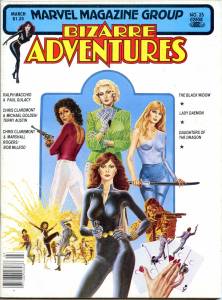
With #25 (March 1981) the title Marvel Preview was changed to Bizarre Adventures, which ran for an additional ten issues before ceasing publication. To offset the dark tone of most of the stories, editor Denny O’Neil had writer Steve Skeates produce a humor feature called Bucky Bizarre to close out each issue. A story originally prepared for Marvel’s Logan’s Run comic book series was published in Bizarre Adventures #28 (Oct. 1981). The final issue, #34, was a standard-sized color comic book, featuring the cover-blurb, “Special Hate the Holidays Issue”, with anthological Christmas-related stories, including one starring Howard the Duck.
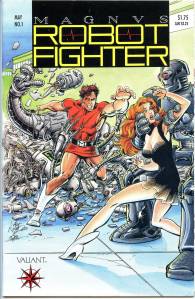
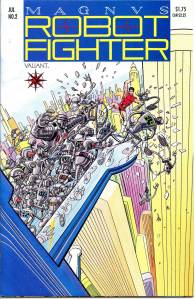
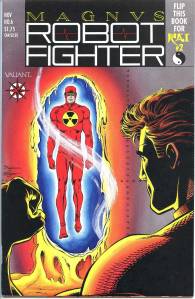
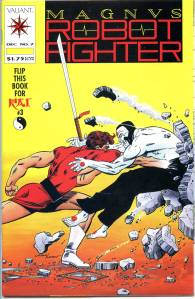
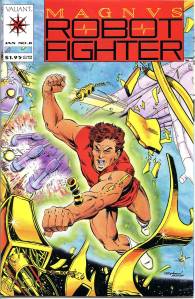
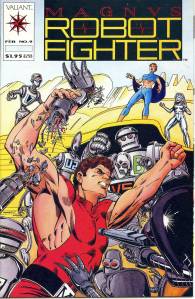
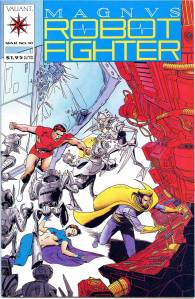
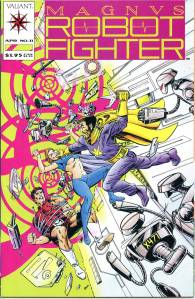
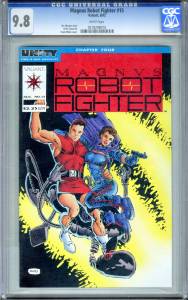
In 1991, Jim Shooter obtained rights to three Gold Key characters: Doctor Solar, Man of the Atom; Turok, Son of Stone; and Magnus, Robot Fighter. He intended to use those characters to launch his new comic book line, Valiant Comics. Several months later, the company launched Magnus, Robot Fighter.
The series began where the original one left off. The artists took great care to replicate the setting and trappings of the original stories. But as the new series progressed, it began to deviate from the original concept.The term “Freewills” appeared in the Valiant run, introducing the concept that the rogue robots seen previously were not simply the product of random malfunctions, but were the result of a common phenomenon which allowed robots to become sentient. While some of them are malevolent, others merely want to be free. It was also learned that 1A is a freewill. With Magnus’s help, a colony of benevolent Freewills is established called the “Steel Nation.” At the same time, Magnus becomes disgusted with North Am’s elite. He journeys to the lower levels of North Am and befriends a group of social outcasts known as Gophs.
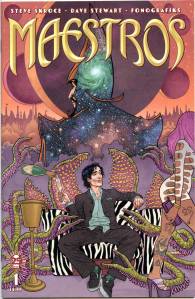
The Maestro and his entire royal family have been murdered. Now, his banished son from Earth will inherit the Wizard King’s throne along with a spell that turns its user into GOD. With enemies everywhere, will this Orlando-born millennial be able to keep his new magic kingdom?
The series was initially a 96-page quarterly anthology, featuring various DC characters – always including Superman and Batman – in separate stories. Comics historian Les Daniels noted that “pairing Superman and Batman made sense financially, since the two were DC’s most popular heroes”. When superheroes fell out of vogue in the early 1950s, DC shortened the size of the publication to that of the rest of its output, leaving only enough space for one story; this led to Superman and Batman appearing in the same story together starting with World’s Finest Comics #71 (July 1954). The title often depicted Batman gaining superpowers as a way to avoid having him be overshadowed by Superman.Lex Luthor and the Joker first joined forces in issue #88 (June 1957).
Worlds Finest #79 CGC Pedigree 7.0 Off White Pages $689
After Bruce Banner’s death during Civil War II and subsequent resurrection during the events of Avengers: No Surrender, the Devil Hulk suppressed the rest of Banner’s personalities and became the “dominant” Hulk. Now calling themselves the “Immortal Hulk”—due to it manifesting at night even if Banner is killed during the day and apparently unable to be killed itself—the collective personalities reveal during a conversation with Doc Samson that the Immortal Hulk actually embodies Banner’s desire for a protective father figure, and that Banner’s inability to “imagine love without pain” is why he had previously perceived it as being a malevolent, Sadistic entity.
Immortal Hulk #0 NM $5
Immortal Hulk #23 NM $4
Immortal Hulk #32 NM $4
Immortal Hulk #33 NM $6
Immortal Hulk #35 NM $5
Immortal Hulk #37 NM $4
Immortal Hulk #38 NM $4
Immortal Hulk #39 NM $4
Immortal Hulk #43 NM $4
Immortal Hulk #48 NM $4
Immortal Hulk #50 Marvel Masterpiece Variant NM $9
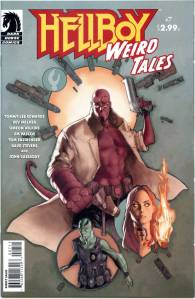
Hellboy: Weird Tales is a Dark Horse Comics bimonthly eight-issue limited series that offered a variety of guest writers and artists the chance to give their own take on the Hellboy characters created by Mike Mignola whilst he was in Prague working on the first Hellboy movie. The issues were published bi-monthly to alternate with a series of B.P.R.D. one-shots and were collected in two trade paperback volumes.
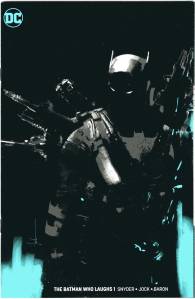
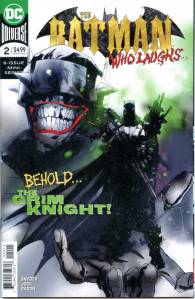
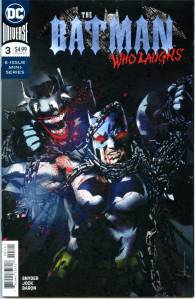
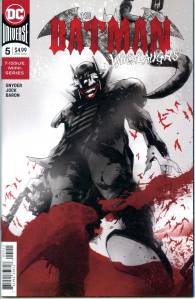
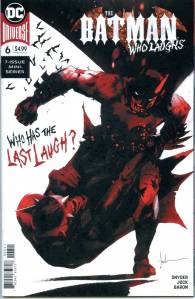
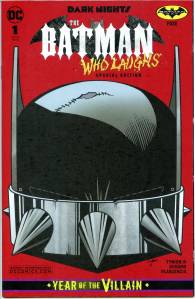
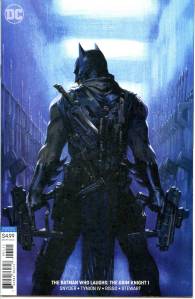
Left rattled by the events of DARK NIGHTS: METAL, Bruce Wayne must come face to face with the nightmares spawned from the Dark Multiverse. But even though evil devoured evil in the collapse of Challengers Mountain, the Dark Knight still has his doubts. He discovers that the Batman Who Laughs not only survived the fight with The Joker at the end of METAL, but now he is enacting a sinister plan across the Multiverse-something both terrifying and oddly familiar. But when Bruce Wayne realizes the only way to stop this madman is to kill him, he must consider violating the very rule Batman won’t break…the same rule that created this insatiable villain-the Batman Who Laughs!
The Batman Who Laughs V2 Jock Variant #1 NM $29
Batman Who Laughs #2 NM $5
Batman Who Laughs #3 NM $5
Batman Who Laughs #5 NM $5
Batman Who Laughs #6 NM $5
The Batman who Laughs – Special Edition #1 NM $5
The Batman Who Laughs – The Grim Knight #1 Variant NM $8
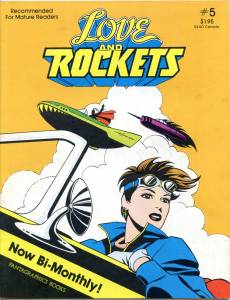
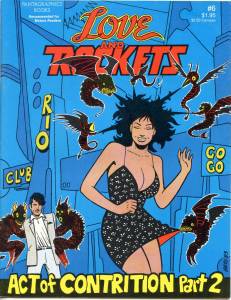
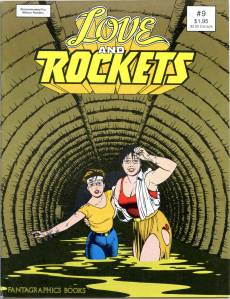
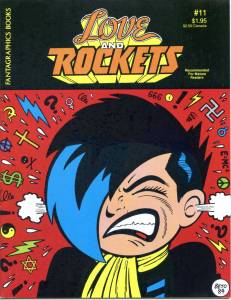
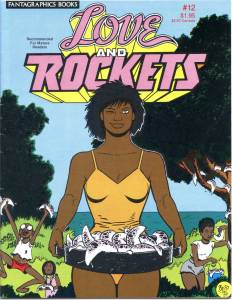
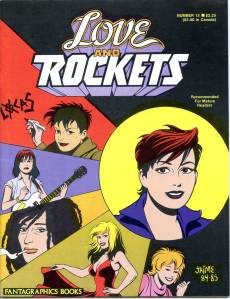
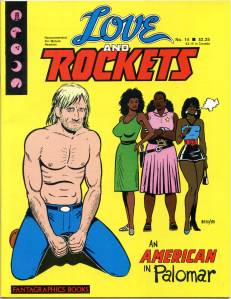
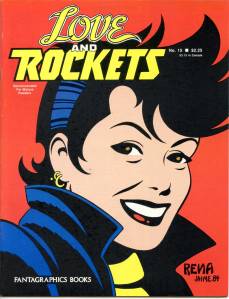
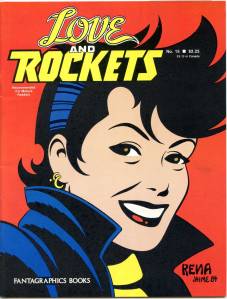
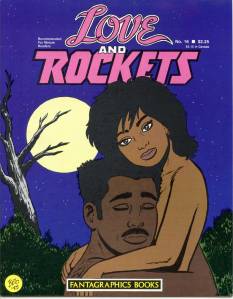
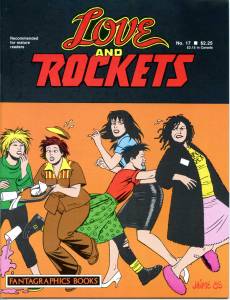
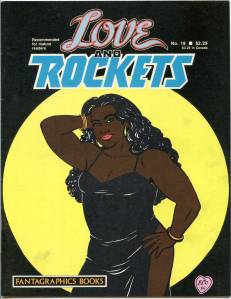
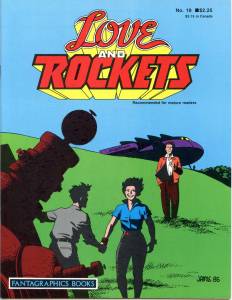
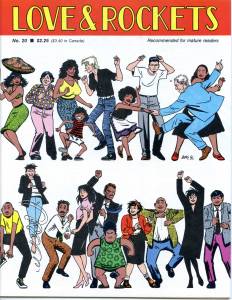
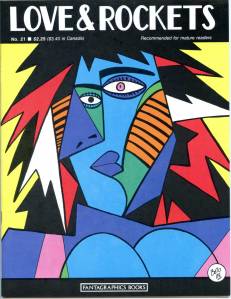
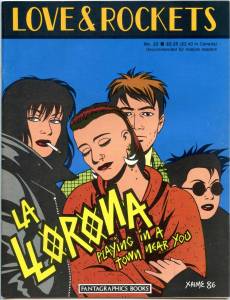
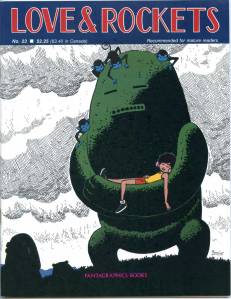
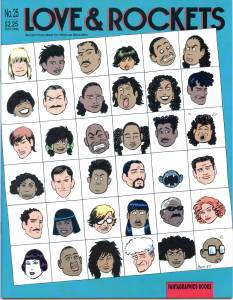
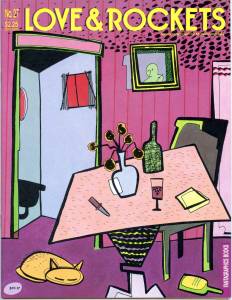
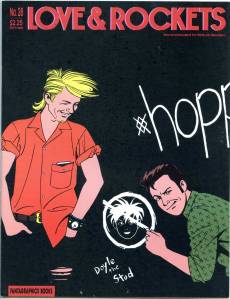
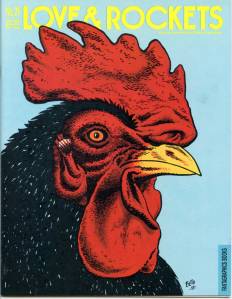
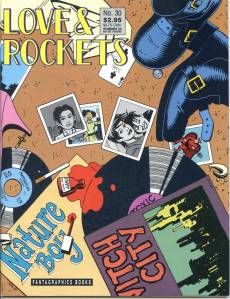
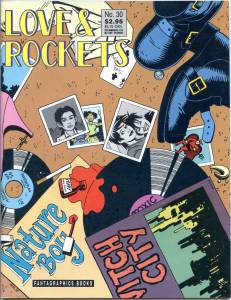
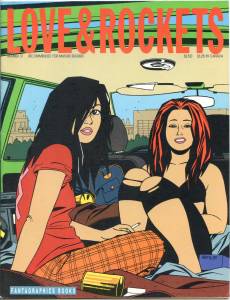
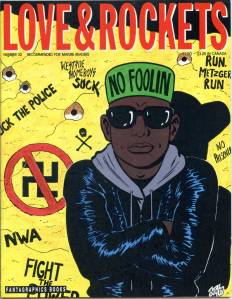
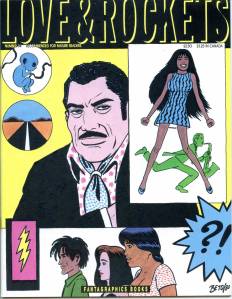
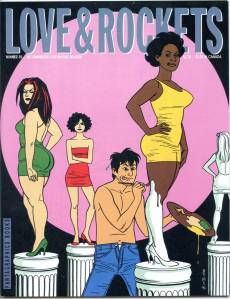
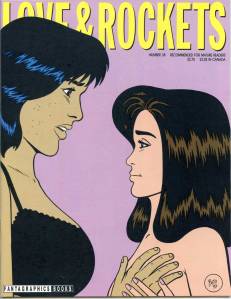
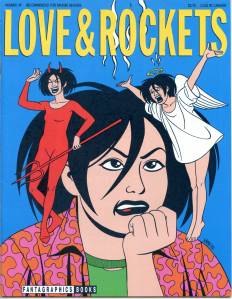
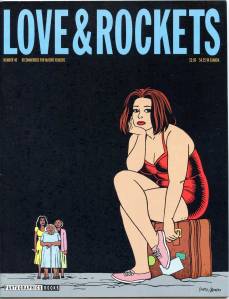
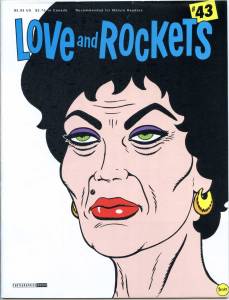
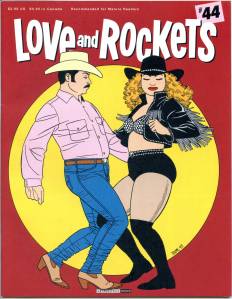
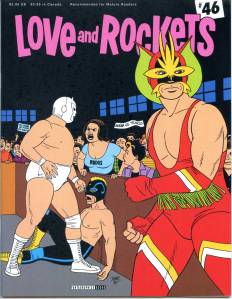
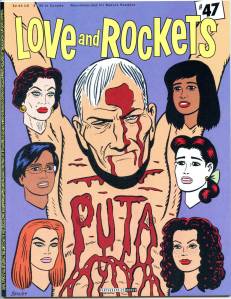
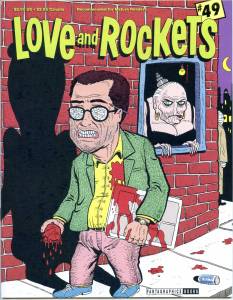
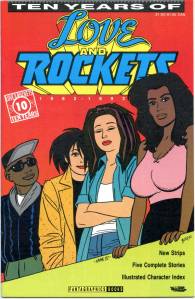
The Hernandez brothers self-published the first issue of Love and Rockets in 1981, but since 1982 it has been published by Fantagraphics Books. The magazine temporarily ceased publication in 1996 after the release of issue #50, while Gilbert and Jaime went on to do separate series involving many of the same characters. However, in 2001 Los Bros revived the series as Love and Rockets Volume 2.
Love and Rockets contains several ongoing serial narratives, the most prominent being Gilbert’s Palomar stories and Jaime’s Hoppers 13(aka Locas) stories. It also contains one-offs, shorter stories, surrealist jokes, and more.
Palomar tells the story of a fictional village in Latin America and its inhabitants. Its vibrant characters and sometimes-fantastic events are sometimes compared to the magical realism literary style of authors such as Gabriel García Márquez. The series is also sometimes referred to as Heartbreak Soup, after the first story set in Palomar.
Hoppers 13 follows the tangled lives of a group of primarily chicano characters, from their teenage years in the early days of the California punk scene to the present day. (Hoppers, or Huerta, is a fictional city based on the Hernandezes’s home town of Oxnard, California.) The series is also often called Locas (Spanish for “crazy women”) because of the many quirky female characters depicted.
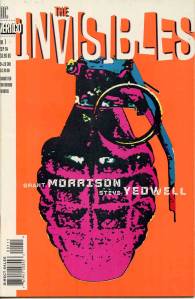
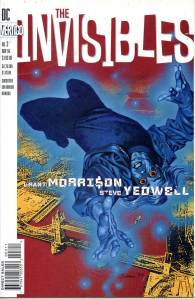
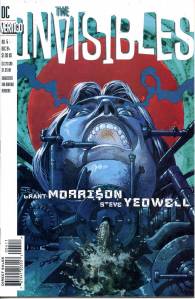
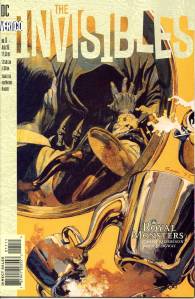
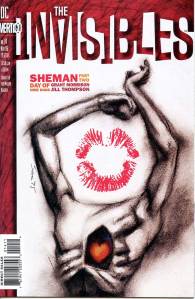
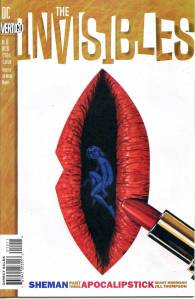
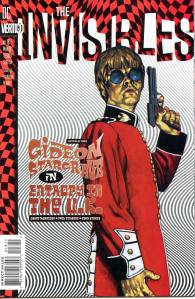
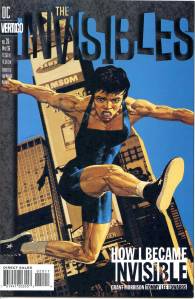
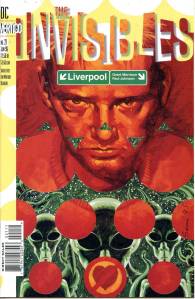
The Invisibles was created and scripted by Scottish writer Grant Morrison, and drawn by various artists throughout its publication.
The series loosely follows the doings of a single cell of The Invisible College, a secret organization battling against physical and psychic oppression using time travel, magic, meditation, and physical violence.
For most of the series, the team includes leader King Mob; Lord Fanny, a transgender Brazilianshaman; Boy, a former member of the NYPD; Ragged Robin, a telepath with a mysterious past; and Jack Frost, a young hooligan from Liverpool who may be the next Buddha. Their enemies are the Archons of the Outer Church, interdimensional alien gods who have already enslaved most of the human race without their knowledge.











 EHT Comics