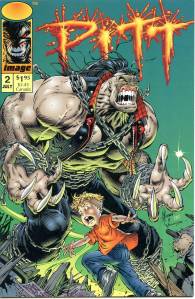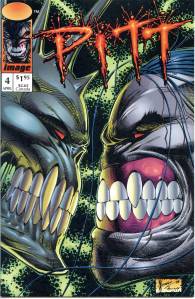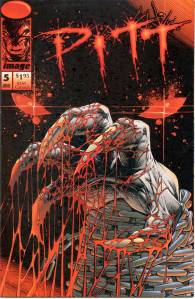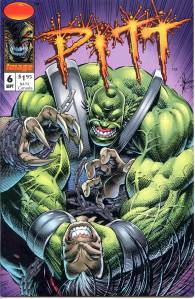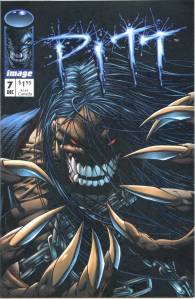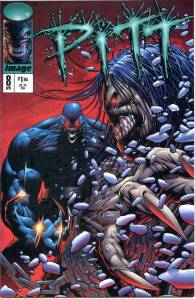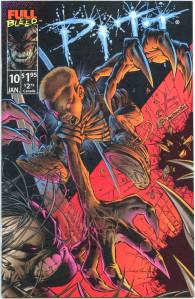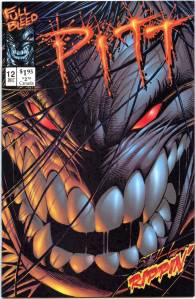
Pitt (1993)

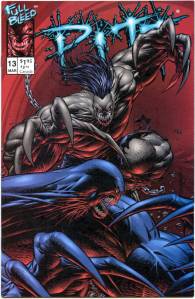
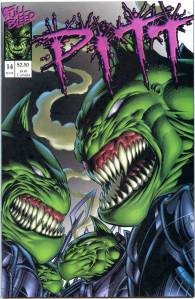
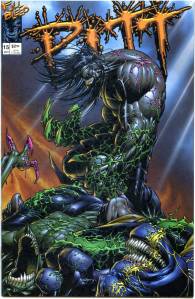
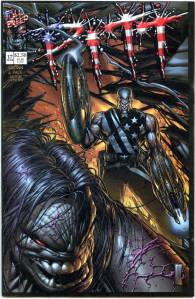
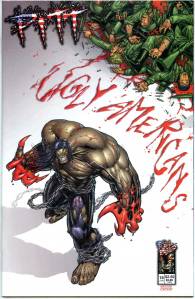
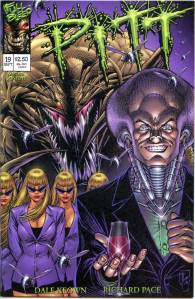
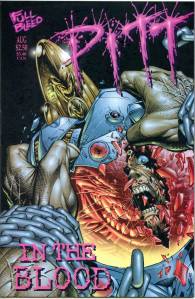
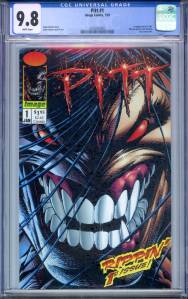
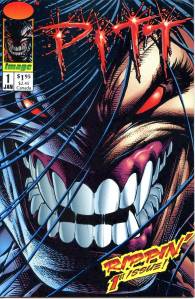
In 1993, Dale Keown began publishing his character Pitt at Image ComicsPitt #1 was the second best-selling comic book of November 1992, surpassed only by the collector’s edition of Superman (vol.2) #75. In 1995, publication of Pitt was moved over to Full Bleed Studios (Dale Keown’s own company).

Pitt is a human/alien hybrid, created by an alien race known as the Creed, genetically engineered to serve as a killing machine. He appears more alien than human, with red, pupil-less eyes, gray skin, absence of a nose, sharp oversized teeth and large talons.
Star Wars: Dark Empire (1991)

Part of the Star Wars Expanded Universe, the trilogy follows events in the Star Wars franchise years after Return of the Jedi, specifically the aftereffects of Timothy Zahn‘s Thrawn trilogy. The story deals with the return of the villainous Palpatine, having successfully cheated death by having his spiritual entity “reincarnated” through the essence transfer ritual and cloning technology. Other themes include Luke Skywalker temporarily succumbing to the dark side of the Force, the official return of Boba Fett (who had seemingly died after being swallowed by the Sarlacc in Return of the Jedi), and the first appearance of Princess Leia and Han Solo‘s son, Anakin Solo.

Punisher V5 (2000)

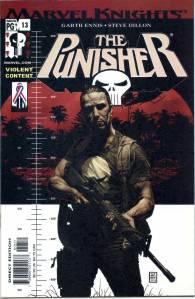
Frank Castle has gone back to basics. Back in New York, back from the dead and back doing what he does best: exterminating bad guys and waging his personal war on crime. And just wait until you check out Frank’s new bachelor pad – with his roommate Death! It’s a gritty tale of bullet-ridden, gut-wrenching action as you like it!
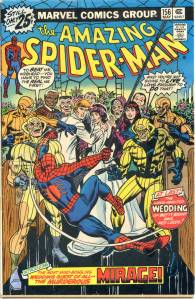
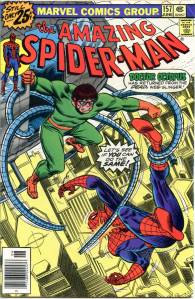
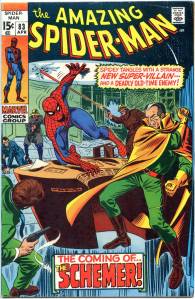
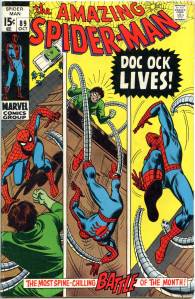
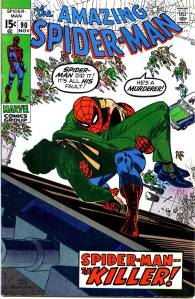
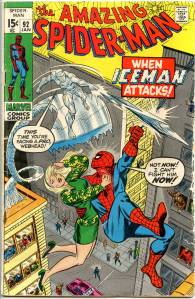
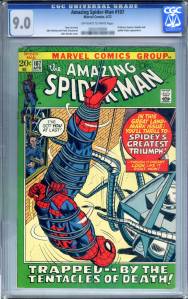
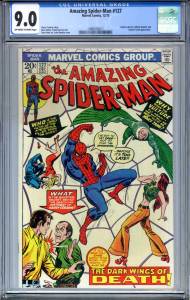
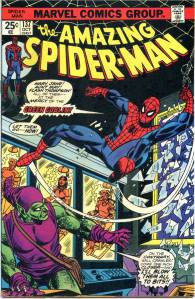
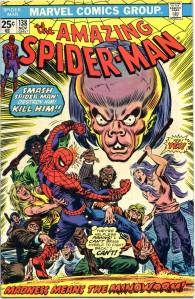
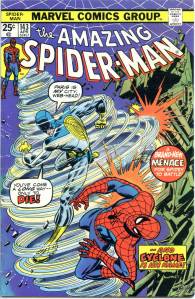
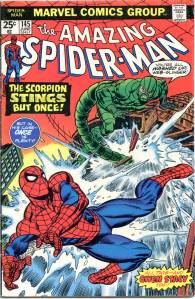
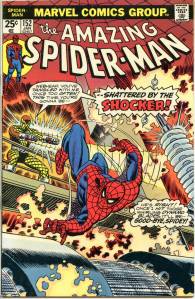
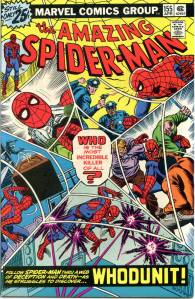
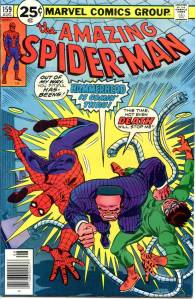
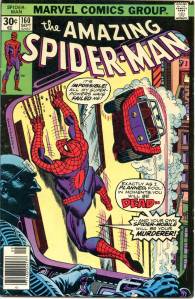
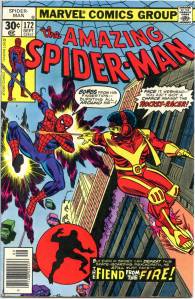
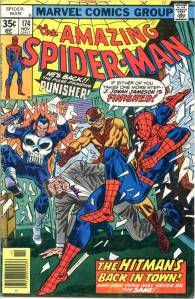
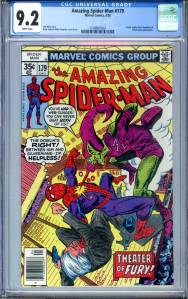
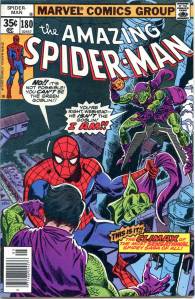
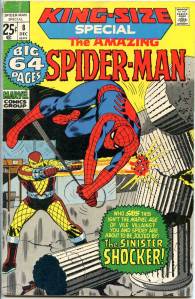
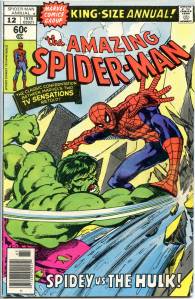
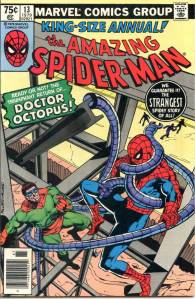
Amazing Spider-Man (1970’s)

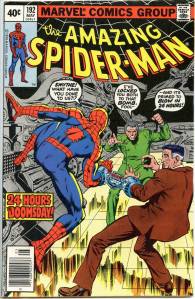
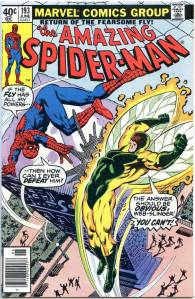
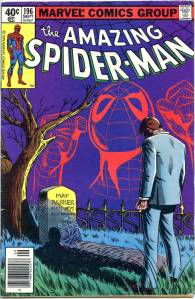
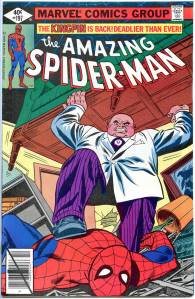
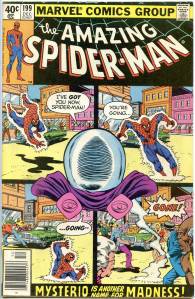
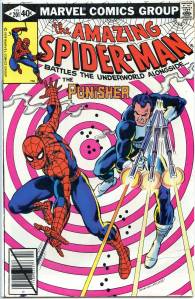
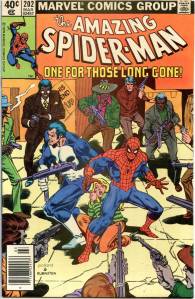
An early 1970s Spider-Man story led to the revision of the Comics Code. Previously, the Code forbade the depiction of the use of illegal drugs, even negatively. However, in 1970, the Nixon administration’s Department of Health, Education, and Welfare asked Stan Lee to publish an anti-drug message in one of Marvel’s top-selling titles. Lee chose the top-selling The Amazing Spider-Man; issues #96–98 (May–July 1971) feature a story arc depicting the negative effects of drug use. In the story, Peter Parker’s friend Harry Osborn becomes addicted to pills. When Spider-Man fights the Green Goblin (Norman Osborn, Harry’s father), Spider-Man defeats the Green Goblin, by revealing Harry’s drug addiction. While the story had a clear anti-drug message, the Comics Code Authority refused to issue its seal of approval. Marvel nevertheless published the three issues without the Comics Code Authority’s approval or seal. The issues sold so well that the industry’s self-censorship was undercut and the Code was subsequently revised.
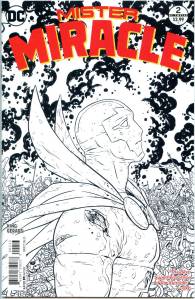
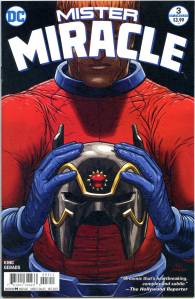
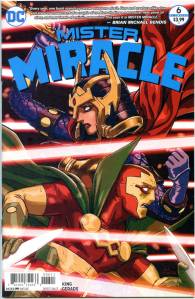
Mister Miracle V4 (2017)

Something has gone horribly wrong with the perfect life that Scott and his wife, Big Barda, have made for themselves on Earth. With war raging between their homeworlds of Apokolips and New Genesis, Scott’s cruel adoptive father, Darkseid, seems to have finally found the Anti-Life Equation–the weapon that will give him total victory.

As the mountains of bodies on both sides grow ever higher, only Mister Miracle can stop the slaughter and restore peace. But the terrible power of the Anti-Life Equation may already be at work in his own mind, warping his reality and shattering the fragile happiness he’s found with the woman he loves.

Is death the trap that’s been waiting for him all along? Or is it life itself? And what price will Scott Free have to pay to learn the answer?

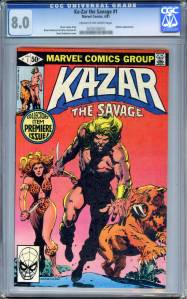
Ka-Zar the Savage (1981)

Ka-Zar is having a midlife crisis. He’s wondering if he should give up the jungle life and head to the comforts of modern civilization. He parts ways from Shanna for a bit to try and find Zabu, who has uncharacteristically wandered off.

The trail leads him to a vast new section of the Savage Land. We’ll eventually learn that it’s called Pangea,. He meets a woman called Leanne who owns a femal pet saber-tooth . He rescues her from some savages, but it turns out that she is the queen of a a large medieval city called Lemuria. They have a brief affair, but she leaves him because he’s too uncivilized.

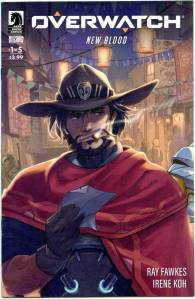
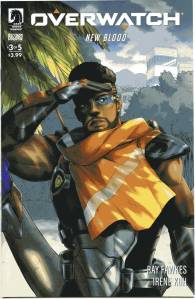
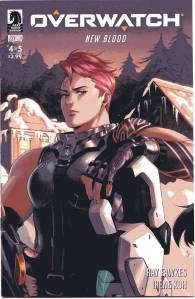
Overwatch: New Blood (2022)

With chaos and devastation rife around the world, Cole Cassidy receives the call to rejoin Overwatch, but memories of its fall still haunt him. After an unexpected reunion with an old friend, Cassidy considers that maybe Overwatch needs more than the old crew to give it new life.

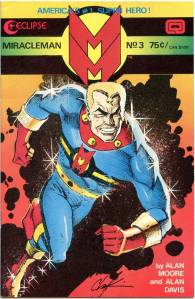
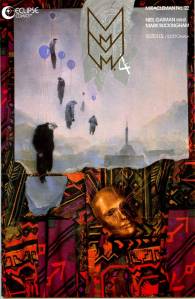
Miracleman – Eclipse (1980’s)

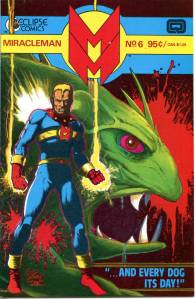
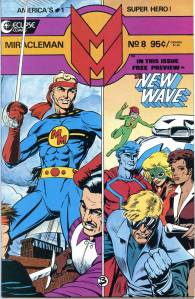
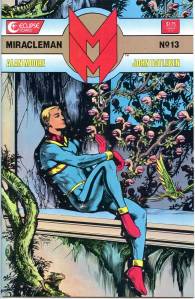
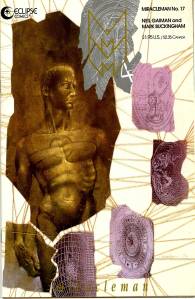
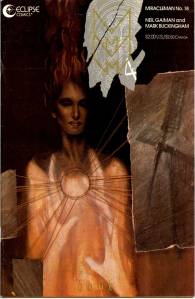
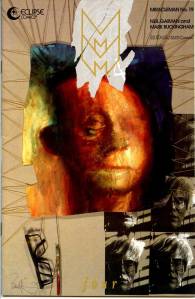
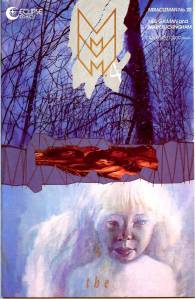
In August 1985, Eclipse began reprinting the Marvelman stories from Warrior, colored, and re-sized. They were renamed and re-lettered throughout as Miracleman to avoid further problems with Marvel Comics. Issues 1-6 reprinted all the Warrior content, after which Eclipse began publishing new Miracleman stories from Alan Moore and new artist Chuck Beckum (now better known as Chuck Austen), soon replaced by Rick Veitch and then John Totleben. Eclipse split the rights to the character, with 2/3 going to Eclipse and 1/3 split between the current writer and artist of the series. Moore wrote the series until issue 16.

Writer Neil Gaiman picked up the series at #17 and developed it further in the 1990s, working with artist Mark Buckingham. He planned three books, consisting of six issues each; they would be titled “The Golden Age”, “The Silver Age” and “The Dark Age”.

Shazam (1973)

When superhero comics became popular again in the mid-1960s in what is now called the “Silver Age of Comic Books“, Fawcett was unable to revive Captain Marvel, having agreed to never publish the character again as part of their 1953 settlement. Looking for new properties to introduce to the DC Comics line, DC publisher Carmine Infantino decided to bring the Captain Marvel property back into print. On June 16, 1972, DC entered into an agreement with Fawcett to license the Captain Marvel and Marvel Family characters. Because Marvel Comics had by this time established Captain Marvel as a comic book trademark for their own character, created and first published in 1967, DC published their book under the name Shazam! Infantino attempted to give the Shazam! book the subtitle The Original Captain Marvel, but a cease and desist letter from Marvel Comics forced them to change the subtitle to The World’s Mightiest Mortal, starting with Shazam! #15 (December 1974). As all subsequent toys and other merchandise featuring the character have also been required to use the “Shazam!” label with little to no mention of the name “Captain Marvel”, the title became so linked to Captain Marvel that many people took to identifying the character as “Shazam” instead of “Captain Marvel”

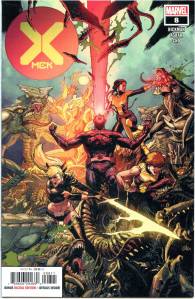
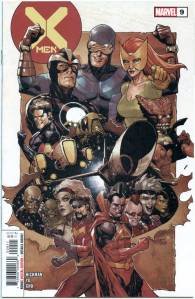
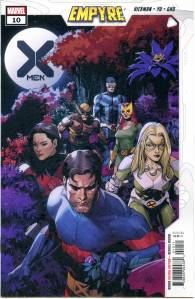
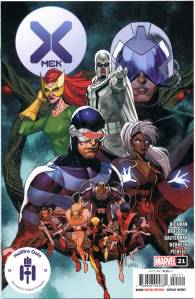
X-Men V5 (2019)

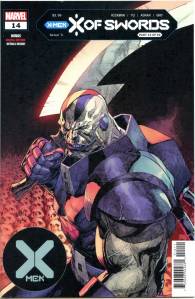
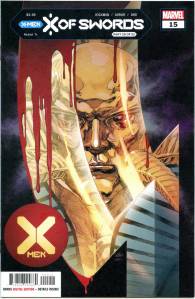
The flagship of the X-titles featuring world-building stories of the mutant renaissance featuring an overlapping cast members. Some of the stories include the introduction of Apocalypse’s grandson, Summoner, leading in to the X of Swords crossover; a new villain group called Hordeculture, featured later in the Empyre tie-in; Professor X, Magneto and Apocalypse attending the World Economic Forum; Mystique’s side mission during the attack on Orchis in House of X and the follow up mission to destroy Nimrod, leading into the Inferno storyline; the mutant rite Crucible, which is followed up in Way of X; and an adhoc team of Wolverine, Synch and Darwin assault of the Vault; the King Egg of the Brood race, a follow-up on a story started in the New Mutants; a tie-in to the Empyre event featuring Vulcan, and Magneto and the rest of the mutant nation fighting the Cotati; Cyclops, Marvel Girl and Storm helping with the kidnapping of Xandra, Majestrix of the Shi’ar Empire; and the X-Men election following its disbandment upon the formation of the Krakoan government.