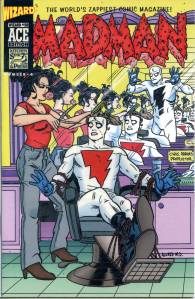
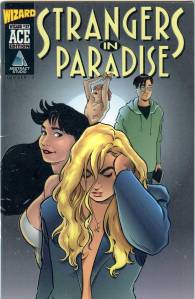
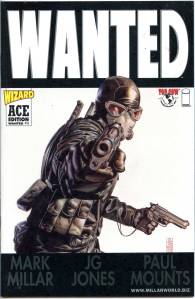
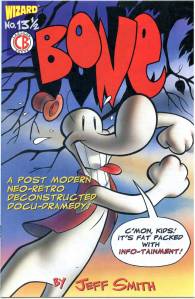
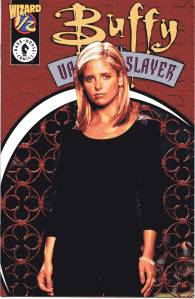
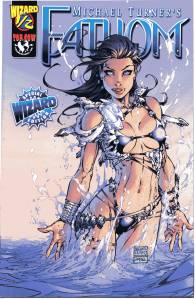
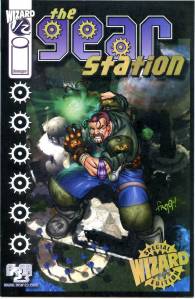
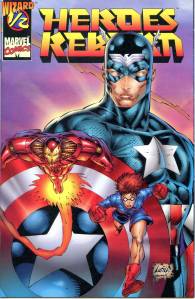
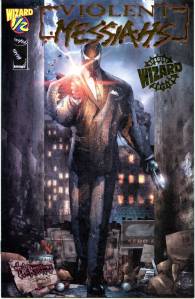
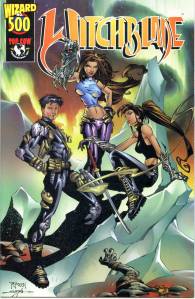
Wizard often featured mail-away offers for exclusive merchandise. Wizard began a practice of producing specially offered Wizard #½ issues. These were special issues of ongoing major comic book series which featured in-continuity stories that supplemented the regular series’ published issues. The issues were numbered #½ so as not to disrupt the series’ ongoing numbering system. Often Wizard would also include free pack-in issues with their magazines, usually numbered as Wizard #0.
Madman #1 Wizard Edition NM $19
Strangers in Paradise Wizard Ace Edition NM- $12
Wanted #1 Wizard Ace Edition NM $6
Bone #13 1/2 Wizard NM $9
Buffy the Vampire Slayer 1/2 VF $4
Fathom 1/2 NM $24
Gear Station Wizard #1/2 NM- $4
Heroes Reborn 1/2 NM $6
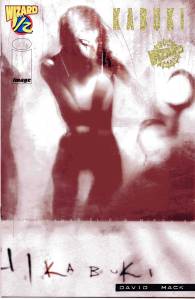
Kabuki 1/2 Cover A NM $12
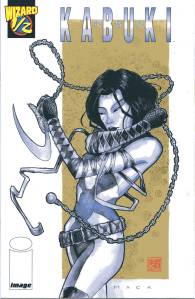
Kabuki 1/2 Cover B NM $9
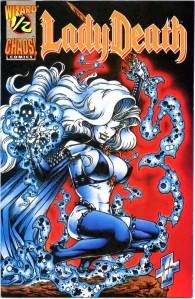
Lady Death #1/2 Wizard NM $9
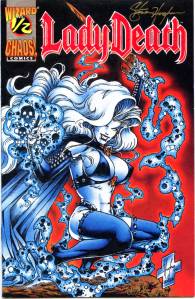
Lady Death #1/2 Red Velvet Wizard Signed Steven Hughes and Brian Pulido VF+ $29
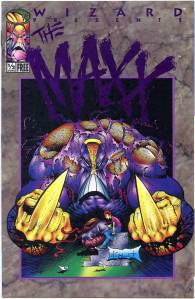
The Maxx #1/2 NM $7
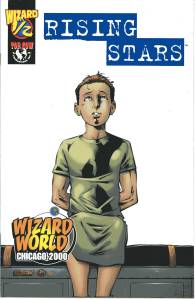
Rising Stars 1/2 Wizard World Chicago 2000 VF $4
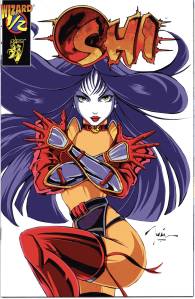
Shi 1/2 NM $9
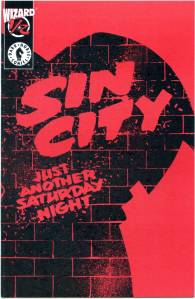
Sin City – Just Another Saturday Night – Wizard 1/2 with COA NM $5
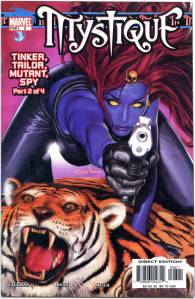
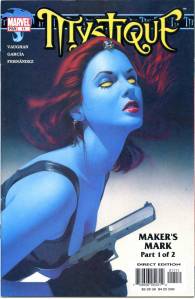
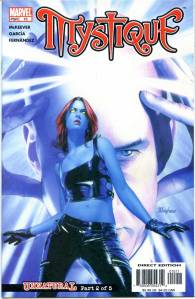
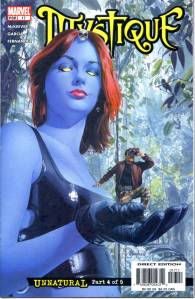
Published 2003 – 2005. Mystique the sultry mutant shapeshifter, who has stood against the X-Men in battle after battle, is offered the chance at a new life when Professor X recruits her to complete a dangerous mission in Cuba. Can this former mutant-rights terrorist who can disguise herself as anyone on the planet be trusted? Don’t let the pinup-worthy cover fool you: Mystique is a smart, engaging piece of espionage fiction that shows that the superhero story isn’t dead yet.
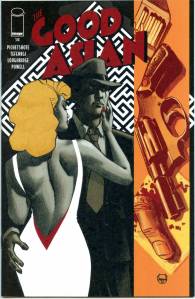
Following Edison Hark-a haunted, self-loathing Chinese-American detective-on the trail of a killer in 1936 Chinatown, THE GOOD ASIAN is Chinatown noir starring the first generation of Americans to come of age under an immigration ban, the Chinese, as they’re besieged by rampant murders, abusive police, and a world that seemingly never changes.
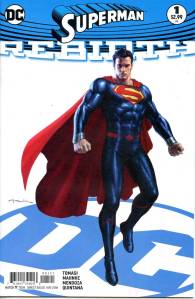
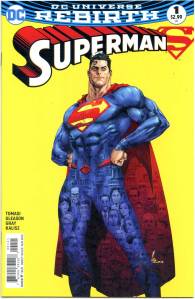
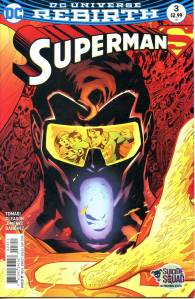
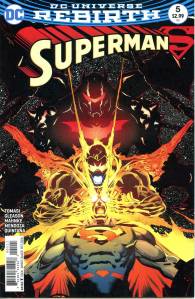
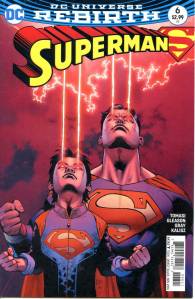
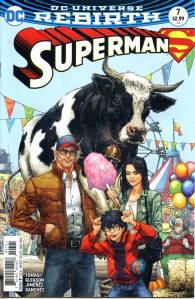
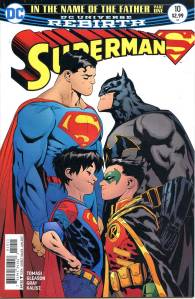
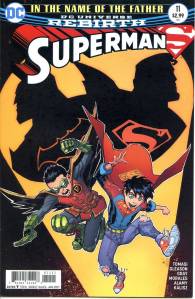
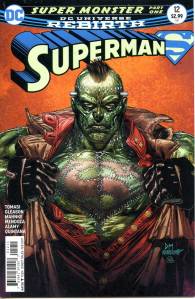
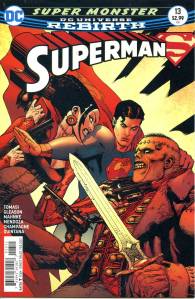
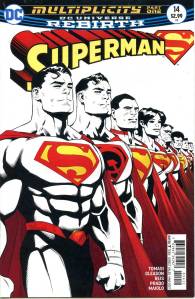
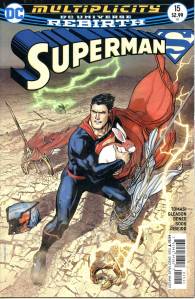
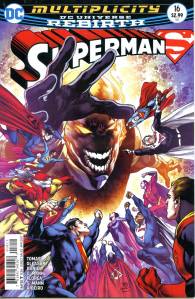
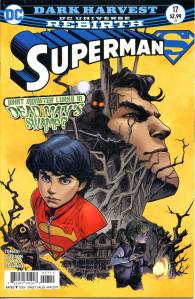
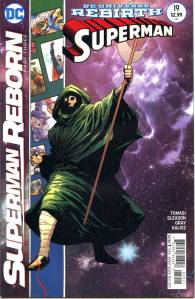
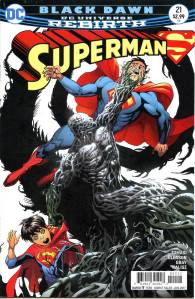
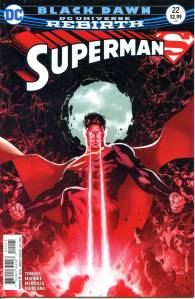
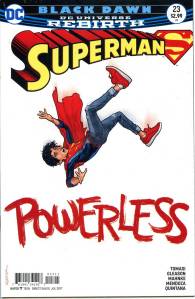
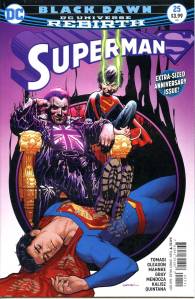
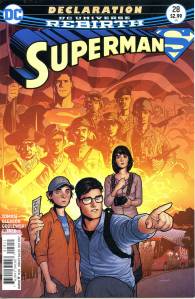
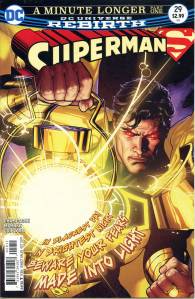
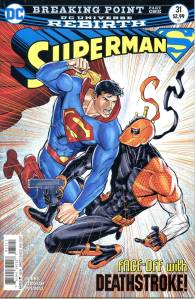
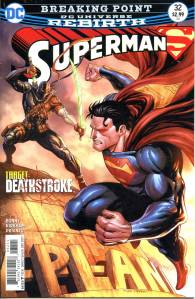
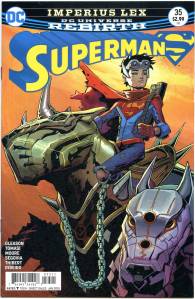
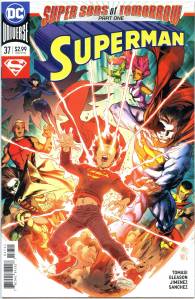
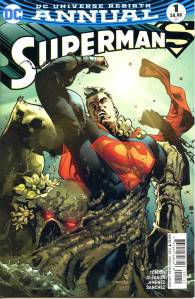
In June 2016, DC Comics once again relaunched its comic book titles with DC Rebirth. The publisher re-established the pre-New 52 Superman as the protagonist of the new comic books, with Lois Lane as his wife once more. He and Lois also conceive a biological son, Jonathan Samuel Kent, who eventually becomes Superboy. The story arc Superman Reborn smooths over the discrepancies between the two versions of the character. According to Mister Mxyzptlk, the creation of the New 52 caused Superman to be separated into two people: the New 52 character that served as the protagonist of the Superman books and the pre-Flashpoint character that took part in the Convergence event and sired Jon. Thanks to Jon, the new Superboy, the two Supermen merge into one complete version of Superman, rearranging their shared histories and accommodating them into the restored DC Universe. This complete Superman features a new suit that combines elements from the two eras. DC Comics ended the Rebirth branding in December 2017, opting to include everything under a larger “DC Universe” banner and naming. The continuity established by Rebirth continues across DC’s comic book titles, including volume one of Action Comics and the fourth volume of Superman.
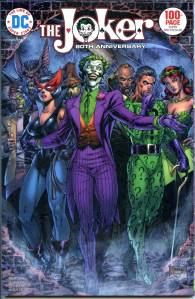
The Clown Prince of Crime celebrates 80 years of chaos! The stories feature a range of terror and anarchy, showing how the Joker has impacted Gotham City from the police to Arkham Asylum, from the local underworld to the Dark Knight and his allies!
As with other EC Comics, Gaines and Feldstein used some Weird Science stories to teach moral lessons. “The Probers” (#8) features a space shuttle doctor who pays no mind to dissecting various animals, only to end up on an alien planet where aliens plan to dissect him. In “The Worm Turns” (#11) astronauts have fun with Mexican jumping beans but face a similar situation when they hide in a piece of fruit on an alien world and are found by a giant alien. “He Walked Among Us” (#13) was a take on organized religion in which a Christ-like astronaut helps the impoverished populace of an alien world but is killed by those in power, prompting the birth of a religion.
Gaines and Feldstein made cameo appearances in “Chewed Out” (#12), and other EC staffers were drawn into “EC Confidential” (#21).
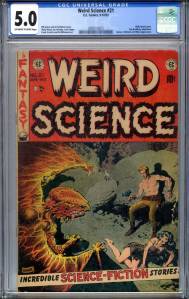
Weird Science #21 CGC 5.0 Off-White to White Pages $489
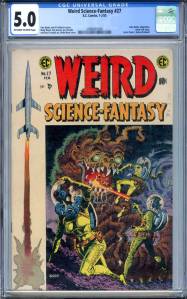
Weird Science Fantasy 27 CGC 5.0 Off White to White Pages $379
Limited Collectors’ Edition was launched with a collection of Rudolph the Red-Nosed Reindeer stories which went on sale October 24, 1972. DC Comics vice president Sol Harrison had suggested the format stating that “We could create a tabloid size comic that would stand out on the newsstand.”Limited Collectors’ Edition shared its numbering with two other treasury format series, Famous First Edition and All-New Collectors’ Edition. The final issues of the latter two series were tie-ins to the release of Superman: The Movie. DC later published treasuries as part of DC Special Series in 1981 and as a number of one-shots from 1999 to 2003 primarily produced by Paul Dini and Alex Ross.
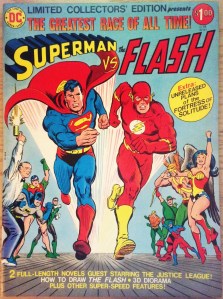
DC Limited Collectors Edition V5 C48 – Superman Vs Flash VF- $35
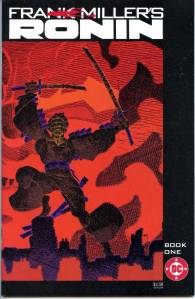
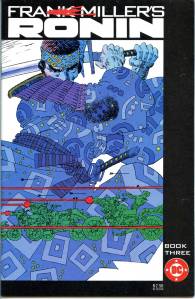
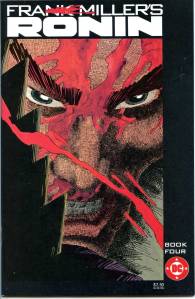
Ronin (formally written as Rōnin) is a limited series published between 1983 and 1984, by DC Comics. The series was written and drawn by Frank Miller with artwork painted by Lynn Varley. It takes place in a dystopic near-future New York in which a ronin is reincarnated. The six-issue work shows some of the strongest influences of manga and bande dessinée on Miller’s style, both in the artwork and narrative style.
Ronin was in part inspired by Kazuo Koike and Goseki Kojima‘s manga series Kozure Okami. (Though Kozure Okami would receive an English localization several years later as Lone Wolf and Cub, at the time Miller could not read the text and had to rely on the artwork for his understanding of the story.) According to former Marvel Comics editor-in-chief Jim Shooter, Ronin was originally slated to be released as part of Marvel’s Marvel Graphic Novel series. Ultimately, however, Miller was persuaded by publisher Jenette Kahn that DC Comics would give him as much freedom as he desired for the series, and the first issue of Ronin was published by that company in 1983.
Ronin #1 NM $12
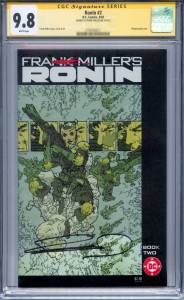
Ronin #2 CGC SS 9.8 White Pages signed by Frank Miller $229



























 EHT Comics