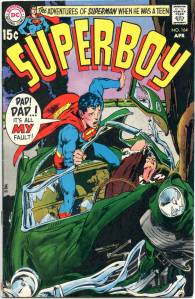
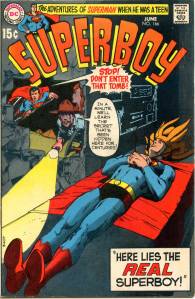
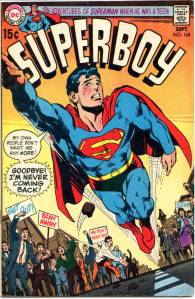
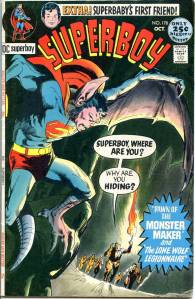
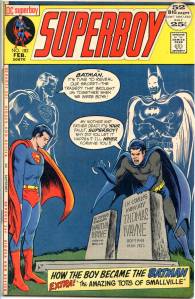
After the Legion pushed new Superboy stories out of Adventure Comics in 1963, Superboy became the only comic book to feature original Superboy stories. Less than two years after the Legion itself left Adventure Comics, Superboy became the Legion’s new home. Starting with Superboy #172 (March 1971), the Legion appeared as an occasional backup feature. Once again, the Legion feature proved so popular that by Superboy #197 (Sept. 1973), the Legion had become the lead feature, and with the next issue, the title’s only feature. Although from issue #197, the cover logo read Superboy starring the Legion of Super-Heroes (and replaced starring with #222), the official title (shown in the indicia) of the comic remained Superboy until #231 (Sept. 1977), when the comic became Superboy and the Legion of Super-Heroes. In issue #259 (Jan. 1980).
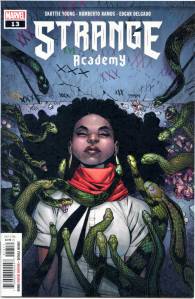
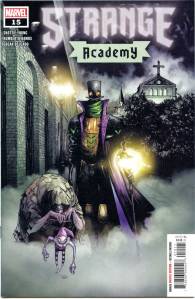
Strange Academy is a fictional school appearing in comics published by Marvel Comics. It was founded by Doctor Strange to train young people from many worlds with magical abilities in the use of sorcery and magical artifacts. The school first appears in Strange Academy #1 (March 2020) and was created by writer Skottie Young and artist Humberto Ramos.
Rob Liefeld told Wizard magazine in 1994 that he was inspired by Gene Roddenberry and Steven Spielberg to create Prophet. The character first appeared in Youngblood #2, released by Image Comics in July 1992. Prophet was originally intended to appear in the pages of Marvel Comics‘ X-Force. Liefeld explained to Wizard: “He was going to show up around #6 or #7 in my original plans, and the cover to Youngblood #2 originally had X-Force members looking on instead of Youngblood members. I soon decided that I was going to work on stuff that was creator-owned, so I pulled the character of Prophet and saved him for later.”
The storyline in Youngblood led directly into Prophet’s own title, which lasted eleven issues (including a zero issue). A second series, written by Chuck Dixon, premiered in 1995 and lasted eight issues. A one-shot was released in 2000 by Awesome Comics.
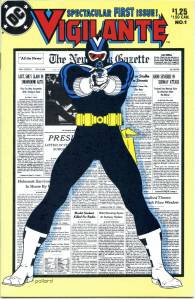
Vigilante was an ongoing series published from November of 1983 to February 1988. The series featured the honorable Adrian Chase, who was first introduced in the pages of New Teen Titans Annual #2. Spanning a total of fifty issues and two Annuals, the series ended with the death of the main character.
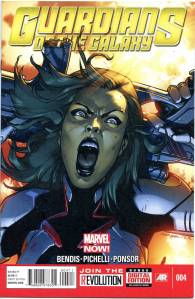
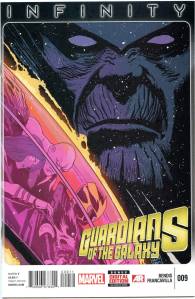
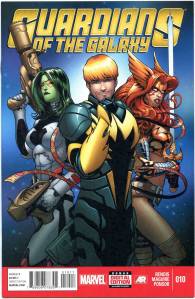
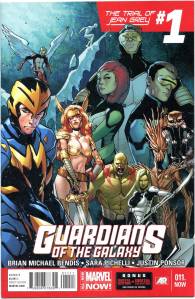
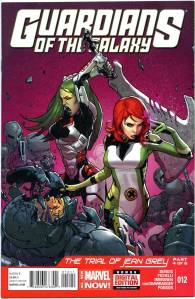
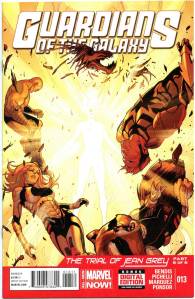
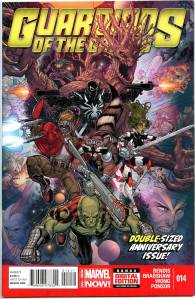
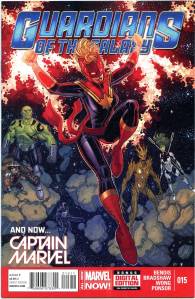
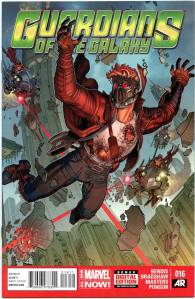
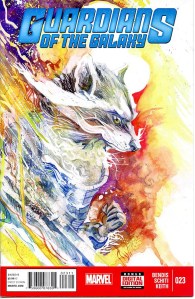
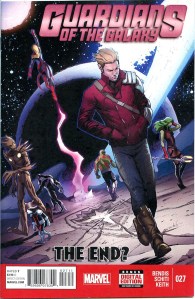
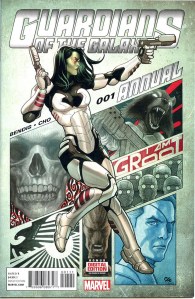
After Star-Lord’s father visits him in a bar to tell him that it is forbidden for any alien species to visit Earth, Iron Man is attacked by Badoon appearing to attack Earth. The Guardians and their newest member Iron Man defeat the ship; however, London is still attacked. The Guardians defend London and finish off the horde of Badoon but learn that, for violating the “Earth-is-off-limits” rule (the Spartax Earth Directive), they are to be placed under arrest by the King of Spartax. The Guardians manage to escape with the help of Groot, who had recently regrown after being destroyed by a Badoon ship’s explosion. The team includes Star-Lord, Drax the Destroyer, Gamora, Groot, Rocket Raccoon, and Tony Stark. In April 2013, it was announced that Image Comics’ Angela (Spawn) would join the Marvel Universe as the result of a legal battle between Neil Gaiman and Todd McFarlane. After appearing in Age of Ultron, she joined the Guardians. Captain Marvel and Agent Venom have also joined .
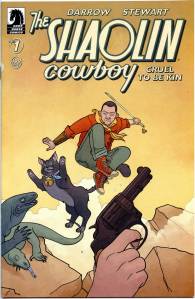
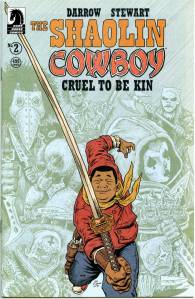
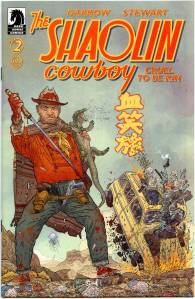
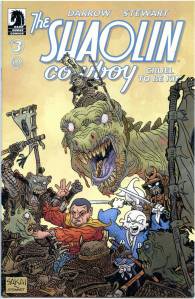
The Shaolin Cowboy finds his parenting skills being tested when he is forced to homeschool during a pandemic of unparalleled violence, in this story torn from yesterday’s viral twitter feeds.
Can he get a kung fu grip on the situation before a horde of .45 loving human monsters and not so human monsters send him to the ICU?
Only guns, swords, and flying guillotines will tell!
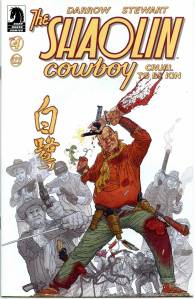
The Shaolin Cowboy – Cruel to be Kin #1 NM $6
The Shaolin Cowboy – Cruel to be Kin #2 Piskor Variant NM $5
The Shaolin Cowboy – Cruel to be Kin #2 NM $5
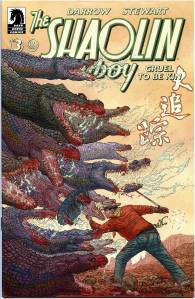
The Shaolin Cowboy – Cruel to be Kin #3 Sakai Variant NM $5
The Shaolin Cowboy – Cruel to be Kin #3 NM $5
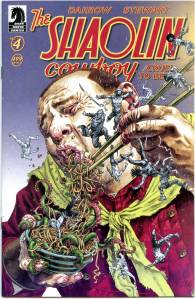
The Shaolin Cowboy – Cruel to be Kin #4 Fegredo Variant NM $5
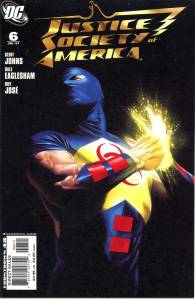
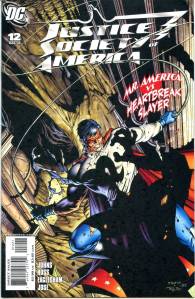
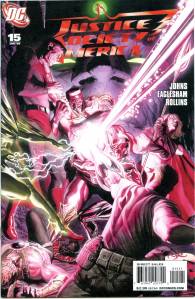
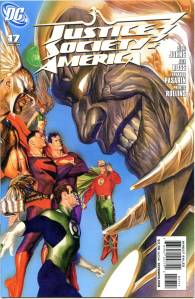
On December 6, 2006, a new series was launched with the creative team of Geoff Johns (writer), Dale Eaglesham (pencils), and Alex Ross (cover art). The beginning of the new series showed JSA veterans the Flash, Green Lantern, and Wildcat choosing members of the new generation of superheroes to train. Continuing a major theme from the previous JSA title, this new series focused on the team being the caretakers of the superhero legacy from one generation to the next.
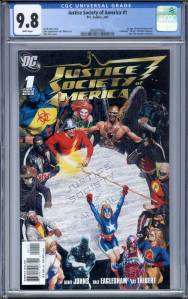
Justice Society of America #1 CGC 9.8 White Pages $89
Justice Society of America V3 #1 VF-NM $9
Justice Society of America V3 #5 NM $5
Justice Society of America #6 NM $5
Justice Society of America #8 NM- $3
Justice Society of America V3 #9 NM $5
Justice Society of America #11 VF+ $2
Justice Society of America V3 #11 NM $4
Justice Society of America V3 #12 NM $4
Justice Society of America V3 #13 NM $4
Justice Society of America V3 #14 NM $4
Justice Society of America V3 #15 NM $4
Justice Society of America V3 #16 NM $4
Justice Society of America #17 NM $4
Justice Society of America V3 #17 NM $4
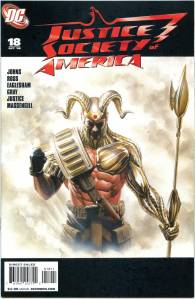
Justice Society of America #18 NM $4
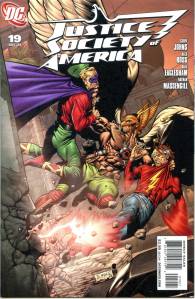
Justice Society of America V3 #19 NM $4
Justice Society of America V3 #20 NM $4
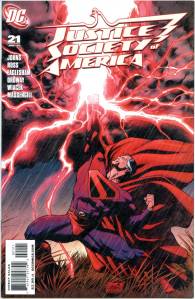
Justice Society of America #21 NM $4
Justice Society of America V3 #21 VF-NM $2
Justice Society of America V3# 22 NM- $3
Justice Society of America V3 #25 NM- $3
Justice Society of America V3 #26 NM $4
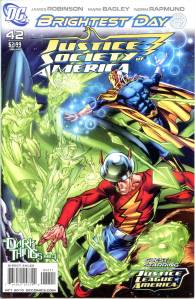
Justice Society of America V3 #42 NM $4
Justice Society of America Kingdom Come Special – Superman VF-NM $6
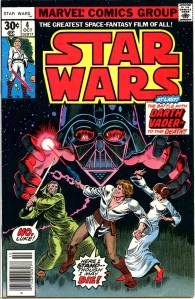
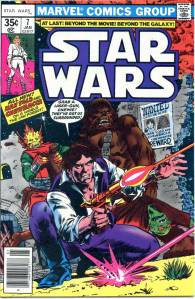
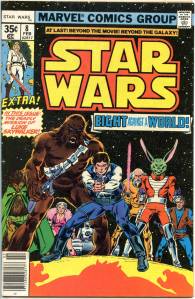
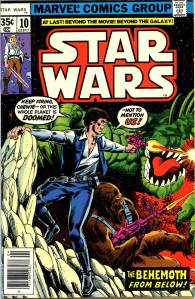
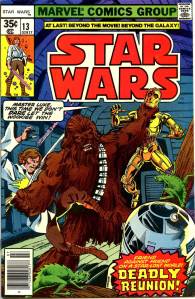
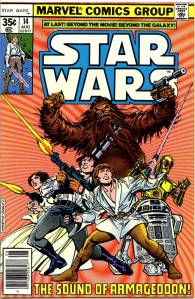
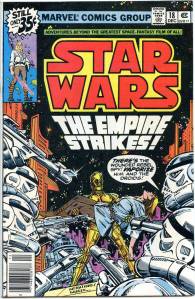
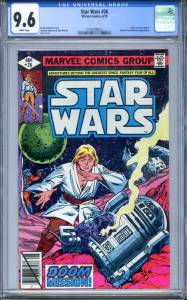
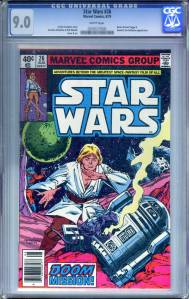
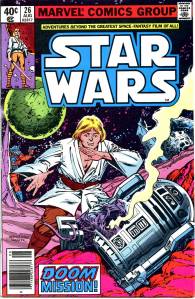
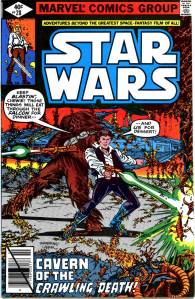
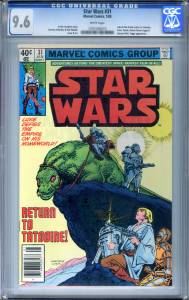
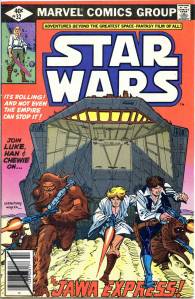
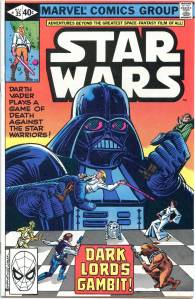
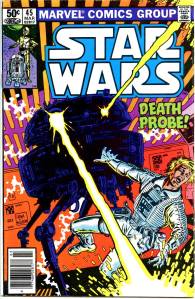
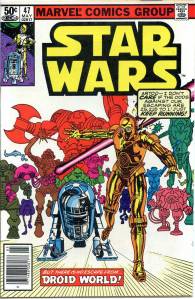
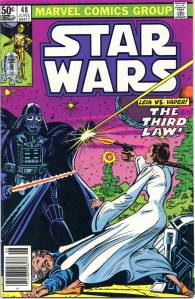
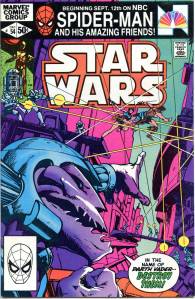
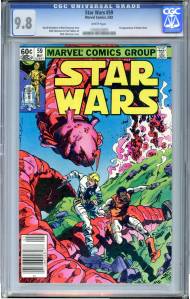
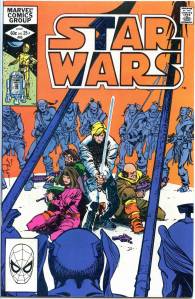
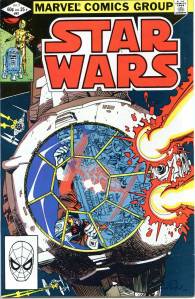
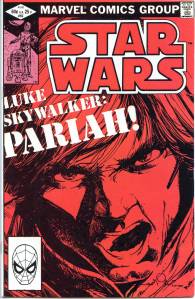
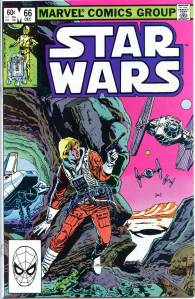
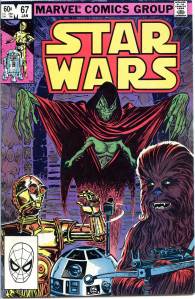
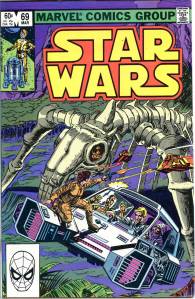
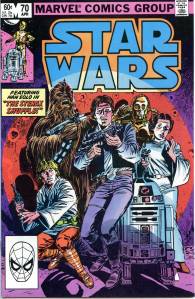
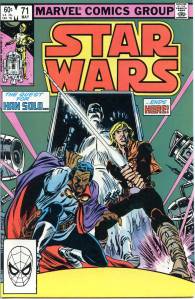
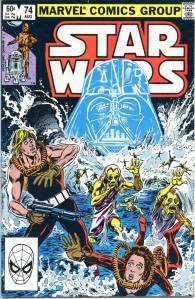
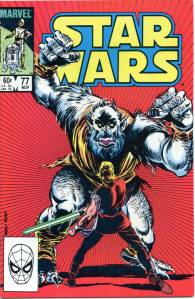
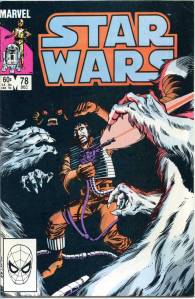
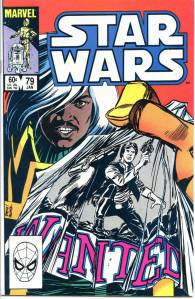
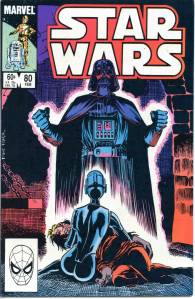
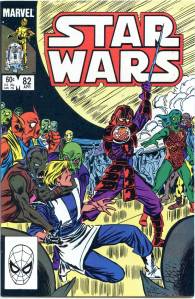
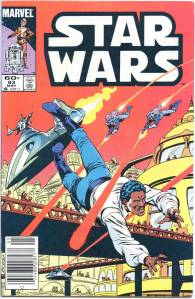
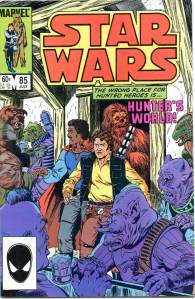
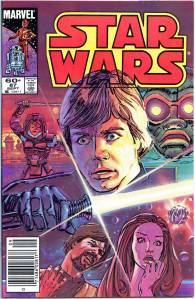
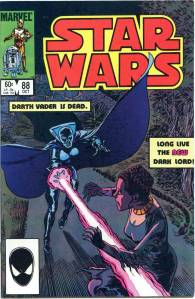
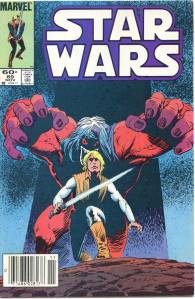
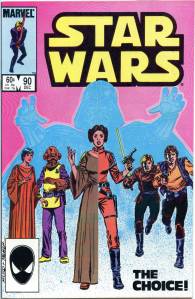
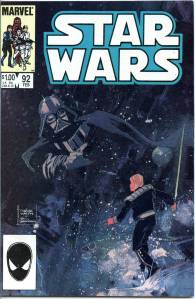
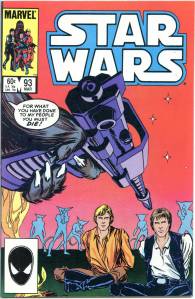
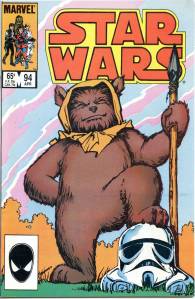
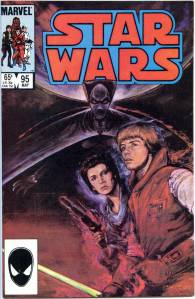
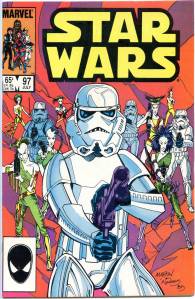
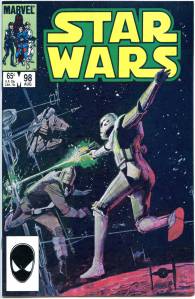
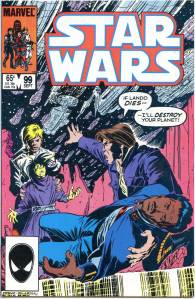
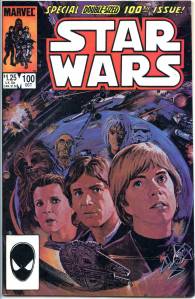
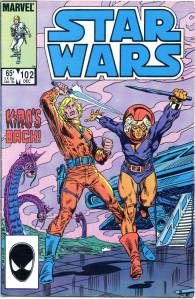
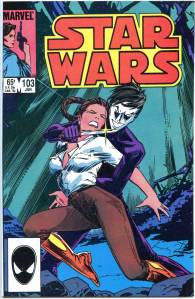
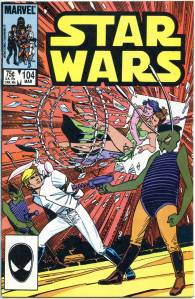
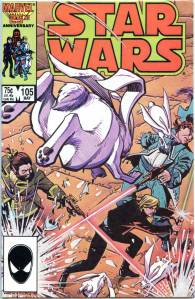
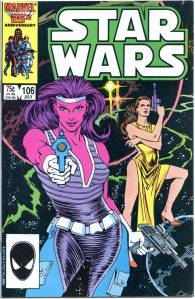
Charles Lippincott, Lucasfilm‘s publicity supervisor, initially approached Stan Lee in 1975 about publishing a Star Wars comic book prior to the film’s release to appeal to the film’s most likely audience. However, Lee declined to consider such a proposal until the film was completed, and was only persuaded otherwise in a second meeting arranged by Roy Thomas, who wanted to edit the series. Considering movie tie-in comics rarely sold well at that time, Lee negotiated a publishing arrangement with no royalties to Lucasfilm until sales exceeded 100,000 at which point legal arrangements could be revisited.
Marvel Comics Group published a series of Star Wars comic books from 1977 to 1986, lasting 107 issues and 3 annuals. According to former Marvel Editor-In-Chief Jim Shooter, the strong sales of Star Wars comics saved Marvel financially in 1977 and 1978. Marvel’s Star Wars series was one of the industry’s top selling titles in 1979 and 1980.The only downside for Marvel was that the 100,000 copy sales quota was surpassed quickly, allowing Lippincott to renegotiate the royalty arrangements from a position of strength.
With only two witches left, one of them takes her own life rather than fall prey to her enemies. With her dying breath, she summons Dawn, the Goddess of the earth, of birth and rebirth, and protector of the witches. Lucifer, prince of lies, and Ahura-Mazda, master of Heaven, may try to bar her path with treachery and swords, but neither Heaven nor Hell is safe from Dawn’s quest for answers – and for bloody vengeance.
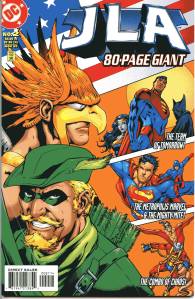
The low sales of the various Justice League spinoff books by the mid-1990s prompted DC to revamp the League as a single team (all the various branch teams were disbanded) on a single title. A Justice League of America formed in the September 1996 limited seriesJustice League: A Midsummer’s Nightmare by Mark Waid and Fabian Nicieza. In 1997, DC Comics launched a new Justice League series titled JLA, written by Grant Morrison with art by Howard Porter and inker John Dell. Morrison stayed as writer for the series through issue #41, though several issues had fill-in writers. JLA #18-#21 and #33 were written by Mark Waid. Mark Millar, Devin Grayson and Mark Waid, and J.M. DeMatteis wrote issues #27, #32 and #35 respectively.
This series, in an attempt at a “back-to-basics” approach, used as its core the team’s original and most famous seven members (or their successors): Superman, Batman, Wonder Woman, Aquaman, Flash (Wally West), Green Lantern (Kyle Rayner), and the Martian Manhunter. Additionally, the team received a new headquarters, the “Watchtower“, based on the Moon. JLA quickly became DC’s best-selling title, a position it enjoyed off and on for several years.


















































 EHT Comics