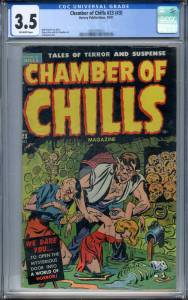
The first Chamber of Chills was a 10-cent horror anthology published bimonthly by Harvey Publications that ran 26 issues (cover-dated June 1951 – Dec. 1954).
Chamber of Chills was formerly Blondie Comics, taking over that comic’s numbering with issue #21. After issue #24 (Dec. 1951), the numbering was reset to #1. Chamber of Chills became Chamber of Clues with the February 1955 issue, and ceased publication two issues later, the last cover-dated April 1955.
Chamber of Chills #23 CGC 3.5 Off-White Pages $349
“Dark Crisis on Infinite Earths“, originally “Dark Crisis“, is a 2022 comic book storyline published by DC Comics, comprising an eponymous central 7 issue mini-series by writer Joshua Williamson and artist Daniel Sampere, and a number of tie-in books. The event received critical acclaim, with critics praising Williamson’s writing, inclusion of characters, art, story, and action. The storyline takes place towards the end of Infinite Frontier, with the conclusion of the series leading into the Dawn of DC in 2023.
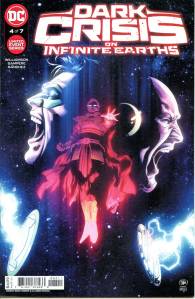
The title of the series was changed from Dark Crisis to Dark Crisis on Infinite Earths on and after issue #4, which denoted how the series is a direct sequel to Crisis On Infinite Earths. The series results in the return of the DCU’s infinite multiverse which was destroyed in the original crisis in 1986.
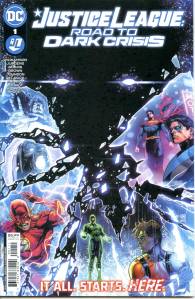
Road to Dark Crisis – Justice League #1 NM $5
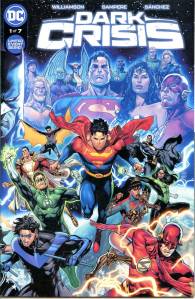
Dark Crisis #1 NM $3
Dark Crisis #2 NM $5
Dark Crisis #3 NM $5
Dark Crisis on Infinite Earths #4 NM $3
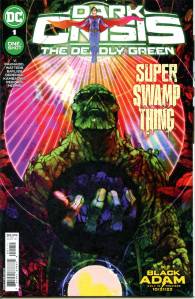
Dark Crisis – The Deadly Green #1 NM $3
Dark Crisis – War Zone #1 NM $3
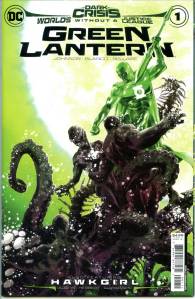
Dark Crisis – Worlds Without a Justice League – Green Lantern #1 NM $5
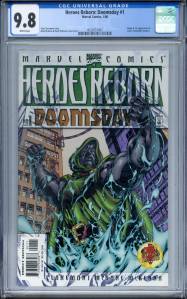
In the years after the Heroes Reborn event, Marvel published a series of one-shots that revisit the pocket universe created by Franklin Richards. These can be read in any order and even touch on some characters who were not featured in the original storyline.
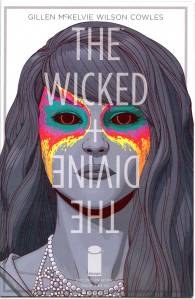
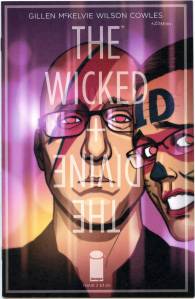
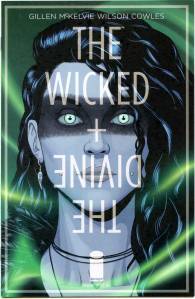
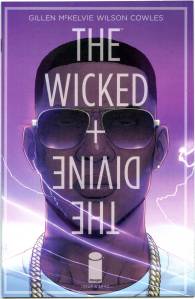
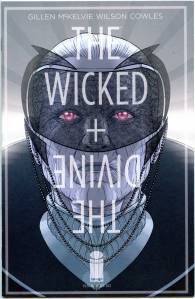
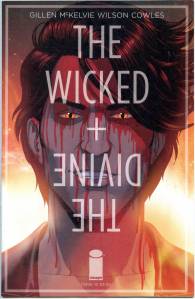
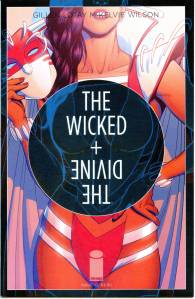
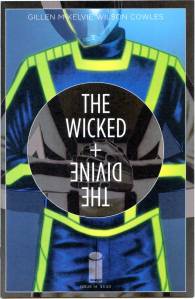
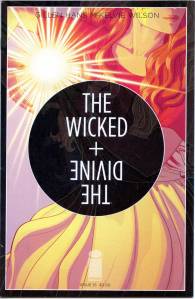
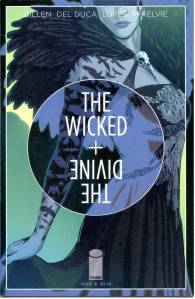
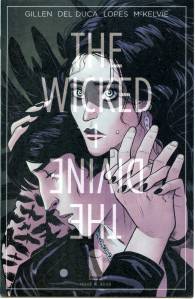
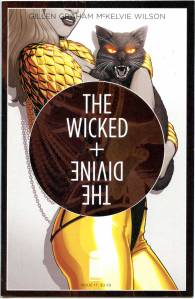
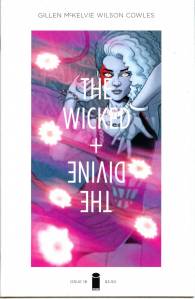
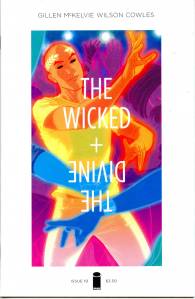
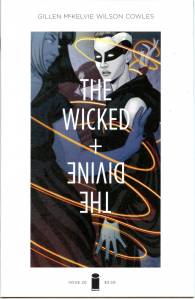
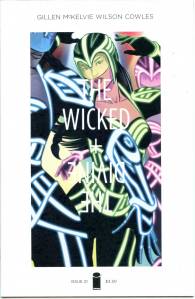
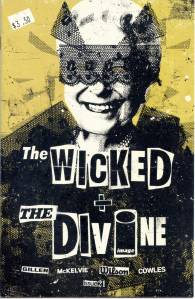
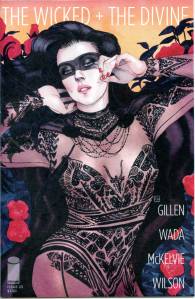
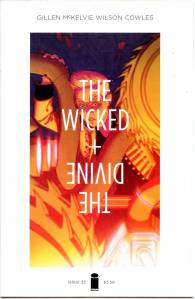
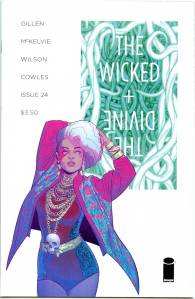
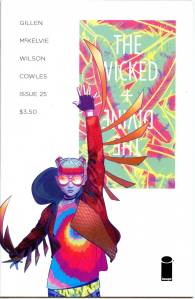
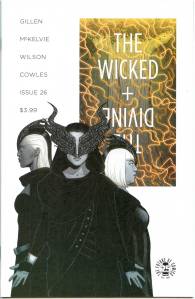
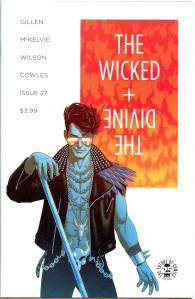
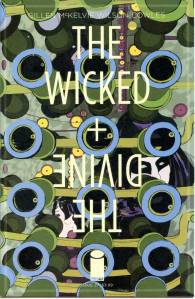
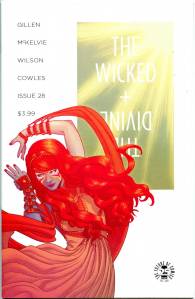
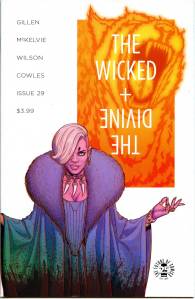
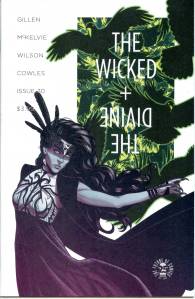
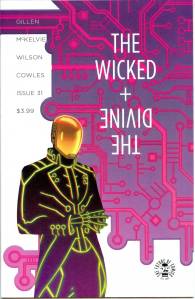
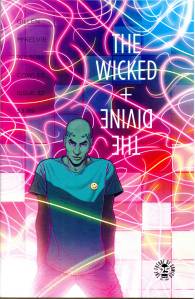
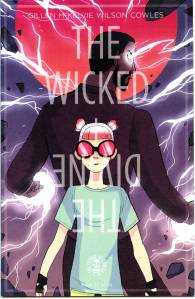
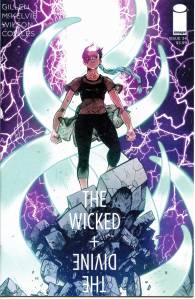
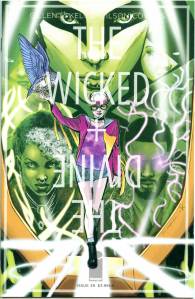
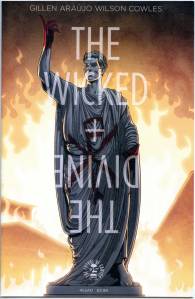
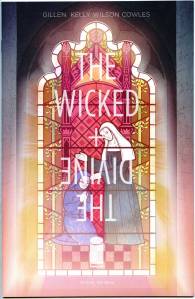
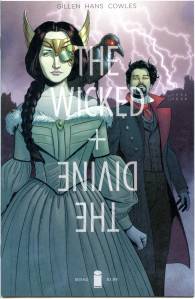
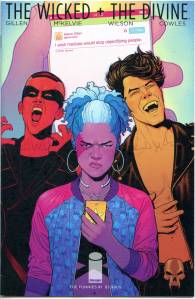
The Wicked + The Divine is a contemporary fantasy comic book series created by Kieron Gillen and Jamie McKelvie, and published by Image Comics. The series is largely influenced by pop music and various mythological deities, and includes the themes of life and death in the story. The comic has received positive reviews, and was the winner of Best Comic at the 2014 British Comic Awards. It has also been noted for its diverse portrayal of ethnicity, sexuality and gender social roles.
The narrative follows a young teenage girl, Laura, as she interacts with the Pantheon, a group of twelve people who discover that they are reincarnated deities. This discovery grants them fame and supernatural powers, with the stipulation that they will die within two years as part of a ninety-year cycle known as the Recurrence.
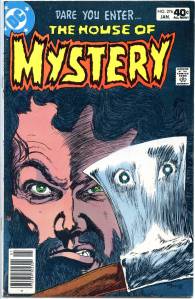
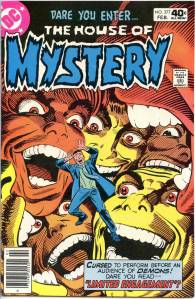
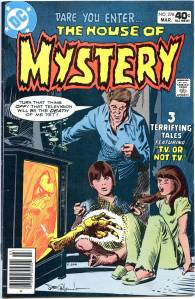
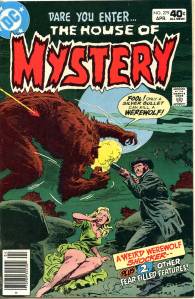
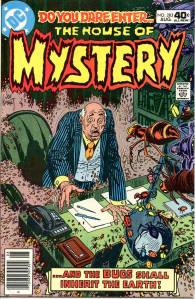
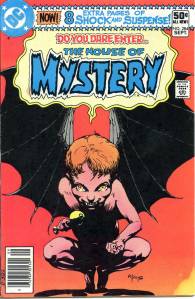
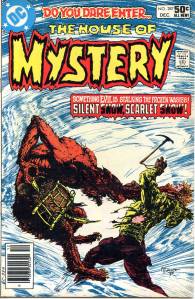
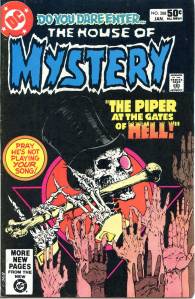
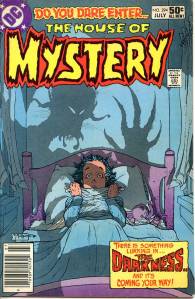
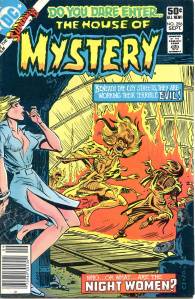
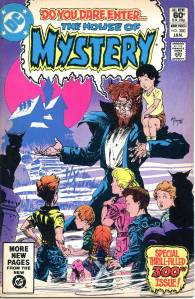
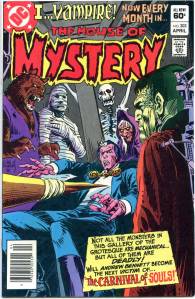
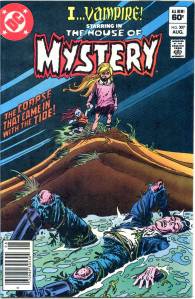
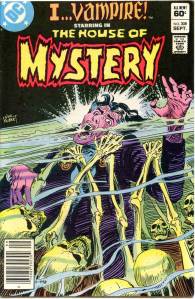
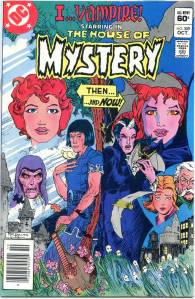
Karen Berger became editor of the series with #292 (May 1981), her first for DC Comics. Under Berger, the series experimented with long-form storylines in the popular I…Vampire serial created by writer J. M. DeMatteis. “I… Vampire” revolved around the heroic vampire, Andrew Bennett, who sought to defeat his nemesis and former lover Mary, the Queen of Blood. This series began in #290 (March 1981) and would last until #319 (August 1983), two issues before the title ended with #321 (October 1983).
After saving the world in The Storm and The Fury, but sacrificing himself and Great Britain, Hellboy is dead, cast into Hell, where he finds many familiar faces, and a throne that awaits him. Mike Mignola returns to draw Hellboy’s ongoing story for the first time since Conqueror Worm. It’s a story only Mignola could tell, as more of Hellboy’s secrets are at last revealed, in the most bizarre depiction of Hell you’ve ever seen.
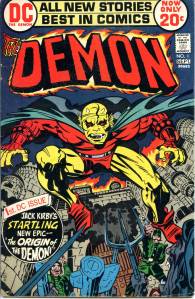
The Demon was created by Jack Kirby. The titular character, named Etrigan, is a demon from Hell who, despite his violent tendencies, usually finds himself allied to the forces of good, mainly because of the alliance between the heroic characters of the DC Universe and Jason Blood, a human to whom Etrigan is bound.
Jack Kirby created the Demon in 1972 when his Fourth World titles were cancelled.According to Mark Evanier, Kirby had no interest in horror comics, but created Etrigan in response to a demand from DC for a horror character. Kirby was annoyed that the first issue sold so well that DC required him to remain on it and abandon the Fourth World titles before he was done with them. Etrigan was inspired by a comic strip of Prince Valiant in which the titular character dressed as a demon. Kirby gave his creation the same appearance as Valiant’s mask.
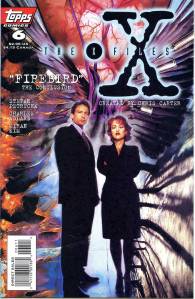
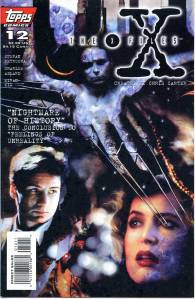
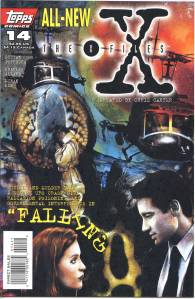
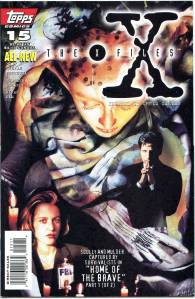
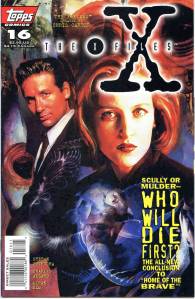
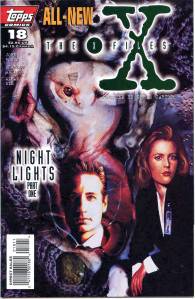
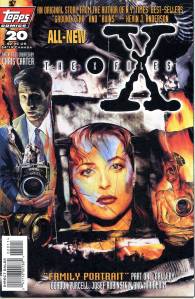
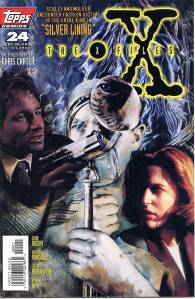
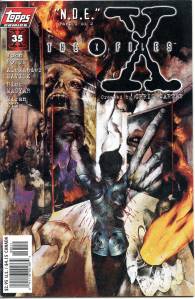
X-Files was originally published by Topps Comics and ran for 41 issues from January 1995 to September 1998, coinciding with the second through fifth seasons of the television program.
In 1996, Topps published X-Files #0, an adaptation of the pilot episode, in order to test the market for a series adapting the episodes of the X-Files TV series. The issue was successful, and X-Files Season One ran for nine issues (August 1997 – July 1998). The series’s name was provisional, and Topps in fact intended to adapt every episode, but never got as far as season two. The series was written by Roy Thomas, who would create a first draft for each issue by working off of the episode’s script, then watch the actual episode and modify his work to account for changes made on the set.
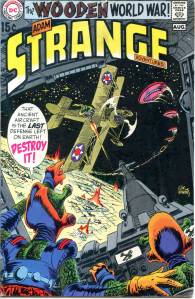
Initially a science fiction anthology title with some continuing features starring SF protagonists, the series became a supernatural-fantasy title beginning with issue #202, for which it received a new logo. Deadman’s first appearance in Strange Adventures #205, written by Arnold Drake and drawn by Carmine Infantino, included the first known depiction of narcotics in a story approved by the Comics Code Authority. The “Deadman” feature served as an early showcase for the artwork of Neal Adams.
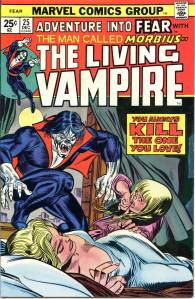
Morbius, the Living Vampire, introduced in The Amazing Spider-Man #101 (Oct. 1971), became the starring feature with Adventure into Fear #20 (Feb. 1974), and continued through the rest of the run. After a single issue by writer Mike Friedrich and penciler Paul Gulacy, Steve Gerber wrote several issues in which Morbius went on a picaresque interdimensional journey and fought the Caretakers of Arcturus and was advised by the eyeball-headed character I. Doug Moench and Bill Mantlo followed, successively, as the feature’s writers. Its round-robin of artists included Gil Kane, P. Craig Russell, Frank Robbins, George Evans, and Don Heck. Back up reprints shortly resumed in issue #20. Morbius would receive his own short-lived comic-book series in the 1990s.





















 EHT Comics