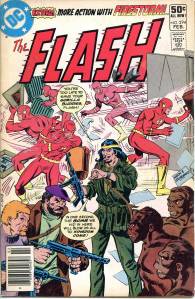
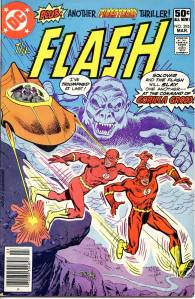
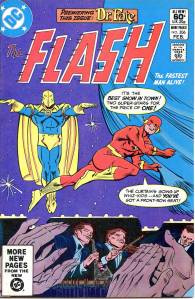
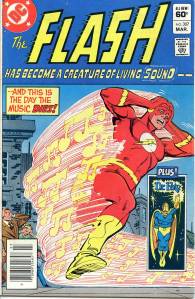
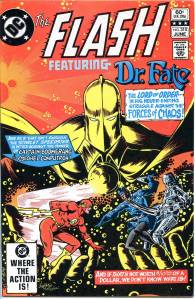
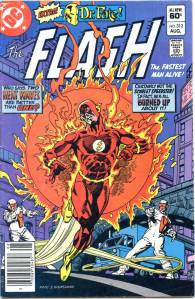
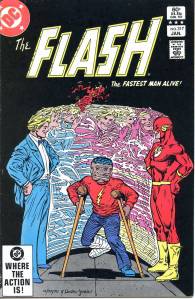
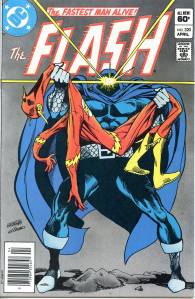
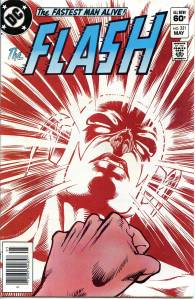
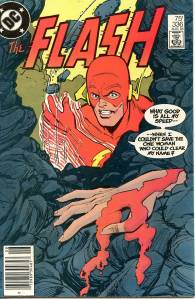
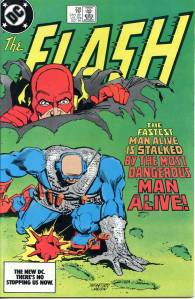
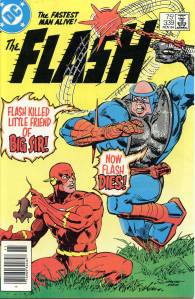
Barry Allen’s adventures continued in his own title until the event of Crisis on Infinite Earths. The Flash ended as a series with issue #350. Allen’s life had become considerably confused in the early 1980s, and DC elected to end his adventures and pass the mantle on to another character. Allen died heroically in Crisis on Infinite Earths #8 (1985). Thanks to his ability to travel through time, he would continue to appear occasionally in the years to come.
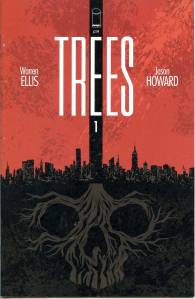
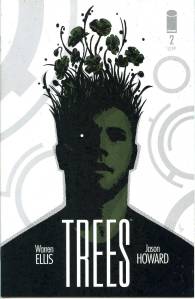
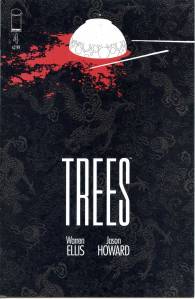
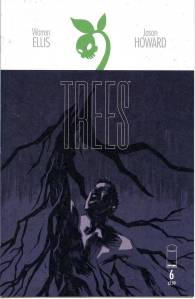
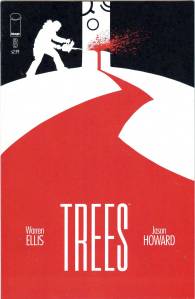
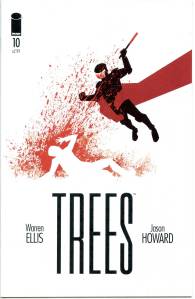
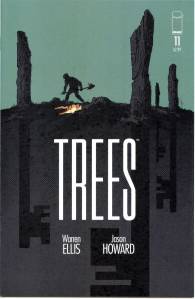
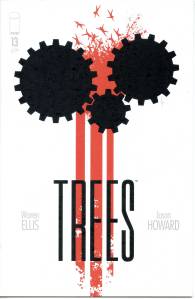
Trees is a science fiction comic book series by Warren Ellis and Jason Howard, published by Image Comics. The first issue was published May 28, 2014. The narrative begins ten years after the arrival of massive and silent alien presences who stand on the surface of the earth like the “Trees” of the title, not moving and seeming to take no account of human life and society. While a high concept science fiction story, the series also concerns itself with a cross-section of social and cultural issues as experienced by the characters, including policestates, feminism, economic disparity, and transgender identity.
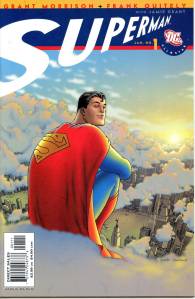
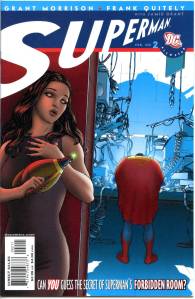
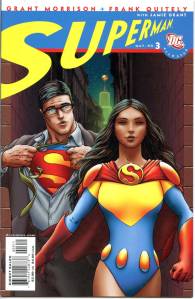
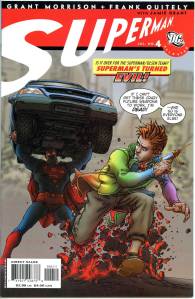
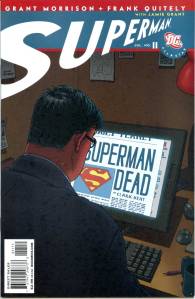
All-Star Superman is a twelve-issue series featuring Superman that was published by DC Comics. The series ran from November 2005 to October 2008. The series was written by Grant Morrison, drawn by Frank Quitely, and digitally inked by Jamie Grant. DC claimed that this series would “strip down the Man of Steel to his timeless, essential elements”.
The series was the second to be launched in 2005 under DC’s All-Starimprint, the first being All Star Batman & Robin, the Boy Wonder. These series were attempts by DC to allow major comics creators a chance to tell stories showcasing these characters without being restricted by DC Universecontinuity.
The series was met with critical acclaim and is widely considered to be one of the best Superman stories of all time.
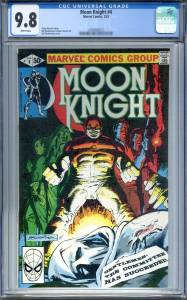
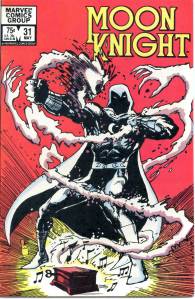
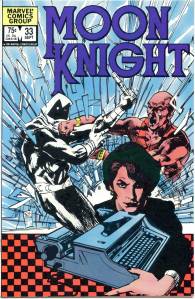
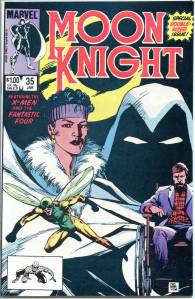
Moon Knight received his first ongoing series in 1980, with Doug Moench and Bill Sienkiewicz as its main creative team. The character received an expanded origin story in issue #1, which also introduced several recurring characters as well as recurring enemy Bushman. The series depicted several characters who doubted the moon god Khonshu was real and believed Marc Spector only experienced a hallucination while near death. It was never explained why other characters, such as Spector’s lover Marlene, concluded this when there was no other explanation for Marc’s spontaneous recovery from his wounds and a death-like state and when it was well known by this time that many gods of myth in the Marvel Universe (such as Thor and Zeus) were real, living entities from other dimensions and planets.
After early sales were good, Marvel made the Moon Knight series a flagship title available in comic shops starting with issue #15. The companion mini-series Moon Knight: Special Edition reprinted the Hulk and Marvel Preview Moon Knight stories in color and standard comic format, as opposed to their original magazine format. Sienkiewicz left the series after issue #30, though he continued to contribute covers until the series ended with issue #38.
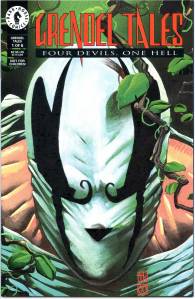
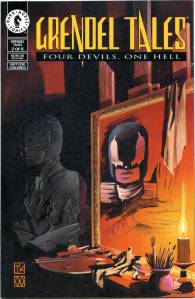
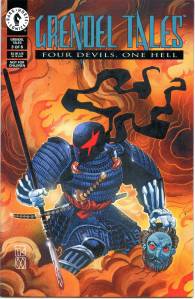
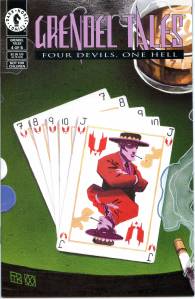
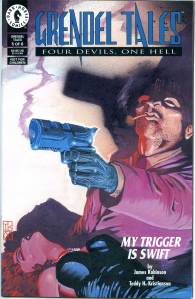
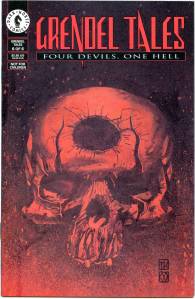
Too many devils are looking to rule the underworld. Some of them have to head for higher ground. The gambler, the detective, the madman, the artist — four displaced devils each in search of a hell to call his own. But while each follows his own path, they all end up on the night train to New Orleans. Four devils are fighting for one town, and an unknown threat with a thirst for power is lurking amongst them, unwilling to give up his town. There’s always somethin’ hot goin’ down in the Big Easy, but forecasts are predicting an all-time high!
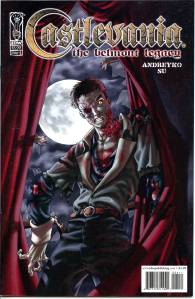
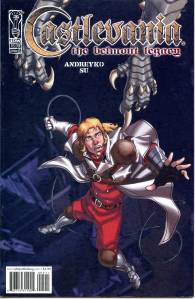
It is 1576, and the legend of the Belmont family’s vampire-hunting prowess still echoes through the Romanian countryside. While Christopher Belmont celebrates his nuptials, dark forces conspire to raise Count Dracula from his unholy slumber. With this ancient evil unleashed once more, young Belmont must to prove he is worthy of the Belmont legacy. Based on the smash-hit Konami videogame series.
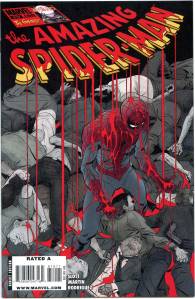
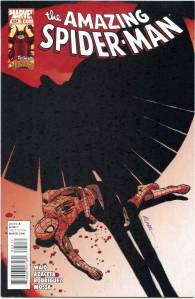
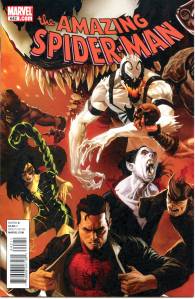
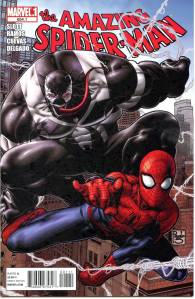
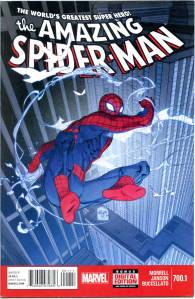
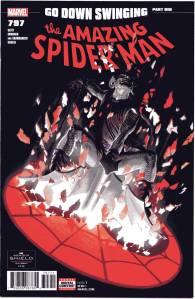
Mark Waid scripted the opening of “The Gauntlet” storyline in issue No. 612. The Gauntlet story was concluded by Grim Hunt (No. 634-637) which saw the resurrection of long-dead Spider-Man villain, Kraven the Hunter. The series became a twice-monthly title with Dan Slott as sole writer at issue No. 648, launching the Big Time storyline. Eight additional pages were added per issue. Big Time saw major changes in Spider-Man/Peter Parker’s life, Peter would start working at Horizon Labs and begin a relationship with Carlie Cooper (his first serious relationship since his marriage to Mary Jane), Mac Gargan returned as Scorpion after spending the past few years as Venom, Phil Urich would take up the mantle of Hobgoblin, and the death of J. Jonah Jameson’s wife, Marla Jameson. Issues 654 and 654.1 saw the birth of Agent Venom, Flash Thompson bonded with the Venom symbiote, which would lead to Venom getting his own series Venom (volume 2). Starting in No. 659 and going to No. 655, the series built-up to the Spider-Island event which officially started in No. 666 and ended in No. 673. Ends of the Earth was the next event that ran from No. 682 through No. 687. This publishing format lasted until issue No. 700, which concluded the “Dying Wish” storyline, in which Parker and Doctor Octopus swapped bodies, and the latter taking on the mantle of Spider-Man when Parker apparently died in Doctor Octopus’ body. The Amazing Spider-Man ended with this issue, with the story continuing in the new series The Superior Spider-Man.] Despite The Superior Spider-Man being considered a different series to The Amazing Spider-Man, the first 33 issue run goes towards the legacy numbering of The Amazing Spider-Man acting as issues 701-733. In December 2013, the series returned for five issues, numbered 700.1 through 700.5, with the first two written by David Morrell and drawn by Klaus Janson.
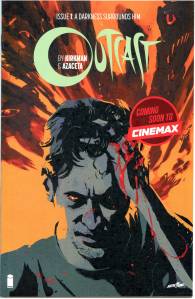
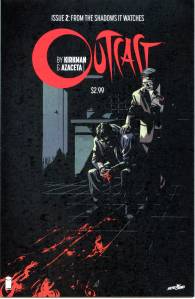
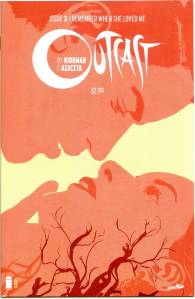
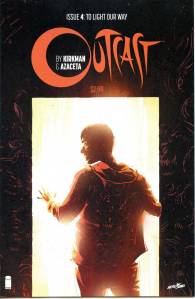
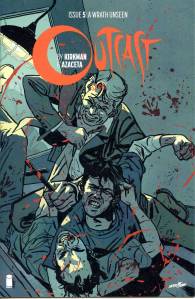
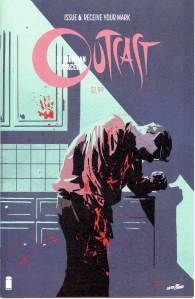
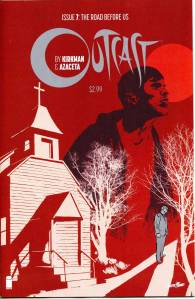
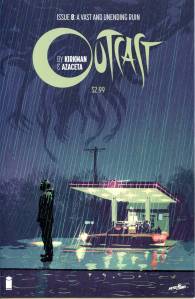
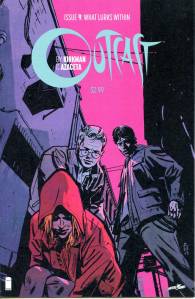
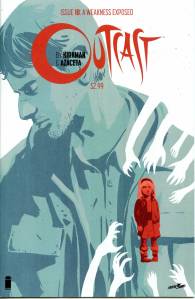
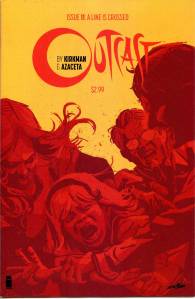
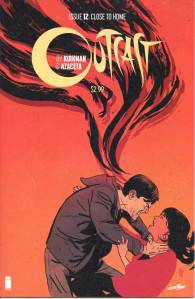
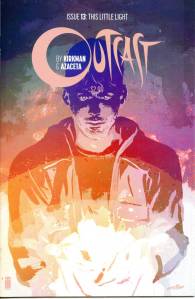
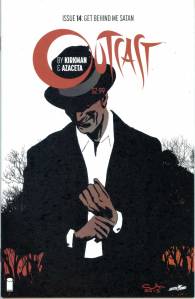
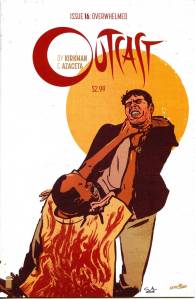
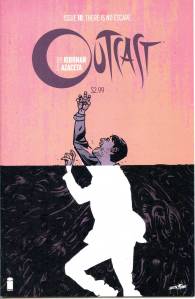
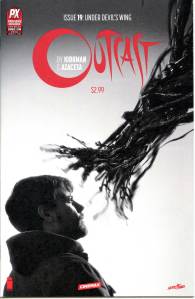
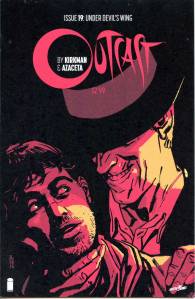
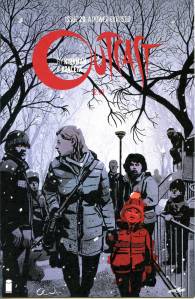
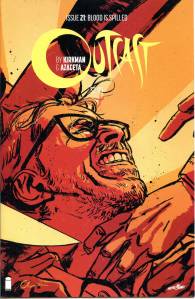
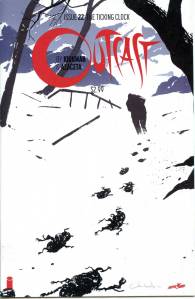
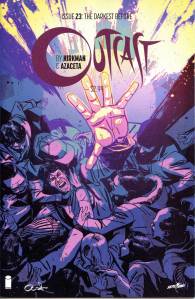
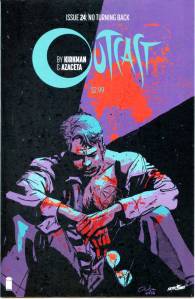
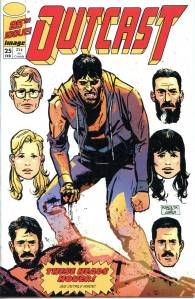
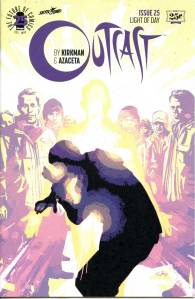
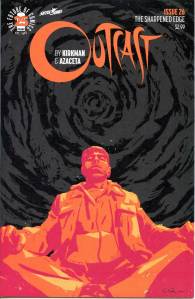
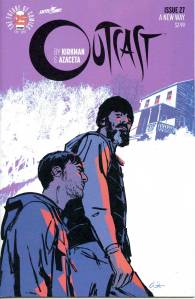
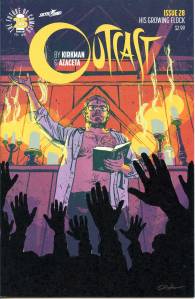
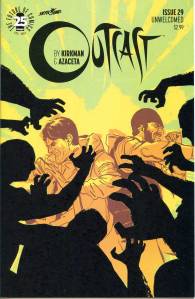
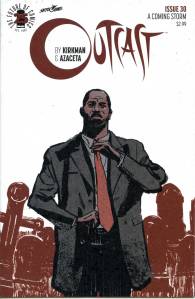
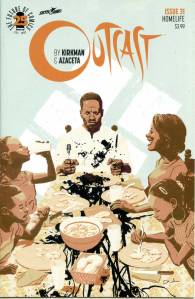
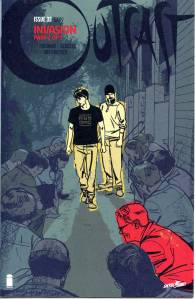
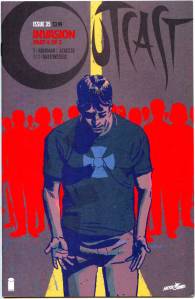
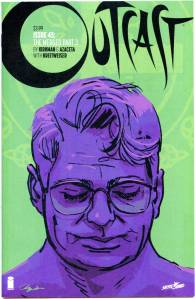
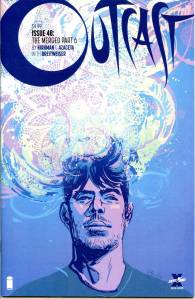
Outcast, created by writer Robert Kirkman and artist Paul Azaceta is a supernatural horror story that chronicles Kyle Barnes, a man whose loved ones have been involved in demonic possession since his childhood. With the help of a clergyman, he tries as an adult to unveil what lies behind the supernatural manifestations and why he seems to carry special peculiarities.
The first issue of the monthly comic was published in 2014 by Image Comics. Before the first release, Kirkman also began to develop a television adaptation with Cinemax which began airing in June 2016.
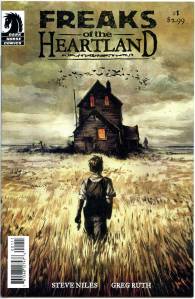
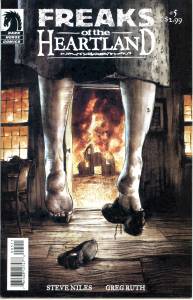
Trevor Owen has a younger brother who lives in the barn behind the house, too monstrous to be let into the house. The boy’s only six years old, but he towers over his older brother, and possesses monstrous strength. For years, Trevor has looked after his baby brother, keeping him from the light, but now that’s all about to change. His family’s profane secret is about to be revealed, uncovering the horrible truth of the small mid-western town the boys have grown up in.
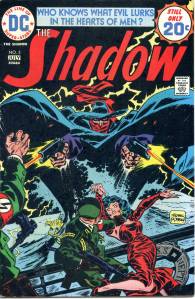
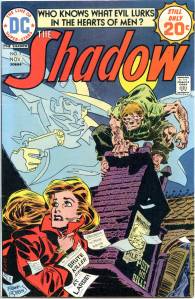
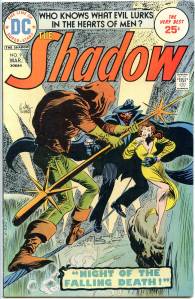
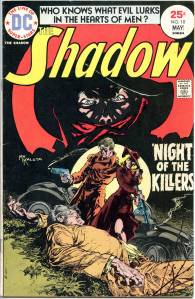
During the mid-1970s, DC Comics published an “atmospheric interpretation” of the character by writer Dennis O’Neil and artist Michael Kaluta in a 12-issue series (Nov. 1973 – Sept. 1975). Kaluta drew issues 1–4 and 6 and was followed by Frank Robbins and then E. R. Cruz. Attempting to be faithful to both the pulp-magazine and radio-drama character, the series guest-starred fellow pulp fiction hero the Avenger in issue #11.




























 EHT Comics