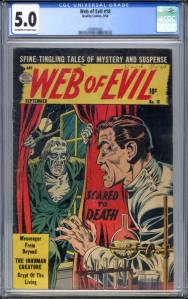
From the people who brought you Captain Marvel comes horror. Web of Evil was an anthology horror comic published by Quality Comics, and was acquired by DC Comics when DC bought Quality in 1956. It rivaled EC’s horror comics, often considered the measuring stick for greatness in this genre. With its smart writing, consistently high-end artwork, and willingness to push-the-envelope with its, violent, graphic depiction of scenes of the macabre, Web Of Evil, as with several EC horror titles, ended up getting Quality Comics in hot water, metaphorically.
Web of Evil #18 CGC 5.0 Off White – White Pages $299
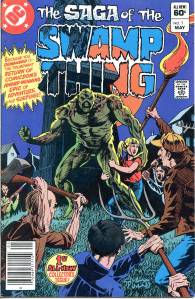
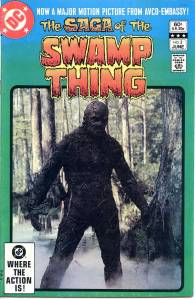
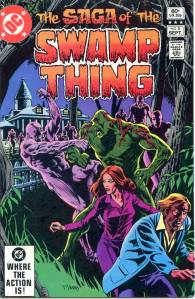
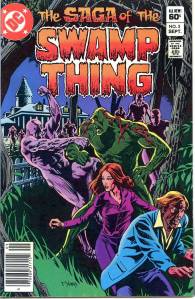
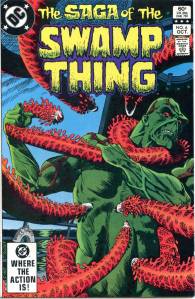
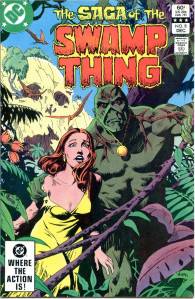
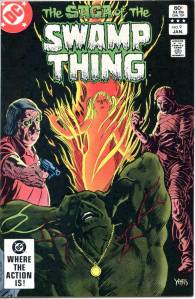
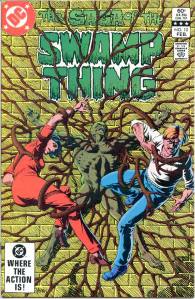
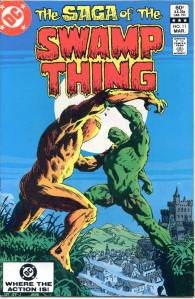
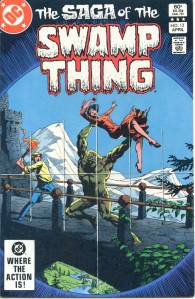
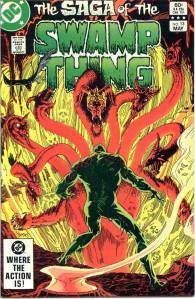
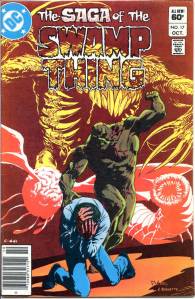
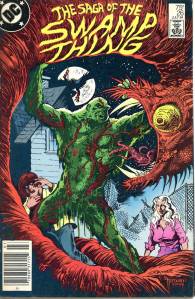
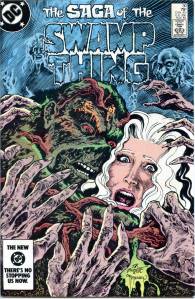
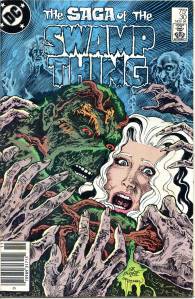
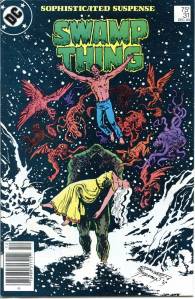
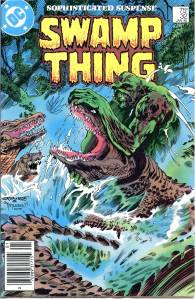
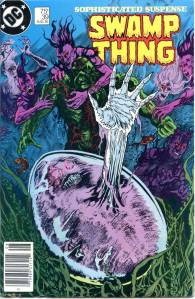
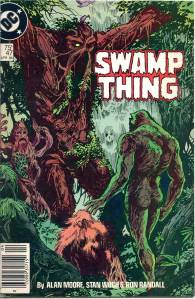
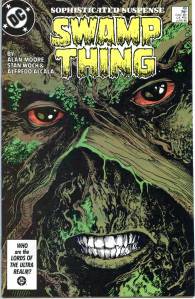
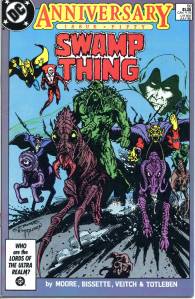
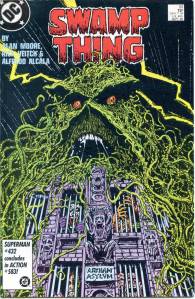
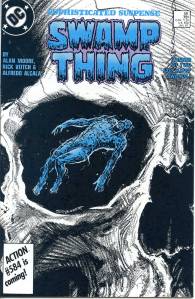
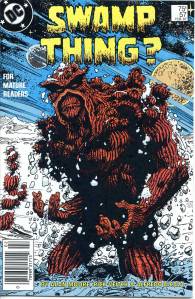
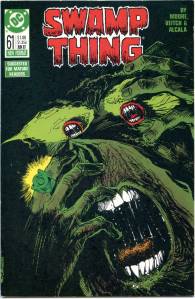
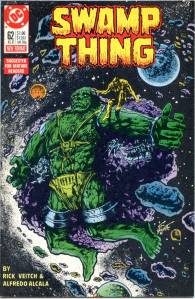
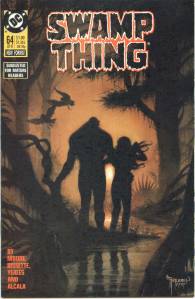
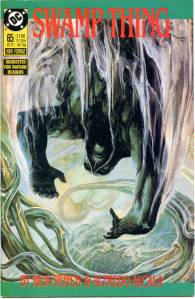
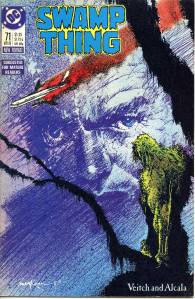
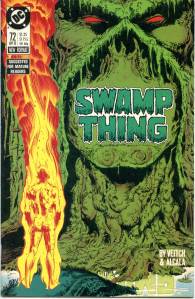
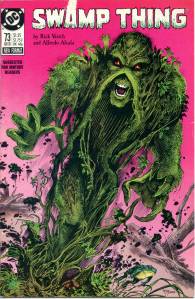
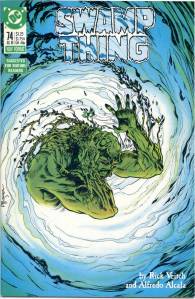
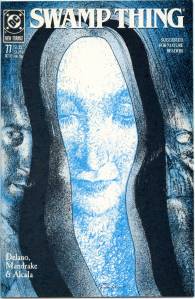
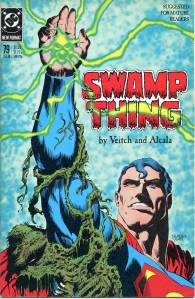
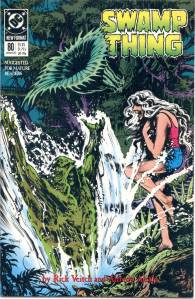
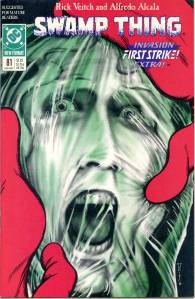
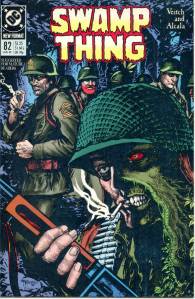
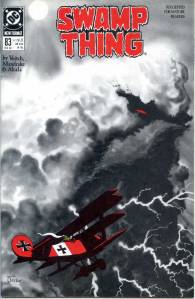
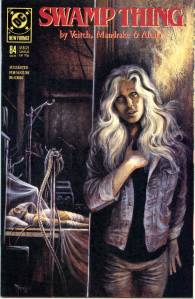
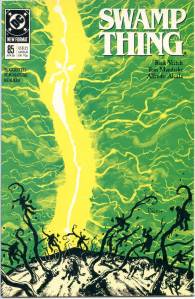
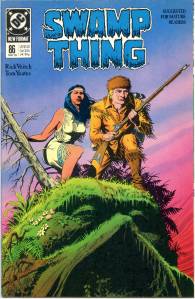
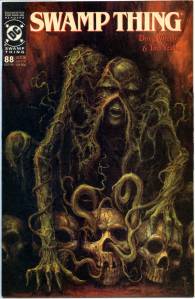
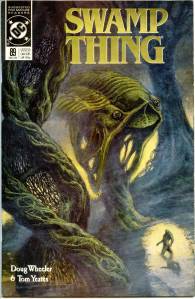
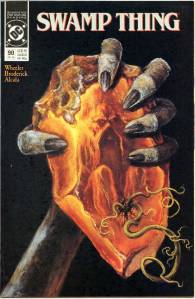
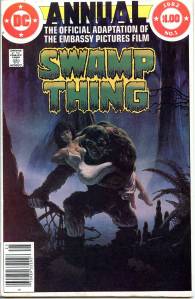
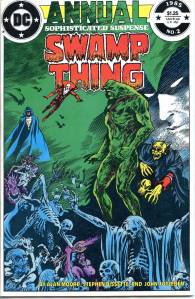
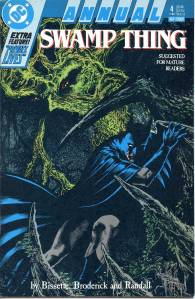
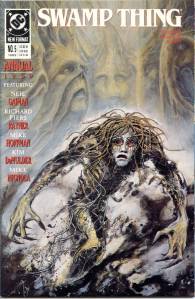
In 1984, editor Len Wein assigned Swamp Thing to British writer Alan Moore. When Karen Berger took over as editor, she gave Moore free rein to revamp the title and the character as he saw fit. Moore reconfigured Swamp Thing’s origin to make him a true monster as opposed to a human transformed into a monster. In his first issue, he swept aside most of the supporting cast Pasko had introduced in his year-and-a-half run as writer, and brought the Sunderland Corporation to the forefront, as they hunted Swamp Thing and “killed” him in a hail of bullets. The subsequent investigation revealed that Swamp Thing was not Alec Holland’s consciousness transformed into a plant but actually a form of plant life that had absorbed Holland’s consciousness after exposure to his work, with Swamp Thing’s appearance being the plants’ attempt to duplicate Holland’s human form.
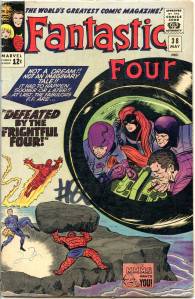
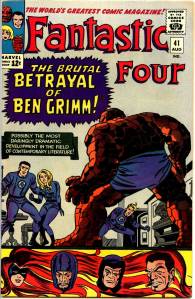
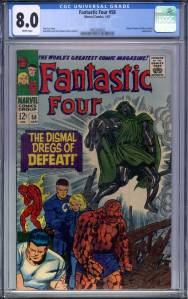
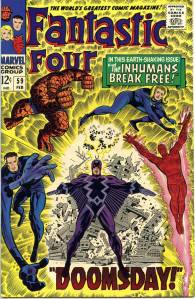
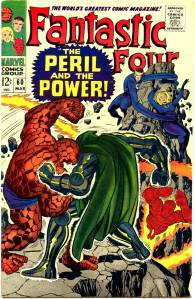
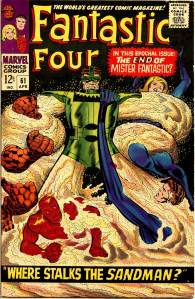
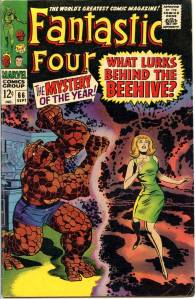
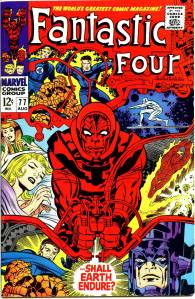
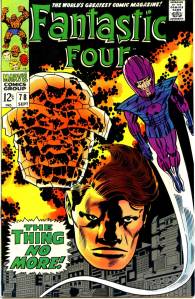
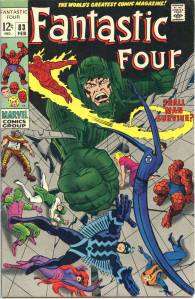
The Fantastic Four debuted in The Fantastic Four #1 (Nov. 1961), which helped to usher in a new level of realism in the medium. The Fantastic Four was the first superhero team created by writer-editor Stan Lee and artist/co-plotter Jack Kirby, who developed a collaborative approach to creating comics with this title that they would use from then on. As the first superhero team title produced by Marvel Comics, it formed a cornerstone of the company’s 1960s rise from a small division of a publishing company to a pop culture conglomerate.
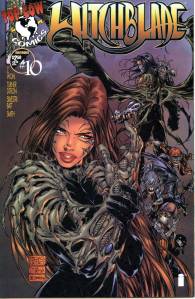
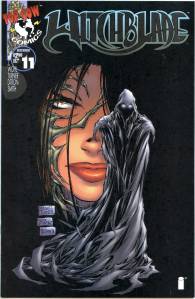
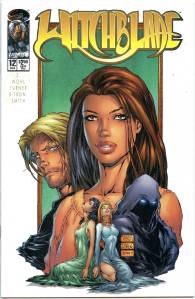
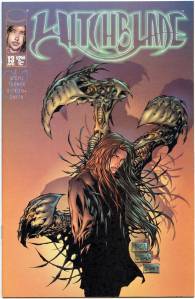
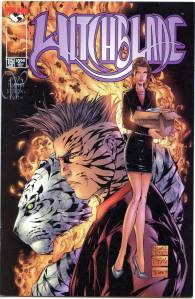
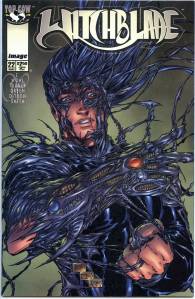
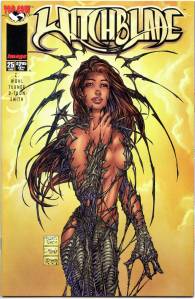
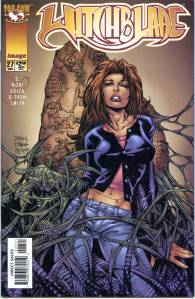
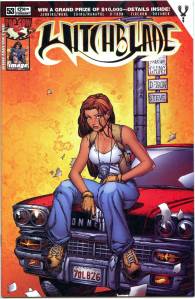
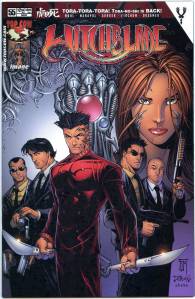
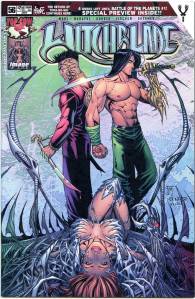
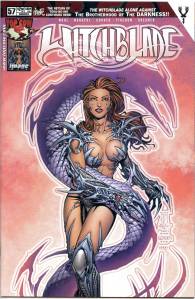
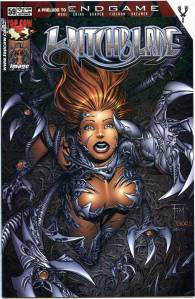
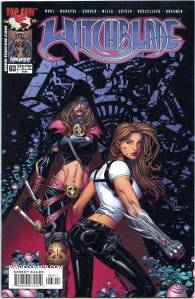
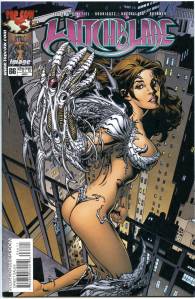
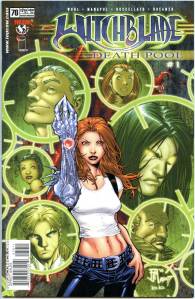
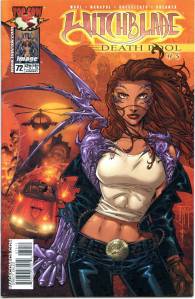
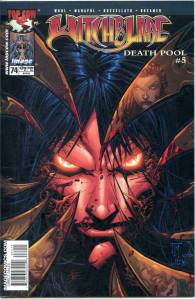
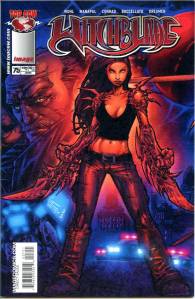
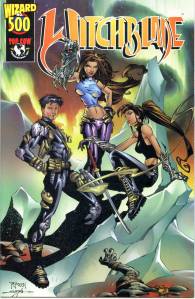
The Witchblade comic was adapted into a television series in 2001, as well as an anime, a manga and a novel in 2006. A feature film based on the comic, titled The Witchblade, was announced for a 2009 release, but was never produced. A second Witchblade television series was announced for development in January 2017.
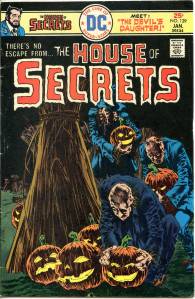
The House of Secrets was revived in 1969 after a 3 year absence. Now its horror and suspense tales were introduced by a host named Abel, who would also host the satirical comic Plop!. His brother Cain hosted House of Mystery. Swamp Thing first appeared in House of Secrets #92 (July 1971) in a stand-alone horror story set in the early 20th century written by Len Wein and drawn by Bernie Wrightson. The woman appearing on the cover of this issue was modeled after future comics writer Louise Simonson.
This revival, sporting many covers by Neal Adams, Bernie Wrightson, and Michael Kaluta, ran through issue #154 (Nov. 1978), with three months passing between #140 (April 1976) and #141 (July 1976). It was then ‘merged’ into The Unexpected with issue #189, through issue #199. The series was 68 ad-free pages, allowing all three portions to be full-length issues.
The House of Secrets also came to be the name of the actual edifice in which Abel lives. Writer Mike Friedrich and artist Jerry Grandenetti introduced the house and explained its origins. The Sandman series revealed it exists both in the real world of the DC Universe and in the Dreaming, as a repository for secrets of all kinds.
The House of Secrets #92 Signed by Bernie Wrightson FN+
Doctor Stephen Strange was the world’s greatest neurosurgeon and the Earth’s Sorcerer Supreme, defending the world against invasions from other dimensions and supernatural threats. He has lost and regained the role several times and journeyed to the strangest of places, even met Eternity itself, but he has always been there to defend this dimension against threats of every size and shape imaginable.
And now he’s dead.
Who will protect the Earth? Who will keep the supernatural evils at bay?
And who killed Doctor Strange?
Death of Doctor Strange Bloodstone #1 NM $6
Death of Doctor Strange – Blade #1 NM $5
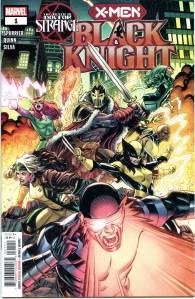
The Death of Doctor Strange – X-Men Black Knight #1 NM $5
The major event many cite as marking the beginning of the Golden Age was the 1938 debut of Superman in Action Comics #1, published by the predecessor of modern-day DC Comics. The creation of Superman made comic books into a major industry. Some date the start to earlier events in the 1930s: The Overstreet Comic Book Price Guide‘s regular publication The Golden Age Quarterly lists comic books from 1933 onwards (1933 saw the publication of the first comic book in the size that would subsequently define the format); some historians, such Roger Sabin, date it to the publication of the first comic books featuring entirely original stories rather than re-prints of comic strips from newspapers (1935) by the company that would become DC Comics.
The Werewolf by Night character (birth name Jacob Russoff, legal name Jacob Russell, nicknamed Jack) first appeared in Marvel Spotlight #2 (Feb. 1972) and was based on an idea by Roy Thomas. The series name was suggested by Stan Lee and the debut story was crafted by Gerry Conway and Mike Ploog.The character made additional appearances in Marvel Spotlight #3 and #4 and then graduated to his own eponymous series in September 1972. Jack Russell co-starred with Tigra in Giant Size Creatures #1 (July 1974), which was the first appearance of Greer Grant as Tigra instead of the Cat. That series was retitled Giant-Size Werewolf with its second issue.
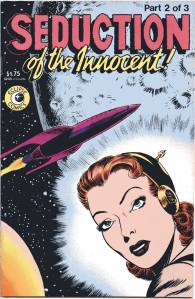
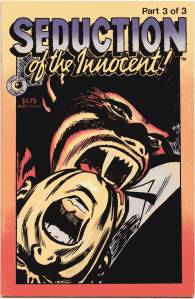
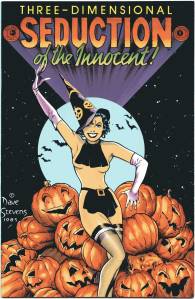
In homage to the great pre-Code horror comics, Eclipse Comics presented its own Seduction of the Innocent, reprinting classics from now-forgotten National Comics and Toby Publishing.
Seduction of the Innocent #2 VF+ $5
Seduction of the Innocent #3 NM $5
Three-Dimensional Seduction of the Innocent VF No Glasses $39







 EHT Comics