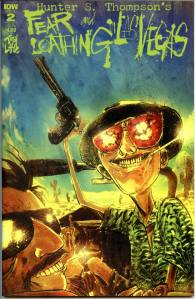
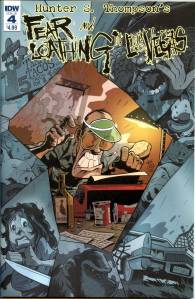
“What were we doing out here…? What was the meaning of this trip? Did I actually have a big red convertible out there on the street? Was I just roaming around these Mint Hotel escalators in a drug frenzy of some kind, or had I really come out here to Las Vegas to work on a story?” — Hunter S. Thompson, Fear and Loathing in Las Vegas
Fear and Lothing in Las Vegas #2 Variant NM $39Fear and Lothing in Las Vegas #4 NM $22
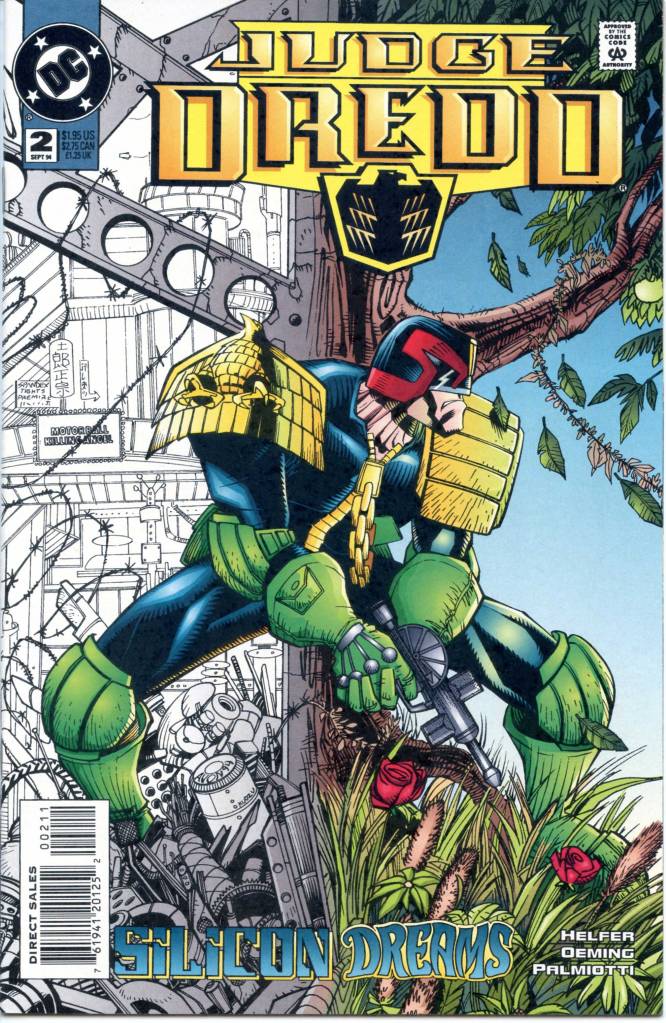
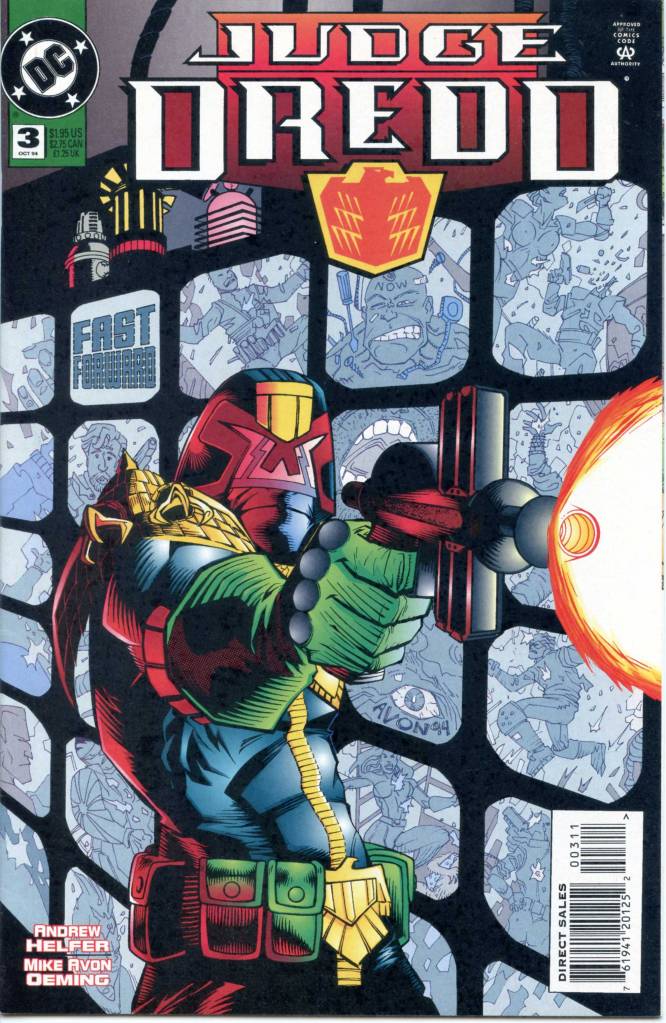
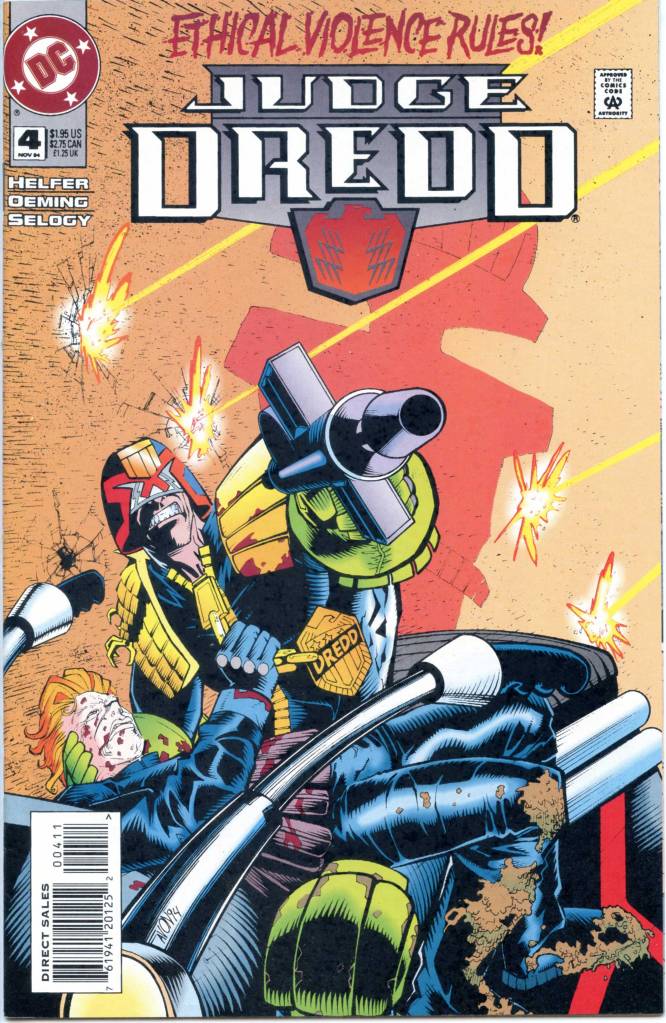
The Law comes to DC Comics! Judge Dredd storms North America in all-new, all-different adventures. In the post-apocalyptic future world of Mega-City One, where crime and corruption are rampant, the pseudo-militaristic Judges are the only true force for order in a world of seething anarchy. And the most uncompromising of these 21st-century law men is Judge Dredd, a man who lives by the law – and the gun – as he redefines crime and punishment in the not-too-distant future.
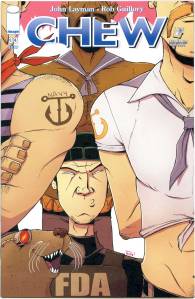
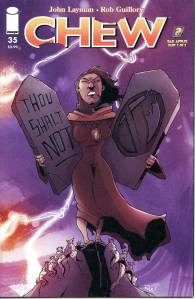
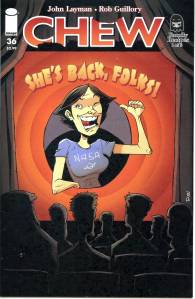
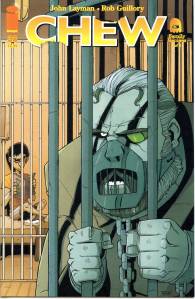
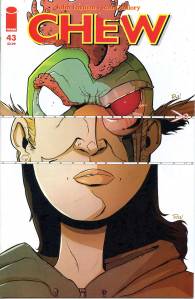
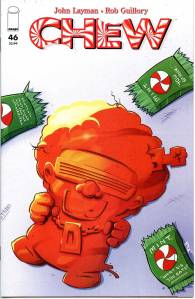
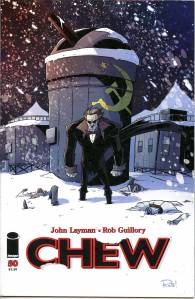
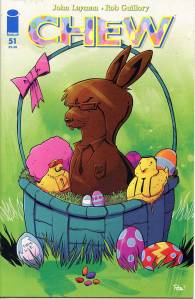
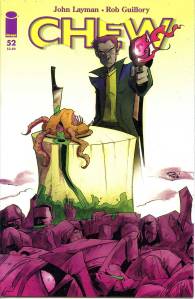
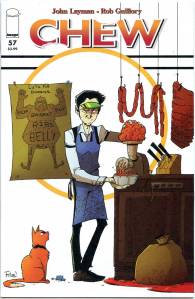
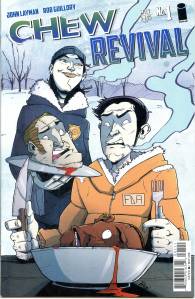
Set in a world where all chicken and other bird meats are illegal, after a catastrophic outbreak of the bird flu that killed 23 million Americans, Chew centers on Tony Chu, a police detective who is a Cibopath (pronounced “see-bo-path”). Tony becomes a vice cop with the Philadelphia Police Department, and when on assignment, trying to find people smuggling chicken, he enters a black market chicken restaurant on invitation from the U.S. FDA. He has a bowl of chicken soup only to find he gets a psychic impression of the cook killing people and putting them into the soup. He goes to bust the cook, only for the cook to kill himself outside the restaurant. Chu eats a bite of the cooks tongue to find out the names of the rest of the victims. He is fired from his job with the Philadelphia PD and gets hired on to the FDA by an agent named Mason Savoy, who is also a cibopath.
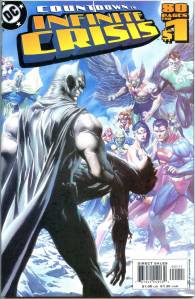
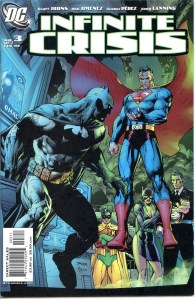
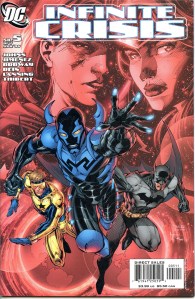
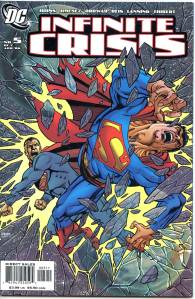
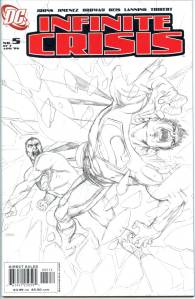
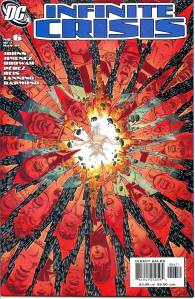
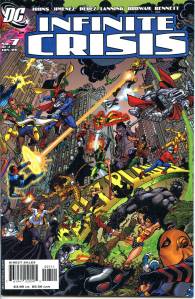
“Infinite Crisis” is a 2005–2006 comic book storyline published by DC Comics, consisting of an eponymous, seven-issue comic booklimited series written by Geoff Johns and illustrated by Phil Jimenez, George Pérez, Ivan Reis, and Jerry Ordway, and a number of tie-in books. The main miniseries debuted in October 2005, and each issue was released with two variant covers: one by Pérez, and one by Jim Lee and Sandra Hope.
The series storyline was a sequel to DC’s 1985 limited series Crisis on Infinite Earths, which “rebooted” much of the DC continuity in an effort to fix 50 years of contradictory character history. It revisited characters and concepts from that earlier Crisis, including the existence of DC’s Multiverse. Some of the characters featured were alternate versions of comic icons such as an alternate Superman named Kal-L, who came from a parallel universe called Earth-Two. A major theme was the nature of heroism, contrasting the often dark and conflicted modern-day heroes with memories of “lighter” and ostensibly more noble and collegial heroes of American comic books’ earlier days.
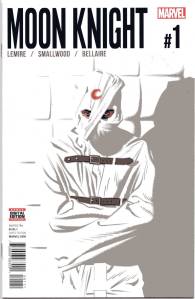
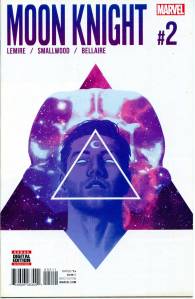
Marc Spector wakes up in a mental institute with no recollection of his past or how he got there. The staff, led by Dr. Emmet, seems to have supernatural powers and thwart Marc’s attempts to recover his past. Marc is shown evidence that he is a mentally ill man who has convinced himself he is also Moon Knight, a vigilante he’s seen on the news. Khonshu contacts Marc and explains that Emmet is an avatar like him, one who is connected to the Othervoid god Ammit. Khonshu decides it is now time for him to completely dominate Marc Spector’s body. Marc denies Khonshu and fights him with the help of all of his alters. Marc accepts that whether they are the result of childhood trauma or Khonshu’s interference, his alters are a part of him and have been for most of his life. After defeating Emmet and Khonshu, Marc resumes his life as Moon Knight, determined to be a protector and crime-fighter on his own terms rather than as a tool of anyone else. Later, Marc and Khonshu resume their bond.
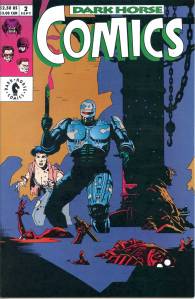
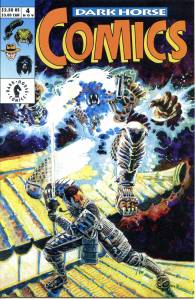
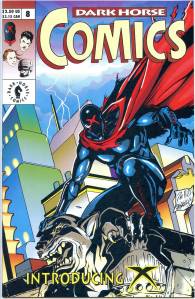
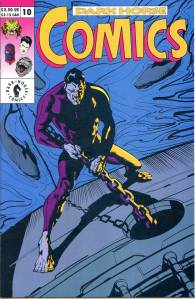
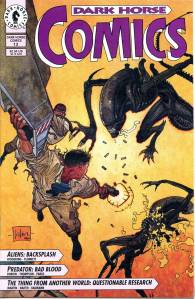
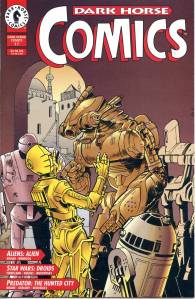
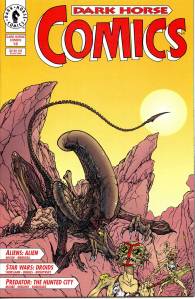
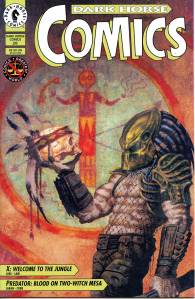
This monthly, color anthology from 1992 featured some of the hottest properties and creators anywhere. Many of the storylines presented in the pages of Dark Horse Comics have spun off into their own monthly series.
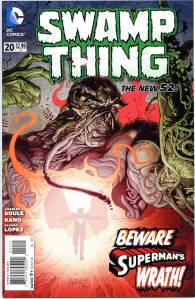
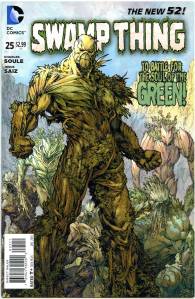
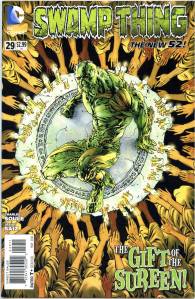
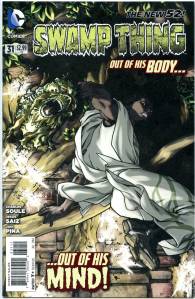
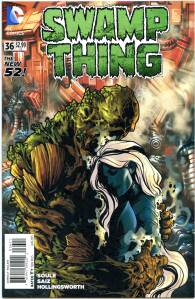
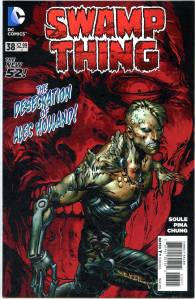
Swamp Thing (Volume 5) is one of “The New 52” ongoing series published after Flashpoint. It tells the story of Alec Holland‘s transformation into Swamp Thing following his resurrection from death.
The Gunslinger Born is an expansion and interpretation of events covered in The Dark Tower series, beginning with Roland Deschain‘s manhood test against Cort and ending with the last events of the flashback sequences in Wizard and Glass. Later arcs will “cover the time period between Roland leaving Hambry and the fall of Gilead“. The Gunslinger Born is followed by The Long Road Home, whose first issue was released on March 5, 2008.
The Dark Tower – the Gunslinger Born #1 NM- $4The Dark Tower – the Gunslinger Born #2 NM- $3The Dark Tower – the Gunslinger Born #3 NM NM $4The Dark Tower – The Gunsllinger Born #4 NM $4The Dark Tower – The Gunslinger Born #4 2nd printing variant NM $5The Dark Tower – The Gunslinger Born #5 NM $4The Dark Tower – The Gunsllinger Born #6 NM $4
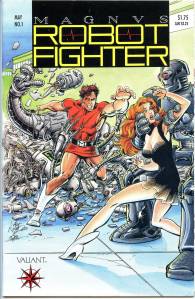
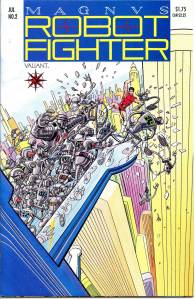
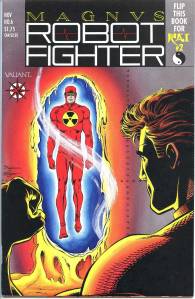
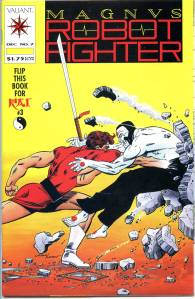
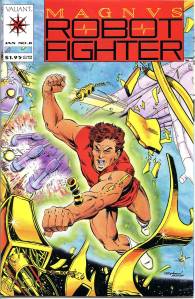
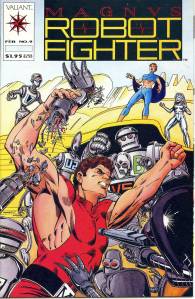
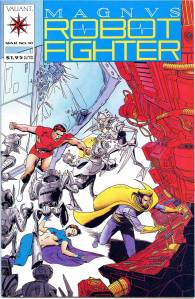
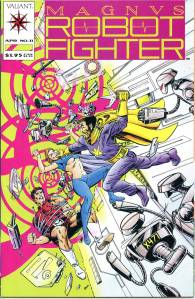
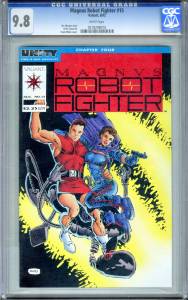
In 1991, Jim Shooter obtained rights to three Gold Key characters: Doctor Solar, Man of the Atom; Turok, Son of Stone; and Magnus, Robot Fighter. He intended to use those characters to launch his new comic book line, Valiant Comics. Several months later, the company launched Magnus, Robot Fighter.
The series began where the original one left off. The artists took great care to replicate the setting and trappings of the original stories. But as the new series progressed, it began to deviate from the original concept.The term “Freewills” appeared in the Valiant run, introducing the concept that the rogue robots seen previously were not simply the product of random malfunctions, but were the result of a common phenomenon which allowed robots to become sentient. While some of them are malevolent, others merely want to be free. It was also learned that 1A is a freewill. With Magnus’s help, a colony of benevolent Freewills is established called the “Steel Nation.” At the same time, Magnus becomes disgusted with North Am’s elite. He journeys to the lower levels of North Am and befriends a group of social outcasts known as Gophs.
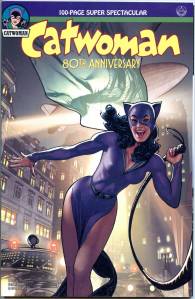
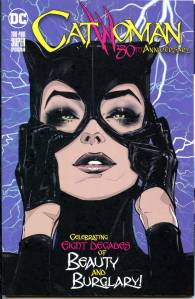
Our gal Catwoman turns 80 (and looking very good, if we meow say), and DC is celebrating with nothing less than with a huge soiree, invite only, packed with creators who mean the most to her and to whom she means the most! Stories featured in this 100-page spectacular include a tail-sorry, tale-that takes place at the end of the Brubaker/Stewart Catwoman run, in honor of artist Darwyn Cooke. Plus, Catwoman is caught by an exotic cat collector, runs into a wannabe thief trying to prove himself as her apprentice, encounters a mystery involving memorabilia from alternate continuities, and of course some Bat/Cat fun.