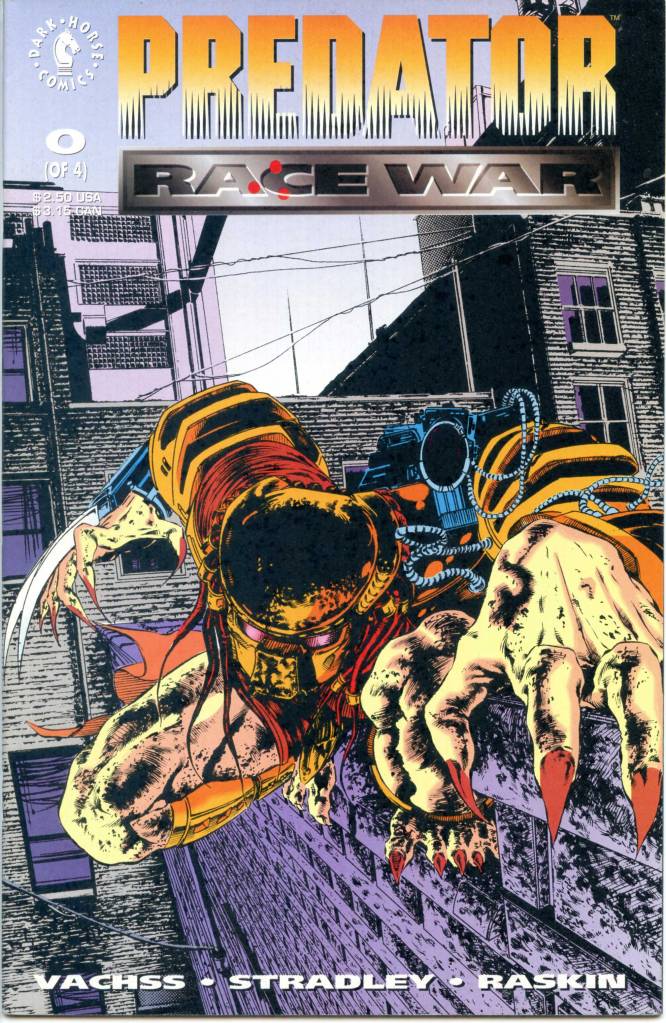
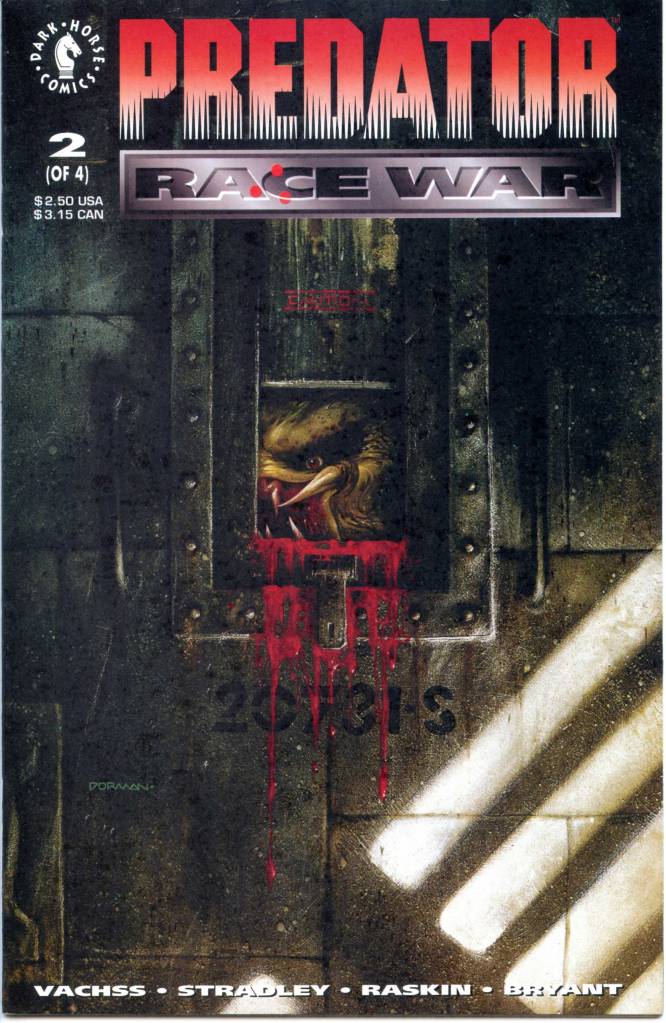
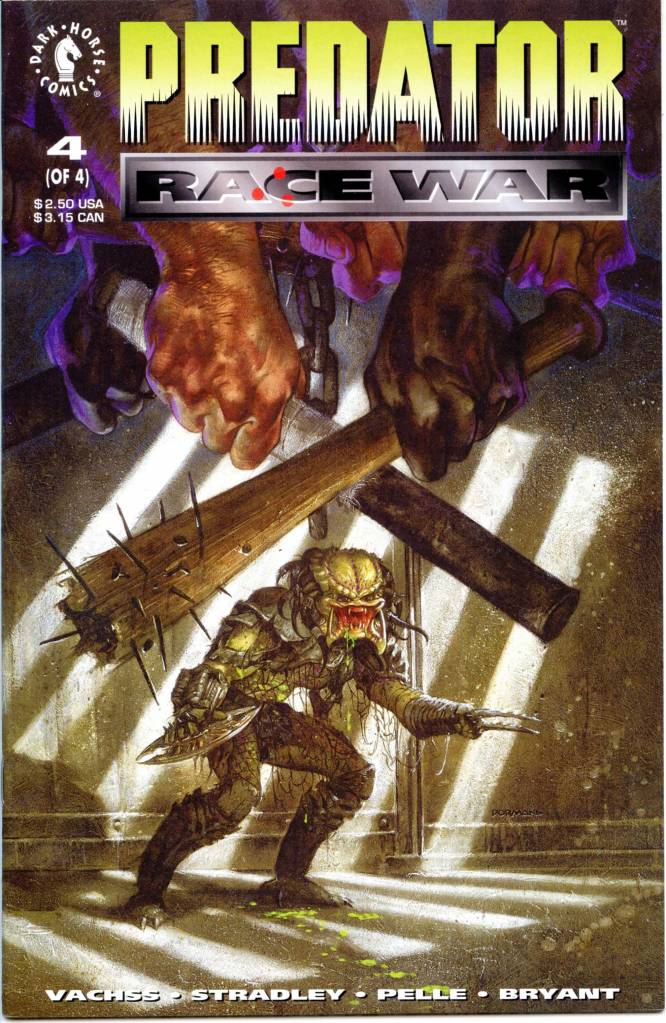
The Predator hunts the most dangerous game… man. Now the Predator moves to the most dangerous hunting ground on the planet… the Paloverde State Penitentiary in Arizona. Tension is high in the prison as a convicted serial killer arrives, followed by a Predator bent on killing him and the man chasing them both… Cross.
Predator – Race War #0 NM- $5Predator – Race War #2 NM $6Predator – Race War #4 NM $6
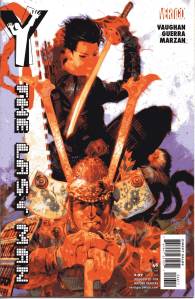
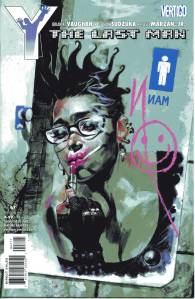
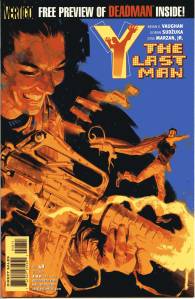
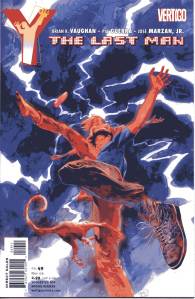
Y The Last Man #5 NM $10Y The Last Man #17 NM $4Y The Last Man #18 NM $4Y The Last Man #19 NM $5Y The Last Man #20 NM $4Y The Last Man #21 NM $4Y The Last Man #22 NM $4Y The Last Man #23 NM $5Y The Last Man #24 NM $4Y The Last Man #25 NM $4Y The Last Man #26 NM $5Y The Last Man #27 NM $4Y The Last Man #28 NM $4Y The Last Man #29 NM $4Y The Last Man #30 NM $4Y The Last Man #31 VF-NM $3Y The Last Man #32 NM $4Y The Last Man #33 NM $4Y The Last Man #34 NM $4Y The Last Man #35 NM $4Y The Last Man #36 NM $4Y The Last Man #37 NM $6Y The Last Man #38 NM $4Y The Last Man #39 NM $4Y The Last Man #40 NM $4Y The Last Man #41 NM $4Y The Last Man #42 NM $4Y The Last Man #43 NM $4Y The Last Man #44 NM $4Y The Last Man #45 NM $4Y The Last Man #46 VF-NM $2Y The Last Man #47 NM $4Y The Last Man #48 NM $4Y The Last Man #49 NM $4Y The Last Man #50 NM $4Y The Last Man #51 NM $4Y The Last Man #52 NM- $3Y The Last Man #53 NM- $3Y The Last Man #57 VF-NM $2
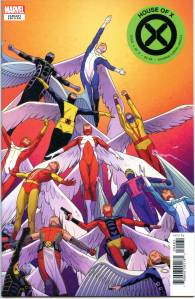
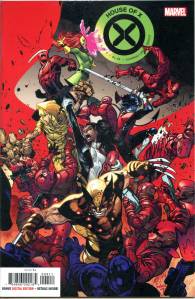
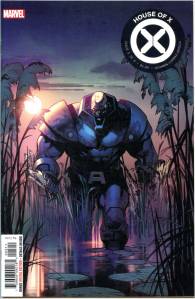
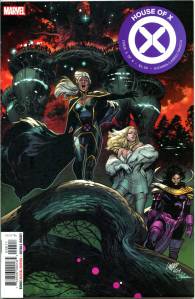
Jonathan Hickman wrote a story arc in the Avengers and New Avengers comic, ending in the 2015 crossover Secret Wars. His return was announced in March 2019. Some days later, it was detailed that he would write two comic books, House of X and Powers of X, with penciling by Pepe Larraz and R.B. Silva. Marvel Editor in Chief C. B. Cebulski said that “We are excited to have Jon back with the Marvel family, and we could not have asked for a better creative team to help usher the X-Men into a whole new era”
Both comics were released as a company wide relaunch of the X-Men. All the ongoing X-Men comics were cancelled: Uncanny X-Men, Mr. and Mrs. X, X-Force, X-23, and the Age of X-Man tie-in miniseries.
House of X #1 NM $9House of X #2 NM $9House of X #3 NM $5House of X #4 Variant NM $5House of X #4 NM $5House of X #5 NM $5House of X #6 NM $5
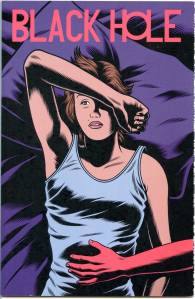
Set in the suburbs of Seattle during the 1970s, the story follows a group of teenagers who contract a mysterious sexually transmitted disease referred to as “the Bug, which causes them to develop bizarre unique physical mutations and subsequently become social outcasts, many of them running away from home to live in the nearby woodland.
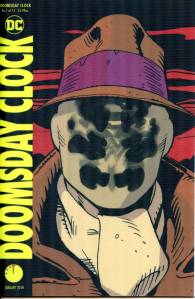
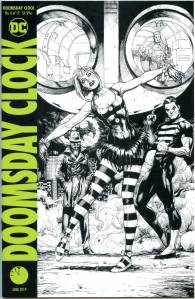
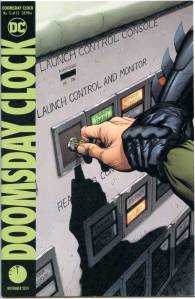
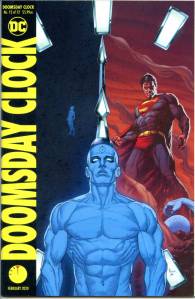
Doomsday Clock is part of the DC Rebirth initiative, and it continues the narrative that was established with the 2016 one-shot DC Universe: Rebirth Special, the 2017 crossover event “The Button” and other related stories. It is a follow-up to the 1986–1987 miniseries Watchmen by Alan Moore, Dave Gibbons and John Higgins, and it introduces that story’s characters into the DC Universe, alongside a few original characters created for the book. Although Dan DiDio (then DC’s co-publisher) confirmed that it is a sequel to that miniseries, Johns originally declined to characterize it as such, viewing it as a standalone story, saying, “It is something else. It is Watchmen colliding with the DC Universe.”
In 2008, a new Deadpoolongoing series written by Daniel Way with artist Paco Medina began as a Secret Invasion tie-in. In the first arc, the character is seen working with Nick Fury to steal data on how to kill the Skrull queen Veranke. Norman Osborn steals the information that Deadpool had stolen from the Skrulls, and subsequent stories deal with the fallout from that. Writer Daniel Way explained, “the first thing Osborn does to try and take care of the situation is to bring in a hired gun to take Deadpool down, which would be Tiger-Shark. That would be the standard thing to do, but of course everything about Deadpool is non-standard. So it goes completely awry and Norman has to get more serious about things.” The story also sees the return of Bob, Agent of HYDRA; “I don’t want the book to become ‘Deadpool and Friends’ so characters will drift in and out, but Bob was someone I definitely wanted to bring in. It just had to be at the perfect moment and when I was putting this storyline together that moment presented itself.”
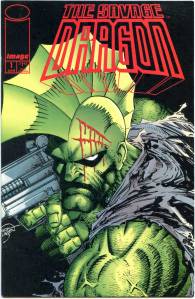
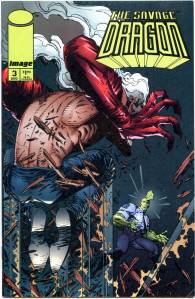
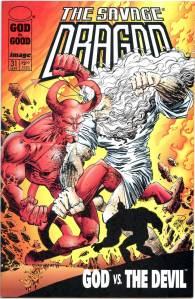
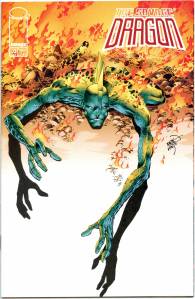
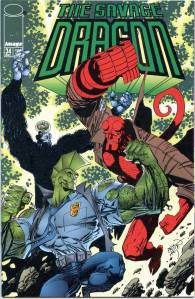
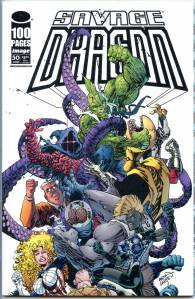
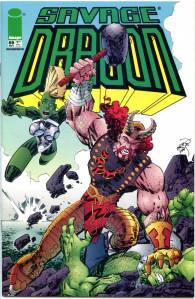
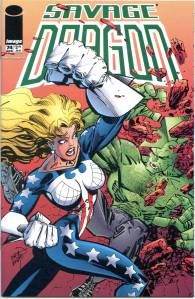
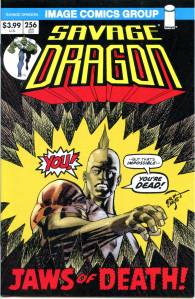
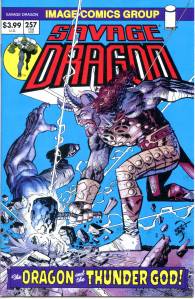
The Savage Dragon features the adventures of a superheroicpolice officer named the Dragon. The character first appeared as the Dragon in Graphic Fantasy #1 (June 1982) and first appeared as the “Savage Dragon” in Megaton #3 (February 1986).
The Dragon is a large, finned, green-skinned humanoid whose powers include super-strength and an advanced healing factor. He is also an amnesiac: his earliest memory is awakening in a burning field in Chicago, Illinois. Thus, for most of the series, the origins of his powers and appearance are a mystery to readers. At the beginning of the series, he becomes a police officer and battles the mutant criminal “superfreaks” that terrorize Chicago.
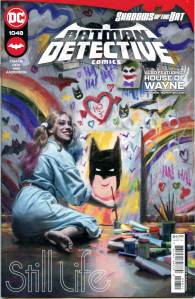
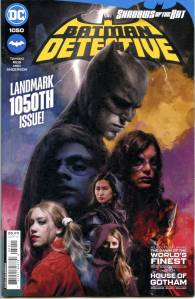
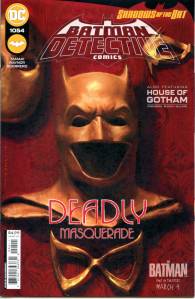
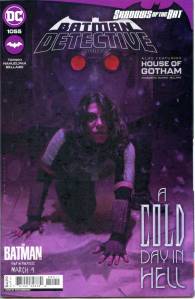
The next regular writer after James Tynion IV was Peter Tomasi who began on the series with issue #994, published December 2018. Tomasi’s run as writer continued for two years until issue #1033, published December 2020.
On March 27, 2019, DC Comics released the series’ 1,000th issue, marking the second American comic book in history to reach that milestone after Action Comics in 2018. The issue, which coincided with Batman’s 80th anniversary, is an anthology featuring several stories from a variety of different creative teams.
Writer Mariko Tamaki began on the series with issue #1034 as part of the Infinite Frontier line-wide relaunch. In April 2022, it was announced that Ram V and Rafael Albuquerque would serve as the new creative team starting with issue #1062.
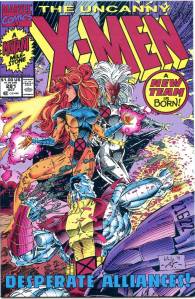
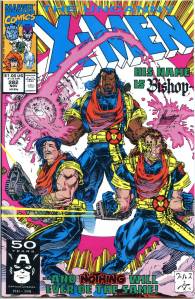
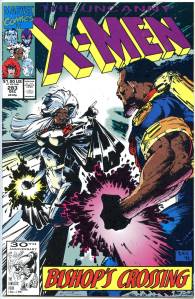
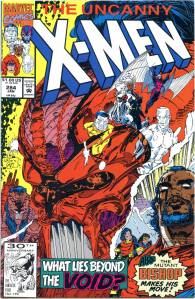
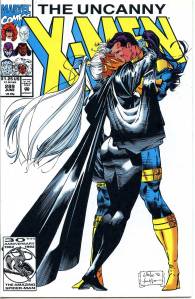
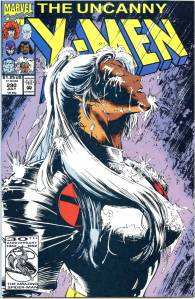
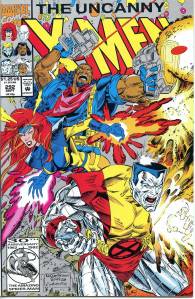
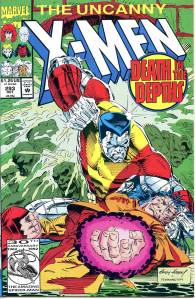
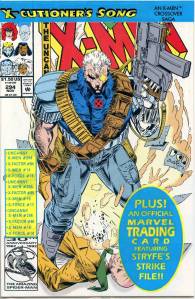
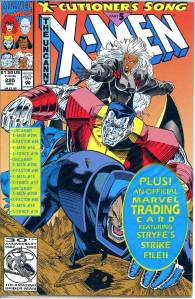
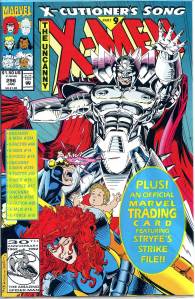
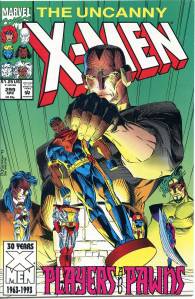
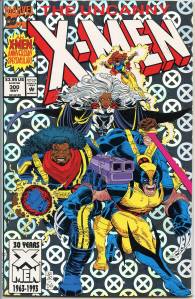
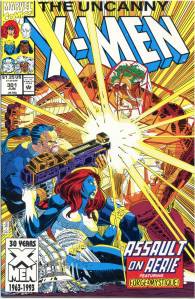
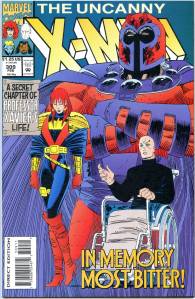
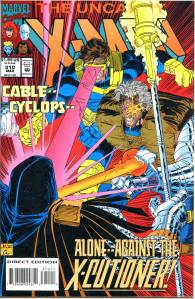
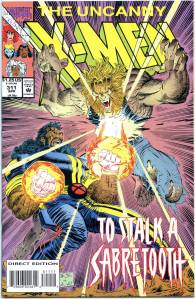
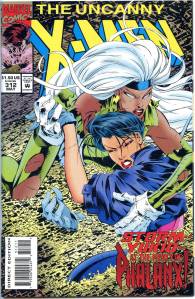
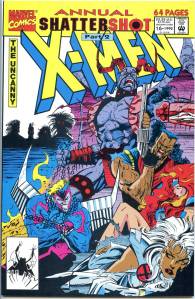
After Claremont’s run, the X-Men were divided into two color-coded squads, with a Blue team headlining the adjectiveless X-Men title, while the Gold team, consisting of Archangel, Colossus, Jean Grey, Iceman and Storm, appeared in Uncanny. This roster was later joined by Bishop, another refugee from the future.After Claremont’s departure, Jim Lee continued as plotter, while John Byrne scripted from #281 to #286. Byrne was replaced as scripter from #286 by Scott Lobdell, who was fully credited as writer from #289. The “X-Cutioner’s Song” crossover was released in the fall of 1992 and resulted in the outbreak of the Legacy virus, a mutant-specific plague which continued as a story element in X-Men comics until 2001.
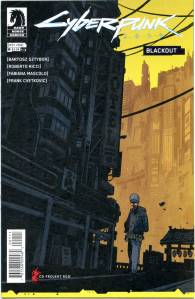
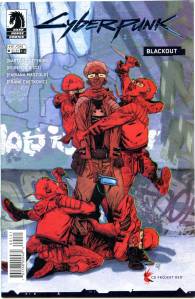
It hurts. Night City hurts. The suffering runs deep and the deeper one falls, the longer the self-prescribed dreams play. Fortune, hope, love–all made possible by DMS technology. But not everyone desires a happy ending. A braindance repairman discovers the answer to pain . . . comes in a blackout.
The third comic series from Dark Horse based on CD Projekt Red’s video game Cyberpunk 2077.