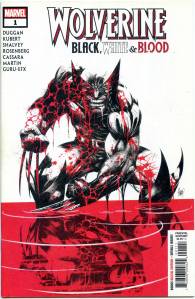
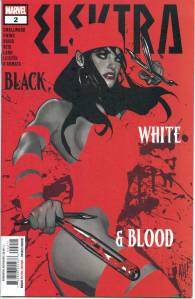
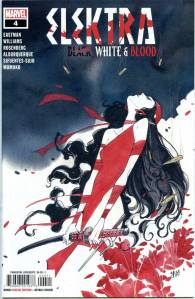
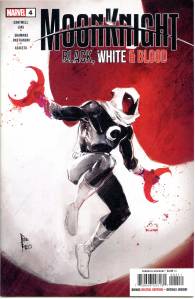
Centers around a specific Marvel character or group, exploring different facets of their history, personalities, and adventures and features a rotating cast of all-star creators, with art entirely colored in white, black and red. Often structured as anthologies, featuring multiple short stories by various creators within each issue.
Wolverine – Black White and Blood #1 NM $5Deadpool Black White and Blood #1 NM $5Deadpool Black White and Blood #2 NM $5Deadpool – Black White and Blood #4 NM $16Elektra – Black, White and Blood #1 NM $5Elektra – Black, White and Blood #2 NM $5Elektra – Black, White and Blood #3 NM $5Elektra – Black, White and Blood #4 NM $5Moon Knight Black White and Blood #1 NM $5Moon Knight – Black White and Blood #4 NM $5
The Silver Surfer debuted as an unplanned addition to Fantastic Four#48 (March 1966). The comic’s writer-editor, Stan Lee, and its penciller and co-plotter, Jack Kirby, had by the mid-1960s developed a collaborative technique known as the “Marvel Method“: the two would discuss story ideas, Kirby would work from a brief synopsis to draw the individual scenes and plot details, and Lee would finally add the dialog and captions. When Kirby turned in his pencil art for the story, he included a new character he and Lee had not discussed. As Lee recalled in 1995, “There, in the middle of the story we had so carefully worked out, was a nut on some sort of flying surfboard”. He later expanded on this, recalling, “I thought, ‘Jack, this time you’ve gone too far'”. Kirby explained that the story’s agreed-upon antagonist, a god-like cosmic predator of planets named Galactus, should have some sort of herald, and that he created the surfboard “because I’m tired of drawing spaceships!” Taken by the noble features of the new character, who turned on his master to help defend Earth, Lee overcame his initial skepticism and began adding characterization. The Silver Surfer soon became a key part of the unfolding story.
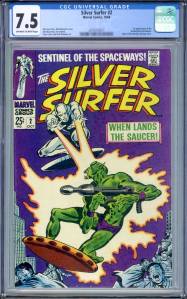
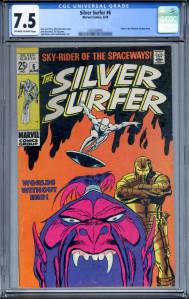
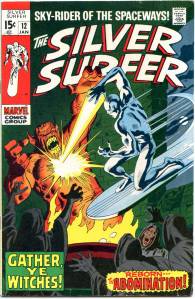
Silver Surfer #2 CGC 7.5 Off-White to White Pages $169Silver Surfer #6 CGC 7.5 Off White to White Pages $129Silver Surfer V1 #9 VF- $59Silver Surfer #12 F+ $45
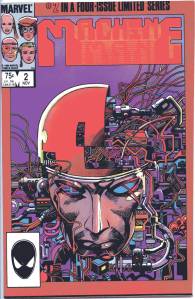
In October 1984 – January 1985, the Machine Man title was resurrected, in a four-issue miniseries written by Tom DeFalco with art by Herb Trimpe (breakdowns only, issues #1-3) and Barry Windsor-Smith (finishes only, issues #1-3 & full art for issue #4), with Windsor-Smith also coloring the entire miniseries & co-plotting issue #4 with DeFalco. This series turned out to be one of the most popular of all the Machine Man titles, tying with previous continuity, but with the action set in the distant cyberpunk future of 2020, starting with Machine Man’s reassembly.
The miniseries was republished again in 1994 as two double-size books, with the name Machine Man 2020. Characters from this alternate future have made appearances in other Marvel books, namely Arno Stark, the mercenary Iron Man 2020.
In 1990, Machine Man guest-starred in Iron Man Annual #11 (part of the “Terminus Factor” storyline). That story created strong hints that the 2020 Machine Man may turn out not to be the true X-51, but instead a duplicate created by Sunset Bain.
Machine Man V2 #1 NM- $12Machine Man V2 #2 NM- $14Machine Man V2 #3 Newstand NM- $7Machine Man V2 #3 Direct NM- $5Machine Man V2 #4 NM- $5
Stan Lee said he created a synopsis for the first Fantastic Four story that he gave to penciller Jack Kirby, who then drew the entire story. Kirby turned in his penciled art pages to Lee, who added dialogue and captions. This approach to creating comics, which became known as the “Marvel Method“, worked so well for Lee and Kirby that they used it from then on; the Marvel Method became standard for the company within a year.
Kirby recalled events somewhat differently. Challenged with Lee’s version of events in a 1990 interview, Kirby responded: “I would say that’s an outright lie”, although the interviewer, Gary Groth notes that this statement needs to be viewed with caution.Kirby claims he came up with the idea for the Fantastic Four in Marvel’s offices, and that Lee had merely added the dialogue after the story had been pencilled. Kirby has also sought to establish, more credibly and on numerous occasions, that the visual elements of the strip were his conceptions. He regularly pointed to a team he had created for rival publisher DC Comics in the 1950s, Challengers of the Unknown. “[I]f you notice the uniforms, they’re the same… I always give them a skintight uniform with a belt… the Challengers and the FF have a minimum of decoration. And of course, the Thing’s skin is a kind of decoration, breaking up the monotony of the blue uniform.” The characters wear no uniforms in the first two issues.
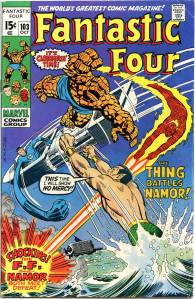
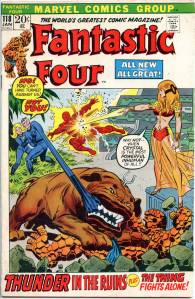
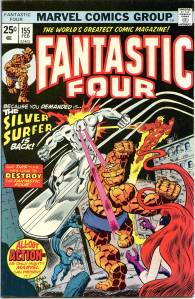
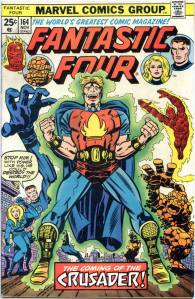
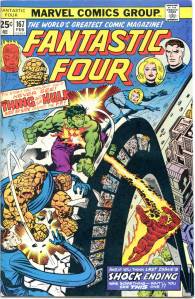
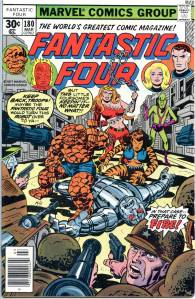
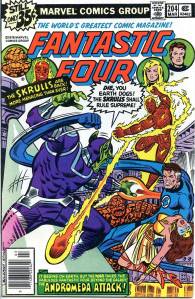
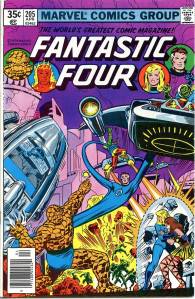
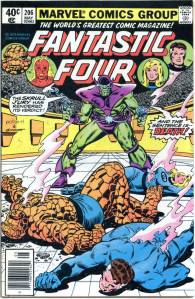
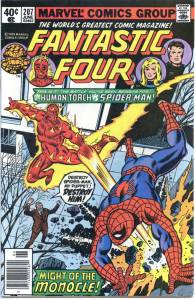
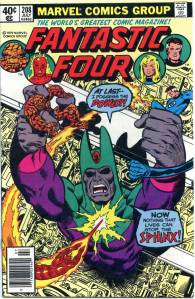
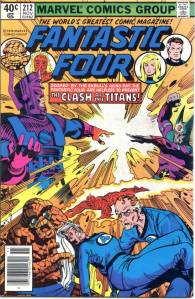
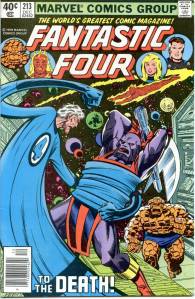
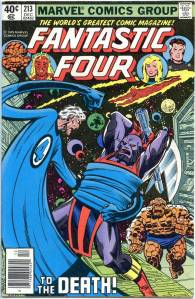
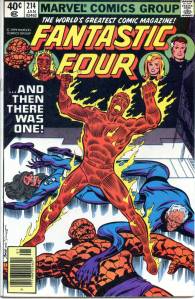
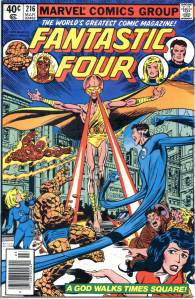
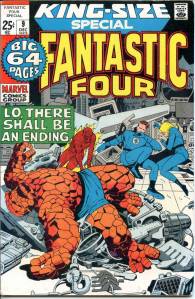
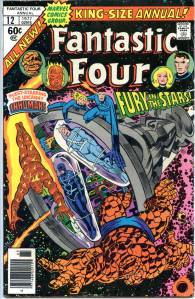
Fantastic Four #101 VF- $23Fantastic Four #103 FN-VF $19Fantastic Four #104 FN-VF $22Fantastic Four #106 VF- $23Fantastic Four #118 F-VF $16Fantastic Four #146 FN $14Fantastic Four #150 FN- $14Fantastic Four #151 VF $18Fantastic Four #155 VF $24Fantastic Four #164 F-VF $19Fantastic Four #165 FN $8Fantastic Four #166 F-VF $15Fantastic Four #167 FN-VF $18Fantastic Four #176 FN- $4Fantastic Four #177 FN- $4Fantastic Four #180 VF $6Fantastic Four #181 FN $3Fantastic Four #182 VF+ $8Fantastic Four #184 FN- $4Fantastic Four #185 FN-VF $12Fantastic Four #186 FN-VF $15Fantastic Four #189 VF $5Fantastic Four #195 VF $5Fantastic Four #199 VF $5Fantastic Four #203 VF+ $6Fantastic Four #204 VF $19Fantastic Four #205 VF $24Fantastic Four #206 VF+ $14Fantastic Four#207 VF+ $16Fantastic Four #207 FN+ $4Fantastic Four #208 VF-NM $9Fantastic Four #209 VF- $19Fantastic Four #210 VF $19Fantastic Four #211 VG+ $19Fantastic Four #212 VF $8Fantastic Four #213 VF-NM $10Fantastic Four #213 FN+ $3Fantastic Four #214 VF-NM $16Fantastic Four #216 VF- $8Fantastic Four King-Size Special #9 FN+ $14Fantastic Four Annual #12 FN $5Fantastic Four Annual #13 FN+ $6
Iron Man, Thor and Captain America have been the Avengers’ heart and soul since the team’s earliest days. But in the wreckage of Asgard, they find themselves squabbling over old wounds. As unstable magics cast the heroes-at-odds into the scattered Nine Realms, they quickly realize the world in which they’re trapped is not how it should be. Can they come together and put it right? Then, as the three heroes re-forge the Avengers with the likes of Hawkeye, Spider-Man, Wolverine and Spider-Woman, Kang returns from the future bearing ill tidings of a force so powerful even he can’t conquer it!
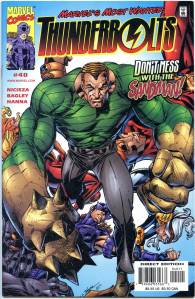
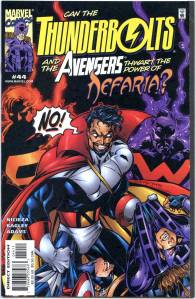
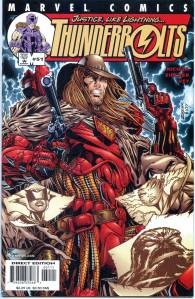
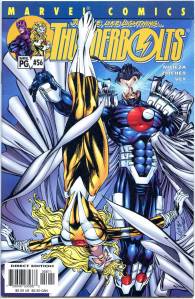
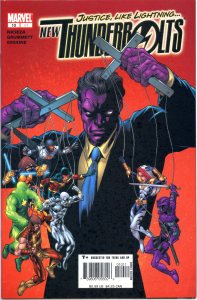
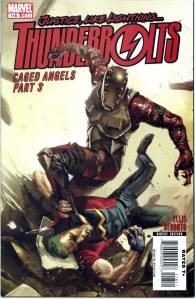
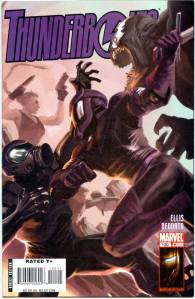
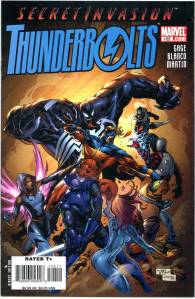
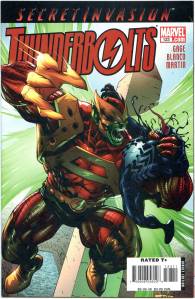
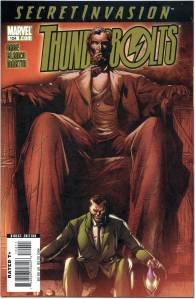
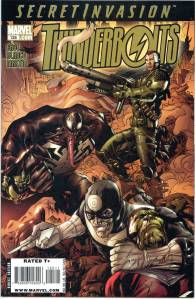
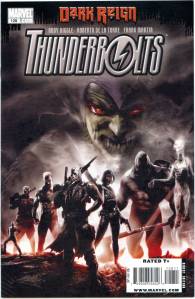
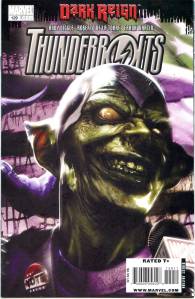
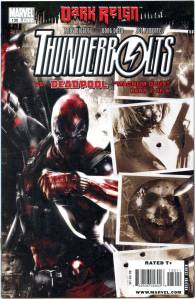
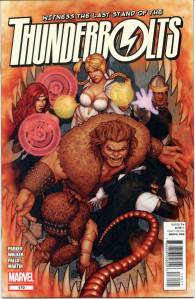
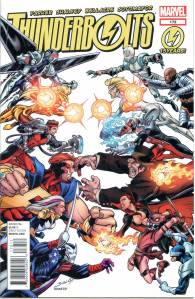
Soon after the publication of The Incredible Hulk #449, the team’s own series premiered. The first issue, cover dated April 1997, was played largely as a straight superhero story, until the revelation of the Thunderbolts’ true nature on the last page of the comic. This is considered one of the most well-conceived plot twists in the history of American comic books, with Wizard magazine readers voting it “Comics’ Greatest Moment of 1997” and later, in 1999, placing it at #11 on a list of “The 25 Greatest Comic Moments Ever”. Marvel managed to keep the secret of the Thunderbolts’ true villainous identities tightly under wraps before the book launched. When word got out, the first issue sold out so quickly that Marvel not only offered a second printing, but also did a “mini-trade paperback” collecting the first two issues. Fabian Nicieza replaced Busiek in issue #34. Patrick Zircher, after a couple of fill-ins, replaced Bagley in issue #51.
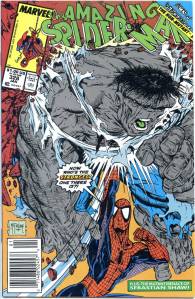
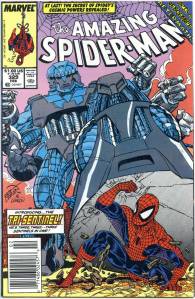
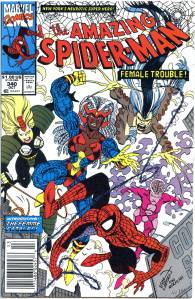
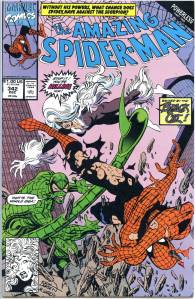
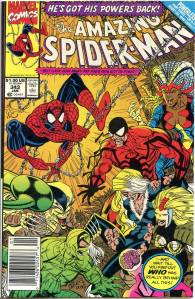
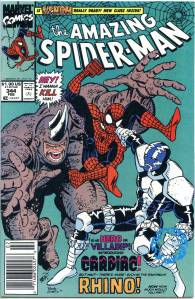
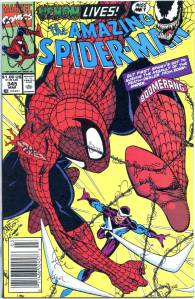
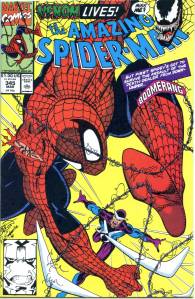
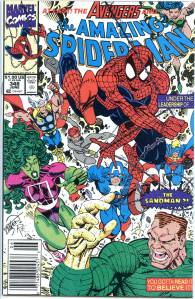
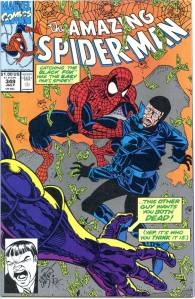
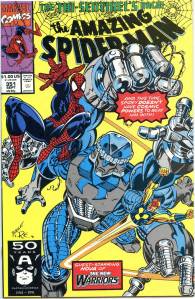
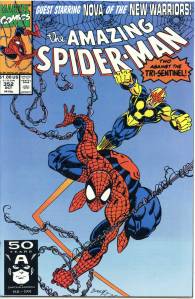
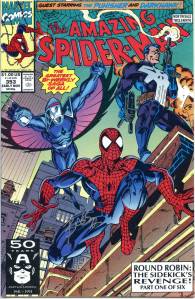
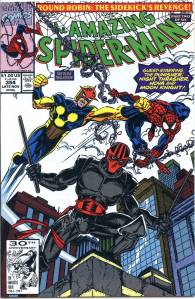
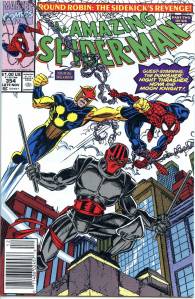
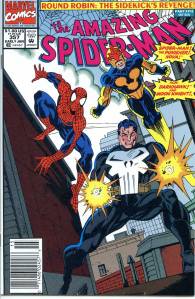
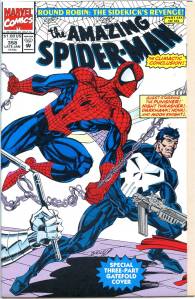
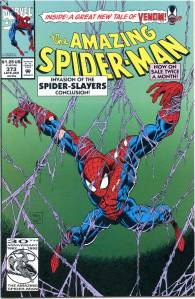
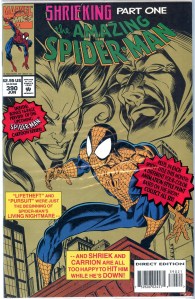
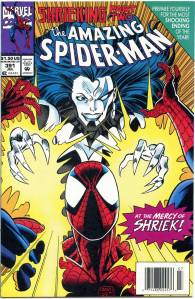
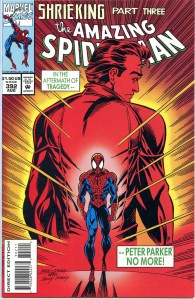
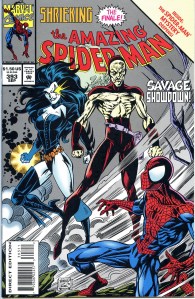
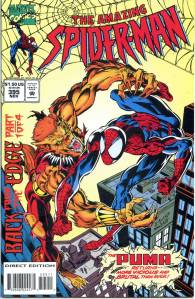
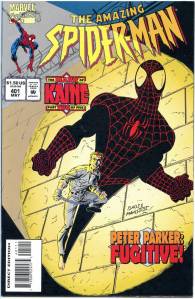
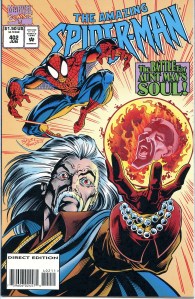
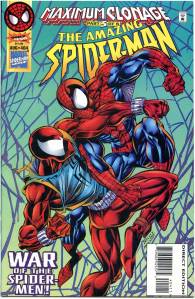
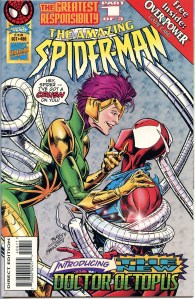
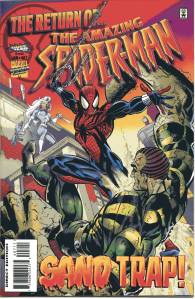
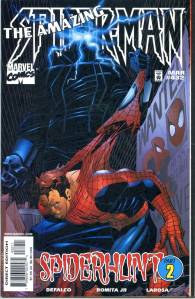
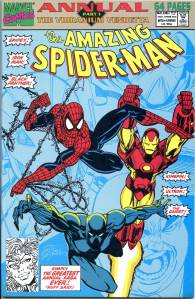
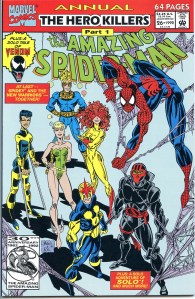
With a civilian life as a married man, the Spider-Man of the 1990s was different from the superhero of the previous three decades. McFarlane left the title in 1990 to write and draw a new series titled simply Spider-Man. His successor, Erik Larsen, penciled the book from early 1990 to mid-1991. After issue #350, Larsen was succeeded by Mark Bagley, who had won the 1986 Marvel Tryout Contest and was assigned a number of low-profile penciling jobs followed by a run on New Warriors in 1990. Bagley penciled the flagship Spider-Man title from 1991 to 1996.
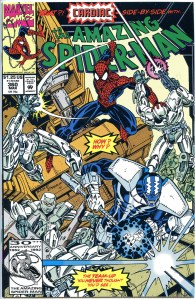
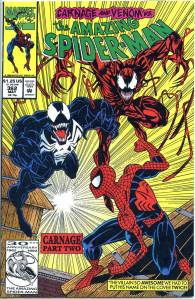
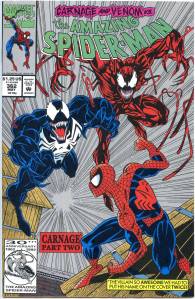
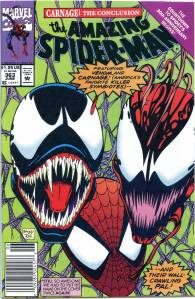
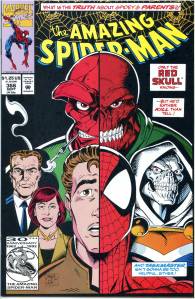
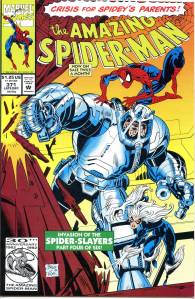
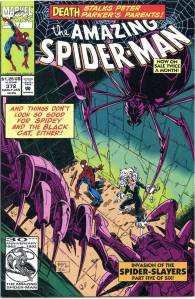
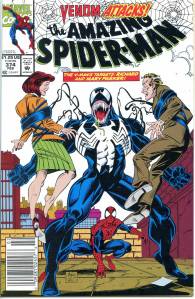
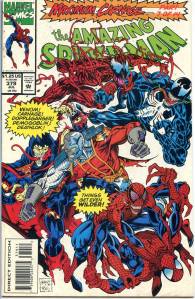
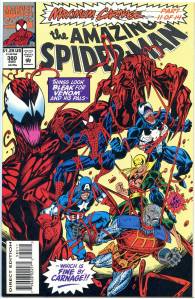
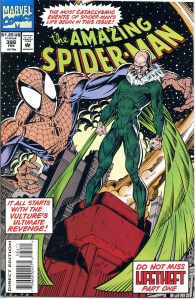
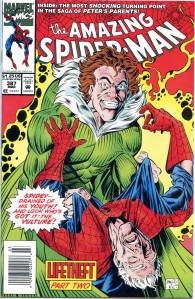
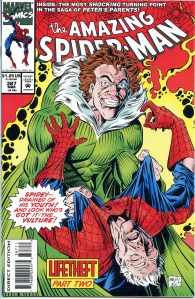
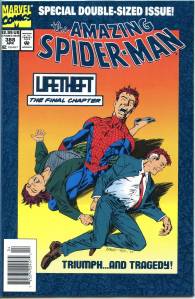
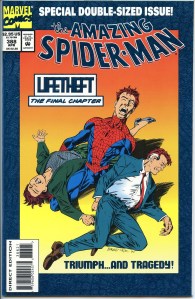
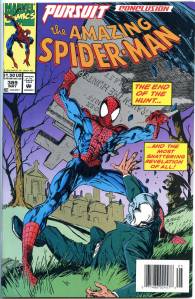
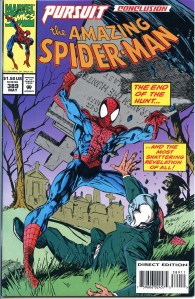
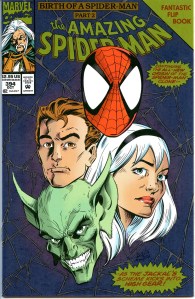
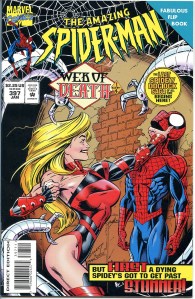
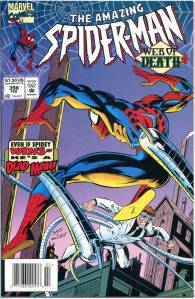
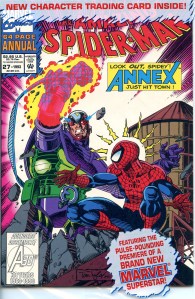
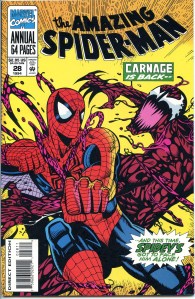
Issues #361-363 (April–June 1992) introduced Carnage, a second symbiote nemesis for Spider-Man. The series’ 30th-anniversary issue, #365 (Aug. 1992), was a double-sized, hologram-cover issue with the cliffhanger ending of Peter Parker’s parents, long thought dead, reappearing alive. It would be close to two years before they were revealed to be impostors, who are killed in #388 (April 1994), scripter Michelinie’s last issue. His 1987–1994 stint gave him the second-longest run as writer on the title, behind Stan Lee.
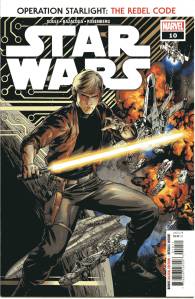
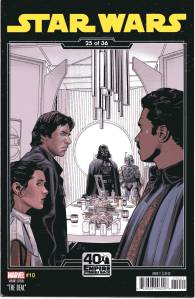
In the wake of the events following The Empire Strikes Back, it is a dark time for the heroes of the Rebellion. The Rebel fleet…scattered following a disastrous defeat at the Battle of Hoth. Han Solo…lost to the bounty hunter, Boba Fett, after being frozen in carbonite. And after being lured into a trap on Cloud City and bested in a vicious lightsaber duel against the evil Darth Vader, Luke Skywalker…learned the horrible truth about his past. Vader did not kill Luke’s father Anakin–Vader is Luke’s father! Now, after narrowly escaping the dark lord’s clutches, and wounded and reeling from the revelation, Luke, Princess Leia, Lando Calrissian, the Wookiee Chewbacca and the droids C-3PO and R2-D2 must fight their way back to the Rebel Alliance—for the fate of the entire galaxy is at stake! After so many losses is victory still possible? But, what Leia, Luke and their ragtag band of freedom fighters do not realize is that they have only traded one Imperial trap for another! Enter the cunning and vengeful Imperial Commander Zahra, at the helm of the Tarkin’s Will!
Early X-Men issues introduced the original team composed of Cyclops, Marvel Girl, Beast, Angel and Iceman among a few others, their archenemy Magneto and his Brotherhood of Evil Mutants featuring Mastermind, Quicksilver, Scarlet Witch, and Toad. The comic focused on a common human theme of good versus evil and later included storylines and themes about prejudice and racism, all of which have persisted throughout the series in one form or another. The evil side in the fight was shown in human form and under some sympathetic beginnings via Magneto, a character who was later revealed to have survived Nazi concentration camps only to pursue a hatred for normal humanity. His key followers, Quicksilver and the Scarlet Witch, were Romani. Only one new member of the X-Men was added, Mimic/Calvin Rankin, but soon left due to his temporary loss of power.
The title lagged in sales behind Marvel’s other comic franchises. In 1969, writer Roy Thomas and illustrator Neal Adams rejuvenated the comic book and gave regular roles to two recently introduced characters: Havok/Alex Summers (who had been introduced by Roy Thomas before Adams began work on the comic) and Lorna Dane, later called Polaris (created by Arnold Drake and Jim Steranko). However, these later X-Men issues failed to attract sales and Marvel stopped producing new stories with issue #66, later reprinting a number of the older comics as issues #67–93.
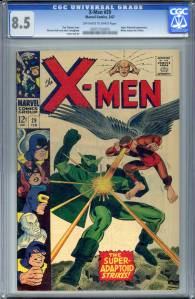
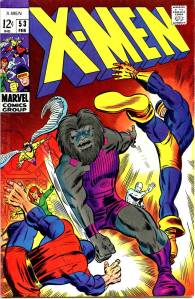
X-Men #29 CGC 8.5 Off-White to White Pages $199X-Men #45 CGC 8.0 Off-White to White Pages $179Uncanny X-men #53 F+ $69
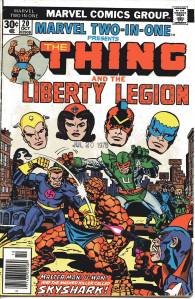
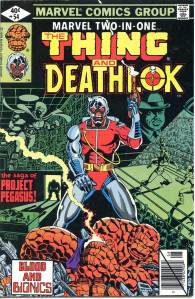
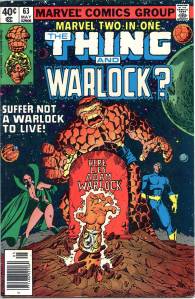
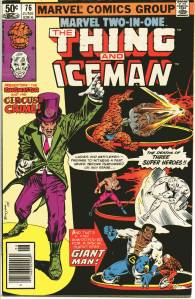
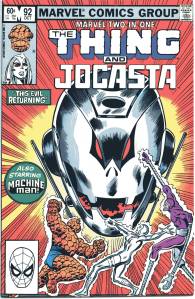
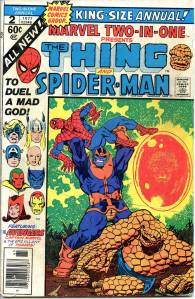
Marvel Two-in-One continued from the team-up stories starring the Thing in the final two issues of Marvel Feature and lasted for 100 issues from January 1974 through June 1983. Seven annuals were also published. Artist Ron Wilson began his long association with the title with issue #12 (November 1975) and worked on it throughout its run. With issue #17, the series had a crossover with Marvel Team-Up #47, which featured Spider-Man. The second Marvel Two-in-One Annual was a crossover with Avengers Annual #7 both of which were written and drawn by Jim Starlin. The “Project Pegasus” storyline in Marvel Two-in-One #53-58 saw the introduction of the name “Quasar” for the Wendell Vaughn characterand the transformation of Wundarr into the Aquarian.
Marvel Two-In-One ended after one hundred issues and was immediately replaced with a Thingsolo series.
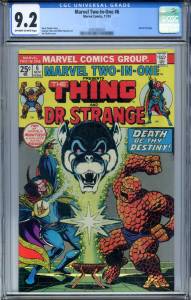
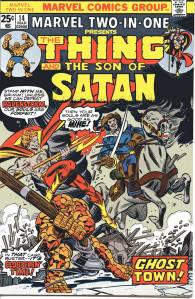
Marvel Two-In-One #6 CGC 9.2 Off White to White Pages $59Marvel Two In One #14 VF+ $9Marvel Two In One #20 FN- $4Marvel Two-In-One #54 VF+ $19Marvel Two in One #54 FN+ $9Marvel Two-In-One #63 VF+ $10Marvel Two-In-One #69 VF $5Marvel Two-In-One #76 FN $3Marvel Two -In-One #92 FN+ $5Marvel Two-In-One #93 VF+ $3Marvel Two-In-One #99 VF+ $4Marvel Two In One Annual #1 FN+ $6Marvel Two-In-One Annual #2 VG $19Marvel Two-In-One Annuall #3 FN+ $3























































 EHT Comics