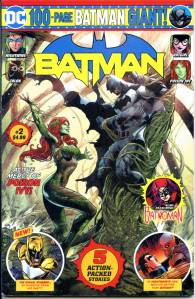
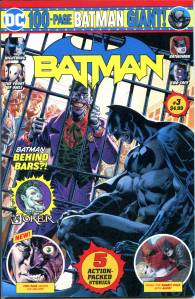
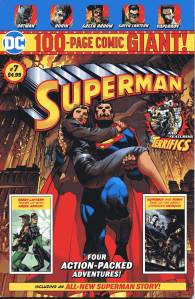
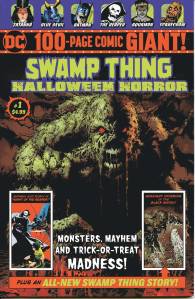
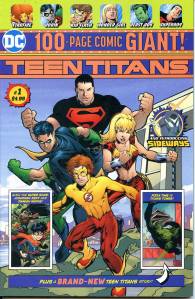
The Giant line of comics mixes all-new original material by some of DC’s top creators with reprints for a 100-page package.
Creators working on the new material include such fan-favorites as Tom King, Brian Michael Bendis and the Harley Quinn writing team of Jimmy Palmiotti and Amanda Conner, each working on characters outside of their traditional range in the regular DC line, with Bendis working on his first solo Batman material in September — a 12-part story beginning in Batman Giant No. 3 — and Tom King taking on Superman with artist Andy Kubert for their own yearlong epic beginning in Superman Giant No. 3. Not to be left behind, Palmiotti and Conner will launch a 12-part Wonder Woman story in the third Justice League issue.
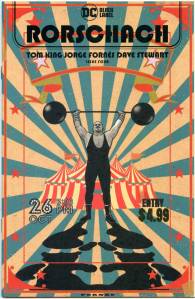
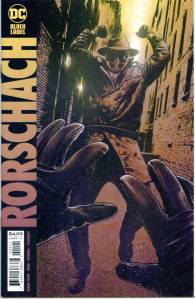
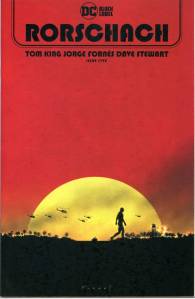
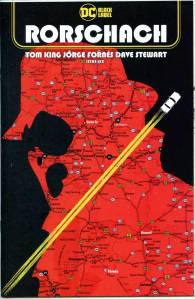
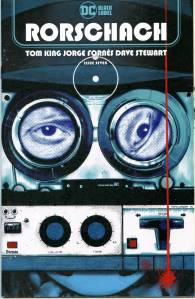
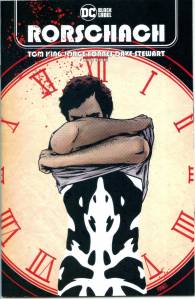
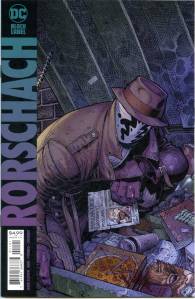
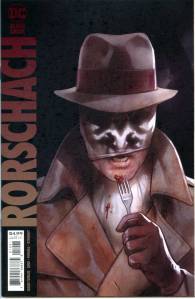
Thirty-five years after the death of Rorschach, right-wing vigilante Laura “The Kid” Cummings brainwashes two elderly comic book creators, Wil Myerson and Frank Miller, into believing that they are Rorschach’s reincarnation, before attempting to assassinate Robert Redford‘s political opponent, being killed themselves in the process.
Supergirl starred in her first solo eponymous monthly series beginning in 1972 until October 1974, when her monthly title merged with Superman’s Girl Friend, Lois Lane, and Superman’s Pal Jimmy Olsen to produce a new title: then-highest DC selling series called The Superman Family, where she eventually became the steady lead story. Linda worked as a student advisor at New Athens Experimental School, before leaving for New York to follow a career in acting with daytime soap Secret Hearts.
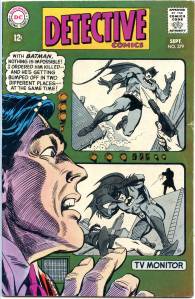
In 1964, Julius Schwartz was made responsible for reviving the fading Batman titles. Writer John Broome and artist Carmine Infantino jettisoned the sillier aspects that had crept into the franchise such as Ace the Bathound and Bat-Mite and gave the character a “New Look” that premiered in Detective Comics #327 (May 1964). Schwartz, Gardner Fox, and Infantino introduced, from the William Dozier produced TV series, Barbara Gordon as a new version of Batgirl in a story titled “The Million Dollar Debut of Batgirl!” in issue #359 (Jan. 1967).Mike Friedrich wrote the 30th anniversary Batman story in Detective Comics #387 (May 1969) which was drawn by Bob Brown.
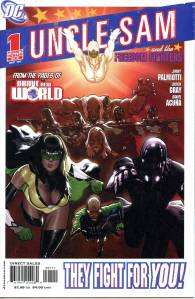
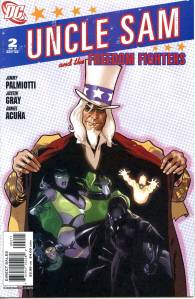
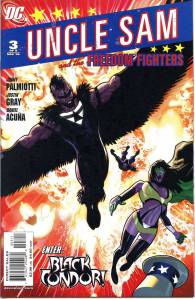
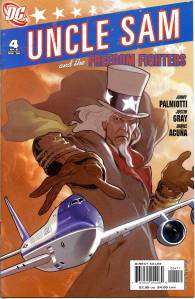
The miniseries Uncle Sam and the Freedom Fighters premiered in July 2006. This team consists of new incarnations of the Phantom Lady, the Ray (Stan Silver), the Human Bomb, Doll Man, Bigfoot, Destroyer and Face. It is part of S.H.A.D.E., a secret American government agency chartered under the USA PATRIOT Act, led by Father Time. The new team conducts assassinations and other illegal acts against criminal and terrorist organizations. As issue #1 of Uncle Sam and the Freedom Fighters begins, the team is tasked to capture the revived Uncle Sam, who is in the process of forming his own Freedom Fighters team; Sam subsequently recruits the S.H.A.D.E. members to his cause, openly disapproving of their use of deadly force (although they continue to kill people even under Uncle Sam’s guidance).
This version of the team is loosely based on notes by Grant Morrison and written by Jimmy Palmiotti and Justin Gray. Uncle Sam is portrayed as an almost Christ-like figure, returning from the dead, with the new Firebrand filling a John the Baptist role. Father Time is shown as aiding in Senator Frank Knight’s being secretly murdered in the midst of his successful campaign for the Presidency of the U.S. and replaced by a sentient robot double, Gonzo the Mechanical Bastard, who proceeds with an agenda to implant RFID chips in every U.S. citizen by law and control them to bring chaos to the world through war.
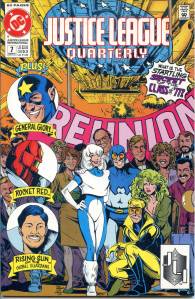
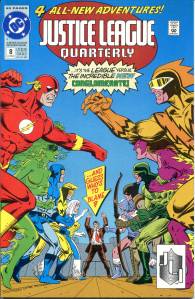
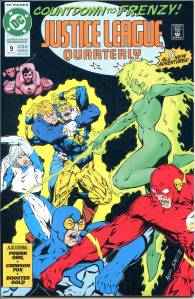
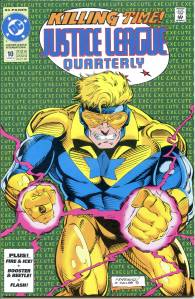
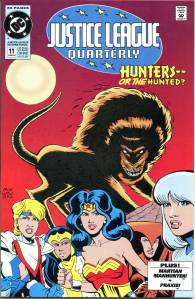
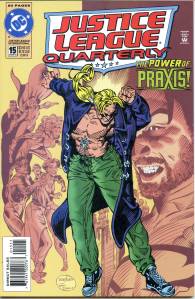
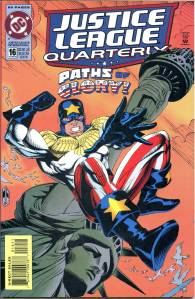
Justice League Quarterly (JLQ) was published from Winter 1990 to Winter 1994; it lasted 17 issues. It had a variable cast, pulling from the Justice League membership. The title centered on short stories featuring a differing number of characters, often solo stories, and in later issues often featured a pin-up section of members of the Justice League. Various writers and artists have worked on the title.
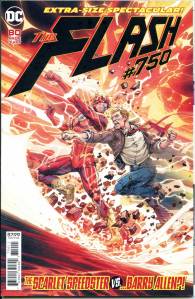
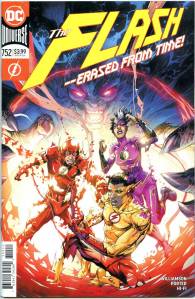
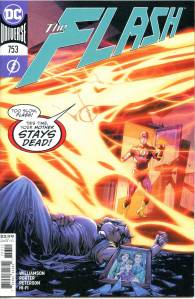
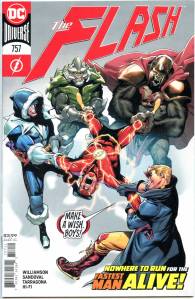
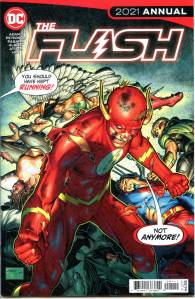
Meet Paradox: a new time-traveling villain with a tragic backstory who poses a big threat–and carries a big grudge against the Flash. He’s determined to destroy the Flash legacy at all costs, and he’s powerful enough to do it! With the Flash about to be erased from time and space, only one ally can help him defeat this seemingly insurmountable foe…Eobard Thawne, the Reverse-Flash? Can Barry Allen really trust his greatest enemy? And does he even have a choice?
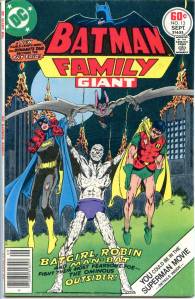
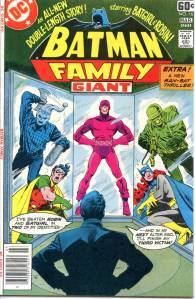
The Batman Family ran twenty issues from September-October 1975 to October-November 1978 and featured solo and team-up stories starring Batgirl and Robin. The lead story in the first issue teaming Batgirl and Robin was originally intended for publication in an issue of 1st Issue Special.The series additionally featured reprints of Golden Age and Silver Age stories. Many issues of Batman Family featured Batman supporting characters such as Alfred Pennyworth, Vicki Vale, the Elongated Man, the Huntress, and Ace the Bat-Hound. Writer Bob Rozakis introduced the Duela Dent character in issue #6 (July–August 1976)and revived the original Batwoman in issue #10 (March–April 1977).The series began featuring only new material as of issue #11 (May-June 1977) and Man-Bat began appearing as a regular feature. Batman Family converted to the Dollar Comics format with issue #17 (April–May 1978).
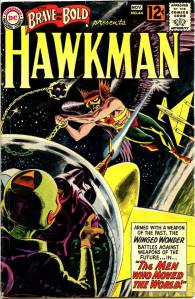
The first volume of the series ran for 200 issues from August/September 1955 to July 1983. Originally, The Brave and the Bold was an anthology series featuring adventure tales from past ages with characters such as the Silent Knight, the Viking Prince, the Golden Gladiator, and Robin Hood. With issue #25, the series was reinvented as a try-out title for new characters and concepts, starting with the Suicide Squad created by writer Robert Kanigher and artist Ross Andru. Gardner Fox and Joe Kubert created a new version of Hawkman in issue #34 (February–March 1961) with the character receiving his own title three years later.
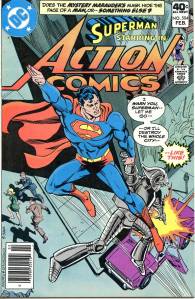
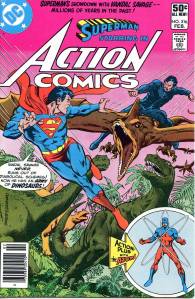
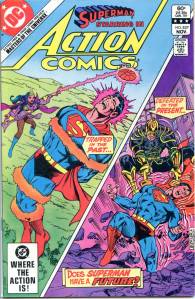
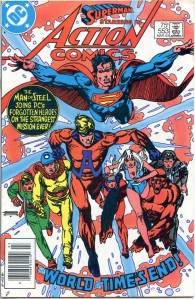
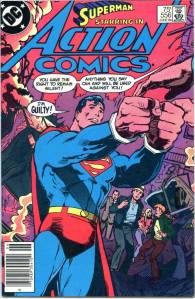
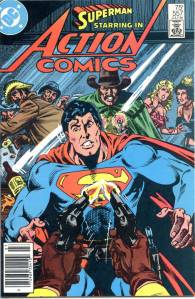
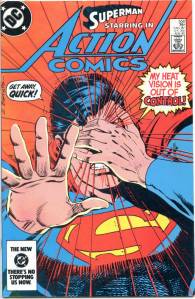
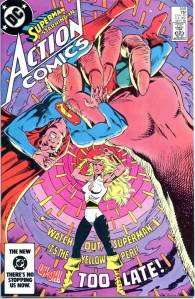
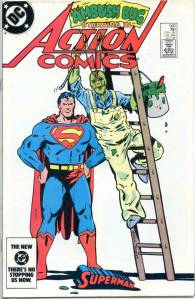
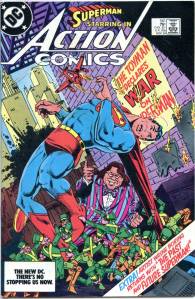
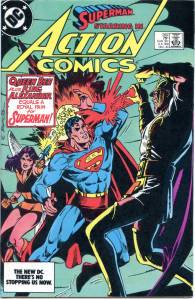
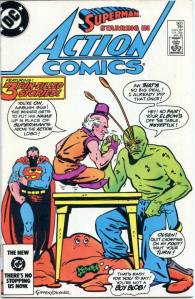
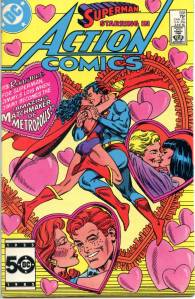
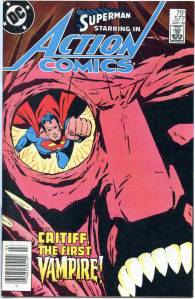
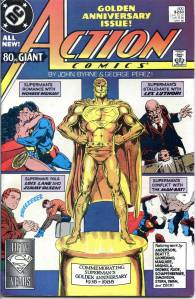
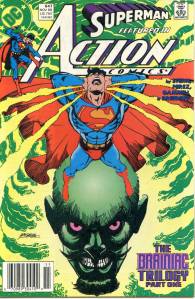
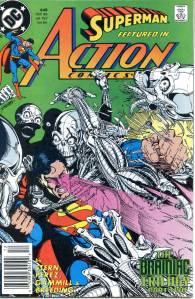
The superheroine Vixen made her first appearance in Action Comics #521 (July 1981). To mark the 45th anniversary of the series, Lex Luthor and Brainiac were both given an updated appearance in issue #544 (June 1983). Lex Luthor dons his war suit for the first time in the story “Luthor Unleashed!” and Brainiac’s appearance changes from the familiar green-skinned android to the metal skeletal-like robot in the story “Rebirth!”. Schwartz ended his run as editor of the series with issue #583 (September 1986) which featured the second part of the “Whatever Happened to the Man of Tomorrow?” story by Alan Moore and Curt Swan.
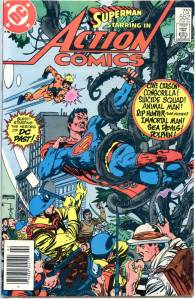
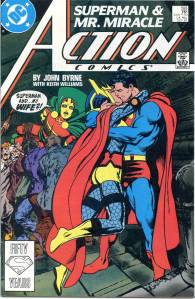
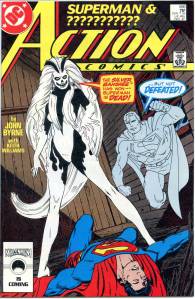
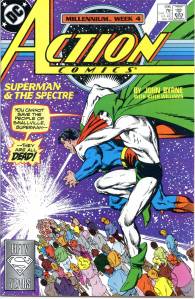
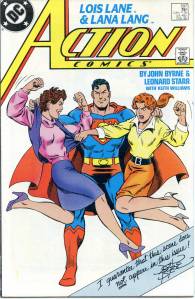
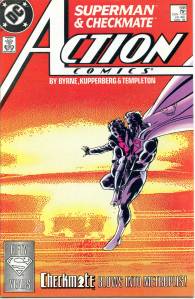
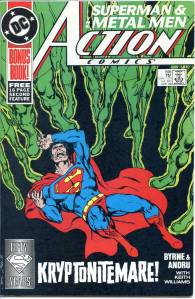
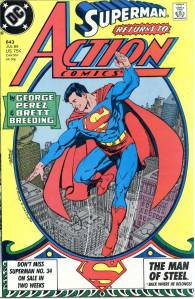
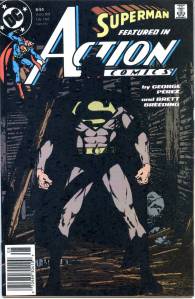
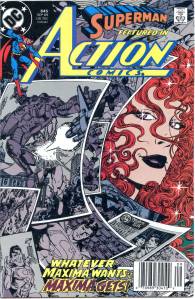
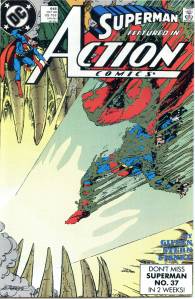
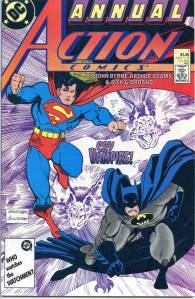
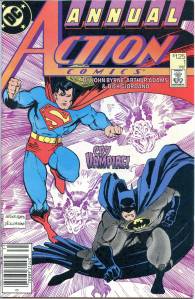
Following the events of Crisis on Infinite Earths, writer/artist John Byrne relaunched the Superman franchise in The Man of Steel limited series in 1986.Action Comics became a team-up title with issue #584 (January 1987). The first Action Comics Annual was published in 1987 and featured Superman teaming with Batman in a story written by Byrne and drawn by Arthur Adams. A DC Comics Bonus Book was included in issue #599 (April 1988).
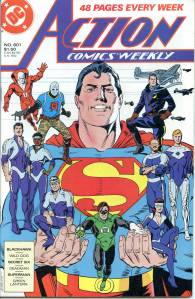
From May 24, 1988 – March 14, 1989, the publication frequency was changed to weekly, the title changed to Action Comics Weekly, and the series became an anthology. Prior to its launch, DC cancelled its ongoing Green Lantern Corps title, and made Green Lantern and his adventures exclusive to Action Comics Weekly.























 EHT Comics