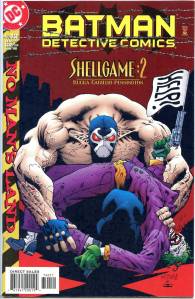
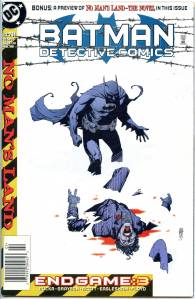
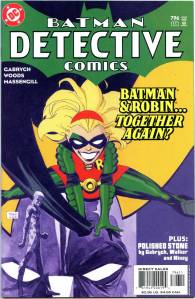
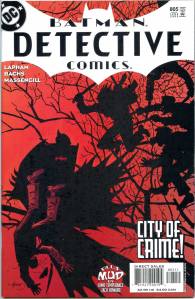
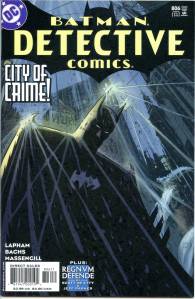
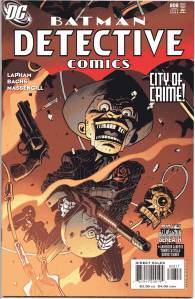
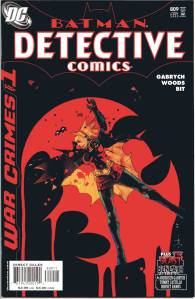
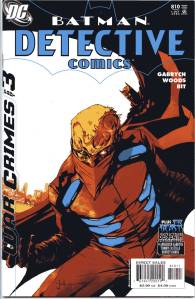
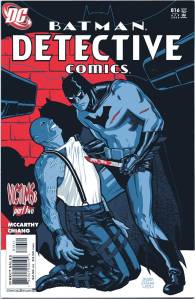
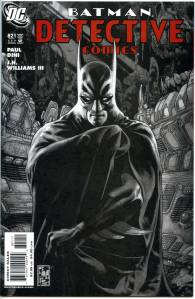
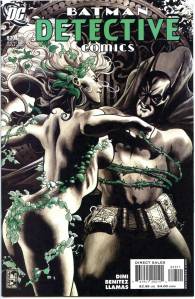
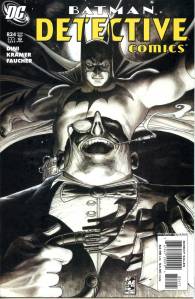
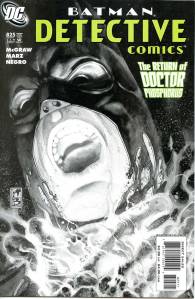
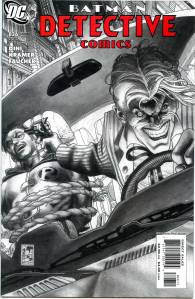
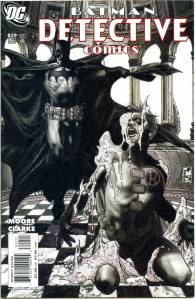
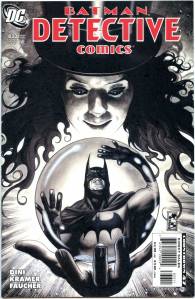
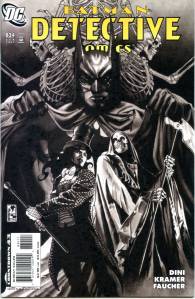
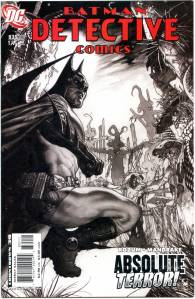
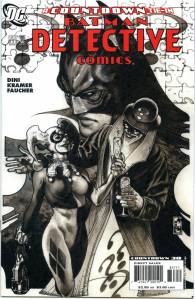
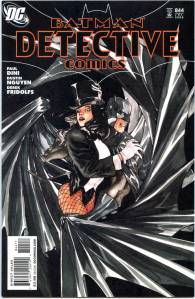
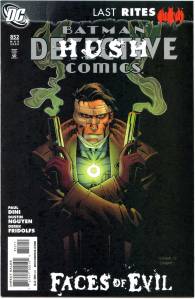
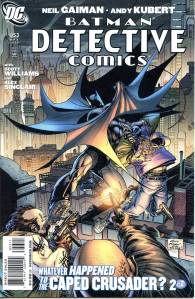
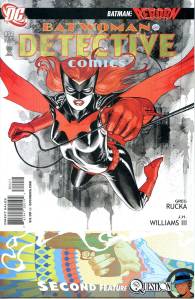
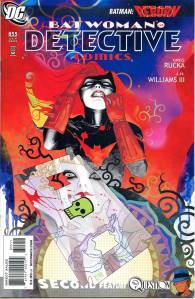
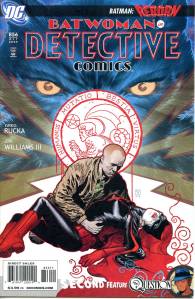
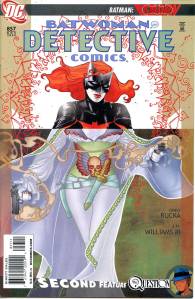
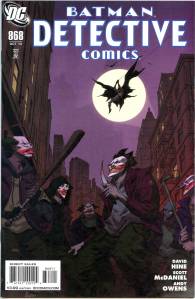
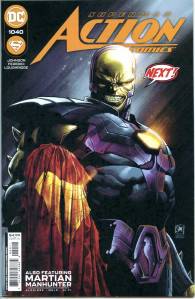
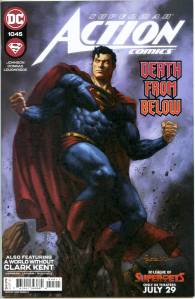
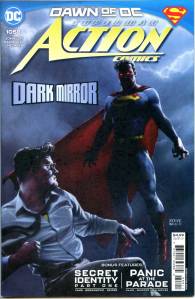
Writer Greg Rucka and artist Shawn Martinbrough became the creative team as of #742 (March 2000) and created the Sasha Bordeaux character is #751 (Dec. 2000). Issue #800 (Jan. 2005) was written by Andersen Gabrych and drawn by Pete Woods. Paul Dini became the writer of the series as of issue #821 (Sept. 2006) and created a new version of the Ventriloquist in #827 (March 2007).
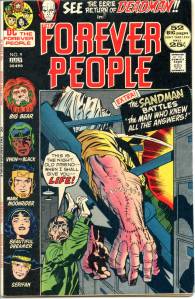
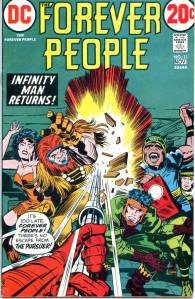
The Forever People are a fictional group of extraterrestrial superheroes published by DC Comics. They first appeared in Forever People #1 (February–March 1971), and were created by Jack Kirby as part of his “Fourth World” epic.
The Forever People lasted eleven issues. They mainly fought Darkseid’s forces such as Glorious Godfrey in issue #3. Issues #9 and 10 guest-starred Deadman; according to writer/artist Jack Kirby‘s assistant Mark Evanier, “We were ordered to put Deadman into New Gods, but we slipped him into Forever People instead, where he was a little less obtrusive. Jack didn’t like the character and didn’t want to do it. He didn’t feel he should be doing someone else’s character. … He doesn’t want to trample on someone else’s vision. Carmine [Infantino, DC Comics publisher and Deadman’s co-creator] said the character hadn’t sold and he wanted the Kirby touch on it.”
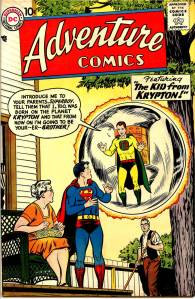
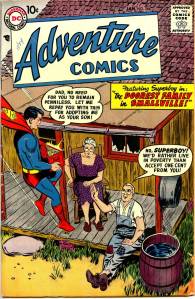
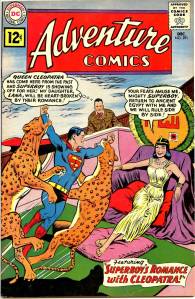
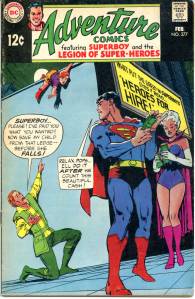
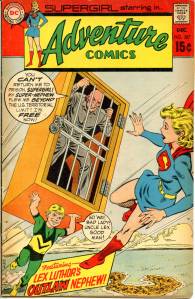
Adventure Comics was published by DC Comics from 1938 to 1983 and revived from 2009 to 2011. In its first era, the series ran for 503 issues (472 of those after the title changed from New Adventure Comics), making it the fifth-longest-running DC series, behind Detective Comics, Action Comics, Superman, and Batman. It was revived in 2009 by writer Geoff Johns with the Conner Kent incarnation of Superboy headlining the title’s main feature, and the Legion of Super-Heroes in the back-up story. It returned to its original numbering with #516 (September 2010). The series finally ended with #529 (October 2011), prior to DC’s The New 52 company reboot.
Adventure Comics #242 VF- $150
Adventure Comics #244 F+ $125
Adventure Comics #291 VF $79
Adventure Comics #377 VG $9
Adventure Comics #377 CGC 9.4 Off-White to White Pages $199
The series is a sequel to Miller’s 1986 Batman miniseries The Dark Knight Returns and the 2001 miniseries The Dark Knight Strikes Again, continuing the story of an aged Bruce Wayne resuming his identity as a crimefighter, aided by his sidekick Carrie Kelley (Robin) and featuring an ensemble of DC Universe characters including Superman, Green Lantern, and Wonder Woman. In DK III, Ray Palmer restores the inhabitants of Kandor to full-size, but they immediately begin to terrorize the Earth. Batman sets out to assemble his former allies against the invaders.
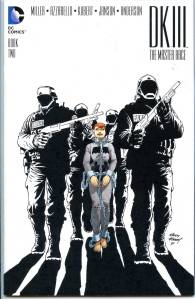
The series is accompanied by a series of one-shots which fill in events between issues. They are written and drawn by Frank Miller, which continues his experimentation with noir-style writing and divisive art style.
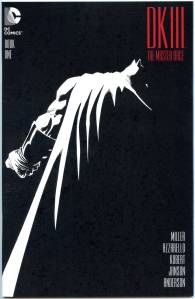
DK III The Master Race #1 NM- $4
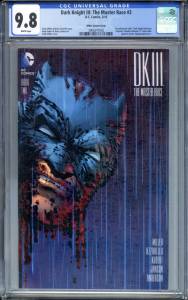
DKIII – The Master Race #2 Miller Variant CGC 9.8 $79
DK III The Master Race #2 NM $6
DK III The Master Race #3 NM $6
DKIII The Master Race #4B NM $7
DKIII The Master Race #5 1-10 Incentive NM $8
DKIII The Master Race #5 NM $6
DK III The Master Race #6 1-50 Tocchini Variant NM $15
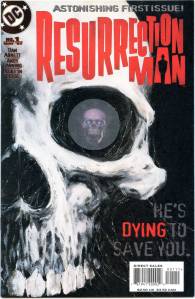
Mitch Shelley made his debut in Resurrection Man #1 (1997). The monthly series was structured to follow a grand story arc planned by Abnett and Lanning, with stories following Shelley as he wandered America, having adventures while searching for the truth behind his past and his transformation. During this, he is pursued by “the Lab”, its former director Hooker, and the bounty hunters known as the Body Doubles.
After learning of an enslaved race with mysterious ties to Krypton, Superman and the Authority leave earth and travel across the galaxy to liberate Warworld. Think it’s that simple? Think again.
With Superman captured on Warworld and banished to the lower catacombs, he’ll need to team up with other enslaved gladiators to turn the hordes of Warworld against their masters. As the Warworld Saga reaches a breaking point, battle lines are drawn between the two towering forces at odds: Mongul and Superman.
Which heroes will survive the conflict and what will be the fate of the citizens of Warworld?
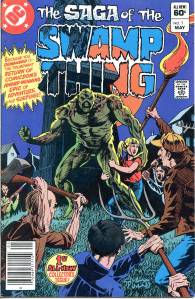
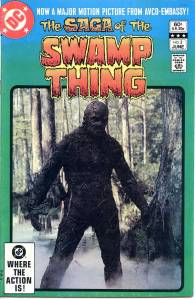
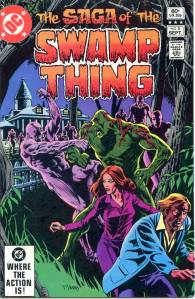
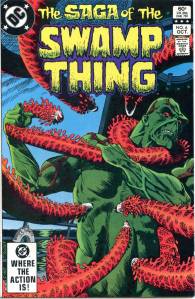
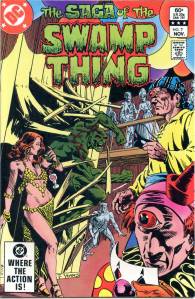
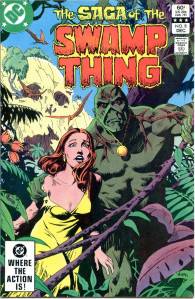
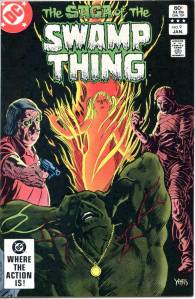
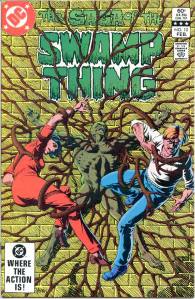
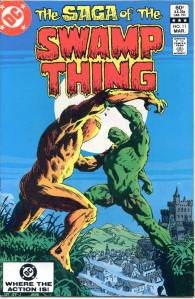
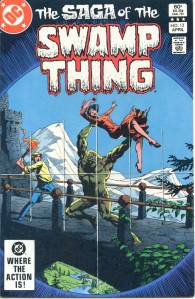
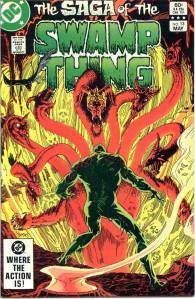
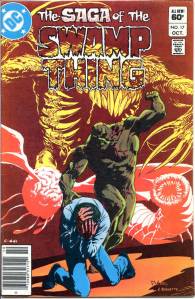
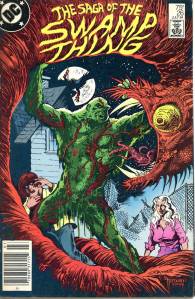
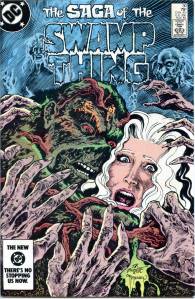
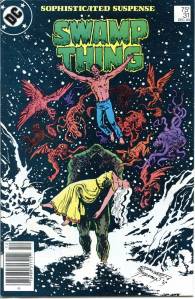
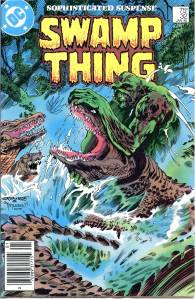
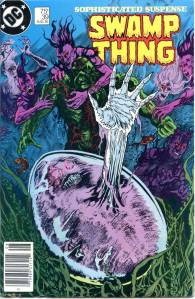
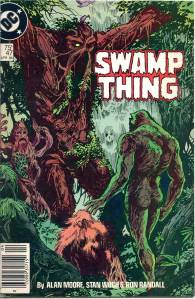
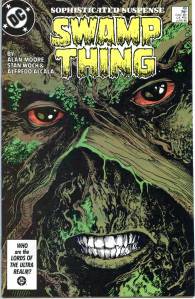
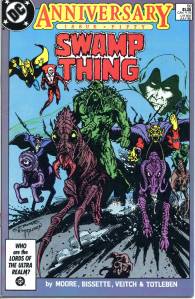
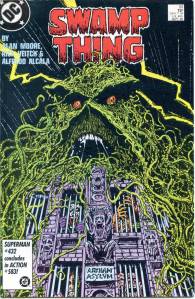
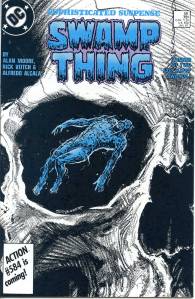
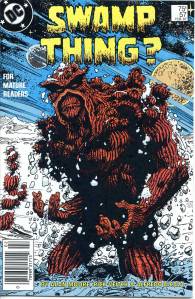
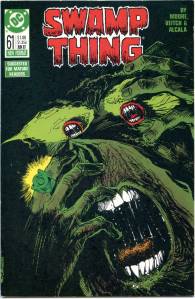
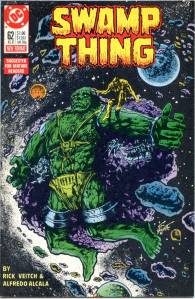
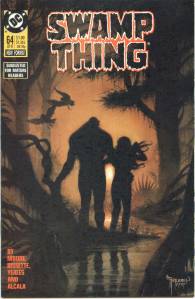
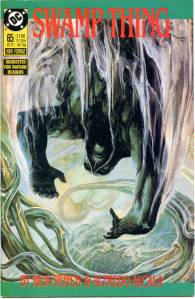
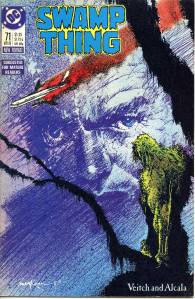
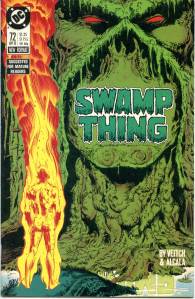
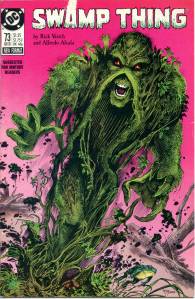
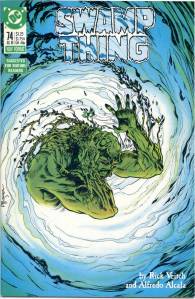
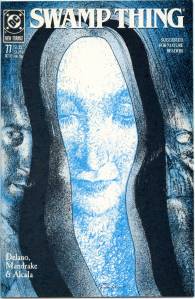
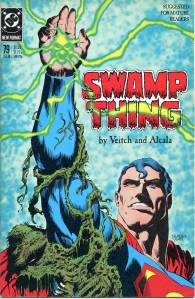
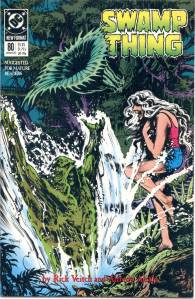
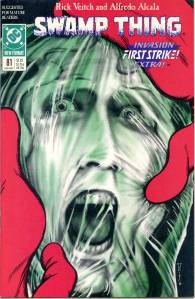
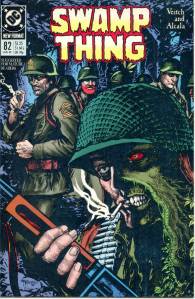
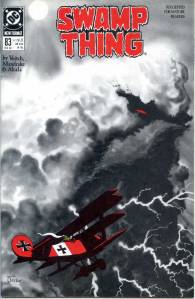
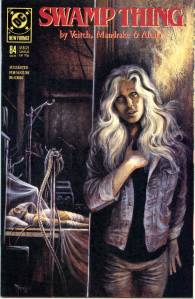
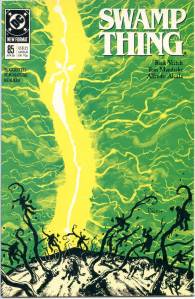
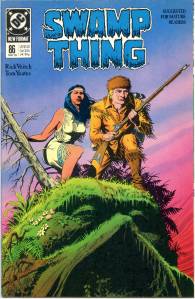
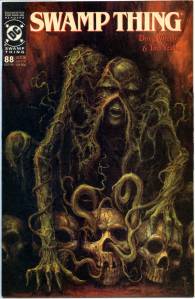
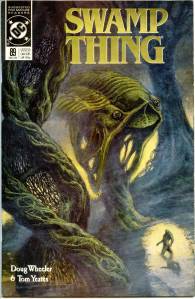
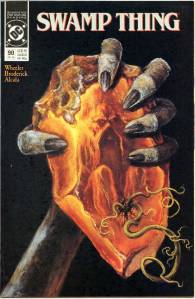
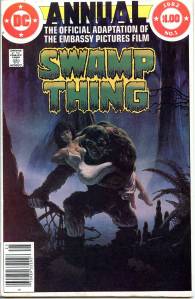
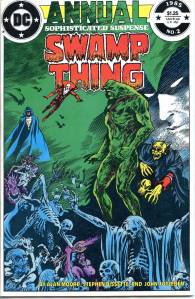
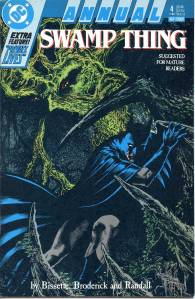
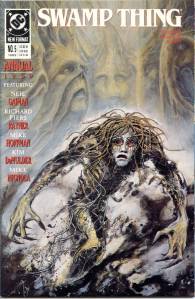
In 1984, editor Len Wein assigned Swamp Thing to British writer Alan Moore. When Karen Berger took over as editor, she gave Moore free rein to revamp the title and the character as he saw fit. Moore reconfigured Swamp Thing’s origin to make him a true monster as opposed to a human transformed into a monster. In his first issue, he swept aside most of the supporting cast Pasko had introduced in his year-and-a-half run as writer, and brought the Sunderland Corporation to the forefront, as they hunted Swamp Thing and “killed” him in a hail of bullets. The subsequent investigation revealed that Swamp Thing was not Alec Holland’s consciousness transformed into a plant but actually a form of plant life that had absorbed Holland’s consciousness after exposure to his work, with Swamp Thing’s appearance being the plants’ attempt to duplicate Holland’s human form.
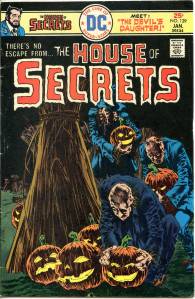
The House of Secrets was revived in 1969 after a 3 year absence. Now its horror and suspense tales were introduced by a host named Abel, who would also host the satirical comic Plop!. His brother Cain hosted House of Mystery. Swamp Thing first appeared in House of Secrets #92 (July 1971) in a stand-alone horror story set in the early 20th century written by Len Wein and drawn by Bernie Wrightson. The woman appearing on the cover of this issue was modeled after future comics writer Louise Simonson.
This revival, sporting many covers by Neal Adams, Bernie Wrightson, and Michael Kaluta, ran through issue #154 (Nov. 1978), with three months passing between #140 (April 1976) and #141 (July 1976). It was then ‘merged’ into The Unexpected with issue #189, through issue #199. The series was 68 ad-free pages, allowing all three portions to be full-length issues.
The House of Secrets also came to be the name of the actual edifice in which Abel lives. Writer Mike Friedrich and artist Jerry Grandenetti introduced the house and explained its origins. The Sandman series revealed it exists both in the real world of the DC Universe and in the Dreaming, as a repository for secrets of all kinds.
The House of Secrets #92 Signed by Bernie Wrightson FN+
The major event many cite as marking the beginning of the Golden Age was the 1938 debut of Superman in Action Comics #1, published by the predecessor of modern-day DC Comics. The creation of Superman made comic books into a major industry. Some date the start to earlier events in the 1930s: The Overstreet Comic Book Price Guide‘s regular publication The Golden Age Quarterly lists comic books from 1933 onwards (1933 saw the publication of the first comic book in the size that would subsequently define the format); some historians, such Roger Sabin, date it to the publication of the first comic books featuring entirely original stories rather than re-prints of comic strips from newspapers (1935) by the company that would become DC Comics.
The story explores the different universes that Doctor Manhattan alias Jon Osterman simultaneously perceives. It also adds a notable new element to Osterman’s backstory by revealing him to be a half-Jewish German immigrant who escaped with his father from the Third Reich to America; in the original Watchmen series, he was not implied to be anything other than American. It debuted to positive reviews.













 EHT Comics