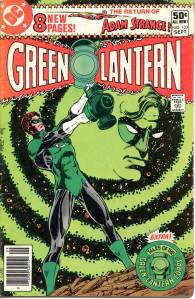
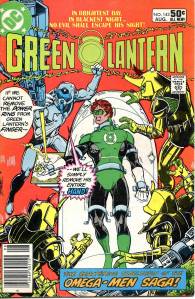
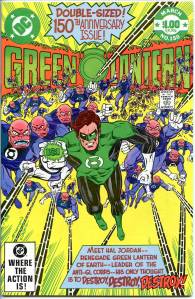
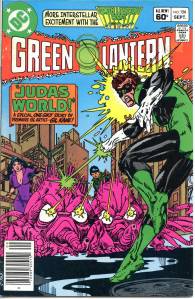
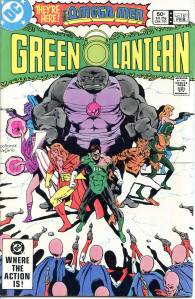
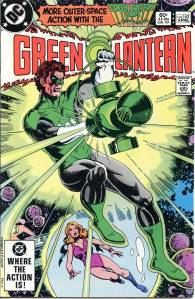
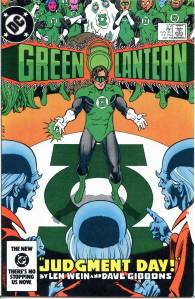
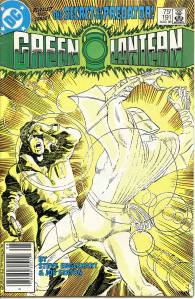
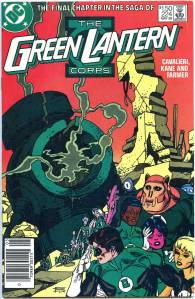
Green Lantern would know a number of revivals and cancellations. Its title would change to Green Lantern Corps at one point as the popularity rose and waned. During a time there were two regular titles, each with a Green Lantern, and a third member in the Justice League.
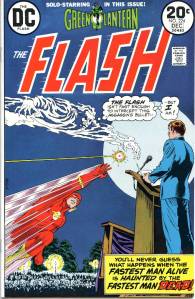
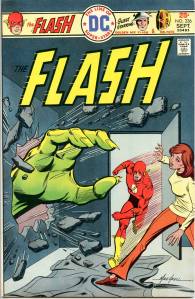
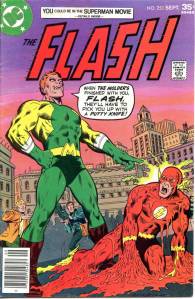
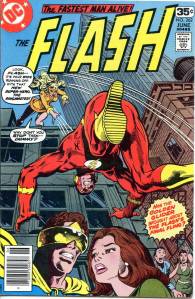
In 1956, DC Comics successfully revived superheroes, ushering in what became known as the Silver Age of comic books. Rather than bringing back the same Golden Age heroes, DC rethought them as new characters for the modern age. The Flash was the first revival, in the aptly named tryout comic book Showcase #4 (Oct. 1956).
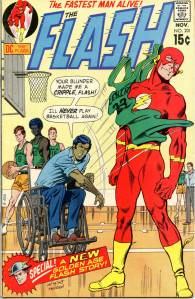
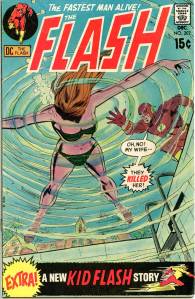
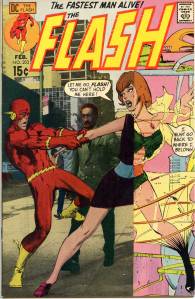
This new Flash was Barry Allen, a police scientist who gained super-speed when bathed by chemicals after a shelf of them was struck by lightning. He adopted the name The Flash after reading a comic book featuring the Golden Age Flash.After several more appearances in Showcase, Allen’s character was given his own title, The Flash, the first issue of which was #105 (resuming where Flash Comics had left off).
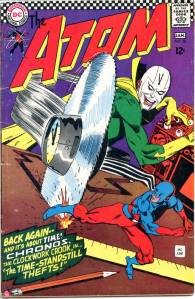
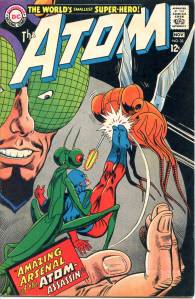
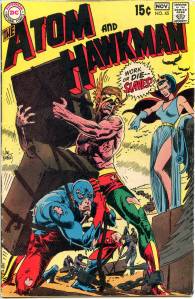
The Atom introduced in Showcase #34 (1961) is physicist and university professor Dr. Raymond Palmer, Ph.D. (He was named for real-life science fiction writer Raymond A. Palmer, who was himself quite short.) After stumbling onto a mass of white dwarf star matter that had fallen to Earth, he fashioned a lens which allowed him to shrink down to subatomic size. Originally, his size and molecular density abilities derived from the white dwarf star material of his costume, controlled by mechanisms in his belt, and later by controls in the palms of his gloves. Much later, he gained the innate equivalent powers within his own body. After the events of Identity Crisis, Ray shrank himself to microscopic size and disappeared. Finding him became a major theme of the Countdown year long series and crossover event.
Atom #27 F+ $30The Atom #28 VG $10The Atom #33 VF $39Atom #34 VF- $35Atom and Hawkman #45 VG $10
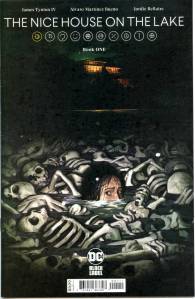
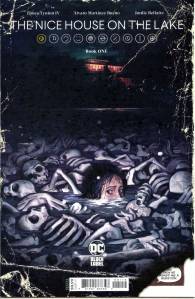
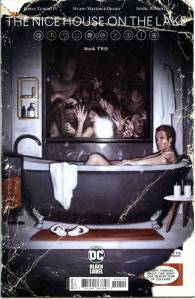
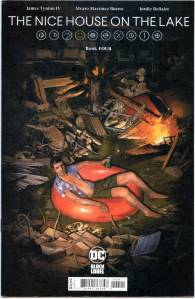
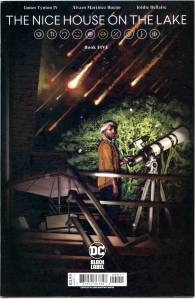
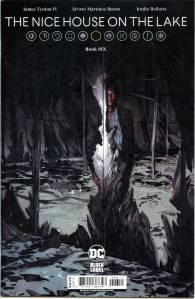
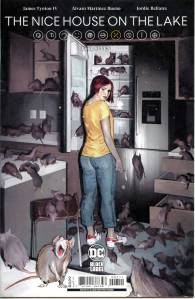
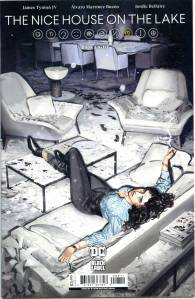
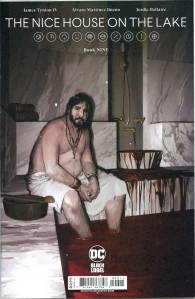
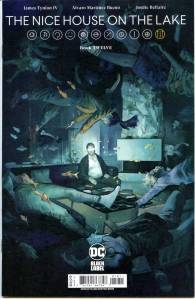
Everyone who was invited to the house knows Walter—well, they know him a little, anyway. Some met him in childhood; some met him months ago. And Walter’s always been a little…off. But after the hardest year of their lives, nobody was going to turn down Walter’s invitation to an astonishingly beautiful house in the woods, overlooking an enormous sylvan lake. It’s beautiful, it’s opulent, it’s private—so a week of putting up with Walter’s weird little schemes and nicknames in exchange for the vacation of a lifetime? Why not? All of them were at that moment in their lives when they could feel themselves pulling away from their other friends; wouldn’t a chance to reconnect be…nice?
The Nice House on the Lake #1 NM $9The Nice House on the Lake #1 2nd print NM $4The Nice House on the Lake #1 3rd Print NM $4The Nice House on the Lake #2 2nd print NM- $3The Nice House on the Lake #4 NM- $3The Nice House on the Lake #5 NM- $3The Nice House on the Lake #6 NM- $3The Nice House on the Lake #7 NM- $3The Nice House on the Lake #8 NM- $3The Nice House on the Lake #9 NM $4The Nice House on the Lake #12 NM $4
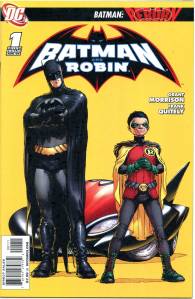
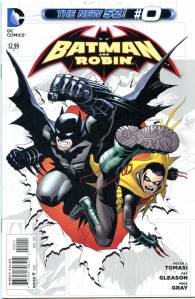
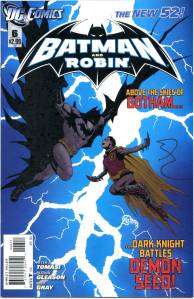
The relaunched DC Universe features several notable differences from its previous incarnation, making all of the established heroes roughly five years younger than their previous versions before the relaunch. While much of Batman’s history from the previous DC Universe remains intact, Bruce Wayne is again the only hero serving as Batman and as such, he has replaced Dick Grayson in this title. Volume 2 features the exploits of Bruce and Damian, father and son, as Batman and Robin.
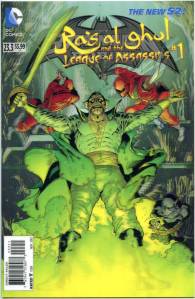
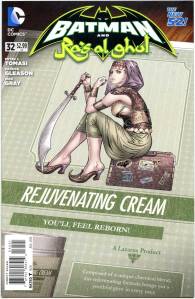
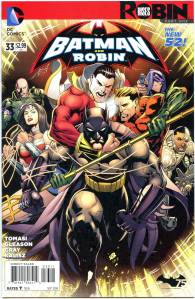
Batman and Robin #0 NM $5Batman and Robin V2 #6 NM $3Batman and Robin #23.3 NM $5Batman and Robin V2 #32 Bombshell Variant NM- $6Batman and Robin #33 NM $4
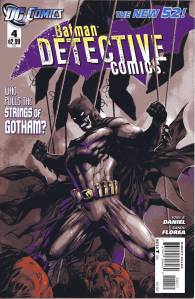
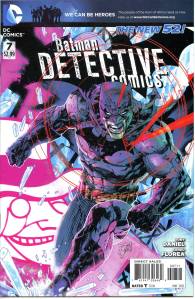
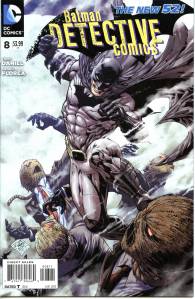
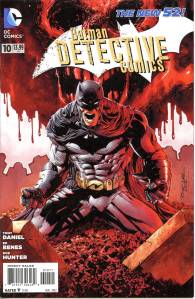
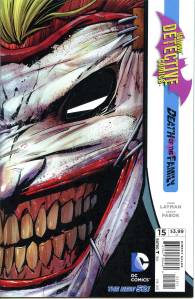
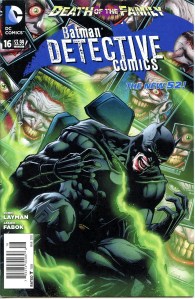
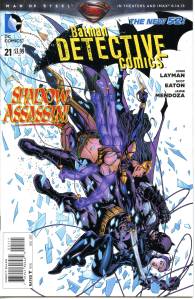
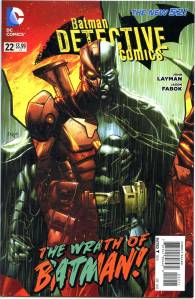
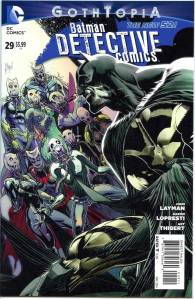
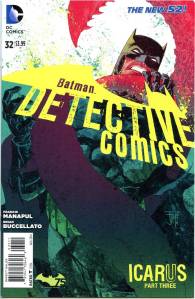
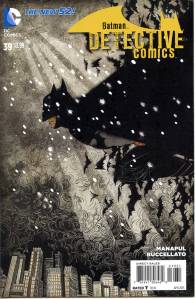
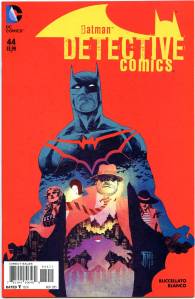
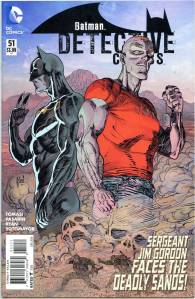
Detective Comics #1 vol. 2 (Nov. 2011) is the relaunch of Detective Comics. Story by Tony Daniel; art by Tony Daniel and Ryan Winn. The first issue of the relaunched Detective Comics has received six printings, second only to the relaunched Justice League which had seven printings.The series seventh issue was also DC Comic’s sixth highest selling digital comic, ranking above many other series in the Batman category.Scott West of Sciencefiction.com gave the series’ third arc a positive review, stating that “After last month’s disappointing ‘Night of the Owls’ tie-in issue, it’s nice to see ‘Detective Comics’ getting back to where it should be… good detective stories.”The relaunched Detective Comics received the award for “Best Series” at the 2012 Stan Lee Awards. The series’ first collected edition would reach the number one spot on The New York Times Best Seller list in the category of “Hardcover Graphic Books”.
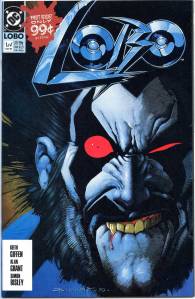
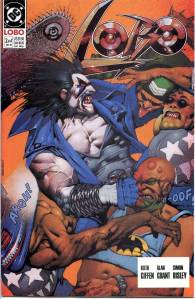
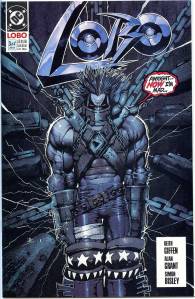
In 1990, he appeared in his four-issue own miniseries, Lobo: The Last Czarnian, plotted by Giffen, written by Alan Grant and with art by Simon Bisley, which changed his origin story: he became the last Czarnian after violently killing every other member of the species. That miniseries led to many subsequent miniseries and specials.
Lobo – The Last Czarnian #1 NM $15Lobo – The Last Czarnian #2 NM $9Lobo – The Last Czarnian #3 NM $7Lobo – The Last Czarnian #4 NM $7
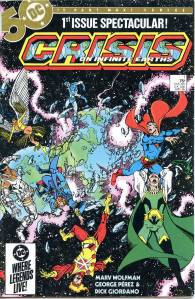
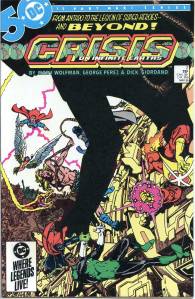
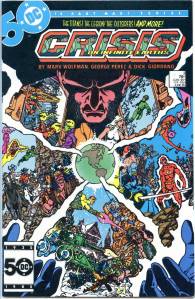
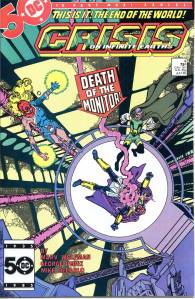
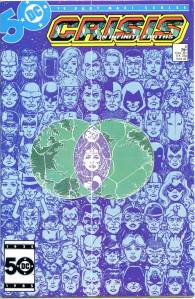
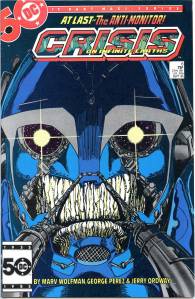
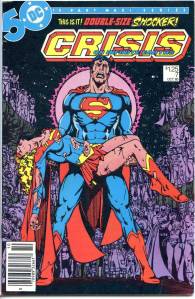
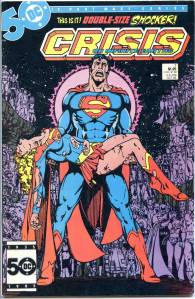
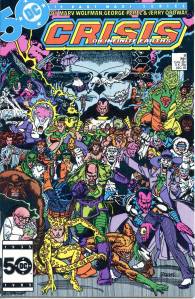
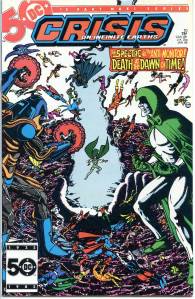
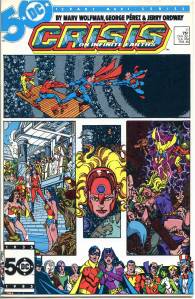
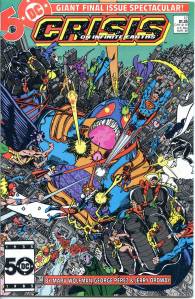
Crisis on Infinite Earths was published by DC Comics from 1985 to 1986, consisting of an eponymous 12-issue, limited series comic book and a number of tie-in books. It was produced by DC Comics to simplify its then-50-year-old continuity. The series was written by Marv Wolfman and illustrated by George Pérez (pencils and layouts), Mike DeCarlo, Dick Giordano and Jerry Ordway (inking and embellishing). The series removed the multiverse concept from the fictional DC Universe, depicting the death of long-standing characters Supergirl and the Barry Allen incarnation of the Flash. Continuity in the DC Universe is divided into pre-Crisis and post-Crisis periods. The Flash was later reborn.
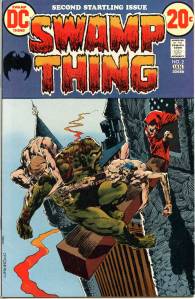
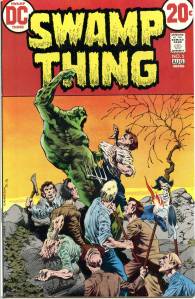
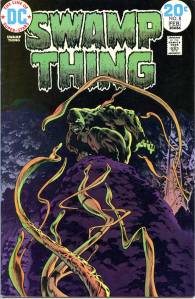
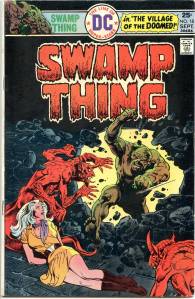
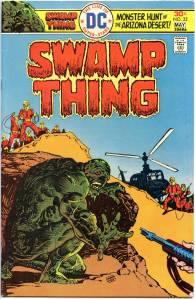
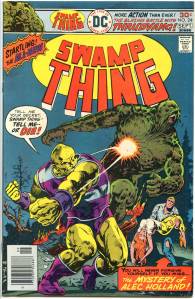
The Swamp Thing character first appeared in House of Secrets #92 (June–July 1971). After the success of the short story in the House of Secrets comic, the original creators were asked to write an ongoing series, depicting a more heroic, more contemporary creature. InSwamp Thing #1 (October–November 1972) Wein and Wrightson updated the time frame to the 1970s and featured a new version character: Alec Holland, a scientist working in the Louisiana swamps on a secret bio-restorative formula “that can make forests out of deserts”. Holland is killed by a bomb planted by agents of the mysterious Mr. E (Nathan Ellery), who wants the formula. Splashed with burning chemicals in the massive fire, Holland runs from the lab and falls into the muck-filled swamp, after which a creature resembling a humanoid plant appears. Roy Thomas and Gerry Conway, who co-created Man-Thing for Marvel Comics a year and a half earlier, thought that this origin was too similar to that of their character, and Wein himself had written a Man-Thing story that was published with a June 1972 cover date, but he refused to change the origin in spite of some cajoling by Conway, who was his roommate at the time. Marvel, however, never took the issue to court, realizing the similarity of both characters to The Heap.
Swamp Thing #2 VF signed Wrightson $159Swamp Thing #5 VF+ signed Wrightson $139Swamp Thing #6 VF+ signed Wrightson $119Swamp Thing #8 VF signed Wrightson $99Swamp Thing #9 VF+ signed Wrightson $139Swamp Thing V1 #18 FN+ $8Swamp Thing V1 #22 FN-VF $10Swamp Thing V1 #24 VG $6