Kong the Untamed is a comic book series published by DC Comics that ran for five issues. It was created in 1975 by writer Jack Oleck and artist Alfredo Alcala. The title character, Kong, is an intelligent caveman who is a direct descendant of Anthro, another DC Comics caveman character.
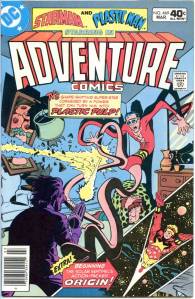
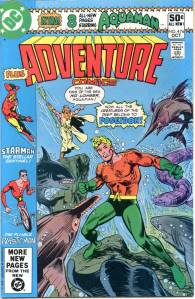
As of #425 (December 1972), Adventure Comics theme changed from superhero adventure to fantasy/supernatural adventure. That issue debuted one new feature along with three non-series stories, the pirate saga “Captain Fear”. The next edition added a semi-anthology series, “The Adventurers’ Club”. Soon, editor Joe Orlando was trying out horror-tinged costumed heroes, first Black Orchid, then the Spectre. Before long, though, conventional superheroes returned to the book, beginning behind the Spectre, first a three-issue run of Aquaman (issues #435–437, an early assignment for Mike Grell) and then a newly drawn 1940s Seven Soldiers of Victory script (issues #438–443). Aquaman was promoted to lead (issues #441-452), and backing him up were three-part story arcs featuring the Creeper (#445–447), the Martian Manhunter (#449–451), bracketed by issue-length Aquaman leads. He was awarded his own title and Superboy (#453-458) took over Adventure with Aqualad (#453–455) and Eclipso (#457–458) backups. Following this was a run as a Dollar Comic format giant-sized book (issues #459-466), including such features as the resolution of the Return of the New Gods (cancelled in July–August 1978), “Deadman“, and “Justice Society of America“.
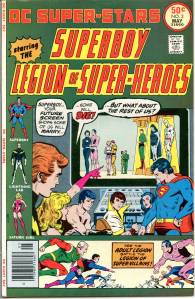
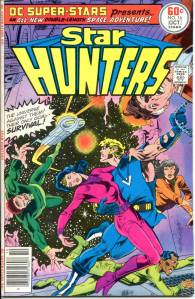
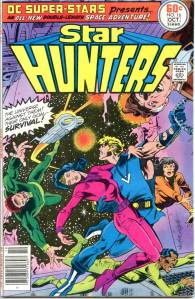
The series’ middle period was marked by theme issues — Aquaman, heroes with guns, sports, magic-users — until issue #12, which heralded the title’s second original story, featuring Superboy. From that point until DC Super Stars was cancelled after issue #18, the series contained new stories about a range of different characters (some being showcased for their own titles), as well as a collection of “secret origin” stories. The Bronze AgeHuntress made her first appearance in DC Super Stars #17 (November/December 1977) in a story written by Paul Levitz and drawn by Joe Staton and Bob Layton.
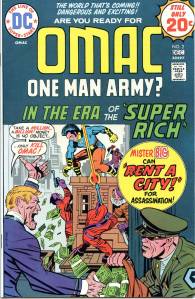
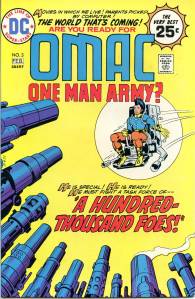
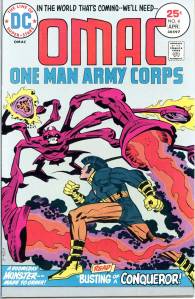
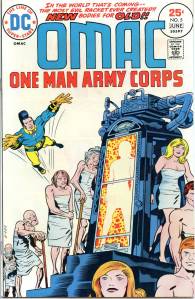
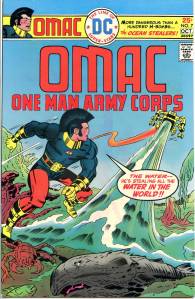
OMAC (Buddy Blank) was created in 1974 by Jack Kirby and published by DC Comics. The character was created towards the end of Kirby’s contract with the publisher, following the cancellation of his New Gods series and was reportedly developed strictly due to Kirby needing to fill his contractual quota of 15 pages a week.As envisioned by Kirby, OMAC is essentially Captain America set in the future, an idea Kirby had toyed with some years earlier while at Marvel Comics, but had never realized.
Set in the near future (“The World That’s Coming”), OMAC is a corporate nobody named Buddy Blank who is changed via a “computer-hormonal operation done by remote control” by an A.I. satellite called Brother Eye into the super-powered One-Man Army Corps (OMAC).
Created and designed by Jack Kirby, The New Gods first appeared in February 1971 in New Gods #1.
Kirby’s production assistant of the time, Mark Evanier, remarked that: “Folks forget but the New Gods saga was intended to be a limited series … There was no intention that these characters would go on forever. After Jack’s books started getting good sales figures, DC demanded that we keep them going and use guest stars like Deadman, which we were very much against doing. So Kirby had this novel he was forever stuck in the middle of – he could never get to the last chapter. … You can spot the issues where Jack kind of gave up trying to advance the story of Darkseid and Orion and was marking time. If those books had been intended from the start to run indefinitely, they would have been done very differently.”
New Gods #1 marks the first appearance of Orion, Highfather, and Metron, among others.
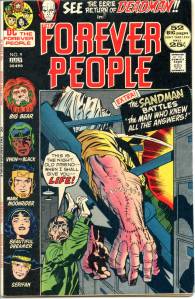
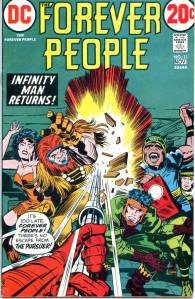
The Forever People are a fictional group of extraterrestrial superheroes published by DC Comics. They first appeared in Forever People #1 (February–March 1971), and were created by Jack Kirby as part of his “Fourth World” epic.
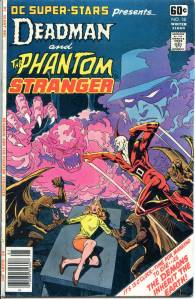
The Forever People lasted eleven issues. They mainly fought Darkseid’s forces such as Glorious Godfrey in issue #3. Issues #9 and 10 guest-starred Deadman; according to writer/artist Jack Kirby‘s assistant Mark Evanier, “We were ordered to put Deadman into New Gods, but we slipped him into Forever People instead, where he was a little less obtrusive. Jack didn’t like the character and didn’t want to do it. He didn’t feel he should be doing someone else’s character. … He doesn’t want to trample on someone else’s vision. Carmine [Infantino, DC Comics publisher and Deadman’s co-creator] said the character hadn’t sold and he wanted the Kirby touch on it.”
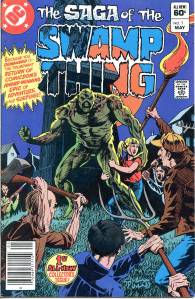
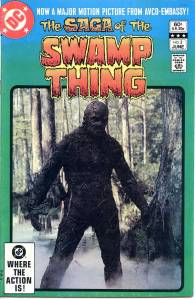
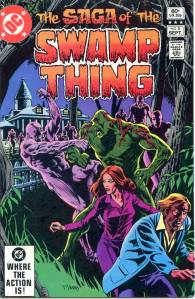
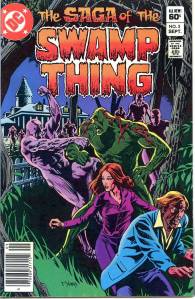
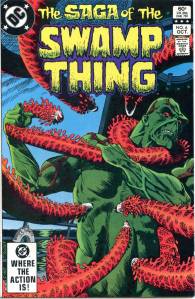
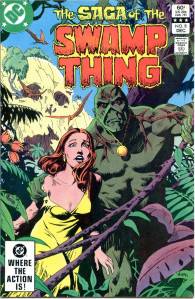
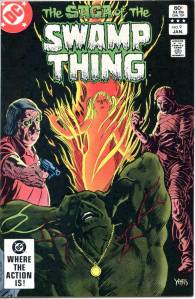
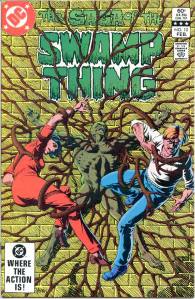
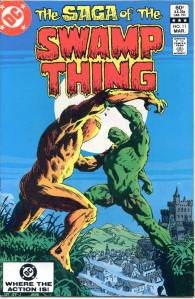
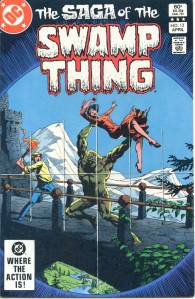
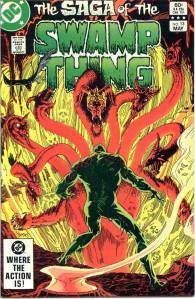
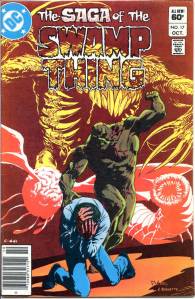
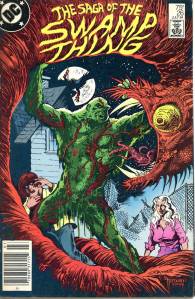
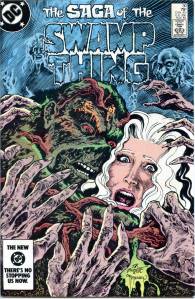
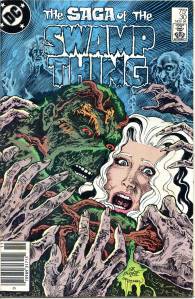
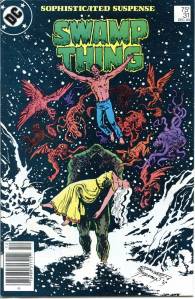
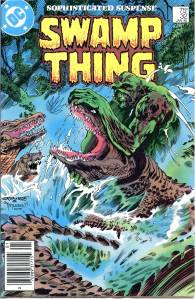
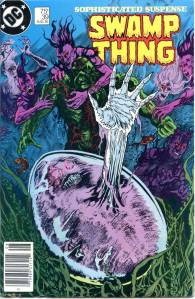
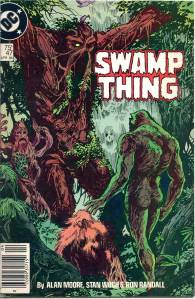
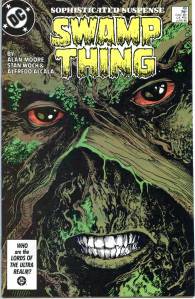
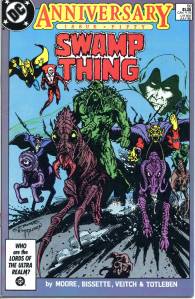
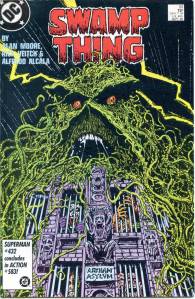
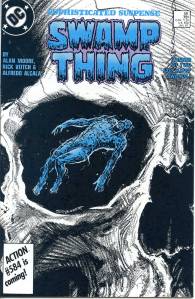
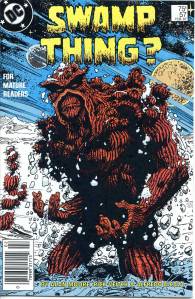
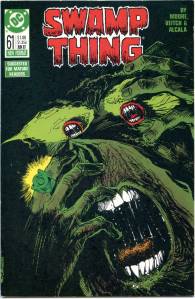
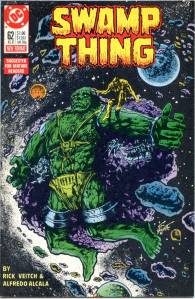
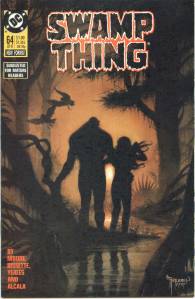
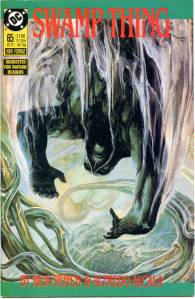
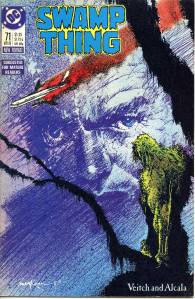
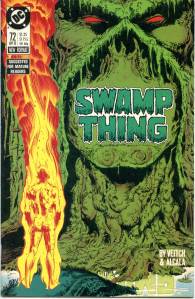
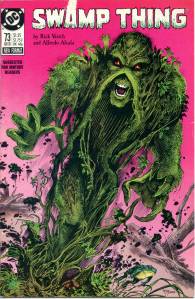
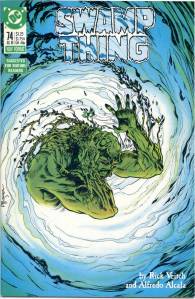
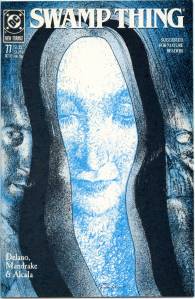
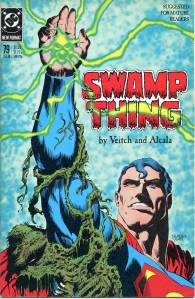
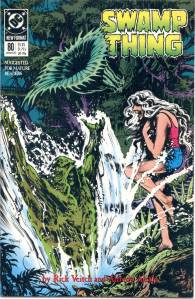
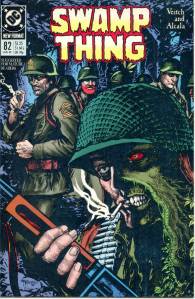
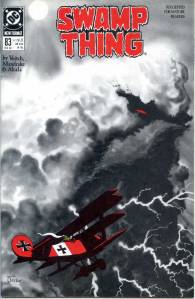
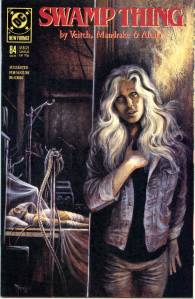
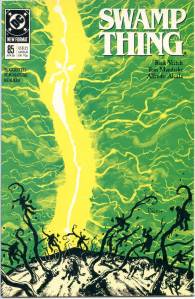
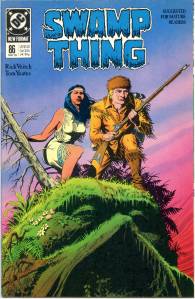
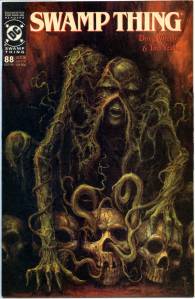
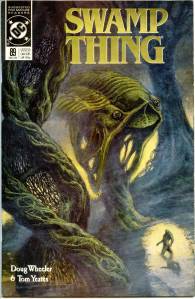
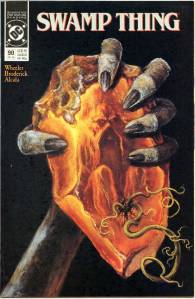
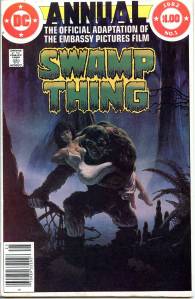
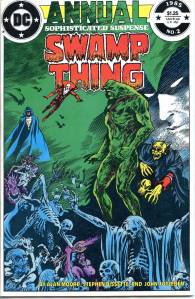
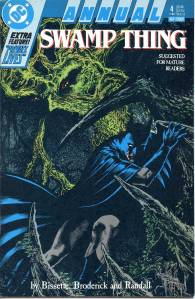
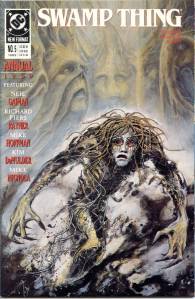
In 1984, editor Len Wein assigned Swamp Thing to British writer Alan Moore. When Karen Berger took over as editor, she gave Moore free rein to revamp the title and the character as he saw fit. Moore reconfigured Swamp Thing’s origin to make him a true monster as opposed to a human transformed into a monster. In his first issue, he swept aside most of the supporting cast Pasko had introduced in his year-and-a-half run as writer, and brought the Sunderland Corporation to the forefront, as they hunted Swamp Thing and “killed” him in a hail of bullets. The subsequent investigation revealed that Swamp Thing was not Alec Holland’s consciousness transformed into a plant but actually a form of plant life that had absorbed Holland’s consciousness after exposure to his work, with Swamp Thing’s appearance being the plants’ attempt to duplicate Holland’s human form.
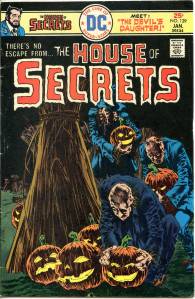
The House of Secrets was revived in 1969 after a 3 year absence. Now its horror and suspense tales were introduced by a host named Abel, who would also host the satirical comic Plop!. His brother Cain hosted House of Mystery. Swamp Thing first appeared in House of Secrets #92 (July 1971) in a stand-alone horror story set in the early 20th century written by Len Wein and drawn by Bernie Wrightson. The woman appearing on the cover of this issue was modeled after future comics writer Louise Simonson.
This revival, sporting many covers by Neal Adams, Bernie Wrightson, and Michael Kaluta, ran through issue #154 (Nov. 1978), with three months passing between #140 (April 1976) and #141 (July 1976). It was then ‘merged’ into The Unexpected with issue #189, through issue #199. The series was 68 ad-free pages, allowing all three portions to be full-length issues.
The House of Secrets also came to be the name of the actual edifice in which Abel lives. Writer Mike Friedrich and artist Jerry Grandenetti introduced the house and explained its origins. The Sandman series revealed it exists both in the real world of the DC Universe and in the Dreaming, as a repository for secrets of all kinds.
The House of Secrets #92 Signed by Bernie Wrightson FN+
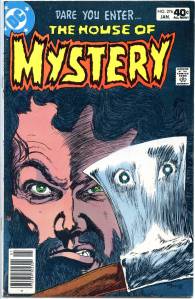
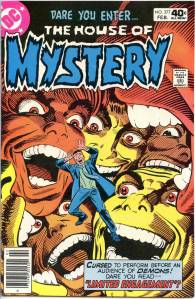
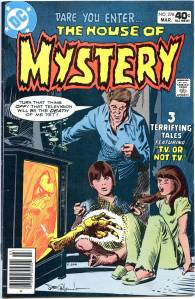
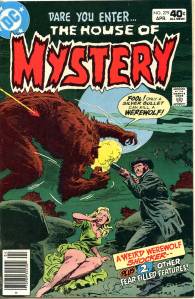
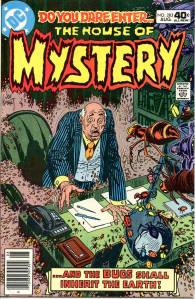
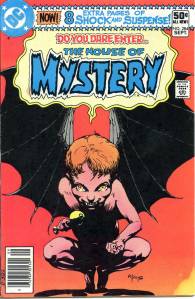
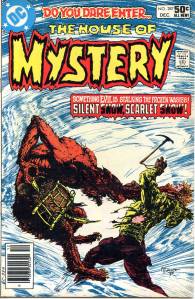
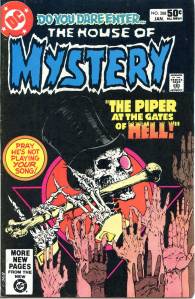
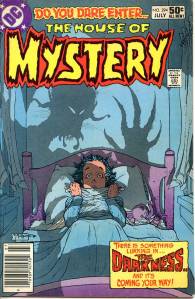
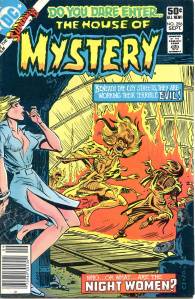
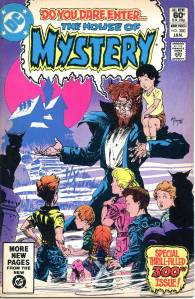
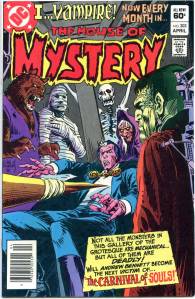
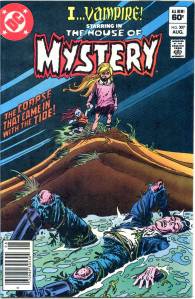
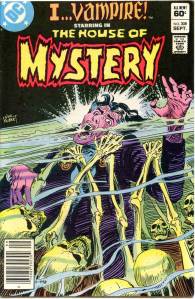
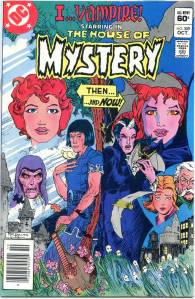
Karen Berger became editor of the series with #292 (May 1981), her first for DC Comics. Under Berger, the series experimented with long-form storylines in the popular I…Vampire serial created by writer J. M. DeMatteis. “I… Vampire” revolved around the heroic vampire, Andrew Bennett, who sought to defeat his nemesis and former lover Mary, the Queen of Blood. This series began in #290 (March 1981) and would last until #319 (August 1983), two issues before the title ended with #321 (October 1983).


















 EHT Comics