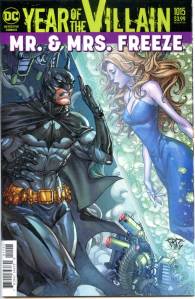
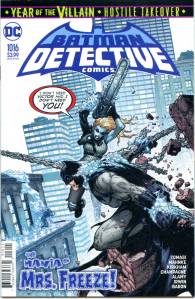
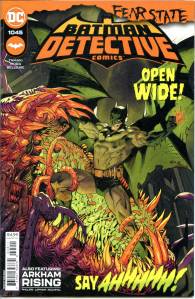
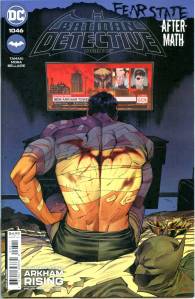
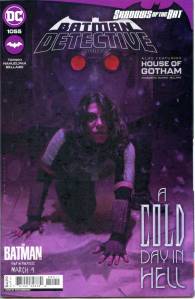
The next regular writer after James Tynion IV was Peter Tomasi who began on the series with issue #994, published December 2018. Tomasi’s run as writer continued for two years until issue #1033, published December 2020.
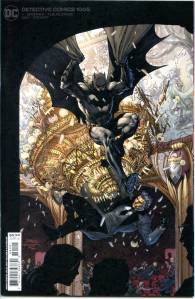
On March 27, 2019, DC Comics released the series’ 1,000th issue, marking the second American comic book in history to reach that milestone after Action Comics in 2018. The issue, which coincided with Batman’s 80th anniversary, is an anthology featuring several stories from a variety of different creative teams.
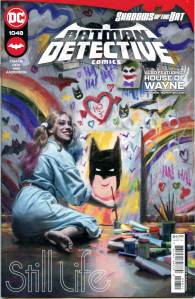
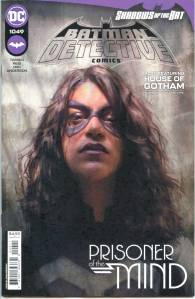
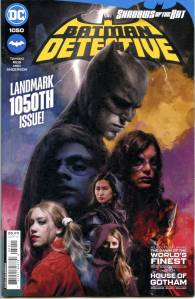
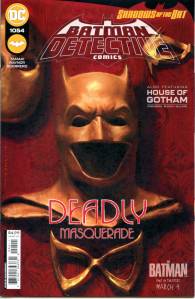
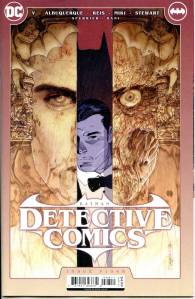
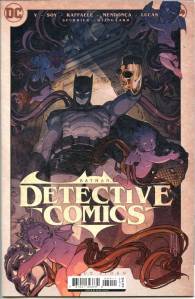
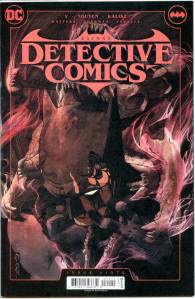
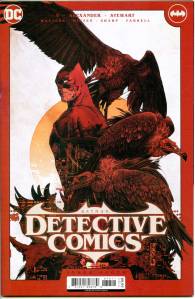
Writer Mariko Tamaki began on the series with issue #1034 as part of the Infinite Frontier line-wide relaunch. In April 2022, it was announced that Ram V and Rafael Albuquerque would serve as the new creative team starting with issue #1062.
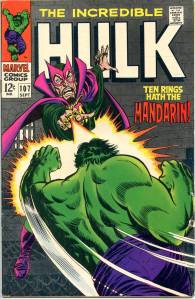
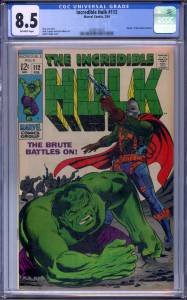
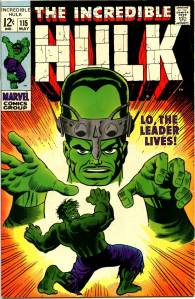
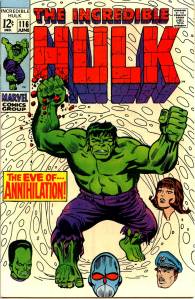
The Hulk first appeared in The Incredible Hulk #1 (cover dated May 1962), written by writer-editor Stan Lee, penciled and co-plotted by Jack Kirby, and inked by Paul Reinman. Lee cites influence from Frankensteinand Dr. Jekyll and Mr. Hyde in the Hulk’s creation. The Hulk’s original series was canceled with issue #6 (March 1963).
In the debut, Lee chose gray for the Hulk because he wanted a color that did not suggest any particular ethnic group.Colorist Stan Goldberg, however, had problems with the gray coloring, resulting in different shades of grey, and even green, in the issue. After seeing the first published issue, Lee chose to change the skin color to green. Green was used in retellings of the origin, with even reprints of the original story being recolored for the next two decades, until The Incredible Hulk vol. 2, #302 (December 1984) reintroduced the gray Hulk in flashbacks set close to the origin story. Since then, reprints of the first issue have displayed the original gray coloring, with the fictional canon specifying that the Hulk’s skin had initially been grey. An exception is the early trade paperback, Origins of Marvel Comics, from 1974, which explains the difficulties in keeping the gray color consistent in a Stan Lee written prologue, and reprints the origin story keeping the gray coloration.
Lee gave the Hulk’s alter ego the alliterative name Bruce Banner because he found he had less difficulty remembering alliterative names. Despite this, in later stories he misremembered the character’s name and referred to him as “Bob Banner”, an error which readers quickly picked up on. The discrepancy was resolved by giving the character the official full name of Robert Bruce Banner.
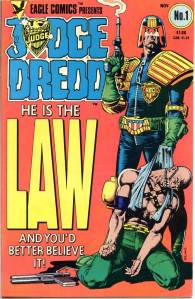
Judge Dredd is a fictional character who appears in British comic books published by Rebellion Developments, as well as in a number of movie and video game adaptations. He was created by writer John Wagner and artist Carlos Ezquerra, and first appeared in the second issue of 2000 AD (1977), a weekly science-fiction anthology. He is that magazine’s longest-running character.
Joseph Dredd is an American law enforcement officer in the dystopian future city of Mega-City One. He is a “street judge“, empowered to summarily arrest, convict, sentence, and execute criminals. Dredd’s entire face is never shown in the strip. This began as an unofficial guideline, but soon became a rule. As John Wagner explained: “It sums up the facelessness of justice − justice has no soul. So it isn’t necessary for readers to see Dredd’s face, and I don’t want you to”. Time passes in the Judge Dredd strip in real time, so as a year passes in life, a year passes in the comic. The first Dredd story, published in 1977, was set in 2099, whilst stories published in 2015 are set in 2137. Consequently, as former editor Alan McKenzie explains, “every year that goes by Dredd gets a year older – unlike Spider-Man, who has been a university student for the past twenty-five years!”. Therefore Dredd is over seventy years old, with over fifty years of active service (2079–2136), and for some time characters in the comic have been mentioning that Dredd is not as young and fit as formerly.
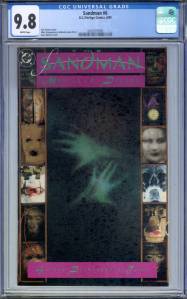
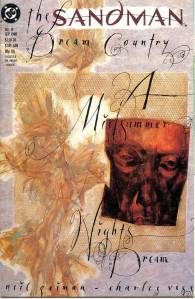
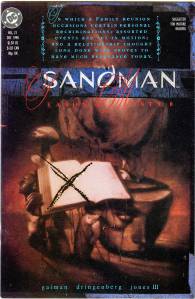
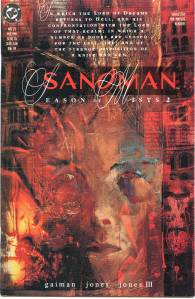
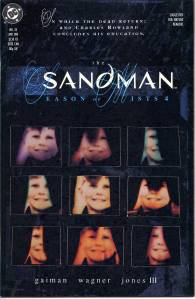
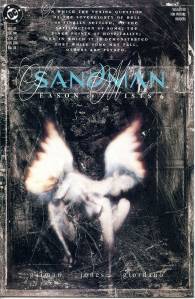
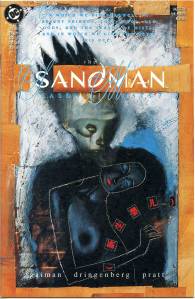
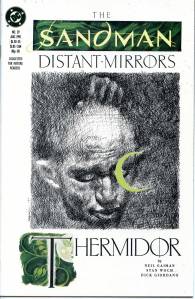
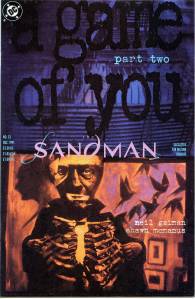
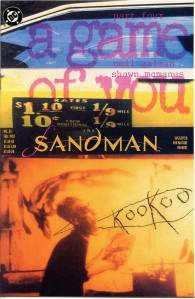
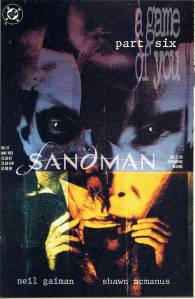
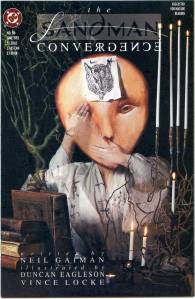
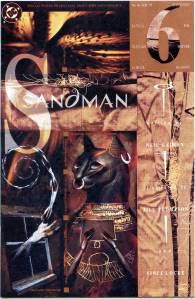
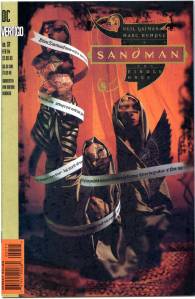
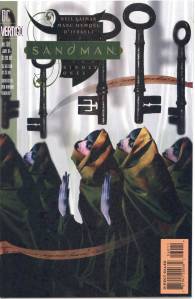
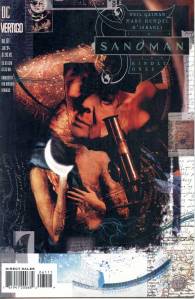
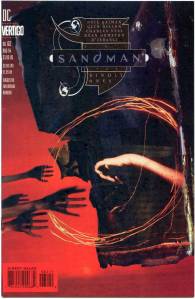
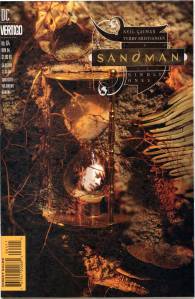
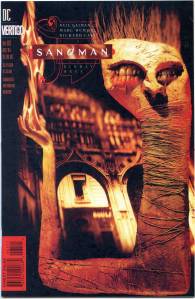
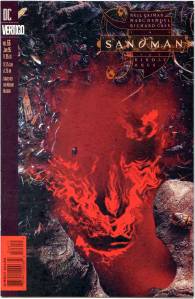
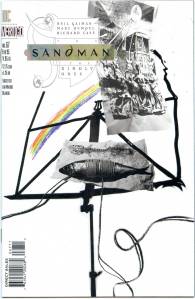
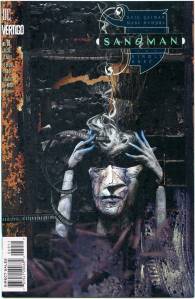
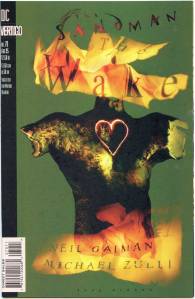
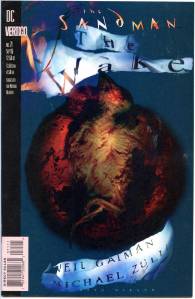
The main character of The Sandman is Dream, also known as Morpheus and other names, who is one of the seven Endless. The other Endless are Destiny, Death, Desire, Despair, Delirium, who was once Delight, and Destruction, who turned his back on his duties. The series is famous for Gaiman’s trademark use of anthropomorphic personification of various metaphysical entities, while also blending mythology and history in its horror setting within the DC Universe.The Sandman is a story about stories and how Morpheus, the Lord of Dreams, is captured and subsequently learns that sometimes change is inevitable. The Sandman was Vertigo’s flagship title, and is available as a series of ten trade paperbacks, a recolored five-volume Absolute hardcover edition with slipcase, in a black-and-white Annotated edition, and is available for digital download. Critically acclaimed,The Sandman was one of the first few graphic novels ever to be on the New York Times Best Seller list, along with Maus, Watchmen and The Dark Knight Returns. It was one of five graphic novels to make Entertainment Weekly‘s “100 best reads from 1983 to 2008,” ranking at No. 46. Norman Mailer described the series as “a comic strip for intellectuals.” The series is noted for having a large influence over the fantasy genre and graphic novel medium since then.
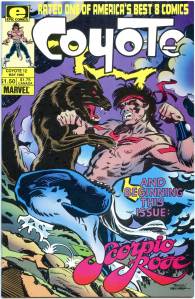
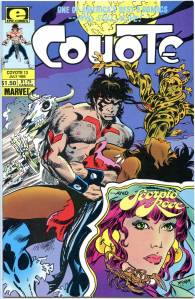
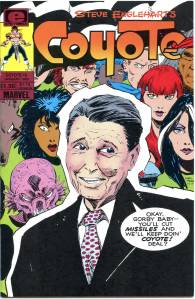
The characters first appeared in Eclipse Magazine #2-8. It would later be reprinted in a color trade paperback, I Am Coyote. Afterwards, a new comic book series started at Marvel ComicsEpic Comics line, that ran 16 issues. It was notable for the first published work of Todd McFarlane. According to Epic editor-in-chief Archie Goodwin, artist Steve Leialoha‘s departure after issue #2 caused deadline problems that the series never fully recovered from, leading to its early cancellation.
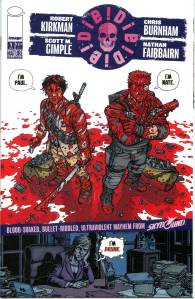
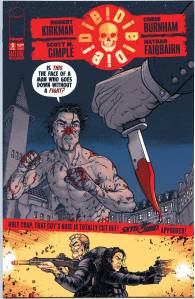
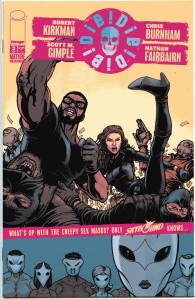
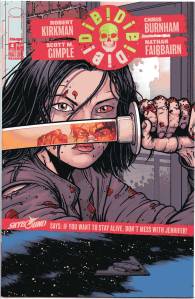
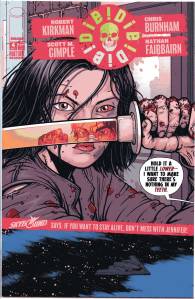
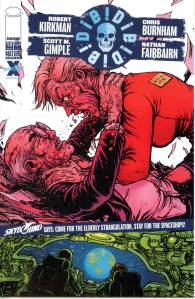
Die!Die!Die! was created and is written by Robert Kirkman with co-writer Scott M. Gimple, artist Chris Burnham and colorist Nathan Fairbairn. It is a blood-soaked, no holds barred, action-packed, irreverent story that fans won’t be able to rip their eyes from. We live in an evil world where evil people do evil stuff all the time and Die!Die!Die! lifts the veil on a secret cabal within the United States government that influences world matters through targeted assassination.
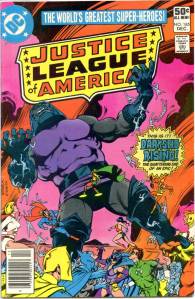
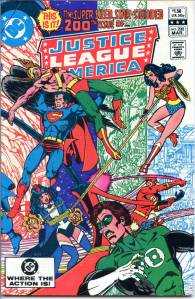
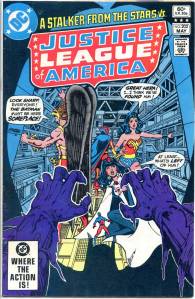
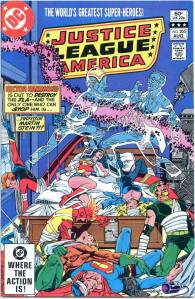
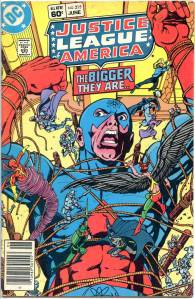
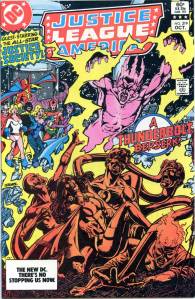
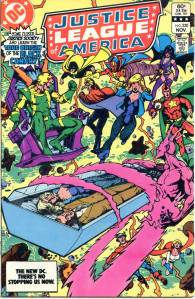
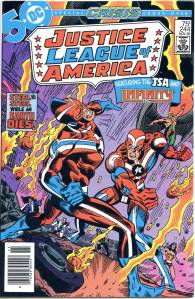
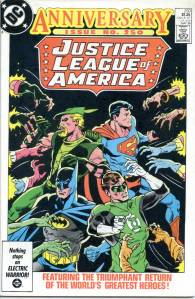
In the early 80’s, George Pérez, Don Heck, and Rich Buckler would rotate as artist on the title. The double-sized anniversary issue #200 (March 1982) was a “jam” featuring a story written by Conway, a framing sequence drawn by Pérez, and chapters drawn by Pat Broderick, Jim Aparo, Dick Giordano, Gil Kane, Carmine Infantino, Brian Bolland, and Joe Kubert. Bolland’s chapter gave the artist his “first stab at drawing Batman.” Pérez would leave the title with issue #200 to concentrate on The New Teen Titans although he would contribute covers to the JLAthrough issue #220 (November 1983). The 1982 team-up with the Justice Society in issues #207–209 crossed over with All-Star Squadron #14–15. A Justice League story by Gerry Conway and Rich Buckler originally intended for publication as an issue of All-New Collectors’ Edition saw print in Justice League of America #210–212 (January–March 1983).
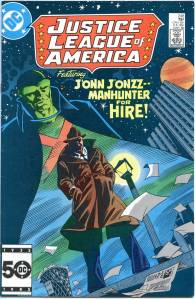
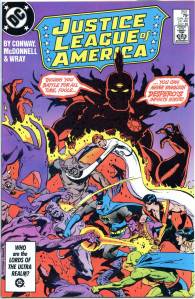
Seeking to capitalize on the popularity of their other team books, which focused upon heroes in their late teens/early 20s, Gerry Conway and artist Chuck Patton revamped the Justice League series. After most of the original heroes fail to help fend off an invasion of Martians, Aquaman dissolves the League and rewrites its charter to allow only heroes who will devote their full-time to the roster. The new team initially consists of Aquaman, Zatanna, Martian Manhunter, Elongated Man, the Vixen, and a trio of teenage heroes Gypsy, Steel, and Vibe. Aquaman leaves the team after a year, due to resolving marital problems, and his role as leader is assumed by the Martian Manhunter.
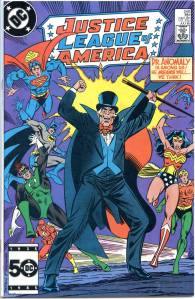
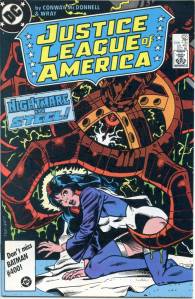
The final storyline for the original Justice League of America series (#258–261), by writer J. M. DeMatteis and artist Luke McDonnell, concludes with the murders of Vibe and Steel at the hands of robots created by long-time League nemesis Professor Ivo, and the resignations of Vixen, Gypsy, and the Elongated Man during the events of DC’s Legends miniseries, which sees the team disband.
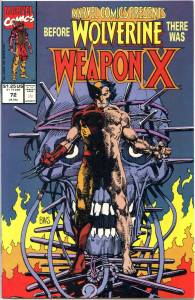
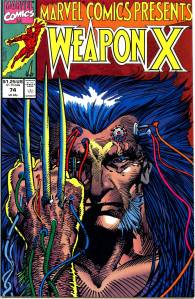
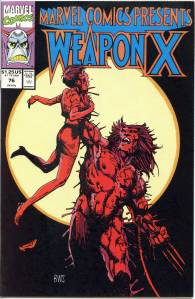
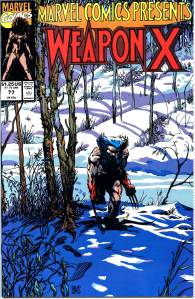
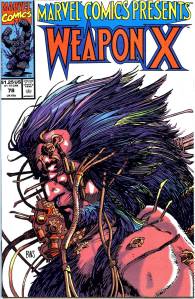
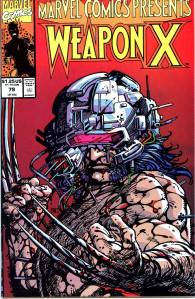
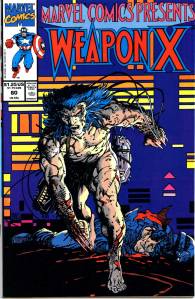
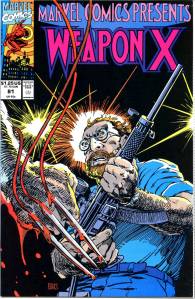
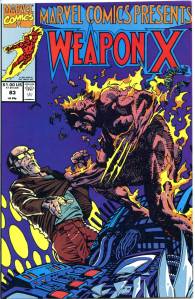
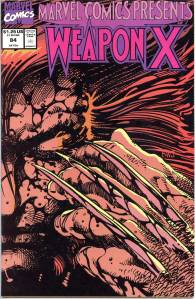
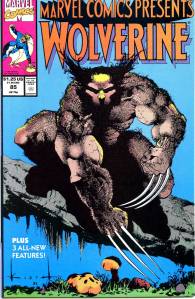
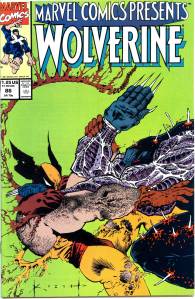
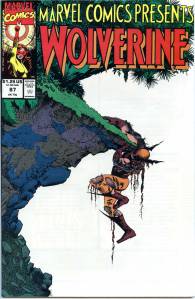
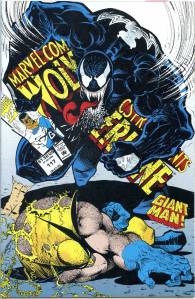
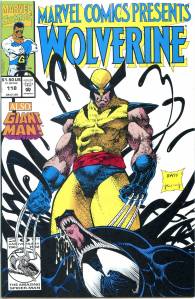
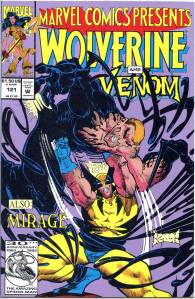
Marvel Comics Presentswas published from 1988 to 1995. The original plan was for the lead story to feature different members of the X-Men in solo adventures lasting between eight and ten episodes. The first ten issues featured Wolverine; others featured were Colossus, Cyclops, Havok, and Excalibur. From issue 39 onwards,Wolverine was featured as the lead story in all issues. Particularly notable was “Weapon X” in issues #72-84, which revealed Wolverine’s origin, with story and art by Barry Windsor-Smith.
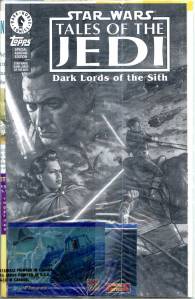
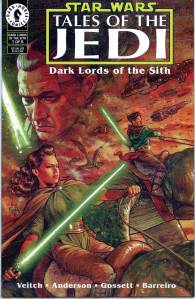
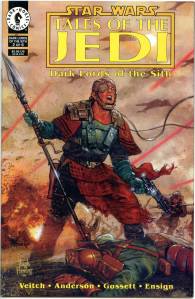
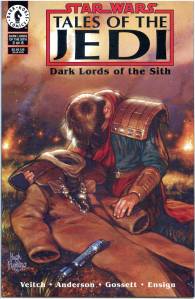
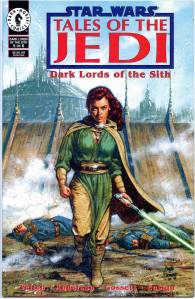
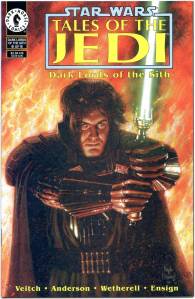
Dark Lords of the Sith (1994–95) is a six-part story arc by Kevin J. Anderson, Tom Veitch, Chris Gossett, and Art Wetherell. It is set two years after the previous arcs, continues the tale of Ulic Qel-Droma, and introduces the character of Exar Kun, a dark lord of the Sith. The story details how the Jedi, led by Ulic Qel-Droma and Nomi Sunrider attempt to free the Empress Teta System from the tyrannical control of evil Dark Side adepts Satal and Aleema. It also details Exar Kun’s fall to the Dark Side at the seduction of the spirit of Freedon Nadd, becoming Dark Lord of the Sith with Ulic as his apprentice.
Star Wars – Tales of the Jedi – Dark Lords of the Sith #1 Ashcan Polybagged NM $49
Tales of the Jedi – Dark Lords of the Sith #1 Polybagged NM $19
Tales of the Jedi – Dark Lords of the Sith #2 NM $9
Tales of the Jedi – Dark Lords of the Sith #3 NM $9
Tales of the Jedi – Dark Lords of the Sith #5 NM $9
Tales of the Jedi – Dark Lords of the Sith #6 NM $19












































 EHT Comics