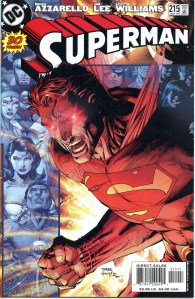
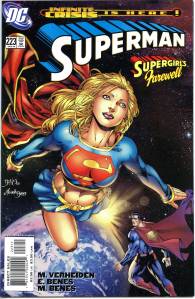
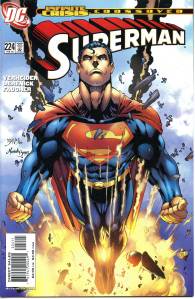
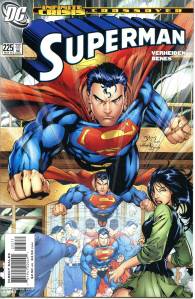
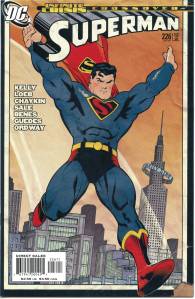
With the publication of issue #226 (April 2006), the series was canceled as part of the company-wide Infinite Crisis event. The Adventures of Superman was returned to its original title, Superman, with issue #650 the following month.
In November 2011, a third volume of Superman was launched with issue #1 as part of The New 52 company-wide reboot.
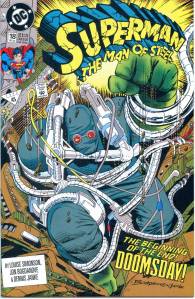
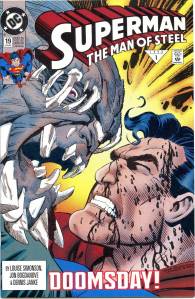
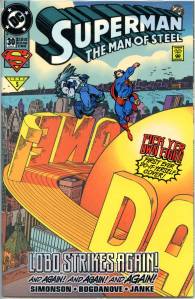
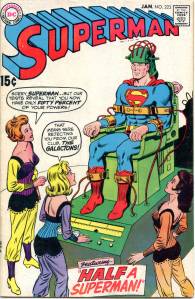
Writer/artist Dan Jurgens worked on the title from 1989–1991. Hank Henshaw, a character who would later become the Cyborg Superman, first appeared in issue #466 (May 1990). By the late 1980s, the plots of the Superman books were often linked. To coordinate the storyline and sequence of event, from January 1991 to January 2002, “triangle numbers” (or “shield numbers”) appeared on the cover of each Superman comic book. During these years, the Superman storylines ran with the story continuing through the titles Superman, Action Comics and later in two further series, Superman: The Man of Steel and Superman: The Man of Tomorrow.
Beginning an all-new monthly Superman title. Over a year ago, Superman fought the urge to become the Krypton Man…now the Krypton Man is born anew from the Earth’s fiery sun, where the Man of Steel buried the mysterious Kryptonian Eradicator! In the wake of the rebirth of his nemesis, Earth’s yellow sun begins turning red – causing natural disasters planetwide!
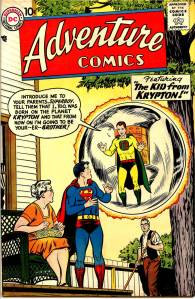
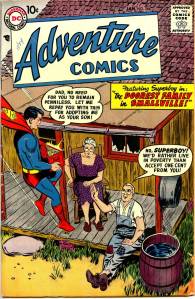
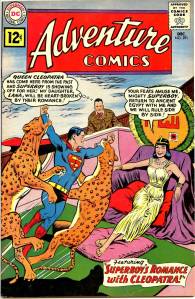
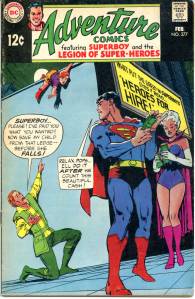
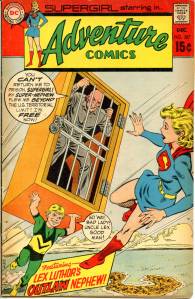
Adventure Comics was published by DC Comics from 1938 to 1983 and revived from 2009 to 2011. In its first era, the series ran for 503 issues (472 of those after the title changed from New Adventure Comics), making it the fifth-longest-running DC series, behind Detective Comics, Action Comics, Superman, and Batman. It was revived in 2009 by writer Geoff Johns with the Conner Kent incarnation of Superboy headlining the title’s main feature, and the Legion of Super-Heroes in the back-up story. It returned to its original numbering with #516 (September 2010). The series finally ended with #529 (October 2011), prior to DC’s The New 52 company reboot.
Adventure Comics #242 VF- $150
Adventure Comics #244 F+ $125
Adventure Comics #291 VF $79
Adventure Comics #377 VG $9
Adventure Comics #377 CGC 9.4 Off-White to White Pages $199
The major event many cite as marking the beginning of the Golden Age was the 1938 debut of Superman in Action Comics #1, published by the predecessor of modern-day DC Comics. The creation of Superman made comic books into a major industry. Some date the start to earlier events in the 1930s: The Overstreet Comic Book Price Guide‘s regular publication The Golden Age Quarterly lists comic books from 1933 onwards (1933 saw the publication of the first comic book in the size that would subsequently define the format); some historians, such Roger Sabin, date it to the publication of the first comic books featuring entirely original stories rather than re-prints of comic strips from newspapers (1935) by the company that would become DC Comics.
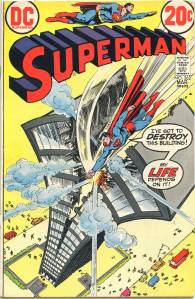
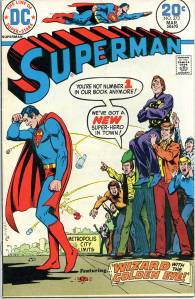
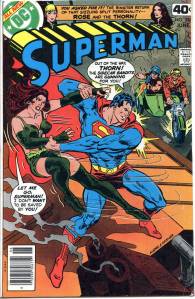
The early 1970s were a time of change for the Man of Steel. As Clark Kent shifted from being a newspaper reporter to a TV newscaster, his alter ego saw the destruction of all remaining Kryptonite on Earth! This period also featured many new villains, including Terra-Man, and the dramatic reintroductions of such foes as Lex Luthor — in green and purple armor!
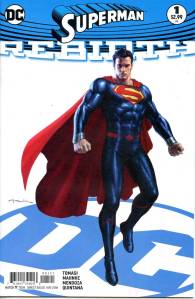
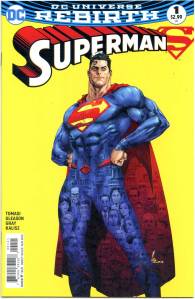
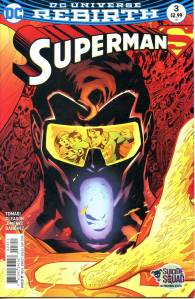
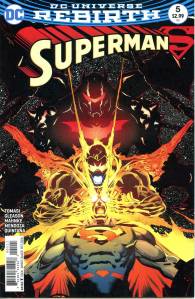
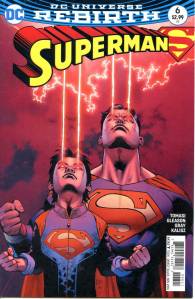
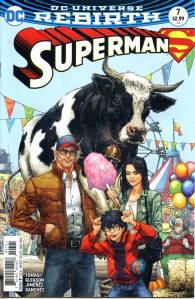
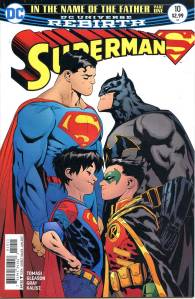
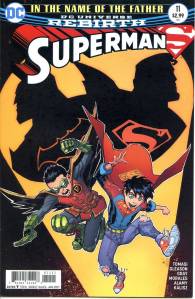
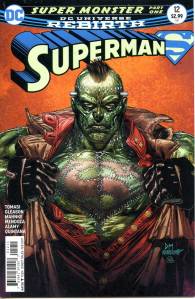
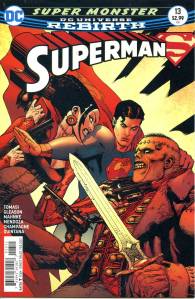
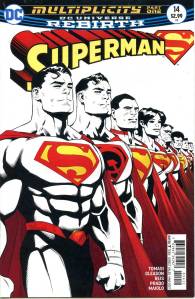
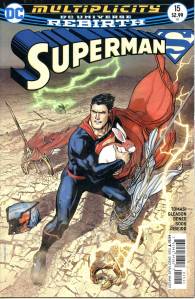
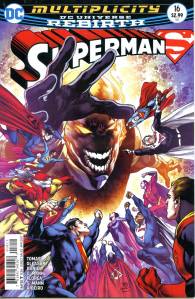
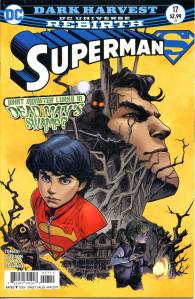
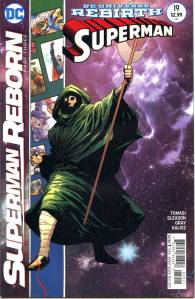
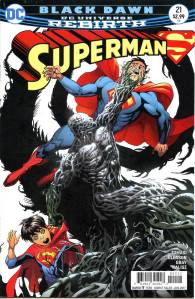
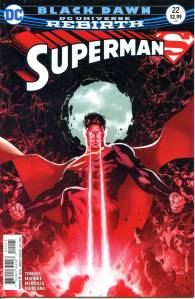
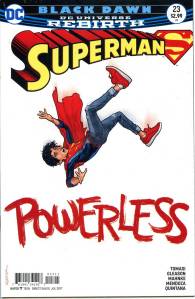
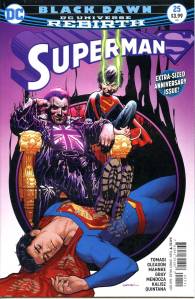
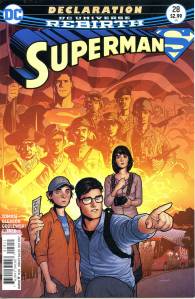
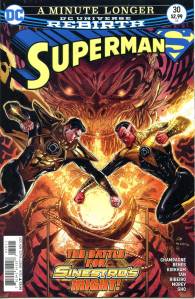
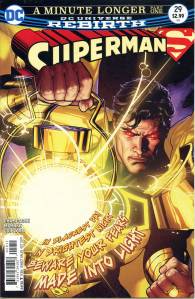
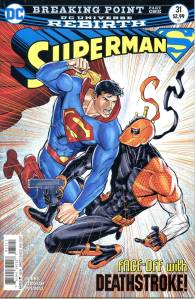
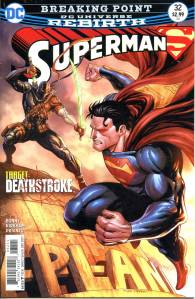
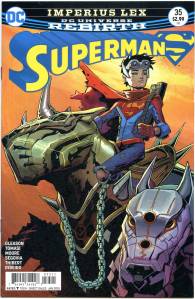
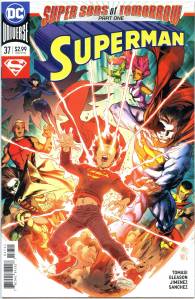
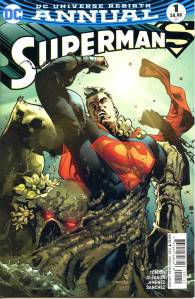
In June 2016, DC Comics once again relaunched its comic book titles with DC Rebirth. The publisher re-established the pre-New 52 Superman as the protagonist of the new comic books, with Lois Lane as his wife once more. He and Lois also conceive a biological son, Jonathan Samuel Kent, who eventually becomes Superboy. The story arc Superman Reborn smooths over the discrepancies between the two versions of the character. According to Mister Mxyzptlk, the creation of the New 52 caused Superman to be separated into two people: the New 52 character that served as the protagonist of the Superman books and the pre-Flashpoint character that took part in the Convergence event and sired Jon. Thanks to Jon, the new Superboy, the two Supermen merge into one complete version of Superman, rearranging their shared histories and accommodating them into the restored DC Universe. This complete Superman features a new suit that combines elements from the two eras. DC Comics ended the Rebirth branding in December 2017, opting to include everything under a larger “DC Universe” banner and naming. The continuity established by Rebirth continues across DC’s comic book titles, including volume one of Action Comics and the fourth volume of Superman.
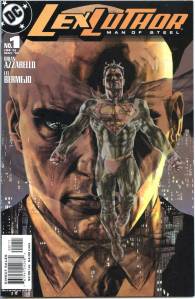
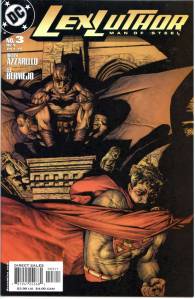
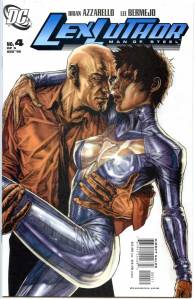
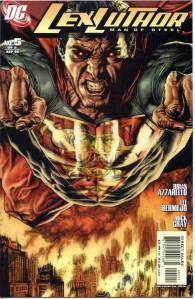
It explores Luthor’s motivations behind being a constant foe to the Man of Steel inside a city that has largely embraced him. Luthor views Superman as a demigod who looks down on humanity and believes that in order to “save” the human race from extraterrestrial threats, Superman must be stopped.
Several major Superman storylines crossed over with Action Comics including “Emperor Joker” in 2000[and “Our Worlds at War” in 2001.John Byrne returned to Action Comics for issues #827–835 working with writer Gail Simone in 2005-2006.
After the “One Year Later” company-wide storyline, Action Comics had a crossover arc with the Superman series, titled “Up, Up and Away!” which told of Clark Kent attempting to protect Metropolis without his powers until eventually regaining them.
Starting with issue #875 (May 2009), written by Greg Rucka and drawn by Eddy Barrows, Thara Ak-Var and Chris Kent, took Superman’s place as the main protagonists of the comic, while Superman left Earth to live on New Krypton. A Captain Atom back-up feature began in issue #879 (September 2009).
Although DC had initially announced Marc Guggenheim as writer of the title following the War of the Supermen limited series, he was replaced by Paul Cornell. Cornell featured Lex Luthor as the main character in Action Comics from issues #890-900 and Death appeared in issue #894, with the agreement of the character’s creator, Neil Gaiman. In April 2011, the 900th issue of Action Comics was released. It served as a conclusion for Luthor’s “Black Ring” storyline and a continuation for the “Reign of Doomsday” storyline. The final issue of the original series was Action Comics #904.






































 EHT Comics