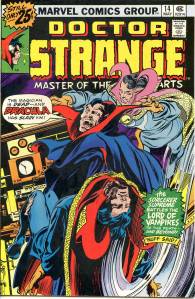
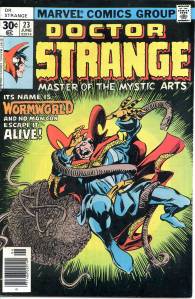
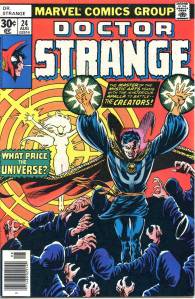
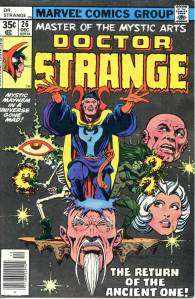
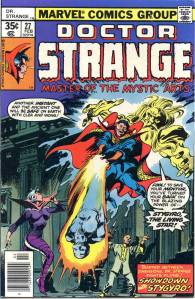
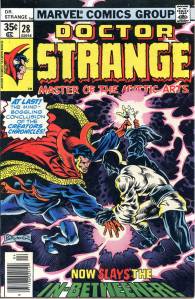
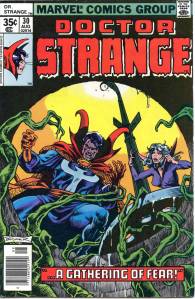
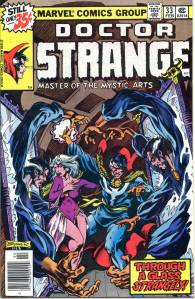
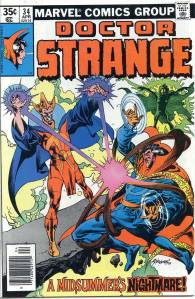
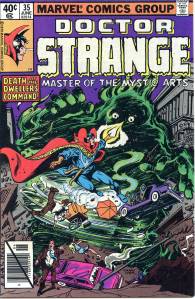
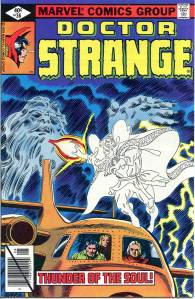
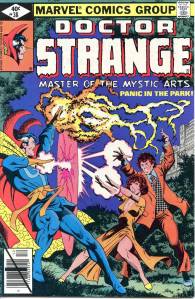
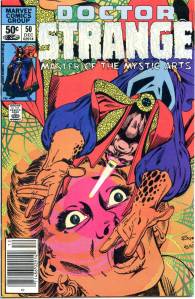
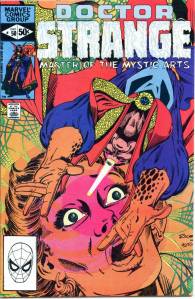
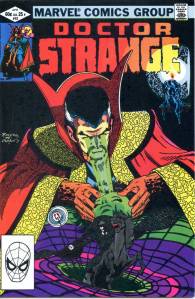
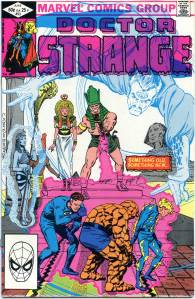
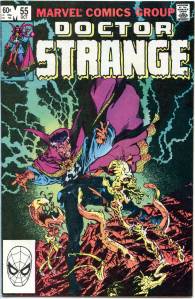
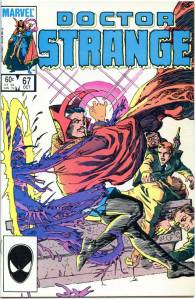
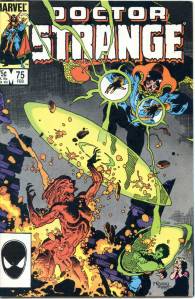
Doctor Strange: Master of the Mystic Arts, also known as Doctor Strange vol. 2, ran 81 issues (June 1974-February 1987). Doctor Strange #14 featured a crossover story with The Tomb of Dracula #44, another series which was being drawn by Gene Colan at the time.In Englehart’s final story, he sent Dr. Strange back in time to meet Benjamin Franklin. In 2010, Comics Bulletin ranked Englehart’s work on Doctor Strange with artists Brunner and Colan ninth on its list of the “Top 10 1970s Marvels.”
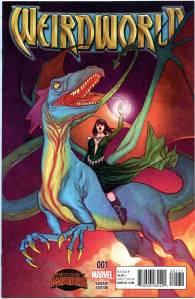
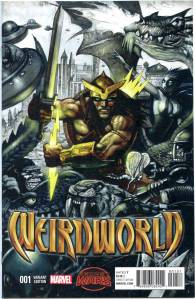
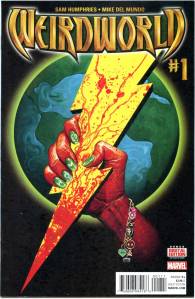
As part of the 2015 Secret Wars storyline, a series titled Weirdworld starring Arkon was released in June 2015 which featured other characters like Morgan le Fay of Earth-15238, Skull the Slayer, a variation of Jennifer Kale from Earth-11234 that is the Queen of Weirdworld’s Man-Things, and characters from The Saga of Crystar. Weirdworld is featured on the map of the storyline’s version of Battleworld as a floating island composed of fragments from many alternate reality magical realms like Polemachus, Crystalium, Klarn, and the original Weirdworld. By the end of the miniseries, Weirdworld manifested on Earth-616 in the Bermuda Triangle.
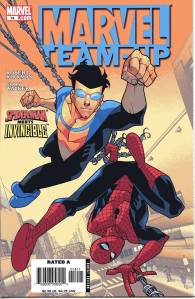
Comics journalist Jonathan Miller summarized Marvel Team-Up in a retrospective article:
“The series was admittedly formulaic; either Spider-Man or that issue’s guest-star would encounter a menace and then by sheer chance cross paths with another hero who would lend a hand. The title’s guest-stars were an equal mix of A-list characters whose presence was likely to increase sales and fledgling heroes being given exposure in the hopes of launching them into stardom but who for the most part continued to languish in obscurity.”
The third Marvel Team-Up series launched in January 2005 and ran for 25 issues which starred a variety of characters.
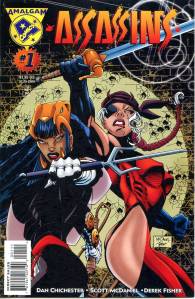
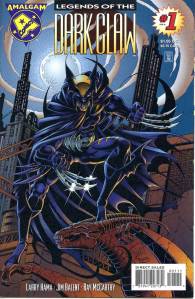
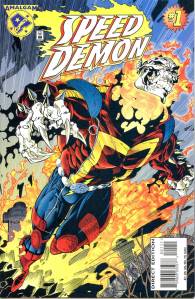
On two separate occasions – April 1996 and June 1997 – Marvel and DC co-published issues under the Amalgam Comics imprint. The issues were presented as if the imprint had existed for decades, with stories and editorial comments referring to a fictional history stretching back to the Golden Age of Comics, including retcons and reboots. For example, they referred to Secret Crisis of the Infinity Hour (an amalgamation of Marvel’s Secret Wars, DC’s Crisis on Infinite Earths, Marvel’s The Infinity Gauntlet, and DC’s Zero Hour), which featured the well-known cover of Crisis on Infinite Earths #7, but with Super-Soldier holding his sidekick’s body, instead of Superman holding Supergirl. Several issues included fake letter columns to provide the illusion of background to the stories, with the “fans'” hometowns formed by amalgamating the names of existing cities.
Amazon #1 NM $5Assassins #1 NM $5Legends of the Dark Claw #1 NM $9Magneto and the Magnetic Men #1 NM $5Speed Demon #1 NM $7X-Patrol #1 NM $4
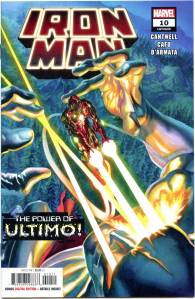
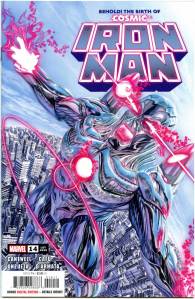
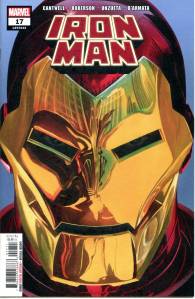
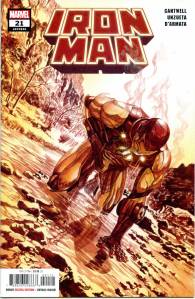
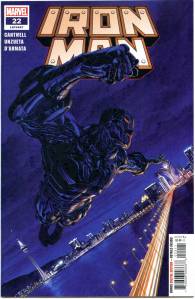
Tony Stark is looking to restart his engine. He decides he’s going back to basics, putting away his high-tech toys and high-profile image so he can get his hands dirty again. It’s time to dig into the guts of real machines, put on some old-fashioned metal and fly.
But can he really lay that Stark-sized ego down? Life isn’t that simple, something that old friends and frustrating foes are quick to point out. If you strip down a billionaire to his bolts, does he run solid or just overheat?
Tony’s going to find out once a threat to the entire universe rears its head from the past. As he suits up again, Tony remains sure of one thing: he’s still IRON MAN down to his flesh and blood core.
Iron man V7 #10 NM $4Iron Man V6 #14 NM $6Iron Man V7 #16 NM $4Iron Man V7 #17 NM $4Iron Man V7 #21 NM $4Iron Man V7 #22 NM $4
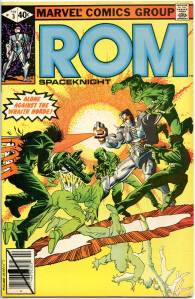
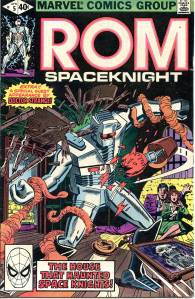
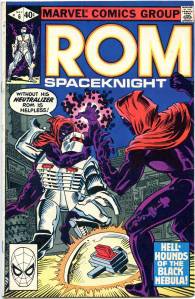
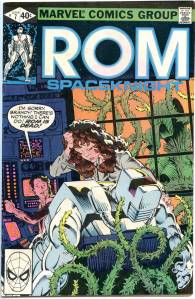
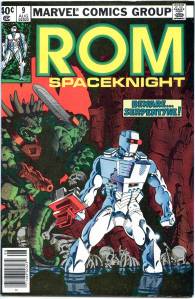
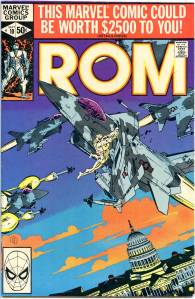
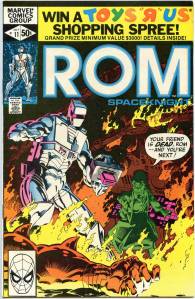
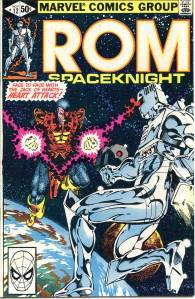
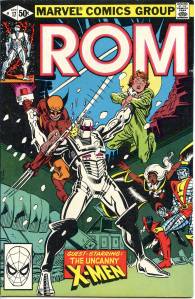
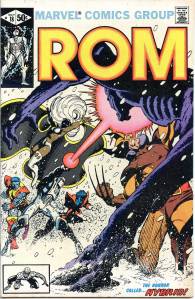
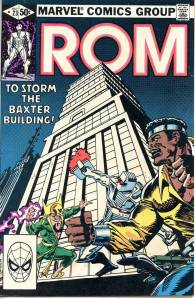
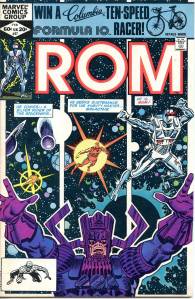
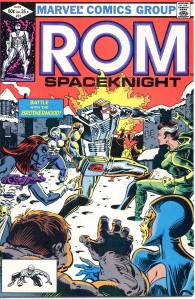
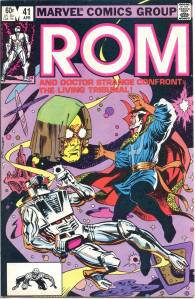
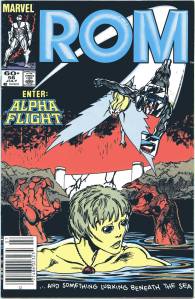
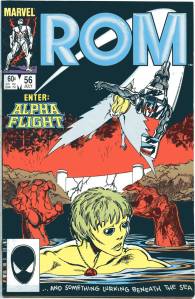
To build interest in the ROM toy, Parker Brothers licensed the character to Marvel Comics, which created a comic book featuring Rom. The comic expanded on the premise that Rom was a cyborg and gave him an origin, personality, set of supporting characters and villains, as well as interaction within the Marvel Universe. The comic was written by Bill Mantlo and initially illustrated by artist Sal Buscema. Buscema stated in a 2010 interview, “I liked the character. And I liked what they did with it. I thought the concept was quite good. It was unique. It made it attractive to do. I almost hate to say this, but it was pretty easy to draw, too.” Buscema was the main artist for the series from its creation through 1984. Steve Ditko took over for the final two years of the original run.
Ultimately, the toy failed and only sold 200,000 to 300,000 units in the US, with creator McCoy blaming the failure on poor packaging and marketing. Parker Brothers subsequently abandoned the line.
The comic book outlasted the toy which it was created to support. The series lasted for 75 issues (not including the four annual issues) from December 1979 to February 1986. Rom’s regular encounters with mainstream heroes and villains established him as part of Marvel continuity.
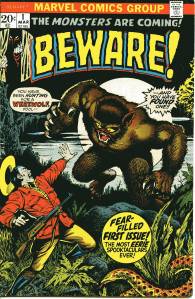
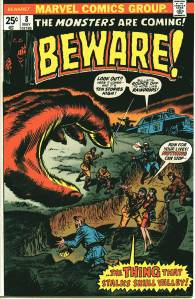
Beware was an 8 issues series that ran from March, 1973 to May, 1974. The series contained reprints of Atlas comics with new covers by Bill Everet, John Romita & Gil Kane The title continued as Tomb of Darkness with issue #9 in July of 1974.
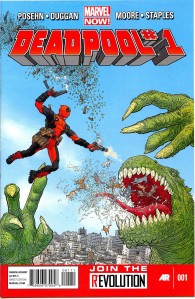
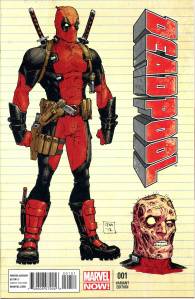
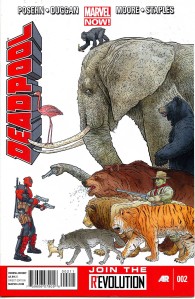
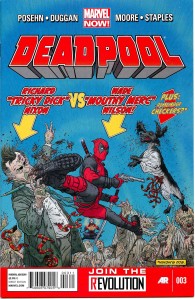
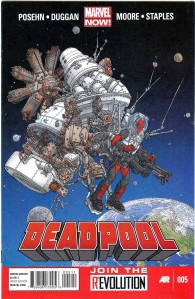
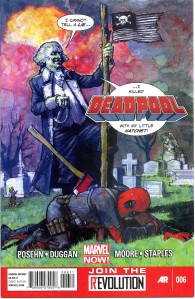
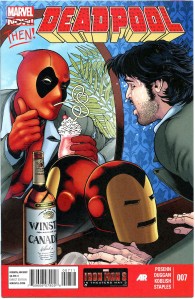
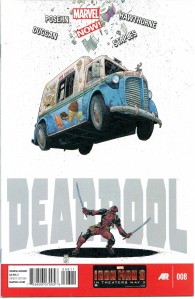
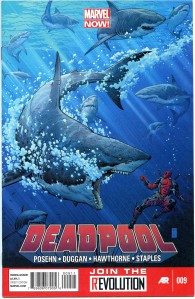
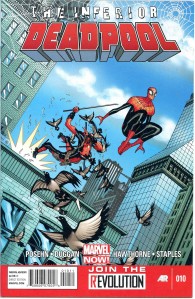
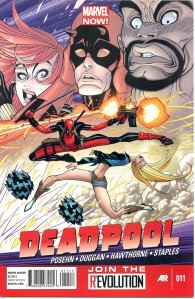
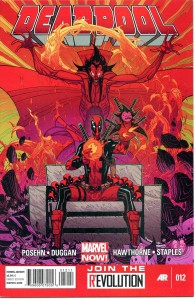
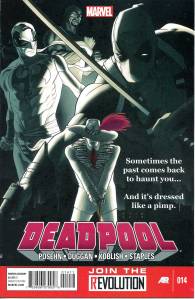
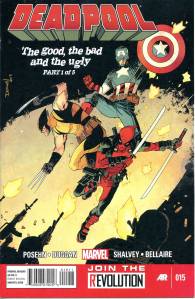
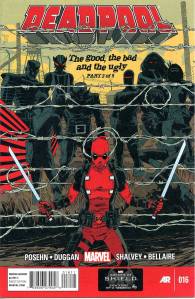
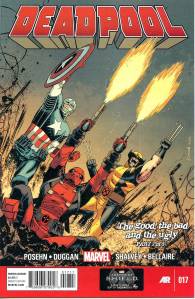
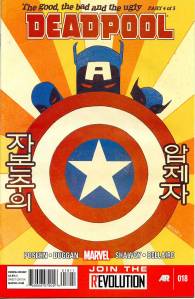
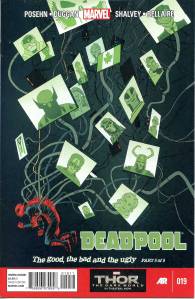
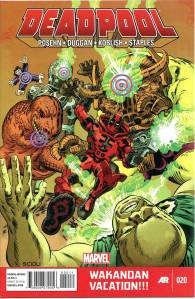
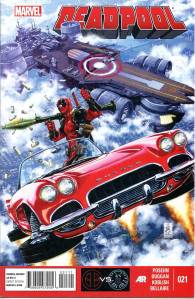
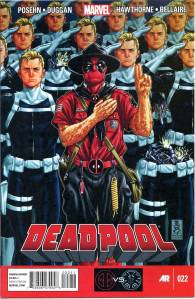
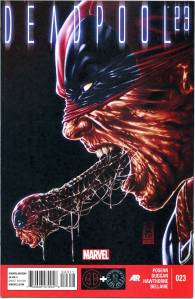
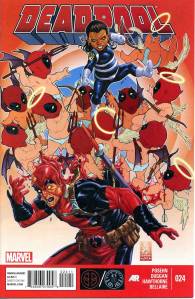
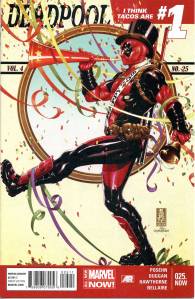
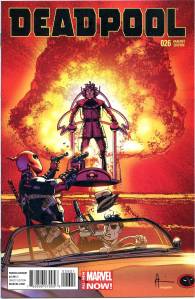
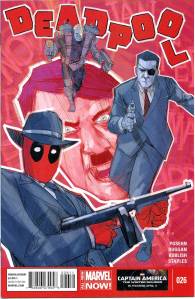
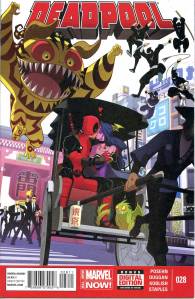
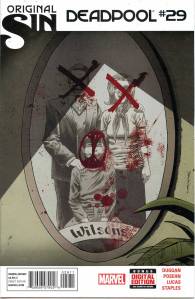
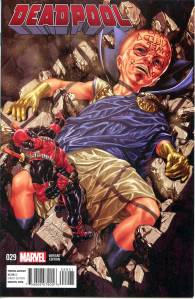
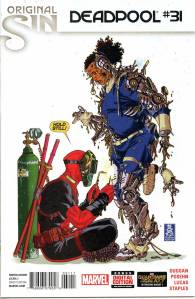
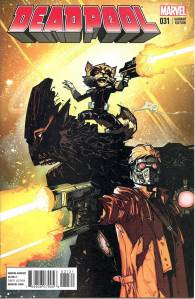
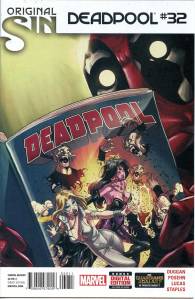
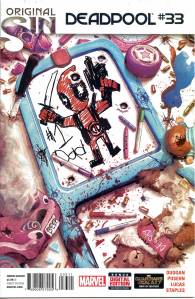
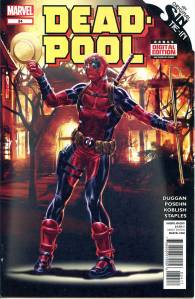
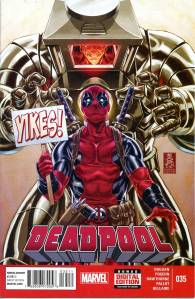
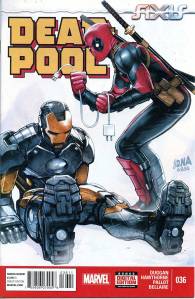
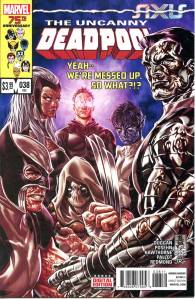
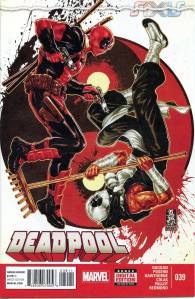
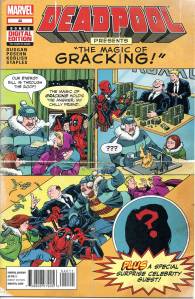
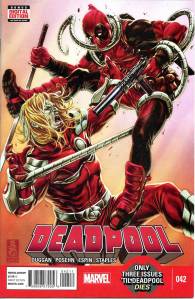
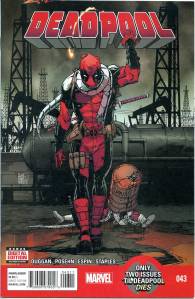
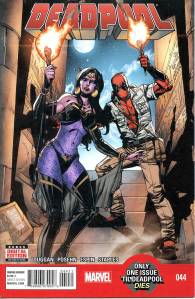
As part of Marvel’s Marvel NOW! initiative a new Deadpool ongoing series was launched. He is also a member of the Thunderbolts. In the 27th issue of his new series, as part of “All-New Marvel NOW!”, Deadpool was married for the third time. Initially a secret, his bride was revealed in the web comic Deadpool: The Gauntlet to be Shiklah, Queen of the Undead. Deadpool also discovers that he has a daughter by the name of Eleanor from a former flame of Deadpool named Carmelita.