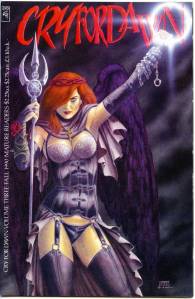
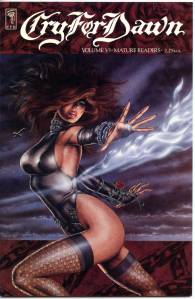
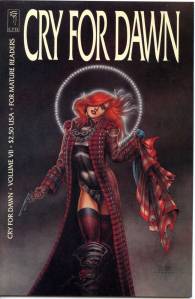
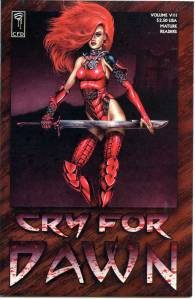
Cry for Dawn was a 9-issue horroranthologycomic book. The book was primarily written by Joseph Michael Linsner and Joseph Monks with artwork by Joseph Michael Linsner.The series featured guest artist and writers in some issues, but the work was largely performed by Linsner and Monks. It was published by Cry for Dawn Productions from 1989–1992 and is famous for introducing the character of Dawn, the goddess of birth and rebirth. Although Dawn served as an emcee in the Cry for Dawn issues, she would later have many titles dedicated to her journeys through heaven and hell across multiple spin-off titles for Sirius Entertainment, Image Comics, and Linsner.com.
Cry for Dawn was a mature-readers-only title that hit during the peak of the 90’s independent comic rise. Due to the artwork by Linsner and the cutting-edge subject matter that the series dealt with, the titled developed a cult following that has continued in the decades following the publication.
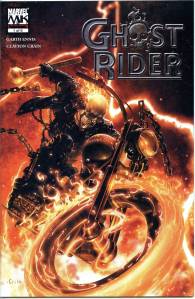
Following the western comics character who originally used the name, the first superhero Ghost Rider, Johnny Blaze, debuted in Marvel Spotlight #5 (Aug. 1972), created by writer-editor Roy Thomas, writer Gary Friedrich, and artist Mike Ploog. He received his own series in 1973, with pencillerJim Mooney handling most of the first nine issues. Several different creative teams mixed-and-matched until penciller Don Perlin began a considerably long stint with issue #26, eventually joined by writer Michael Fleisher through issue #58. The series ran through in issue #81 (June 1983). Blaze returned as Ghost Rider in a 2001 six-issue miniseries written by Devin Grayson; a second miniseries written by Garth Ennis in 2005; and an ongoing monthly series that began publication in July 2006. Johnny Blaze was the son of Naomi Blaze and Barton Blaze, Naomi being the previous Ghost Rider.
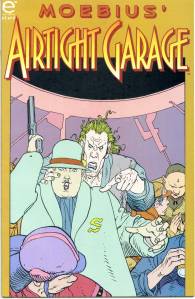
Major Grubert’s own creation, the Airtight Garage, has been taken over by his nemesis, Lewis Carnelian. After Grubert sends his spies to the Garage, he soon follows, knowing he must face Carnelian himself. Written by Moebius and R.J.M. Lofficier. Art and cover by Moebius.
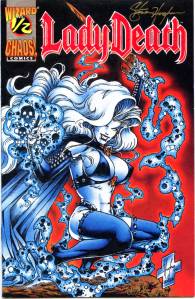
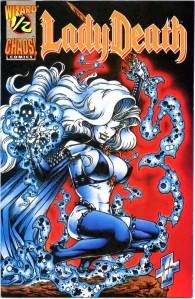
Lady Death was originally published by Chaos Comics and remains one of the best examples of the bad girl titles that took the American comic book industry by storm during the late 1990s. The earliest issues of Lady Death were written by Brian Pulido and illustrated by Steven Hughes. Lady Death was originally conceived as a violent anti-hero, but subsequent iterations have toned down the more controversial aspects of the character.
Lady Death #1/2 Red Velvet Wizard Signed Steven Hughes and Brian Pulido VF+ $29
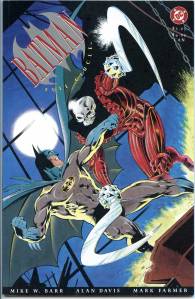
The Reaper’s Back…the fiendish zealot first introduced in the best-selling BATMAN: YEAR TWO has returned from the grave to spread menace and madness throughout Gotham City. To halt the spread of the Reaper’s terror, Batman must confront the secret of his parents’ murders – at the risk of his own sanity…
This one-shot is a sequel to the storyline BATMAN: YEAR TWO.
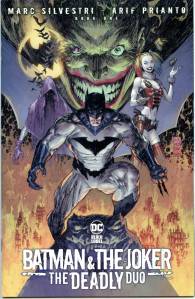
The Joker will go to any lengths to get Harley Quinn back after she is abducted by a strange culprit. But who? Mysterious, Joker-like monsters are stalking the streets of Gotham, collecting severed heads. But why? Jim Gordon is missing, and after receiving a package containing a bloody piece of Gotham’s commissioner, Batman knows he must be willing to do anything to save him. But how? When The Joker proposes an uneasy alliance with Batman, the answers to those questions begin to become clear— and they will shake Gotham City and the Bat-Family to their core. This meticulously crafted tale of the Dark Knight’s deadliest team-up will introduce you to a grim and gritty Gotham that only Marc Silvestri could bring you.
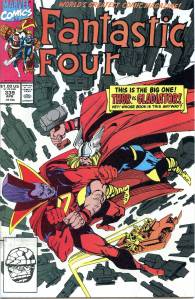
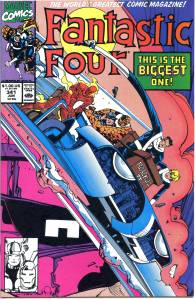
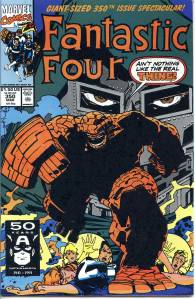
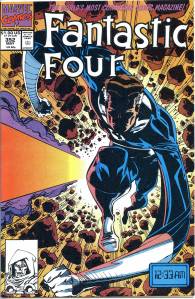
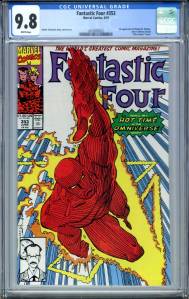
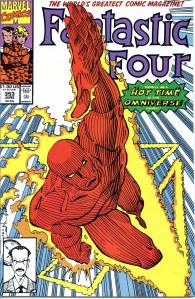
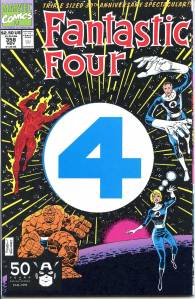
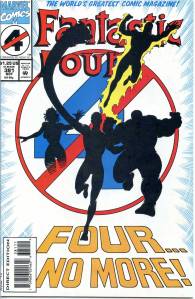
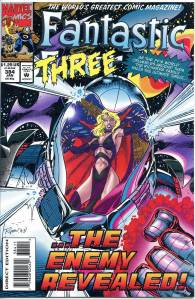
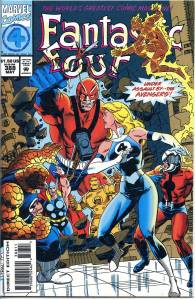
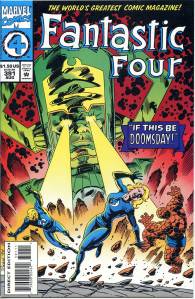
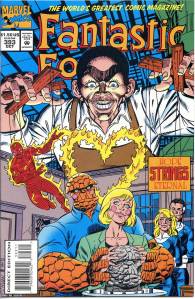
Writer-artist Walt Simonson took over as writer of Fantastic Four with #334 (December 1989), and three issues later began pencilling and inking as well. With brief inking exceptions, two fill-in issues, and a three-issue stint drawn by Arthur Adams, Simonson remained in all three positions through #354 (July 1991).
Simonson, who had been writing the team comic The Avengers, had gotten approval for Reed and Sue to join that team after Engelhart had written them out of Fantastic Four. Yet by The Avengers #300, where they were scheduled to join the team, Simonson was told the characters were returning to Fantastic Four. This led to Simonson quitting The Avengers after that issue. Shortly afterward, he was offered the job of writing Fantastic Four. Having already prepared a number of stories involving the Avengers with Reed and Sue in the lineup, he then rewrote these for Fantastic Four. Simonson later recalled that working on Fantastic Four allowed him the latitude to use original Avengers members Thor and Iron Man, which he had been precluded from using in The Avengers.
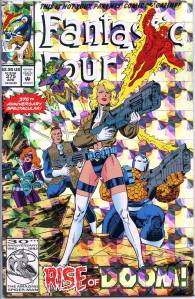
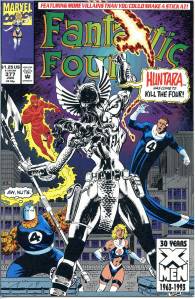
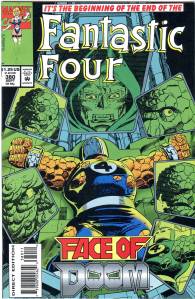
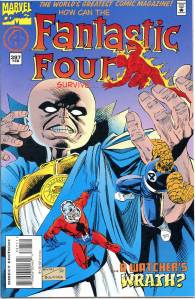
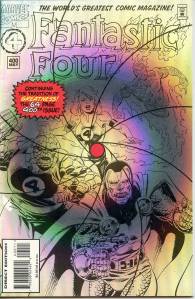
After another fill-in, the regular team of writer and Marvel editor-in-chief Tom DeFalco, penciller Paul Ryan and inker Dan Bulanadi took over, with Ryan self-inking beginning with #360 (Jan. 1992). That team, with the very occasional different inker, continued for years through #414 (July 1996). DeFalco nullified the Storm-Masters marriage by retconning that the alien Skrull Empire had kidnapped the real Masters and replaced her with a spy named Lyja. Once discovered, Lyja, who herself had fallen for Storm, helped the Fantastic Four rescue Masters. Ventura departed after being further mutated by Doctor Doom. Although some fans were not pleased with DeFalco’s run on Fantastic Four, calling him “The Great Satan”, the title’s sales increased over the period.
Inspired by a Frank Frazetta painting, Glenn Danzig’s powerful and violent story of a prehistoric hero is brought to life by Mark Morales & team’s artwork. The Jaguar God is the protector of the land and the people of Yagua. He takes on prisoners, and destroys anyone or anything that dares to venture in with bad intent. Powerful story and beautiful color illustrations make this 4 in a series a treat for action buff in the vein of Conan the Barbarian.
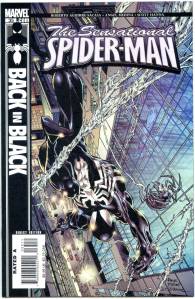
The Sensational Spider-Man (vol. 2) was formerly published under the Marvel Knights imprint (as Marvel Knights Spider-Man, vol. 1, issues #1–22).
With the consolidation of the Marvel Knights line,Marvel Knights Spider-Man was renamed The Sensational Spider-Man as of issue 23. At this time, Roberto Aguirre-Sacasa took over writing duties on the book.