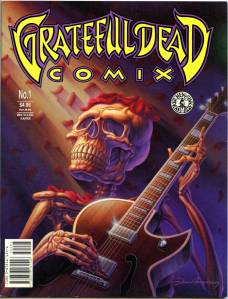
Jerry Garcia was a big comic book fan. When he made his “first real money” the very first thing he bought was a complete set of E.C. Comics. By 1991 he was ready for his band to have its own comic book series. So George Lucas’ licensing arm (representing the band at that point for ancillary merchandise) contacted longtime underground comics publisher Kitchen Sink Press to create this unusual hippie merger of music and comics. Issue No. 1 is kicked off by a great Dean Armstrong cover along with visual interpretations of four classic Dead songs: “Dire Wolf” by Tim (Scout) Truman; “Terrapin Station” (Dan Steffan); “One More Saturday Night” (Fred Carlson) and “Casey Jones” (Nina Paley), with a pin-up by Jean Giraud also known by his trippy pen name Moebius.
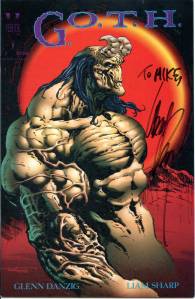
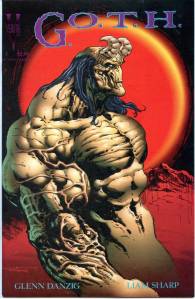
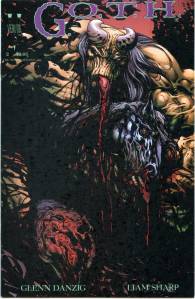
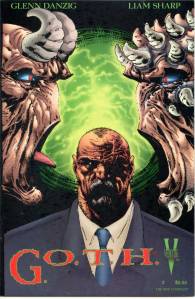
Liam Sharp, best known for his work on the Hulk and Deaths Head II and Glenn Danzig bring you the story of a covert scientific experiment that becomes uncontrollable. G.O.T.H. (Government Operation Total Hate) is the perfect blend of government intrigue and genetic horror. G.O.T.H. is a three issue mini-series with covers and interiors by Liam Sharp and story by Glenn Danzig.
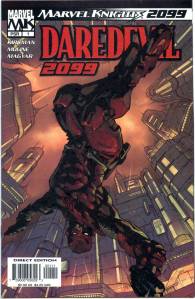
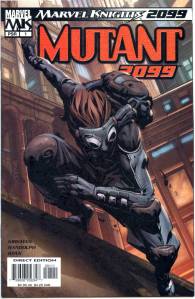
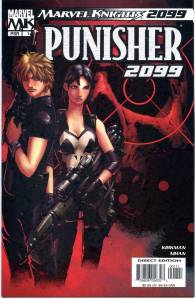
In 2004, Marvel Comics held a fifth-week event called “Marvel Knights 2099”, which took place in the future on an alternate world (Earth-2992) that was not identical to the alternate Marvel Universe on Earth-928 featured in the 1990s Marvel 2099 books.
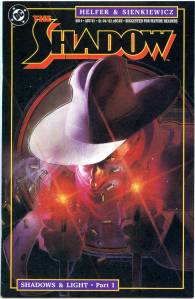
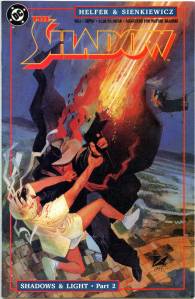
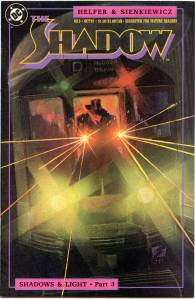
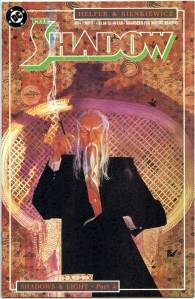
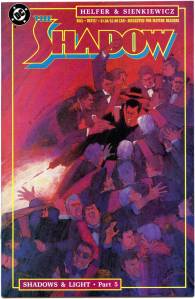
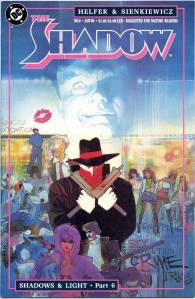
The Shadow, set in our modern era, was continued in 1987 as a monthly DC comics series by writer Andy Helfer (editor of the miniseries); it was drawn primarily by artists Bill Sienkiewicz (issues 1–6) and Kyle Baker (issues 8–19 and two Shadow Annuals).
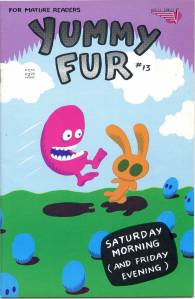
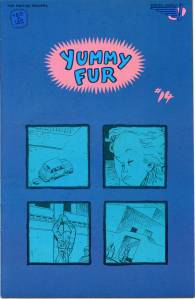
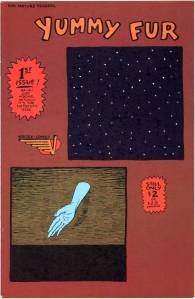
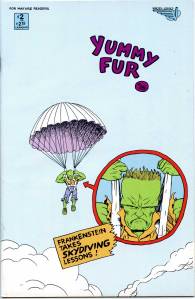
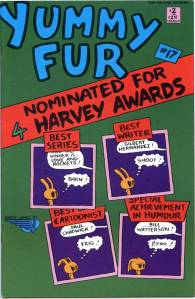
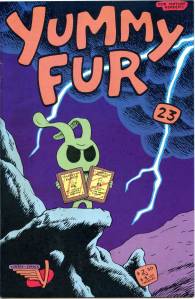
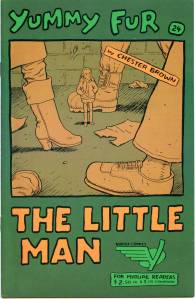
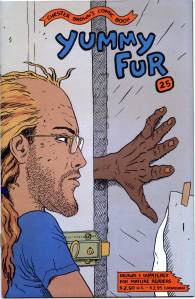
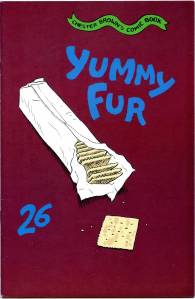
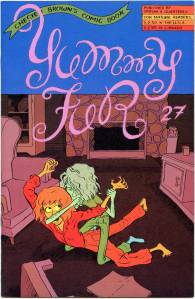
Yummy Fur (1983–1994) was a comic book by Canadian cartoonist Chester Brown. It contained a number of different comics stories which dealt with a wide variety of subjects. Its often-controversial content led to one printer and one distributor refusing to handle it.
Some of Brown’s best-known comics were first published in Yummy Fur, including the surreal, taboo-breaking Ed the Happy Clown and the comics from his autobiographical period, which included the graphic novelsThe Playboy and I Never Liked You. Also notable were the eccentric gospel adaptations that ran in most issues. The series and its collected volumes have won a number of awards, and have had a lasting influence on the world of alternative comics.
Yummy Fur started as a self-publishedminicomic which ran for seven issues, the contents of which were reprinted in the first three issues of the Vortex Comics series which started publication in December 1986. The series switched publishers to Drawn & Quarterly in 1991 until the end of its run in 1994, when Brown started on his Underwater series.
Angela was created by author Neil Gaiman and artist Todd McFarlane. She first appeared as a supporting antagonist in McFarlane’s creator-owned series Spawn, making her debut in issue #9 in March 1993, and later starring in her own self-titled miniseries. She is an angel and a bounty hunter, working under the auspices of Heaven to oppose Spawn.
Angela was later the subject of a legal battle between McFarlane and Gaiman over the rights to the character, which Gaiman won. Gaiman later sold the rights to the character to Marvel Comics; she was integrated into the Marvel Universe in the 2013 story “Age of Ultron“, and her character was expanded upon in the 2014 storyline “Original Sin“, where she was established to be the lost sister of Thor.
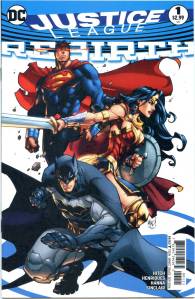
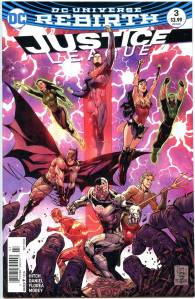
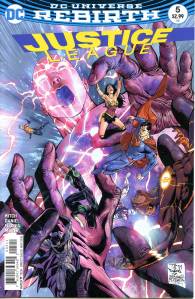
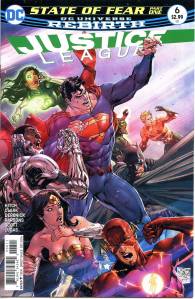
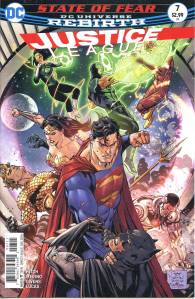
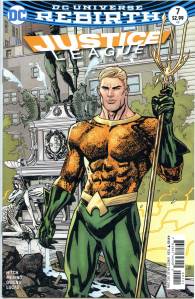
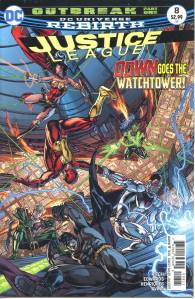
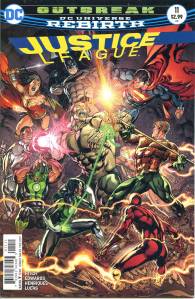
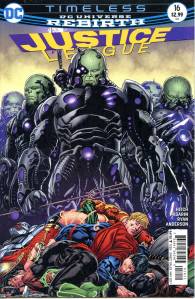
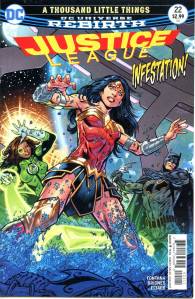
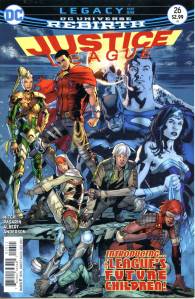
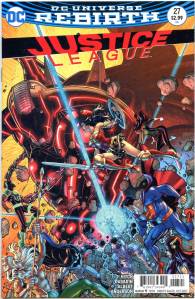
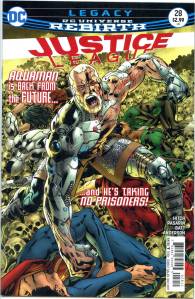
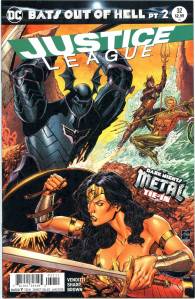
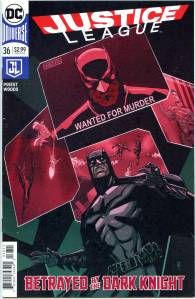
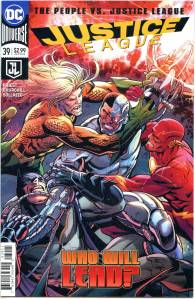
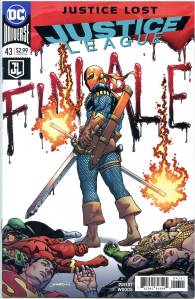
Justice League, written by Bryan Hitch and drawn by Tony Daniel and Fernando Pasarin, debuted in June 2016. The team consists of Superman (pre-Flashpoint version), Batman, Wonder Woman, the Flash (Barry Allen), Aquaman, Cyborg, two Green Lanterns, Jessica Cruz and Simon Baz & Mera.
Starting in February 2017 as part of DC Rebirth’s second wave, a new Justice League of America series was released. The team consists of the Atom, Vixen, the Ray, and Killer Frost. The month prior to this, each of these members received a one-shot issue. On October 28, it was revealed that Batman, Black Canary, and Lobo would be joining the team as well. Batman will have a dual membership in both Justice League teams.
Aided by the anonymous dark web and nearly untraceable cryptocurrency, a criminal subculture has emerged. It livestreams murders as entertainment. Who are the killers? Who are the victims? Who is paying to watch? How to stop it? Red Room is constructed as a series of interconnected stories, shining a light on the characters who exist in the ugliest of corners in cyberspace. Piskor cuts the graphic horror with his sharp sense of humor, gorgeous cartooning, and dynamic storytelling. Red Room peels back the curtain on the side of humanity few of us knew existed, let alone understood.
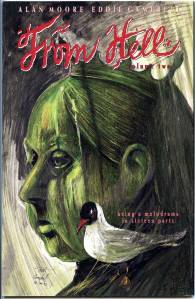
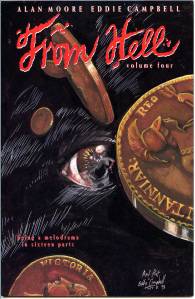
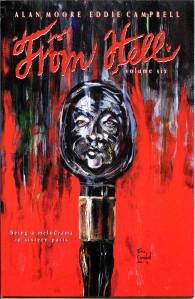
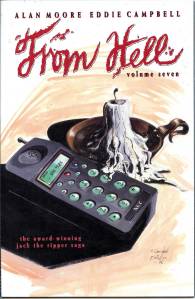
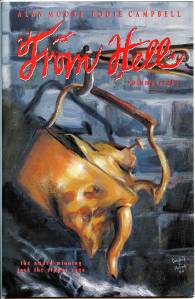
From Hell is a graphic novel by writer Alan Moore and artist Eddie Campbell, originally published in serial form from 1989 to 1996 and collected in 1999. Set during the Whitechapel murders of the late Victorian era, the novel speculates upon the identity and motives of Jack the Ripper. The novel depicts several true events of the murders, although portions have been fictionalised, particularly the identity of the killer and the precise nature and circumstances of the murders. The title is taken from the first words of the “From Hell” letter, which some authorities believe was an authentic message sent from the killer in 1888.
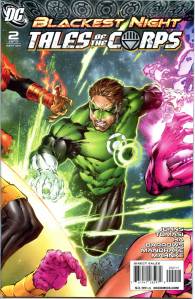
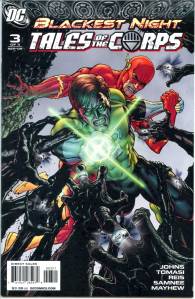
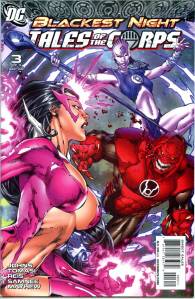
In this 3-issue miniseries, writers Geoff Johns and Peter J. Tomasi reveal the secrets behind the Lanterns of BLACKEST NIGHT! Bear witness to Blue Lantern Saint Walker’s pilgrimage of hope, Star Sapphire Carol Ferris’ sacrifice for love, Green Lantern Kilowog’s courageous beginnings, Red Lantern Vice’s source of rage, Orange Lantern Blume’s bizarre creation, and the first appearance of the mysterious Indigo, leader of the Indigo Tribe!