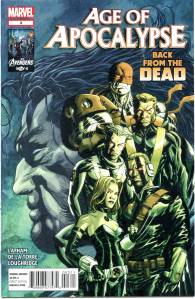
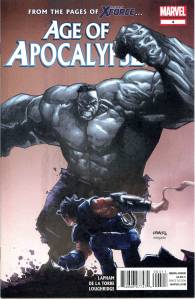
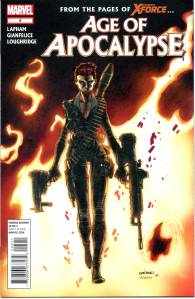
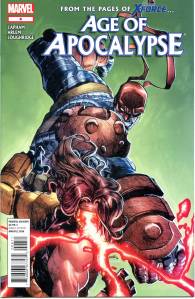
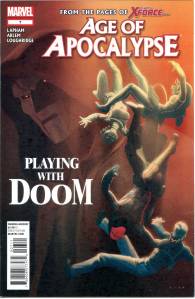
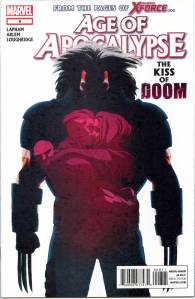
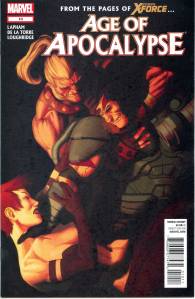
Jean Grey and Sabretooth return to Earth 616. Weapon X and his Black Legion attack the last human city where Weapon X slays both Magneto and Rogue, leaving Jean Grey and Sabretooth the last two X-Men alive. Jean telepathically nudges clones of the Scarlet Witch to recreate the Decimation and remove all mutants’ powers across the globe. However, this was only successful within a radius of 12 feet, so Jean Grey and Sabretooth are both left de-powered. The human coalition distracts Weapon X with a bomb long enough for the group to escape as the city explodes behind them. Harper Simons joins with the human team, the X-Terminated. Others who work with the X-Terminated are Doctor Moreau and Bolivar Trask.
Age of Apocalypse #3 NM $4Age of Apocalypse #4 NM $4Age of Apocalypse #5 NM $4Age of Apocalypse #6 NM $4Age of Ajpocalypse #7 NM $4Age of Apocalypse #8 NM $4Age of Apocalypse #10 NM $4
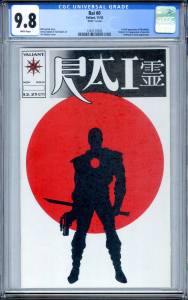
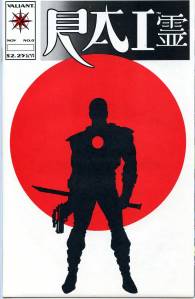
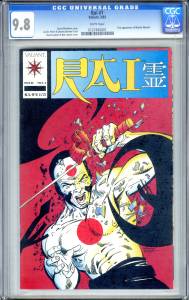
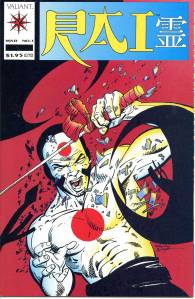
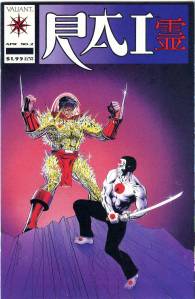
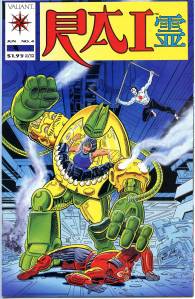
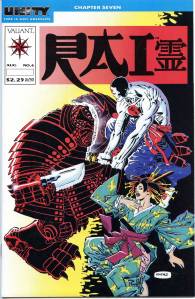
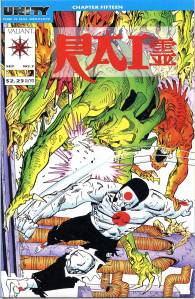
Rai (pronounced “rye”) appeared in books published by Valiant Comics. Rai was the first original hero created by Valiant and had its beginning as a flipbook back-up feature in Magnus Robot Fighter issues #5-8. The popularity of the flipbook back-up story later led to an ongoing series. Valiant Entertainment is the current owner of Rai and the rest of the original Valiant Comics characters.
In his original incarnation, Rai is the spirit guardian that protects the nation of Japan in the 41st century. It is a mantle passed down from father to son through the generations. As such, the series chronicled a number of protagonists.
A new Rai ongoing series was launched in April 2014 by the creative team of writer Matt Kindt and artist Clayton Crain, selling out of its initial print run.
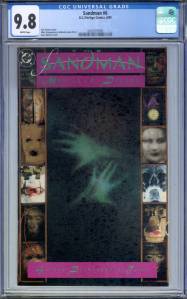
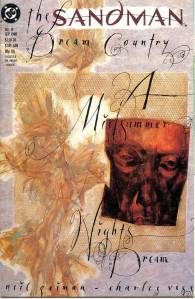
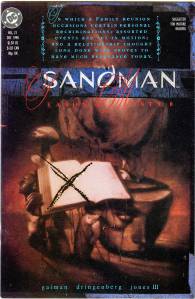
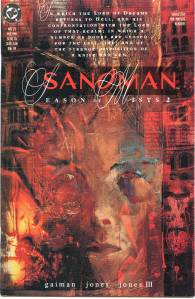
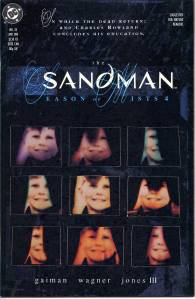
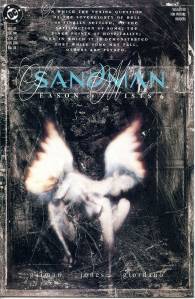
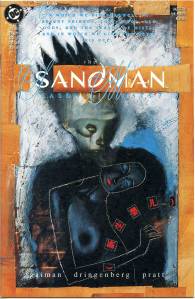
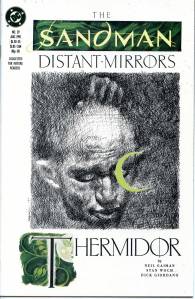
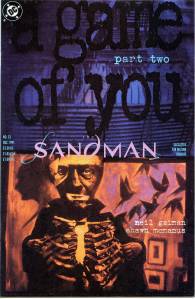
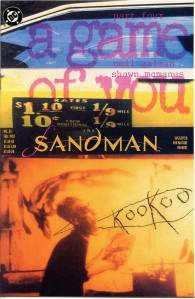
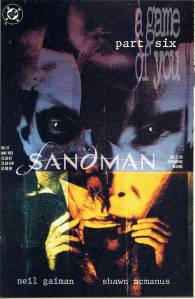
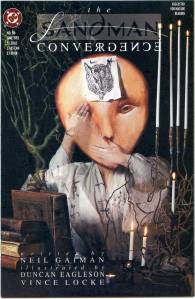
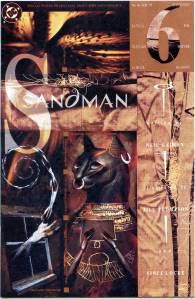
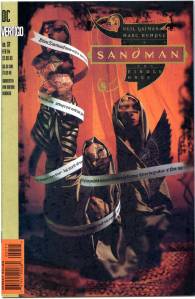
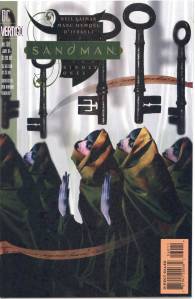
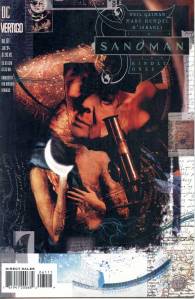
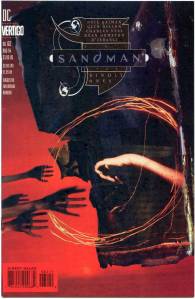
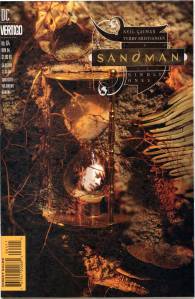
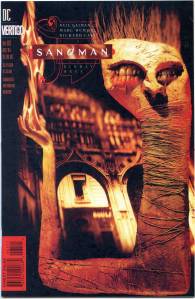
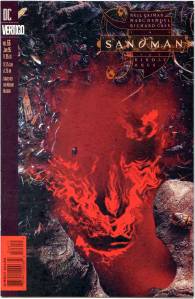
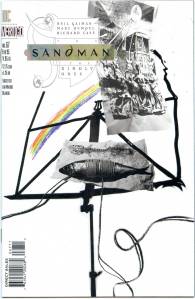
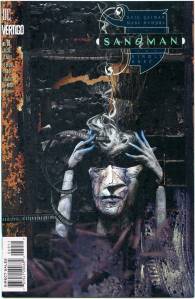
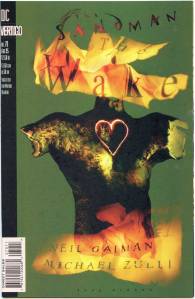
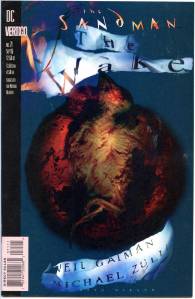
The main character of The Sandman is Dream, also known as Morpheus and other names, who is one of the seven Endless. The other Endless are Destiny, Death, Desire, Despair, Delirium, who was once Delight, and Destruction, who turned his back on his duties. The series is famous for Gaiman’s trademark use of anthropomorphic personification of various metaphysical entities, while also blending mythology and history in its horror setting within the DC Universe.The Sandman is a story about stories and how Morpheus, the Lord of Dreams, is captured and subsequently learns that sometimes change is inevitable. The Sandman was Vertigo’s flagship title, and is available as a series of ten trade paperbacks, a recolored five-volume Absolute hardcover edition with slipcase, in a black-and-white Annotated edition, and is available for digital download. Critically acclaimed,The Sandman was one of the first few graphic novels ever to be on the New York Times Best Seller list, along with Maus, Watchmen and The Dark Knight Returns. It was one of five graphic novels to make Entertainment Weekly‘s “100 best reads from 1983 to 2008,” ranking at No. 46. Norman Mailer described the series as “a comic strip for intellectuals.” The series is noted for having a large influence over the fantasy genre and graphic novel medium since then.
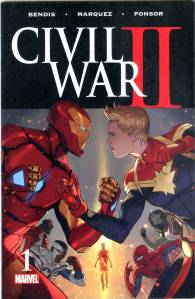
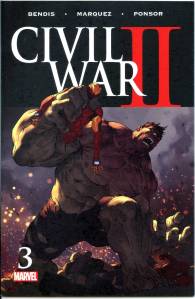
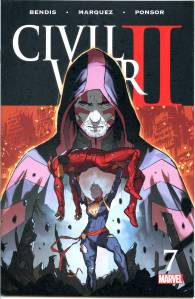
Civil War II, which debuted in June 2016, is a sequel to the 2006 “Civil War” storyline.
A new Inhuman, with the ability to profile the future, emerges and the ramifications ripple into every corner of the Marvel Universe. Lines are drawn, bodies fall, and the Marvel Universe will be rocked to it’s very core.
Civil War 2 #1 NM $6Civil War II #3 NM $5Civil War II #7 NM $5
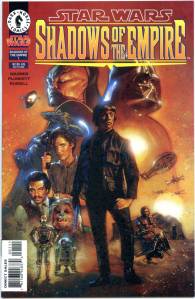
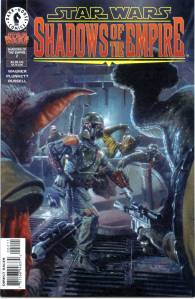
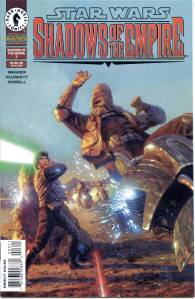
This six-issue comic book series was written by John Wagner and illustrated by Kilian Plunkett; Steve Perry was a story consultant. It focuses on Boba Fett and his fellow bounty hunters (first seen briefly in The Empire Strikes Back) as well as Jix, a hireling of Darth Vader who infiltrates Jabba the Hutt’s gang of bikers (led by Gizman) to prevent their attempt to kill Luke Skywalker.
Two separate mini-comics were released with Micro Machines toys (with three alternative covers) and Ertl model kits. A pop-up comic was also made, entitled Battle of the Bounty Hunters. A one-shot comic titled The Jabba Tape also features Gizman around the time of Return of the Jedi and was illustrated by Plunkett.
Star Wars – Shadows of the Empire #1 NM $13Star Wars – Shadows of the Empire #2 NM $12Star Wars – Shadows of the Empire #3 NM $10
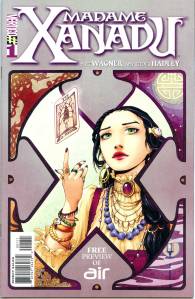
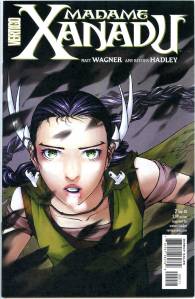
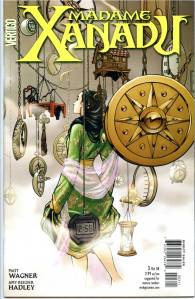
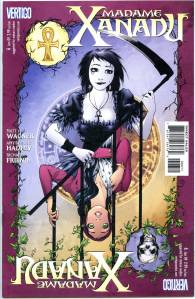
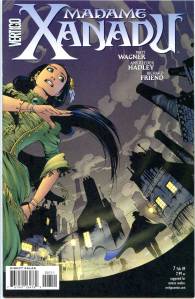
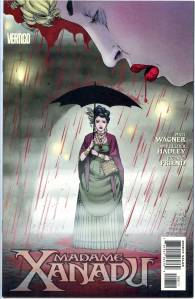
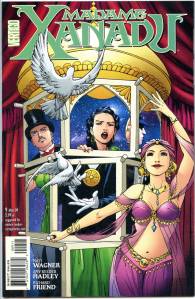
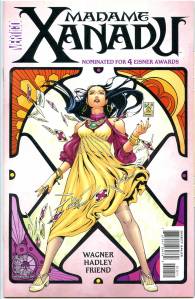
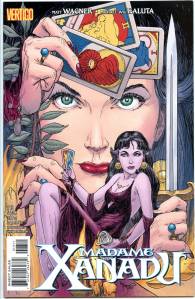
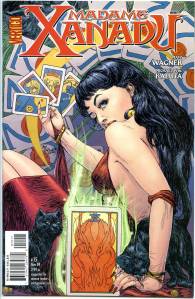
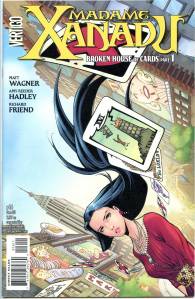
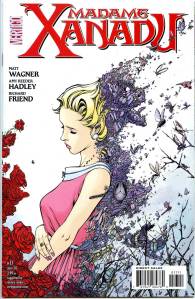
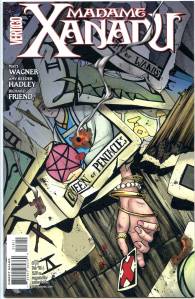
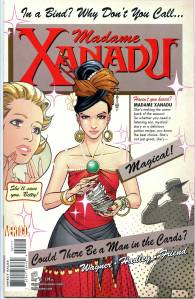
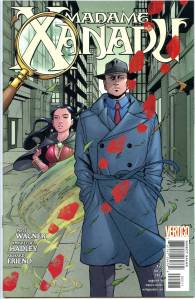
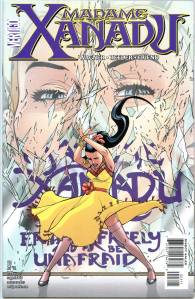
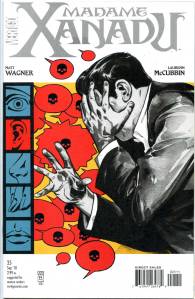
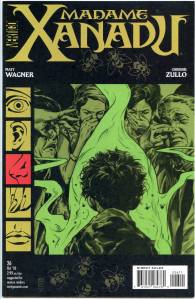
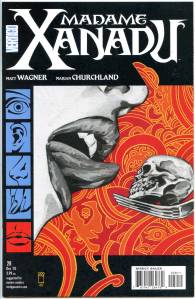
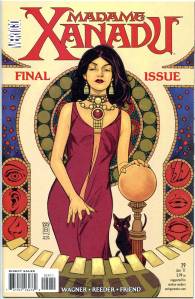
Madame Xanadu eventually got her own ongoing solo book when Matt Wagner and Amy Reeder Hadley teamed up for it in 2008, followed by more Wagner stories with artwork by many other equally amazing artists. The series went for 29 issues, exploring key moments in Xanadu’s very long life and centering in on the details of her magical powers more than any story had before. After the first couple arcs, most of the issues revolved around Xanadu’s actions at the margins of DC’s superhero community in the ‘40s, which makes the run a must-read for fans of DC’s Golden Age.
In her solo series, we discovered that Xanadu’s given name was Nimue Inwudu, and she was the third sibling after Morgan le Fay and the Lady of the Lake in Celtic mythology. They were descendants of the survivors of the destruction of Atlantis known as the homo magi, and thus all possessed inherent magical skills. After a particularly ill-fated affair with Merlin, she traveled the world and gained her immortality by besting Death in a card game.
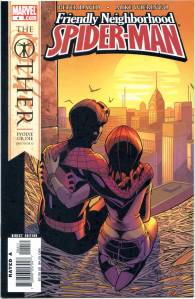
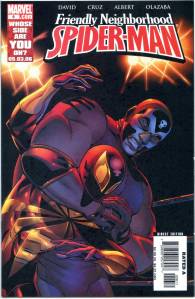
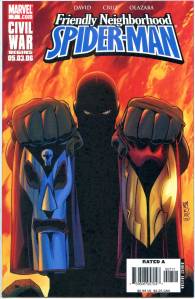
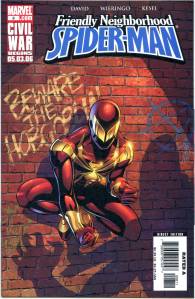
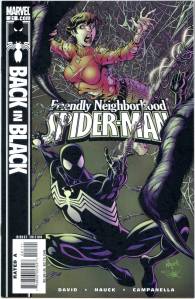
The title is derived from a trademark self-referential comment often made by Spider-Man (as in “just another service provided by your friendly neighborhood Spider-Man!”). The series began in October 2005 and was primarily written by Peter David. Friendly Neighborhood Spider-Man was canceled after issue #24, part 2 of J. Michael Straczynski and Joe Quesada‘s controversial “One More Day” storyline. Kurt Busiek has revealed that in 1995 he originally suggested “Friendly Neighborhood Spider-Man” as the title of the series which was eventually published as Untold Tales of Spider-Man.
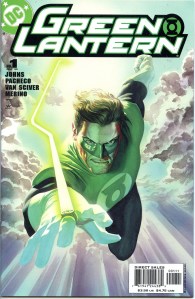
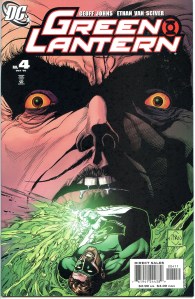
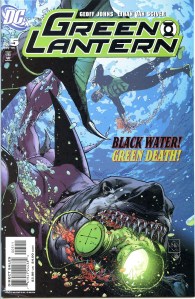
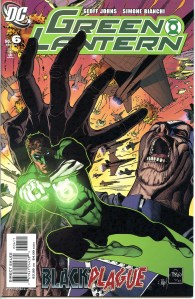
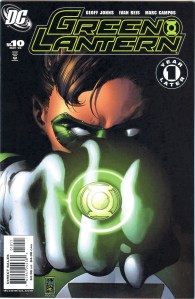
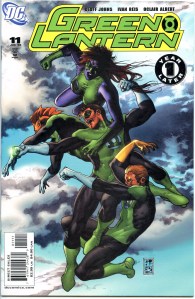
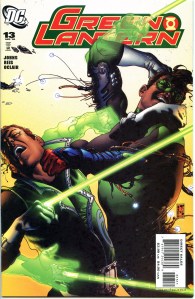
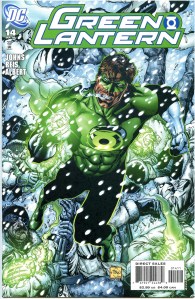
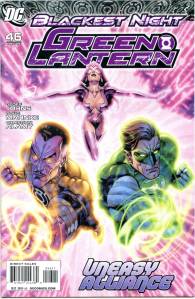
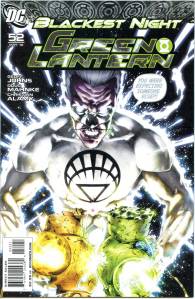
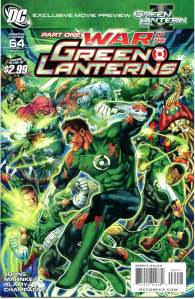
The fourth volume of Green Lantern began in 2005 in the aftermath of Green Lantern: Rebirth, which saw the return of fan favorite Hal Jordan. In the beginning of the series Hal tries to re-acclimate into society and life, both as Hal Jordan: Test Pilot and Hal Jordan: Green Lantern of Sector 2814. As critically acclaimed writer Geoff Johns reinvents Hal Jordan and reintroduces him into the DCU he comes across various problems and threats throughout the run. With Coast City being rebuilt Hal takes residence there, even if barely anyone else has. The Manhunter Androids, Cyborg-Superman, Shark, Hector Hammond and Black Hand cause serious problems for Hal. The Black Hand who becomes immensely important later on in the series.
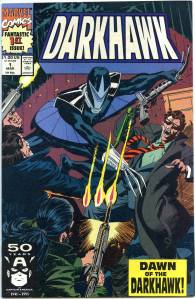
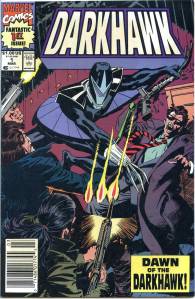
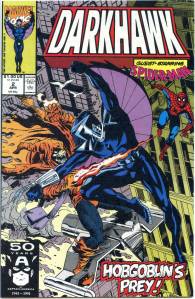
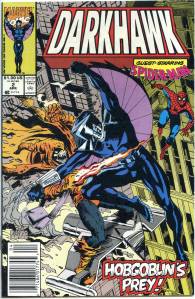
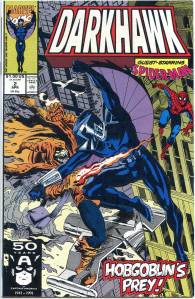
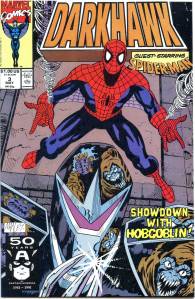
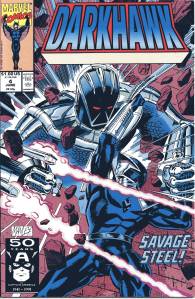
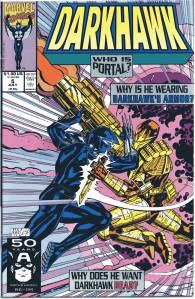
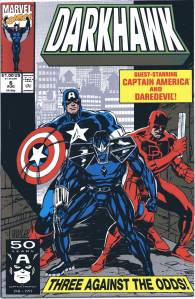
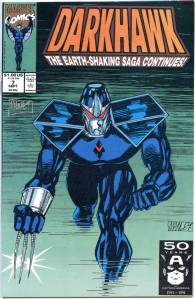
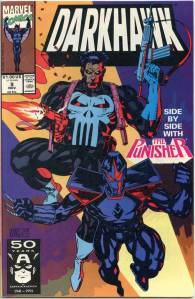
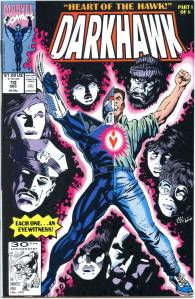
Darkhawk appeared in a self-titled monthly series for 50 issues that was published by Marvel Comics from March 1991 to March 1995, and included three standalone annuals. Although created by DeFalco and Manley, DeFalco was never credited as a writer of the series. The original writer was Danny Fingeroth.
After his own series ended, Darkhawk co-starred or cameoed in other titles over the following years, such as New Warriors, Avengers/JLA, and Iron Man, eventually resurfacing in Runaways Vol.2 #1-6, followed by Marvel Team Up Vol.3 #15 and the short-lived Loners series. New Warriors writer Fabian Nicieza said in 1992 that “People keep coming up to me and asking, ‘Is Darkhawk a member of the New Warriors or not?’ Well, yes and no. The New Warriors isn’t an official group with a rule book and charter and the like. They’re more of a club for super-powered teens. So if Darkhawk wants to hang out on a Friday evening and talk about his powers, then he’ll stop by the New Warriors’ crash pad.”
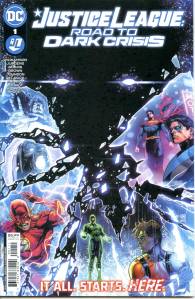
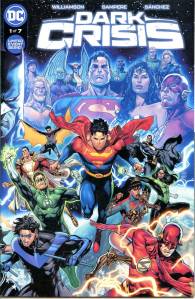
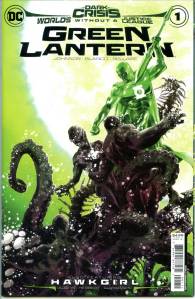
“Dark Crisis on Infinite Earths“, originally “Dark Crisis“, is a 2022 comic book storyline published by DC Comics, comprising an eponymous central 7 issue mini-series by writer Joshua Williamson and artist Daniel Sampere, and a number of tie-in books. The event received critical acclaim, with critics praising Williamson’s writing, inclusion of characters, art, story, and action. The storyline takes place towards the end of Infinite Frontier, with the conclusion of the series leading into the Dawn of DC in 2023.
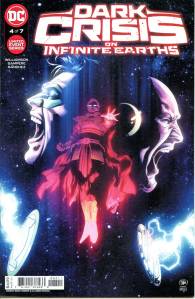
The title of the series was changed from Dark Crisis to Dark Crisis on Infinite Earths on and after issue #4, which denoted how the series is a direct sequel to Crisis On Infinite Earths. The series results in the return of the DCU’s infinite multiverse which was destroyed in the original crisis in 1986.
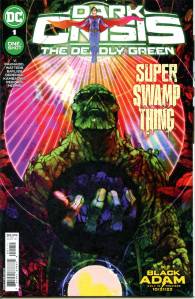
Road to Dark Crisis – Justice League #1 NM $5Dark Crisis #1 NM $3Dark Crisis #2 NM $5Dark Crisis #3 NM $5Dark Crisis on Infinite Earths #4 NM $3Dark Crisis – The Deadly Green #1 NM $3Dark Crisis – War Zone #1 NM $3Dark Crisis – Worlds Without a Justice League – Green Lantern #1 NM $5