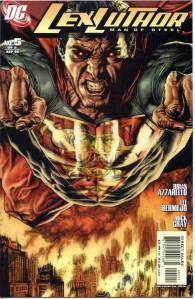
It explores Luthor’s motivations behind being a constant foe to the Man of Steel inside a city that has largely embraced him. Luthor views Superman as a demigod who looks down on humanity and believes that in order to “save” the human race from extraterrestrial threats, Superman must be stopped.
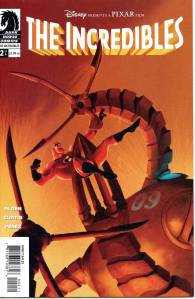
Based on the smash cinematic blockbuster, this graphic novelization recounts the reawakening of dormant heroism that has seemingly been stifled by social conformity and lowered mid-life expectations. Bob Parr, his wife Helen, daughter Violet, son Dash, and baby Jack-Jack grapple with the banality of a comfortable suburban existence and yearn to reaffirm their individuality by expressing their unique “super”-powers.
Unlike most movie adaptations, this succeeds in both being faithful to and expanding the original plotline. It helps when the artist is a Pixar storyboarder and the writer is the film’s director. Serving up high quality art and narrative, this tale lives up to expectations.
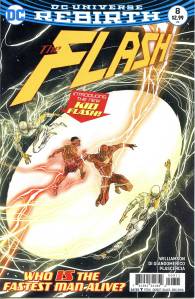
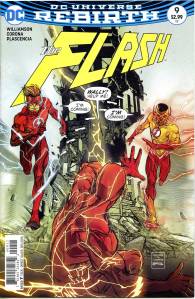
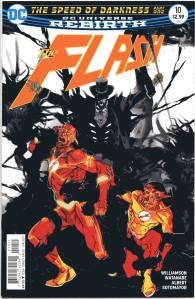
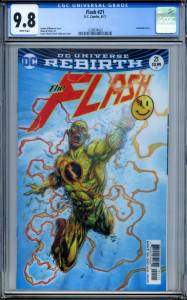
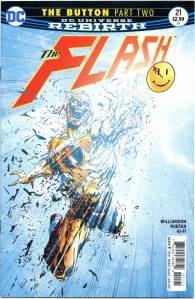
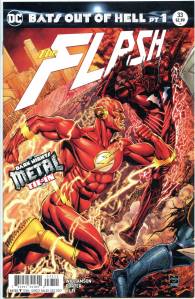
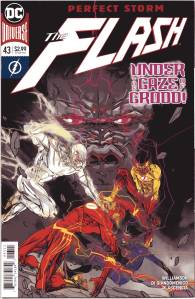
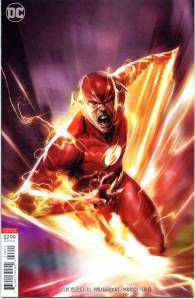
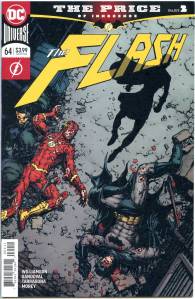
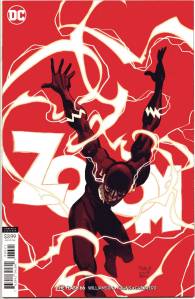
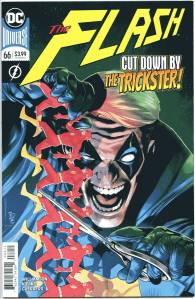
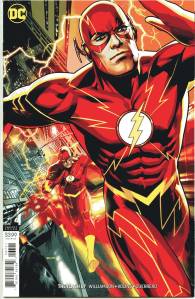
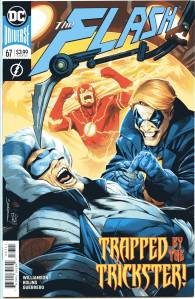
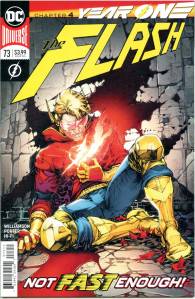
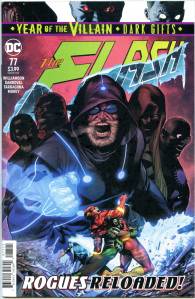
A new storm brews over Central City and disproves the old adage about lightning never, well…you know. Just as Barry begins to feel overwhelmed fighting crime, a new speedster debuts—but just where did this amazing new friend come from?
Spinning directly out of the epic events of DC UNIVERSE: REBIRTH #1, the Fastest Man Alive finds himself at the center of a DC Universe at a crossroads.
Moonshadow was originally a twelve-issue maxi-series by Marvel Comics under the Epic imprint. It was the first American comic book whose art was done entirely by painting. The series was subsequently reprinted as a single volume in 1989. Also in 1989, a limited edition hardcover was also released by Graphitti Designs. Only 1200 copies of this edition were published, each individually numbered and signed by DeMatteis and Muth.
The story takes the form of an eclectic and quirky fairy tale with satirical elements and dealing with philosophical concerns. It is told via the framing device of Moonshadow, now 120, looking back on his earlier life. The action concerns the events leading up to the “awakening” of Moonshadow, the child of a hippy mother and an enigmatic alien father. The alien, who resembles a glowing orb of light bearing a stylized human face, abducted Moonshadow’s mother from Earth in 1968 along with her black pet cat, Frodo. When the idealistic and naive Moonshadow is orphaned at approximately age 15, he becomes friends with a venal and opportunistic furry humanoid named Ira. Moonshadow and Ira and Frodo the cat set out to find a life for themselves in the stars.
In 1994, DC Comics, under their Vertigo imprint, republished the individual issues as a limited series. The Compleat Moonshadow followed in 1998. This edition also included Farewell, Moonshadow, a one-issue sequel, also published by Vertigo, which, set long after the action of the first miniseries, acts as a coda to the series. The Compleat Moonshadow included textual revisions to the original series.
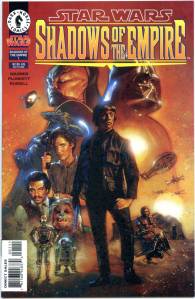
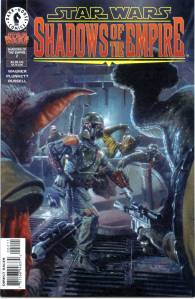
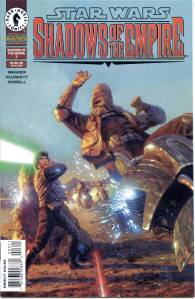
This six-issue comic book series was written by John Wagner and illustrated by Kilian Plunkett; Steve Perry was a story consultant. It focuses on Boba Fett and his fellow bounty hunters (first seen briefly in The Empire Strikes Back) as well as Jix, a hireling of Darth Vader who infiltrates Jabba the Hutt’s gang of bikers (led by Gizman) to prevent their attempt to kill Luke Skywalker.
Two separate mini-comics were released with Micro Machines toys (with three alternative covers) and Ertl model kits. A pop-up comic was also made, entitled Battle of the Bounty Hunters. A one-shot comic titled The Jabba Tape also features Gizman around the time of Return of the Jedi and was illustrated by Plunkett.
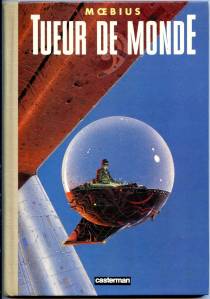
Tueur de Monde (translation: Killer of the World) follows a space traveller named Fildegar, a human crew member on a tubular vessel called the Laché Tout (Drop Everything), a floating greenhouse filled with fields of flowers. When Fildegar is not nurturing the flora inside the ship, he passes his time painting frescoes on the corridor walls, gazing into the ship’s central crystal and on rare occasions filing away old photographs which often reminds Fildegar of past memories. Suddenly Fildegar’s ship enters an unknown galaxy and discovers a planet called Bar-Jona inhabited by the contemplative creatures the Tragos. After landing on the planet’s surface and greeting it’s indigenous population, Fildegar inexplicably becomes pulled by some mysterious force and finds himself gazing up at a giant fungi.
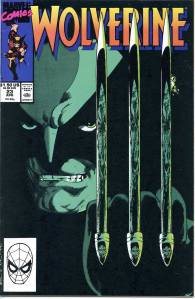
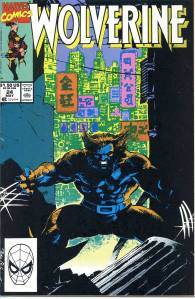
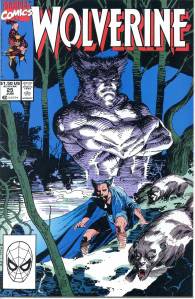
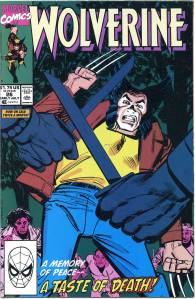
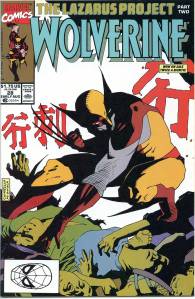
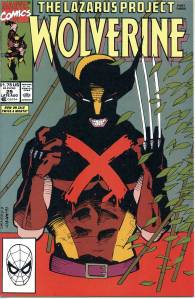
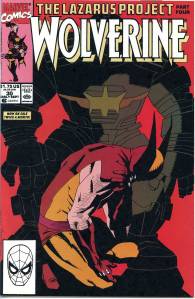
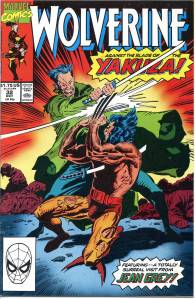
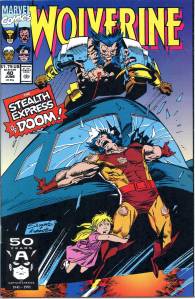
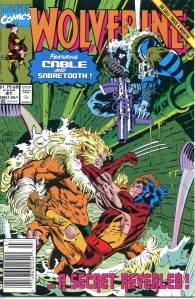
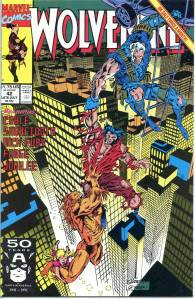
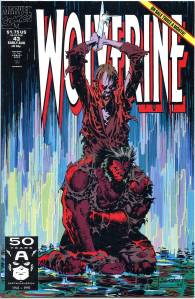
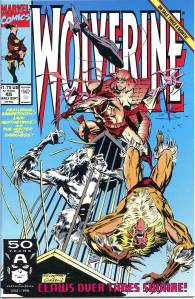
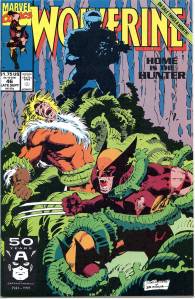
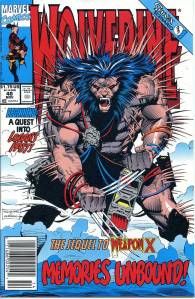
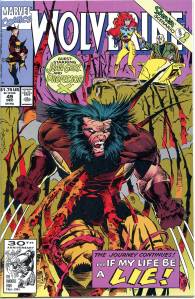
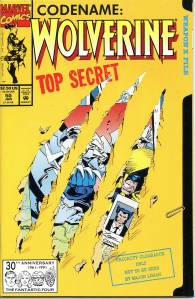
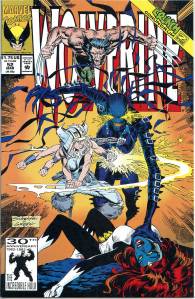
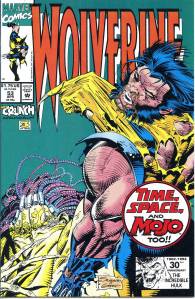
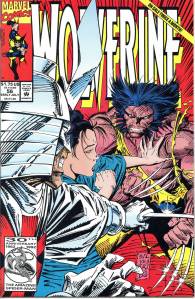
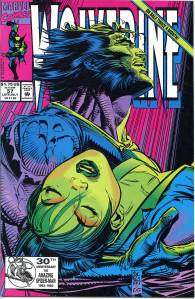
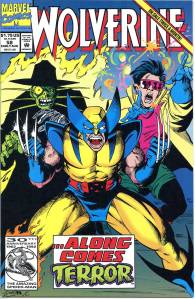
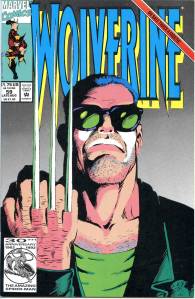
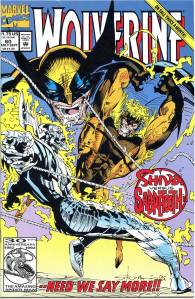
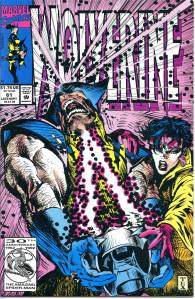
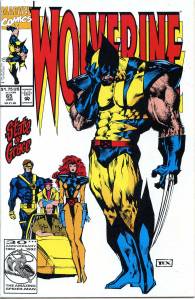
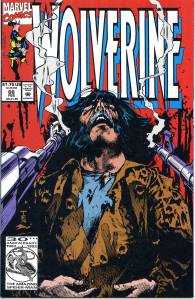
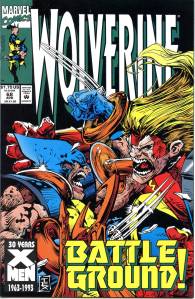
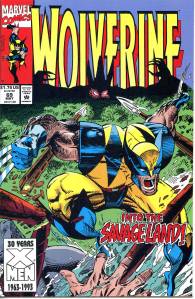
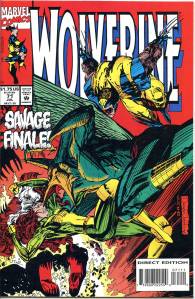
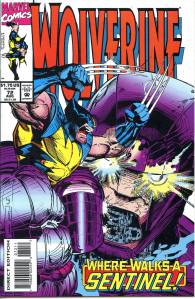
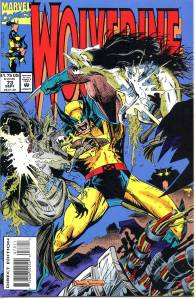
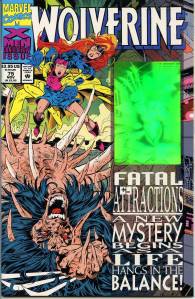
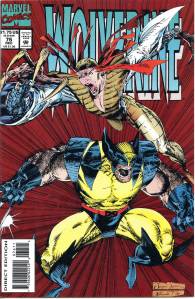
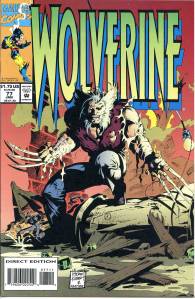
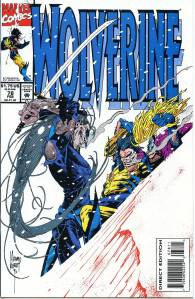
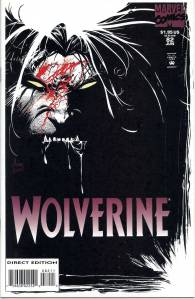
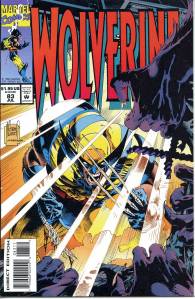
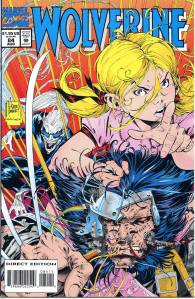
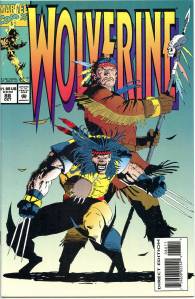
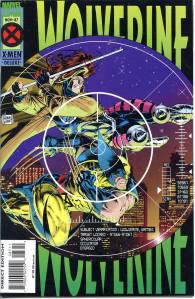
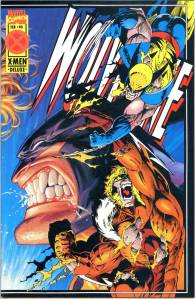
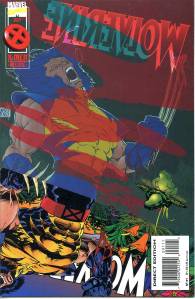
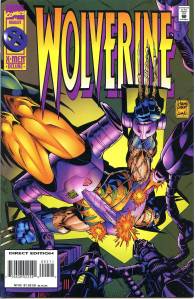
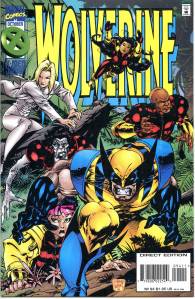
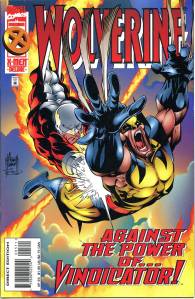
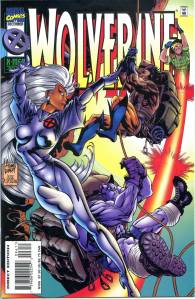
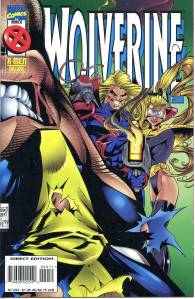
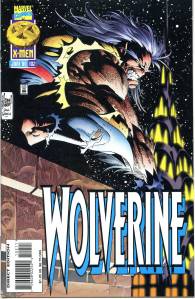
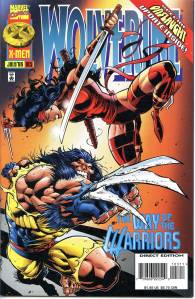
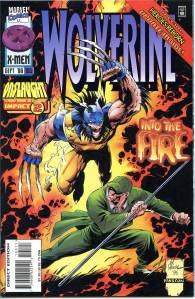
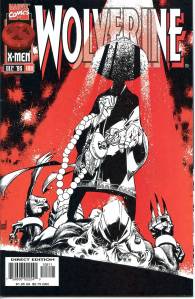
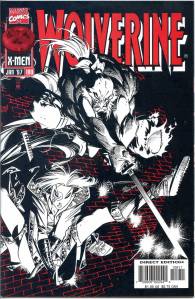
John Byrne stated, in both interviews and his website, that he drew a possible face for Wolverine, but then learned that Dave Cockrum had already drawn him unmasked in X-Men #98 (April 1976), long before Byrne’s run on the series.Later, Byrne used the drawing for the face of Sabretooth, an enemy of the martial artist superhero Iron Fist, whose stories Chris Claremont was writing. Byrne then conceived of the idea of Sabretooth being Wolverine’s father. Together, Byrne and Claremont came up with Wolverine being approximately 60 years old and having served in World War II after escaping from Sabretooth, who was approximately 120 years old. The plan had been for Wolverine to have been almost crushed in an accident; he would discover, when attempting to stand for the first time after recovering, that his healing factor does not work on bones, and his legs immediately break. He then spends over a decade in a hospital bed, almost going mad, when the Canadian government approaches him with the idea of replacing his skeleton one bone at a time with adamantium, the claws being a surprise. This origin, too, was never used.
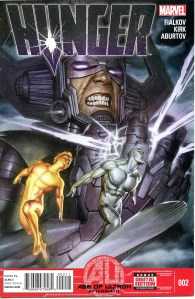
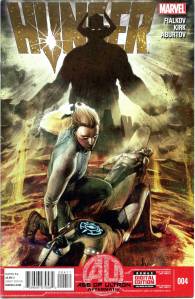
The Hunger rounds out the Age of Ultron event, dealing with the implications of the changes in the Marvel Universe status quo. For example, The Hunger serves as a catalyst for the Cataclysm event in the MarvelUltimate Comics universe, which involves that Universe’s war against Galactus.
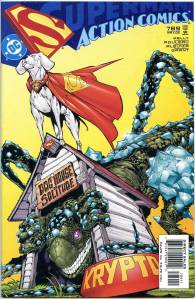
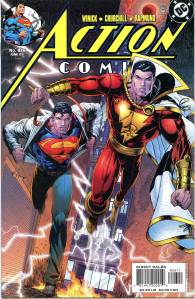
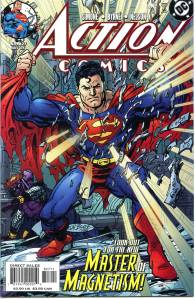
Several major Superman storylines crossed over with Action Comics including “Emperor Joker” in 2000[and “Our Worlds at War” in 2001.John Byrne returned to Action Comics for issues #827–835 working with writer Gail Simone in 2005-2006.
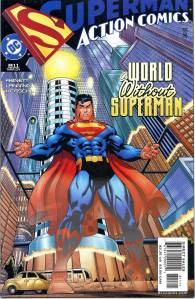
After the “One Year Later” company-wide storyline, Action Comics had a crossover arc with the Superman series, titled “Up, Up and Away!” which told of Clark Kent attempting to protect Metropolis without his powers until eventually regaining them.
Starting with issue #875 (May 2009), written by Greg Rucka and drawn by Eddy Barrows, Thara Ak-Var and Chris Kent, took Superman’s place as the main protagonists of the comic, while Superman left Earth to live on New Krypton. A Captain Atom back-up feature began in issue #879 (September 2009).
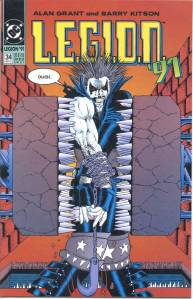
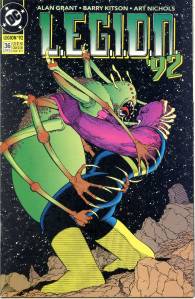
L.E.G.I.O.N. is a science fictioncomic book created by Keith Giffen, Bill Mantlo and Todd McFarlane and published by DC Comics. The principal subject of the comic book is a team of fictional extraterrestrial superheroes. The characters first appeared in Invasion! #1 (December 1988). The original series chronicled the formation and activity of an interplanetarypolice force whose mission was to act as a peace-keeping force in their galaxy.














 EHT Comics