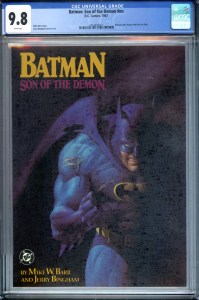
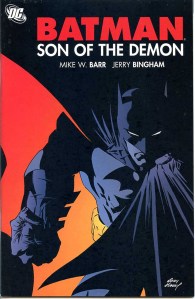
Although it was deemed to be non-canon, Grant Morrison used this story in the 4-issue story “Batman and Son” in 2006. DC Comics published a new printing of Batman: Son of the Demon in 2006 featuring new cover art by Andy Kubert for the first time in standard comic book size with a cover price of $5.99 US, tying in with the “Batman and Son” arc.
Batman Son of the Demon CGC 9.8 White Pages $295Batman Son of the Demon 2006 NM $19
Moonshadow was originally a twelve-issue maxi-series by Marvel Comics under the Epic imprint. It was the first American comic book whose art was done entirely by painting. The series was subsequently reprinted as a single volume in 1989. Also in 1989, a limited edition hardcover was also released by Graphitti Designs. Only 1200 copies of this edition were published, each individually numbered and signed by DeMatteis and Muth.
The story takes the form of an eclectic and quirky fairy tale with satirical elements and dealing with philosophical concerns. It is told via the framing device of Moonshadow, now 120, looking back on his earlier life. The action concerns the events leading up to the “awakening” of Moonshadow, the child of a hippy mother and an enigmatic alien father. The alien, who resembles a glowing orb of light bearing a stylized human face, abducted Moonshadow’s mother from Earth in 1968 along with her black pet cat, Frodo. When the idealistic and naive Moonshadow is orphaned at approximately age 15, he becomes friends with a venal and opportunistic furry humanoid named Ira. Moonshadow and Ira and Frodo the cat set out to find a life for themselves in the stars.
In 1994, DC Comics, under their Vertigo imprint, republished the individual issues as a limited series. The Compleat Moonshadow followed in 1998. This edition also included Farewell, Moonshadow, a one-issue sequel, also published by Vertigo, which, set long after the action of the first miniseries, acts as a coda to the series. The Compleat Moonshadow included textual revisions to the original series.
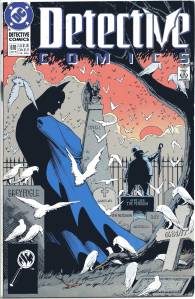
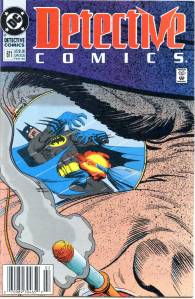
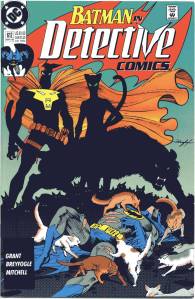
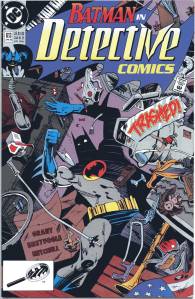
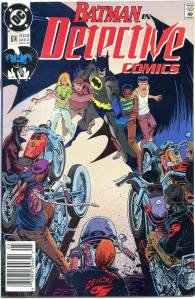
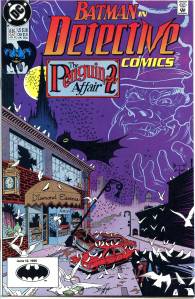
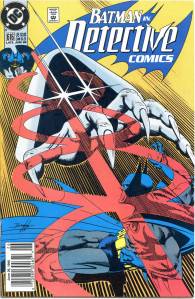
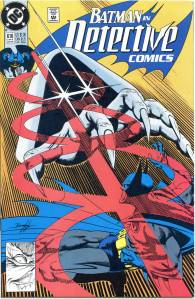
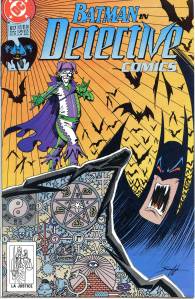
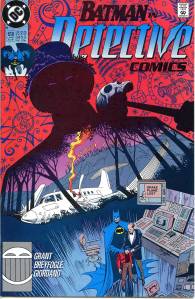
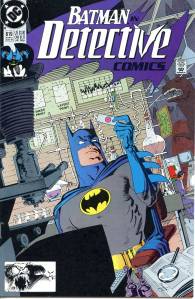
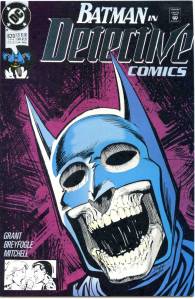
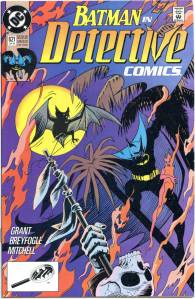
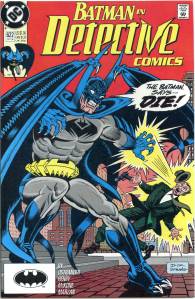
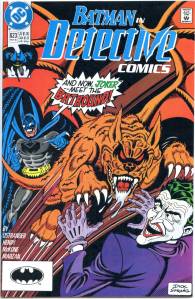
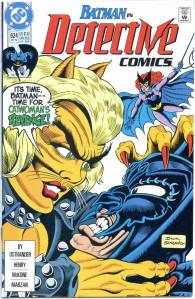
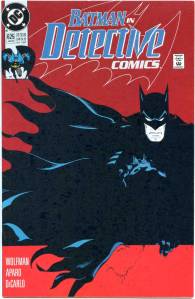
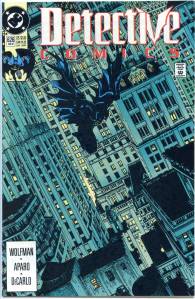
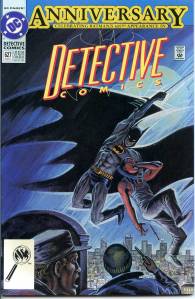
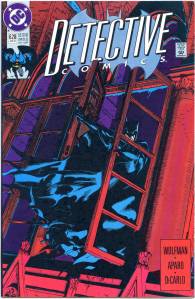
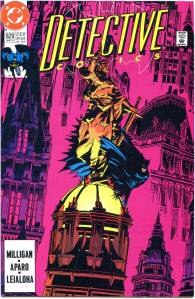
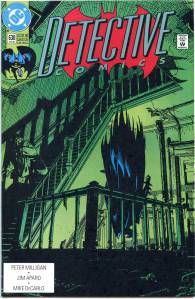
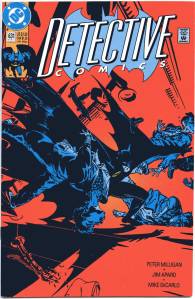
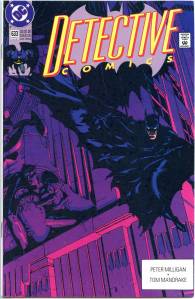
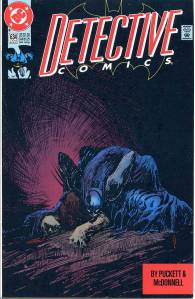
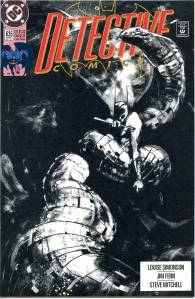
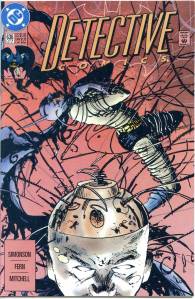
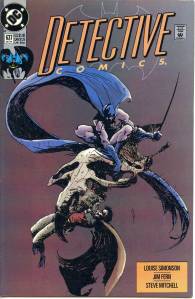
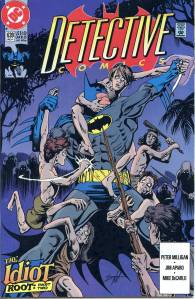
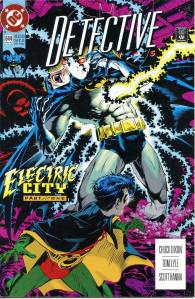
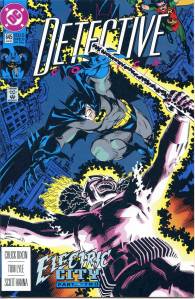
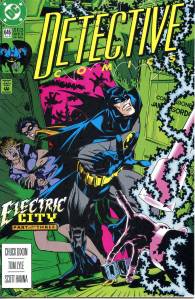
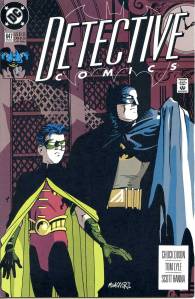
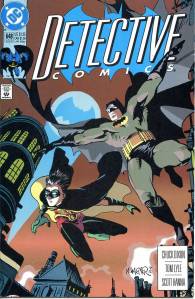
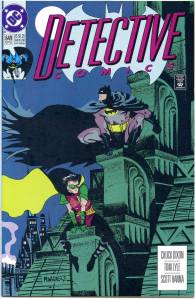
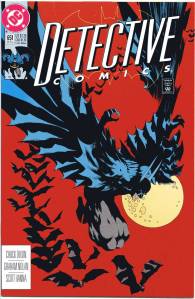
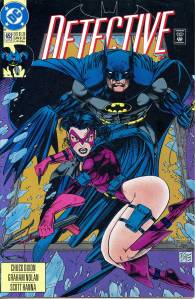
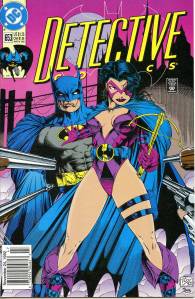
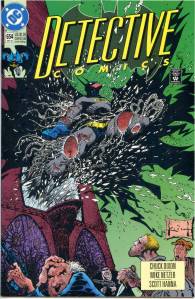
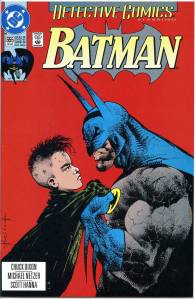
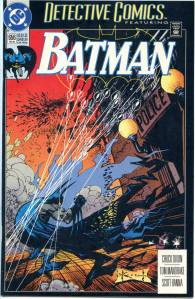
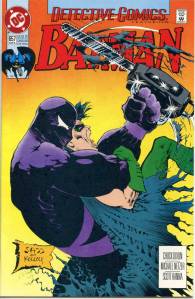
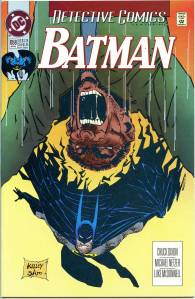
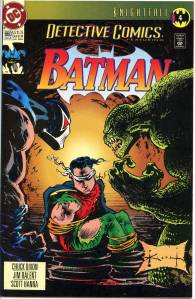
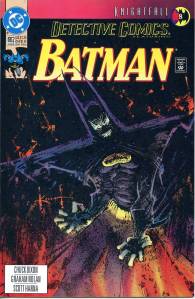
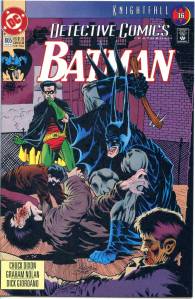
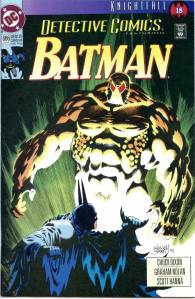
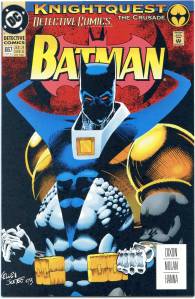
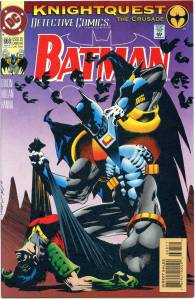
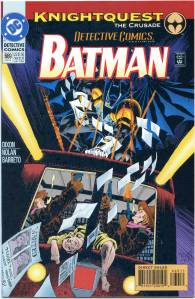
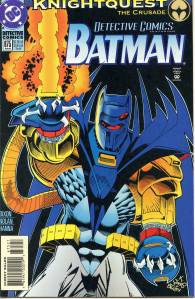
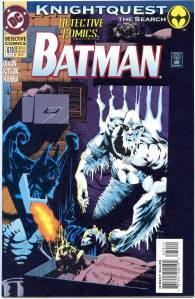
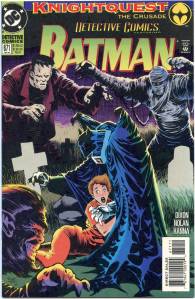
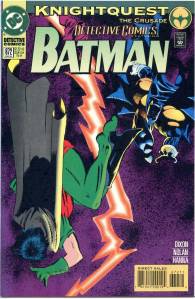
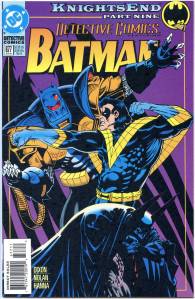
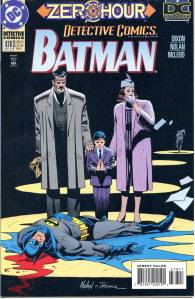
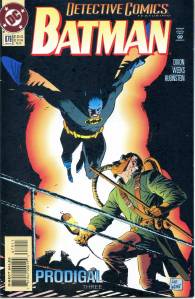
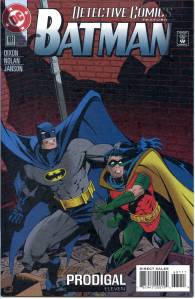
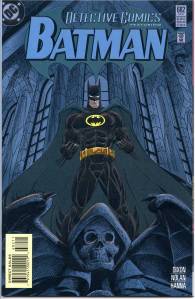
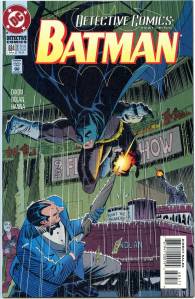
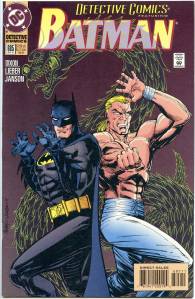
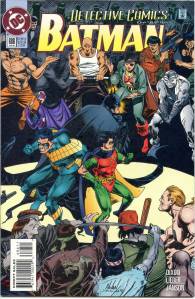
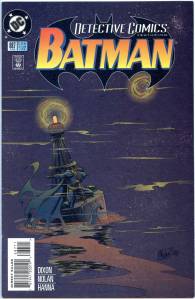
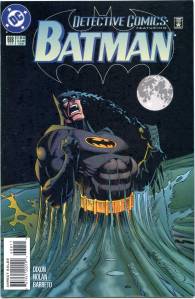
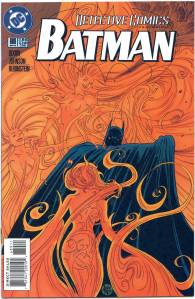
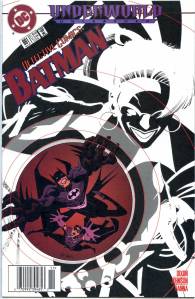
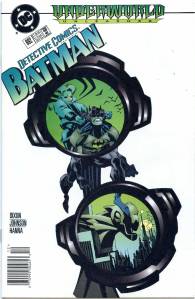
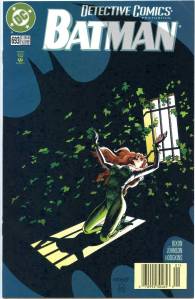
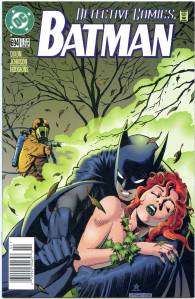
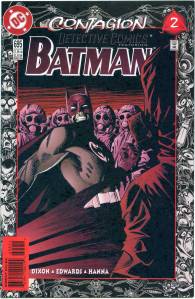
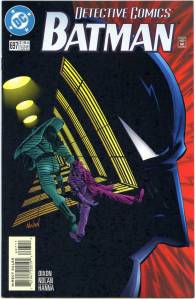
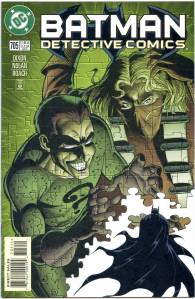
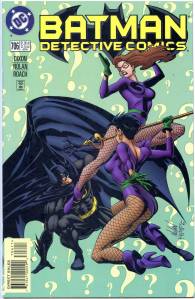
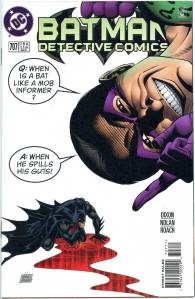
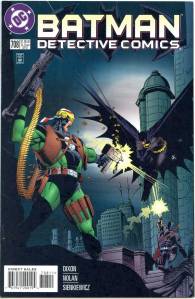
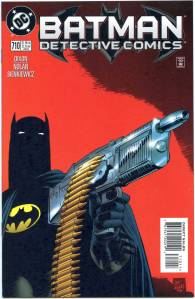
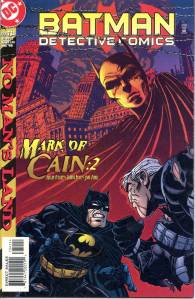
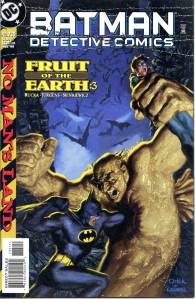
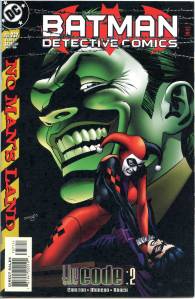
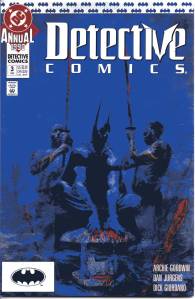
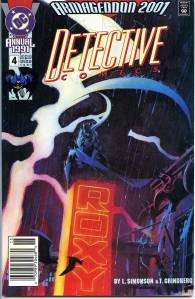
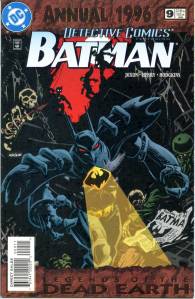
Chuck Dixon became the writer of the series with issue #644 (May 1992). He and Tom Lyle co-created the Electrocutioner in Detective Comics #644 (May 1992) and Stephanie Brown in Detective Comics #647 (August 1992).
The “Batman: Legacy” storyline began in issue #700 (August 1996). The “No Man’s Land” storyline crossed over into Detective Comics in issues #730–741.
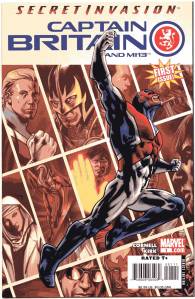
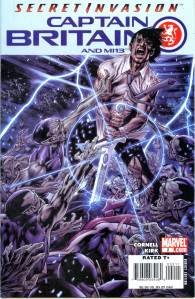
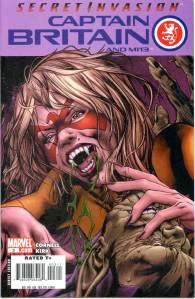
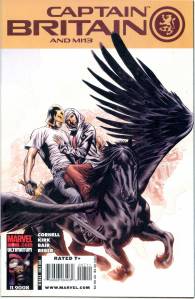
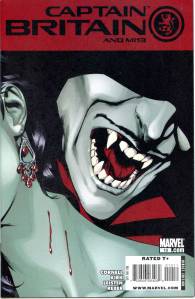
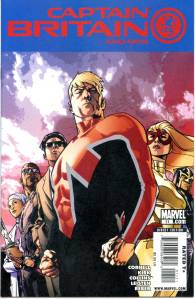
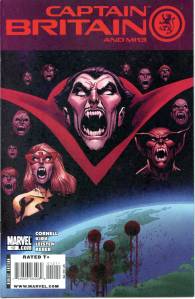
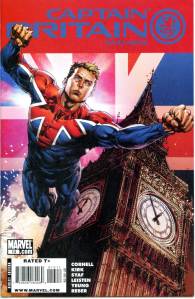
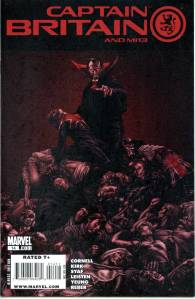
The series centers on the fictional British government agency MI: 13, which is dedicated to protecting the United Kingdom from supernatural threats. The main strikeforce is led by the superhero Captain Britain (Brian Braddock), and consists of various Marvel Comics characters that are of British descent or have a connection to the country. The series launched as a tie-in to the Secret Invasion event in May 2008 and ceased publication with issue #15.
Captain Britain and MI13 1# NM- $19Captain Britan and MI13 #2 NM $8Captain Britain and MI13 #2 NM- $6Captain Britan and MI13 #3 NM $5Captain Britain and MI13 #4 VF-NM $3Captain Britan and MI13 #7 NM $4Captain Britan and MI13 #10 NM $4Captain Britan and MI13 #11 NM $4Captain Britan and MI13 #12 NM $4Captain Britan and MI13 #13 NM $4Captain Britan and MI13 #14 NM $5
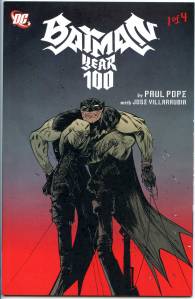
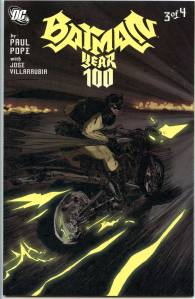
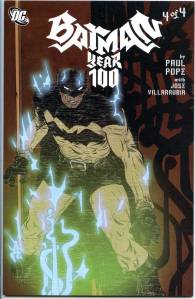
In the year 2039, Gotham City is very nearly a police state, its citizens subject to unwarranted search and seizure. The Gotham Police clash almost daily with Federal agents, who are pursuing the legendary “Batman.” Captain Gordon, the grandson of the original Commissioner Gordon, is also trying to find Batman, and find out what he knows about the murder of a Federal agent.
Batman Year 100 #1 NM $8Batman Year 100 #2 NM $6Batman Year 100 #3 NM $6Batman Year 100 #4 NM $8
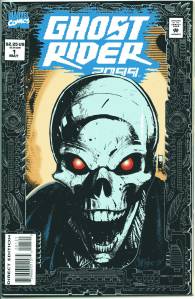
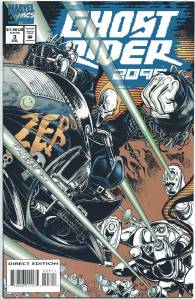
The series is set in the year 2099, in a dystopian possible future of the Marvel Universe, and features Kenshiro “Zero” Cochrane, a hacker who was killed but resurrected as the Ghost Rider — his mind controlling a powerful and well-armed robot. As with most of the Marvel 2099 titles, the protagonist was a futuristic version of a commercially successful Marvel Universe character. The series was heavily influenced by cyberpunk science fiction.
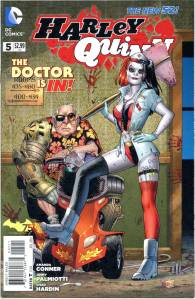
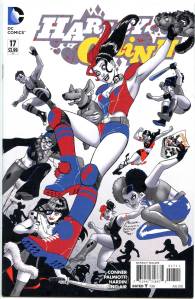
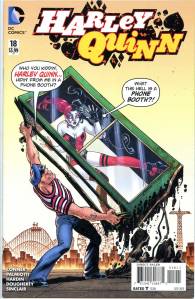
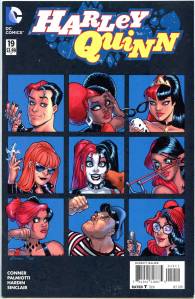
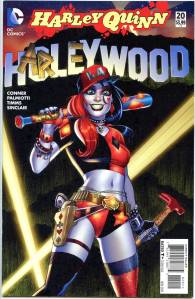
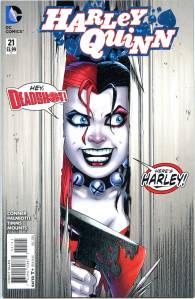
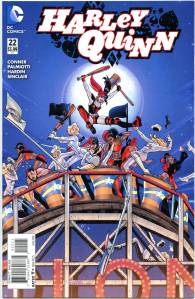
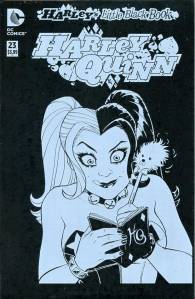
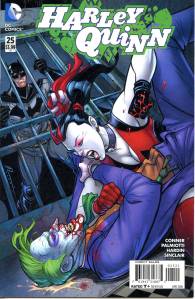
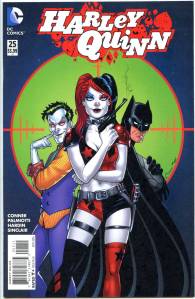
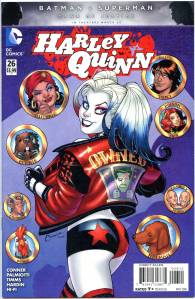
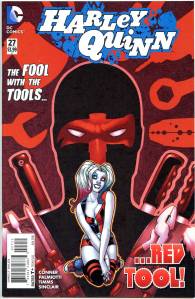
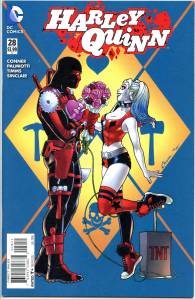
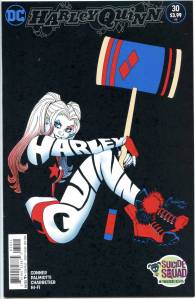
On July 16, 2013, DC announced that a new Harley Quinn ongoing comic book series would begin publication in November 2013, co-written by Amanda Conner and her husband Jimmy Palmiotti, cover illustrated by Conner, and story illustrated by Chad Hardin. The series has notably become distanced from the “Batman Family” of DC publications in both tone and premise, with Harley no longer having any significant connection to either Batman or the Joker following the “Death of the Family” storyline. In the series, Harley Quinn has become a landlady at Coney Island, is a part-time member of a roller derby team and has returned to her work in psychology under her real alias, indicating that Harley’s real identity is not public knowledge in the new status quo.
Writer-editor Jonathan Hickman and artist/co-plotter Pepe Larraz created the Quiet Council of Krakoa in House of X #6 (October 2019). The Council appeared in many comics in the Dawn of X and Reign of X relaunches, creating and enforcing the laws of Krakoa; prosecuting and delivering judgement on mutants accused of breaking those laws.
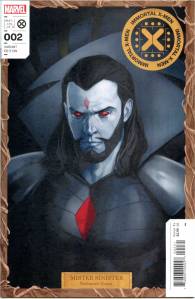
In March 2022, the council headlined Immortal X-Men as part of the Destiny of X relaunch. The series also served continuation of Inferno, vol. 2. It was written by Kieron Gillen and drawn by Lucas Werneck, building plot points for the event Sins of Sinister. After being briefly transformed into the Immoral X-Men limited series, Immortal X-Men continued from issue #11.
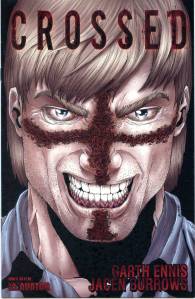
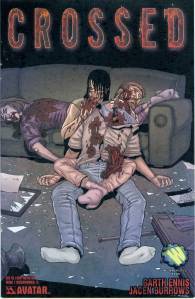
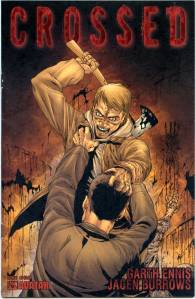
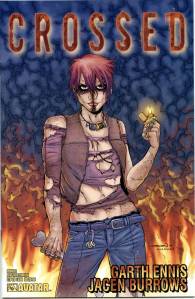
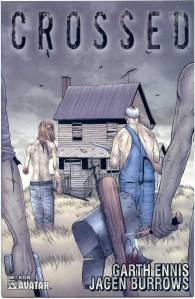
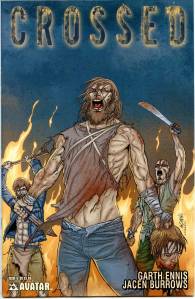
The story follows survivors dealing with a pandemic that causes its victims to carry out their most evil thoughts. Carriers of the virus are generally known as the “Crossed” due to a large, cross-like rash that appears on their faces – other names include “cross-faces” and “plus-faces”. This contagion is primarily spread through bodily fluids, which the Crossed have used to great effect by treating their weapons with their fluids, as well as through other forms of direct fluidic contact such as rape and bites, assuming the victim lives long enough to turn. A major difference between the Crossed and other fictional zombie or insanity-virus epidemics (e.g., in the film 28 Days Later) is that while the Crossed are turned into homicidal violent psychopaths, they still retain a basic human-level of intelligence: thus, they are still capable of using tools and weapons, driving motor vehicles, setting complex traps, and other actions. It is occasionally noted in the series that a Crossed retains any skills they had prior to their infection; most simply lack the patience or sanity to do anything not immediately related to their vicious impulses.
Crossed #0 NM $69Crossed #1 Wizard World Variant NM- $49Crossed #1 FN-VF $15Crossed #2 New York Comicon Variant NM $19Crossed #2 FN-VF $8Crossed #5 NM $7Crossed #6 NM $7