Hollis Mason, the original Nite Owl, recounts his exploits with The Minutemen during the 1940s, while in the midst of his retirement, he faces opposition to the publication of his tell-all autobiography, Under the Hood in the early 1960s. Although it heavily retconned certain characters’ backstories by suggesting that a large part of Under the Hood was dirty lies and cover ups, it debuted to positive reviews.
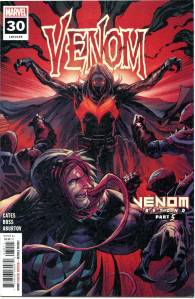
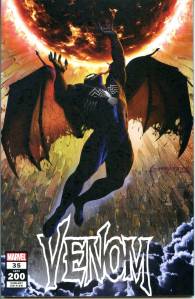
In the wake of S.H.I.E.L.D.’s collapse, an ancient and primordial evil has been awakened beneath the streets of New York. And with it, something equally evil has been awakened in that most wicked of web-slingers: Venom! The symbiote may still be a Lethal Protector of innocents in New York, but this never-before-seen threat could possibly force Venom to relinquish everything it holds dear – including its human host, Eddie Brock!
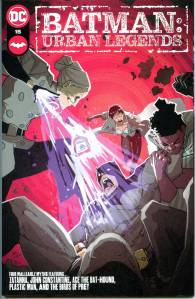
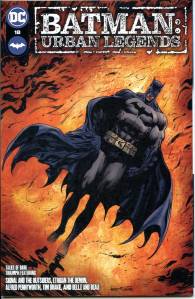
Batman: Urban Legends is an ongoing anthology series, published by DC Comics. It began publication in 2021. It features stories staring various allies of Batman either in multi-part or one offs.
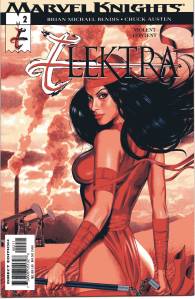
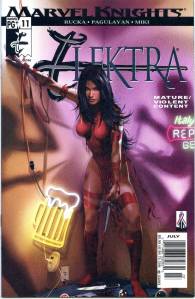
She was killed, but got over it. Now the enigmatic assassin named Elektra begins a new life! In the deadly world of international espionage, Elektra is a hot commodity ? and the top-secret organization known as S.H.I.E.L.D. wants her for a mission so dirty that no one else could even think of pulling it off! But Elektra can’t be bought, bribed or threatened. And if she takes the job, she’ll do it her way, no matter how many people may die!
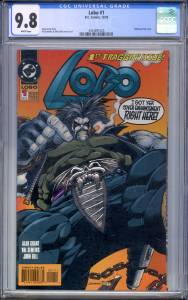
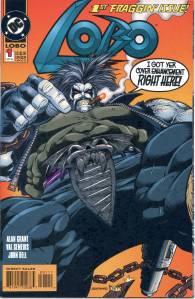
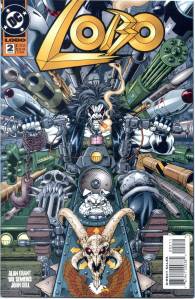
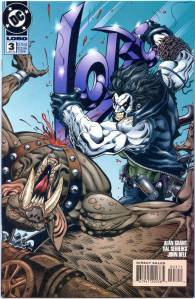
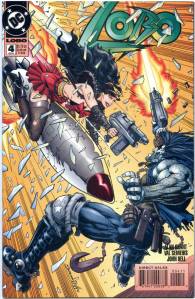
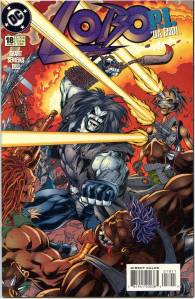
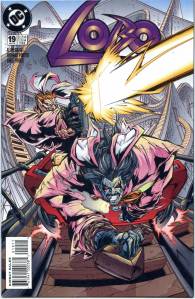
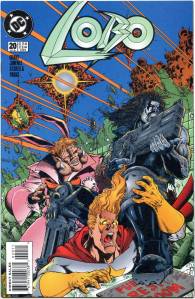
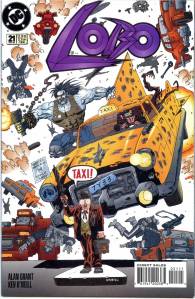
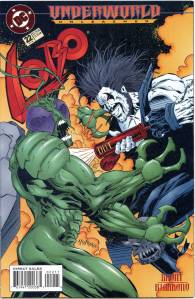
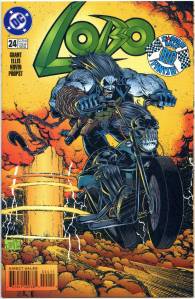
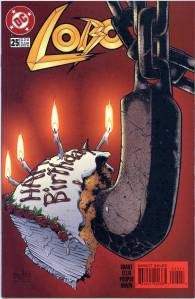
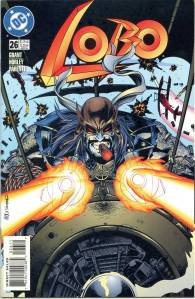
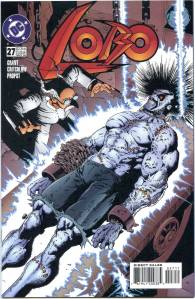
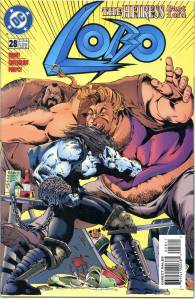
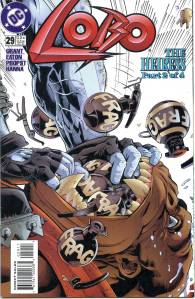
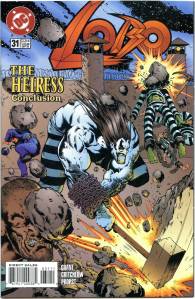
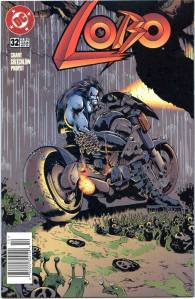
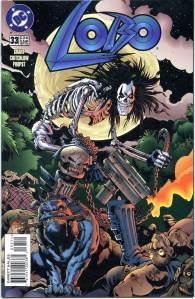
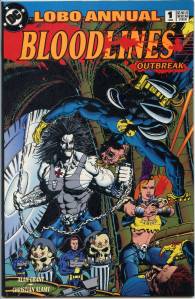
Lobo starred in his own DC title for 64 issues, from 1993 to 1999. Lobo was first introduced as a hardened villain in the 1980s, but soon fell out of use with writers. He remained in limbo until his revival as an anti-hero biker with his own comic in the early 1990s. Writers attempted to use Lobo as a parody of the 1990s trend towards “grim and gritty” superhero stories, epitomized by such Marvel Comics characters as Cable, Wolverine, and Punisher, but he was instead enthusiastically accepted by fans of the trend. This popularity led to the character having a much higher profile in DC Comics stories from then on, as well as starring roles in various series in the decades since.
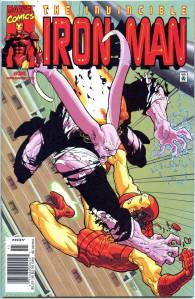
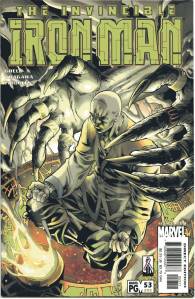
Volume 3, whose first 25 issues were written by Kurt Busiek and then by Busiek and Roger Stern, ran 89 issues (Feb. 1998 – Dec. 2004). Later writers included Joe Quesada, Frank Tieri, Mike Grell, and John Jackson Miller. Issue #41 (June 2001) was additionally numbered #386, reflecting the start of dual numbering starting from the premiere issue of volume one in 1968. The final issue was dual-numbered as #434.
Iron Man V3 #33 NM $4Iron man V3 #34 NM- $3Iron Man V3 #53 NM $4Iron Man V3 #58 NM- $3Iron Man V3 #66 NM $4
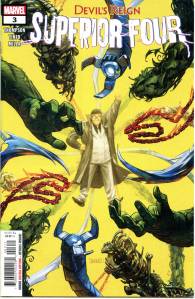
After being elected New York City’s mayor due to his activities under the Darkforce Dome, Wilson Fisk has been quietly amassing both political power and an underground army of super villains. To test the effectiveness of his recruited villains, the Thunderbolts Units were dispatched against the Symbiote Invasion to a desired outcome. Now, with meticulous intelligence gathering and patient machinations, Fisk is ready to use his accumulated resources in order to finally rid his city of its costumed vigilante problem. Outlawing vigilantism to declare war on heroes from street level to even earth’s mightiest, Fisk will unleash even their own dark secrets against them. No hero is safe from Fisk bringing his vision of order to fruition.
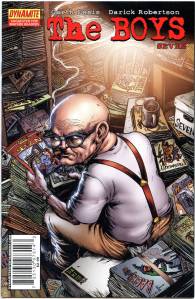
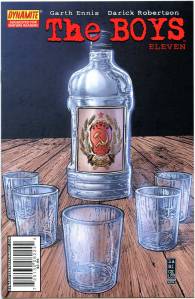
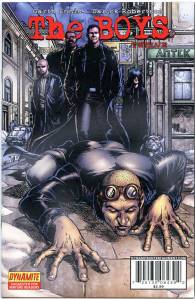
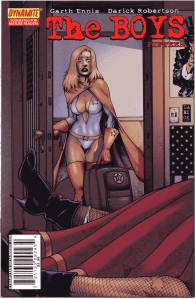
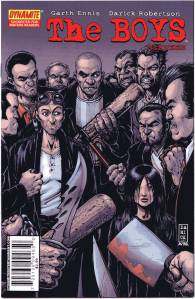
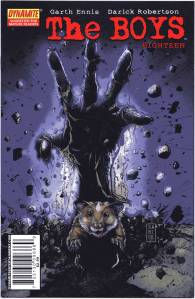
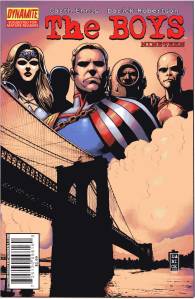
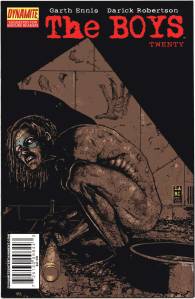
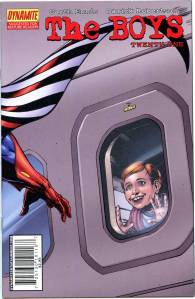
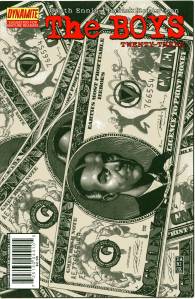
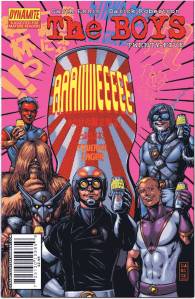
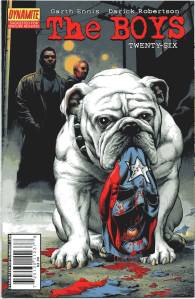
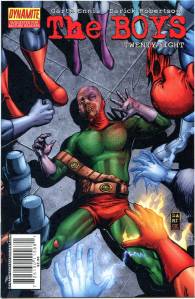
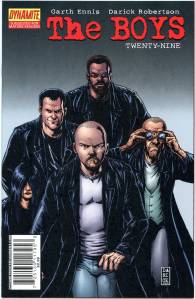
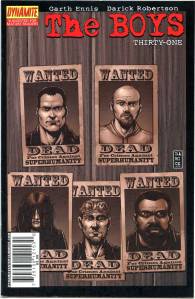
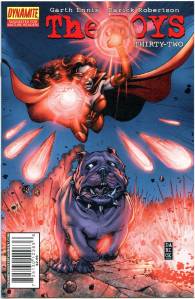
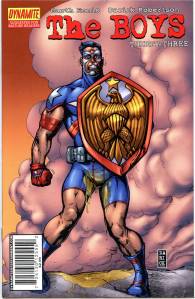
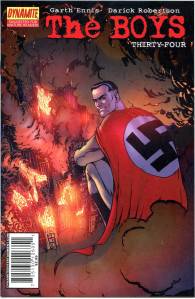
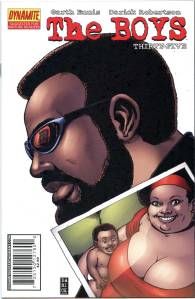
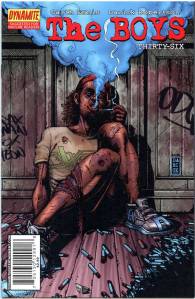
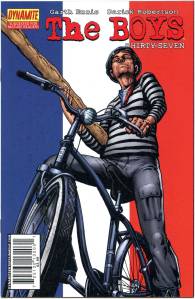
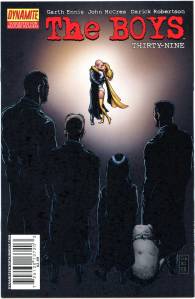
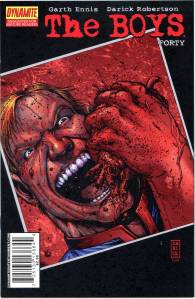
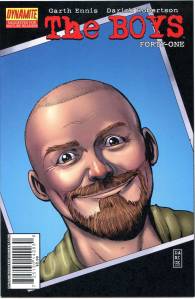
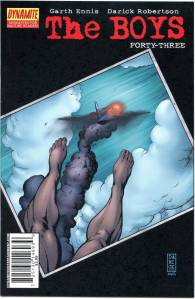
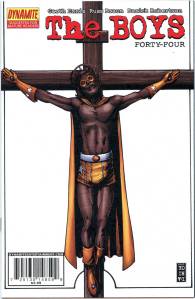
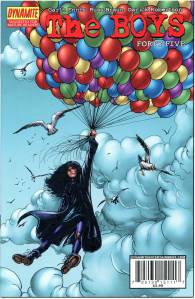
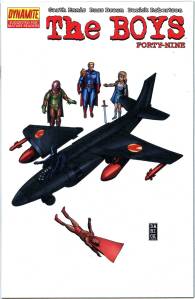
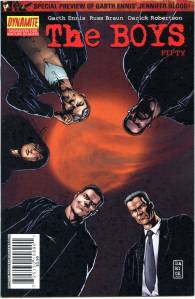
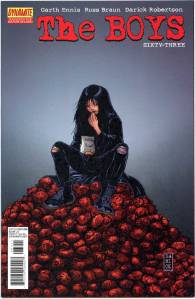
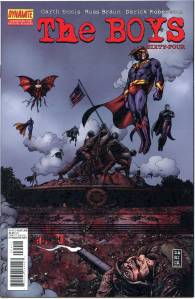
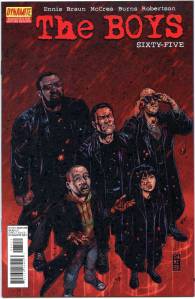
The series is set between 2006–2008 in a world where superheroes exist. However, most of the superheroes in the series’ universe are corrupted by their celebrity status and often engage in reckless behavior, compromising the safety of the world. For this reason, a superpowered CIA squad, known informally as “The Boys”, is charged with monitoring the superhero community; the name is Butcher’s contribution, a reference from his neighborhood that those in power would send “the boys” to handle anyone causing trouble.
Ennis has said that the series would “out-PreacherPreacher“, presumably referring to the extreme violence and sexuality that were that series’ hallmark, and that the series would end with its seventy-second issue.
The Boys #7 VF $9The Boys #11 VF+ $6The Boys #12 VF+ $6The Boys #15 VF-NM $4The Boys #16 VF- $2The Boys #17 VF- $2The Boys #18 NM $4The Boys #19 NM $6The Boys #20 VF- $2The Boys #21 VF+ $4The Boys #22 NM $6The Boys #23 NM $7The Boys #24 NM $24The Boys #25 NM $6The Boys #26 NM $7The Boys #27 NM $6The Boys #28 NM- $4The Boys #29 NM $6The Boys #30 NM $6The Boys #31 VF+ $6The Boys #32 VF-NM $4The Boys #33 VF+ $4The Boys #34 NM $6The Boys #35 NM $4The Boys #36 NM $6The Boys #37 NM $4The Boys #39 NM $4The Boys #40 NM $4The Boys #41 NM $6The Boys #42 NM $6The Boys #43 NM $6The Boys #44 NM $6The Boys #45 NM $6The Boys #46 NM $6The Boys #47 NM $6The Boys #49 NM $6The Boys #50 NM $9The Boys #63 NM $6The Boys #64 NM $6The Boys #65 NM $20The Boys #72 NM- $12
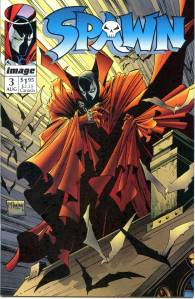
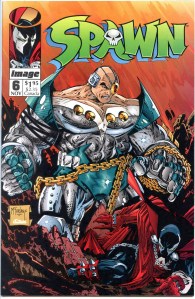
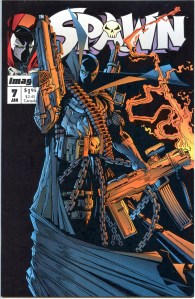
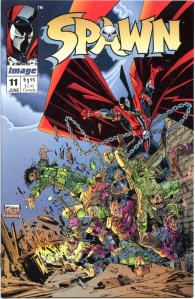
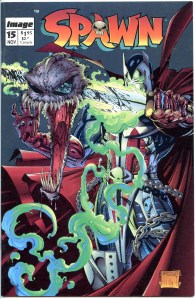
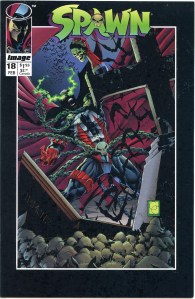
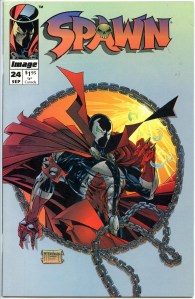
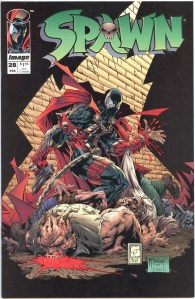
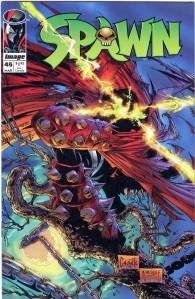
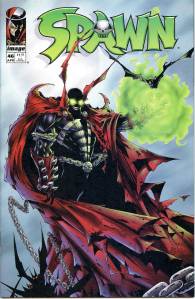
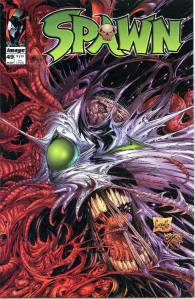
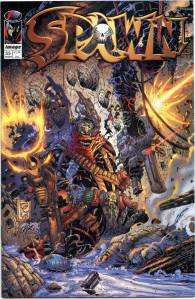
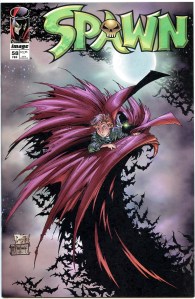
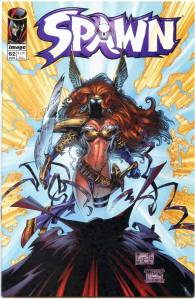
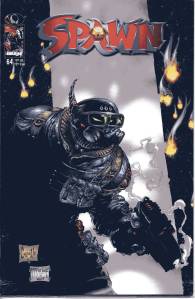
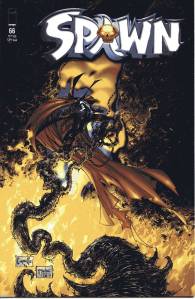
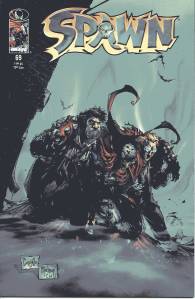
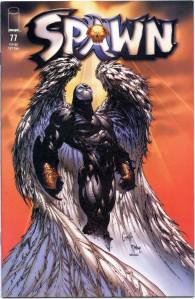
Spawn enjoyed considerable popularity upon its initial release in the 1990s. Comic book collecting was enjoying a marked upswing at the time, fueled by the speculator boom looking for the next hot book that would jump in value after its release. McFarlane had enjoyed superstar status among comic fans with his work on Spider-Man, which had featured McFarlane’s name prominently as both writer and artist. McFarlane’s subsequent break with Marvel and the formation of Image Comics was seen by many as a sea-change event, changing the very way in which comics were produced. Wizard, on May 2008, rated “The Launch of Image Comics” as No.1 in the list of events that rocked the Comic Industry from 1991 to 2008.
The first issue of Spawn was very popular with sales of 1.7 million copies. During Spawn’s second year of publication, Wizard noted that “The top dog at Image is undoubtedly Todd McFarlane’s Spawn, which, without the added marketing push of fancy covers, polybagged issues, or card inserts has become the best-selling comic on a consistent basis that is currently being published. Sales slumped around the time of Spawn #25, but by Spawn #45 it was again a consistently strong seller.