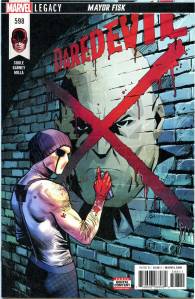
Following the release of Volume 5, Issue 28, much like with other Marvel series as part of the Marvel Legacy event, the Daredevil series official numbering was rebooted back to the original numbering which started with Issue 595 which was released on November 8, 2017, where Daredevil’s longtime nemesis the Kingpin became the Mayor of New York City and begins a campaign to make costumed vigilantes officially criminals. Although Murdock’s attempt to set up a sting operation results in his allies being arrested when the Kingpin turns this trap against him, Fisk’s legal manipulations work against him when he is attacked by the Hand, leaving Fisk in a coma and Murdock legally mayor of New York from his position as deputy mayor due to a loophole added by a prior administration that had not been amended, allowing Matt to take control of the city and release his fellow heroes to help him stop the Hand.
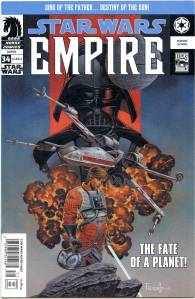
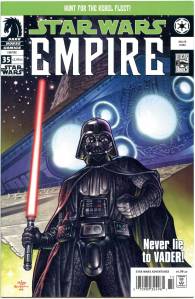
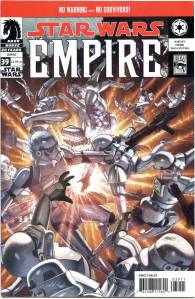
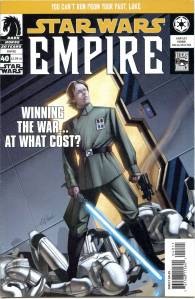
Published by Dark Horse Comics, the first issue was released in September 2002. It ran for 40 issues, and was continued in the Star Wars: Rebellion series.
In the weeks before the events in Star Wars: A New Hope, as the Death Star is readied for its fateful first mission, a power-hungry cabal of Grand Mofs and Imperial Officers embark on a dangerous plan to kill Emperor Palpatine and Darth Vader and seize control of the Empire!
Star Wars – Empire #6 NM $5
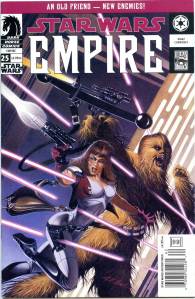
Star Wars – Empire #25 Newsstand Variant VF+ $12
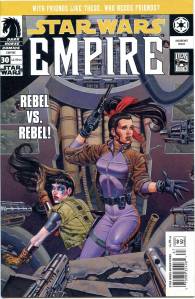
Star Wars – Empire #30 Newsstand Variant NM $29
Star Wars – Empire #31 Newsstand VF $14
Star Wars – Empire #32 Newsstand Variant VF $12
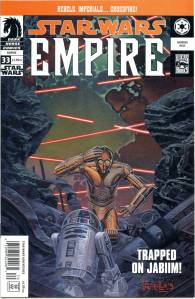
Star Wars – Empire #33 Newsstand Variant NM $9
Star Wars – Empire #34 Newsstand Variant NM $39
Star Wars – Empire #35 Newsstand Variant NM $39
Star Wars – Empire #36 Newsstand Variant VF-NM $14
Talbot Engineering Inc. is under new management – and its brilliant chief scientist, Batya Zahn, will do just about anything to get her family off the icy moon where they’ve been conducting research on water conservation. But there’s more than glacial springs to find in this forgotten corner of the galaxy. When they discover an extraordinary organism buried in the ice, it doesn’t take long for tensions to heat up. What is hidden in the snow comes forth in the thaw – and no one will be welcoming this spring. But Zahn is not willing to give up her work to this unexpected threat without a fight, no matter what horrors emerge from the ice in the black of night.
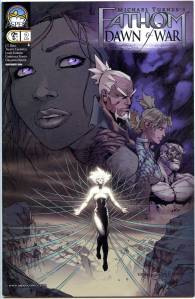
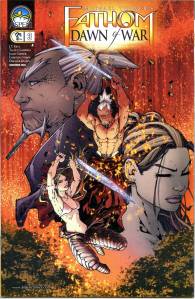
Fathom: Dawn of War bridges the gap between the original series and Fathom vol. 2. The story focuses on the Blue warrior Kiani, who is forced to side with the rebellious councilman Marqueses in order to save her master, Casque, from the clutches of human military scientists. Marqueses has engineered the situation in order to kidnap Casque and to secure the older warrior’s immense power for an offensive against the humans. Kiani tracks down Marqueses and saves Casque only to find he is part of the Black. The Black come for Casque, and he is forced to rejoin them, leaving Kiani angry and lost.
Dawn of War emphasizes Kiani’s loneliness and character development. It also introduces audiences further to the underwater world of the Blue.
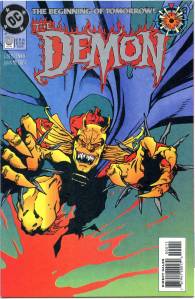
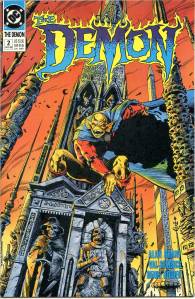
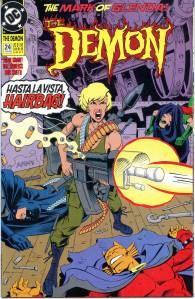
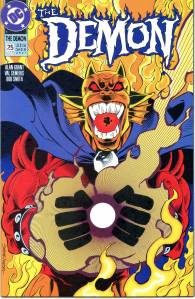
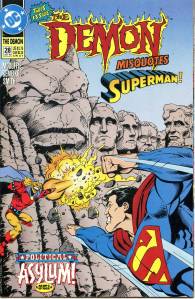
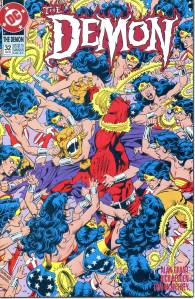
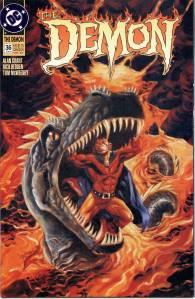
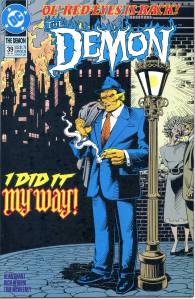
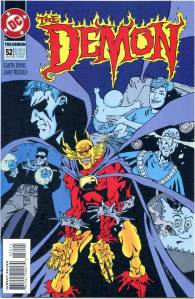
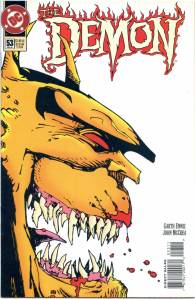
Etrigan the Demon first appeared in The Demon #1 (August 1972) and was created by Jack Kirby. He created the Demon when his Fourth World titles were cancelled. According to Mark Evanier, Kirby had no interest in horror comics, but created Etrigan in response to a demand from DC for a horror character. Kirby was annoyed that the first issue sold so well that DC required him to do sixteen issues and abandon the Fourth World titles before he was done with them.
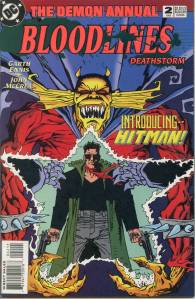
The 1990 series lasted 58 issues, two Annuals and one #0 issue. Garth Ennis took over the title beginning with issue #40. Ennis’ run included the first appearance of his character Hitman.
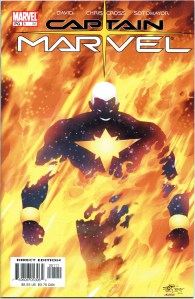
The third Captain Marvel is Genis-Vell, who first appeared in Silver Surfer Annual #6 (1993) using the codename of “Legacy”. The character is the genetically-engineered son of Mar-Vell and his lover Elysius, created from the late Mar-Vell’s cell samples and artificially aged to physical, if not emotional, maturity. Genis, like his father, wears the Nega-Bands, possesses Cosmic Awareness, and is, for a time, bonded with Rick Jones. Although the pair do not get along at first, they eventually become good friends. Genis goes insane and threatens to destroy the universe.
After dying and resurrecting himself—with the secret aid of Baron Helmut Zemo—Genis-Vell joins the Thunderbolts under the name Photon. However, in accelerating his resurrection, Zemo links Genis to the ends of time, causing a degenerative effect on the universe. To prevent the inevitable destruction of all existence, Zemo scatters pieces of Genis-Vell’s body through time and the Darkforce Dimension.
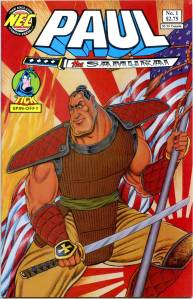
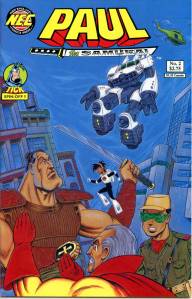
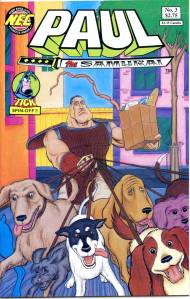
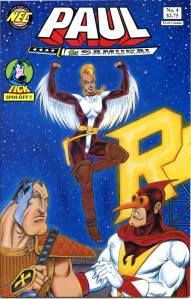
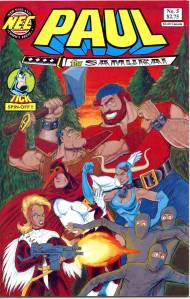
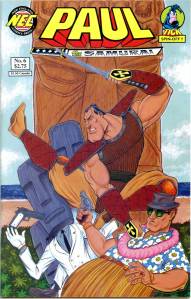
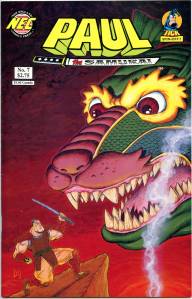
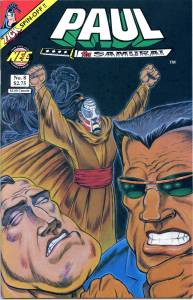
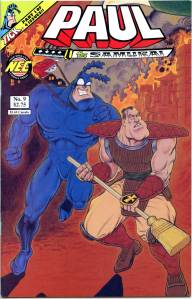
Paul begins adapting to the unusual barbarians inhabiting his new land. He confronts The Detroit Fury a metal monster created by a disgruntled American autoworker; He also encounters THE MITI MEN a superhero group sent from Japan to protect Japanese interests from the Detroit Fury’s attacks!
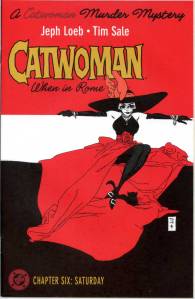
The story features Catwoman, on a trip to Rome to find information concerning her long-lost parents, who she believes to be the crime lord Carmine Falcone and his wife Louisa. The story takes place parallel to the later issues of Batman: Dark Victory.
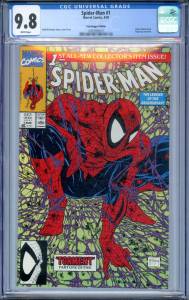
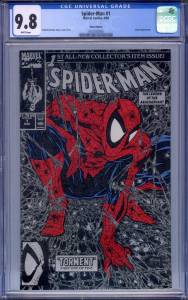
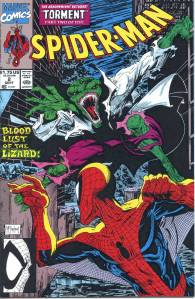
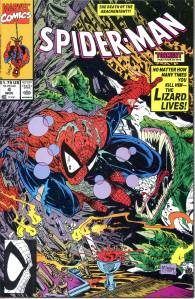
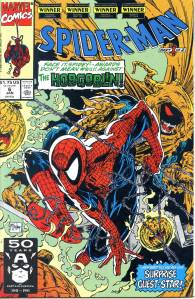
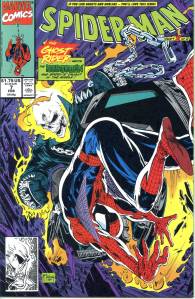
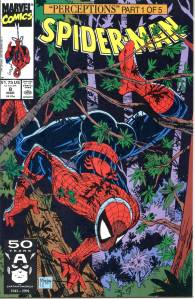
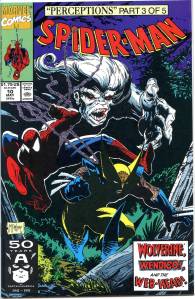
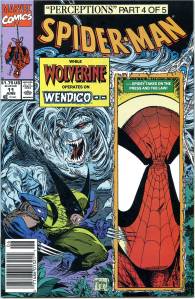
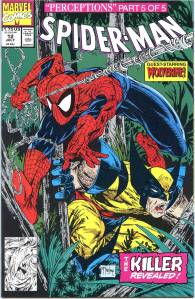
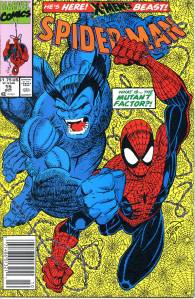
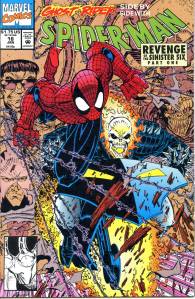
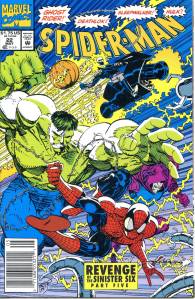
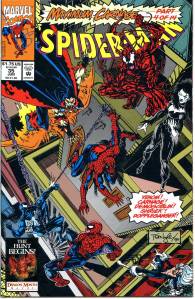
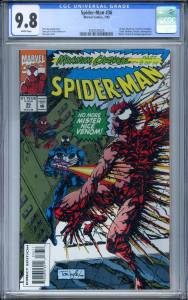
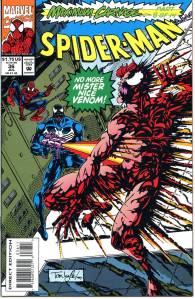
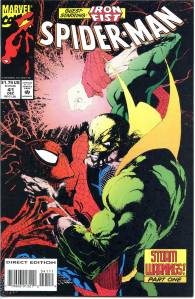
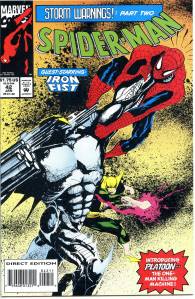
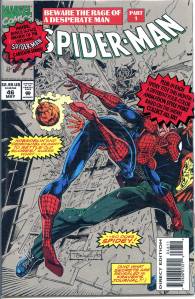
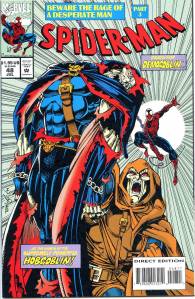
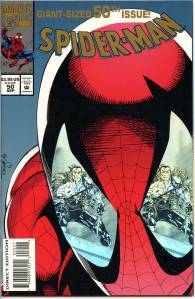
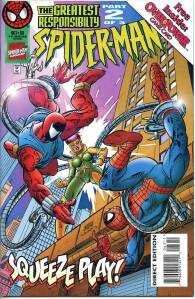
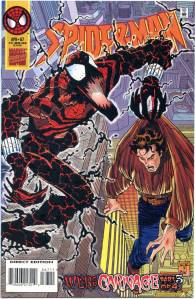
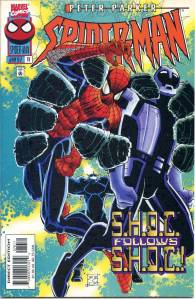
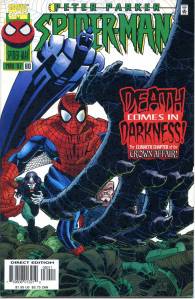
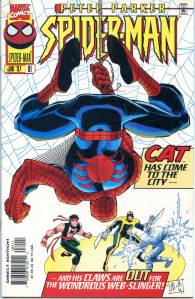
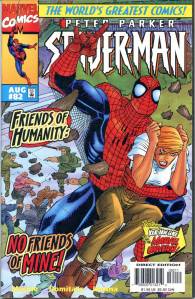
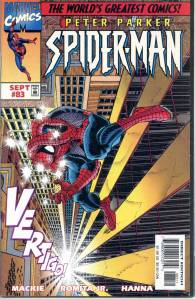
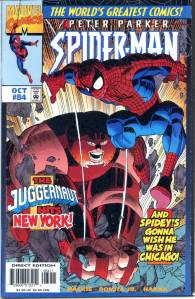
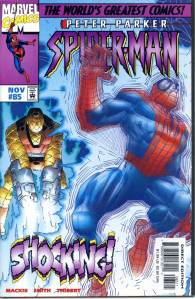
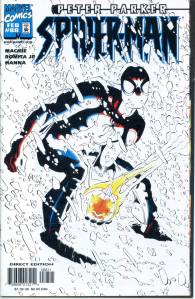
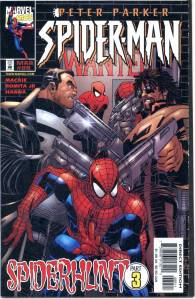
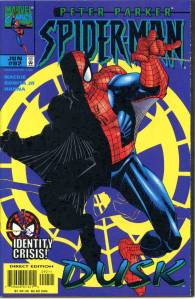
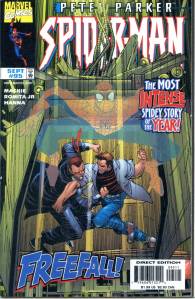
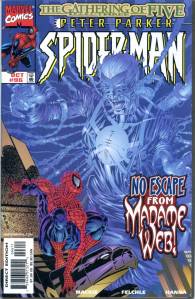
Spider-Man ran for 98 issues from 1990 to 1998. The series was re titled Peter Parker: Spider-Man with issue #75, but only on the covers, the series was still under its original Spider-Man title in the comic’s legal indicia, printed on the title page, from #75 to #98; the comic book would not officially be titled Peter Parker: Spider-Man until the volume 2 series relaunch.
The series originally was conceived as a showcase for Todd McFarlane. McFarlane, who until then had only been known as an artist, was hugely popular at the time and the series was created by editor Jim Salicrup so that McFarlane could pencil, ink, and write a Spider-Man title of his own, starting with the “Torment” storyline.
The series was a massive sales success with over 2.5 million copies printed. McFarlane stayed on the title until issue #16 (November 1991) in which the story was printed in a landscape format. He would go on to create the character Spawn and help found Image Comics in 1992. He was succeeded on the title by Erik Larsen, who had succeeded McFarlane on The Amazing Spider-Man two years earlier, and would later join him in the founding of Image. Larsen wrote and drew the six-issue story arc “Revenge of the Sinister Six” (#18–23). Writer Don McGregor and artist Marshall Rogers crafted a two-part story in issues #27–28 dealing with gun violence.






























 EHT Comics