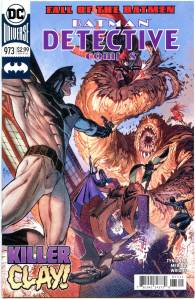
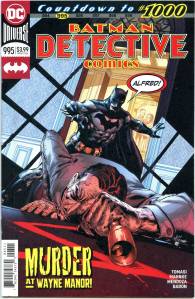
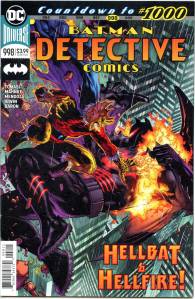
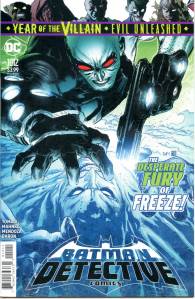
The next regular writer after James Tynion IV was Peter Tomasi who began on the series with issue #994, published December 2018. Tomasi’s run as writer continued for two years until issue #1033, published December 2020.
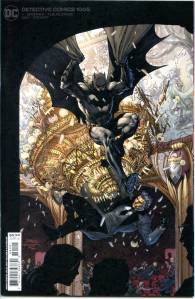
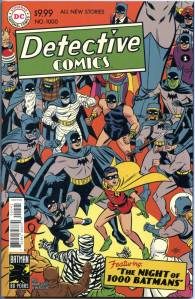
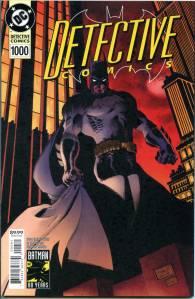
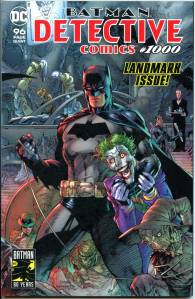
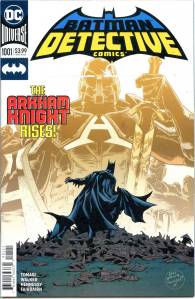
On March 27, 2019, DC Comics released the series’ 1,000th issue, marking the second American comic book in history to reach that milestone after Action Comics in 2018. The issue, which coincided with Batman’s 80th anniversary, is an anthology featuring several stories from a variety of different creative teams.
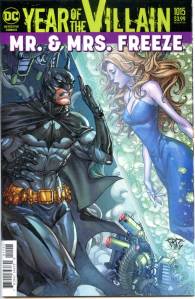
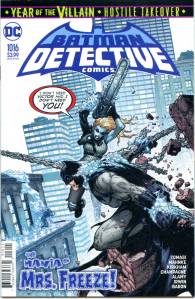
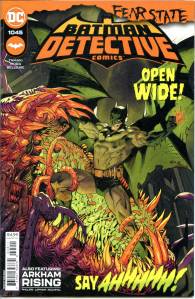
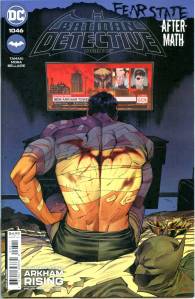
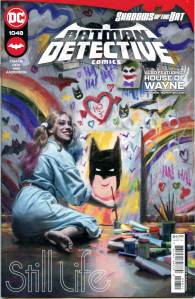
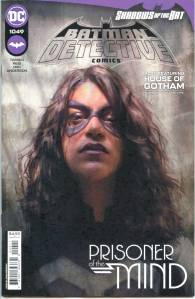
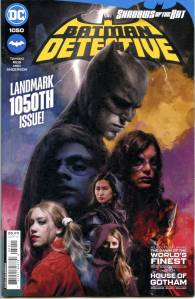
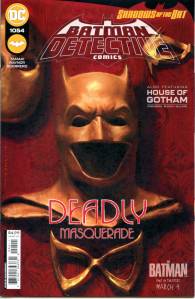
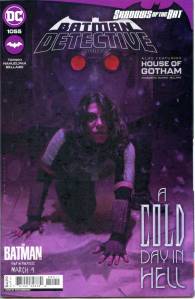
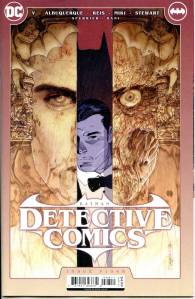
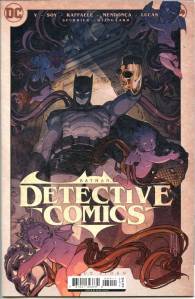
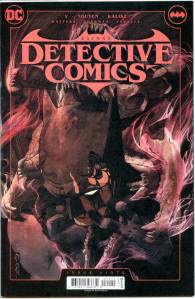
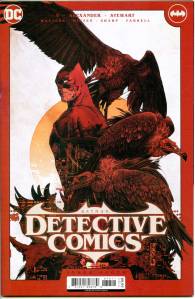
Writer Mariko Tamaki began on the series with issue #1034 as part of the Infinite Frontier line-wide relaunch. In April 2022, it was announced that Ram V and Rafael Albuquerque would serve as the new creative team starting with issue #1062.
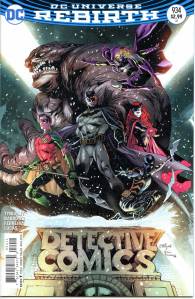
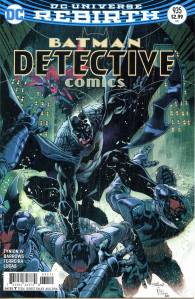
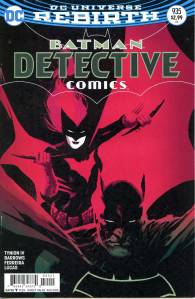
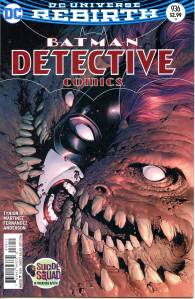
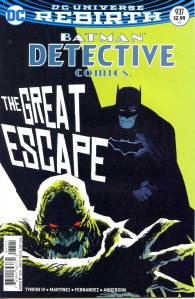
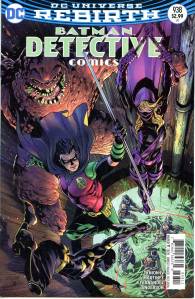
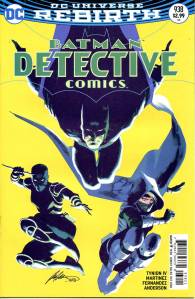
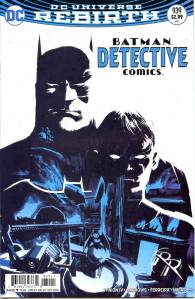
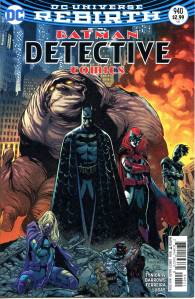
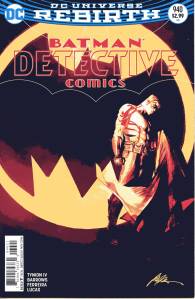
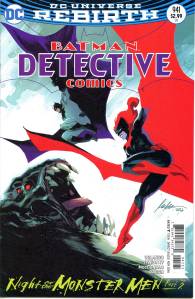
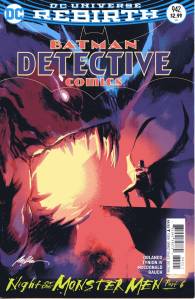
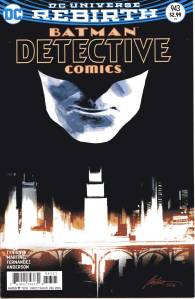
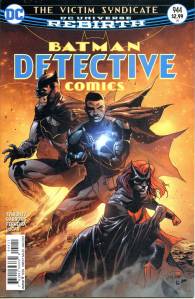
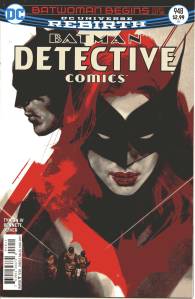
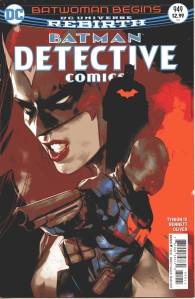
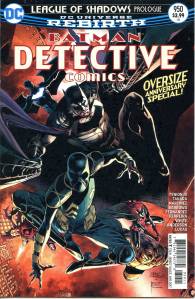
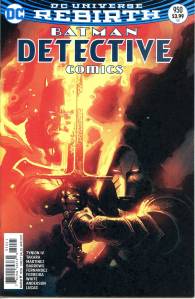
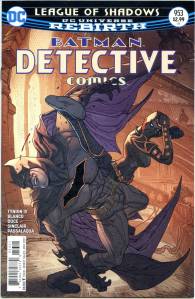
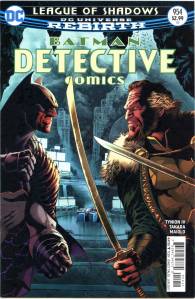
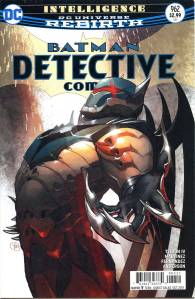
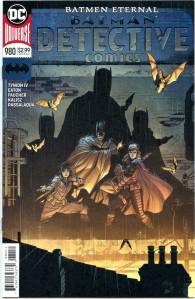
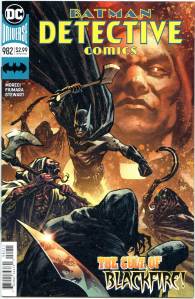
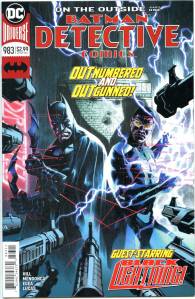
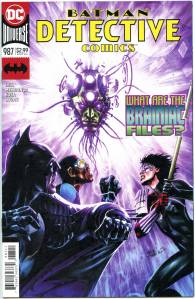
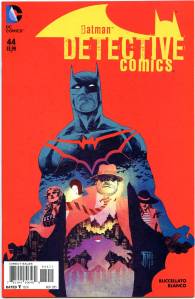
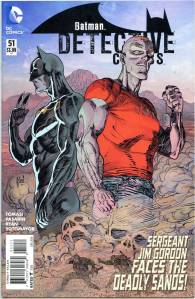
In February 2016, DC Comics announced that as part of the company’s continuity relaunch called DC Rebirth, Detective Comics would resume its original numbering system with June 2016’s #934. Before the New 52, Detective Comics volume 1 had 881 issues, and the New 52’s 52 issues, which ran from 2011 until 2016, were then added back into volume one, making Detective Comics #934 the premier issue following the events of 2016’s DC Rebirth. Writer James Tynion IV and artists Eddy Barrows and Alvaro Martinez are the creative team on the series which is published twice monthly. The series features a team initially consisting of Tim Drake, Stephanie Brown, Cassandra Cain and Clayface, led by Batman and Batwoman, with Batwing (Luke Fox) and Azrael (Jean-Paul Valley) later recruited following Tim’s apparent death and Stephanie leaving the team.
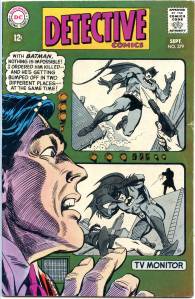
In 1964, Julius Schwartz was made responsible for reviving the fading Batman titles. Writer John Broome and artist Carmine Infantino jettisoned the sillier aspects that had crept into the franchise such as Ace the Bathound and Bat-Mite and gave the character a “New Look” that premiered in Detective Comics #327 (May 1964). Schwartz, Gardner Fox, and Infantino introduced, from the William Dozier produced TV series, Barbara Gordon as a new version of Batgirl in a story titled “The Million Dollar Debut of Batgirl!” in issue #359 (Jan. 1967).Mike Friedrich wrote the 30th anniversary Batman story in Detective Comics #387 (May 1969) which was drawn by Bob Brown.
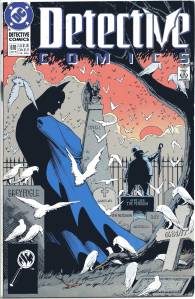
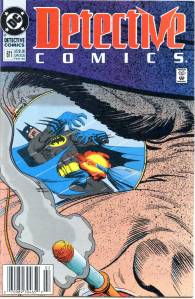
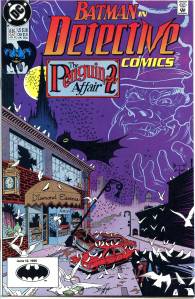
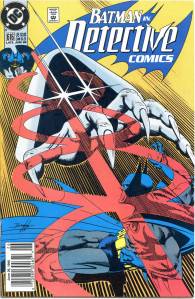
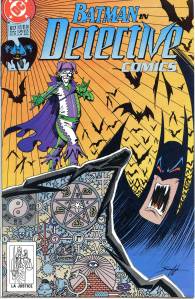
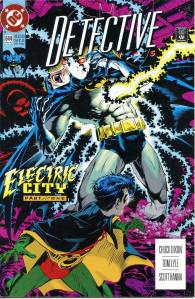
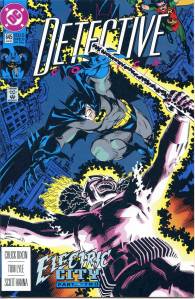
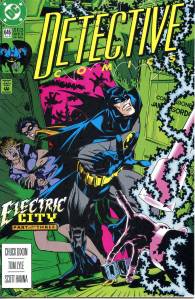
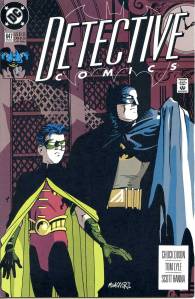
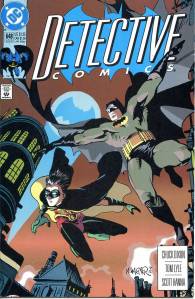
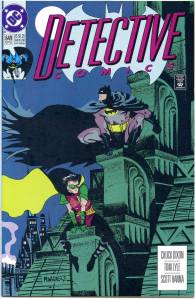
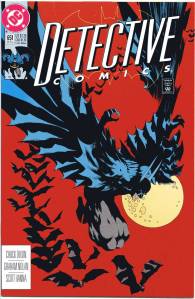
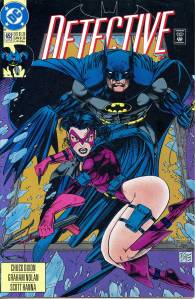
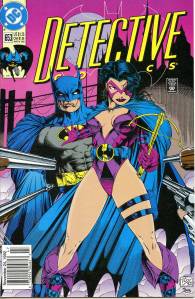
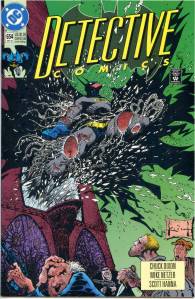
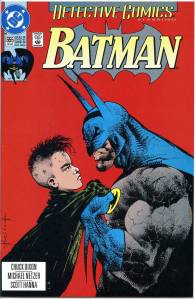
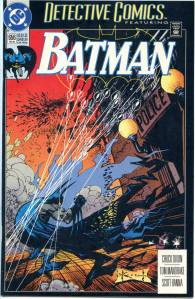
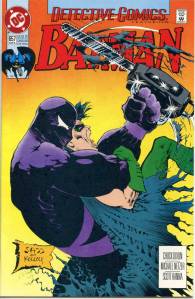
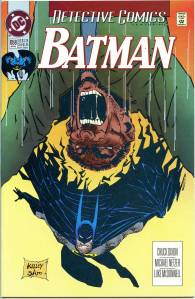
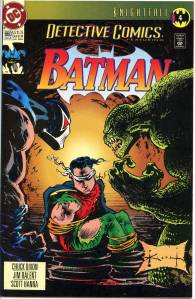
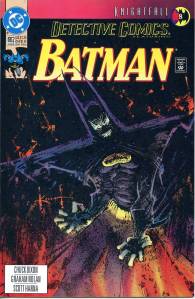
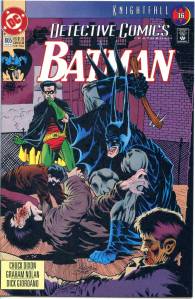
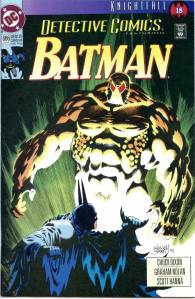
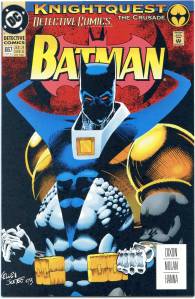
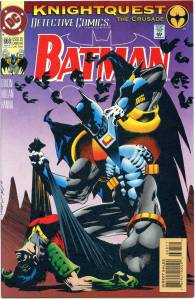
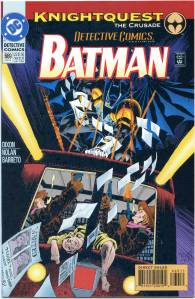
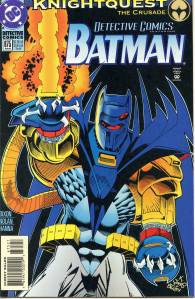
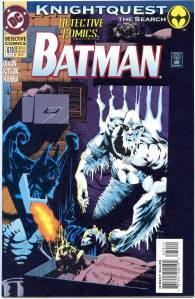
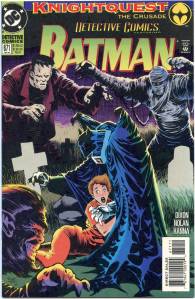
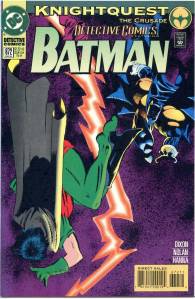
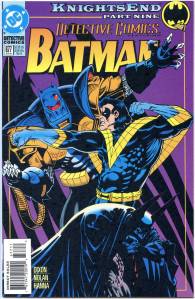
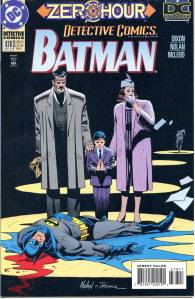
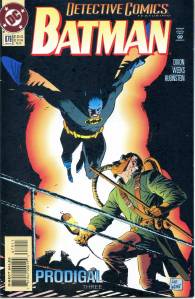
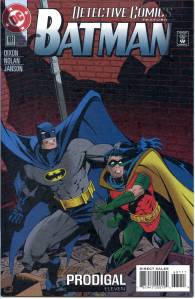
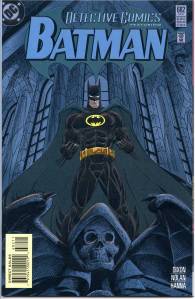
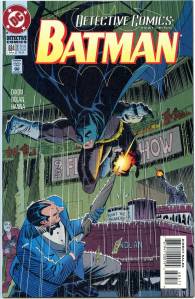
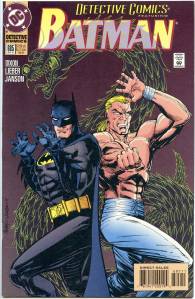
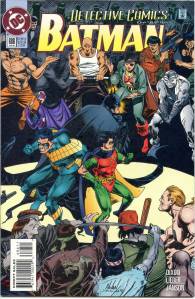
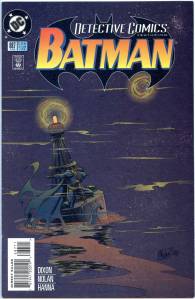
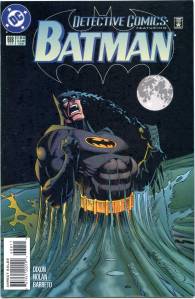
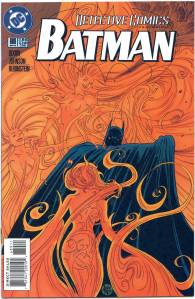
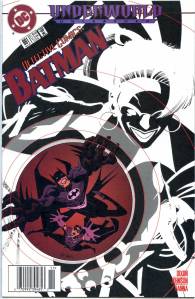
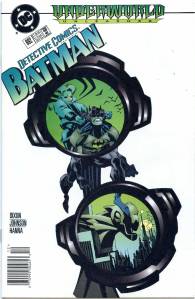
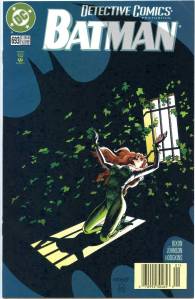
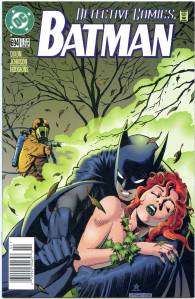
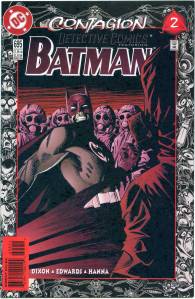
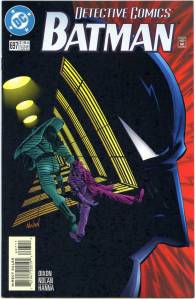
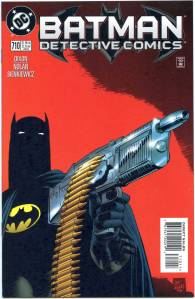
Chuck Dixon became the writer of the series with issue #644 (May 1992). He and Tom Lyle co-created the Electrocutioner in Detective Comics #644 (May 1992) and Stephanie Brown in Detective Comics #647 (August 1992).
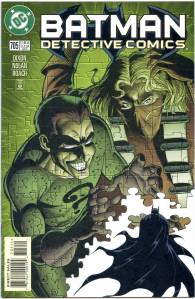
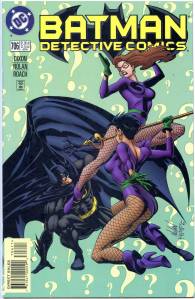
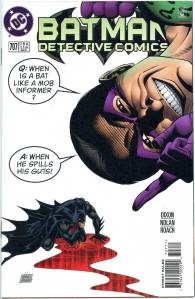
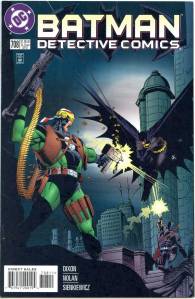
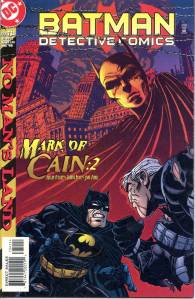
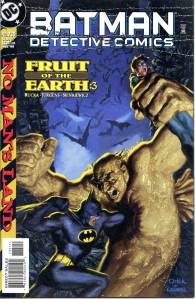
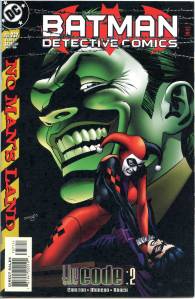
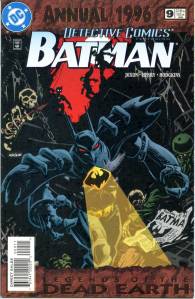
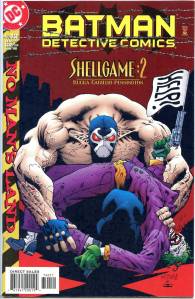
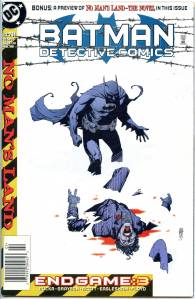
The “Batman: Legacy” storyline began in issue #700 (August 1996). The “No Man’s Land” storyline crossed over into Detective Comics in issues #730–741.
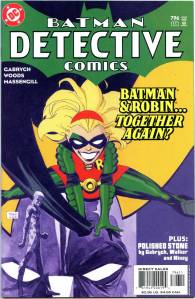
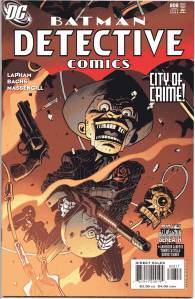
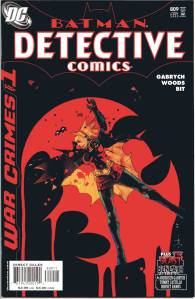
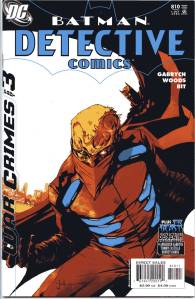
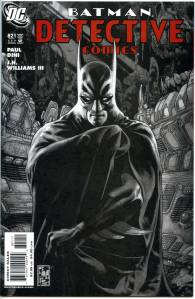
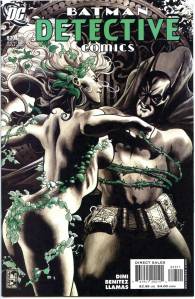
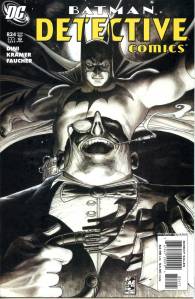
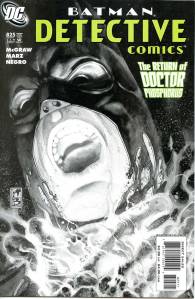
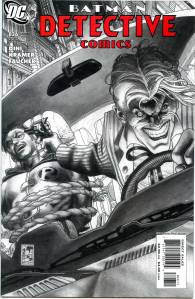
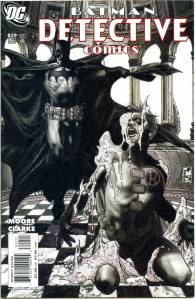
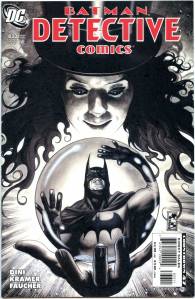
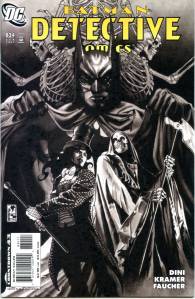
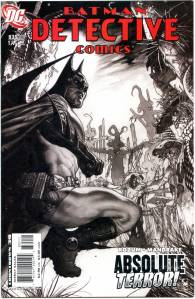
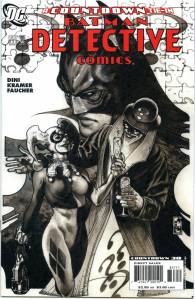
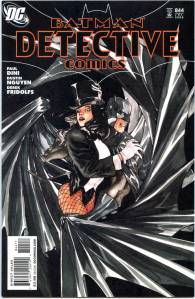
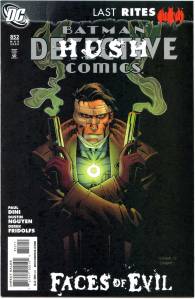
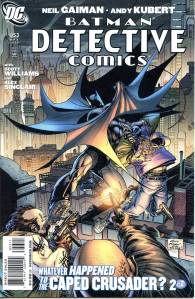
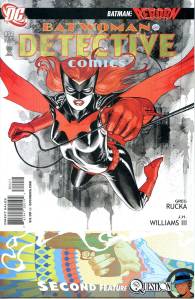
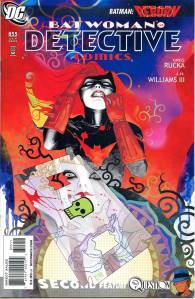
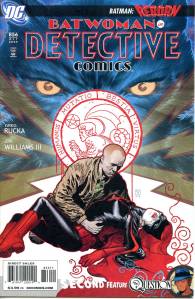
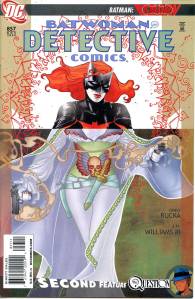
Writer Greg Rucka and artist Shawn Martinbrough became the creative team as of #742 (March 2000) and created the Sasha Bordeaux character is #751 (Dec. 2000). Issue #800 (Jan. 2005) was written by Andersen Gabrych and drawn by Pete Woods. Paul Dini became the writer of the series as of issue #821 (Sept. 2006) and created a new version of the Ventriloquist in #827 (March 2007).
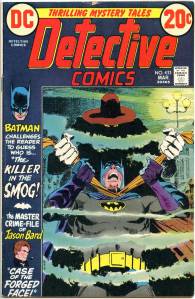
Writer Dennis O’Neil and artist Neal Adams had their first collaboration on Batman on the story “The Secret of the Waiting Graves” in issue #395 (Jan. 1970). The duo, under the direction of Schwartz, would revitalize the character with a series of noteworthy stories reestablishing Batman’s dark, brooding nature and taking the books away from the campy look and feel of the 1966–68 ABCTV series. Comics historian Les Daniels observed that “O’Neil’s interpretation of Batman as a vengeful obsessive-compulsive, which he modestly describes as a return to the roots, was actually an act of creative imagination that has influenced every subsequent version of the Dark Knight.” Adams introduced the Man-Bat with writer Frank Robbins in Detective Comics #400 (June 1970). O’Neil and artist Bob Brown crafted Batman’s first encounter with the League of Assassins in Detective Comics #405 (Nov. 1970) and created Talia al Ghul in issue #411 (May 1971).
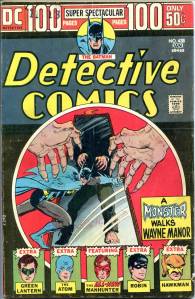
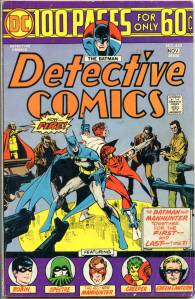
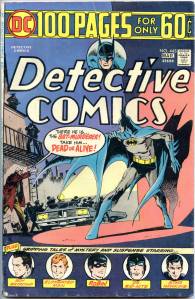
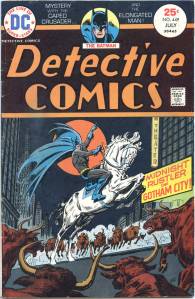
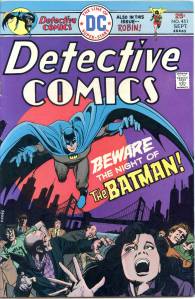
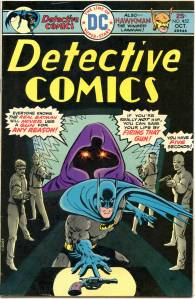
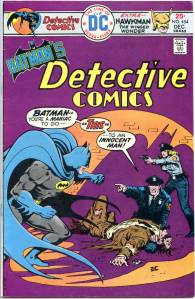
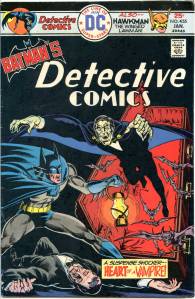
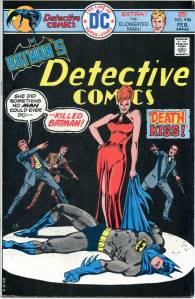
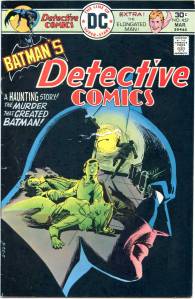
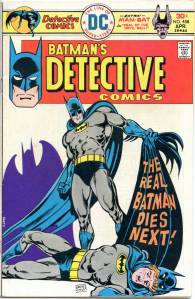
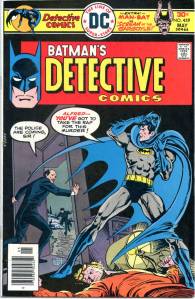
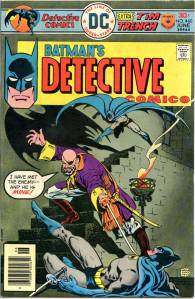
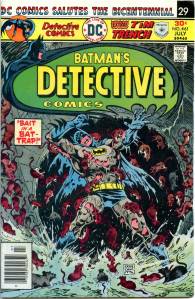
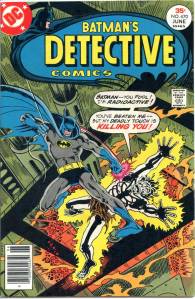
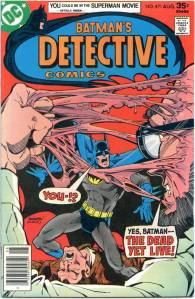
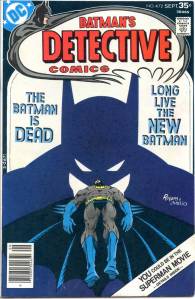
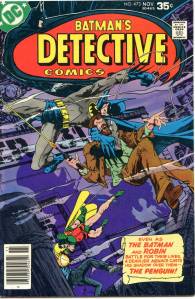
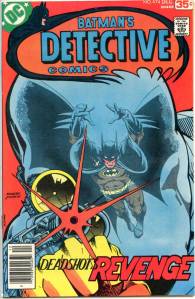
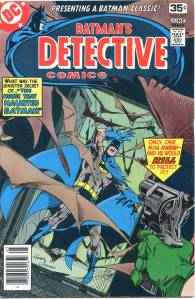
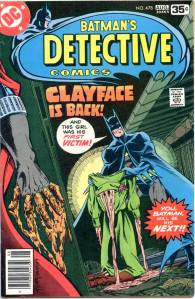
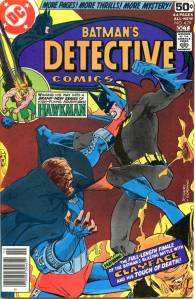
After publishing on a monthly schedule throughout its run, Detective Comics became a bi-monthly book from issues #435 (June–July 1973) to #445 (Feb.-March 1975). Issues #438 (Dec. 1973-Jan. 1974) to #445 (Feb.–March 1975) of the series were in the 100 Page Super Spectacular format. O’Neil and artist Dick Giordano created the Batman supporting character Leslie Thompkins in the story “There Is No Hope in Crime Alley” appearing in issue #457 (March 1976). Writer Steve Englehart and artist Marshall Rogers produced an acclaimed run of Batman stories in Detective Comics #471–476 (Aug. 1977 – April 1978), and provided one of the definitive interpretations that influenced the 1989 Batman movie and would be adapted for the 1990s animated series. The Englehart and Rogers pairing, was described in 2009 by comics writer and historian Robert Greenberger as “one of the greatest” creative teams to work on the Batman character. In their story “The Laughing Fish”, the Joker is brazen enough to disfigure fish with a rictus grin, then expects to be granted a federal trademark on them, only to start killing the bureaucrats who try to explain to him that obtaining such a claim on a natural resource is legally impossible. Writer Len Wein and Rogers co-created the third version of the supervillain Clayface in Detective Comics #478 (July–Aug. 1978). The original Katherine Kane also known as “Batwoman” was killed in the lead story in issue #485 (Aug.–Sept. 1979) by the League of Assassins.
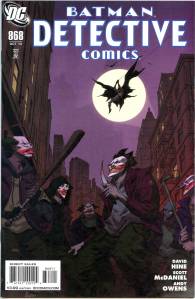
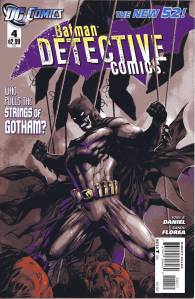
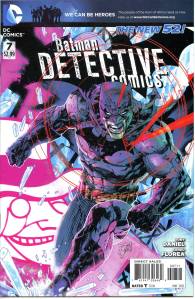
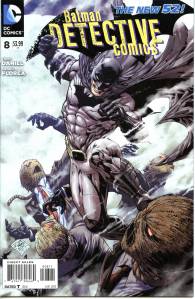
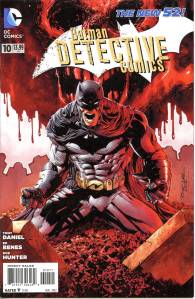
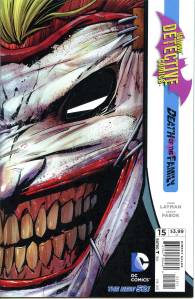
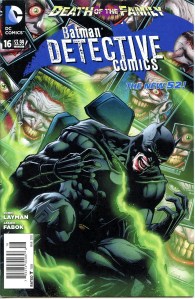
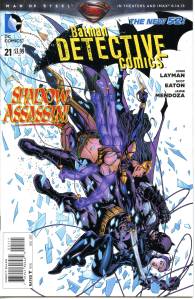
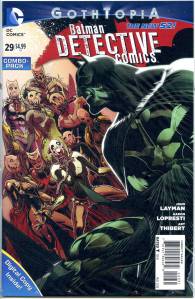
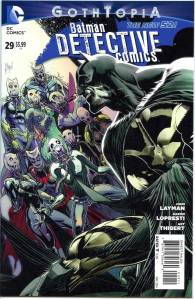
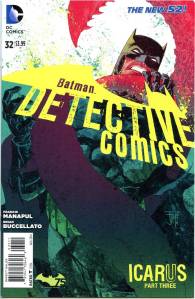
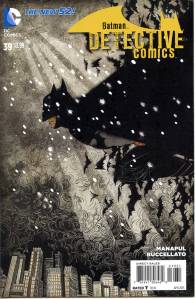
Detective Comics #1 vol. 2 (Nov. 2011) is the relaunch of Detective Comics. Story by Tony Daniel; art by Tony Daniel and Ryan Winn. The first issue of the relaunched Detective Comics has received six printings, second only to the relaunched Justice League which had seven printings.The series seventh issue was also DC Comic’s sixth highest selling digital comic, ranking above many other series in the Batman category.Scott West of Sciencefiction.com gave the series’ third arc a positive review, stating that “After last month’s disappointing ‘Night of the Owls’ tie-in issue, it’s nice to see ‘Detective Comics’ getting back to where it should be… good detective stories.”The relaunched Detective Comics received the award for “Best Series” at the 2012 Stan Lee Awards. The series’ first collected edition would reach the number one spot on The New York Times Best Seller list in the category of “Hardcover Graphic Books”.
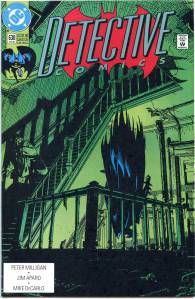
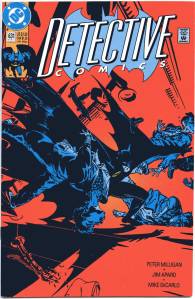
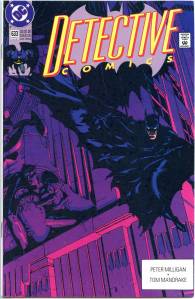
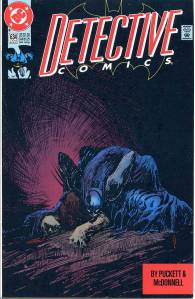
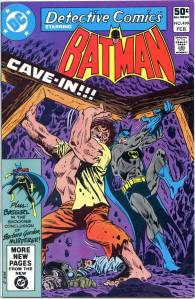
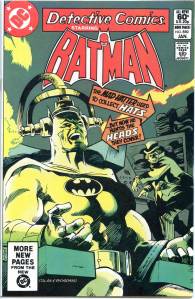
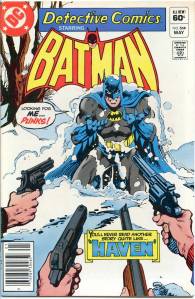
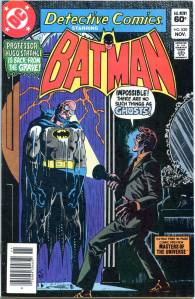
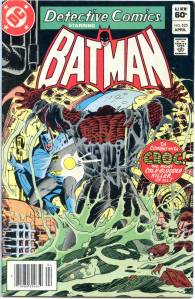
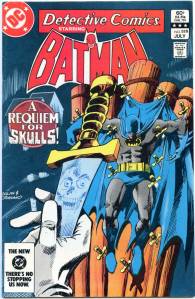
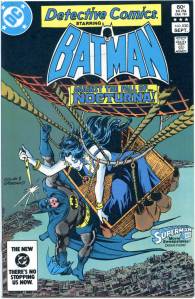
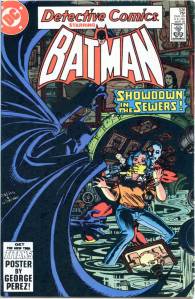
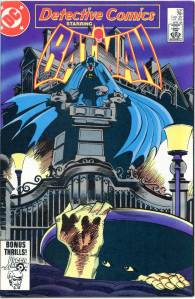
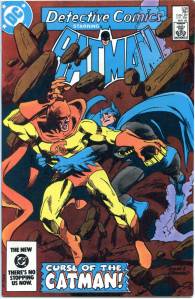
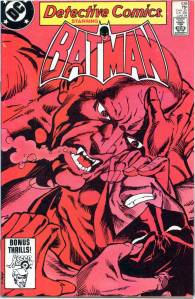
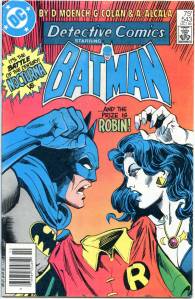
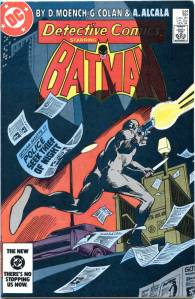
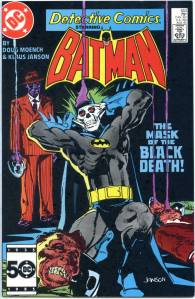
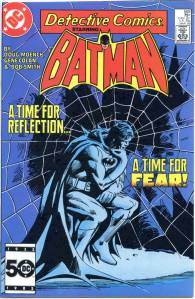
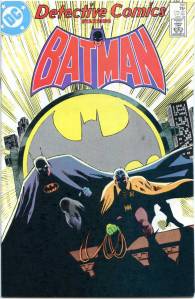
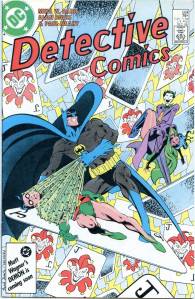
The title’s 500th issue (March 1981) featured stories by several well-known creators including television writer Alan Brennert and Walter B. Gibson best known for his work on the pulp fiction character The Shadow. Also used during the 1980s was the use of serialization of the main Batman story, with stories from Detective Comics and Batman directly flowing from one book to another, with cliffhangers at the end of each book’s monthly story that would be resolved in the other title of that month. A single writer handled both books during that time beginning with Gerry Conway and followed up by Doug Moench. The supervillain Killer Croc made a shadowy cameo in issue #523 (Feb. 1983). Noted author Harlan Ellison wrote the Batman story in issue #567.











































































 EHT Comics