The JSA remained inactive for some time after the events of “Zero Hour“, but the surviving members (the Flash, Wildcat, and Alan Scott, (now going by the name Sentinel) have remained active throughout the DC Universe, having been placed as reserve JLI members, as evidenced in Justice League Europe #50.
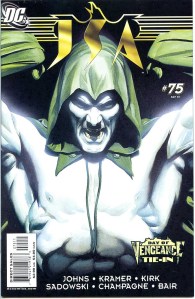
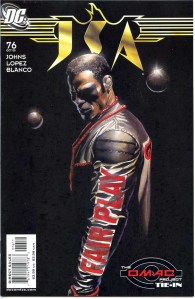
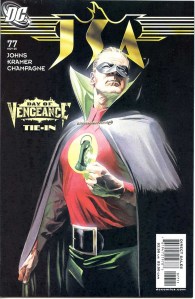
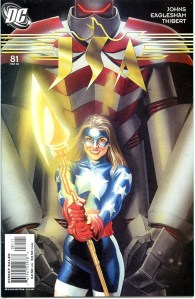
The Justice Society was revived as a monthly series called JSA in 1999 which mixed the few remaining original members with younger counterparts. This incarnation of the team focused on the theme of generational legacy and of carrying on the heroic example established by their predecessors. The series was launched by James Robinson and David S. Goyer. Goyer later co-wrote the series with Geoff Johns, who continued to write the series solo after Goyer’s departure. The series featured the art of Stephen Sadowski, Leonard Kirk, and Don Kramer, among others. It featured a story by Pulitzer Prize winner Michael Chabon.
During the events of Infinite Crisis, some of the surviving Golden Age characters, such as Wildcat and the Flash, are transported to the new “Earth-Two”, as created by Alexander Luthor, and seem to recall the existence of the original one, albeit vaguely.
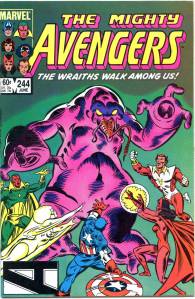
The first major development of the 80’s was the breakdown of Henry Pym, with his frequent changes of costume and name being symptomatic of an identity problem and an inferiority complex. After he abused his wife, failed to win back the confidence of the Avengers with a ruse and was duped by the villain Egghead, Pym was jailed. Pym would later outwit Egghead and defeated the latest incarnation of the Masters of Evil single-handedly, and proved his innocence. Pym reconciled with the Wasp, but they decided to remain apart. Pym retired from super-heroics, but returned years later.
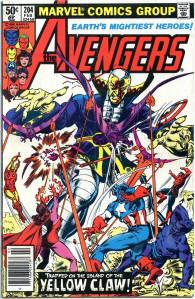
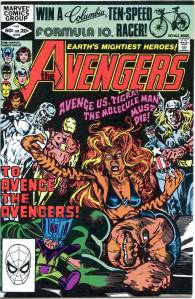
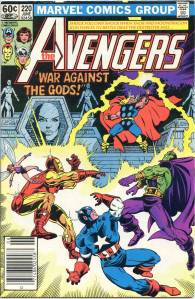
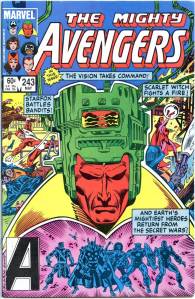
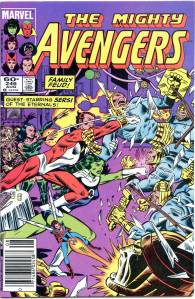
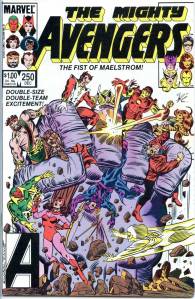
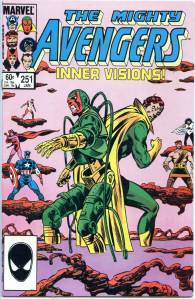
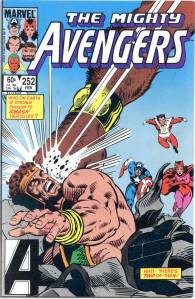
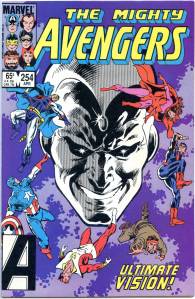
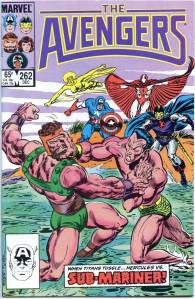
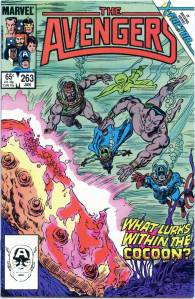
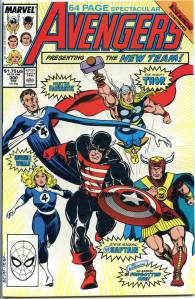
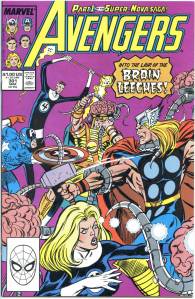
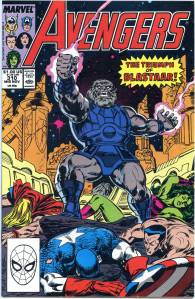
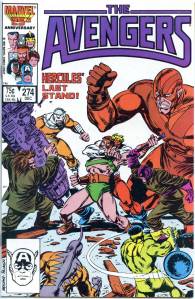
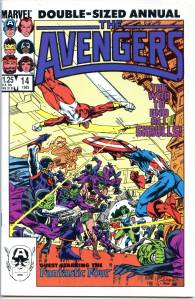
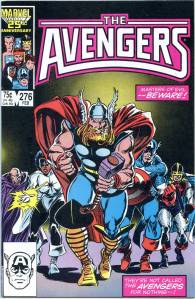
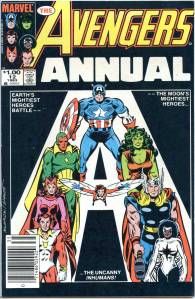
This was followed by several major storylines, such as “Ultimate Vision” in which the Vision took over the world’s computer systems in a misguided attempt to create world peace; the formation of the West Coast Avengers; and “Avengers Under Siege” which involved the second Baron Zemo and the Masters of Evil taking over the mansion and severely injuring Jarvis and Hercules. “Assault on Olympus” featured Hercules’ father, Zeus, blaming the Avengers for his son’s injuries and brought them to Olympus for trial, and the “Heavy Metal” arc saw the Super Adaptoid organized several robotic villains for an assault on the team. New members during the 1980s included Tigra; the She-Hulk;Monica Rambeau (then going by the name Captain Marvel);Starfox (the brother of Thanos); Hawkeye’s wife, Mockingbird; and Namor, while Henry Pym emerged from retirement to join the West Coast Avengers. Spider-Man was again offered membership, but failed to gain admission due to security concerns by the Avengers’ government liaison.
The villain Nebula falsely claimed to be the granddaughter of Thanos. The team relocated for a period to a floating island off the coast of New York called Hydrobase after Avengers Mansion was severely damaged during the events in “Under Siege”. Hydrobase was later sunk during the Acts of Vengeance crossover.
In 1997, Deadpool was given his own ongoing title, initially written by Joe Kelly, with then-newcomer Ed McGuinness as an artist. Deadpool became an action comedy parody of the cosmic drama, antihero-heavy comics of the time. The series firmly established his supporting cast, including his prisoner/den mother Blind Al and his best friend Weasel. The ongoing series gained cult popularity for its unorthodox main character and its balance of angst and pop culture slapstick and the character became less of a villain, though the element of his moral ambiguity remained. The writer Joe Kelly noted, “With Deadpool, we could do anything we wanted because everybody just expected the book to be cancelled every five seconds, so nobody was paying attention. And we could get away with it.”
The series was taken over by Christopher Priest who noted that he found Kelly’s issues to be “complex and a little hostile to new readers like me” and that by issue 37, he realized that “it was okay to make Deadpool look stupid.”
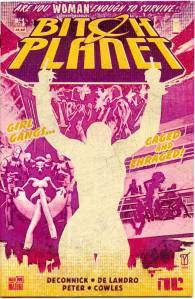
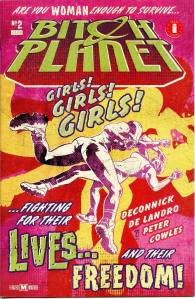
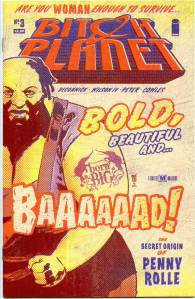
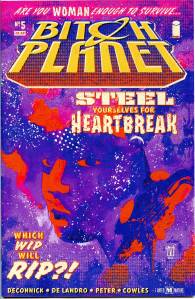
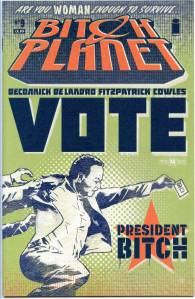
The series focuses on a number of women who have been imprisoned at an off-planet prison known as the Auxiliary Compliance Outpost for being “non-compliant.” Narrative arcs move back and forth through time, presenting how the women were arrested in the first place as well as their various experiences within the prison.
In the darkly humorous Lobo’s Back, Lobo is killed over and over again by one of his quarries but is refused entrance to both Heaven and Hell. As a result, the Main Man finds himself reincarnated in various forms, among them a woman and a squirrel. Furious but unfazed by his less than appealing new identities, the bounty hunter continues his mission.
More than 1,000 issues were published, usually with multiple titles released every month. An exact accounting of the actual number of unique issues produced is difficult because occasional issue numbers were skipped and a number of reprint issues were also included. Nonetheless, the Overstreet Comic Book Price Guide lists well over 1,000 individual issues, ending with #1354. It currently holds the record for most issues produced of an American comic book; its nearest rivals, Action Comics and Detective Comics, ended their initial runs in 2011 at 904 issues and 881 issues, respectively. The first 25 issues are known as “series 1”; after they were published, the numbering began again and “series 2” began. Four Color published many of the first comics featuring characters licensed from Walt Disney.
Four Color #638 F+ $14
The Two Mouseketeer’s Dell Four Color Comics #642 VF $24
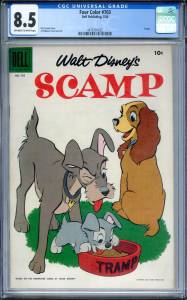
Four Color #703 CGC 8.5 Off White to White Pages $95
Four Color Comics #1078 G $8
Four Color #1173 F+ $69
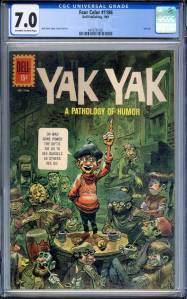
Four Color #1186 CGC 7.0 Off-White to White Pages $95
Tomb of Darkness, published by Marvel, continues from the “Beware” title with issue #9. The series ran 14 issues from July 1974 to November 1976 and contained various Atlas horror reprints.
Doomsday: Year One is a 1995 comic book one-shot annual, which tells stories about the character of Doomsday. Thus far, it is the only comic book released which is entirely about Doomsday. In this issue, Doomsday meets Darkseid for the first time and fights the Green Lantern Corps.
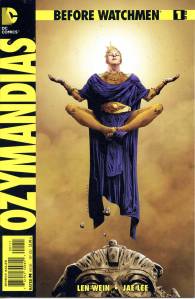
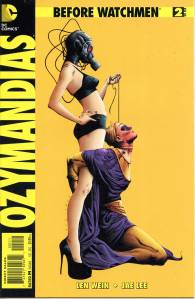
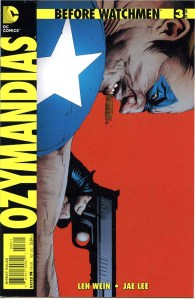
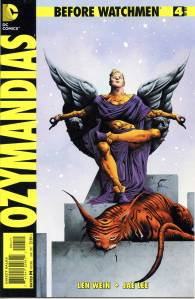
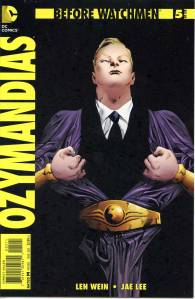
As he awaits the final moment for his master plan to come together, Ozymandias reflects on what brought him there and makes an autobiographical recording of his life that spans 1939-1985 (when the story of Watchmen takes place). We see his early studies and adventures, the beginnings of his financial empire and his crime-fighting career, and his first unnerving encounters with The Comedian and Doctor Manhattan—the latter of which prompted him to build his Antarctic fortress of Karnak, aid in resolving the Cuban Missile Crisis, and retire from crime-fighting to concentrate on saving the world at any cost. The story debuted to mostly positive reviews.































 EHT Comics