The series began by introducing Shang-Chi as a man raised by his father Fu Manchu to be the ultimate assassin for the would-be world conqueror. In Shang-Chi’s first mission, he kills one of his father’s old enemies, Dr. Petrie, and learns of Fu Manchu’s true, evil nature. Disillusioned, Shang-Chi swears eternal opposition to his father’s ambitions and fights him as an agent of British intelligence, under the orders of Sir Denis Nayland Smith.
The series was an instant sales success. However, Englehart and Starlin would depart the series after their third issue, Master of Kung Fu # 17; Englehart over editorial disputes with then Marvel editor Roy Thomas while Starlin, who was unfamiliar with Fu Manchu up until working on the second issue of the series, left out of embarrassment over the racist nature of the Rohmer novels. Despite the title’s co-creators’ early departure, its success grew once writer Doug Moench and artist Paul Gulacy, began collaborating in issues #22. Comics historian Les Daniels observed that “Ingenious writing by Doug Moench and energetic art by Paul Gulacy brought Master of Kung Fu new life.” Their critically acclaimed run continued, with short gaps, until #51 when Gulacy was replaced by artist Jim Craig. Craig was later succeeded by Mike Zeck who became the regular penciller in issue #64 (1978).
Madman first appeared as Frank Einstien in Creatures of the Id and Grafik Muzik published in 1990, but it wasn’t until March 1992 that the first Madman miniseries debuted from Tundra Publishing. The series gained further recognition with its move to Dark Horse Comics in April 1994, where it was relaunched as Madman Comics and went on to be nominated for several Harvey Awards. Madman Comics ran for 20 issues and ended in 2000. From 2007–2009, Image Comics published Madman: Atomic Comics for 17 issues.
Supergirl (Volume 2) was published from November of 1982 until September of 1984, spanning a total of 23 issues. The series was initially entitled, the Daring New Adventures of Supergirl, but shortened the title to simply, Supergirl, with issue #13. This was the last regular comic series to feature the Pre-CrisisKara Zor-El as Supergirl.
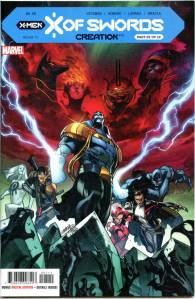
It is discovered that the first incarnation of the Horsemen are actually the biological children of Apocalypse and his wife Genesis who was also sent with Arakko. Following that, Apocalypse went to the Summoner and directed him to the portal to Otherworld where he could return to Arakko, while being accompanied by Unus and Banshee. However, what Apocalypse didn’t expect was that this was all an elaborated plan created by his own children so they could return and overthrow Krakoa with their fellow Arakki mutants and Daemon army. Apocalypse himself was soon attacked and critically injured by his daughter War, being forced to retreat back to Krakoa to heal their wounds and prepare for war between the two groups.
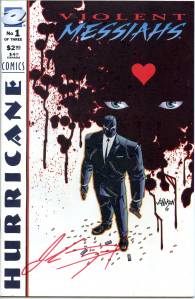
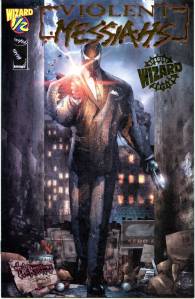
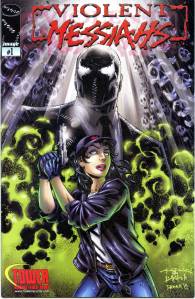
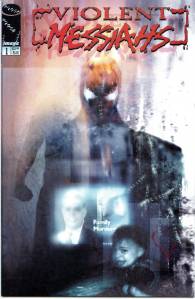
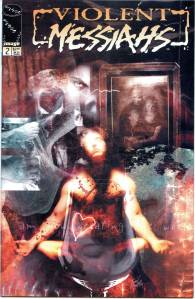
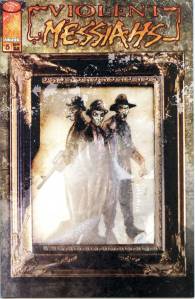
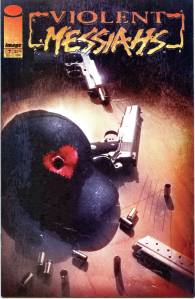
Violent Messiahs is an series created by Joshua Dysart and William O’Neil and published by Image Comics. The comic takes place in a fictional city known as Rankor Island, and focused on the Rankor PD’s attempts to bring in Rankor’s vigilantes. The most prominent characters are Lt. Cheri Major and Detective Ernest Houston, the two cops leading the investigations, Family Man, a serial killer who attacks bad parents, and Citizen Pain, a giant, dark figure who was the most prominent vigilante in Rankor.
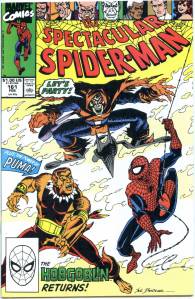
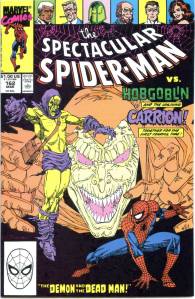
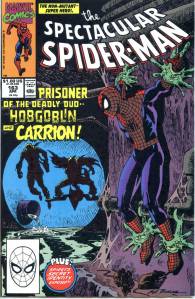
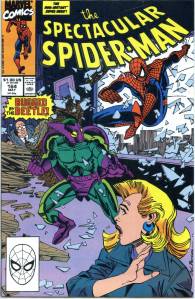
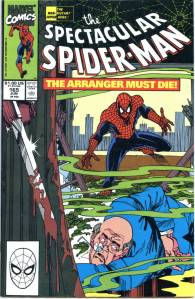
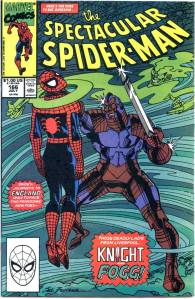
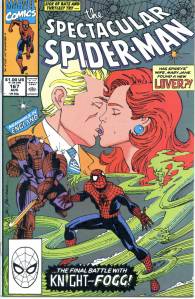
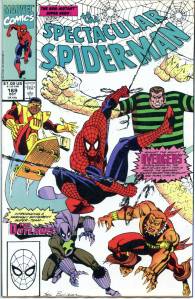
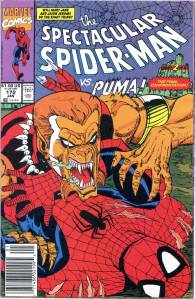
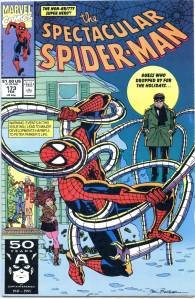
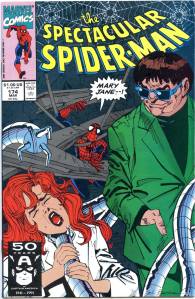
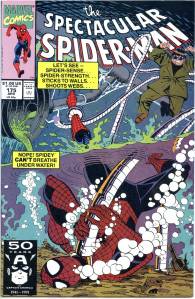
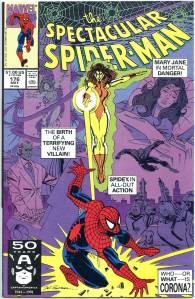
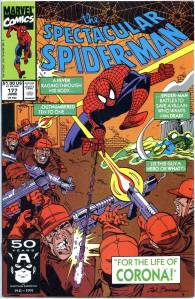
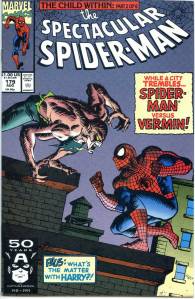
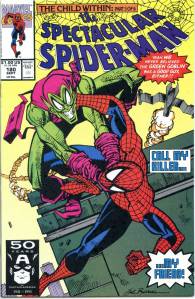
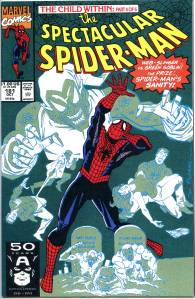
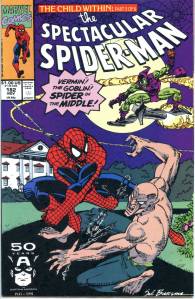
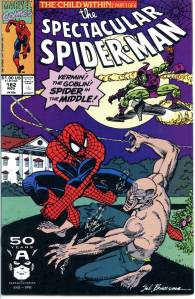
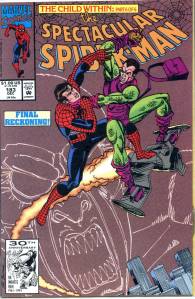
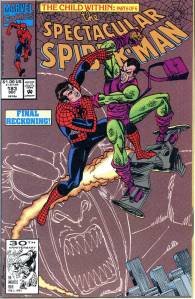
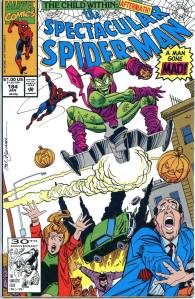
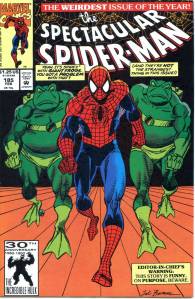
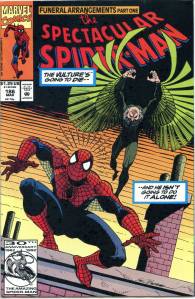
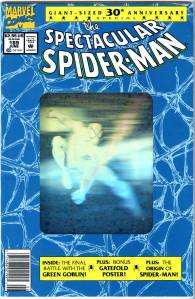
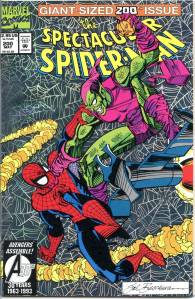
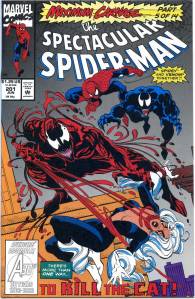
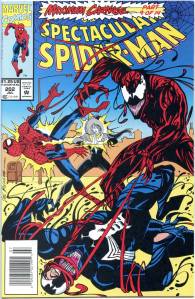
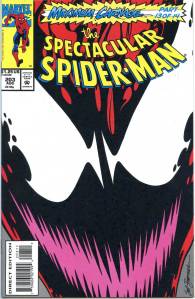
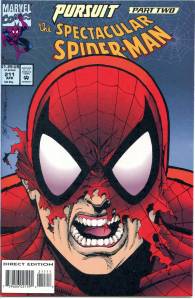
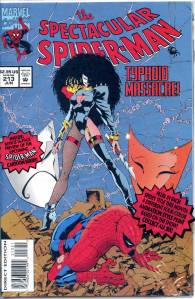
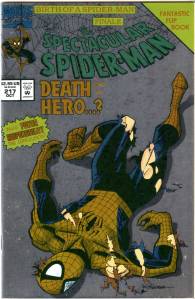
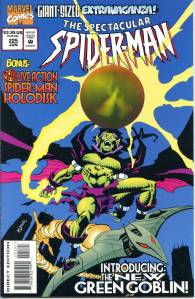
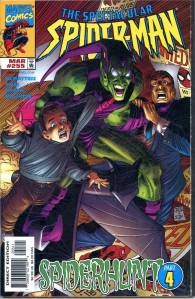
J. M. DeMatteis became the regular writer in mid-1991, injecting a grim, psychological tone into the series. DeMatteis began his run with the story arc “The Child Within” (#178–184, July 1991-Jan. 1992), featuring the return of the Harry OsbornGreen Goblin. As written by DeMatteis, Harry sank further into insanity and gained the same super-strength possessed by his father, battling Spider-Man again in #189 (June 1992), before being killed in #200 (May 1993). In an undated 2000s interview, DeMatteis said, “I really loved the two years on Spectacular Spider-Man that I wrote with Sal Buscema drawing. Talk about underrated! Sal is one of the best storytellers and a wonderful collaborator. I loved that run.”
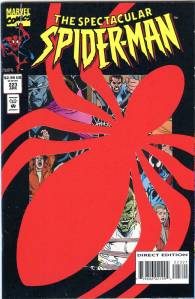
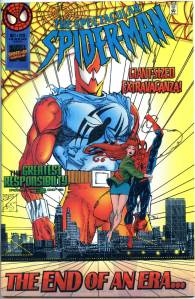
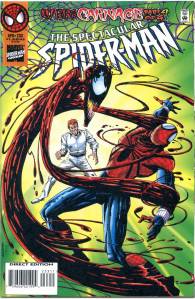
DeMatteis left the book in mid-1993 to write The Amazing Spider-Man. Steven Grant and other writers followed through late 1994, when formerAmazing Spider-Man writer Tom DeFalco took over. By this time, all the Spider-books were affected by the controversial “Clone Saga” that culminated with Spectacular Spider-Man #226 (July 1995). This story revealed (though it was later reversed) that the Spider-Man who had appeared in the previous 20 years of comics was a clone of the real Spider-Man. This tied into a publishing gap after #229 (Oct. 1995), when the title was temporarily replaced by The Spectacular Scarlet Spider #1–2 (Nov.-Dec. 1995), featuring the “original” Peter Parker. The series picked up again with #230 (Jan. 1996).
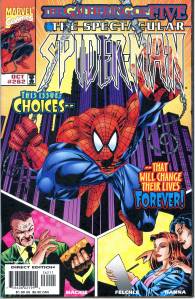
Todd DeZago then wrote for a year before DeMatteis returned through May 1998. Luke Ross succeeded Sal Buscema as the artist and remained until the series ended, but there was no regular writer for the last half-year with Glenn Greenberg, Roger Stern, John Byrne and Howard Mackie all contributing during this time. The final issue was #263 (Nov. 1998).
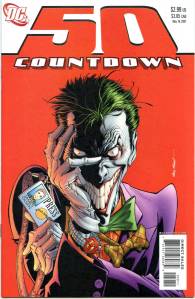
Countdown consists of 51 issues, number in reverse, published weekly for one year, crossing over with noteworthy and significant titles published by DC. The series covers much of the fictional DC Universe, told in parallel narratives, through the interconnecting stories of a cast of characters, and frequently crosses over with various other DC titles. Unlike the 52 limited series of the previous year, Countdown is not depicted as taking place in “real time” but presumably operates on the same floating timeline as DC Comics stories in general.
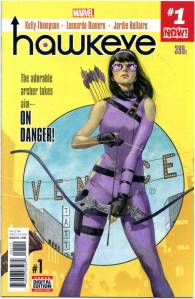
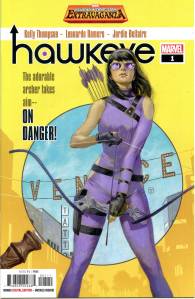
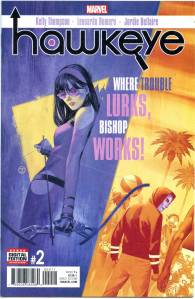
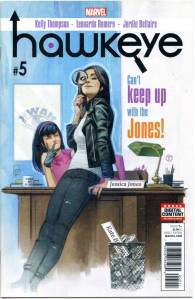
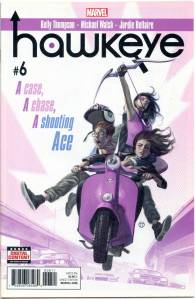
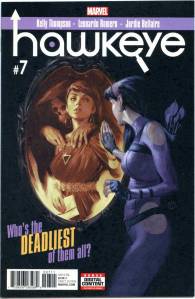
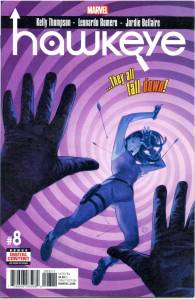
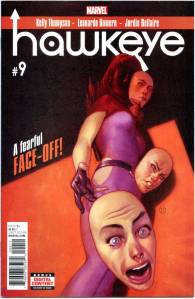
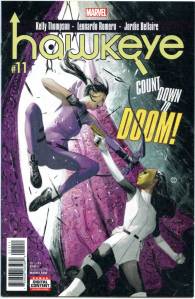
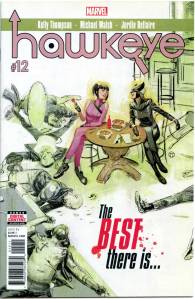
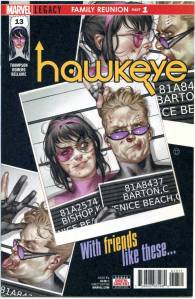
Remember Hawkeye? No not that Hawkeye, our favorite Hawkeye, the chick who puts the hawk in Hawkeye, the butt-kicking hero who had to save the other Hawkeye’s butt all the time. Yup, you know her, it’s the dazzling Kate Bishop making her solo comics debut! Kate is heading west and returning to Los Angeles, with her bow and arrow and P.I. badge in tow. There are crimes to solve and she’s the best archer to handle ’em! The City of Angels has a new guardian angel.
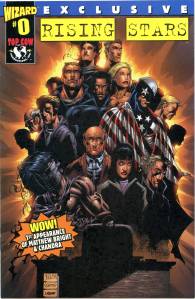
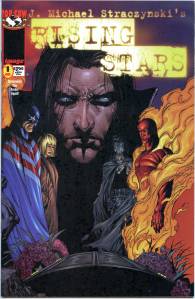
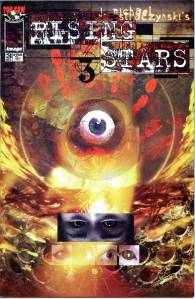
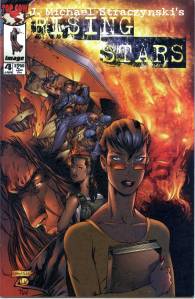
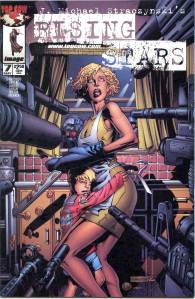
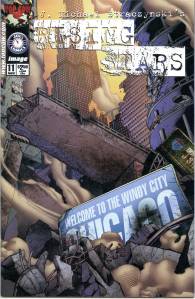
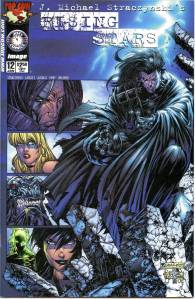
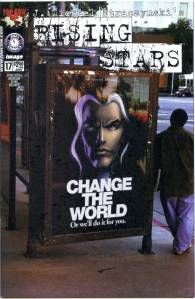
Rising Stars is a 24-issue comic book limited series written by J. Michael Straczynski about 113 people (called “Specials”) born with special abilities following the appearance of a mysterious light in the sky above Pederson, Illinois. The series explores how society may react to the advent of superpowers, and how those who are Specials may react towards society and each other. Rising Stars was one of the first comics produced under Straczynski’s own Joe’s Comics imprint for Top Cow Productions.















 EHT Comics