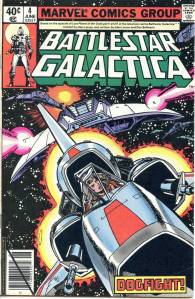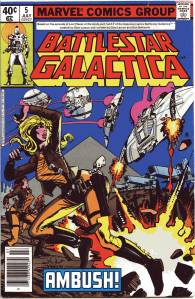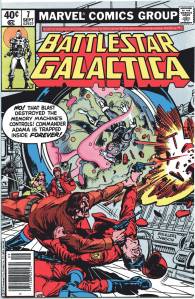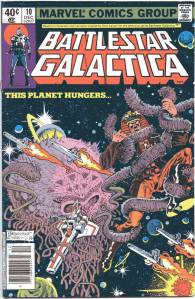
Battlestar Galactica (1979)

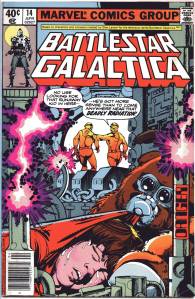
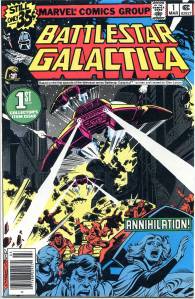
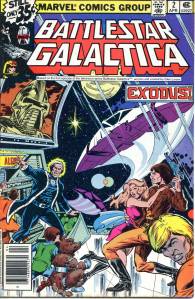
The comic book Battlestar Galactica, based on the ABC television series of the same name, was published monthly by Marvel Comics from March 1979 through January 1981, and lasted 23 issues.

Although there were other attempts to adapt Battlestar Galactica into a comic book format, the Marvel series is considered by many to have been the most successful in terms of run, sales, and content.

This was accomplished against some notable odds. Although Roger McKenzie was most often the writer, and Walt Simonson the most regular artist, the book also had a heavy rotation of guest writers and artists.

Marvel Comics’ began its adaptation of Battlestar Galactica with Marvel Super Special #8, a magazine format comic written by Roger McKenzie and drawn by Ernie Colón which was released as a tie-in to the start of the series. Based on an early script of the three hour series premiere “Saga of a Star World”, this adaptation, which gave a relatively short treatment to the third hour, was also released in a tabloid format and then later as a paperback as well. The tabloid version was also printed by Whitman Comics. Its success led Marvel to print a regular monthly comic depicting the adventures of the ragtag fleet.
Peter Panzerfaust (2012)

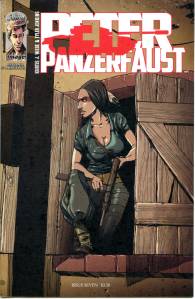
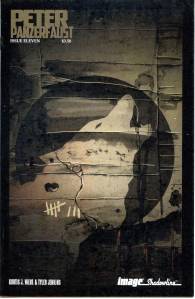
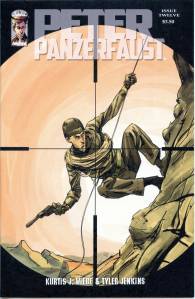
A coming-of-age tale told through the eyes of a group of French orphans during World War II who are saved by a brave and daring American boy named Peter. As they travel together, they get tangled up in the French Resistance and their efforts against a growing German presence under the leadership of a fanatical hook-handed SS officer hellbent on wiping them out!

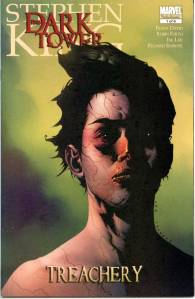
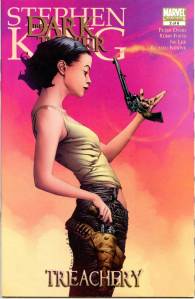
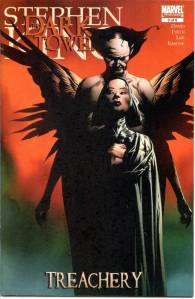
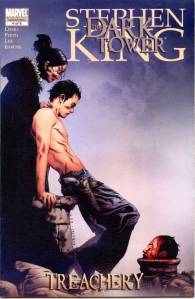
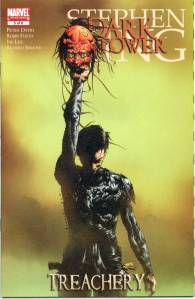
The Dark Tower – Treachery (2008)

Whereas The Gunslinger Born was largely based on the events of The Dark Tower IV: Wizard and GlassTreachery, like The Long Road Home, consists mostly of new material not found in any of the novels.

The story depicts the ka-tet of Roland DeschainAlain Johns and Cuthbert Allgood dealing with the events following their return to Gilead from Hambry, including the toll that Maerlyn’s Grapefruit has taken on Roland’s health, his obsessive desire to continue peering into its depths, and the search for John Farson and the Big Coffin Hunters.


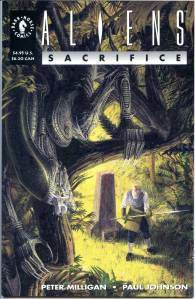
Aliens Sacrifice (1993)

Stranded on an isolated planet, Ann McKay takes shelter in a remote village that is being terrorized by an Alien. She soon discovers that its inhabitants are hiding a horrifying secret from her. But to discover the truth she has to face her own innermost demons, and try to save the souls of the villagers at the same time.

Supergirl: Woman of Tomorrow (2021)

Kara Zor-El has seen some epic adventures over the years, but finds her life without meaning or purpose. Here she is, a young woman who saw her planet destroyed and was sent to Earth to protect a baby cousin who ended up not needing her. What was it all for? Wherever she goes, people only see her through the lens of Superman’s fame. Just when Supergirl thinks she’s had enough, everything changes. An alien girl seeks her out for a vicious mission. Her world has been destroyed, and the bad guys responsible are still out there. She wants revenge, and if Supergirl doesn’t help her, she’ll do it herself, whatever the cost. Now a Kryptonian, a dog, and an angry, heartbroken child head out into space on a journey that will shake them to their very core.
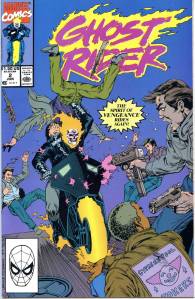
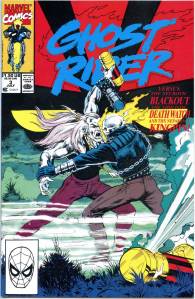
Ghost Rider V3 (1990’s)

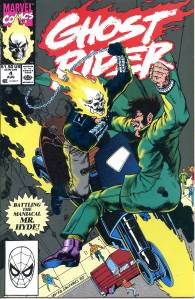
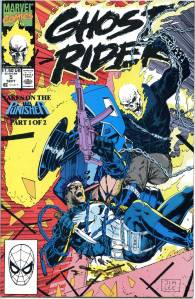
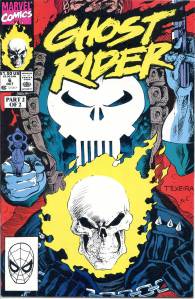
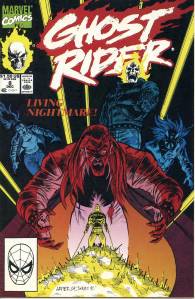
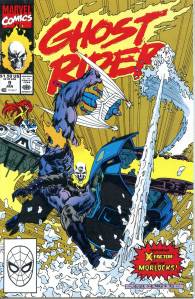
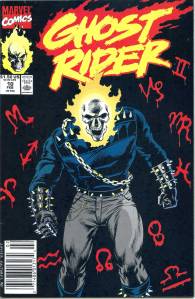
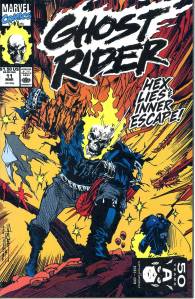
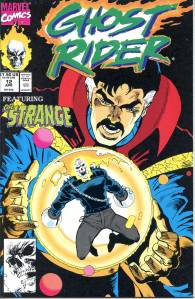
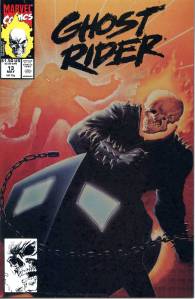
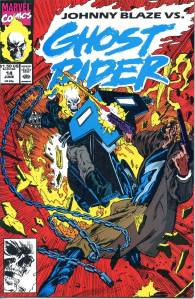
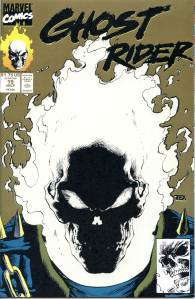
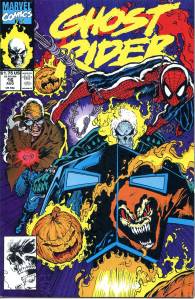
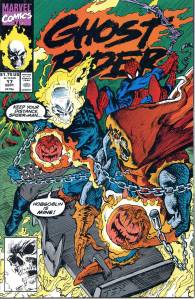
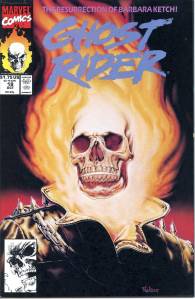
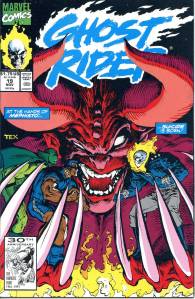
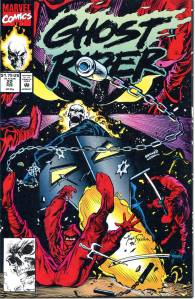
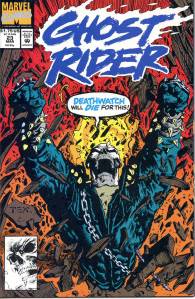
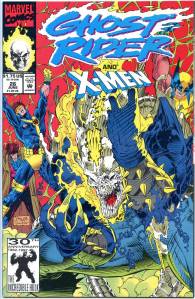
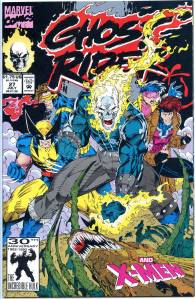
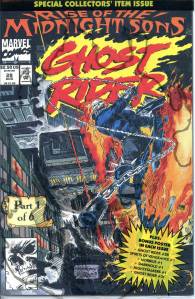
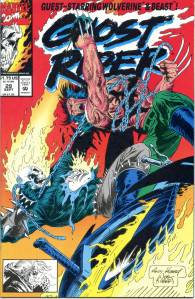
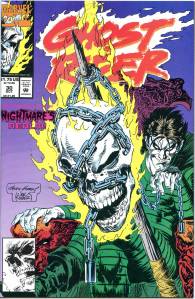
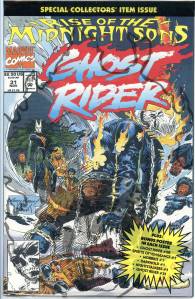
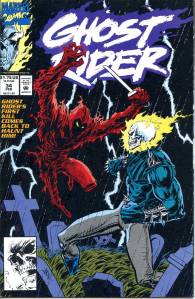
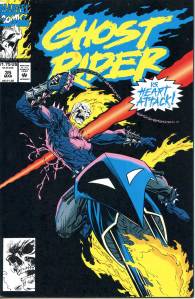
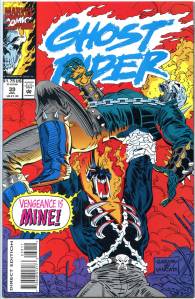
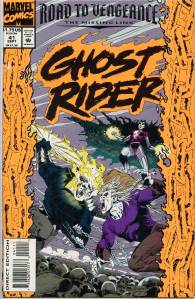
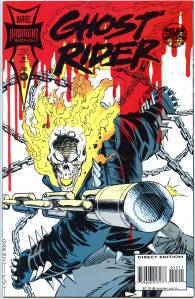
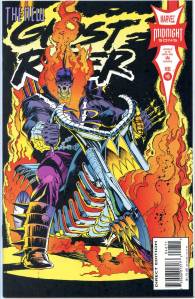
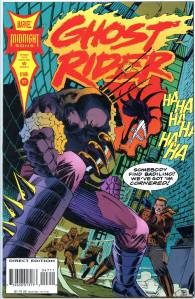
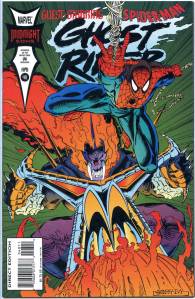
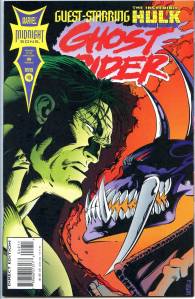
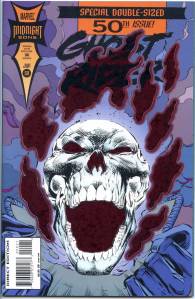
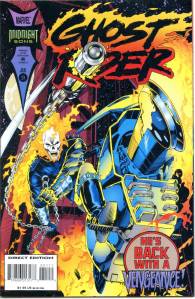
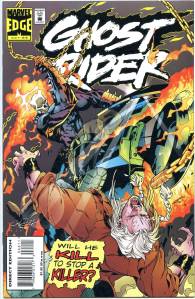
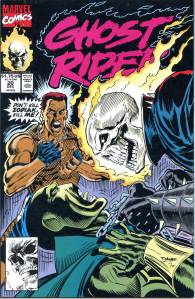
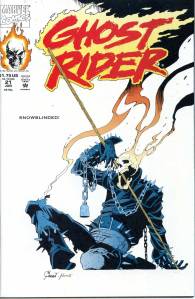
Daniel Ketch debuted in Ghost Rider vol. 3, #1 (May 1990). This Ghost Rider was nearly identical to the previous, although his costume was now a black leather biker jacket with spiked shoulder-pads, grey leather pants, and a mystic chain he wore across his chest, which responded to his mental commands and served as his primary melee weapon. His new motorcycle resembled a futuristic machine and the front of it could lower to serve as a battering ram. Like the original Ghost Rider’s bike, the wheels were composed of mystic hellfire. Unlike the relationship between the previous Ghost Rider and the demon with which he was bonded, Ketch and his demon — who in vol. 2, #91 (December 1997) is revealed to be Marvel’s incarnation of the Angel of Death/Judgment — are cooperative with each other. At the close of the series with vol. 2, #93 (Feb. 1998), Ketch apparently died. The following year, however, Peter Parker: Spider-Man #93 (July 1999) revealed Ketch was still alive. Nearly a decade later, Marvel published the long-completed final issue as Ghost Rider Finale (Jan. 2007), which reprints the last issue and the previously unpublished #94.

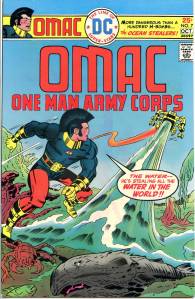
OMAC (1974)

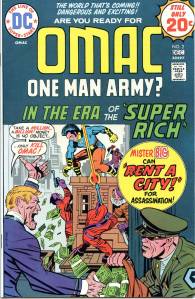
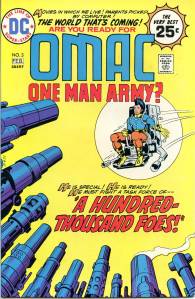
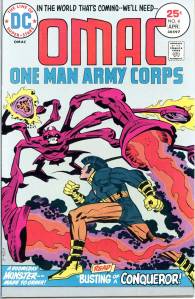
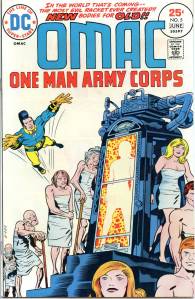
OMAC (Buddy Blank) was created in 1974 by Jack Kirby and published by DC Comics. The character was created towards the end of Kirby’s contract with the publisher, following the cancellation of his New Gods series and was reportedly developed strictly due to Kirby needing to fill his contractual quota of 15 pages a week. As envisioned by Kirby, OMAC is essentially Captain America set in the future, an idea Kirby had toyed with some years earlier while at Marvel Comics, but had never realized.

Set in the near future (“The World That’s Coming”), OMAC is a corporate nobody named Buddy Blank who is changed via a “computer-hormonal operation done by remote control” by an A.I. satellite called Brother Eye into the super-powered One-Man Army Corps (OMAC).

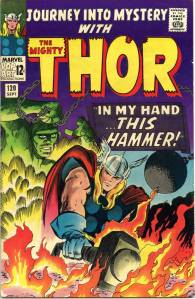
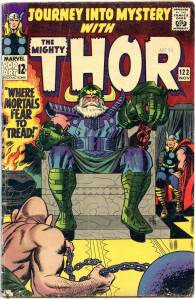
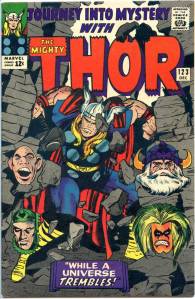
Journey into Mystery (Silver Age)

Journey into Mystery was initially published by Atlas Comics, then by its successor, Marvel Comics. Initially a horror comics anthology, it segued to giant-monster and science fiction stories in the late 1950s. Beginning with issue #83 (cover dated August 1962), it ran the superhero feature “The Mighty Thor“, created by writers Stan Lee and Larry Lieber and artist Jack Kirby, and inspired by the mythological Norse thunder god. The series, which was renamed for its superhero star with issue #126 (March 1966), has been revived three times: in the 1970s as a horror anthology, and in the 1990s and 2010s with characters from Marvel’s Thor mythos.

Tomb Raider (1999)

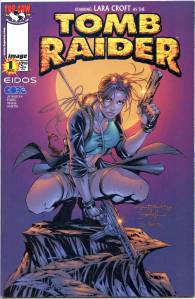
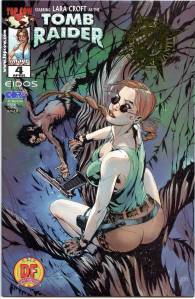
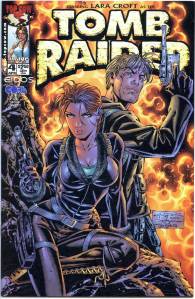
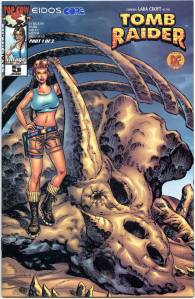
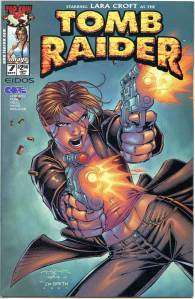
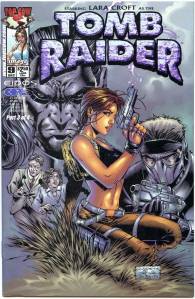
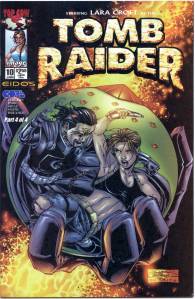
The Top Cow comics are primarily based on the same continuity as the games by Core Design, in which Lara’s plane crashes when she is twenty-one years old (rather than the latter games by Crystal Dynamics, the plane crash happening when she was only nine years old), but the exact details are changed. In the comic, Lara is accompanied by both her parents and her fiancé, the plane trip taken to celebrate her impending marriage (in the game series, Lara’s plane is chartered to take on a skiing holiday). Writers Dan JurgensJohn Nay Riber, and James Bonny worked on the series, which also featured the art of Andy ParkMichael TurnerBilly Tan, and Adam Hughes, amongst others.

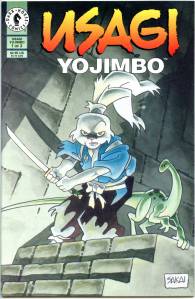
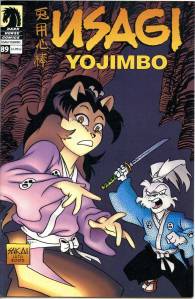
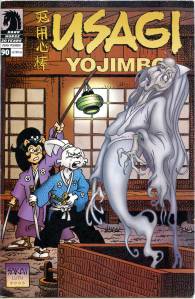
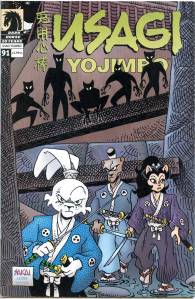
Usagi Yojimbo V3 (Dark Horse)

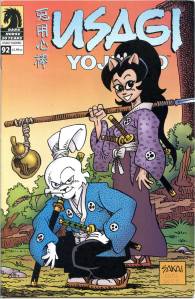
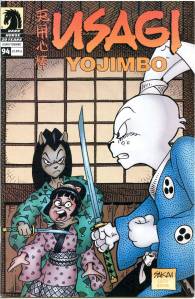
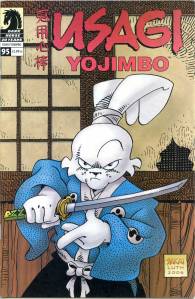
Usagi first appeared in the anthology Albedo Anthropomorphics in 1984, and later in the Fantagraphics Books anthropomorphic anthology Critters, before appearing in his own series in 1987.[14] The Usagi Yojimbo series has been published by three different companies. The first publisher was Fantagraphics (volume one; 38 regular issues, plus one Summer Special and three Color Specials). The second was Mirage Comics (volume two; 16 issues). The third is Dark Horse Comics, by which Usagi Yojimbo is still being published (as volume three, over 160 issues), and who also released a fourth Color Special. A fourth publisher, Radio Comix, published two issues of The Art of Usagi Yojimbo which contained a selection of unpublished drawings, convention sketches, and other miscellaneous Usagi Yojimbo artwork. The first issue also included an original Usagi Yojimbo short story. In 2004, Dark Horse Comics published a Twentieth Anniversary hardcover volume also entitled The Art of Usagi Yojimbo.