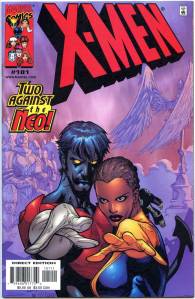
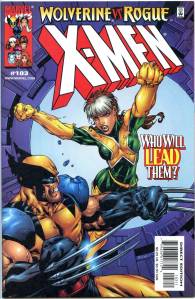
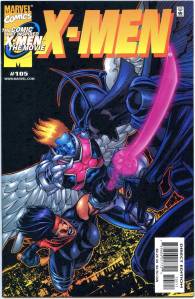
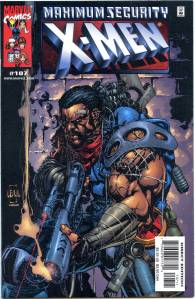
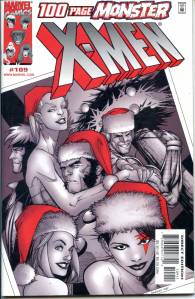
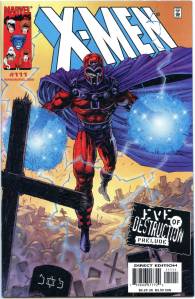
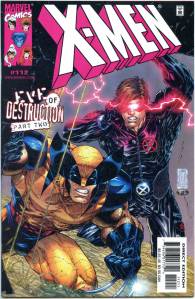
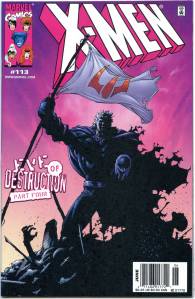
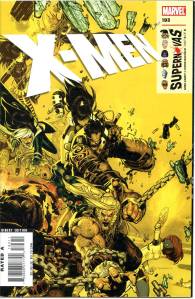
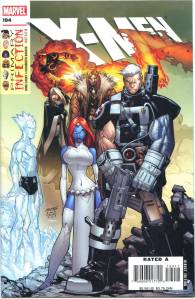
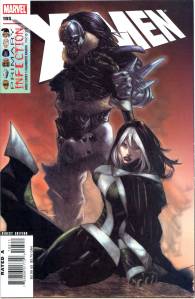
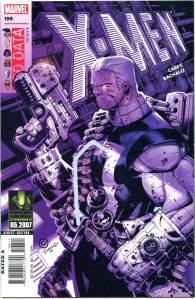
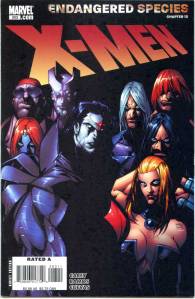
“Eve of Destruction” was part of a four-month period in 2001 on the two core X-Men books, as former X-Men writer Lobdell was brought back to wrap up the dangling plotline of the Legacy Virus and produce filler material while Marvel planned the highly anticipated arrival of Grant Morrison and Joe Casey as writers for the main two X-Men books. As a result, this can be seen as a “finale” to the X-men storylines from the 1990s era. It would be several years before Uncanny X-Men and X-Men crossed over with each other since this story.
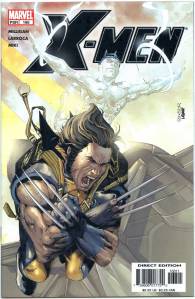
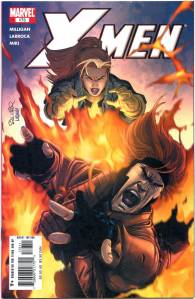
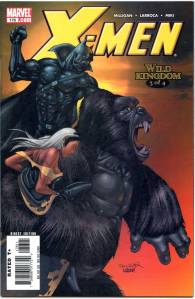
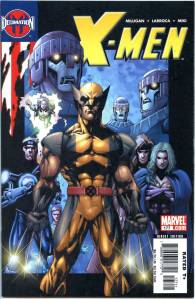
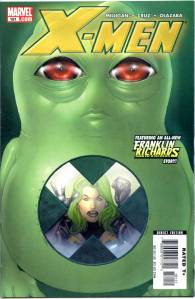
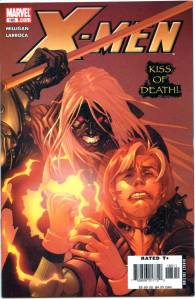
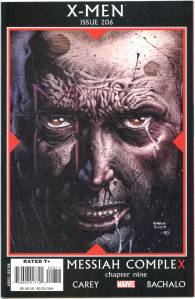
Later in 2001, X-Men had its title changed to New X-Men and writer Grant Morrison took over. When Chuck Austen moved from writing Uncanny X-Men to New X-Men, the title returned to its old name of simply X-Men, with Salvador Larroca, who had been working with him on Uncanny X-Men doing the art. In 2007, the X-Men title would change once again into X-Men: Legacy.
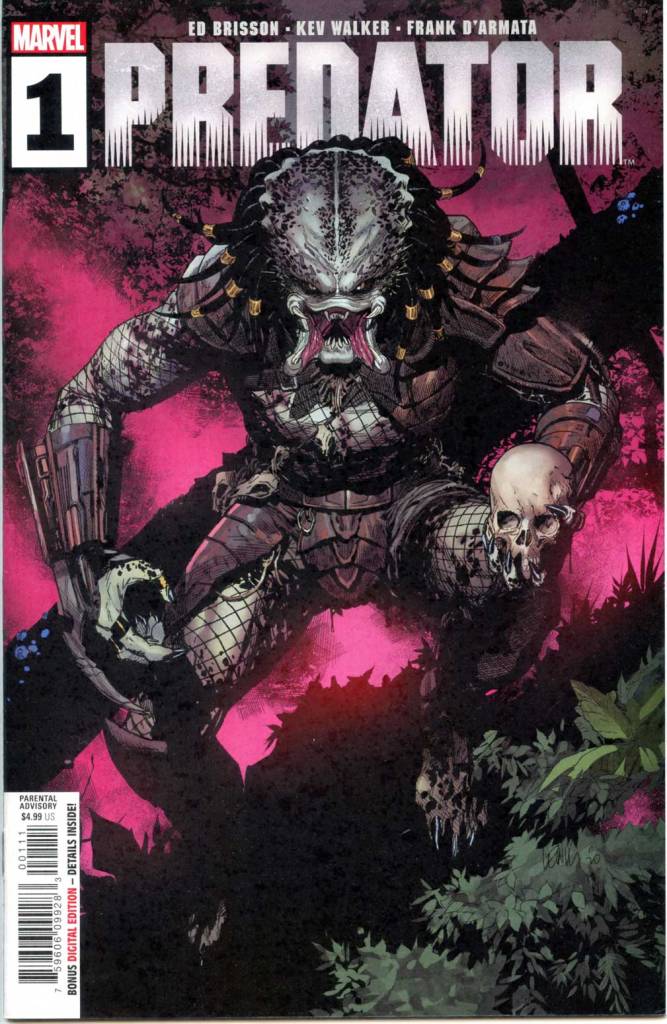
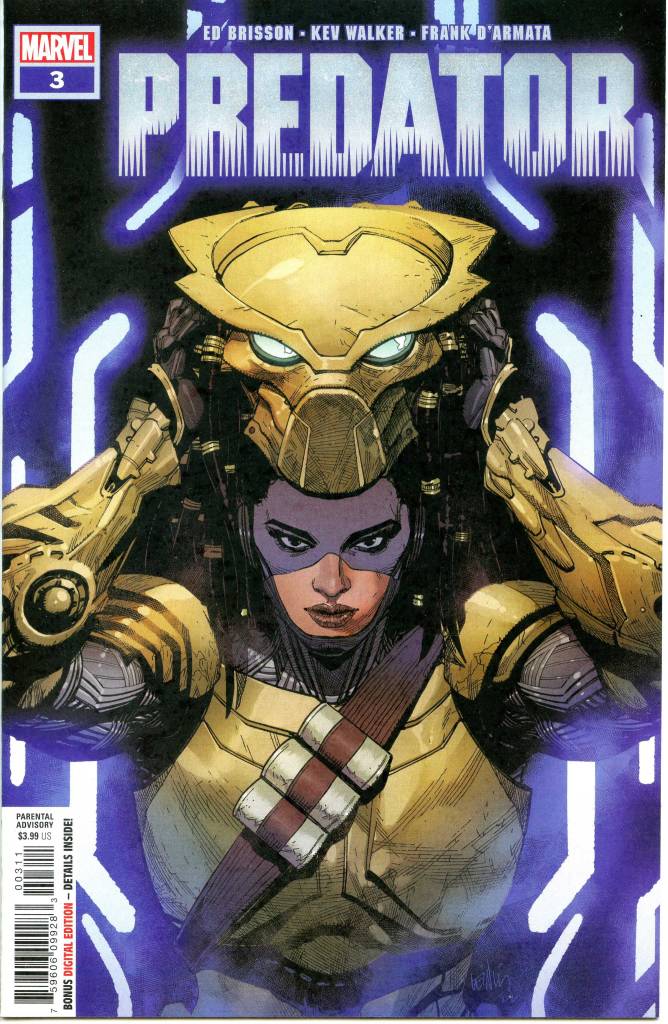
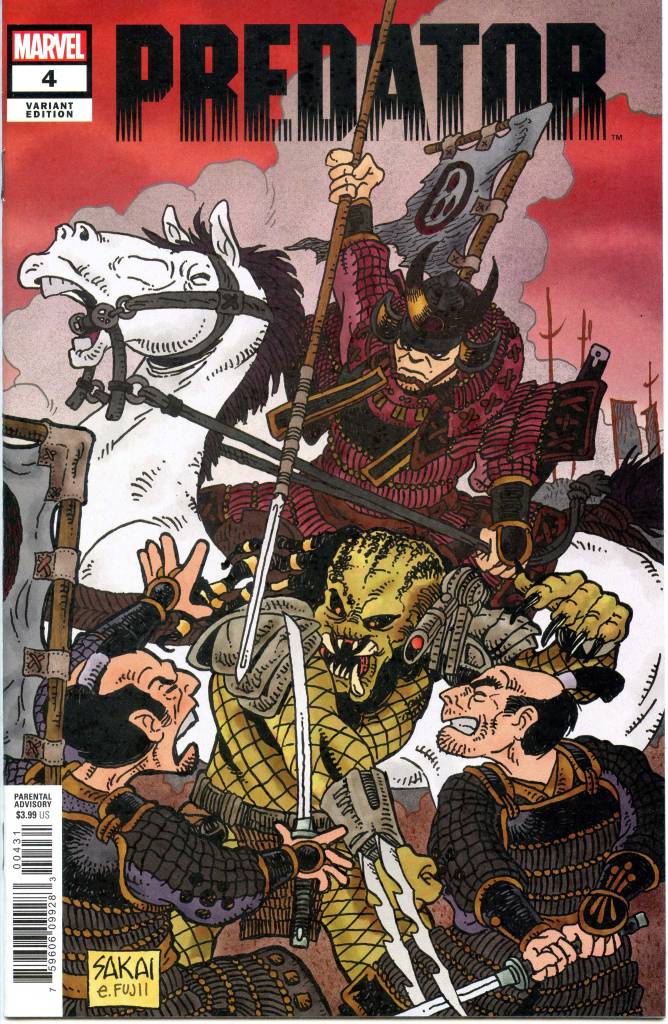
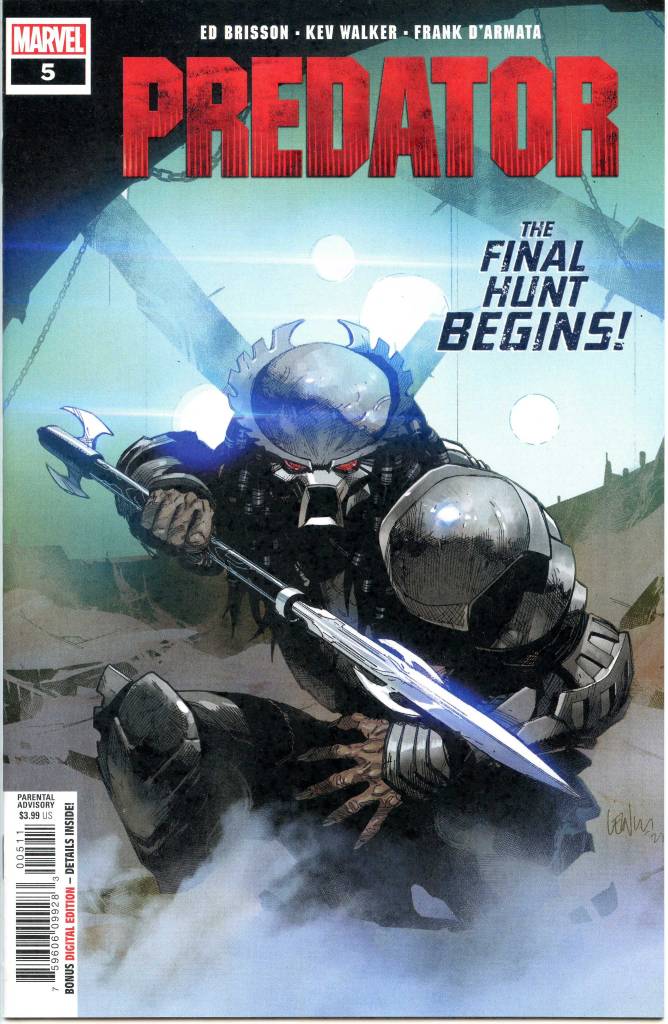
Predator: Day of the Hunter follows Theta, a survivor hunting the Yautja who slaughtered her family. In a desperate, high-stakes hunt, she traverses space, encountering multiple Predators on a frozen tundra world, while determined to kill the monster that destroyed her life.
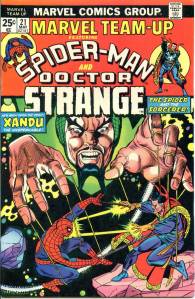
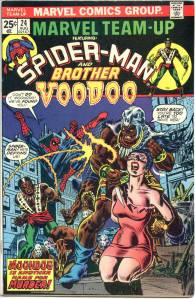
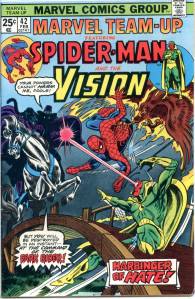
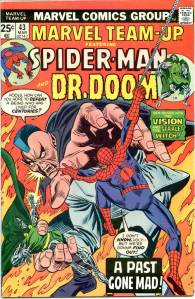
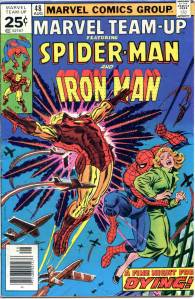
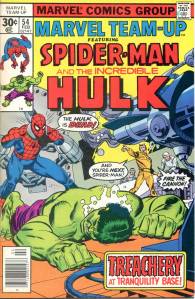
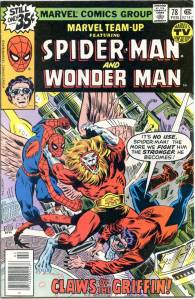
The series featured two or more Marvel characters in one story. The series was originally published from March 1972 through February 1985, and featured Spider-Man as the lead “team-up” character in all but ten of its 150 issues, and in six of its seven Annuals. It was the first major ongoing spin-off series for Spider-Man, being preceded only by the short-lived The Spectacular Spider-Man magazine.
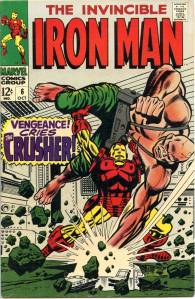
After issue #99 (March 1968), the Tales of Suspense series was renamed Captain America. An Iron Man story appeared in the one-shot comic Iron Man and Sub-Mariner (April 1968), before the “Golden Avenger”] made his solo debut with The Invincible Iron Man #1 (May 1968). The series’ indicia gives its copyright title Iron Man, while the trademarked cover logo of most issues is The Invincible Iron Man. Artist George Tuska began a decade long association with the character with Iron Man #5 (Sept. 1968). Writer Mike Friedrich and artist Jim Starlin‘s brief collaboration on the Iron Man series introduced Mentor, Starfox, and Thanos in issue #55 (Feb. 1973). Friedrich scripted a metafictional story in which Iron Man visited the San Diego Comic Convention and met several Marvel Comics writers and artists. He then wrote the multi-issue “War of the Super-Villains” storyline which ran through 1975.
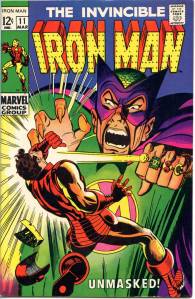
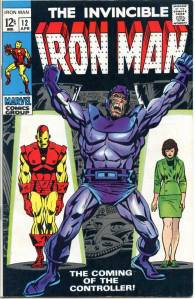
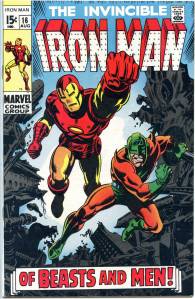
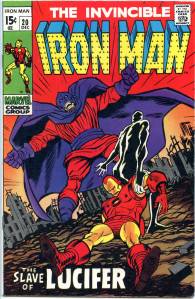
Iron Man #6 VF- $45Iron Man #11 VF+ $75Iron Man #12 VF+ $129Iron Man V1 #16 FN $27Iron Man V1 #20 VF+ $49
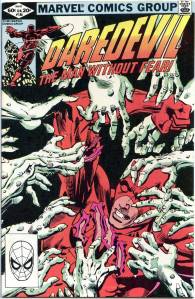
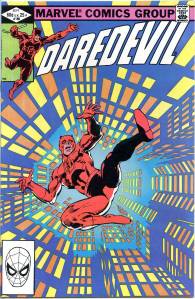
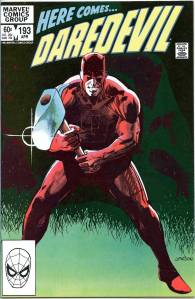
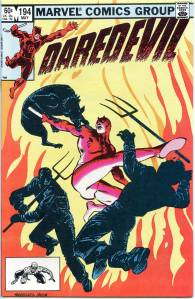
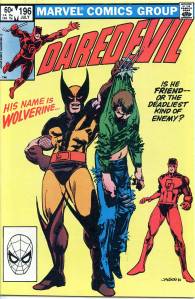
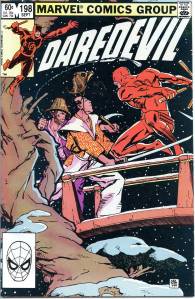
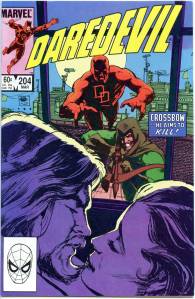
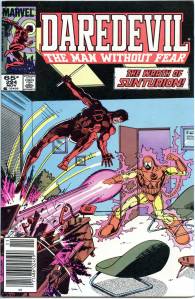
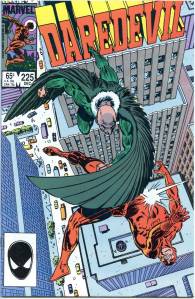
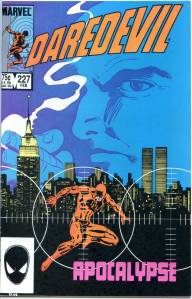
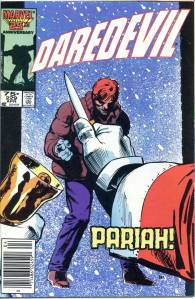
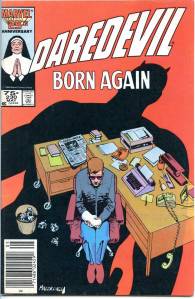
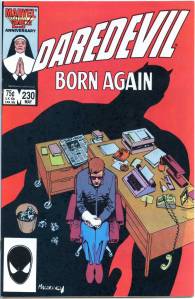
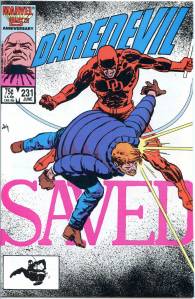
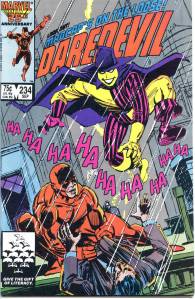
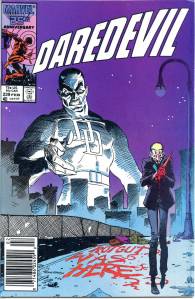
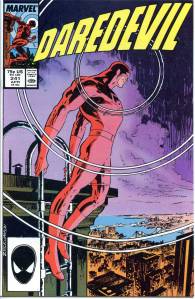
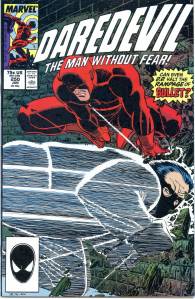
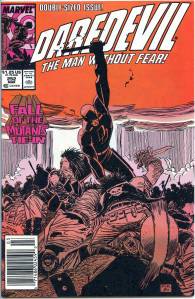
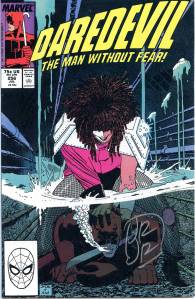
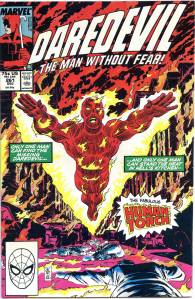
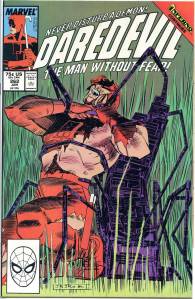
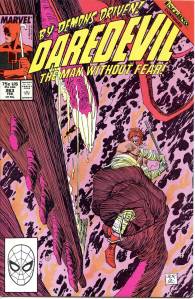
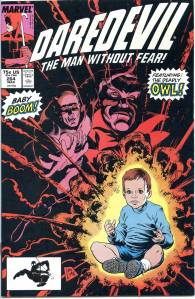
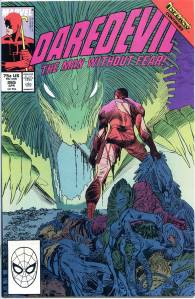
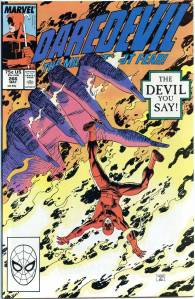
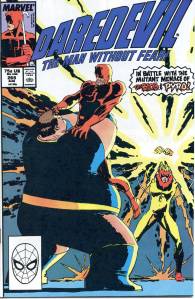
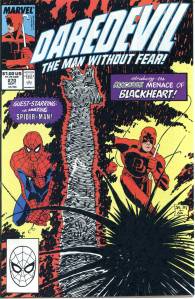
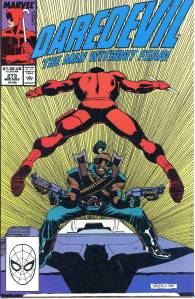
During the 80’s Frank Miller was hired to continue the title and did so in a similar vein to previous writer Roger McKenzie. Resuming the drastic metamorphosis the previous writer had begun, Miller took the step of essentially ignoring all of Daredevil’s continuity prior to his run on the series; on the occasions where older villains and supporting cast were used, their characterizations and history with Daredevil were reworked or overwritten. Most prominently, dedicated and loving father Jack Murdock was reimagined as a drunkard who physically abused his son Matt, entirely revising Daredevil’s reasons for becoming a lawyer. Spider-Man villain Kingpin was introduced as Daredevil’s new nemesis, displacing most of his large rogues gallery. Daredevil himself was gradually developed into an antihero. In issue #181 (April 1982), he attempts to murder one of his arch-enemies by throwing him off a tall building; when the villain survives as a quadriplegic, he breaks into his hospital room and tries to scare him to death by playing a two-man variation on Russian roulette with a secretly unloaded gun.Comics historian Les Daniels noted that “Almost immediately, [Miller] began to attract attention with his terse tales of urban crime.” Miller’s revamping of the title was controversial among fans, but it clicked with new readers, and sales began soaring, the comic returning to monthly status just three issues after Miller came on as writer.
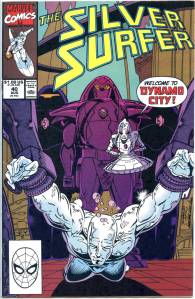
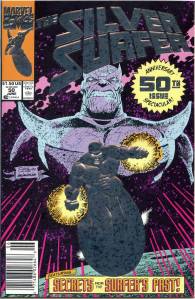
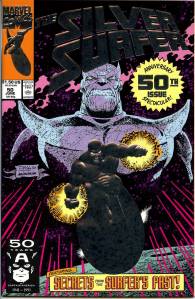
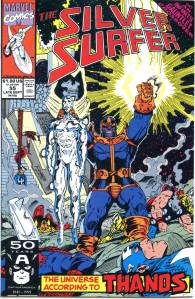
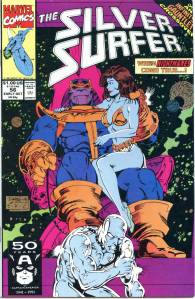
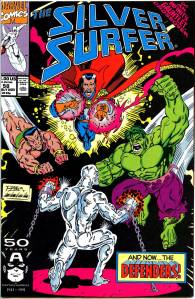
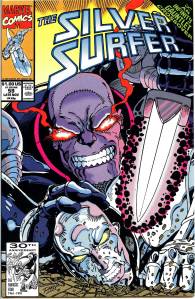
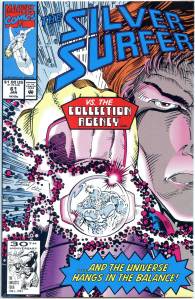
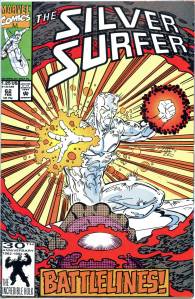
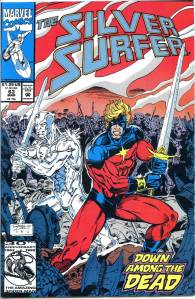
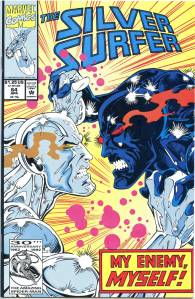
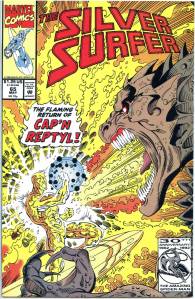
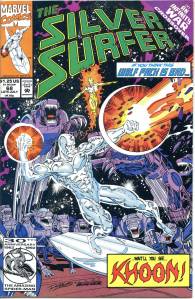
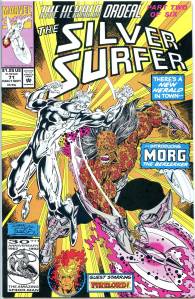
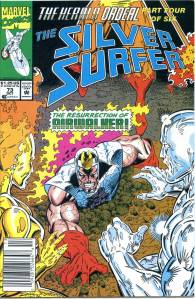
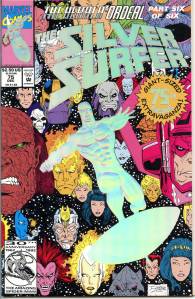
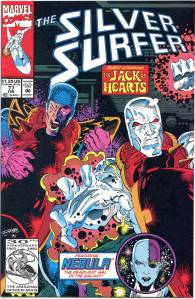
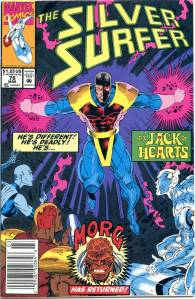
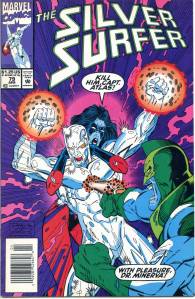
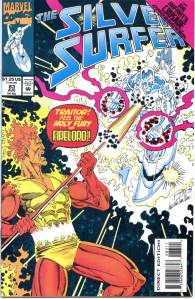
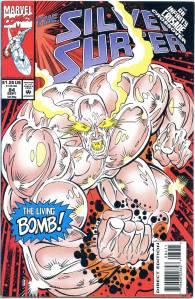
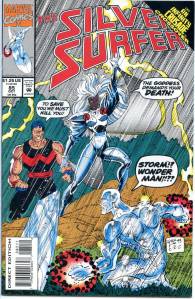
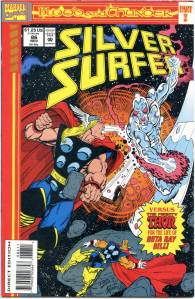
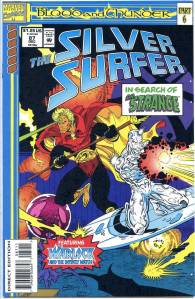
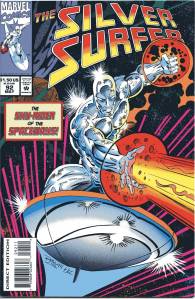
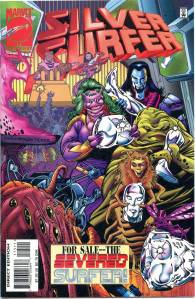
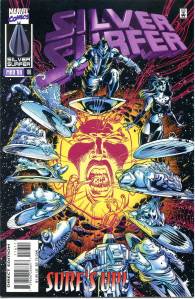
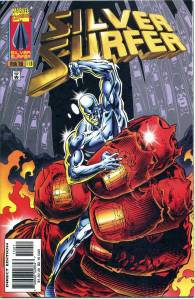
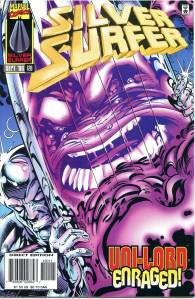
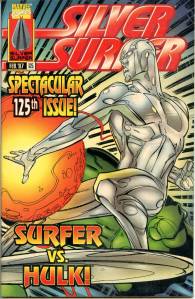
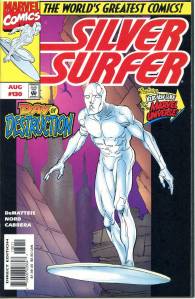
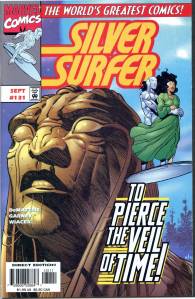
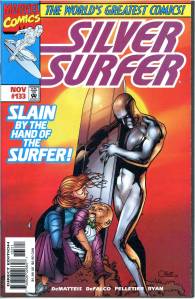
JIm Starlin took over as writer with issue #34 after several fill-in issues, and incorporated Thanos, Adam Warlock, and Drax the Destroyer into the series. Under Starlin and later Ron Marz, the series would receive acclaim and sales boost due to Silver Surfer’s involvement with Starlin’s Infinity Trilogy, with George Pérez and J. M. DeMatteis also having brief writing stints on the series as well. Additional artists included Tom Grindberg, Ron Garney, and Jon J. Muth, as well as periodic guest spots by John Buscema. The title experienced great initial success which allowed Marvel to push the character into other media, including a 1990 video game, 1992 trading card set, and 1998 animated series, as well as spinning off a variety of other comics series including Cosmic Powers, Cosmic Powers Unlimited, Captain Marvel vol. 2, and Star Masters. It ran 146 issues, through 1998.
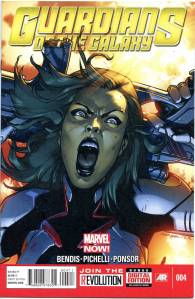
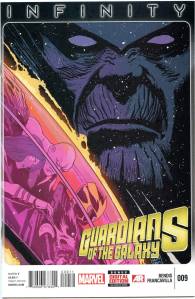
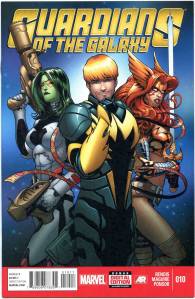
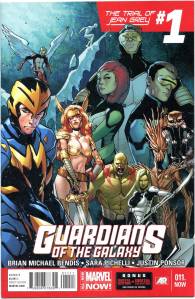
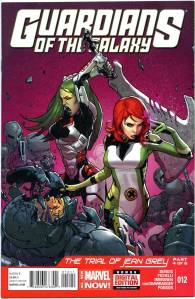
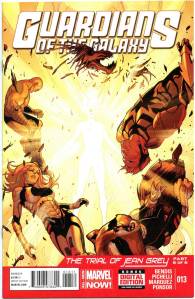
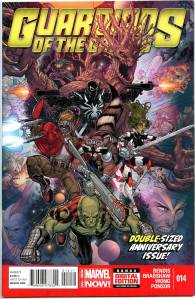
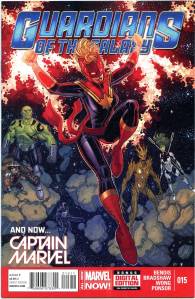
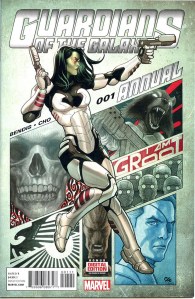
After Star-Lord’s father visits him in a bar to tell him that it is forbidden for any alien species to visit Earth, Iron Man is attacked by Badoon appearing to attack Earth. The Guardians and their newest member Iron Man defeat the ship; however, London is still attacked. The Guardians defend London and finish off the horde of Badoon but learn that, for violating the “Earth-is-off-limits” rule (the Spartax Earth Directive), they are to be placed under arrest by the King of Spartax. The Guardians manage to escape with the help of Groot, who had recently regrown after being destroyed by a Badoon ship’s explosion. The team includes Star-Lord, Drax the Destroyer, Gamora, Groot, Rocket Raccoon, and Tony Stark. In April 2013, it was announced that Image Comics’ Angela (Spawn) would join the Marvel Universe as the result of a legal battle between Neil Gaiman and Todd McFarlane. After appearing in Age of Ultron, she joined the Guardians. Captain Marvel and Agent Venom have also joined .
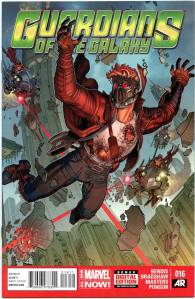
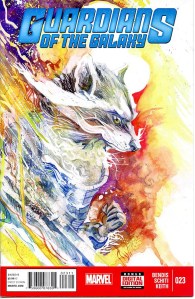
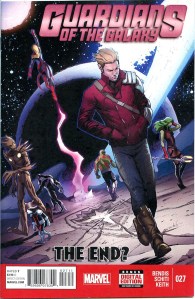
Guardians of the Galaxy #.1 NM $5Guardians of the Galaxy V3 #3 NM $4Guardians of the Galaxy V3 #4 NM $4Guardians of the Galaxy V3 #5 NM $8Guardians of the Galaxy V3 #7 NM $4Guardians of the Galaxy V3 #9 NM $5Guardians of the Galaxy V3 #10 NM $4Guardians of the Galaxy V3 #11 NM $4Guardians of the Galaxy V3 #12 NM $4Guardians of the Galaxy V3 #13 NM $4Guardians of the Galaxy V3 #14 NM $5Guardians of the Galaxy V3 #15 NM $4Guardians of the Galaxy V3 #16 NM $4Guardians of the Galaxy V3 #21 NM $4Guardians of the Galaxy V3 #22 NM $4Guardians of the Galaxy V3 #23 NM $9Guardians of the Galaxy V3 #26 NM $3Guardians of the Galaxy V3 #27 NM $3Guardians of the Galaxy V3 Annual 1 NM $4
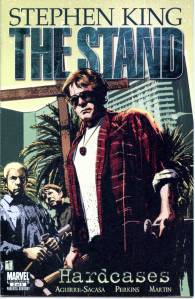
The Stand – Captain Trips #3 NM $4The Stand – Captain Trips #5 NM $4The Stand – American Nightmares #3 NM $4The Stand – American Nightmares #5 NM $4The Stand – Hardcases #1 NM $4The Stand – Hardcases #2 NM $4
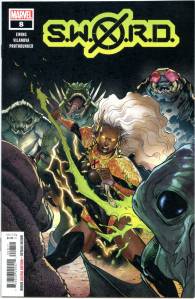
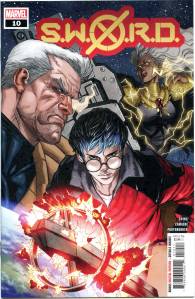
S.W.O.R.D. (Sentient World Observation and Response Directorate) was restored when Abigail Brand resigned from Alpha Flight after the Alliance-Cotati conflict feeling that the space program wasn’t properly utilized and when the mutant nation repowered the abandoned Peak space station. In cooperation with the Quiet Council of Krakoa, it became the mutant nation’s representative to the outer universe.
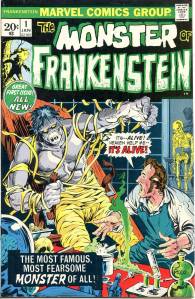
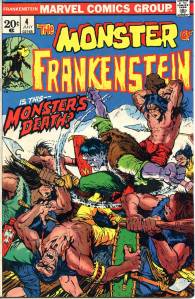
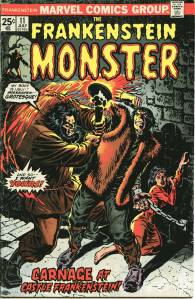
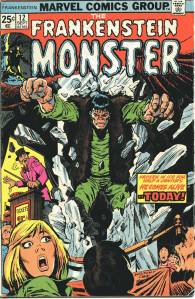
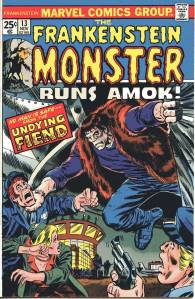
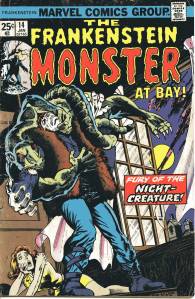
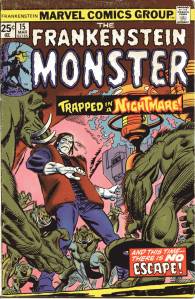
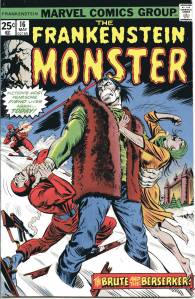
The character received an ongoing series, titled Frankenstein in the postal indicia and initially The Monster of Frankenstein (issues #1-5) and later The Frankenstein Monster as the cover logo, that ran 18 issues (Jan. 1973 – Sept. 1975).This series began with a four-issue retelling of the original novel, by writer Gary Friedrich and artist Mike Ploog. Several more issues continued his story into the 1890s, until he was placed in suspended animation and revived in modern times.





































































 EHT Comics