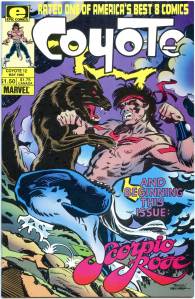
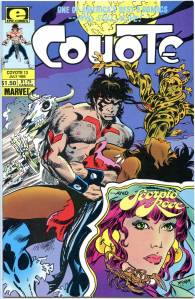
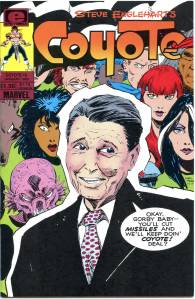
The characters first appeared in Eclipse Magazine #2-8. It would later be reprinted in a color trade paperback, I Am Coyote. Afterwards, a new comic book series started at Marvel ComicsEpic Comics line, that ran 16 issues. It was notable for the first published work of Todd McFarlane. According to Epic editor-in-chief Archie Goodwin, artist Steve Leialoha‘s departure after issue #2 caused deadline problems that the series never fully recovered from, leading to its early cancellation.
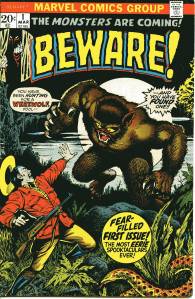
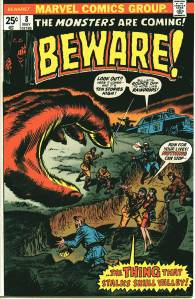
Beware was an 8 issues series that ran from March, 1973 to May, 1974. The series contained reprints of Atlas comics with new covers by Bill Everet, John Romita & Gil Kane The title continued as Tomb of Darkness with issue #9 in July of 1974.
During his two years on the title, Roger Stern augmented the backgrounds of long-established Spider-Man villains, and with Romita Jr. created the mysterious supervillain the Hobgoblin in #238-239 (March–April 1983) Fans engaged with the mystery of the Hobgoblin’s secret identity, which continued throughout #244-245 and 249-251 (Sept.-Oct. 1983 and Feb.-April 1984). One lasting change was the reintroduction of Mary Jane Watson as a more serious, mature woman who becomes Peter’s confidante after she reveals that she knows his secret identity. Stern wrote “The Kid Who Collects Spider-Man” in The Amazing Spider-Man #248 (January 1984), a story which ranks among his most popular.
David Michelinie took over as writer in #290 (July 1987) that led to the marriage of Peter Parker and Mary Jane Watson in Amazing Spider-Man Annual #21. The “Kraven’s Last Hunt” storyline by writer J.M. DeMatteis and artists Mike Zeck and Bob McLeod crossed over into The Amazing Spider-Man #293 and 294. Issue #298 (March 1988) was the first Spider-Man comic to be drawn by future industry star Todd McFarlane, the first regular artist on The Amazing Spider-Man since Frenz’s departure. McFarlane revolutionized Spider-Man’s look. His depiction – large-eyed, with wiry, contorted limbs, and messy, knotted, convoluted webbing – influenced the way virtually all subsequent artists would draw the character. McFarlane’s other significant contribution to the Spider-Man canon was the design for what would become one of Spider-Man’s most wildly popular antagonists, the supervillainVenom. Issue #299 (April 1988) featured Venom’s first appearance (a last-page cameo) before his first full appearance in #300 (May 1988). The latter issue featured Spider-Man reverting to his original red-and-blue costume.
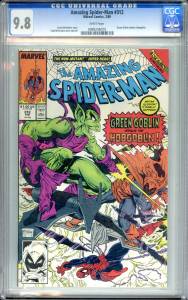
Other notable issues of the Michelinie-McFarlane era include #312 (Feb. 1989), featuring the Green Goblin vs. the Hobgoblin; and #315-317 (May–July 1989), with the return of Venom. In July 2012, Todd McFarlane’s original cover art for The Amazing Spider-Man #328 sold for a bid of $657,250, making it the most expensive American comic book art ever sold at auction.
Amazing Spider-Man #214 Newsstand CGC 9.8 White Pages $120
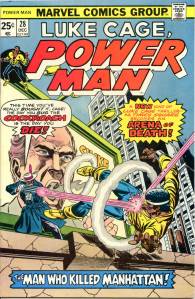
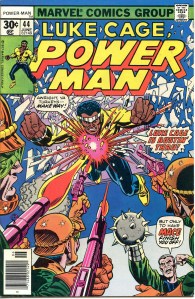
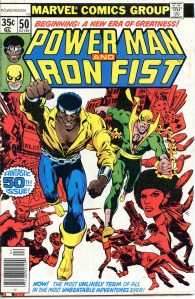
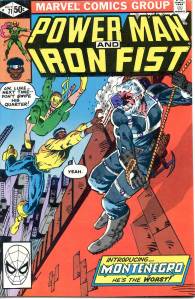
Luke Cage was created by Archie Goodwin and John Romita, Sr. shortly after Blaxploitation films emerged as a popular new genre. He debuted in his own series, Luke Cage, Hero for Hire, which was initially written by Goodwin and pencilled by George Tuska. Cage’s adventures were set in a grungier, more crime-dominated New York City than that inhabited by other Marvel superheroes of the time. The series was retitled Luke Cage, Power Man with issue #17.
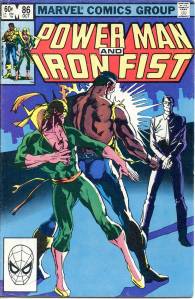
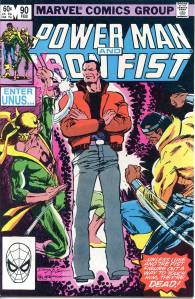
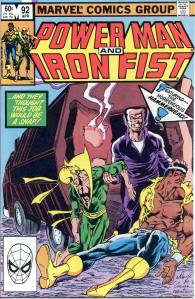
As the Blaxploitation genre’s popularity faded, Cage became unable to support his own series and was paired with another superhero whose popularity was based on a declining film genre, the martial arts hero Iron Fist, in an effort to save both characters from cancellation. Though the series title would remain Power Man in the indicia for a while longer, with issue #50 (April 1978) the cover title became Power Man and Iron Fist. It would remain thus until the series’s cancellation with issue #125 (September 1986). The series’s final writer, James Owsley, attempted to shed Cage’s Blaxploitation roots by giving him a larger vocabulary and reducing usage of his catchphrase, “Sweet Christmas!”.
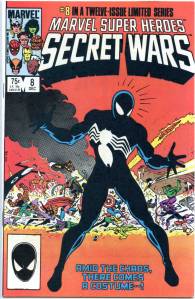
In 2011, IGN listed Secret Wars as one of the best comic book events. Their writers found the action and goofiness of the story to be enjoyable. They also highlighted the impact it had on the Marvel Universe by introducing the symbiote and new characters. In 2011, Alex Zalben of MTV News ranked Secret Wars as the second biggest comic event ever; he praised its story and lasting effect.
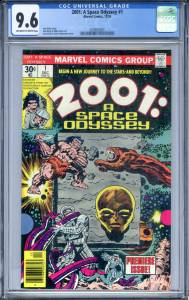
Shortly after the publication of the treasury edition, Kirby continued to explore the concepts of 2001 in a monthly comic book series of the same name, the first issue of which was dated December 1976. In this issue, Kirby followed the pattern established in the film. Once again the reader encounters a prehistoric man (“Beast-Killer”) who gains new insight upon encountering a monolith as did Moon-Watcher in the film. The scene then shifts, where a descendant of Beast-Killer is part of a space mission to explore yet another monolith. When he finds it, this monolith begins to transform the astronaut into a star child, called in the comic a “New Seed”.
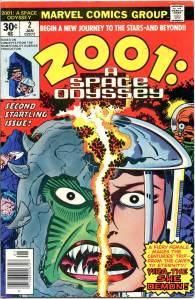
Issues #1-6 of the series replay the same idea with different characters in different situations, both prehistoric and futuristic. In #7 (June 1977), the comic opens with the birth of a New Seed who then travels the galaxy witnessing the suffering that men cause each other. While the New Seed is unable or unwilling to prevent this devastation, he takes the essence of two doomed lovers and uses it to seed another planet with the potential for human life.
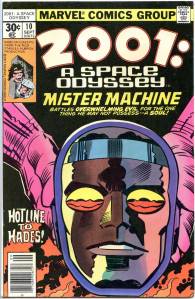
In issue #8 (July 1977), Kirby introduces Mister Machine, who is later renamed Machine Man.Mister Machine is an advanced robot designated X-51. All the other robots in the X series go on a rampage as they achieve sentience and are destroyed. X-51, supported by both the love of his creator Dr. Abel Stack and an encounter with a monolith, transcends the malfunction that destroyed his siblings. After the death of Dr. Stack, X-51 takes the name Aaron Stack and begins to blend into humanity. Issues #9 and 10, the final issues of the series, continue the story of X-51 as he flees destruction at the hands of the Army.
2001 A Space Odyssey 1 CGC 9.6 Off White to White Pages $79
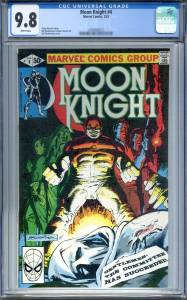
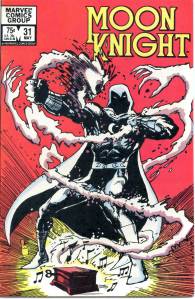
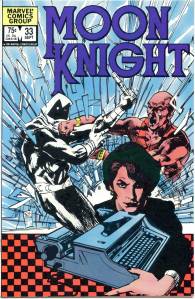
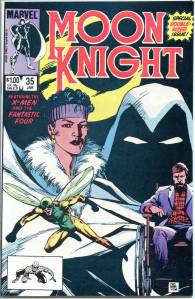
Moon Knight received his first ongoing series in 1980, with Doug Moench and Bill Sienkiewicz as its main creative team. The character received an expanded origin story in issue #1, which also introduced several recurring characters as well as recurring enemy Bushman. The series depicted several characters who doubted the moon god Khonshu was real and believed Marc Spector only experienced a hallucination while near death. It was never explained why other characters, such as Spector’s lover Marlene, concluded this when there was no other explanation for Marc’s spontaneous recovery from his wounds and a death-like state and when it was well known by this time that many gods of myth in the Marvel Universe (such as Thor and Zeus) were real, living entities from other dimensions and planets.
After early sales were good, Marvel made the Moon Knight series a flagship title available in comic shops starting with issue #15. The companion mini-series Moon Knight: Special Edition reprinted the Hulk and Marvel Preview Moon Knight stories in color and standard comic format, as opposed to their original magazine format. Sienkiewicz left the series after issue #30, though he continued to contribute covers until the series ended with issue #38.
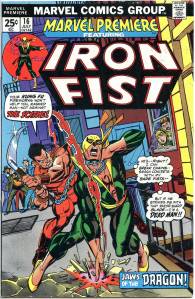
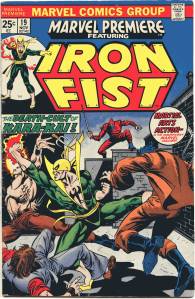
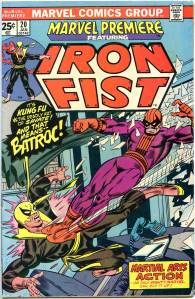
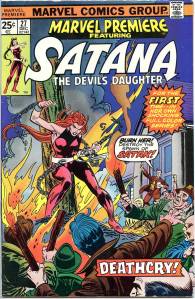
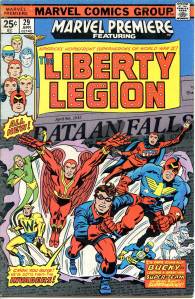
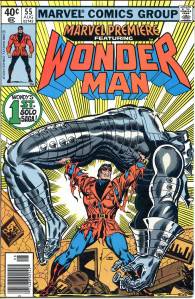
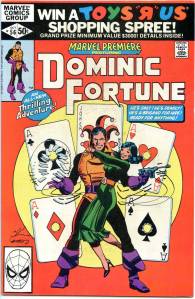
Marvel Premiere ran for 61 issues from April 1972 to August 1981. The series introduced new characters and reintroduced characters who no longer had their own titles. Writer Roy Thomas and penciler Gil Kane significantly revamped Him as the allegorical Messiah Adam Warlock in Marvel Premiere #1 (April 1972). Iron Fist first appeared in issue #15, written by Roy Thomas and drawn by Gil Kane. Other introductions include the Legion of Monsters, the Liberty Legion,Woodgod, the 3-D Man, and the second Ant-Man (Scott Lang). The series also featured the first comic book appearance of rock musician Alice Cooper. Later in the title’s run, Marvel Premiere was used to finish stories of characters who had lost their own series including the Man-Wolf in issues #45-46 and the Black Panther in issues #51-53.
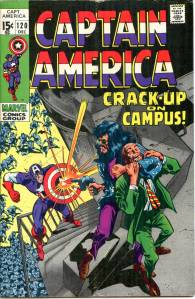
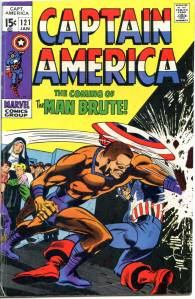
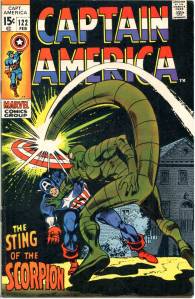
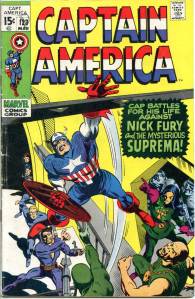
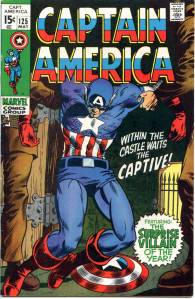
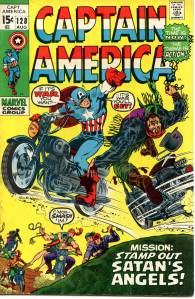
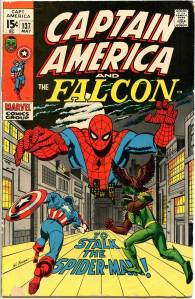
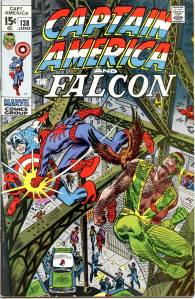
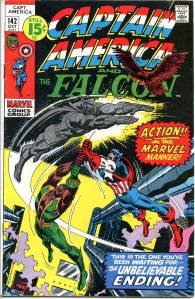
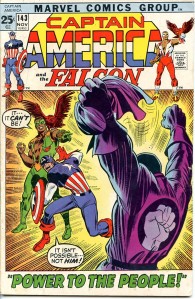
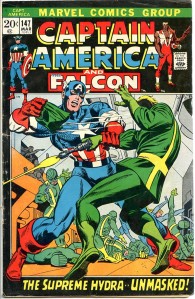
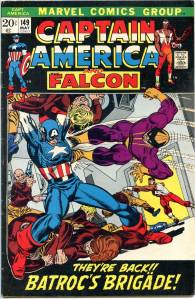
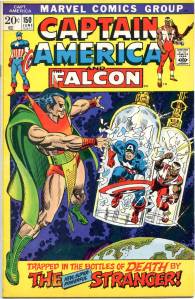
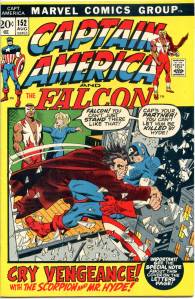
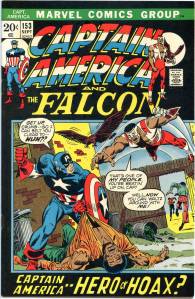
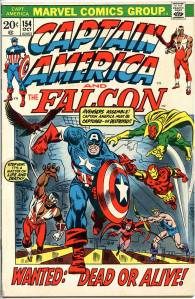
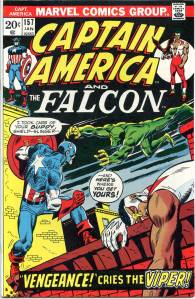
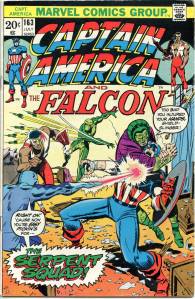
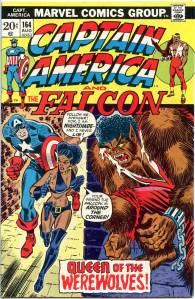
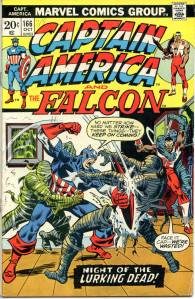
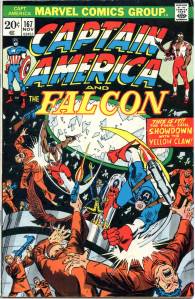
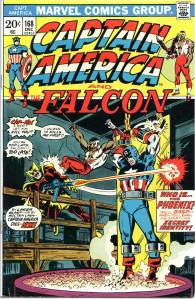
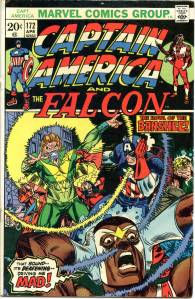
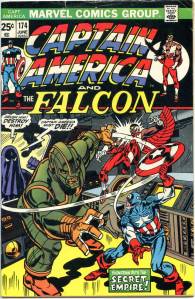
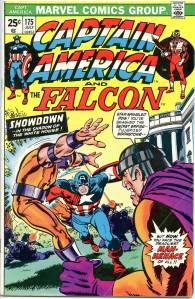
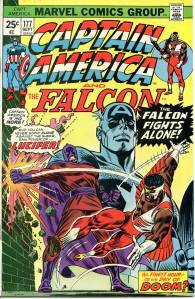
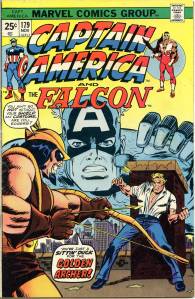
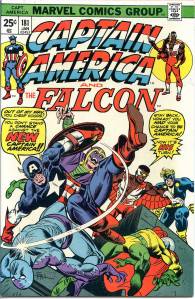
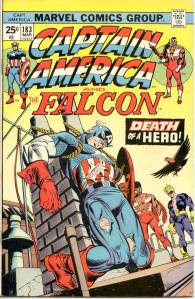
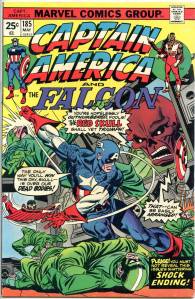
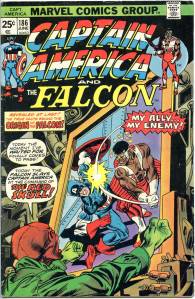
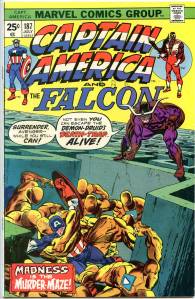
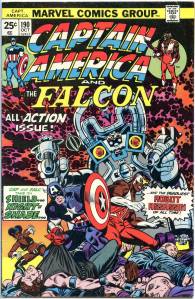
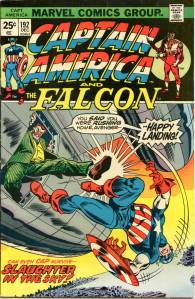
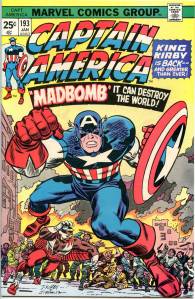
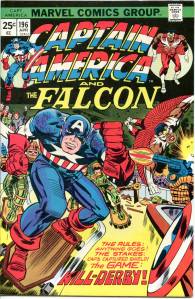
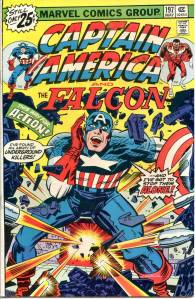
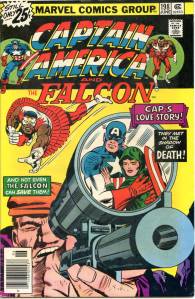
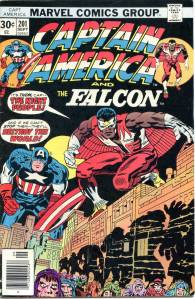
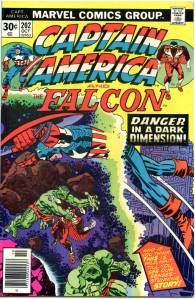
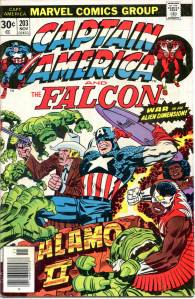
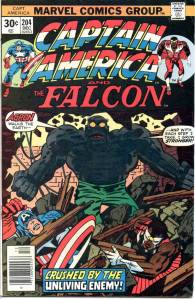
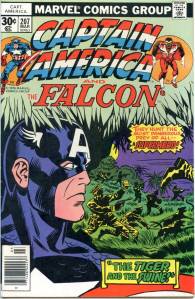
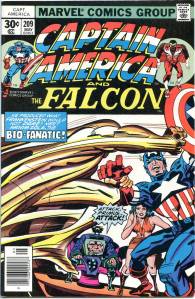
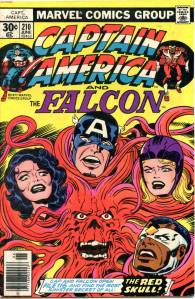
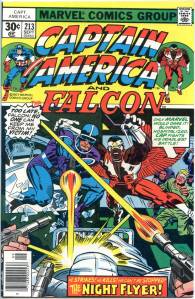
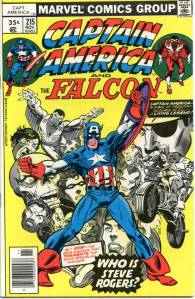
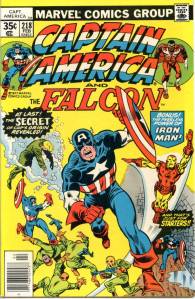
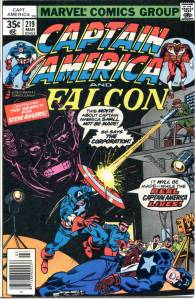
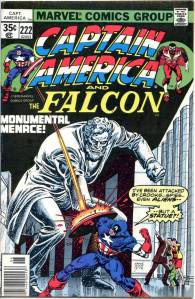
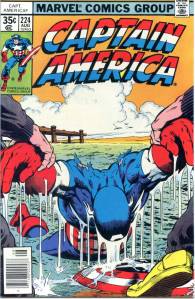
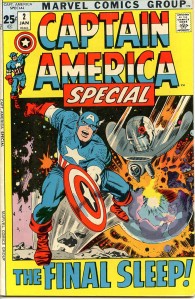
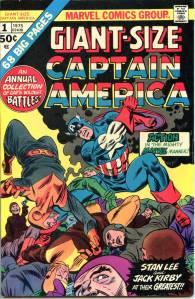
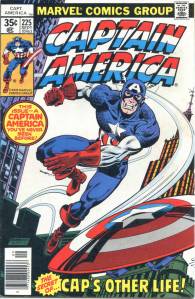
Captain America continued from Tales of Suspensewith artwork by Kirby, as well as a short run by Jim Steranko, and work by many of the industry’s top artists and writers. It was called Captain America and the Falcon from #134 (Feb. 1971) to #222 (June 1978) although the Falcon’s name was not on the cover for issues #193, 200, and 216. The 1972–1975 run on the title by writer Steve Englehart and artist Sal Buscema saw the series become one of Marvel’s top-sellers. In 2010, Comics Bulletin ranked Englehart and Buscema’s run on Captain America fourth on its list of the “Top 10 1970s Marvels”. Kirby returned to the series as writer and penciler with issue #193 (Jan. 1975) ]and remained through #214 (Oct. 1977).
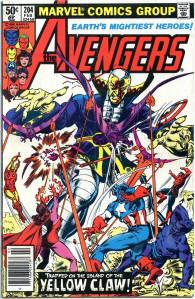
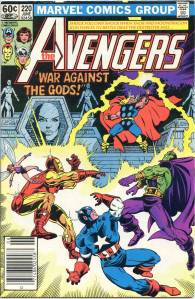
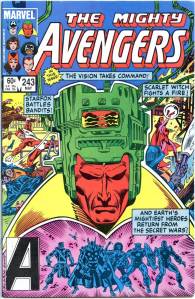
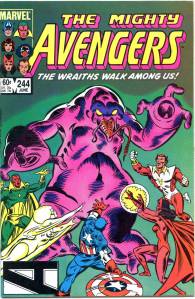
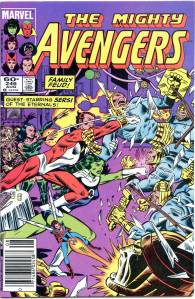
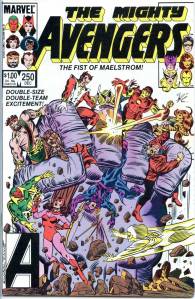
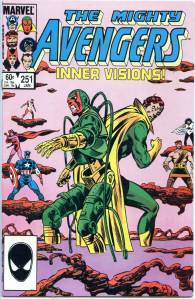
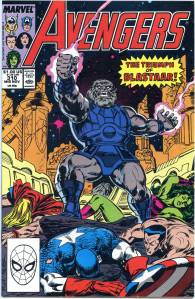
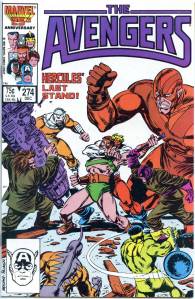
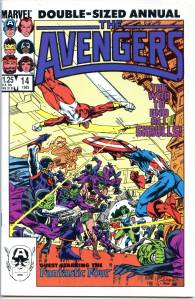
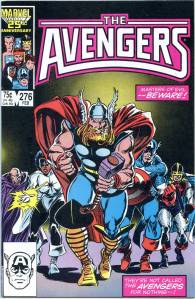
The first major development of the 80’s was the breakdown of Henry Pym, with his frequent changes of costume and name being symptomatic of an identity problem and an inferiority complex. After he abused his wife, failed to win back the confidence of the Avengers with a ruse and was duped by the villain Egghead, Pym was jailed. Pym would later outwit Egghead and defeated the latest incarnation of the Masters of Evil single-handedly, and proved his innocence. Pym reconciled with the Wasp, but they decided to remain apart. Pym retired from super-heroics, but returned years later.
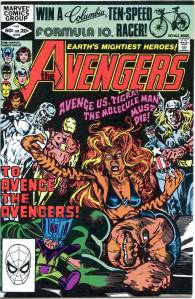
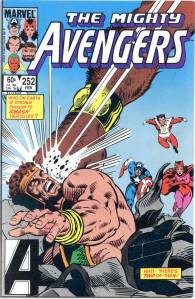
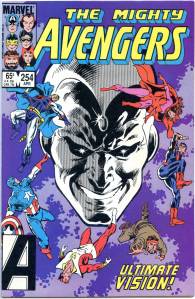
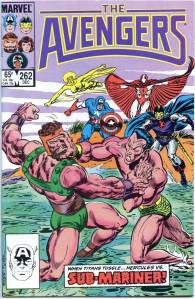
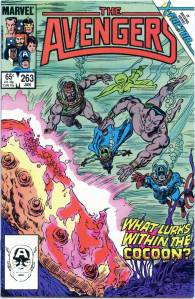
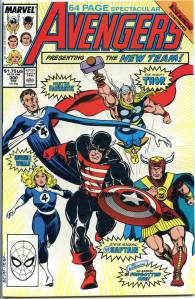
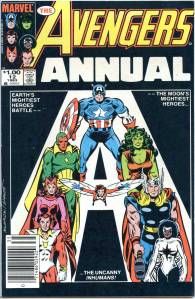
This was followed by several major storylines, such as “Ultimate Vision” in which the Vision took over the world’s computer systems in a misguided attempt to create world peace; the formation of the West Coast Avengers; and “Avengers Under Siege” which involved the second Baron Zemo and the Masters of Evil taking over the mansion and severely injuring Jarvis and Hercules. “Assault on Olympus” featured Hercules’ father, Zeus, blaming the Avengers for his son’s injuries and brought them to Olympus for trial, and the “Heavy Metal” arc saw the Super Adaptoid organized several robotic villains for an assault on the team. New members during the 1980s included Tigra; the She-Hulk;Monica Rambeau (then going by the name Captain Marvel);Starfox (the brother of Thanos); Hawkeye’s wife, Mockingbird; and Namor, while Henry Pym emerged from retirement to join the West Coast Avengers. Spider-Man was again offered membership, but failed to gain admission due to security concerns by the Avengers’ government liaison.
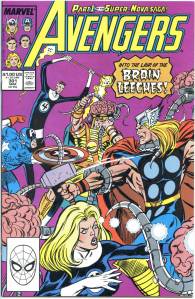
The villain Nebula falsely claimed to be the granddaughter of Thanos. The team relocated for a period to a floating island off the coast of New York called Hydrobase after Avengers Mansion was severely damaged during the events in “Under Siege”. Hydrobase was later sunk during the Acts of Vengeance crossover.
































































 EHT Comics