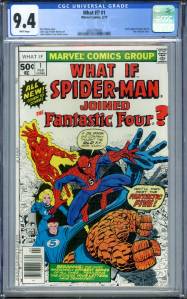
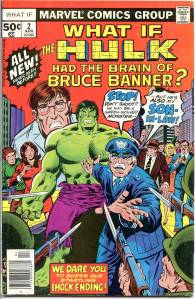
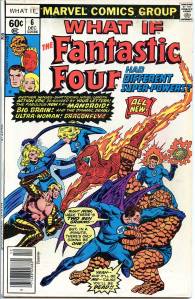
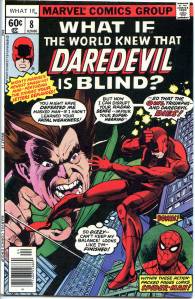
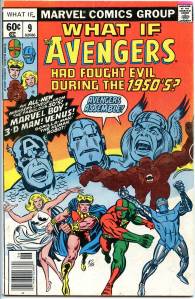
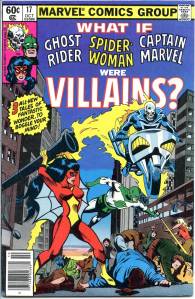
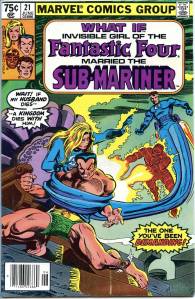
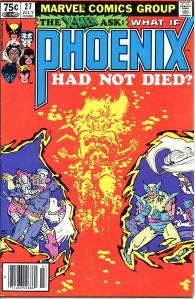
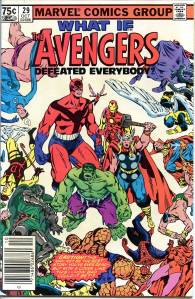
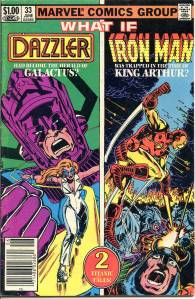
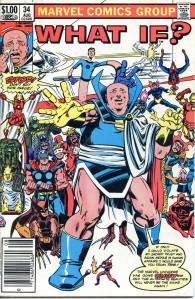
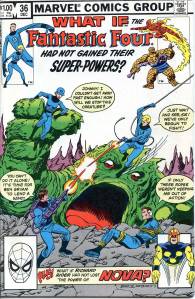
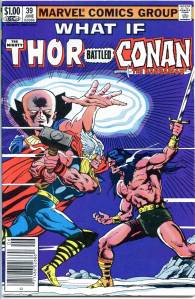
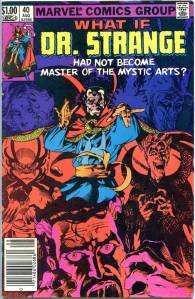
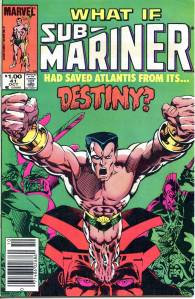
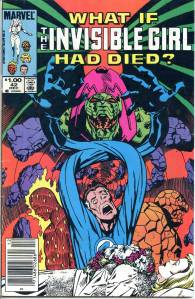
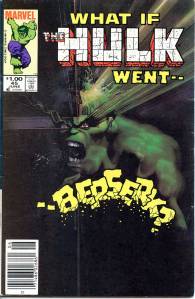
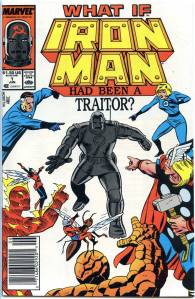
What If, sometimes rendered as What If…?, is published by Marvel Comics whose stories explore how the Marvel Universe might have unfolded if key moments in its history hadn’t occurred as they did in mainstream continuity. What If comics have been published in eleven series (volumes).
The stories of the inaugural series (1977–1984) feature the alien Uatu the Watcher as a narrator. From the moon, Uatu, a member of an immortal race of “Watchers”, observes both the Earth and alternate realities. Most What If stories begin with Uatu describing an event in the mainstream Marvel Universe, then introducing a point of divergence in that event and then describing the consequences of the divergence. Uatu was used similarly in the second series (1989–1998) until a point where, in the Fantastic Four comic book, Uatu was punished for destroying another Watcher. This made the use of Uatu improbable so the character was phased out to its last appearance in issue #76. Without a framing device, the stories themselves became the focus.
What If #1 CGC 9.4 White Pages $124What If V1 #2 FN+ $8What If V1 #4 FN- $6What If V1 #6 FN $7What If V1 #8 VF $9What If V1 #9 VF- $14What If V1 #17 VF $14What If V1 #20 VF- $14What If V1 #21 VF $12What If V1 #27 VF $8What If V1 #29 FN+ $8What If V1 #33 VF $9What If V1 #34 VF-NM $10What If V1 #36 NM $24What If V1 #37 VF+ $12What If #39 Newstand VF+ $24What If #40 VF- $5What If V1 #41 VF+ $9What If V1 #42 VF+ $9What If V1 #44 NM- $24What If V1 #45 F+$7What If V1 #46 F- $4What If Special #1 NM $8
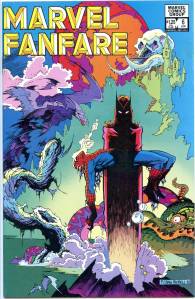
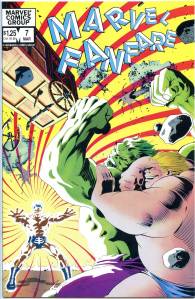
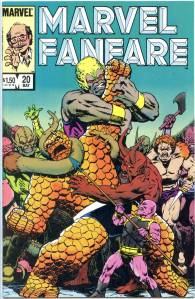
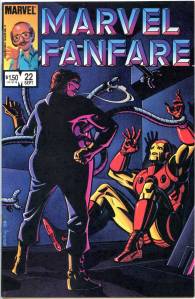
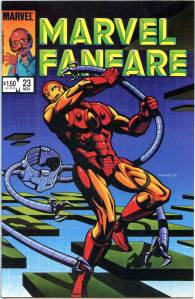
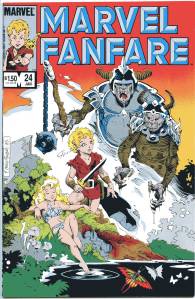
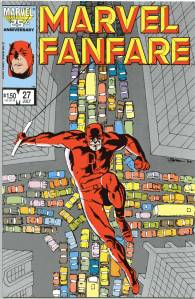
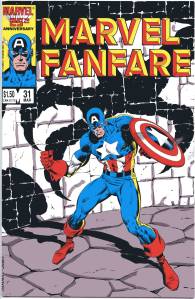
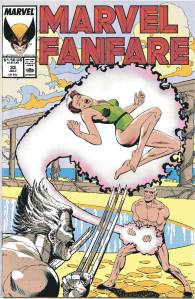
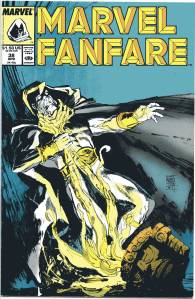
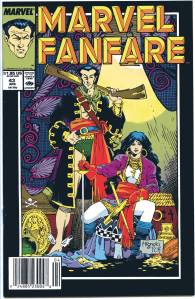
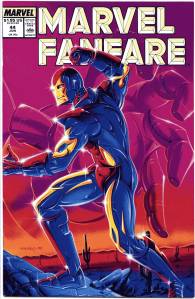
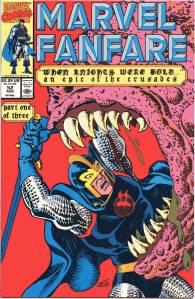
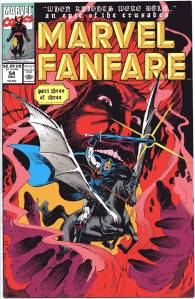
Marvel Fanfare was envisioned as a showcase of the comics industry’s best talent. Each issue featured 36 pages of material with no advertisements and it was printed on magazine-style slick paper. It was more than twice as expensive as standard comic books ($1.25 in 1982 when most titles were 60 cents and $2.25 in 1991 when most were $1).
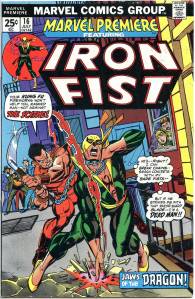
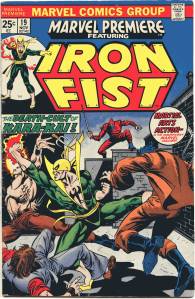
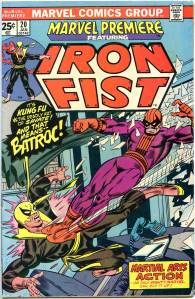
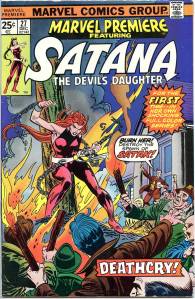
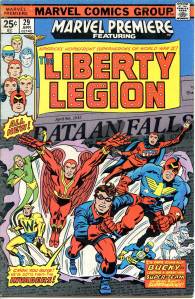
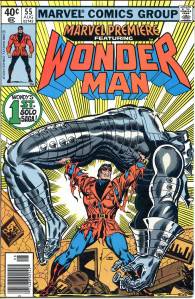
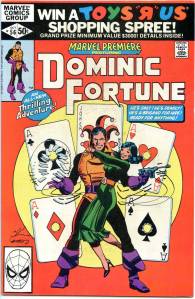
Marvel Premiere ran for 61 issues from April 1972 to August 1981. The series introduced new characters and reintroduced characters who no longer had their own titles. Writer Roy Thomas and penciler Gil Kane significantly revamped Him as the allegorical Messiah Adam Warlock in Marvel Premiere #1 (April 1972). Iron Fist first appeared in issue #15, written by Roy Thomas and drawn by Gil Kane. Other introductions include the Legion of Monsters, the Liberty Legion,Woodgod, the 3-D Man, and the second Ant-Man (Scott Lang). The series also featured the first comic book appearance of rock musician Alice Cooper. Later in the title’s run, Marvel Premiere was used to finish stories of characters who had lost their own series including the Man-Wolf in issues #45-46 and the Black Panther in issues #51-53.
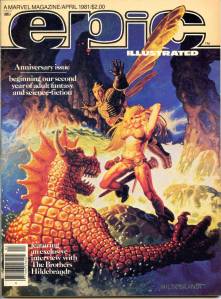
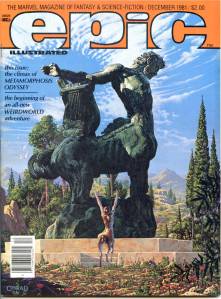
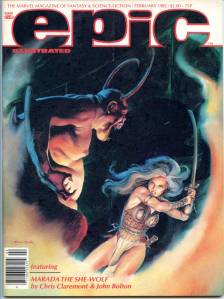
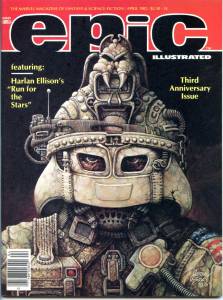
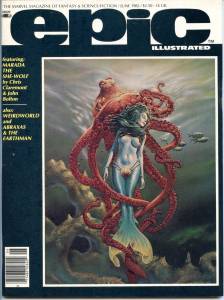
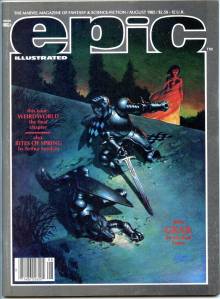
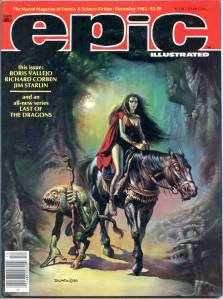
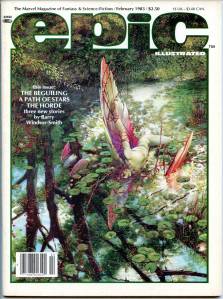
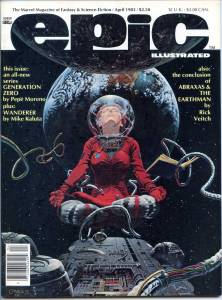
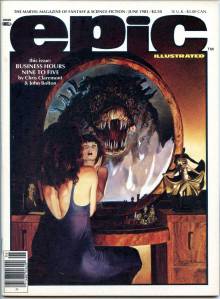
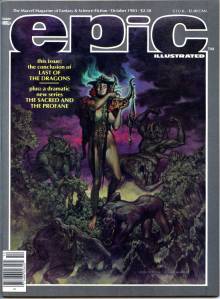
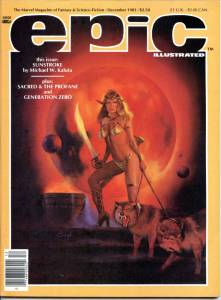
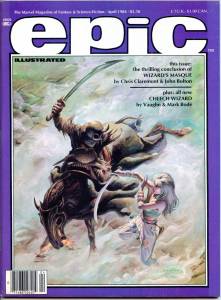
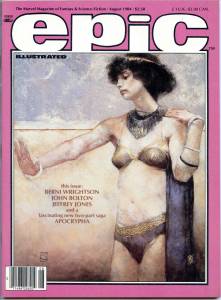
Epic Illustrated was a comics anthology in magazine format published in the United States by Marvel Comics. Similar to the US-licensed comic book magazine Heavy Metal, it allowed explicit content to be featured, unlike the traditional American comic books of that time bound by the restrictive Comics Code Authority, as well as offering its writers and artists ownership rights and royalties in place of the industry-standard work for hire contracts. The series lasted 34 issues from Spring 1980–February 1986.
A color comic-book imprint, Epic Comics, was spun off in 1982.
Epic Illustrated #5 April 1981 NM $22Epic Illustrated #9 December 1981 NM $19Epic Illustrated #10 February 1982 NM $22Epic Illustrated #11 April 1982 NM $19Epic Illustrated #12 June 1982 VF+ $17Epic Illustrated #13 August 1982 VF-NM $18Epic Illustrated #15 December 1982 NM $26Epic Illustrated #16 February 1983 NM- $24Epic Illustrated #17 April 1983 NM $18Epic Illustrated #18 June 1983 NM $18Epic Illustrated #20 October 1983 NM $18Epic Illustrated #21 December 1983 VF-NM $16Epic Illustrated #23 April 1984 NM- $17Epic Illustrated #25 August 1984 NM $18
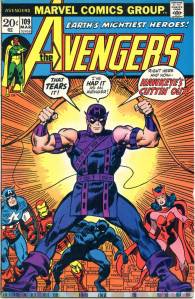
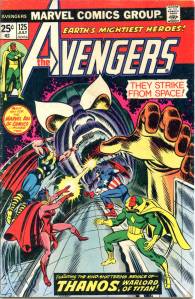
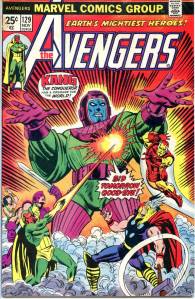
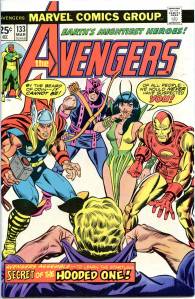
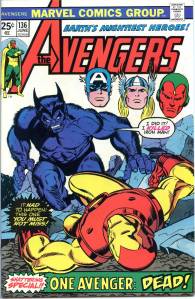
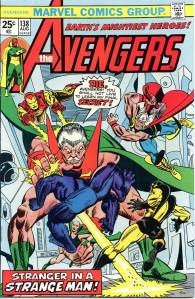
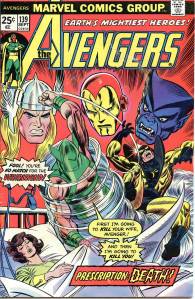
During the summer of 1973, Englehart and artists Bob Brown and Sal Buscema produced “The Avengers-Defenders Clash” storyline which crossed over between the two team titles. “The Celestial Madonna” arc linked Mantis’ origins to the very beginnings of the Kree-Skrull conflict in a time-spanning adventure involving Kang the Conqueror,and Immortus, who were past and future versions of each other.Mantis was revealed to be the Celestial Madonna,who was destined to give birth to a being that would save the universe.It was revealed that the Vision’s body had only been appropriated, and not created by Ultron, and that it originally belonged to the 1940s Human Torch. With his origins clear to him, the Vision proposed to the Scarlet Witch. The “Celestial Madonna” saga ended with their wedding, presided over by Immortus. The Beast and Moondragon joined the team soon after. George Pérez became the title’s artist with issue #141 (Nov. 1975) which saw the start of a seven-part story featuring the Squadron Supreme and the Serpent Crown. In 2010, Comics Bulletin ranked Englehart’s run on The Avengers eighth on its list of the “Top 10 1970s Marvels”.
During his two years on the title, Roger Stern augmented the backgrounds of long-established Spider-Man villains, and with Romita Jr. created the mysterious supervillain the Hobgoblin in #238-239 (March–April 1983) Fans engaged with the mystery of the Hobgoblin’s secret identity, which continued throughout #244-245 and 249-251 (Sept.-Oct. 1983 and Feb.-April 1984). One lasting change was the reintroduction of Mary Jane Watson as a more serious, mature woman who becomes Peter’s confidante after she reveals that she knows his secret identity. Stern wrote “The Kid Who Collects Spider-Man” in The Amazing Spider-Man #248 (January 1984), a story which ranks among his most popular.
David Michelinie took over as writer in #290 (July 1987) that led to the marriage of Peter Parker and Mary Jane Watson in Amazing Spider-Man Annual #21. The “Kraven’s Last Hunt” storyline by writer J.M. DeMatteis and artists Mike Zeck and Bob McLeod crossed over into The Amazing Spider-Man #293 and 294. Issue #298 (March 1988) was the first Spider-Man comic to be drawn by future industry star Todd McFarlane, the first regular artist on The Amazing Spider-Man since Frenz’s departure. McFarlane revolutionized Spider-Man’s look. His depiction – large-eyed, with wiry, contorted limbs, and messy, knotted, convoluted webbing – influenced the way virtually all subsequent artists would draw the character. McFarlane’s other significant contribution to the Spider-Man canon was the design for what would become one of Spider-Man’s most wildly popular antagonists, the supervillainVenom. Issue #299 (April 1988) featured Venom’s first appearance (a last-page cameo) before his first full appearance in #300 (May 1988). The latter issue featured Spider-Man reverting to his original red-and-blue costume.
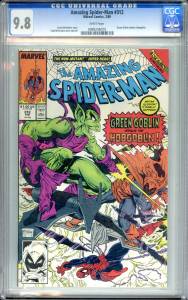
Other notable issues of the Michelinie-McFarlane era include #312 (Feb. 1989), featuring the Green Goblin vs. the Hobgoblin; and #315-317 (May–July 1989), with the return of Venom. In July 2012, Todd McFarlane’s original cover art for The Amazing Spider-Man #328 sold for a bid of $657,250, making it the most expensive American comic book art ever sold at auction.
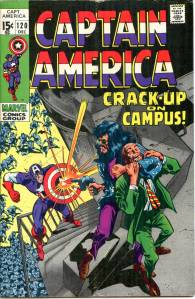
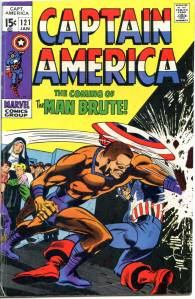
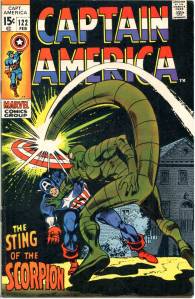
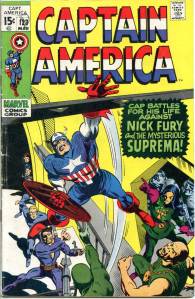
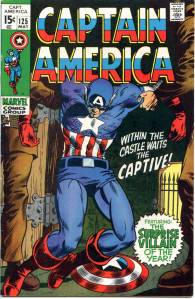
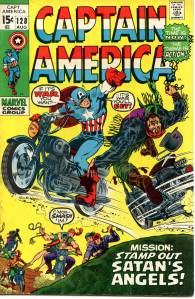
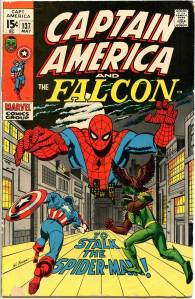
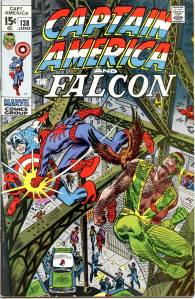
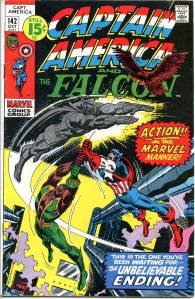
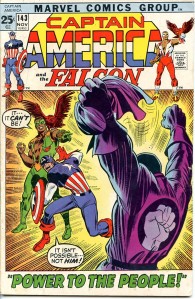
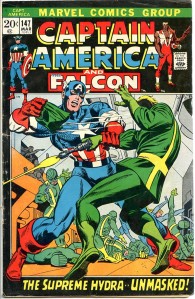
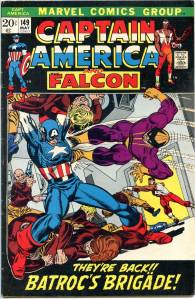
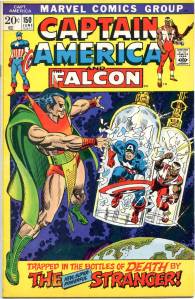
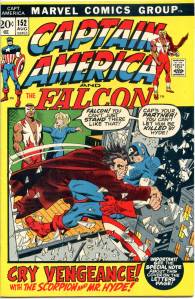
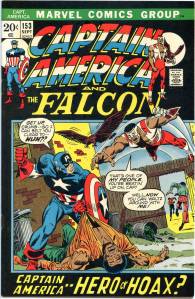
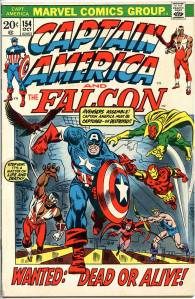
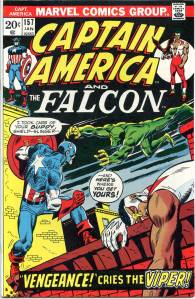
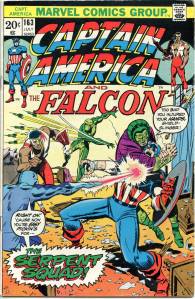
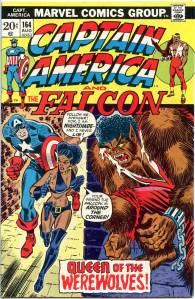
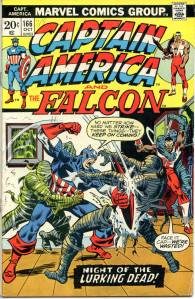
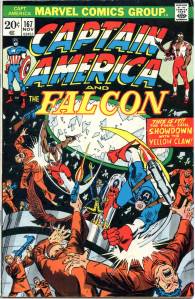
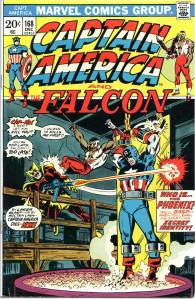
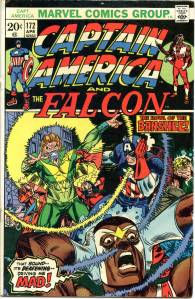
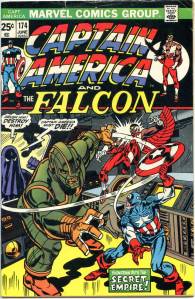
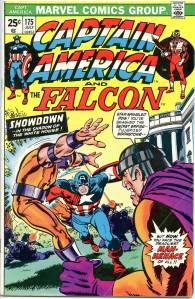
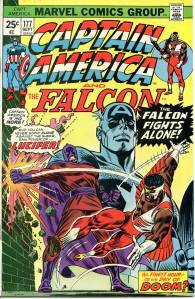
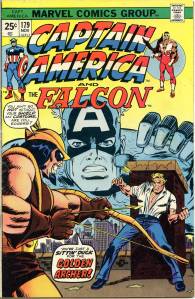
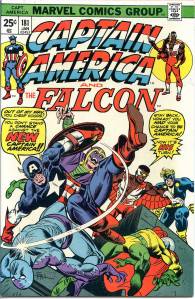
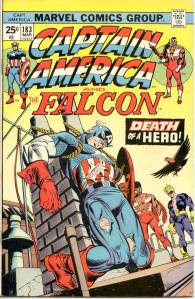
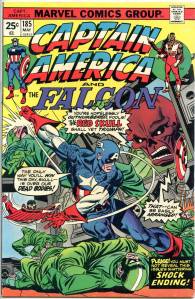
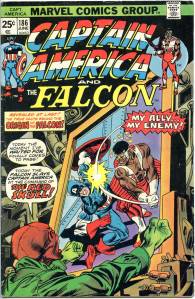
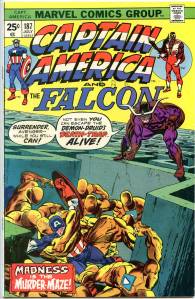
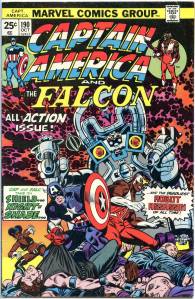
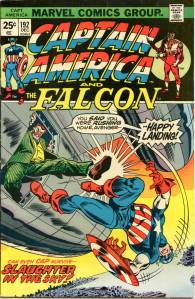
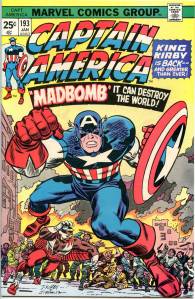
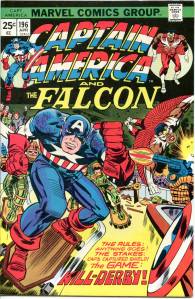
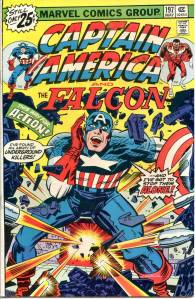
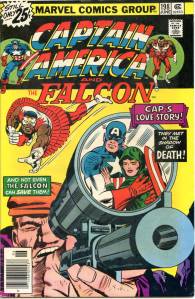
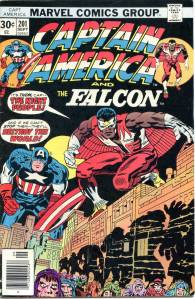
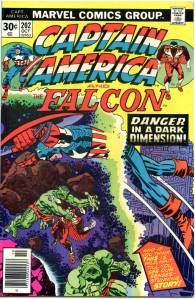
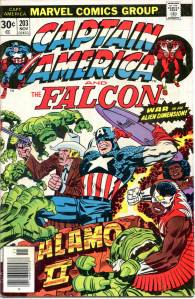
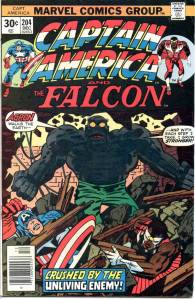
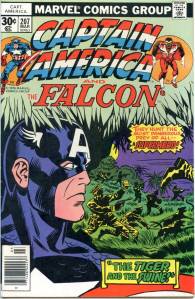
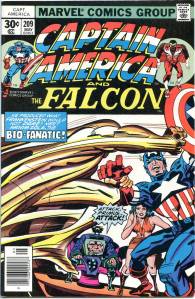
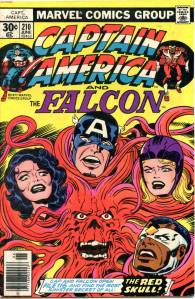
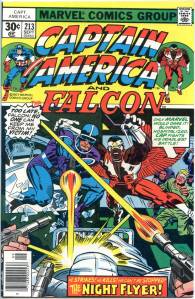
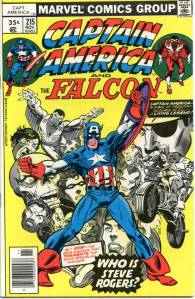
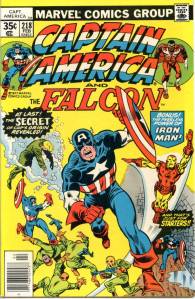
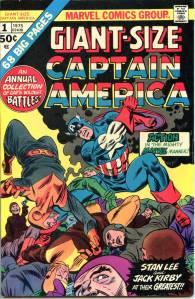
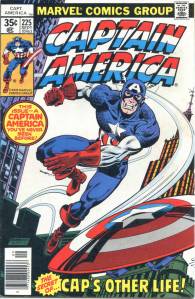
Captain America continued from Tales of Suspensewith artwork by Kirby, as well as a short run by Jim Steranko, and work by many of the industry’s top artists and writers. It was called Captain America and the Falcon from #134 (Feb. 1971) to #222 (June 1978) although the Falcon’s name was not on the cover for issues #193, 200, and 216. The 1972–1975 run on the title by writer Steve Englehart and artist Sal Buscema saw the series become one of Marvel’s top-sellers. In 2010, Comics Bulletin ranked Englehart and Buscema’s run on Captain America fourth on its list of the “Top 10 1970s Marvels”. Kirby returned to the series as writer and penciler with issue #193 (Jan. 1975) ]and remained through #214 (Oct. 1977).
Captain America #120 G-VG $5Captain America #121 VG $7Captain America #122 VF- $19Captain America #123 VG $7Captain America #125 VF+ $29Captain America #126 VF $79Captain America #127 NM- $49Captain America #128 VF- $24Captain America #129 VF $19Captain America #131 VF- $15Captain America #133 FN+ $24Captain America #137 VG $15Captain America #138 VF $49Captain America #142 FN $9Captain America #143 FN $6Captain America #144 VG $19Captain America #146 FN $6Captain America #147 FN $4Captain America #148 VF $9Captain America #149 FN $6Captain America #150 FN-VF $19Captain America #151 VF-NM $29Captain America #152 VF-NM $29Captain America #153 VF-NM $74Captain America #154 VF- $29Captain America #155 VG $6Captain America #156 VF $18Captain America #157 VF-NM $39Captain America #158 NM- $39Captain America #161 FN $8Captain America #163 FN+ $14Captain America #164 VF-NM 49Captain America #166 FN+ $14Captain America #167 FN $9Captain America #168 VF+ $129Captain America #170 VF+ $29Captain America #170 FN+ $12Captain America #172 FN $7Captain America #174 GD+ $5Captain America #175 FN+ $8Captain America #177 VF+ $19Captain America #178 VF $7Captain America #179 FN+ $4Captain America #180 VF+ $69Captain America #181 VF $11Captain America #182 F-VF $4Captain America #183 FN+ $14Captain America #184 VF+ $5Captain America #185 VF+ $14Captain America #185 VF $12Captain America #186 FN $6Captain America #187 FN+ $6Captain America #190 VF-NM $12Captain America #191 FN+ $6Captain America #192 FN-VF $14Captain America #192 FN+ $9Captain America #193 NM $89Captain America #194 FN+ $5Captain America #195 VF $12Captain America #196 VF+ $15Captain America #197 FN+ $9Captain America #198 FN+ $8Captain America #199 NM- $25Captain America #200 VG $3Captain America #201 VG-FN $4Captain America #202 FN $6Captain America #203 FN- $4Captain America #204 FN- $4Captain America #205 VF-NM $10Captain America #206 VF-NM $10Captain America #207 FN+ $6Captain America #208 VF+ $39Captain America #209 VF-NM $45Captain America #210 FN-$4Captain America #211 VG-FN $3Captain America #213 F-VF $6Captain America #214 FN- $4Captain America #215 FN $5Captain America #216 VF+ $11Captain America #218 VF-NM $12Captain America #219 VF- $6Captain America #220 FN-VFN $4Captain America #221 FN+ $3Captain America #222 F-VF $6Captain America #224 NM $14Captain America King-Size Special #1 VG $9Captain America Special #2 VF $12Captain America Annual #3 VF $12Captain America Annual #4 VF $12Captain America Giant Size #1 FN+ $12
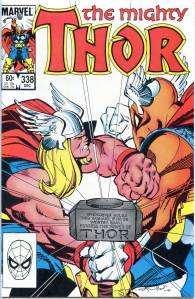
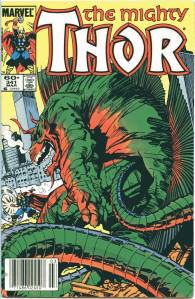
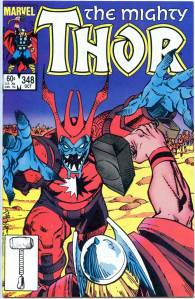
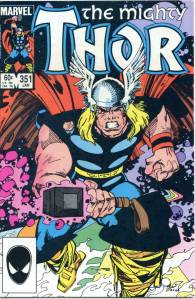
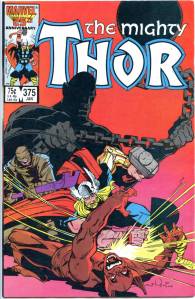
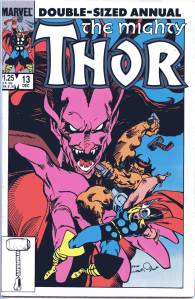
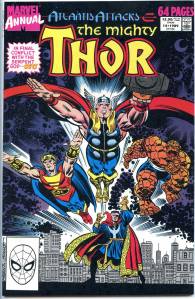
Walt Simonson took over both writing and art as of #337 (Nov. 1983). His stories placed a greater emphasis on the character’s mythological origins. Simonson’s run as writer-artist lasted until #367 (May 1986), although he continued to write – and occasionally draw – the book until issue #382 (Aug. 1987). Simonson’s run, which introduced the character Beta Ray Bill, was regarded as a popular and critical success.Simonson’s later stories were drawn by Sal Buscema, who describes Simonson’s stories as “very stimulating. It was a pleasure working on his plots, because they were a lot of fun to illustrate. He had a lot of great ideas, and he took Thor in a totally new direction.” Asked why he was leaving Thor, Simonson said that he felt the series was due for a change in creative direction, and that he wanted to reduce his work load for a time. After Simonson’s departure, Marvel’s editor-in-chief at the time, Tom DeFalco, became the writer. Working primarily with artist Ron Frenz, DeFalco stayed on the book until #459 (Feb. 1993).
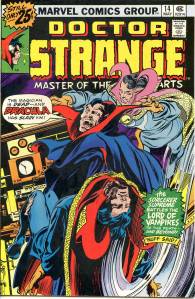
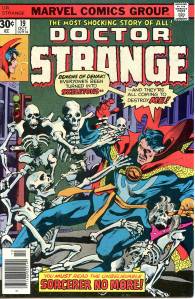
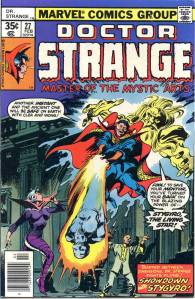
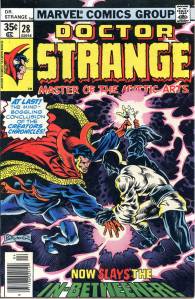
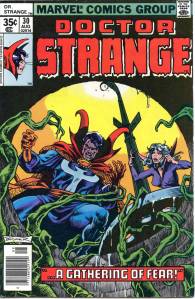
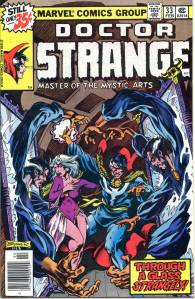
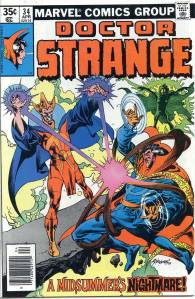
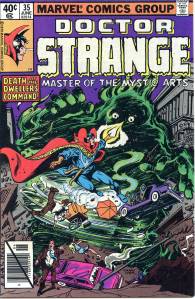
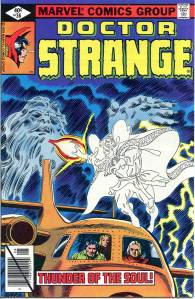
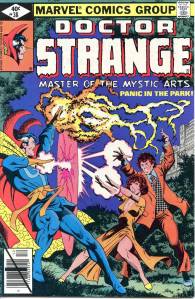
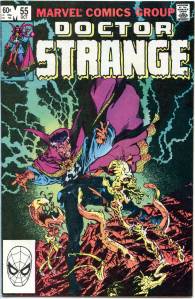
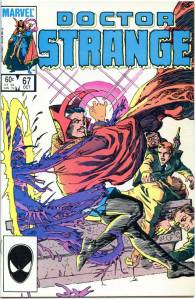
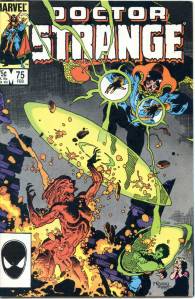
Doctor Strange: Master of the Mystic Arts, also known as Doctor Strange vol. 2, ran 81 issues (June 1974-February 1987). Doctor Strange #14 featured a crossover story with The Tomb of Dracula #44, another series which was being drawn by Gene Colan at the time.In Englehart’s final story, he sent Dr. Strange back in time to meet Benjamin Franklin. In 2010, Comics Bulletin ranked Englehart’s work on Doctor Strange with artists Brunner and Colan ninth on its list of the “Top 10 1970s Marvels.”
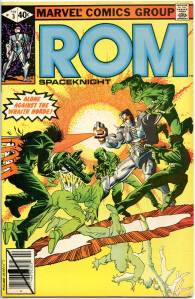
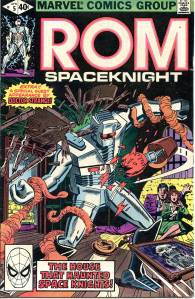
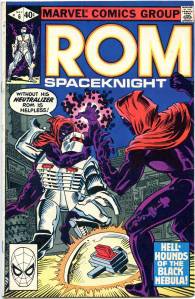
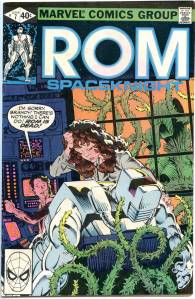
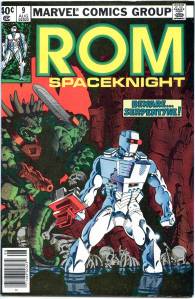
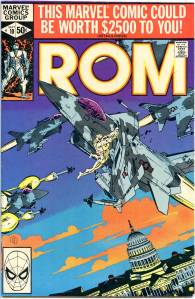
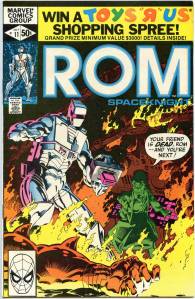
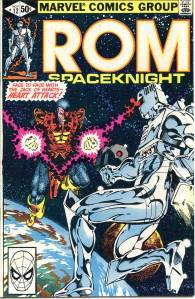
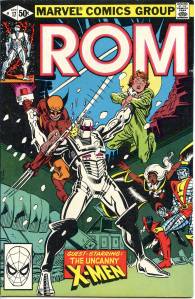
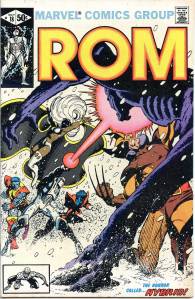
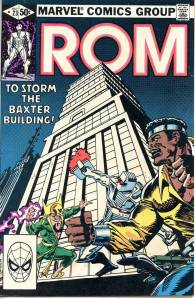
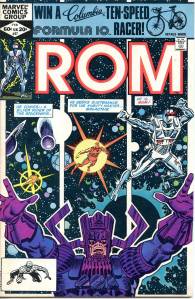
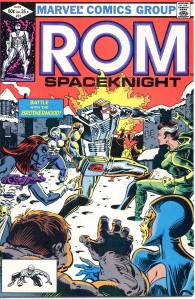
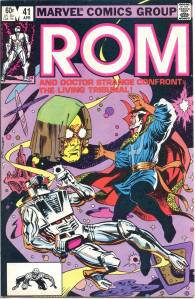
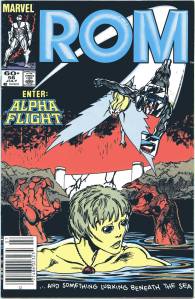
To build interest in the ROM toy, Parker Brothers licensed the character to Marvel Comics, which created a comic book featuring Rom. The comic expanded on the premise that Rom was a cyborg and gave him an origin, personality, set of supporting characters and villains, as well as interaction within the Marvel Universe. The comic was written by Bill Mantlo and initially illustrated by artist Sal Buscema. Buscema stated in a 2010 interview, “I liked the character. And I liked what they did with it. I thought the concept was quite good. It was unique. It made it attractive to do. I almost hate to say this, but it was pretty easy to draw, too.” Buscema was the main artist for the series from its creation through 1984. Steve Ditko took over for the final two years of the original run.
Ultimately, the toy failed and only sold 200,000 to 300,000 units in the US, with creator McCoy blaming the failure on poor packaging and marketing. Parker Brothers subsequently abandoned the line.
The comic book outlasted the toy which it was created to support. The series lasted for 75 issues (not including the four annual issues) from December 1979 to February 1986. Rom’s regular encounters with mainstream heroes and villains established him as part of Marvel continuity.